
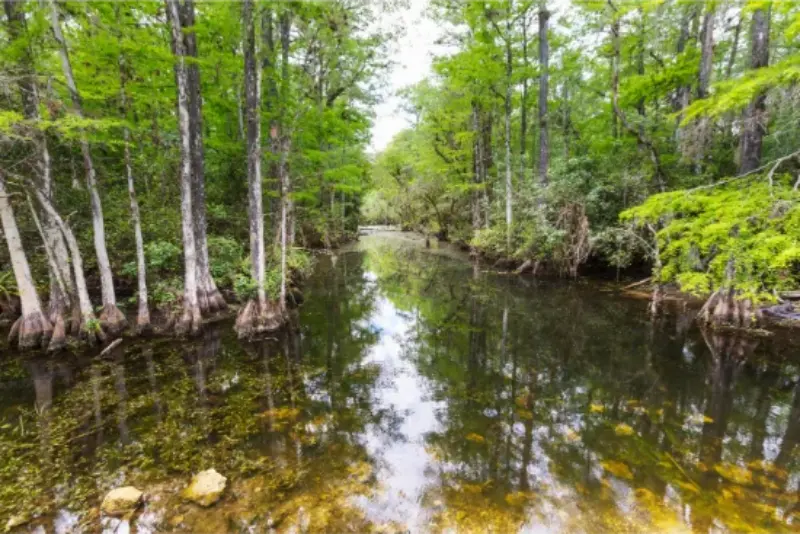
Everglades National Park and Biscayne National Park protect two extraordinary but very different parts of South Florida. The Everglades are famous for freshwater wetlands, mangroves, wildlife, scenic drives, and walks through subtropical landscapes. Biscayne protects a vast marine environment, including bay waters, islands, reefs, and shoreline ecosystems. For travelers with one free day near Miami, the right choice depends on whether they want to drive and walk or spend significant time on the water. Both are national parks, yet planning a visit to one as if it were the other is a common mistake that can lead to a disappointing day.
In this guide
- Understand the landscapes before choosing
- Which park is better without a boat?
- Which park is better for wildlife photography?
- Families with toddlers and school-age kids
- Teens, adults, and adventurous visitors
- Mobility, accessible services, and older travelers
- Distance, entrances, and driving logistics
- Entrance fees, tour charges, and realistic budgets
- Weather and the best season
- A one-day plan for the Everglades
- A one-day plan for Biscayne
- The best choice in one sentence
Understand the landscapes before choosing
The Everglades are not a single swamp reached through one gate. The park includes sawgrass prairies, hardwood hammocks, coastal mangroves, and extensive estuarine environments. Different visitor areas provide different experiences, and the principal road entrances do not connect with one another inside the park. A visitor starting near Homestead can explore the main southern road, while the Shark Valley entrance is approached from the Tamiami Trail and the Gulf Coast area is reached near Everglades City. Choosing the wrong entrance can add a large and unnecessary detour to the day.
Biscayne National Park is dominated by water. The Dante Fascell Visitor Center and its shoreline surroundings are accessible by road, but reaching much of the park’s protected islands, reefs, and marine landscapes requires a boat. This is not a typical drive-through national park with an extensive network of land trails. A traveler who books no water-based activity can still enjoy the visitor center, shoreline views, and educational exhibits, but they should not expect to reach offshore islands by driving to another parking lot. That fundamental difference should shape the entire decision.
Which park is better without a boat?
For visitors who want a nature day without boarding a boat, the Everglades usually offer more choices. The main southern entrance leads to park facilities and walks that can be adapted to different energy levels. Shark Valley has a long loop route with its own transportation and bicycle options when available. Visitors can learn about wetland habitat at visitor centers and enjoy scenery without paddling into remote waterways. This makes the Everglades a sensible first national-park choice for many families, especially those with cautious swimmers or travelers who want to remain on land.
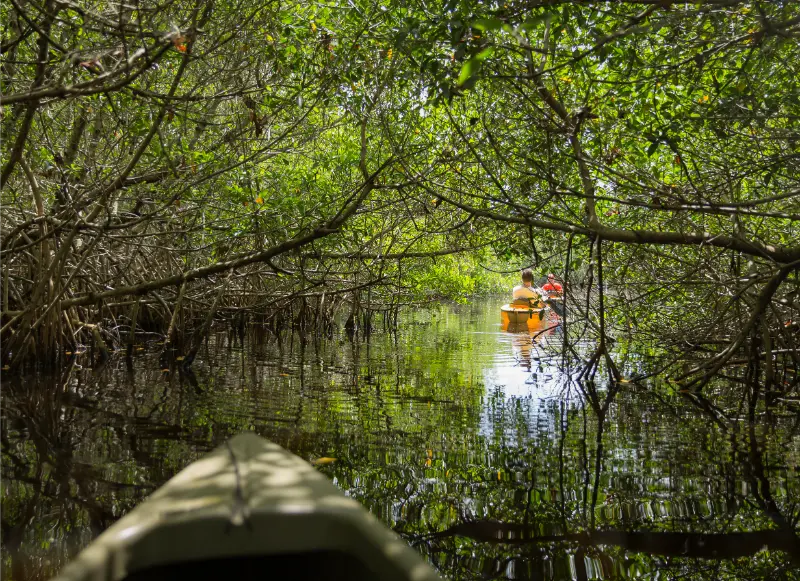
At Biscayne, a land-only outing is much more limited in geographic scope. The visitor center area offers a useful introduction to the marine park, but an offshore boat tour can be essential for someone who expects to see islands or reef-related scenery. Tours depend on weather, availability, departure location, and operator requirements. Book only through legitimate services and check cancellation conditions. A visitor prone to seasickness, unable to transfer onto a particular vessel, or uncomfortable on open water should not be pressured into booking because the park is famous for its reefs.
Which park is better for wildlife photography?
Everglades visitors may have opportunities to observe alligators, wading birds, turtles, and other animals, but sightings depend on season, water level, weather, and behavior. Dry-season conditions can concentrate certain wildlife near accessible viewing areas, yet there is no guarantee that any particular animal will appear. Bring binoculars and a camera that can photograph from a safe distance. Do not approach alligators, feed animals, or stand on the edge of a trail to achieve a closer picture. Wildlife photography is most rewarding when the habitat remains undisturbed.
Biscayne offers a different photographic subject: blue water, mangrove coast, sea life, islands, and potentially underwater environments. The full marine experience may depend on a guided boat, snorkeling trip, or other suitable water activity. Clear visibility cannot be guaranteed, even during a well-planned outing. Wind and weather can determine what tours operate. Someone hoping for photographs of dolphins, fish, or marine birds should treat those as possibilities, not paid promises. For a non-swimmer, a sightseeing boat may be more appropriate than a snorkeling excursion if offered and accessible.
Families with toddlers and school-age kids
For young children, an Everglades outing can focus on one easy walk, an educational stop, and observing wildlife from a safe distance. Choose a short activity close to restrooms and shaded breaks rather than beginning with the longest trail. Bring drinking water, sun protection, appropriate shoes, and insect protection. Toddlers should remain under direct adult supervision near canals and wetlands. Do not allow children to feed, touch, or approach wildlife. The experience can still be fascinating: seeing a heron in its natural habitat is often enough to inspire questions about food chains and conservation.
Biscayne may appeal to children who love boats, marine animals, and colorful water, but parental planning is more important. Check minimum ages, life-jacket requirements, shade on board, restroom access, seasickness concerns, and how operators handle changes in weather. A long snorkeling outing is not automatically suitable for a child who cannot yet swim confidently. If several generations are traveling together, one group may enjoy an organized boat trip while another spends a quiet morning at the visitor center, provided transport and supervision are arranged responsibly.
At a glance: practical differences
| What matters | First option | Second option |
|---|---|---|
| Landscape | Wetlands and diverse coastal habitats | Bay, reefs and marine islands |
| Land-only day | Many more land-based options | Visitor center and limited shoreline |
| Boat requirement | Optional for many first visits | Important for much of park |
| Wildlife | Alligators, birds and wetlands | Marine life and coastal birds |
| Navigation | Entrances do not connect | Tour launch point must be checked |
Teens, adults, and adventurous visitors
Teenagers may appreciate the Everglades for photography, ecology, a guided ranger program, or an active cycling experience where available. Some also enjoy learning how wetland restoration connects to the region’s water supply and wildlife. Outdoor adventure can be rewarding, but never underestimate heat, thunderstorms, limited phone signal, and long distances between services. A guided activity is particularly useful for first-time visitors who want context without taking responsibility for navigation in remote terrain. Independent backcountry plans require skills and preparation beyond an ordinary day trip.
Biscayne can be compelling for confident swimmers and water-oriented travelers who want to explore marine habitats. Snorkeling, paddling, and guided island trips may be offered through authorized operators, with conditions and eligibility varying. Avoid treating a water tour as simply another ride that will happen regardless of weather. Boat navigation in shallow, ecologically sensitive areas requires care, and visitors should follow speed zones and reef-protection guidance. A teen who dislikes swimming may still enjoy a suitable sightseeing trip, but ask what will actually happen on board rather than booking solely for the park’s name.
Mobility, accessible services, and older travelers
The Everglades have visitor centers and selected routes that can be suitable for people who prefer short walks, but surfaces, shade, accessible restroom arrangements, and seasonal conditions vary by site. A visitor using a wheelchair should examine the specific accessible facilities and any available tour-vehicle accommodation before leaving Miami. The same is true for travelers with low vision, hearing needs, or limited stamina. A park description stating that an area has an accessible trail does not guarantee that every tour or additional walk will be appropriate for a particular visitor.
At Biscayne, the land-based visitor center is a potential option for guests who cannot board a vessel, while participating in a tour requires checking boarding ramps, seating, accessible restrooms, and safety procedures with the actual operator. Do not assume a boat is accessible merely because it leaves from a public marina. Some guests may find a comfortable short visit by road more rewarding than a potentially difficult transfer onto the water. For seniors and multigenerational groups, accessibility should decide the activity before nonrefundable tickets are purchased.
Distance, entrances, and driving logistics
From the Miami area, the Everglades route depends on which entrance you choose. A traveler heading for Shark Valley should navigate toward the Tamiami Trail, while someone seeking the Anhinga Trail area or Flamingo road should approach from Homestead. There is no internal park road connecting those entrances into one simple loop. If you want to add an Everglades visit to a Key Largo trip, the Homestead-side approach may fit geographically better, but actual drive times must be checked. Never input only ‘Everglades National Park’ into navigation and assume the result is the area you intended.
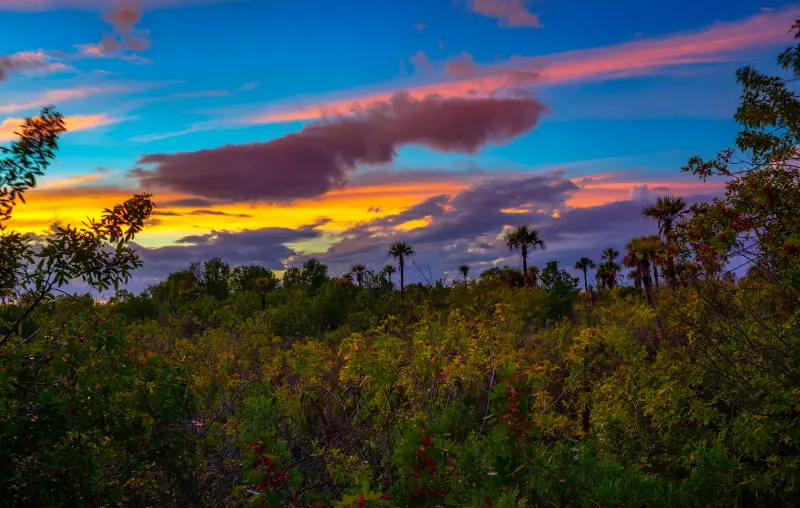
Biscayne’s land-based orientation point is near Homestead, making it possible to pair a short visitor-center stop with other activities south of Miami. However, a booked boat excursion has its own departure requirements, and the tour’s launch point may differ from the visitor center. Verify the operator’s exact meeting location, parking, check-in window, and any check-in requirements. Traffic and storms can affect arrival. If you need to return a rental car that evening, avoid building an itinerary that depends on a tour ending at an exact moment in perfect conditions.
Entrance fees, tour charges, and realistic budgets
The cost structures are not identical. Everglades National Park has an entrance-fee system, subject to current federal rules and eligibility, while separate concessions such as tram rides, bicycle rentals, and guided experiences may involve additional charges. Rules affecting nonresidents and park passes can change, so use the official National Park Service fee page. A family’s total includes the vehicle, any desired tour, food, and transport. Spending money on a ranger-approved or concession-operated activity may add educational value, but it should be a deliberate choice rather than something assumed to be covered by entry.
Biscayne can be inexpensive for a shoreline orientation visit but more expensive for a water-based experience because tours and equipment must be arranged. Compare sightseeing, paddling, and snorkeling products carefully. Ask whether equipment, guide, life jacket, taxes, and cancellation protection are included. An inexpensive ticket that does not match the experience you want is not a bargain. If a marine tour is a major reason for your trip, reserve early when practical and keep another South Florida nature option available in case weather prevents departure.
Weather and the best season
The Everglades have distinct wetter and drier periods. During hotter and wetter months, thunderstorms, insects, and high humidity may make long walks unpleasant, and wildlife viewing patterns differ. The cooler dry season often feels more comfortable for walking and ranger activities, though crowds can increase at popular locations. Pack water and sun protection in every season. Conditions in the wetland do not necessarily match the weather outside an Orlando or Miami hotel window; check regional forecasts and park alerts before leaving.
Biscayne’s boat activities are particularly sensitive to wind, sea state, visibility, and storms. A sunny morning on land is not proof that the water will be calm enough for the planned tour. Cooler months can provide pleasant outdoor temperatures but may also include windy days. The right approach is to book with a clear weather policy and maintain flexibility. Visitors who are susceptible to seasickness should ask about vessel type and duration, and consider whether a shorter protected-water tour would be more comfortable than an open-water activity.
A one-day plan for the Everglades
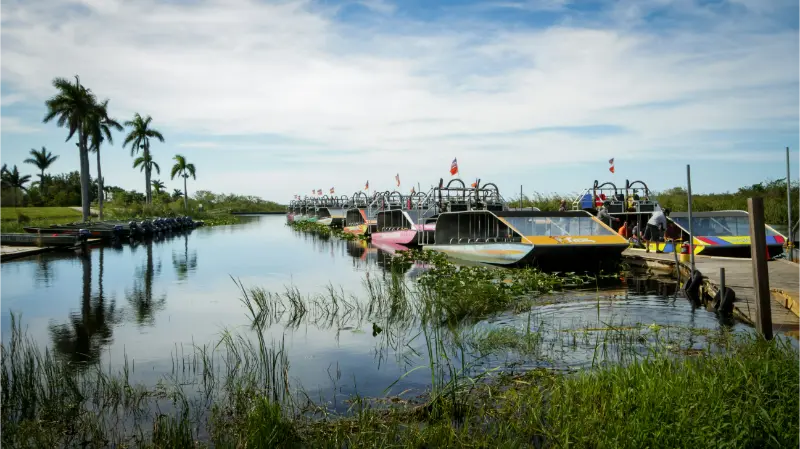
Choose one entrance area rather than attempting to visit Shark Valley, the southern road, and Gulf Coast in a single rushed day. If you select the Homestead entrance, start at the Ernest F. Coe Visitor Center for orientation, then choose one or two available short walks, allowing generous time to observe wildlife responsibly. Build a shaded lunch or rest stop into the schedule. If you choose Shark Valley, check current operating arrangements for the loop and any concession service beforehand. Do not assume that a specific vehicle or tram departure will be available without planning.
Keep the end of the day flexible. Driving from a distant Everglades entrance back to Miami after dark may be tiring, particularly if anyone has spent hours in the sun. Fuel the vehicle beforehand, maintain drinking water, and avoid remote roads during dangerous weather. A family with older relatives might leave after a strong half-day rather than chase a final viewpoint. The park’s scale encourages curiosity, but a successful first visit is one that respects both wildlife and the travelers’ limits.
A one-day plan for Biscayne
Begin with a clear choice: a land-based introduction or a prebooked water excursion. If touring by boat, allow generous time for check-in, equipment instructions, safety briefing, and return. Do not schedule a long second attraction immediately after the trip. Carry a hat, water, appropriate footwear, and any motion-sickness supplies recommended for your circumstances. If snorkeling, confirm that each participant has the appropriate ability and understands instructions; operators’ safety rules should take precedence over the excitement of reaching a reef.
After the boat trip, a relaxed meal near Homestead can be a pleasant finish, but watch for traffic and weather changes. If you are not going on the water, enjoy the visitor center and shoreline surroundings, then combine the stop with a nearby garden or other appropriate destination. Acknowledge that this is an introduction to Biscayne’s marine story, not a comprehensive island visit. That distinction helps families set realistic expectations and prevents the common disappointment of arriving at a national park expecting a network of roads that does not exist.
The best choice in one sentence
Choose the Everglades if you want a mostly land-based experience of wetlands, birds, alligators, short trails, and park interpretation. Choose Biscayne if the marine environment is the central attraction and you can arrange a suitable boat or water experience. Both are worthwhile, but they reward different types of preparation. A visitor who cannot or does not want to board a boat will often get a fuller first-time nature day in the Everglades, whereas someone who loves reefs and boat travel may find Biscayne especially memorable.
Before committing, check official park alerts, entrance details, weather, tour conditions, and accessibility information. Resist the temptation to pack both parks into one day because they look near one another on a regional map. Give each its own time and travel arrangement. South Florida’s protected landscapes deserve more than a rushed photograph, and your group deserves a day that fits its interests, age range, energy, and sense of adventure.
Frequently asked questions
Can you drive through Biscayne National Park?
Only a very limited portion is accessible by road. Reaching most islands and marine environments requires a boat or water-based tour.
Can I see alligators at Biscayne?
Biscayne is primarily a marine park. If observing wetland wildlife from land is your priority, the Everglades is generally the more suitable choice.
Can I visit both parks in one day?
You may be able to make brief stops at both, but an in-depth visit to either deserves more time, especially if a Biscayne boat tour is involved.