
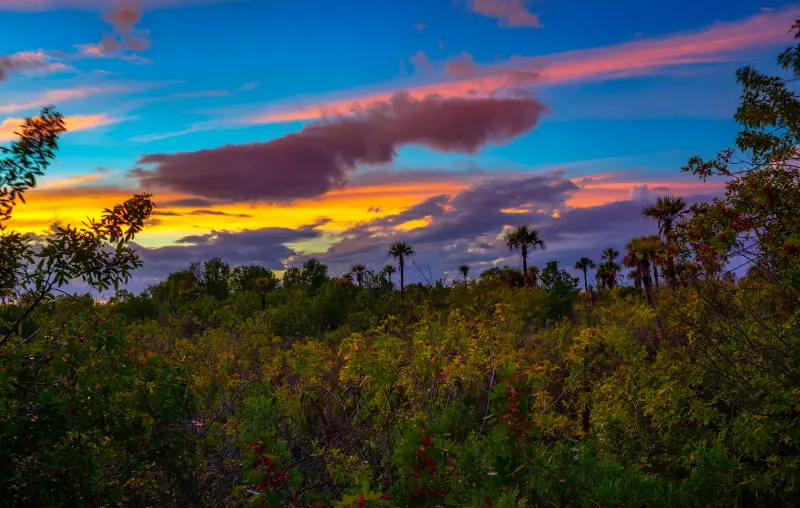
The Everglades are not a single attraction, and a vacation here does not have to revolve around an airboat ride. The park is a landscape of sawgrass marsh, pine rockland, tree islands, mangrove estuaries and coastal water. Some of the most revealing experiences happen slowly: standing on a boardwalk while an anhinga dries its wings, watching a great egret hunt in shallow water, or noticing how the vegetation changes as you drive toward Florida Bay. For many first-time visitors, short trails and an interpretive tram offer a fuller understanding than an expensive activity chosen in haste.
This three-day plan covers the main visitor corridor from Homestead toward Flamingo and a separate Shark Valley day along the Tamiami Trail. It is suitable for travelers who prefer dry-land outings or cannot swim, with options for children and people who need shorter distances. You will need road transport and reasonable flexibility. The park’s entrances are far apart; it is not possible to drive between them on an internal park road.
Three days at a glance
| Day | Main area | Low-effort choice |
|---|---|---|
| One | Homestead entrance and Royal Palm | Anhinga Trail and one short habitat stop |
| Two | Road toward Flamingo | Visitor center, bay views and short selected walks |
| Three | Shark Valley off US 41 | Narrated tram or a brief paved route near the entrance |
Choose the right Everglades entrance first
Everglades National Park has a mainland entrance near Homestead leading toward Royal Palm and Flamingo, a Shark Valley entrance off U.S. 41 west of Miami, and a Gulf Coast gateway near Everglades City oriented to water access. These are not three gates onto a compact loop. Planning all three in one day would involve excessive driving and leave little time to observe anything. The National Park Service visitor information explains the different entrances and current facilities.
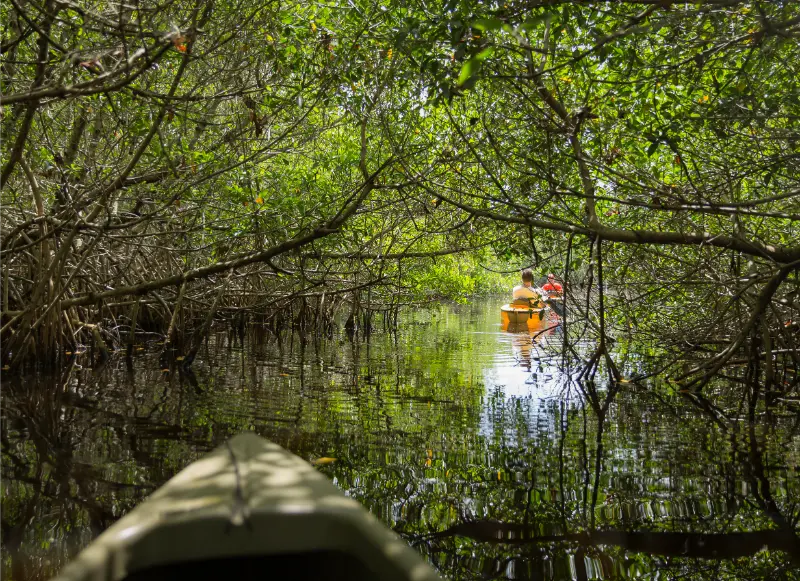
For this trip, choose Homestead or Florida City for the first two nights if you want Royal Palm and Flamingo. For Shark Valley, a western Miami base or a stop on the way toward Naples can reduce the drive. A traveler staying in Miami Beach must budget for city traffic before even reaching the park. Families with small children often do best by visiting just one of these areas on a short holiday; someone using a wheelchair may prefer the accessible Anhinga Trail and the paved Shark Valley tram road over unpaved walks elsewhere.
Day one: understand the wetlands at Royal Palm
Enter through the Homestead corridor and allow time for visitor-center information before driving toward Royal Palm. The Anhinga Trail is a particularly rewarding introduction because its paved and boardwalk portions take you near freshwater wildlife without a strenuous hike. The National Park Service describes the route as about 0.8 mile round trip and wheelchair accessible, though individual conditions should still be checked. Alligators, turtles, anhingas and wading birds may be present; sightings vary with weather, water and season. Never crowd an animal just to obtain a closer photograph.
Pair the Anhinga Trail with the nearby Gumbo Limbo Trail if the group wants to compare open wetland with a shaded tropical hardwood hammock. The contrast is more interesting than rushing straight to another distant site. Bring your own water, insect protection and a lightweight rain layer. Boardwalks can become slippery during showers, and midday heat can be tiring even in winter. For children, turn the visit into a gentle observation exercise: count bird behaviors rather than asking for a species checklist they cannot complete.
Look beyond the famous boardwalk
After Royal Palm, select one or two short stops on the main park road, depending on the daylight and everyone’s energy. Pinelands introduces a habitat that surprises visitors who expected only swamps. Pa-Hay-Okee overlooks the broad sawgrass landscape, where subtle changes in elevation determine which plants can grow. Mahogany Hammock reveals another compact community of trees and shaded ground. Not every trail has identical surface or accessibility conditions, and seasonal closures can occur, so choose from the current official hiking trail list.
The important habit is to stop long enough to notice how each habitat differs. In one place the view is open to the horizon; a few miles later, tree canopy cuts the light and sound changes. Listen for calls before looking for birds. Use binoculars rather than walking toward nests. A child who becomes bored on one path may engage with a short ranger talk or interpretive sign on the next. A slower visit is not a lesser visit: it is how the landscape begins to make sense.
Day two: take the road south toward Flamingo
Allow a full day for the drive toward Flamingo rather than treating it as a quick detour. This is a long stretch of protected landscape with limited services. Before departing, check whether the road, visitor center, marina and any scheduled ranger programs are operating. Carry fuel, drinking water, food and a charged phone. Mobile coverage is not dependable everywhere. The area near the southern end offers a different perspective: brackish coastal habitat, mangroves and Florida Bay rather than the freshwater scenes around Royal Palm.
At Flamingo, choose a short shore-based outing, a visitor-center stop and one meal or picnic rather than combining a boat tour with every possible trail. If the family includes very young children or older travelers who tire in the sun, spend more time looking across the bay and less time walking. Wildlife can include crocodiles and manatees in suitable waters, but neither should be expected on demand. Keep well back from shorelines occupied by large reptiles. For families concerned about insects, wind direction and time of day can noticeably change comfort, so be ready to leave earlier than planned.
Use optional boats without making them the whole trip
Some visitors assume that every Everglades boat experience is an airboat and that every trip is inside the same part of the park. In fact, there are authorized airboat operators associated with sections of the park along the Tamiami Trail, while other concessionaires operate different water-based experiences. It is inaccurate to say that all airboat tours are outside Everglades National Park. The park’s guided tour information identifies approved providers and program types.
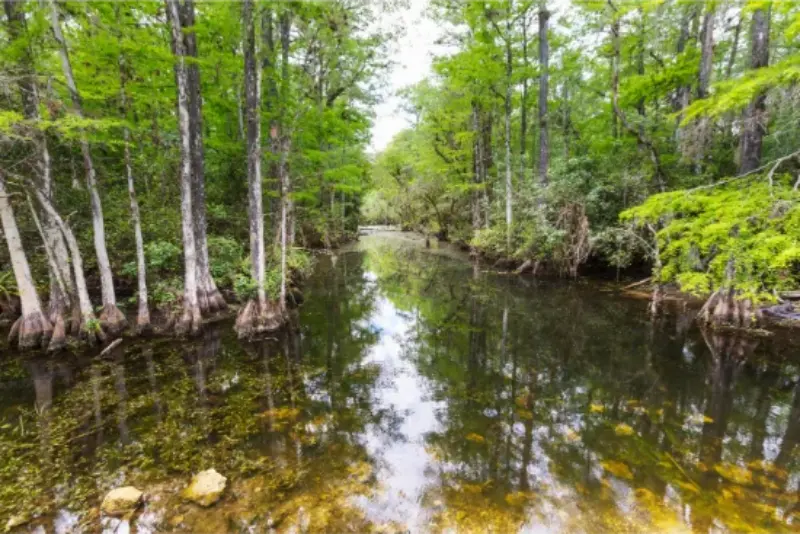
You do not need to purchase any boat excursion for the itinerary to work. If someone in your party loves water and everyone can board safely, a calm-water tour may add context about mangrove ecology. Check duration, noise, protective equipment, boarding height and cancellation terms. Travelers who experience motion sickness or who are uncomfortable around loud engines may prefer the tram at Shark Valley. A group can also split for an hour or two, provided younger children are properly supervised. Make the water option a considered choice, not an assumed requirement.
Day three: Shark Valley by narrated tram or short walks
Shark Valley lies off U.S. 41 west of Miami and is best treated as a separate day. A paved 15-mile loop crosses a wide freshwater landscape and reaches an observation tower. You cannot drive your own car around the loop. Visitors travel on foot, by bicycle or on the narrated tram, which is often a sensible choice for families and older visitors. Book a suitable departure if the tour matters to you, and verify accessible seating or boarding requirements directly with the operator. The trip is about observing water, birds and subtle landforms rather than accumulating miles.
Parking is a serious planning detail here. The NPS Shark Valley visitor advisory warns that the parking lot can fill early in the busy winter season and that rideshare passengers may struggle to arrange a return pickup. Arrive early and keep a backup plan. If the group does not want the full tram excursion, use a short boardwalk or a limited section of the paved road near the visitor center. Do not walk far simply because the first section looks flat: the open road has little shade, and fifteen miles is not a casual stroll.
Pick a season that matches your expectations
The cooler, generally drier portion of the year often makes walking more pleasant and concentrates wildlife near remaining water, but it also brings heavier visitation. Summer is greener and sometimes quieter, with more frequent storms, humidity and mosquitoes. There is no month that guarantees alligators, a particular bird or a cloud-free sunset. Carry your own expectations lightly, especially if traveling with a child who has been promised a rare animal sighting. The most dependable attraction is the variety of habitats, not a guaranteed encounter.
The weather forecast should influence the order of days. A thunderstorm can make a shaded museum or a hotel rest day more sensible than a boardwalk. Avoid exposed trails during lightning. Sunrise and late afternoon may be photogenic, but park gates and tour operations have their own hours, so confirm access rather than improvising. If you are visiting in the winter holidays, choose a weekday when possible and have a plan B for Shark Valley. A flexible booking can be worth more than an aggressively packed schedule.
Budget and accessibility without misleading promises
Build the budget from park entrance admission, transport, any chosen tram or concession tour, food and accommodation. Entrance fees and national-park passes can change, particularly for international travelers, so consult the official fee page close to departure. A rental car may be necessary if staying in a city without dependable group transport to trailheads. Rideshare alone is not a good plan for remote Shark Valley unless return arrangements are confirmed. Leave money in reserve for an unexpected change of base or weather-related cancellation.
Some visitor facilities and trails are accessible, but the entire park is not a continuous accessible walkway. Describe what your group actually needs: distance from parking to trail, whether there is a slope, an accessible restroom, places to rest and a tram seat suitable for an individual using mobility equipment. A stroller that navigates paved sections easily may still be awkward at an unpaved viewpoint. Ask the park about conditions and keep one shorter option for every day. Travelers over 80 may enjoy the park comfortably with selective stops and adequate shade.
Protect yourself and the animals
Never feed alligators, block their movement or approach the water’s edge for photographs. Maintain a safe distance from every wild animal. The Everglades are not a zoo with barriers between visitors and wildlife. Keep children close, remain on designated pathways and supervise snacks where birds are accustomed to people. Swimming is not an appropriate way to cool off in park waters. Dogs have tight access restrictions and are not permitted on the park’s trails, which makes a dog-focused vacation incompatible with many of these outings.
The park is also an ecosystem shaped by freshwater flows, seasonal flooding and conservation work. Removing plants, disturbing nests or flying a drone without authorization is not a harmless souvenir activity. Carry out every wrapper and stay off fragile vegetation. Visitors gain more by returning to a viewpoint after ten quiet minutes than by attempting to coax wildlife closer. This restraint preserves the reason the journey is worthwhile in the first place.
Frequently asked questions
Do I need an airboat ride to enjoy Everglades National Park?
No. Short trails at Royal Palm, scenic roadside stops toward Flamingo and a Shark Valley tram journey can fill several rewarding days. Airboats are optional rather than essential.
Can I see Shark Valley and Flamingo in the same day?
It is possible to drive long distances between them, but it makes for a rushed and tiring outing. They are reached from different entrances and should usually be planned on separate days.
Is the Everglades suitable for an older visitor who cannot walk far?
Many people can enjoy selected paved trails, overlooks and a tram experience, but individual accessibility varies. Confirm restrooms, boarding and current routes directly before travel.