Category: Everglades Florida

  • The Ten Thousand Islands Without a Boat: Three Days Around Everglades City and Big Cypress

    The Ten Thousand Islands Without a Boat: Three Days Around Everglades City and Big Cypress

    The name Ten Thousand Islands suggests a place you have to see from a boat, and the network of mangrove channels and islands is indeed best explored on the water. But a boat is not suitable for everybody. Families with infants, visitors who get seasick, people with certain mobility needs, and travelers who simply want to spend less can still understand this region from land. A three-day base around Everglades City and the Tamiami Trail provides natural history, coastal culture, visitor-center exhibits, and remarkable wetland scenery without pretending that a roadside overlook reaches the distant islands themselves.

    Quick planning table

    DayMain experience
    1Everglades City Gulf Coast gateway and Chokoloskee
    2Big Cypress centers and scenic drives
    3Short nature stop and flexible departure

    This distinction matters. A land-based visit is not the same experience as paddling the backcountry. It offers a more comfortable introduction to the ecosystem and gives the family opportunities to decide whether a future guided tour would be appropriate. You will need a car; public transit and on-demand rides are not dependable in this remote area. Avoid planning this as a late-night transfer from Miami after a long flight. Stay around Everglades City or, for a wider choice of hotels and restaurants, base yourself closer to Naples with daylight driving planned.

    Day one: understand the Gulf Coast gateway

    Begin at the Marjory Stoneman Douglas Visitor Center, Everglades National Park's Gulf Coast gateway in Everglades City. The National Park Service reports that the new center opened in 2026 and now provides an on-site place to ask rangers about the Ten Thousand Islands, check wildlife notices, and understand which areas are accessible without a boat. Its facilities include a picnic area and views of the waterside launch environment. Current visitor information is much more valuable than relying on old articles that still describe storm-damaged temporary facilities.

    One Thousand Museum Miami Tower and Downtown

    Spend enough time with the ranger or exhibits to understand how this coastline differs from the sawgrass interior of the Everglades. Mangroves buffer the shore, tidal saltwater moves through channels, and fish and birds depend on the estuarine mixing of fresh and salt water. Ask children to look for evidence of tides, exposed roots, or waterbirds. If someone in your group uses a wheelchair, contact the visitor center about the precise accessible route and current facilities. Do not walk onto working boat ramps or private docks to improve a photograph.

    Everglades City beyond the visitor center

    Everglades City has a working-waterfront identity that predates its present role as a visitor gateway. Its streets offer glimpses of fishing boats, modest local buildings, and the relationship between seasonal tourism and commercial livelihoods. A slow lunch or a short walk in the central area can be more revealing than an invented list of must-see attractions. Respect private property and posted dock rules; a restaurant view is not permission to explore its neighbors' wharves.

    Because this is a small town, opening hours can be limited, and service may vary by day or season. Build the first afternoon around a meal and one optional historical exhibit rather than three rigid appointments. If a local museum is closed, the trip still works: spend time learning from the national park's interpretive resources and take an early evening rest. Avoid presenting all waterfront businesses as open or fully accessible without direct verification; call before relying on a specific venue.

    Chokoloskee: an island community, not a wilderness shortcut

    South of Everglades City, the road reaches Chokoloskee, an inhabited island with its own history and a close relationship to the mangrove coast. It is tempting to treat the drive as a gateway to unlimited shoreline access, but much waterfront land is private or used by businesses. Focus on public, legally accessible views and cultural interpretation. The island helps demonstrate how communities have adapted to isolation, storm risk, and dependence on waterways across generations. For a family, this can be a valuable lesson in geography and local life.

    Keep your visit respectful and modest. Avoid wandering down residential drives in search of a perfect sunset shot. If you are hoping to visit a historic business or museum, verify admission and days of operation before leaving your lodging. Prepare for mosquitoes and exposed sun. The road connection is straightforward, but you should still leave time to return in daylight if night driving feels uncomfortable. The principal pleasure is learning where the road ends and the complex island system begins.

    Day two: Big Cypress Visitor Centers

    Drive east on the Tamiami Trail to Big Cypress National Preserve, which protects an enormous mosaic of cypress swamp, prairie, and pineland north of Everglades National Park. The National Park Service identifies the Nathaniel P. Reed and Oasis visitor centers as places for orientation, exhibits, and staff advice. The Reed center offers interpretive displays and a film, as well as practical visitor facilities. It is a strong substitute for a long exposed hike when the weather is very hot or someone in the group has limited stamina.

    This is not a theme-park loop in which one attraction immediately follows another. Allow time simply to look at water levels, vegetation, and changing habitat on the road. Pull off only in designated safe locations and obey speed limits. Never approach an alligator, enter the water for a closer photograph, or stop traffic because an animal is visible. The landscape deserves care: birds and reptiles may remain still for long periods, and human impatience is a poor reason to cross a barrier.

    Seeing the swamp from a scenic road

    Big Cypress offers scenic drives such as Loop Road and the Turner River/Wagonwheel/Birdon Road route. They can provide a more intimate sense of the preserve than the main highway, but they are not guaranteed to be appropriate in every weather condition or rental vehicle. Loop Road includes unpaved sections, and heavy rain or roadworks can change its suitability. Ask rangers about current surface conditions and any restrictions before leaving the paved road, especially in a low-clearance rental car.

    For travelers with motion sensitivity, a spinal condition, or an infant in a car seat, a rough road may be far less enjoyable than a short stop at a visitor center. There is no obligation to complete an entire scenic loop. Consider watching wildlife from approved pullouts along paved access and then returning for lunch. If choosing an unpaved road, carry water and a full fuel margin, drive slowly, and never enter a flooded section. A navigation app may recommend a route that local staff know is unsuitable after storms.

    Day three: a short nature experience and a calmer finish

    Use the third day to revisit a favorite area in favorable light or explore one permitted short path suggested by a ranger. The exact trail should depend on current water, insects, and accessibility rather than a fixed promise that the same boardwalk is available year-round. In the wet season, mosquitoes and standing water may sharply reduce comfort. In the drier winter months, some paths are more approachable, but the area can be busier. A pair of binoculars often adds more enjoyment than a longer hike.

    Instead of chasing a final wildlife sighting before checkout, plan breakfast, a manageable observation period, and departure toward your next base. Families with toddlers may do best with a visitor center followed by a simple picnic. Older travelers may appreciate shaded seating and shorter distances between restrooms. If your group had wanted a boat trip but could not arrange one, note what the rangers explained about future options. Do not convert disappointment into a risky last-minute outing on unfamiliar water.

    The difference between the islands and Big Cypress

    The Ten Thousand Islands are a coastal mangrove estuary; Big Cypress lies inland and includes cypress forest, marshes, and pineland. They share water and wildlife but are not interchangeable places. A traveler who sees alligators from the Tamiami Trail has not necessarily experienced island channels, and a visitor who enjoys a Gulf Coast overlook has not crossed the vast freshwater landscapes farther east. Explaining this honestly makes the guide more useful, particularly for children learning about ecosystems.

    The distinction also improves trip planning. A day focused on island history and the Gulf Coast center involves shorter local transfers; a day in Big Cypress involves a separate road journey with fewer services. Trying to combine everything between breakfast and noon creates rushed, unappealing stops. Three days allow weather changes, meals, and rest without pretending that every spectacular part of the Everglades can be reached from a road.

    Where to sleep, eat, and find essential services

    Everglades City offers proximity to the Gulf Coast entrance, but accommodation choices are limited compared with Naples. Booking early is wise for the busier winter season, and travelers who need elevators, a roll-in shower, or specific accessible furnishings should contact the property directly. Do not assume that a cabin or waterside room has step-free access. Read recent cancellation terms and confirm whether parking, taxes, and cleaning charges are included. Rural connectivity may be weaker than at a city hotel.

    Bring a refillable water bottle, snacks, a paper copy of the lodging address, a charged phone, and appropriate insect protection. Fuel and meal options are more widely spaced on the Tamiami Trail than in metropolitan Florida. People managing medication or mobility equipment should not plan to buy a forgotten essential at the end of a remote scenic drive. Most importantly, follow tropical weather and county emergency notices; a low-lying coastal area is no place to improvise during severe weather.

    Wildlife, safety, and ethical choices

    Look for birds, butterflies, and alligators from legitimate public access points without feeding or pursuing them. Keeping a respectful distance protects both visitors and wildlife. Avoid drones where prohibited and do not enter mangroves or wetlands to create a photograph. Families with children should explain that still water is not an invitation to wade. If lightning is heard, leave exposed outdoor areas and seek a proper shelter; a picnic canopy does not provide lightning protection.

    Wildlife drives are most rewarding with patience rather than speed. Give a child a checklist of habitat types to recognize, not a guarantee of a specific animal. If you encounter an injured creature, do not attempt an untrained rescue or put the animal in the car. Ask staff for the appropriate local reporting contact. These quiet habits make the region feel less like a tourist attraction and more like the living national landscape it is.

    Frequently asked questions

    Can you see the actual Ten Thousand Islands without a boat?

    You can see the coastal gateway, some waterways and shoreline environments, but the intricate interior maze of mangrove islands is primarily reached by boat. The land itinerary does not pretend otherwise.

    Is this a good trip with small children or seniors?

    It can be, when days are short and centered on visitor facilities, approved viewpoints, and comfortable meals. Check each facility's accessible route and restroom availability in advance.

    Can we depend on Uber or Lyft to return from the park?

    No. The National Park Service warns that visitors using on-demand vehicles may struggle to arrange a return ride from the remote Gulf Coast location. Use a rental car or a prearranged round-trip service.

    Official information

    Confirm visitor-center hours through Everglades National Park's Gulf Coast page, review Big Cypress visitor centers, and check its scenic-drive guidance.
  • Everglades Shark Valley vs Flamingo: Which Entrance Should You Choose for Your First Visit?

    Everglades Shark Valley vs Flamingo: Which Entrance Should You Choose for Your First Visit?

    Shark Valley and Flamingo are both part of Everglades National Park, but they are far from interchangeable stops. Shark Valley is reached from the Tamiami Trail west of Miami, where visitors can experience a broad freshwater landscape by tram, bicycle, or a long paved loop. Flamingo lies at the end of the park road reached through the Homestead entrance, where coastal wetlands meet Florida Bay. Choosing between them is an important trip-planning decision: there is no quick internal road connecting the two visitor centers, and a first-time visitor who treats them as neighboring attractions can lose much of the day driving.

    Where they are and why geography matters

    Shark Valley is on U.S. 41, the Tamiami Trail. The National Park Service gives its visitor center address as 36000 SW 8th Street, Miami, FL 33194. This is a practical location for travelers coming from the Miami side or crossing the peninsula between southeast and southwest Florida. Access is via a road that is not connected directly to the main Homestead entrance road inside the park. Before leaving, confirm any temporary road or facility alerts and account for congestion on the approach.

    Flamingo is reached through Everglades National Park’s southern roadway, generally entered near Homestead through the Ernest F. Coe area. The drive itself is part of the experience, passing different habitats and potential short stops. Flamingo is a true destination rather than a quick branch from Shark Valley. If staying near Miami, driving there and back already occupies a meaningful part of the day, particularly with photo stops. Families with young children need restroom and food plans because services become more limited as the route continues toward Florida Bay.

    Shark Valley: a concentrated Everglades experience

    Shark Valley is best known for its fifteen-mile loop and observation tower. Visitors can experience it by tram when operating, by bicycle, or on foot, though walking the entire loop would be demanding for most casual tourists. The beauty of the area is the open marsh landscape and the chance to learn about the freshwater Everglades. The actual wildlife sightings are unpredictable, and an alligator is not an attraction that can be scheduled. Visitors should keep a safe distance from animals and respect all marked areas.

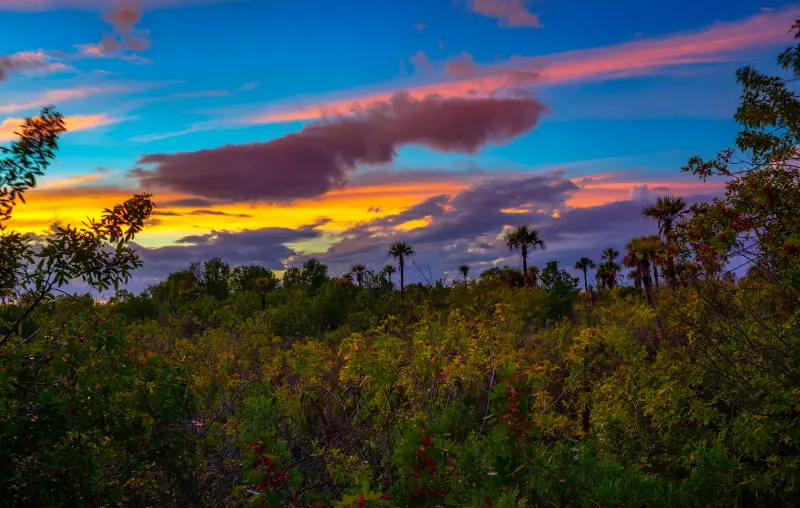
    Sunset over Everglades National Park Landscape

    A tram can be attractive to groups with young children, grandparents, or anyone who prefers not to cycle a long route, but accessibility, booking arrangements, and operating schedules need direct confirmation. The tram is a separate concession service and does not simply come included in park admission. On a busy day, securing the desired departure may shape the entire visit. Think about the time needed to park, use facilities, take the tram, and return rather than assigning Shark Valley an arbitrary one-hour stop.

    Flamingo: the Everglades' coastal edge

    Flamingo offers a different sense of place at the southern end of the main park road. The landscape around Florida Bay, coastal birds, mangroves, and the transition between freshwater and saltwater environments are major attractions. A visit might involve viewing the bay, learning at the visitor center, taking a ranger or concession activity if available, and enjoying short scenic stops along the drive. Water levels, wind, and seasonal conditions can greatly affect what visitors see and which activities are practical.

    It is not necessary to kayak or book a boat tour to appreciate Flamingo, although water-based experiences can be a major draw for suitably prepared travelers. Families with toddlers or travelers reluctant to board a boat can still enjoy scenic viewpoints and shorter walks subject to current facility conditions. Check which visitor-center services and concessions are operating. Do not assume food, fuel, and equipment are available at all hours simply because older travel guides list them. Pack water and basic supplies before leaving Homestead.

    What kind of wildlife might you see?

    At Shark Valley, visitors often hope to see alligators and wading birds in marsh habitats. Sightings depend on season, weather, water conditions, time of day, and animal behavior. There is no ethical reason to move closer to an alligator for a photograph or block its movement. Never feed animals. If an animal appears near a trail, give it space and follow ranger directions. People unfamiliar with Florida wildlife should read the park’s advice before arrival so curiosity does not create danger.

    Flamingo can offer a broader coastal and estuarine dimension, with interest in birds, mangrove ecosystems, and occasionally wildlife associated with Florida Bay. Manatee sightings cannot be guaranteed, and seeing one should never involve approaching or disturbing it. Bring binoculars, protect equipment from sun and rain, and give yourself quiet observation time. If a family member wants wildlife but cannot walk far, choose a suitable viewing area rather than attempting a trail beyond their ability. An enjoyable sighting often comes from patient observation, not distance traveled.

    Choosing the right experience for children

    Shark Valley can work particularly well for a child who likes a clear beginning, middle, and end to the day’s main activity. A tram journey can become the centerpiece, followed by a short educational stop and lunch elsewhere. For toddlers, confirm stroller and child seating arrangements before buying tickets. Young children should remain supervised closely near wildlife and open water. A child who is tired, hungry, or overheated will not enjoy a long outdoor experience no matter how spectacular the marsh looks to adults.

    Flamingo may suit older children who are curious about how rivers, wetlands, and bays connect and who tolerate a longer road day. Build several modest stops into the main drive rather than asking children to sit for hours without a purpose. Pack snacks and make restroom stops strategically. If the child is interested in boats, check age limits and life-jacket requirements on the actual tour. A family’s safest choice may be a viewing-focused itinerary rather than an adventure activity that requires more skill or endurance than the group possesses.

    At a glance: useful differences

    QuestionOption AOption B / consideration
    Main experienceShark Valley: tram and loop viewsFlamingo: coastal Everglades and marina
    Travel corridorTamiami Trail/US 41Southern park road from Homestead
    No car?Return transport must be arrangedVery limited/absent public transport
    Time neededHalf- to full-day depending on activityAllow long access drive and return

    Senior travelers and mobility needs

    Shark Valley has the potential advantage of a guided tram experience, which reduces the need to complete the whole loop on foot. However, a mobility device user must verify current tram accessibility, the loading procedure, and whether advance arrangements are required. The area can be hot and exposed; shade, seating, restrooms, and water are important considerations. If riding the tram is not practical for a specific traveler, a shorter visit near the entrance may still be worthwhile, but it should not be presented as equivalent to reaching the observation tower.

    At Flamingo, longer driving distances may be physically tiring even though much of the day can be organized around shorter stops. A traveler with a walker might prefer the comfort of an air-conditioned car between viewpoints, while another may find continuous road travel difficult. Request current information about accessible paths, restrooms, visitor-center entrances, and boat tours. A visible accessible symbol on a brochure does not guarantee a route is suitable for every individual. Choose one or two manageable goals and preserve time for rest.

    Weather, insects, and the two main seasons

    The Everglades generally distinguish a wet season and a dry season. The park describes the wet season broadly from April through October and the dry season from November through March. During wetter months, heat, afternoon storms, insects, and high water can affect comfort and wildlife visibility. In the dry season, some wildlife may be more concentrated around remaining water, although conditions change from year to year. Do not promise easy sightings or a mosquito-free visit based solely on a month of travel.

    For either entrance, wear practical clothing, bring water, use appropriate insect protection, and monitor lightning risks. Coastal Flamingo may have windy conditions distinct from Shark Valley’s interior marsh. A forecast for downtown Miami is not a full description of the park. If severe weather approaches, leave exposed viewpoints, boardwalks, or open-water activities as directed by staff. Hurricane season may also affect facilities and roads, even after a storm has passed. Always consult the park’s current alerts before a long drive.

    Entrance fees and optional activity costs

    Everglades National Park admission and the prices of concession-operated activities are different expenses. A tram ticket at Shark Valley, a bike rental, or an authorized boat experience near Flamingo can add significantly to the cost. If you hold a federal pass, check what it covers and how it applies to your group; it should not be assumed to include optional tours. International travelers in 2026 should also verify nonresident pricing rules rather than using resident fee examples from older articles.

    Build a straightforward budget with admission, tour costs, parking or transportation, fuel, meals, and a reserve for changeable conditions. A self-directed visit may be affordable compared with a premium excursion, but it provides a different experience. For a family with four or five people, the cost of a tram or water tour can become a large line item. Choose the activity that best serves the group’s interests and abilities instead of booking every option because it appears on a checklist.

    A practical Shark Valley half-day

    Reach the entrance with time to park, read the latest posted information, and use the visitor-center facilities. If a tram is the main event, reserve or confirm the departure and allow generous time around it. Afterward, enjoy a short area near the visitor center or take in educational material rather than immediately driving away. This is enough for many first-time visitors. Those choosing to bicycle must be prepared for distance, sun exposure, other users, and the possibility of changing conditions.

    For a Miami-based visitor, a Shark Valley outing can fit with a separate stop on U.S. 41, but avoid assuming that a nearby commercial airboat tour is part of the national park. Private operators and National Park Service experiences have different rules, fees, and conservation messages. Pick any add-on deliberately and verify its safety standards. If children are tired after the loop, go back to the hotel instead of insisting on a second major activity; the wetland experience itself can justify the trip.

    A practical Flamingo full-day

    Leave Homestead with sufficient fuel, water, and an understanding of the park road. Stop at the visitor center near the entrance if open and gather any current information about trails or concessions. Select one short nature trail or viewpoint en route, then continue toward Flamingo without making every roadside stop obligatory. At the southern end, devote time to Florida Bay views, a visitor-center experience, or a booked activity. Build enough daylight into the return drive to avoid rushing through unfamiliar wildlife country after dark.

    If a family wants to include a boat outing, reserve it early and check cancellation or weather policies. Guests who do not want a boat can still have a meaningful day by focusing on interpretation, photography, and accessible viewpoints. The route is especially rewarding for people interested in ecological transitions. Children can look for differences between inland sawgrass habitats and coastal mangrove environments, while adults can enjoy the sense of traveling through a landscape that changes gradually rather than a series of unrelated attractions.

    Can you do Shark Valley and Flamingo together?

    They are part of the same national park, but their road approaches are distinct. Trying to visit both in a single day is generally a poor plan for a relaxed family vacation, particularly if you want a tram at one location and a boat activity at the other. A committed traveler could spend a long day mostly driving, yet would sacrifice the patient observation that makes both sites special. Instead, assign separate days when the schedule allows, or choose the location that matches your group’s interests.

    Consider the rest of your Florida itinerary. Travelers driving between Miami and Naples along U.S. 41 may find Shark Valley geographically convenient. Those based near Homestead or combining southern Everglades habitats with the Keys approach may find Flamingo a stronger fit. Do not confuse Flamingo with the Gulf Coast entrance near Everglades City, which is another separate area. Checking the actual park map before departure prevents an avoidable detour and makes the day easier for everyone.

    Final recommendation

    Choose Shark Valley for a relatively concentrated freshwater Everglades experience centered on the loop, observation tower, and possible tram. Choose Flamingo for a more extensive park-road journey to coastal habitats and Florida Bay, with options for scenic stops and water-based activities. For first-time visitors with younger children or limited time, Shark Valley often feels easier to plan; for travelers excited by the park’s geographical range, Flamingo can be more rewarding. In either case, park alerts, current concessions, and your group’s comfort should decide the day—not a promise of specific wildlife sightings.

    Frequently asked questions

    Can I drive directly from Shark Valley to Flamingo inside the park?

    No. They are reached from different road approaches. Plan the travel route outside the park’s visitor areas and allow substantial time if visiting both.

    Is Shark Valley's tram included with national park admission?

    No. It is a separate concession activity. Check current fares, accessibility arrangements, and departure times with the operator.

    Is Flamingo worth visiting without a boat tour?

    Yes, for people interested in coastal scenery, the park-road habitat changes, and visitor-center interpretation. Confirm current facilities and avoid treating wildlife sightings as guaranteed.

    Official sources and trip planning

  • Everglades National Park Without an Airboat: A Three-Day Land-Based Trip

    Everglades National Park Without an Airboat: A Three-Day Land-Based Trip

    The Everglades are not a single attraction, and a vacation here does not have to revolve around an airboat ride. The park is a landscape of sawgrass marsh, pine rockland, tree islands, mangrove estuaries and coastal water. Some of the most revealing experiences happen slowly: standing on a boardwalk while an anhinga dries its wings, watching a great egret hunt in shallow water, or noticing how the vegetation changes as you drive toward Florida Bay. For many first-time visitors, short trails and an interpretive tram offer a fuller understanding than an expensive activity chosen in haste.

    This three-day plan covers the main visitor corridor from Homestead toward Flamingo and a separate Shark Valley day along the Tamiami Trail. It is suitable for travelers who prefer dry-land outings or cannot swim, with options for children and people who need shorter distances. You will need road transport and reasonable flexibility. The park’s entrances are far apart; it is not possible to drive between them on an internal park road.

    Three days at a glance

    Day Main area Low-effort choice
    One Homestead entrance and Royal Palm Anhinga Trail and one short habitat stop
    Two Road toward Flamingo Visitor center, bay views and short selected walks
    Three Shark Valley off US 41 Narrated tram or a brief paved route near the entrance

    Choose the right Everglades entrance first

    Everglades National Park has a mainland entrance near Homestead leading toward Royal Palm and Flamingo, a Shark Valley entrance off U.S. 41 west of Miami, and a Gulf Coast gateway near Everglades City oriented to water access. These are not three gates onto a compact loop. Planning all three in one day would involve excessive driving and leave little time to observe anything. The National Park Service visitor information explains the different entrances and current facilities.

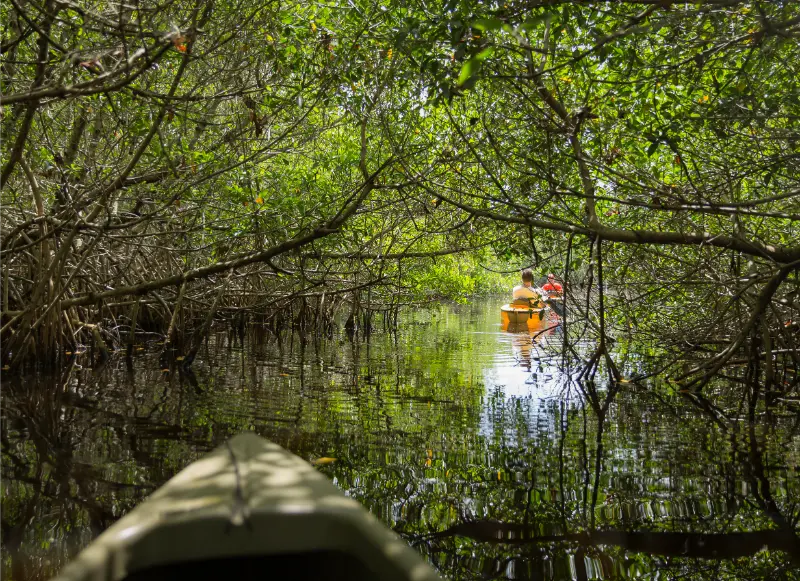
    Kayaking in Everglades National Park Florida

    For this trip, choose Homestead or Florida City for the first two nights if you want Royal Palm and Flamingo. For Shark Valley, a western Miami base or a stop on the way toward Naples can reduce the drive. A traveler staying in Miami Beach must budget for city traffic before even reaching the park. Families with small children often do best by visiting just one of these areas on a short holiday; someone using a wheelchair may prefer the accessible Anhinga Trail and the paved Shark Valley tram road over unpaved walks elsewhere.

    Day one: understand the wetlands at Royal Palm

    Enter through the Homestead corridor and allow time for visitor-center information before driving toward Royal Palm. The Anhinga Trail is a particularly rewarding introduction because its paved and boardwalk portions take you near freshwater wildlife without a strenuous hike. The National Park Service describes the route as about 0.8 mile round trip and wheelchair accessible, though individual conditions should still be checked. Alligators, turtles, anhingas and wading birds may be present; sightings vary with weather, water and season. Never crowd an animal just to obtain a closer photograph.

    Pair the Anhinga Trail with the nearby Gumbo Limbo Trail if the group wants to compare open wetland with a shaded tropical hardwood hammock. The contrast is more interesting than rushing straight to another distant site. Bring your own water, insect protection and a lightweight rain layer. Boardwalks can become slippery during showers, and midday heat can be tiring even in winter. For children, turn the visit into a gentle observation exercise: count bird behaviors rather than asking for a species checklist they cannot complete.

    Look beyond the famous boardwalk

    After Royal Palm, select one or two short stops on the main park road, depending on the daylight and everyone’s energy. Pinelands introduces a habitat that surprises visitors who expected only swamps. Pa-Hay-Okee overlooks the broad sawgrass landscape, where subtle changes in elevation determine which plants can grow. Mahogany Hammock reveals another compact community of trees and shaded ground. Not every trail has identical surface or accessibility conditions, and seasonal closures can occur, so choose from the current official hiking trail list.

    The important habit is to stop long enough to notice how each habitat differs. In one place the view is open to the horizon; a few miles later, tree canopy cuts the light and sound changes. Listen for calls before looking for birds. Use binoculars rather than walking toward nests. A child who becomes bored on one path may engage with a short ranger talk or interpretive sign on the next. A slower visit is not a lesser visit: it is how the landscape begins to make sense.

    Day two: take the road south toward Flamingo

    Allow a full day for the drive toward Flamingo rather than treating it as a quick detour. This is a long stretch of protected landscape with limited services. Before departing, check whether the road, visitor center, marina and any scheduled ranger programs are operating. Carry fuel, drinking water, food and a charged phone. Mobile coverage is not dependable everywhere. The area near the southern end offers a different perspective: brackish coastal habitat, mangroves and Florida Bay rather than the freshwater scenes around Royal Palm.

    At Flamingo, choose a short shore-based outing, a visitor-center stop and one meal or picnic rather than combining a boat tour with every possible trail. If the family includes very young children or older travelers who tire in the sun, spend more time looking across the bay and less time walking. Wildlife can include crocodiles and manatees in suitable waters, but neither should be expected on demand. Keep well back from shorelines occupied by large reptiles. For families concerned about insects, wind direction and time of day can noticeably change comfort, so be ready to leave earlier than planned.

    Use optional boats without making them the whole trip

    Some visitors assume that every Everglades boat experience is an airboat and that every trip is inside the same part of the park. In fact, there are authorized airboat operators associated with sections of the park along the Tamiami Trail, while other concessionaires operate different water-based experiences. It is inaccurate to say that all airboat tours are outside Everglades National Park. The park’s guided tour information identifies approved providers and program types.

    Everglades National Park Cypress Swamp Waterway

    You do not need to purchase any boat excursion for the itinerary to work. If someone in your party loves water and everyone can board safely, a calm-water tour may add context about mangrove ecology. Check duration, noise, protective equipment, boarding height and cancellation terms. Travelers who experience motion sickness or who are uncomfortable around loud engines may prefer the tram at Shark Valley. A group can also split for an hour or two, provided younger children are properly supervised. Make the water option a considered choice, not an assumed requirement.

    Day three: Shark Valley by narrated tram or short walks

    Shark Valley lies off U.S. 41 west of Miami and is best treated as a separate day. A paved 15-mile loop crosses a wide freshwater landscape and reaches an observation tower. You cannot drive your own car around the loop. Visitors travel on foot, by bicycle or on the narrated tram, which is often a sensible choice for families and older visitors. Book a suitable departure if the tour matters to you, and verify accessible seating or boarding requirements directly with the operator. The trip is about observing water, birds and subtle landforms rather than accumulating miles.

    Parking is a serious planning detail here. The NPS Shark Valley visitor advisory warns that the parking lot can fill early in the busy winter season and that rideshare passengers may struggle to arrange a return pickup. Arrive early and keep a backup plan. If the group does not want the full tram excursion, use a short boardwalk or a limited section of the paved road near the visitor center. Do not walk far simply because the first section looks flat: the open road has little shade, and fifteen miles is not a casual stroll.

    Pick a season that matches your expectations

    The cooler, generally drier portion of the year often makes walking more pleasant and concentrates wildlife near remaining water, but it also brings heavier visitation. Summer is greener and sometimes quieter, with more frequent storms, humidity and mosquitoes. There is no month that guarantees alligators, a particular bird or a cloud-free sunset. Carry your own expectations lightly, especially if traveling with a child who has been promised a rare animal sighting. The most dependable attraction is the variety of habitats, not a guaranteed encounter.

    The weather forecast should influence the order of days. A thunderstorm can make a shaded museum or a hotel rest day more sensible than a boardwalk. Avoid exposed trails during lightning. Sunrise and late afternoon may be photogenic, but park gates and tour operations have their own hours, so confirm access rather than improvising. If you are visiting in the winter holidays, choose a weekday when possible and have a plan B for Shark Valley. A flexible booking can be worth more than an aggressively packed schedule.

    Budget and accessibility without misleading promises

    Build the budget from park entrance admission, transport, any chosen tram or concession tour, food and accommodation. Entrance fees and national-park passes can change, particularly for international travelers, so consult the official fee page close to departure. A rental car may be necessary if staying in a city without dependable group transport to trailheads. Rideshare alone is not a good plan for remote Shark Valley unless return arrangements are confirmed. Leave money in reserve for an unexpected change of base or weather-related cancellation.

    Some visitor facilities and trails are accessible, but the entire park is not a continuous accessible walkway. Describe what your group actually needs: distance from parking to trail, whether there is a slope, an accessible restroom, places to rest and a tram seat suitable for an individual using mobility equipment. A stroller that navigates paved sections easily may still be awkward at an unpaved viewpoint. Ask the park about conditions and keep one shorter option for every day. Travelers over 80 may enjoy the park comfortably with selective stops and adequate shade.

    Protect yourself and the animals

    Never feed alligators, block their movement or approach the water’s edge for photographs. Maintain a safe distance from every wild animal. The Everglades are not a zoo with barriers between visitors and wildlife. Keep children close, remain on designated pathways and supervise snacks where birds are accustomed to people. Swimming is not an appropriate way to cool off in park waters. Dogs have tight access restrictions and are not permitted on the park’s trails, which makes a dog-focused vacation incompatible with many of these outings.

    The park is also an ecosystem shaped by freshwater flows, seasonal flooding and conservation work. Removing plants, disturbing nests or flying a drone without authorization is not a harmless souvenir activity. Carry out every wrapper and stay off fragile vegetation. Visitors gain more by returning to a viewpoint after ten quiet minutes than by attempting to coax wildlife closer. This restraint preserves the reason the journey is worthwhile in the first place.

    Frequently asked questions

    Do I need an airboat ride to enjoy Everglades National Park?

    No. Short trails at Royal Palm, scenic roadside stops toward Flamingo and a Shark Valley tram journey can fill several rewarding days. Airboats are optional rather than essential.

    Can I see Shark Valley and Flamingo in the same day?

    It is possible to drive long distances between them, but it makes for a rushed and tiring outing. They are reached from different entrances and should usually be planned on separate days.

    Is the Everglades suitable for an older visitor who cannot walk far?

    Many people can enjoy selected paved trails, overlooks and a tram experience, but individual accessibility varies. Confirm restrooms, boarding and current routes directly before travel.

  • Everglades vs Biscayne National Park: Which South Florida Nature Trip Should You Choose?

    Everglades vs Biscayne National Park: Which South Florida Nature Trip Should You Choose?

    Everglades National Park and Biscayne National Park protect two extraordinary but very different parts of South Florida. The Everglades are famous for freshwater wetlands, mangroves, wildlife, scenic drives, and walks through subtropical landscapes. Biscayne protects a vast marine environment, including bay waters, islands, reefs, and shoreline ecosystems. For travelers with one free day near Miami, the right choice depends on whether they want to drive and walk or spend significant time on the water. Both are national parks, yet planning a visit to one as if it were the other is a common mistake that can lead to a disappointing day.

    Understand the landscapes before choosing

    The Everglades are not a single swamp reached through one gate. The park includes sawgrass prairies, hardwood hammocks, coastal mangroves, and extensive estuarine environments. Different visitor areas provide different experiences, and the principal road entrances do not connect with one another inside the park. A visitor starting near Homestead can explore the main southern road, while the Shark Valley entrance is approached from the Tamiami Trail and the Gulf Coast area is reached near Everglades City. Choosing the wrong entrance can add a large and unnecessary detour to the day.

    Biscayne National Park is dominated by water. The Dante Fascell Visitor Center and its shoreline surroundings are accessible by road, but reaching much of the park’s protected islands, reefs, and marine landscapes requires a boat. This is not a typical drive-through national park with an extensive network of land trails. A traveler who books no water-based activity can still enjoy the visitor center, shoreline views, and educational exhibits, but they should not expect to reach offshore islands by driving to another parking lot. That fundamental difference should shape the entire decision.

    Which park is better without a boat?

    For visitors who want a nature day without boarding a boat, the Everglades usually offer more choices. The main southern entrance leads to park facilities and walks that can be adapted to different energy levels. Shark Valley has a long loop route with its own transportation and bicycle options when available. Visitors can learn about wetland habitat at visitor centers and enjoy scenery without paddling into remote waterways. This makes the Everglades a sensible first national-park choice for many families, especially those with cautious swimmers or travelers who want to remain on land.

    Kayaking in Everglades National Park Florida

    At Biscayne, a land-only outing is much more limited in geographic scope. The visitor center area offers a useful introduction to the marine park, but an offshore boat tour can be essential for someone who expects to see islands or reef-related scenery. Tours depend on weather, availability, departure location, and operator requirements. Book only through legitimate services and check cancellation conditions. A visitor prone to seasickness, unable to transfer onto a particular vessel, or uncomfortable on open water should not be pressured into booking because the park is famous for its reefs.

    Which park is better for wildlife photography?

    Everglades visitors may have opportunities to observe alligators, wading birds, turtles, and other animals, but sightings depend on season, water level, weather, and behavior. Dry-season conditions can concentrate certain wildlife near accessible viewing areas, yet there is no guarantee that any particular animal will appear. Bring binoculars and a camera that can photograph from a safe distance. Do not approach alligators, feed animals, or stand on the edge of a trail to achieve a closer picture. Wildlife photography is most rewarding when the habitat remains undisturbed.

    Biscayne offers a different photographic subject: blue water, mangrove coast, sea life, islands, and potentially underwater environments. The full marine experience may depend on a guided boat, snorkeling trip, or other suitable water activity. Clear visibility cannot be guaranteed, even during a well-planned outing. Wind and weather can determine what tours operate. Someone hoping for photographs of dolphins, fish, or marine birds should treat those as possibilities, not paid promises. For a non-swimmer, a sightseeing boat may be more appropriate than a snorkeling excursion if offered and accessible.

    Families with toddlers and school-age kids

    For young children, an Everglades outing can focus on one easy walk, an educational stop, and observing wildlife from a safe distance. Choose a short activity close to restrooms and shaded breaks rather than beginning with the longest trail. Bring drinking water, sun protection, appropriate shoes, and insect protection. Toddlers should remain under direct adult supervision near canals and wetlands. Do not allow children to feed, touch, or approach wildlife. The experience can still be fascinating: seeing a heron in its natural habitat is often enough to inspire questions about food chains and conservation.

    Biscayne may appeal to children who love boats, marine animals, and colorful water, but parental planning is more important. Check minimum ages, life-jacket requirements, shade on board, restroom access, seasickness concerns, and how operators handle changes in weather. A long snorkeling outing is not automatically suitable for a child who cannot yet swim confidently. If several generations are traveling together, one group may enjoy an organized boat trip while another spends a quiet morning at the visitor center, provided transport and supervision are arranged responsibly.

    At a glance: practical differences

    What mattersFirst optionSecond option
    LandscapeWetlands and diverse coastal habitatsBay, reefs and marine islands
    Land-only dayMany more land-based optionsVisitor center and limited shoreline
    Boat requirementOptional for many first visitsImportant for much of park
    WildlifeAlligators, birds and wetlandsMarine life and coastal birds
    NavigationEntrances do not connectTour launch point must be checked

    Teens, adults, and adventurous visitors

    Teenagers may appreciate the Everglades for photography, ecology, a guided ranger program, or an active cycling experience where available. Some also enjoy learning how wetland restoration connects to the region’s water supply and wildlife. Outdoor adventure can be rewarding, but never underestimate heat, thunderstorms, limited phone signal, and long distances between services. A guided activity is particularly useful for first-time visitors who want context without taking responsibility for navigation in remote terrain. Independent backcountry plans require skills and preparation beyond an ordinary day trip.

    Biscayne can be compelling for confident swimmers and water-oriented travelers who want to explore marine habitats. Snorkeling, paddling, and guided island trips may be offered through authorized operators, with conditions and eligibility varying. Avoid treating a water tour as simply another ride that will happen regardless of weather. Boat navigation in shallow, ecologically sensitive areas requires care, and visitors should follow speed zones and reef-protection guidance. A teen who dislikes swimming may still enjoy a suitable sightseeing trip, but ask what will actually happen on board rather than booking solely for the park’s name.

    Mobility, accessible services, and older travelers

    The Everglades have visitor centers and selected routes that can be suitable for people who prefer short walks, but surfaces, shade, accessible restroom arrangements, and seasonal conditions vary by site. A visitor using a wheelchair should examine the specific accessible facilities and any available tour-vehicle accommodation before leaving Miami. The same is true for travelers with low vision, hearing needs, or limited stamina. A park description stating that an area has an accessible trail does not guarantee that every tour or additional walk will be appropriate for a particular visitor.

    At Biscayne, the land-based visitor center is a potential option for guests who cannot board a vessel, while participating in a tour requires checking boarding ramps, seating, accessible restrooms, and safety procedures with the actual operator. Do not assume a boat is accessible merely because it leaves from a public marina. Some guests may find a comfortable short visit by road more rewarding than a potentially difficult transfer onto the water. For seniors and multigenerational groups, accessibility should decide the activity before nonrefundable tickets are purchased.

    Distance, entrances, and driving logistics

    From the Miami area, the Everglades route depends on which entrance you choose. A traveler heading for Shark Valley should navigate toward the Tamiami Trail, while someone seeking the Anhinga Trail area or Flamingo road should approach from Homestead. There is no internal park road connecting those entrances into one simple loop. If you want to add an Everglades visit to a Key Largo trip, the Homestead-side approach may fit geographically better, but actual drive times must be checked. Never input only ‘Everglades National Park’ into navigation and assume the result is the area you intended.

    Sunset over Everglades National Park Landscape

    Biscayne’s land-based orientation point is near Homestead, making it possible to pair a short visitor-center stop with other activities south of Miami. However, a booked boat excursion has its own departure requirements, and the tour’s launch point may differ from the visitor center. Verify the operator’s exact meeting location, parking, check-in window, and any check-in requirements. Traffic and storms can affect arrival. If you need to return a rental car that evening, avoid building an itinerary that depends on a tour ending at an exact moment in perfect conditions.

    Entrance fees, tour charges, and realistic budgets

    The cost structures are not identical. Everglades National Park has an entrance-fee system, subject to current federal rules and eligibility, while separate concessions such as tram rides, bicycle rentals, and guided experiences may involve additional charges. Rules affecting nonresidents and park passes can change, so use the official National Park Service fee page. A family’s total includes the vehicle, any desired tour, food, and transport. Spending money on a ranger-approved or concession-operated activity may add educational value, but it should be a deliberate choice rather than something assumed to be covered by entry.

    Biscayne can be inexpensive for a shoreline orientation visit but more expensive for a water-based experience because tours and equipment must be arranged. Compare sightseeing, paddling, and snorkeling products carefully. Ask whether equipment, guide, life jacket, taxes, and cancellation protection are included. An inexpensive ticket that does not match the experience you want is not a bargain. If a marine tour is a major reason for your trip, reserve early when practical and keep another South Florida nature option available in case weather prevents departure.

    Weather and the best season

    The Everglades have distinct wetter and drier periods. During hotter and wetter months, thunderstorms, insects, and high humidity may make long walks unpleasant, and wildlife viewing patterns differ. The cooler dry season often feels more comfortable for walking and ranger activities, though crowds can increase at popular locations. Pack water and sun protection in every season. Conditions in the wetland do not necessarily match the weather outside an Orlando or Miami hotel window; check regional forecasts and park alerts before leaving.

    Biscayne’s boat activities are particularly sensitive to wind, sea state, visibility, and storms. A sunny morning on land is not proof that the water will be calm enough for the planned tour. Cooler months can provide pleasant outdoor temperatures but may also include windy days. The right approach is to book with a clear weather policy and maintain flexibility. Visitors who are susceptible to seasickness should ask about vessel type and duration, and consider whether a shorter protected-water tour would be more comfortable than an open-water activity.

    A one-day plan for the Everglades

    Choose one entrance area rather than attempting to visit Shark Valley, the southern road, and Gulf Coast in a single rushed day. If you select the Homestead entrance, start at the Ernest F. Coe Visitor Center for orientation, then choose one or two available short walks, allowing generous time to observe wildlife responsibly. Build a shaded lunch or rest stop into the schedule. If you choose Shark Valley, check current operating arrangements for the loop and any concession service beforehand. Do not assume that a specific vehicle or tram departure will be available without planning.

    Keep the end of the day flexible. Driving from a distant Everglades entrance back to Miami after dark may be tiring, particularly if anyone has spent hours in the sun. Fuel the vehicle beforehand, maintain drinking water, and avoid remote roads during dangerous weather. A family with older relatives might leave after a strong half-day rather than chase a final viewpoint. The park’s scale encourages curiosity, but a successful first visit is one that respects both wildlife and the travelers’ limits.

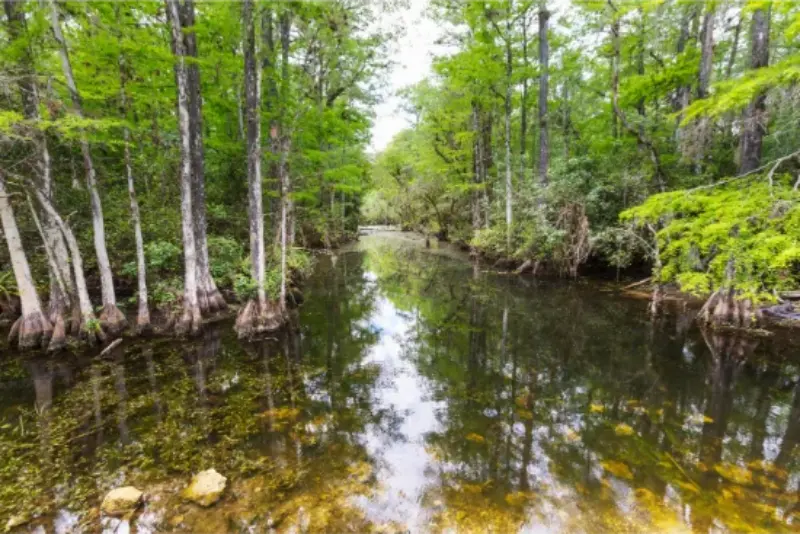
    Florida Everglades River and Swamp Landscape

    A one-day plan for Biscayne

    Begin with a clear choice: a land-based introduction or a prebooked water excursion. If touring by boat, allow generous time for check-in, equipment instructions, safety briefing, and return. Do not schedule a long second attraction immediately after the trip. Carry a hat, water, appropriate footwear, and any motion-sickness supplies recommended for your circumstances. If snorkeling, confirm that each participant has the appropriate ability and understands instructions; operators’ safety rules should take precedence over the excitement of reaching a reef.

    After the boat trip, a relaxed meal near Homestead can be a pleasant finish, but watch for traffic and weather changes. If you are not going on the water, enjoy the visitor center and shoreline surroundings, then combine the stop with a nearby garden or other appropriate destination. Acknowledge that this is an introduction to Biscayne’s marine story, not a comprehensive island visit. That distinction helps families set realistic expectations and prevents the common disappointment of arriving at a national park expecting a network of roads that does not exist.

    The best choice in one sentence

    Choose the Everglades if you want a mostly land-based experience of wetlands, birds, alligators, short trails, and park interpretation. Choose Biscayne if the marine environment is the central attraction and you can arrange a suitable boat or water experience. Both are worthwhile, but they reward different types of preparation. A visitor who cannot or does not want to board a boat will often get a fuller first-time nature day in the Everglades, whereas someone who loves reefs and boat travel may find Biscayne especially memorable.

    Before committing, check official park alerts, entrance details, weather, tour conditions, and accessibility information. Resist the temptation to pack both parks into one day because they look near one another on a regional map. Give each its own time and travel arrangement. South Florida’s protected landscapes deserve more than a rushed photograph, and your group deserves a day that fits its interests, age range, energy, and sense of adventure.

    Frequently asked questions

    Can you drive through Biscayne National Park?

    Only a very limited portion is accessible by road. Reaching most islands and marine environments requires a boat or water-based tour.

    Can I see alligators at Biscayne?

    Biscayne is primarily a marine park. If observing wetland wildlife from land is your priority, the Everglades is generally the more suitable choice.

    Can I visit both parks in one day?

    You may be able to make brief stops at both, but an in-depth visit to either deserves more time, especially if a Biscayne boat tour is involved.

    Official information to check before your trip

  • One Week in South Miami-Dade: Everglades, Biscayne National Park and Tropical Farms

    One Week in South Miami-Dade: Everglades, Biscayne National Park and Tropical Farms

    South Miami-Dade is an excellent choice for travelers who want nature and local history without spending a week in the busiest parts of Miami Beach. Here the landscape shifts between tropical fruit-growing country, the wide wetlands of Everglades National Park, coastal mangroves and the waters of Biscayne Bay. Homestead and Florida City make practical bases, but neither is a conventional beach resort. A thoughtful seven-day itinerary helps visitors understand why two national parks so close on the map are entirely different experiences. It also leaves room for family-friendly gardens, history and a quiet meal rather than demanding an airboat excursion every morning. This trip is especially appealing for wildlife watchers, curious children and adults who value natural places more than nightlife.

    A base near Homestead or Florida City

    A hotel in Homestead or Florida City can reduce early-morning driving to the main southern entrance of the Everglades and to visitor services associated with Biscayne National Park. Accommodation is often designed around road travelers, so examine the actual room, pool, breakfast and noise conditions rather than expecting a walkable resort district. Some tropical farms and Redland attractions are spread across rural roads with few pedestrian routes. A car is strongly recommended for this itinerary unless you arrange guided transport and deliberately limit your destinations. Visitors planning a couple of nights in Miami Beach afterward may prefer splitting the wider vacation, but keep the South Dade portion in one base. Families should look for a refrigerator and convenient dining. Travelers with limited mobility may prioritize a ground-floor room or reliable elevator and short vehicle access to attractions. Do not book a property purely because it is labeled ‘near the Everglades’ without checking which park entrance it actually serves.

    Miami Retro Dade Neon Sign

    Day 1: Homestead, Redland and the geography of the area

    Begin with an easy day close to your accommodation. Explore Homestead’s central area and selected Redland farm-country stops that are open to visitors. Rural Miami-Dade is known for tropical agriculture, but farms are working properties, not universal public attractions. Check opening seasons and farmstand hours before driving, and do not enter private fields. A taste of locally grown tropical fruit, when in season, can be more meaningful than a long checklist of roadside photographs. Families can make the day educational by learning what grows in this subtropical climate; older visitors may appreciate a shaded lunch and a calm scenic route. Confirm that an attraction accepts visitors without a tour reservation. Afternoon storms or extreme heat are good reasons to shorten the drive. This first day provides context for why the area is more than a highway staging point for the national parks and lets everyone settle into the week’s rhythm.

    Day 2: The Everglades main entrance and Anhinga Trail

    Use the Homestead entrance to Everglades National Park for a day focused on the park’s southern ecosystems. Start at the Ernest F. Coe Visitor Center area when services are operating and ask about current trail access and ranger programs. The Anhinga Trail near Royal Palm is popular for viewing birds and freshwater wildlife from a designated walkway, but sightings are seasonal and never guaranteed. Keep a safe distance from alligators and never feed animals, even if they seem accustomed to people. Families should bring water, hats and insect repellent; younger children may enjoy a short loop far more than hours of exposed walking. Travelers with limited mobility should check the status of accessible surfaces and boardwalk repairs before arriving. This day should not include Shark Valley as an extra afternoon stop: it is a separate park entrance reached by road from another direction, not connected by an internal drive-through route. Allow time to appreciate the wide landscape without rushing to Flamingo immediately.

    Day 3: The road to Flamingo and coastal wetlands

    Return to Everglades National Park for a second, quite different day, following the main park road toward Flamingo if conditions and access permit. Stop at a small number of designated viewpoints or short trails; there is no need to walk each route simply because the map lists it. Pine rockland, freshwater marsh and coastal environments change along the way, making the drive itself part of the experience. At Flamingo, check the visitor facilities and guided boat or canoe trips available on your date. Crocodiles and manatees may be seen in the area, but keep a respectful distance and follow staff guidance. Boat activities are weather-dependent, and some routes may require mobility or balance that not every visitor has. Pack snacks and adequate fuel because services are limited inside the park. For a family with toddlers or anyone sensitive to heat, stop early and enjoy the scenic drive rather than insisting on reaching every last viewpoint. Return with ample daylight for the journey back.

    Day 4: Biscayne National Park from the mainland

    Biscayne National Park is predominantly water. The Dante Fascell Visitor Center at Convoy Point is an important starting place, but looking over the bay from the mainland is not the same as accessing the coral reefs or offshore islands. Choose a guided boat experience if it suits your group and availability; the park’s authorized programs include island visits, paddling and marine excursions. Reserve in advance when recommended and check weather, boarding, cancellation rules and the physical demands of each trip. A family with young children or a non-swimmer may prefer a sightseeing cruise over a snorkeling excursion. Visitors who stay on land can learn about the park at the visitor center and enjoy the shoreline scenery without pretending they have covered the entire national park. Water conditions may prevent a planned trip even on an otherwise sunny day. Keep the afternoon flexible for a meal or rest in Homestead, rather than booking another distant attraction after the boat returns.

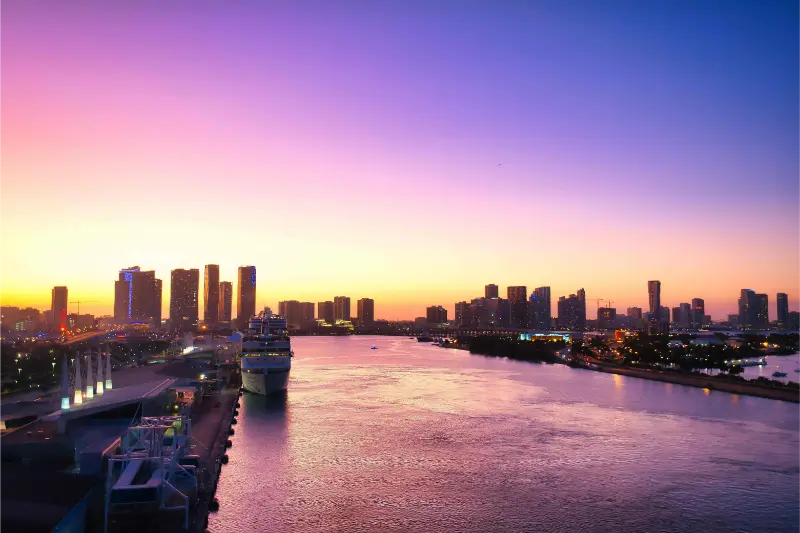
    Miami Skyline and Biscayne Bay at Sunset

    Day 5: Fruit & Spice Park and Tropical Redland

    Spend the fifth day exploring the agricultural identity of South Dade. Fruit & Spice Park has tropical plant collections and a landscape that helps explain the area’s growing conditions. Confirm visiting hours, tour arrangements and current entry rules before departure; garden experiences vary seasonally. Stop at one or two permitted farmstands or small businesses if they are open, and pay attention to what is actually in season. Do not assume every tropical fruit is available every month. Parents can involve children in comparing unfamiliar produce, while adults interested in gardening may spend longer learning about different trees. Avoid tasting unknown fruit picked directly from a plant; follow staff guidance and food safety advice. Summer heat and insects can make exposed walks tiring, so begin early and plan a shaded lunch. This day offers a valuable contrast to large national parks: it is about how local communities cultivate and live within the same subtropical environment.

    Day 6: Deering Estate or a slower coastal heritage day

    Head north toward the Deering Estate area for a cultural and natural stop that adds human history to the week’s landscape. The historic estate is associated with coastal habitats, architecture and South Florida heritage. Check current admissions, tours and access arrangements, because historic structures and outdoor trails can have different mobility requirements. A museum-focused visit can suit a family that needs respite from long drives, although some nature walks will still be hot and exposed. Visitors interested in birdwatching may prefer a designated public trail nearby when available. Choose a lunch stop on the return toward Homestead and avoid adding the crowded center of Miami to the same afternoon. For adults who have spent several days outdoors, this can be the week’s gentlest cultural interlude. If the property is closed for a private event or maintenance, substitute another public historic site or a calm Redland day rather than making an unsupported detour through private neighborhoods.

    Day 7: One last nature experience—or simply rest

    A final day in South Dade should remain flexible. Families may want to revisit a favorite trail at a cooler hour, while nature enthusiasts might book a specialized ranger program or a short wildlife outing if one is available and appropriate. If your trip includes a flight from Miami International Airport or Fort Lauderdale, do not plan a lengthy park excursion with uncertain return time. Spend the morning packing, enjoying breakfast and checking the current road or weather situation. A late flight may allow a stop at a nearby garden or museum, but the simplest ending is often best. Travelers who found the Everglades demanding can stay near the hotel pool. People who chose Biscayne for its water views can revisit Convoy Point without needing a second boat ticket. Leave the area with a clearer understanding of why its reefs, wetlands and farms require different methods of exploration and protection.

    The two national parks are not interchangeable

    This is the most important practical distinction in the itinerary. Everglades National Park’s southern road entrance gives access to freshwater and coastal habitats by road and trail, with separate opportunities for tours. Biscayne National Park is primarily marine, and much of its notable landscape lies offshore. A visitor cannot drive through Biscayne’s reefs or use an Everglades admission ticket as a boat reservation. Even within the Everglades, the Homestead entrance, Shark Valley and Gulf Coast visitor areas are reached separately from surrounding highways rather than through a connecting internal road system. Study official maps before choosing your daily route. Booking a nature tour outside the national park is not automatically the same as entering or learning about the protected park itself. When traveling with children, explain what they are seeing and why some areas are restricted. The distinction helps prevent wasted driving and improves conservation awareness.

    Vehicle planning, tours and food stops

    A rental car offers the greatest practical flexibility around Homestead and the Redland. Rural roads may have slow traffic, agricultural vehicles and few safe pedestrian routes. Use official visitor center addresses, not just a generic national park label in navigation. Fill the tank before the longer Everglades day and carry water and food; concessions and phone reception can be limited. If you do not drive, inquire about organized tours, but verify whether they visit official national park sites or only attractions marketed under the ‘Everglades’ name. A tour’s meeting point and included admission deserve attention. A flexible, simple meal routine helps families after hot park days. Supermarkets and casual restaurants near the lodging may be more convenient than searching for a waterfront dinner every night. If using rideshare, confirm pickup availability outside urban areas instead of assuming a vehicle will arrive on demand.

    Budget and reservations for a nature-first vacation

    Admission and tour costs vary by activity. Everglades National Park entrance fees, separate boat tours in Biscayne, garden admission and any guided excursion should appear as distinct lines in your budget. Do not assume the most expensive option offers the most suitable experience: a short boardwalk walk may be the week’s highlight for a young child. Book marine tours ahead when required, but review cancellation policies for wind, lightning and tropical-weather interruptions. A hotel with breakfast or a kitchenette can reduce food spending, especially when leaving early. Account for fuel, park parking where applicable, sun protection and accessible transport needs. Compare the total cost of staying in Homestead with a Miami Beach hotel plus long daily drives; cheaper rooms do not compensate for unreasonable travel. Families may benefit from one carefully chosen paid excursion and several self-guided days. Keep some money available for schedule changes rather than filling every day with nonrefundable tickets.

    Wildlife, heat and accessibility for all ages

    The Everglades and Biscayne Bay are remarkable environments but not controlled amusement parks. Alligators, crocodiles, venomous wildlife, mosquitoes, heat and water conditions require respect. Never approach or feed animals, and keep children close on trails and waterfronts. Check park notices on current boardwalk access, restrooms and trail conditions if anyone uses a wheelchair or walker. Boat access can be much more demanding than the mainland visitor center; ask specifically about gangways, steps, seating and restroom facilities. Infants and toddlers should have realistic nap and sun-protection routines. Older visitors may prefer short, early outings and air-conditioned breaks. For non-swimmers, a boat tour may still be possible if the operator’s conditions and vessel suit them, but no one should be pressured into entering open water. Make the trip inclusive by treating each excursion as an option with an equally worthwhile alternative rather than a compulsory achievement.

    Seasons, storms and the importance of checking conditions

    Winter and early spring can be more comfortable for walking and sometimes offer favorable wildlife-viewing conditions, while summer can be extremely hot, humid and buggy. Tropical storms and hurricanes are possible during the June–November season, and both parks may close or restrict access in unsafe weather. Boat operations in Biscayne are particularly sensitive to wind and lightning. Verify National Park Service notices, local marine forecasts and authorized operator schedules close to your visit. Agricultural attractions have their own seasonal calendars, so a winter fruit selection will differ from one in summer. If heavy rain appears, swap the outdoor day for a suitable indoor historical attraction or a rest day rather than driving on flooded roads. Seven days make this possible without losing the trip’s purpose. The reward is not seeing every species or reaching every island; it is learning how different parts of South Florida fit together.

    Frequently asked questions

    Are Everglades and Biscayne National Parks connected by road?

    No. Everglades has separate land entrances, while most of Biscayne National Park is water and reaching islands or reefs requires marine transport.

    Can I visit the Everglades without a car?

    Seasonal Homestead trolley options may help at the southern entrance, but do not substitute for the full road-based itinerary. Confirm routes and seasons.

    Can a non-swimmer enjoy Biscayne National Park?

    Yes. Mainland visitor facilities and suitable boat sightseeing trips can be worthwhile; verify marine conditions and boarding access before booking.

  • Everglades National Park Guide: Best Entrances, Wildlife, Trails and First-Time Planning

    Everglades National Park Guide: Best Entrances, Wildlife, Trails and First-Time Planning

    Everglades National Park is one of Florida’s most important landscapes and one of the easiest major attractions to misunderstand. It is not a single visitor center surrounded by a compact loop road. The park has separate major entrances and districts, and those entrances do not connect to each other by road inside the park. A day planned for Shark Valley is a different experience from a day driving from Homestead to Flamingo, while the Gulf Coast district near Everglades City is primarily a gateway to mangrove waterways and the Ten Thousand Islands.

    Explore this guide

    That geography is the first planning lesson. The second is seasonal: the dry season and wet season can feel like two different parks. Wildlife visibility, mosquitoes, heat, water levels and ranger programs change through the year. This guide helps first-time visitors choose the right entrance, understand the major experiences, plan realistic time and travel safely with children, senior travelers or mobility needs.

    Quick planning summary

    • Best for: Wildlife watchers, photographers, families, paddlers, road-trippers, birders and travelers who want to experience Florida beyond beaches and theme parks.
    • Ideal stay: One full day for one park district; 2–3 days to experience Shark Valley, the Homestead–Flamingo corridor and the Gulf Coast more fully.
    • Getting around: A car is the practical choice for most first-time visitors. Park entrances do not connect internally by road.
    • Best planning principle: Choose the entrance before choosing the itinerary. “Visiting the Everglades” is too broad until you know which district fits your route and interests.

    Choose the right Everglades entrance

    The Homestead entrance leads to the Ernest F. Coe Visitor Center, Royal Palm, the Anhinga Trail and the long road to Flamingo on Florida Bay. This is the strongest first choice for travelers staying in Homestead, Florida City or the southern Miami area who want short boardwalks, varied habitats and the possibility of continuing all the way to Flamingo. The road itself is part of the experience, with stops showing how the landscape changes from pinelands and sawgrass to mangroves and coastal environments.

    Shark Valley lies along the Tamiami Trail west of Miami and is known for its long paved loop, observation tower, tram tours, cycling and abundant wildlife viewing. The Gulf Coast entrance at Everglades City opens toward the Ten Thousand Islands and is more boat- and paddle-oriented. These areas are not connected by an internal road, so a visitor cannot simply drive from Shark Valley to Flamingo through the park. Planning each as a separate geographic day prevents hours of unnecessary backtracking.

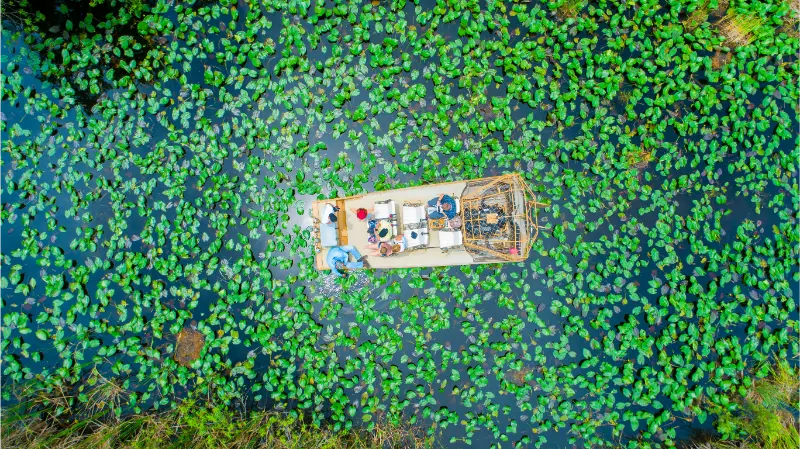
    Everglades National Park Aerial View of Boat in Green Water

    The Homestead to Flamingo route

    For a classic first day, enter near Homestead and begin with orientation at the visitor center. Royal Palm and the Anhinga Trail are among the most approachable places to see wetland wildlife from a boardwalk. Continue through pineland and prairie landscapes, stopping selectively rather than trying to walk every trail. The road eventually reaches Flamingo, where Florida Bay, marina activities and boat-oriented experiences create a completely different atmosphere from the sawgrass closer to the entrance.

    The distance to Flamingo is substantial enough that you should treat it as a real destination, not an extra stop added late in the afternoon. Fuel, food and mobile reception can be limited compared with Miami, so carry water and basic supplies. If your group includes young children or older adults, decide in advance whether the full drive is worthwhile or whether a shorter Royal Palm-focused day would be more comfortable.

    Shark Valley: wildlife and the famous loop

    Shark Valley is one of the easiest places for first-time visitors to understand the scale of the Everglades. The long paved loop can be experienced by tram, bicycle or on foot in shorter sections, with an observation tower providing broad views across the wetland. Wildlife often appears close to the route, but distance and behavior rules are essential. Alligators and other animals are wild; a photograph is never worth approaching, blocking or feeding them.

    The tram can be an excellent choice for families, senior travelers and visitors who want interpretation without cycling in heat. Cyclists need sun protection, water and realistic expectations about exposure. The loop is long, and South Florida conditions can make it more demanding than the flat terrain suggests. Reservations and operating procedures can change, so check current information before building a day around a specific departure.

    Gulf Coast and the Ten Thousand Islands

    The Everglades City side of the park is the gateway to a water-based landscape of mangroves, islands and estuaries. Boat tours and paddling reveal a part of the park that cannot be appreciated from a roadside overlook. This district pairs naturally with Everglades City, Chokoloskee and Big Cypress, making it a strong choice for travelers approaching from Naples or Florida’s Gulf Coast.

    Water activities require more planning than a short boardwalk. Weather, tides, wind, navigation and paddling skill all matter. First-time visitors should favor guided outings unless they have appropriate experience. Senior travelers and anyone with limited mobility should ask about dock access, boat boarding, shade and restroom availability. A shorter narrated boat trip can provide a meaningful Everglades experience without the physical demands of a long paddle.

    Dry season versus wet season

    The Everglades dry season generally runs through the cooler part of the year and is popular because temperatures are more comfortable, mosquitoes are often less intense and wildlife can concentrate around remaining water. The wet season brings higher heat, humidity, frequent thunderstorms and more insects, while water spreads across the landscape and changes how the ecosystem looks and functions. Neither season is “wrong,” but the visitor experience differs dramatically.

    Dry-season popularity means more visitors, while summer demands stronger heat and storm planning. Start early, carry more water than you think you need and use insect repellent appropriately. Lightning is a serious hazard in open landscapes. If thunder is nearby, return to a vehicle or substantial shelter rather than trying to finish a trail. Check park alerts because high water, storms, wildlife and maintenance can affect trails and facilities.

    Wildlife safety and responsible viewing

    Alligators, crocodiles, snakes, birds, manatees and many smaller species live in the greater Everglades ecosystem. The correct approach is observation from a respectful distance. Never feed wildlife, never place children closer for photographs and never step off designated routes to approach an animal. Feeding alligators changes their behavior and creates risk for both people and wildlife.

    Pets have significant restrictions on park trails, and their presence can create safety issues around wildlife. Check current rules before bringing one. Around water, assume that wildlife may be present even when you cannot see it. Swimming is not a normal recreational activity in the park. On boardwalks and viewing areas, follow posted instructions and give animals space to move rather than surrounding them.

    Families, seniors and accessibility

    Everglades National Park can work very well for multigenerational travel because many iconic experiences do not require long hikes. Boardwalks, scenic drives, visitor centers, tram tours and boat tours can create a full day. Families with young children should focus on short walks and wildlife observation rather than distance. Teenagers may enjoy cycling, paddling or photography when conditions are appropriate.

    The National Park Service provides accessibility information for facilities and programs, and the NPS app can be useful for current details. Conditions still vary by location, so confirm the exact trail, dock, restroom or tour that matters to your group. Senior travelers should protect the coolest morning hours for walking and use the middle of the day for driving, visitor centers or a meal. Benches and shade are not available everywhere.

    Where to stay for an Everglades trip

    Homestead and Florida City are practical for the main park road and for combining the Everglades with the Florida Keys. Miami works for Shark Valley and for visitors who want an urban base, but driving time becomes part of the day. Everglades City is the natural base for the Gulf Coast district and Ten Thousand Islands. Naples can also work, especially for travelers combining the park with southwest Florida beaches.

    Sunset over Everglades National Park Landscape

    A one-night transitional stay can be more efficient than returning to Miami after every outing. For example, travelers heading from Miami to the Keys can spend a night in Homestead after an Everglades day, then continue south the next morning. This reduces driving and turns the park into part of the route rather than a rushed detour.

    Fees, reservations and what to check before arrival

    Everglades National Park charges entrance fees, and separate charges may apply for tours, rentals or camping. Fee structures and pass rules can change, so use the official NPS page rather than relying on an old blog screenshot. The park is generally open daily, but visitor-center hours and services vary by district and season. Some tours or activities require reservations, particularly in popular periods.

    Download maps before leaving reliable service and save reservation confirmations offline. Do not depend on rideshare for remote locations such as Flamingo without a confirmed return plan. The park is large enough that small logistical mistakes can become major delays. A cooler with water and simple food, sun protection, insect repellent and a fully charged phone are basic equipment rather than optional extras.

    Common Everglades mistakes to avoid

    Most first-time problems come from misunderstanding scale, season or wildlife. A successful visit starts with one district, one realistic activity level and enough time to respond to heat or storms.

    • Assuming all park entrances connect internally.
    • Trying to combine Shark Valley and Flamingo in a short half-day.
    • Approaching alligators for photographs.
    • Arriving without water, sun protection or insect repellent.
    • Relying on mobile service or rideshare in remote areas.
    • Treating the wet season exactly like the dry season.

    Useful Wonderful Florida guides to read next

    Continue planning with Miami and Miami Beach, Florida Keys and Key West, Chokoloskee and Ochopee and Big Cypress.

    Official resources to check before you travel

    Opening hours, road conditions, park rules, transportation services, weather alerts and reservation requirements can change. Check the official source again shortly before the trip whenever a specific attraction, route or service is essential to your plans.

    Final thoughts

    The Everglades become much easier to appreciate when you stop thinking of the park as one attraction. Choose the district that fits your route, give wildlife space, respect the season and leave enough time for the landscape to feel large. Even a single well-planned day can reveal a side of Florida that beaches and theme parks cannot replace.