Category: Florida Beaches

  • Where to Stay in Marathon and Big Pine Key: Middle Keys Convenience or Lower Keys Nature?

    Where to Stay in Marathon and Big Pine Key: Middle Keys Convenience or Lower Keys Nature?

    The Florida Keys are a chain of islands connected by the Overseas Highway, not a single resort destination where every address feels alike. Marathon in the Middle Keys is a practical base for dining, boat trips and access to different shorelines. Big Pine Key and neighboring Lower Keys appeal to travelers who want nature, quieter evenings and a more residential island setting. Neither guarantees a broad sandy beach in front of the hotel. Before booking, examine whether the property faces the Atlantic, Florida Bay, a canal or a marina—and what that means for swimming, driving and the pace of your trip.

    Which area should you choose?

    AreaBest forConsider before booking
    Marathon hotels and resortsServices, family activities, marine tripsSpread-out island roads
    Sombrero Beach vicinityPlanned public beach visitsAccommodation may require a drive
    Marathon canals or bayfrontBoating and private rentalsNot necessarily swimming shoreline
    Big Pine / Lower KeysNature and quieter island staysFewer nearby daily services

    Marathon as a balanced island base

    Marathon combines motels, resorts, vacation rentals and everyday services along a long stretch of islands. It offers visitors a sense of being deep in the Keys while retaining practical options for grocery shopping, casual dining and excursion departures. Travelers who want a mix of snorkeling trips, boating and family activities may find it easier to organize from Marathon than from a very isolated rental farther south. The Turtle Hospital and Crane Point add non-beach options, though tours and visiting conditions should be checked in advance.

    Marathon is not one small walkable village. Lodging addresses can be separated by miles of highway, and crossing the road on foot is not always comfortable or appropriate. Ask exactly how far the hotel is from the boat operator, restaurant or public beach you intend to use. If you are not renting a car, build the itinerary around a limited number of prearranged pickups and nearby activities. A resort may provide a self-contained experience; a simple canal-side cottage usually expects guests to drive for most needs.

    Sombrero Beach, beach expectations and nearby lodging

    Sombrero Beach is an important public sandy beach option in Marathon, making it attractive for families who want time by the water without booking a private boat. Yet a property marketed as being in the Sombrero area might still require a drive or bicycle ride to reach it. Check the exact road route, available parking and official beach regulations. Conditions, facilities and any storm-related repairs can change; do not book a whole week on the assumption that every advertised beach amenity will always be available.

    Many Florida Keys properties have beautiful shorelines that are better suited to looking at water than entering it. Coral, rocks, seawalls, marine vegetation and boating channels mean “waterfront” does not automatically equal “swimmable.” Ask a resort whether it has a designated swimming area, a pool or an arrangement for beach access elsewhere. For families with beginners, comfortable supervised swimming arrangements should be settled before paying for the room, not discovered after everyone arrives with inflatable toys.

    Gulf or bay side versus Atlantic side in Marathon

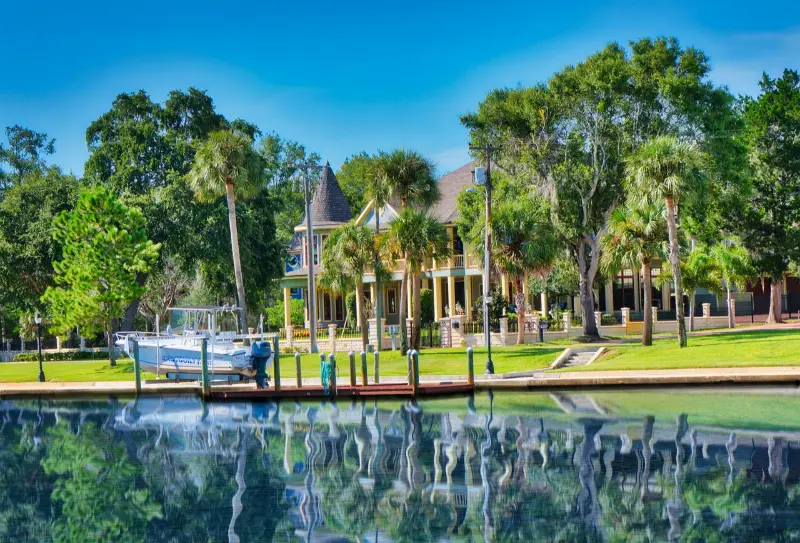
    A bay-facing balcony may be especially appealing at sunset, while an Atlantic-facing room offers morning light and a different coastal view. Those directional descriptions do not indicate a beach's quality or whether a guest may swim. Properties along canals are often oriented toward docking and boat storage rather than sunbathing. Boaters need to ask about draft limits, power, dock dimensions, trailer parking and storm policies; a photograph of a boat behind a house is not proof that the dock suits every vessel.

    For non-boaters, a canal-side rental may still be lovely, with private space and quiet evenings, but it is important to understand the practical trade-off. A driveway and pool can be more useful than a romantic view when traveling with grandparents and young children. Verify pool safety provisions and do not allow children near docks without adult supervision. For those seeking the feel of a small tropical resort, clarify the quality of on-site dining and how late staff are available. Remote waterfront locations can be peaceful precisely because services are not around the corner.

    Big Pine Key for wildlife and a quieter Lower Keys stay

    Big Pine Key appeals to visitors interested in natural habitats and the Lower Keys rather than busy nightlife. The National Key Deer Refuge protects habitat used by the small, distinctive Key deer. Driving slowly and following posted speed limits are part of responsible island travel, particularly near areas frequented by wildlife. Do not feed deer, approach them for photographs or treat a lodging yard as a place for wildlife encounters. A quiet visit should be compatible with the animals living there.

    Accommodation on Big Pine and nearby islands may be smaller scale or more residential than a major resort. That can be perfect for travelers who enjoy preparing meals, sitting outdoors and making one carefully chosen outing each day. It may be inconvenient for guests expecting a row of restaurants within five minutes of the room. Check grocery, medical, fuel and dining options around the exact property. If your party depends on reliable mobile data or high-speed internet, request a recent test rather than assuming an island rental has the same service as a business hotel.

    Bahia Honda and Lower Keys beach trips

    Bahia Honda State Park is a principal attraction in the Lower Keys, with beaches and coastal scenery. Its facilities and individual beach areas can be affected by conservation work, restoration or weather, so confirm current access and reservation requirements before making the park the center of your itinerary. The park is not a private amenity of nearby vacation rentals. A room described as “close to Bahia Honda” still may require driving, an entrance fee and advance planning.

    Travelers who do not swim can enjoy coastal views, photography and time outdoors, while families often appreciate a gentle morning visit followed by lunch away from the strongest sun. Do not assume a boat launch, kayak rental or tour will always be available on the day you arrive. Wind and marine conditions can cancel water activities, sometimes with little notice. Keep a backup plan such as visiting a local historical site, spending time at the accommodation's pool or taking a short drive through another island neighborhood.

    Key West as a day trip from the Middle or Lower Keys

    Marathon and Big Pine are sometimes marketed as budget alternatives to Key West. They can be less focused on nightlife, but the drive to Key West still takes time and is vulnerable to highway delays. For visitors who want to stay out for late music or sunset crowds, returning far north afterward may be tiring. A dedicated night in Key West can be a better choice if evening life is an important goal. Do not assume that a Lower Keys address gives the same freedom to walk home from Duval Street.

    Key West Historic Wooden House among Trees

    Big Pine is closer to Key West than Marathon, but that does not mean every Lower Keys rental is convenient for repeated trips. Look at the road and parking options for the specific attractions, not just the distance between town names. Travelers who dislike driving in the dark should make lunch or afternoon their main Key West visit and return before fatigue sets in. If the holiday is mostly about boating, reef excursions and quiet island mornings, it is sensible to spend fewer hours commuting to Key West and more time enjoying the islands where you sleep.

    Families, seniors and visitors with mobility needs

    Family tipFor families, a resort with a pool, easy breakfast and well-organized activities can greatly simplify a Keys vacation. A larger vacation home can offer separate bedrooms and laundry, but verify its stairs, pool access and proximity to food before booking. Parents should also consider the exposure of docks, seawalls and deep water around waterfront houses. A property that sleeps eight people may still be awkward for an infant in a crib or a grandparent who needs a ground-floor bathroom.

    Visitors with mobility needs should ask about accessible room dimensions and whether on-site paths are level. A waterfront deck can be beautiful yet connected to the lobby by steps. For beach visits, inspect official accessibility information for each individual park or facility. The phrase “wheelchair-friendly area” does not establish that a particular shower, boat or stretch of sand is suitable. Travelers over 80 may especially appreciate a location where meals, short scenic walks and a comfortable room can form a complete day without extensive driving.

    Arriving from Miami and planning the Overseas Highway

    The Keys reward a relaxed pace. From mainland South Florida, the Overseas Highway carries most road traffic toward Marathon and the Lower Keys. It can become congested on holiday weekends, near special events or after incidents. Avoid basing a flight departure on the most optimistic navigation estimate. A midafternoon arrival is often easier for grocery shopping and settling into the property than reaching a remote vacation rental late at night after a tiring flight.

    Ask hosts for accurate check-in instructions before entering parts of the route with limited opportunity to stop. Keep fuel sufficient, carry drinking water and know how to contact the lodging manager if access codes fail. If you plan excursions on two consecutive days, choose operators near your base where possible. Repeated driving between islands wastes the very time you came to enjoy. A well-located room in Marathon may offer better value than a cheaper rental that forces long trips for each meal and activity.

    Snorkeling and fishing: choosing lodging around your operator

    For snorkeling or diving, the departure marina and the trip's sea conditions are usually more important than whether the hotel's advertising mentions a nearby reef. Check the exact meeting location, cancellation policy, equipment requirements and whether the operator can accommodate beginners or people with limited mobility. Weather changes can cause a different departure time or a cancellation. Staying close to your chosen operator reduces stress on an early morning and makes it easier to handle equipment without a rushed drive.

    Fishing enthusiasts should check charter locations, license rules and the difference between fishing from a public facility and taking a guided boat. A rental with a dock is helpful only if it is legally and practically usable for your vessel. For families who want to observe marine life without diving, consider an appropriate education program or nature experience. Never touch coral, chase wildlife or assume all shallow water is safe for unsupervised children. Responsible enjoyment helps protect the ecosystems visitors have come to see.
    Florida River Estuary Nature Reserve Aerial

    Total costs, groceries and longer island stays

    Keys lodging can involve substantial seasonal price variation, especially on popular travel dates. Compare the final price including resort fees, taxes, cleaning, parking, equipment and pet charges. A private home with a full kitchen can reduce meal costs, but check whether its refrigerator, cookware and dining area really work for your group. A remote property may require a larger grocery shop on arrival. Plan for trash rules and recycling guidance, especially in residential areas with sensitive wildlife.

    If a listing offers kayaks, bicycles or a boat slip, ask whether use is included, whether there are liability requirements and if the equipment is maintained. For longer stays, reliability of air-conditioning, laundry and internet matters more than a few decorative touches. During hurricane season, read the cancellation and evacuation provisions carefully and monitor official alerts. Do not rely on promises that storms never affect a particular island. Travel insurance coverage varies, so examine the wording if weather disruption is an important risk for your trip.

    Choosing a base for a genuinely relaxed Keys vacation

    Pick Marathon when you want a broad range of conventional lodging and easier access to several Middle Keys activities. Choose Big Pine or another Lower Keys island when nature, quiet and a self-directed daily rhythm matter more than restaurant choice. Neither is inherently best for everyone, and both can suit travelers of different ages when the property matches the group's needs. Before paying, verify the exact shoreline, the presence of safe swimming options, sleeping arrangements and how much driving your planned activities will require.

    For a five-night holiday, avoid booking more major activities than weather and energy allow. A reef outing, a nature-oriented day, a beach morning and one visit to another island can be plenty. Leave a day unplanned so a canceled boat trip does not ruin the schedule. The memorable part of the Florida Keys is often the slower island rhythm: a morning view across the water, an easy meal and a gentle change of scenery, not the number of attractions crossed off a list.

    Frequently asked questions

    Is every waterfront Keys property a swimming beach?

    No. Many shorelines are canals, seawalls, rocky coasts or mangroves. Verify where swimming is allowed.

    Is Big Pine Key close to Key West?

    It is part of the Lower Keys and closer than Marathon, but travel time still depends on traffic and the specific address.

    What base is easier without a car?

    A property with on-site dining and arranged excursions in Marathon may be simpler, but transport details need confirmation.
    Official visitor resources

  • Cape San Blas Florida Travel Guide: Beaches, Loggerhead Trail, St. Joseph Bay and Family Tips

    Cape San Blas Florida Travel Guide: Beaches, Loggerhead Trail, St. Joseph Bay and Family Tips

    Cape San Blas is the Gulf County destination for travelers who want a beach vacation with far more nature than resort infrastructure. The narrow cape wraps around St. Joseph Bay, giving visitors access to both Gulf-facing beaches and protected bay scenery within a relatively small area. It works especially well for families, couples, anglers, cyclists and travelers who prefer vacation rentals and quiet evenings to nightlife.

    Explore this guide

    The cape is about a 20-minute drive from Port St. Joe under normal conditions, but the experience is intentionally slower once you arrive. A useful plan is to choose one beach access, one active element such as cycling or paddling and enough unscheduled time for weather changes. The destination becomes less enjoyable when treated as a checklist.

    Quick planning summary

    • Best for: quiet beach stays, families, cycling, kayaking and fishing
    • Signature route: Loggerhead Trail, about 8.7 miles paved
    • Time needed: full day; 2–5 nights for a relaxed stay
    • Car: essential for supplies and wider Gulf County
    • Main nearby hub: Port St. Joe

    Important current-status note

    October 2026 information snapshot: this article is scheduled for 2028. Hours, prices, construction, storm repairs, beach access, wildlife rules, tour schedules and local ordinances can change before publication. The practical details below are a verified planning baseline, not a promise that every 2026 condition will still apply in 2028. Recheck the linked official source shortly before travel.

    Current practical baseline

    Gulf County tourism describes Cape San Blas as a narrow coastal stretch roughly 20 minutes from Port St. Joe. Its current visitor information highlights fishing, kayaking, paddleboarding, cycling and hiking, plus the 8.7-mile paved Loggerhead Trail. Salinas Park provides both Gulf-side and bay-side access and is a practical southern gateway to the cape.

    Understanding the layout

    The cape is not one single beach entrance. Vacation homes, public accesses, Salinas Park, the paved trail and the state park are spread along a long narrow road. Before leaving Port St. Joe, decide whether your priority is beach access, a bike ride, paddling, the state park or simply exploring. That prevents unnecessary driving back and forth.

    Gulf beach versus St. Joseph Bay

    The Gulf side gives you open-water beach scenery and surf. The bay side is more protected and often better for paddling, wildlife observation and shallow-water exploration, but weather still matters. A windy day can make either side uncomfortable. Check conditions rather than choosing solely from photos taken in different seasons.

    Florida House with Garden and Palm Trees

    Loggerhead Trail

    The 8.7-mile paved Loggerhead Trail is one of the most useful features for travelers who want activity beyond the beach. Cyclists should remember that summer heat and sun exposure can turn an easy-looking ride into a demanding outing. Start early, carry water and use the trail for a partial out-and-back if the whole distance does not suit your group.

    Families with children

    Cape San Blas can be excellent for children who enjoy sand, shells, wildlife and open space. It is less suitable for families who expect a boardwalk full of attractions within walking distance. Bring beach shade, snacks, water and simple entertainment. Plan a short playground or park stop if young children need variety away from the shoreline.

    Kayaking and paddleboarding

    St. Joseph Bay is visually inviting, but a good paddling day depends on wind, tide, skill and the exact launch. Beginners should stay close to shore and use a route with an easy exit. Do not chase wildlife or paddle farther simply because the water looked calm at launch time.

    Where to base yourself

    A rental on the cape maximizes beach time and sunrise/sunset flexibility. Staying in Port St. Joe provides easier access to groceries, restaurants and a wider set of services. Families staying several nights may prefer the cape, while road-trippers and travelers mixing beaches with museums often find Port St. Joe more practical.

    Road and storm awareness

    Cape roads and dune systems are exposed to tropical weather and erosion. After a major storm, access, walkovers and beach conditions may change even if lodging is open. Confirm road conditions and specific public access points before arrival, especially when traveling far in advance.

    A simple first-day plan

    Arrive early, begin at Salinas Park or another confirmed access, spend the morning on the beach or bay, take a midday break, then cycle a manageable part of Loggerhead Trail or drive toward the state park for late-afternoon scenery. This sequence keeps the day varied without requiring constant car moves.

    Weather, storms and seasonal planning

    Northwest Florida has a long warm season, strong summer sun, frequent afternoon thunderstorms and a hurricane season that can affect beaches, roads and facilities even when the center of a storm is far away. Spring and fall often provide a more comfortable balance for walking and cycling, while winter can be excellent for quiet sightseeing but may bring cool or windy days. Check radar, marine conditions and official alerts before committing to exposed beaches, paddling or long drives on low coastal roads.

    Accessibility and multigenerational travel

    Accessibility varies from modern museums and paved parks to soft sand, dunes, natural trails and boat-only destinations. For a wheelchair, walker or stroller, verify the exact accessible route rather than assuming that a short distance will be easy. Multigenerational groups usually do best by pairing one higher-effort outdoor activity with one low-effort stop such as a scenic overlook, museum, picnic area or short waterfront walk. In hot weather, schedule the most exposed activity early and save air-conditioned stops for midday.

    Budget and value

    This part of the Panhandle can be good value because beaches, scenic drives and several public parks cost little or nothing. The larger expenses are usually lodging, boat trips, equipment rentals, fishing charters and restaurant meals. Save money by grouping stops geographically, carrying water and beach supplies, and avoiding unnecessary back-and-forth drives. A free beach is not truly inexpensive if reaching it requires repeated long detours, parking changes and extra fuel.

    What to bring

    • refillable water and more than you expect to drink on a remote day
    • broad-spectrum sunscreen, hat and sunglasses
    • insect repellent for marshes, forests and evenings
    • comfortable footwear plus sandals or water shoes when useful
    • light rain layer in the warm season
    • offline map or downloaded directions for areas with weak mobile service
    • small power bank for navigation and photography

    Common planning mistakes

    • assuming every beach access has restrooms, lifeguards or food nearby
    • underestimating heat, wind and thunderstorms on an exposed coast
    • treating wildlife sightings, shelling or fishing success as guaranteed
    • ignoring tides and marine conditions before paddling or boating
    • planning too many separated communities in a single short day
    • forgetting that hurricane repairs and erosion can change access
    • relying on old prices or social-media posts instead of an official source

    A better daily rhythm

    Put the most weather-sensitive experience first. Beach time, wildlife viewing, paddling and long walks are usually better early, while museums, downtown shops and long lunches work well during the hottest or stormiest part of the afternoon. Leave at least an hour unassigned. That margin absorbs a bridge delay, a longer meal, a sudden shower or the simple decision to stay at a beautiful beach longer than planned.

    Parking, arrival and driving strategy

    On this stretch of coast, a few extra minutes of preparation can save a surprising amount of time. Put the exact public entrance or parking area into navigation before leaving, because a destination name may cover miles of shoreline or preserve land. Keep fuel above half a tank on remote days, avoid blocking residential access, and never create your own parking space on dunes or vegetation. If a fixed tour or museum opening matters, arrive with a buffer rather than planning to pull in at the exact start time.

    Restrooms, food and practical breaks

    Facilities become less predictable as you move away from Port St. Joe and Mexico Beach. Some parks have restrooms and picnic areas; natural beaches, launches and preserve access points may have very little. Families should use a restroom before a long beach or paddling session, carry snacks and keep drinking water in the car. Restaurants in small coastal communities may close earlier or take midweek days off, particularly outside peak season.

    Photography and responsible wildlife viewing

    Sunrise, sunset, dunes, shorebirds and the changing colors of St. Joseph Bay provide excellent photography without leaving designated access. Use a longer lens for birds and other wildlife, and do not walk into nesting areas for a closer image. Drones may be restricted by the land manager, state park, refuge or local ordinance; verify the exact property rules before flying rather than assuming open sky means permission.

    If the weather changes

    Have a backup that does not depend on calm water. Port St. Joe history stops, the Welcome Center, shops and a longer meal can replace a beach or paddling session during lightning or strong wind. After tropical weather, give official road, park and county updates more weight than crowdsourced posts because washouts, dune repairs and access restrictions can change rapidly.

    Trip-planning details that are easy to overlook

    Before the day begins, check the exact drive time from your lodging, the local time zone, the nearest fuel stop and whether the destination has shade, restrooms and reliable mobile coverage. Coastal distances can look short on a map but bridges, two-lane roads and beach traffic add time. If your group includes young children, older travelers or anyone sensitive to heat, build a guaranteed indoor or shaded break into the middle of the day. Keep one alternative activity nearby so a rough Gulf, thunderstorm or temporary closure does not waste the day.

    Final planning advice

    Use this guide to decide whether the experience fits your group rather than treating it as another box to check. Gulf County and the neighboring coast reward travelers who accept a slower pace and leave room for weather, wildlife, local food and spontaneous stops. One memorable beach or nature experience plus one cultural stop usually creates a better day than racing between five attractions.

    Official information

    Check official visitor information shortly before travel for current hours, fees, closures, access rules and safety notices.

  • Clearwater Beach vs St. Pete Beach: Which Gulf Coast Stay Is Better for Your Family?

    Clearwater Beach vs St. Pete Beach: Which Gulf Coast Stay Is Better for Your Family?

    Clearwater Beach and St. Pete Beach are often placed together in a list of Florida’s best beach destinations. Yet they have different layouts, visitor facilities and day-trip patterns. Clearwater Beach is associated with its lively beachfront core, Pier 60 area, Beach Walk and convenient restaurants. St. Pete Beach stretches along a barrier island with several distinct sections, and it can be a useful base for exploring nearby Pass-a-Grille, St. Petersburg and other Gulf communities. Neither beach is automatically calm, inexpensive or suitable for every age. The right base depends on exactly where you sleep, how you reach the sand and how you plan to spend the hours away from the water.

    Quick decision table

    CompareOption AOption B / planning note
    Beach atmosphereClearwater: busy visitor coreSt. Pete: different beach districts
    Nearby activitiesBeach Walk and Pier 60 areaPass-a-Grille and St. Petersburg
    Key booking detailMap the hotel-to-sand walking routeConfirm exact access and parking

    Compare the beach you will actually use

    A name on a reservation screen is not enough. At Clearwater Beach, some hotels provide a direct sand-side location while others involve crossing a street or walking through a busy commercial area. St. Pete Beach also includes large beachfront properties and accommodations several blocks or more from public access. When traveling with strollers, beach gear or an older relative, the path from your room to the nearest suitable entrance matters more than the straight-line distance. Look for restrooms, outdoor showers, accessible parking, shade options and lifeguard or beach-patrol information for your chosen section. Do not assume the same services are available continuously along an entire coastline. View the exact entrance on a map before making a nonrefundable booking.

    What a day in Clearwater Beach feels like

    Clearwater Beach suits visitors who enjoy having plenty of traveler-oriented services within a compact destination. The area near Pier 60 and Beach Walk offers a recognizable beach-vacation atmosphere, with places to eat and a promenade. That convenience is a benefit when a family wants to return to the room between the beach and dinner. It also means popular weekends and peak-season afternoons can be crowded. Some visitors love the energy; others find noise, busy crossings and parking searches stressful. If you prefer a quieter stay, investigate the specific block and room rather than assuming the entire island is equally busy. A breakfast walk can be enjoyable without committing to a full, sun-exposed day on the sand.

    What a day in St. Pete Beach feels like

    St. Pete Beach can support a classic resort stay, particularly when the hotel has convenient access to its own beach entrance and a restaurant nearby. The southern end around Pass-a-Grille offers a different historic village atmosphere, but it should not be treated as interchangeable with the central resort strips. Parking and beach access require separate planning if you are visiting an area away from your hotel. For those interested in art and museums, the city of St. Petersburg is a separate inland destination across the bay-side urban area, not another point along the beach promenade. A day in town is feasible, but it uses time that a family with young children might otherwise allocate to swimming, a nap or a relaxed lunch.

    Saint Pete Beach Florida White Sand and Beach Chairs

    Which destination is easier without a car?

    Clearwater Beach can be convenient when your hotel, restaurants and desired beach section are walkable and you do not plan to move far. St. Pete Beach can offer a similar experience from a well-placed beachfront hotel, though distances between named neighborhoods matter. Transit services and beach trolleys may connect parts of the coast; schedules and routes should always be verified for the actual date and stops. Neither destination guarantees a straightforward direct transfer from Tampa airport to every hotel. For a car-free week, choose lodging first, then confirm the airport transfer and grocery or meal arrangements. A cheap inland hotel plus repeated rideshares can cost more than a slightly higher-priced room close to the water.

    Parking requires an actual plan, not optimism

    Clearwater’s public parking system uses numerous metered lots, on-street spaces and commercial garages; time limits and charges vary by location. The official regional visitor website maintains parking guidance and the city provides payment instructions. St. Pete Beach also has local paid-parking rules that should be checked before departure. Arriving early improves your options, but it never guarantees a space, especially during holidays or special events. Photograph your parking location, verify the correct license plate in the payment app and check the posted enforcement hours. Don’t leave valuables visible in the car and do not park illegally on private property. For families, parking near a restroom and a manageable walkway may justify a higher legal fee.

    Toddlers, nap times and short beach sessions

    For children under five, a comfortable base with indoor cooling and easy meals can be more valuable than an extra sightseeing option. Young children may tolerate only a short interval in full sun, and babies need particular protection from heat. A morning sand session followed by a return to the hotel is often more practical than an all-day beach camp. Look for a room where naps will not be disturbed by constant music or pool noise. In either area, confirm crib availability, laundry access and nearby grocery stores. Do not assume every beach rental includes a safe infant shade setup. Always follow age-appropriate sun-protection advice and keep children supervised at the water’s edge, even when waves appear small.

    Older children and teens: beyond building sandcastles

    School-age children may enjoy the activity around Clearwater’s busy core, while teenagers might like photographing a Gulf sunset, exploring a nearby town or booking a supervised water activity. St. Pete Beach has its own lively areas, and a short outing to St. Petersburg can diversify a beach week with arts and museums. Choose any paid boat, paddle or parasailing experience based on individual maturity, operator credentials, weather and current rules. Do not book simply because an excursion appears on a hotel advertisement. Keep the group’s preferred pace in mind: a teenager can enjoy a relaxed afternoon with friends or family instead of being marched through several attractions every day. A good beach holiday includes the freedom not to fill every hour.

    What if a grandparent is joining the trip?

    The most important questions may be physical rather than geographical. Is there an elevator to the room? Does the route to the sand include steps or deep soft sand? Can the group find seating under cover, or does everyone need to carry chairs? Are there accessible restrooms near the chosen public entrance? Beach wheelchairs or mobility equipment may be available at certain locations, but inventory, reservation arrangements and operating conditions vary. Confirm these details with the specific municipality, property or provider. A grandparent might prefer a wide ocean view from a shaded restaurant while the children play. Plan at least one meeting point that allows everyone to enjoy the location without identical activity levels.

    Is the Gulf always calm enough for children?

    No. Gulf conditions change with weather, wind, tides and local disturbances. Even seemingly gentle water requires close adult supervision; flags or posted warnings must take precedence over general descriptions of the Gulf as calmer than the Atlantic. Look for lifeguard information for the beach section you choose and keep an eye on thunderstorms, strong currents, water quality advisories and red tide conditions. Red tide can cause respiratory irritation and beach impacts, and the situation can change across short distances. Use Florida’s current water-quality resources rather than assuming a beach is safe because photographs showed clear water last month. When conditions are poor, a pool is not automatically safe during lightning either; choose an indoor backup.

    Budget comparison: five costs that change the result

    Compare actual hotel totals, parking, resort fees, beach equipment, meals and local trips. Clearwater’s compact visitor core may reduce transportation when you stay nearby, but beachfront rates and activity spending can be significant. St. Pete Beach can offer different accommodation styles, though a seemingly attractive rate farther from your chosen beach may add driving or rideshare costs. For a week, a kitchenette might let a family prepare breakfast and lunch instead of buying three restaurant meals a day. Don’t add an imaginary fixed parking price to the budget; look up the local sign and hotel policy. The better value is whichever choice gives you the vacation you want at a predictable total cost.

    Rainy-day alternatives and interesting detours

    In Clearwater, identify an indoor attraction that suits your family and is feasible from the hotel without a stressful drive. A beach-area storm may pass, but you must still respond immediately to lightning and official advisories. Around St. Pete Beach, downtown St. Petersburg museums and indoor arts venues can be appealing, though they are not right next to the Gulf shore. Avoid booking timed indoor visits that require crossing the whole metro area during an afternoon storm. If you are staying four nights or longer, reserve one day with no fixed plans. Families can use that day for the museum, another beach morning or simply a longer breakfast. Flexibility has real value when weather forecasts change.

    A three-day Clearwater Beach itinerary

    On arrival, settle in and walk only as far as the beach entrance nearest your hotel. Day two begins with an early beach session, lunch and a midday indoor break; the evening can include the Beach Walk or a suitable Pier 60 area stroll if conditions and current activity schedules allow. On day three, select a single additional outing, perhaps a different public beach section or a short local cultural stop, instead of paying for a long list of excursions. Return early to prepare for departure. If you are traveling with infants or older adults, make the longest outing optional rather than mandatory. The point is to enjoy the convenience Clearwater is known for while controlling exposure to sun and crowds.

    A three-day St. Pete Beach itinerary

    Start with an unhurried arrival and dinner close to your accommodation. Make the next morning a beach session at the access point you have already verified, then spend the afternoon relaxing away from the sun. Day three offers a choice: remain by the water, explore Pass-a-Grille if parking and weather cooperate, or visit one museum in St. Petersburg with a comfortable transport arrangement. Don’t attempt all three. If driving is undesirable, a single excellent resort beach day may be more satisfying than a packed excursion. Travelers staying farther north or south should modify the order based on actual driving patterns. This is a beach vacation, not a checklist race.

    Final choice: take the shorter, easier path to your priorities

    Choose Clearwater Beach if you want a lively, recognizable visitor district and a hotel near a concentrated set of beach services. Choose St. Pete Beach if you prefer a particular resort setting or want access to the different character of Pass-a-Grille and St. Petersburg. Neither label guarantees silence, a free parking spot or safe surf. Find the exact room, nearest accessible beach path and three restaurants you would realistically use. Check cancellation terms and current conditions before paying. For families across several generations, the winner is often the destination where everyone can return comfortably from the beach after two enjoyable hours, rather than the one with the longest list of attractions.

    Useful official information

    Consult Visit St. Pete–Clearwater’s beach parking guide, the City of Clearwater and the City of St. Pete Beach for current public access, municipal rules and parking payment systems. Confirm beach advisories close to your travel date.

    Frequently asked questions

    Is Clearwater Beach better for a family with a stroller?

    It depends on the exact hotel and beach entrance. A short paved route and close restroom can matter more than the destination’s overall reputation.

    Are Clearwater Beach and St. Pete Beach walkable to each other?

    No. They are different barrier-island destinations separated by other communities and road travel. Plan a transfer rather than assuming a shoreline promenade connects them.

    Should I book beach chairs ahead?

    Ask the property or licensed vendor whether advance reservations are available, what is included and how weather cancellations work.

  • M.B. Miller County Pier Guide: Fishing, Parking, Beach Access, Fees and Panama City Beach Tips

    M.B. Miller County Pier Guide: Fishing, Parking, Beach Access, Fees and Panama City Beach Tips

    M.B. Miller County Pier is the practical middle-beach alternative to Russell-Fields City Pier. It offers a 1,500-foot fishing pier, six beach accesses along roughly 1,700 feet of beachfront, restrooms, mobility mats, seasonal services and a lifeguarded beach area. For travelers staying around the central portion of Panama City Beach, it can be the simplest place to combine fishing, swimming and a sunset without driving to Pier Park.

    Explore this guide

    The biggest planning difference is parking. Bay County currently uses paid parking at the county pier, and both pier use and parking are cashless. Knowing that before arrival prevents the common situation of reaching the beach with only cash and then losing time solving payment.

    Quick planning summary

    • Best for: fishing, beach time, sunset and central Panama City Beach stays
    • Current hours: 24 hours a day, seven days a week
    • Pier length: about 1,500 feet
    • Current spectator fee: $3 daily
    • Current fishing fee: $6 daily for visitors over age six
    • Parking baseline: $2 per hour or $12 per day for non-residents
    • Payment: pier and parking systems are cashless
    • Address: 12213 Front Beach Road
    • Time needed: 30–60 minutes for a walk; 2–5 hours for fishing or beach time

    Important 2026 information note

    The county fee schedule, parking system and seasonal services can change before this article’s 2028 publication date. The figures here are the official 2026 baseline and should be reconfirmed shortly before travel.

    What you find at the county pier

    Bay County lists the pier, beach-access mobility mats, restrooms, a bait-and-tackle shop, a seasonal drink stand and six beach accesses. This concentration of facilities makes the location more practical than a small neighborhood access when your group needs restrooms or a clear meeting point.

    The pier itself is long enough to create a genuine offshore feeling without boarding a boat. Spectators can watch anglers, scan for dolphins and rays, or simply use the structure for a sunrise or sunset walk.

    Current pier fees

    The official county page currently lists spectators at $3 per day and fishing at $6 for visitors over age six. Children six and under are free. Reduced $3 fishing rates are listed for disabled visitors, active military personnel and seniors 65+. The county’s 2026 fee schedule also notes a $2 charge for rods in excess of three.

    Annual passes are available and are currently honored at both the county and city piers. If you plan to fish repeatedly during a longer stay, compare the current pass price with daily fees before buying multiple day tickets.

    Parking

    Non-resident parking is currently $2 per hour or $12 for the day, paid through the Passport system. Bay County residents can apply for a free permit tied to a vehicle tag. Visitors should not assume the resident program applies to a rental car or an out-of-county vehicle.

    Parking charges can materially change the cost of a short visit. If you are only walking the pier for half an hour, the total remains modest, but a full beach day needs both the spectator or fishing fee and the parking total in the budget.

    Cashless payment

    Bay County states that pier usage and parking are cashless, with credit or debit cards accepted. On-site kiosks can convert cash into prepaid cards for visitors who need that option. Even so, carrying a payment card or a phone capable of using the parking system is the simplest approach.

    Fishing

    The pier is a serious fishing location, not just a scenic boardwalk. Seasonal catches can include mackerel, pompano, cobia, redfish and other Gulf species. Conditions, bait and target fish change through the year, so local advice on the day of your visit is more useful than a generic annual list.

    If you are new to pier fishing, keep the setup simple and leave room around experienced anglers. A busy bite can make the rail crowded. Children should stay close to an adult because hooks, carts and rods create hazards even before considering the open water.

    Beach access and lifeguards

    The county pier area has multiple beach accesses and is one of the places where seasonal lifeguards are normally stationed. Current destination information places lifeguard service around late May through Labor Day, but weather can interrupt staffing. Beach flags remain the primary safety signal and should be checked every time you enter the water.

    Mobility mats and accessibility

    Mobility mats improve access across the soft-sand transition, but they do not eliminate every beach barrier. Wheelchair users should verify the current extent of the mat, restroom access and parking layout before arrival. The pier itself provides a firm surface but is highly exposed to sun and wind.

    M.B. Miller versus Russell-Fields

    Choose M.B. Miller if your accommodation is closer to the middle of Panama City Beach, if you want a less retail-oriented setting or if the beach itself is the main purpose. Choose Russell-Fields if Pier Park is part of the same outing. Both piers are about 1,500 feet long and offer fishing and sightseeing, but the surrounding experience is different.

    Panama City Beach Skyline and Shoreline Aerial

    Best time to visit

    Early morning gives cooler temperatures and a quieter beach, while late afternoon works well for swimming followed by sunset. Midday can be useful for a full beach day but offers the least shade. Anglers should plan around seasonal conditions and the fish they hope to target rather than using a fixed tourist schedule.

    Official information

    Check the official Bay County M.B. Miller County Pier page for current fees, parking, services and operational notices.

    Families, teenagers and senior travelers

    Panama City Beach works well for multigenerational groups when the schedule is built around energy level rather than age labels. Families with younger children generally need shade, restroom access and shorter activity blocks. Teenagers often enjoy activities that give them some independence, whether that means fishing, interactive exhibits, water rides or a walk around Pier Park. Senior travelers may prefer the same attractions but benefit from a slower pace, more seated breaks and less time on exposed pavement or soft sand during the hottest hours.

    A practical family rule is to choose one anchor activity and one optional add-on. If everyone is still enjoying the day, add the second stop. If heat, crowds or weather have already used up the group’s energy, stop without treating the change as a failed itinerary.

    Accessibility and comfort

    Accessibility in a Gulf Coast destination is not only about ramps. Heat, glare, long walks from parking, wet surfaces, sand and sudden storms can affect how comfortable a visit feels. Travelers using wheelchairs, walkers or strollers should verify the exact route from parking to the attraction, not just whether the destination describes itself as accessible. When beach access is part of the plan, mobility mats and beach-wheelchair programs can make a major difference, but availability can change.

    Weather and seasonal planning

    Summer brings warm Gulf water, long daylight and the fullest attraction schedule, but also intense sun, high humidity and frequent afternoon thunderstorms. Spring and fall can be easier for walking and outdoor attractions. Winter is quieter and often pleasant for museums, piers and sightseeing, although water temperatures and wind may make a beach day feel very different from summer.

    Lightning is the condition that should change plans immediately. Do not wait on an exposed pier, beach or waterpark deck because a storm still appears distant. Use radar and official attraction updates, and keep one indoor backup available for days when the Gulf weather refuses to cooperate.

    Beach safety still matters

    Even when the attraction itself is the reason for the visit, many travelers combine it with the beach. Check the current Panama City Beach flag system before entering the Gulf. Rip currents are not always obvious from shore, and a calm-looking surface is not proof that conditions are safe. Lifeguard coverage is seasonal and limited to specific areas, so never assume every public access is guarded.

    Panama City Beach Hotels by the Gulf Aerial

    Budget and value

    Compare the complete day rather than only the headline ticket price. Parking, food, drinks, equipment, souvenir photos, lockers and optional upgrades can change the total quickly. A lower-cost day can pair a paid attraction with a beach walk, sunset or public park. Families often get better value by choosing one substantial paid activity instead of stacking several expensive stops simply because they are close together.

    What to bring

    • refillable water bottles
    • sunscreen, sunglasses and a hat
    • comfortable walking shoes
    • a light rain layer during the warm season
    • a portable phone charger
    • any required identification for discounts
    • a small dry bag or waterproof phone pouch when water is involved

    Common planning mistakes

    • using an old social-media post as the source for current prices or hours
    • forgetting that Panama City Beach uses Central Time locally
    • planning a long exposed activity at the hottest point of the afternoon
    • assuming parking is free because beach access itself is public
    • waiting until arrival to check height, health or participation restrictions
    • filling every hour of the day and leaving no room for weather delays

    A better daily rhythm

    For most visitors, the easiest rhythm is an early outdoor activity, a shaded or indoor break around midday, and a flexible late-afternoon or evening plan. This reduces heat stress and gives the schedule room to absorb traffic or a thunderstorm. If sunset matters, choose the final stop geographically before lunch so you are not crossing the entire resort strip at the busiest time of day.

    Driving and parking strategy

    Front Beach Road can move slowly in peak periods. Enter the exact attraction or parking area in navigation before leaving, and allow more time than the mileage suggests. If your group includes someone with limited mobility, use a legal passenger drop-off when possible before the driver searches for a more distant space. Never improvise parking on dunes, grass or private property.

    Continue your Bay County trip

    Use the Panama City Beach travel guide as the broader planning hub. Travelers arriving from the east can also compare the resort atmosphere with Mexico Beach.

    Final planning advice

    The best version of a Panama City Beach day is usually simpler than the longest possible checklist. Decide what experience matters most, verify the current official information shortly before travel and leave enough flexibility for weather, traffic and the possibility that your group simply wants to stay longer at one place.

  • Panama City Beach for Seniors: Easy Beaches, Nature, Comfort and Multigenerational Travel Tips

    Panama City Beach for Seniors: Easy Beaches, Nature, Comfort and Multigenerational Travel Tips

    Panama City Beach does not have to be a high-energy resort vacation. For senior travelers, the destination can be shaped around morning beach walks, scenic nature, waterfront meals, short attractions, easy evenings and enough recovery time between outings. The key is to plan around comfort rather than distance alone. A destination may look close on a map but still involve a long parking walk, hot sand, stairs or a busy transfer. Choosing the right accommodation, asking specific accessibility questions and protecting the coolest parts of the day can make the Gulf Coast far more enjoyable.

    Explore this guide

    Quick planning summary

    • Best for: Older adults traveling independently, couples who prefer a comfortable pace and multigenerational families planning around different mobility and energy levels.
    • Ideal trip length: 4–7 nights lets you avoid rushing and move outdoor activities to the most comfortable weather windows.
    • Getting around: A car gives the most flexibility across Panama City Beach, state parks and Panama City, but a resort-focused stay near one activity cluster can reduce driving.
    • Safety priority: Check current beach warning flags before entering the Gulf and move indoors early when thunderstorms approach.

    How to use this guide

    Older adults traveling independently, couples who prefer a comfortable pace and multigenerational families planning around different mobility and energy levels. The goal is not to create a schedule that looks impressive on paper. Panama City Beach is easiest when the most weather-dependent activity happens early, the middle of the day includes shade or indoor time, and the evening stays flexible. Travel time along Front Beach Road can be longer than the mileage suggests during busy periods, so group activities by area.

    Choose the easiest beach access, not just the closest

    If walking on loose sand is tiring, research the exact access point before leaving the hotel. Panama City Beach has numerous public beach accesses and an expanding accessible-travel program, including mobility-focused features at selected locations. Beach Access 22 at Edward F. Hickey Jr. Park has been promoted for accessible design, but facilities can change and every traveler has different needs. Confirm parking, ramp or mat conditions and restroom access shortly before your trip. If standing in the surf is not comfortable, a pier, boardwalk or shaded shoreline view can still provide a satisfying beach experience.

    Panama City Beach Aerial View with Turquoise Sea

    Use mornings for the most active outdoor time

    Heat and humidity can make a short walk feel much harder than expected. Plan beach walks, park visits and longer outdoor stops earlier, then use midday for lunch, rest, museums, shopping or a scenic drive. This rhythm also works for travelers taking medications that increase sun sensitivity or who simply prefer a slower pace. Carry water before you feel thirsty and use sun protection even during breezy Gulf mornings. If the forecast changes, move the activity rather than pushing through uncomfortable conditions to preserve a schedule.

    Pick nature stops with seating and flexible distance

    Conservation Park and the state parks around Panama City Beach can add quiet natural scenery, but the right route depends on mobility, temperature and surface conditions. Choose short boardwalk or observation experiences when a long trail is unnecessary. Ask park staff about current accessible routes and closures, and turn around before fatigue becomes a problem. Wildlife viewing from a comfortable location is often more enjoyable than covering many miles. Camp Helen can also provide a quieter change of pace on the west side of the destination.

    Build meals and rest into the sightseeing plan

    Senior travelers often enjoy a destination more when lunch is treated as a real stop rather than something squeezed between attractions. A seated midday meal creates shade, hydration and a chance to reassess the weather. If a restaurant is important, reserve when practical or eat slightly earlier than peak periods. Choose evening plans close to your accommodation so the day does not end with a long drive in heavy traffic. A condo kitchen can also be valuable for breakfast and light dinners when the group does not want to go out again.

    Make multigenerational days modular

    Grandparents do not need to attend every water slide, and children do not need to sit through every slow-paced activity. Choose one shared experience—perhaps a beach morning, pier sunset, wildlife visit or dinner—then allow the group to split. While younger family members spend several hours at Shipwreck Island, older adults might enjoy a relaxed lunch, a scenic drive or rest at the accommodation. Reuniting later can create a better family vacation than keeping everyone together from breakfast until bedtime.

    Plan medical and practical needs before arrival

    Travelers who rely on mobility devices, oxygen, refrigeration for medication or specific dietary needs should verify the accommodation setup directly rather than assuming a generic ‘accessible room’ answers every question. Save key addresses, insurance information and medication lists offline. Keep prescription medication in carry-on luggage when flying and bring enough for unexpected travel disruption. This preparation is not about expecting a problem; it reduces the amount of attention logistics require once the vacation begins.

    Families, age groups and different travel styles

    Age alone does not determine what someone can do. Some travelers in their seventies want long paddles and full beach days, while others need frequent seating or a mobility device. Plan around specific abilities, heat tolerance and interests. In mixed-age groups, one shared activity plus optional parallel plans is usually more successful than choosing the lowest common denominator all day.

    For a mixed-age group, decide which activity everyone truly wants to share and let the rest of the day be modular. A vacation becomes easier when a toddler can nap, a teenager can choose an activity and an older traveler can skip a long exposed walk without the group treating those choices as problems.

    Where to stay

    The West End can appeal to travelers seeking a quieter atmosphere, while Pier Park is convenient for dining, shopping and evening activity. Middle Beach keeps many services central, and Grand Lagoon is useful for boat excursions. Wherever you stay, ask about elevator access, walk-in or roll-in showers if needed, parking distance, balcony thresholds, pool access and the exact route to the beach. A ‘beachfront’ property can still involve a substantial walk from the room to the shoreline.

    Compare the total accommodation cost rather than only the first nightly rate shown. Parking, resort fees, cleaning charges, taxes and cancellation rules can materially change the value. For families and longer stays, laundry and a kitchen may save time as well as money. For travelers with mobility needs, confirm the route from parking to room to beach or pool directly with the property.

    Beach safety: the rule that should shape every itinerary

    Panama City Beach uses a beach warning flag system. A green flag still means use caution; yellow indicates a medium hazard; red signals high hazard; purple warns of dangerous marine life; and double red means the water is closed to the public. Conditions can look calm from a balcony while currents remain dangerous. Check the current flag status before entering the Gulf and follow lifeguard and local-authority instructions.

    Panama City Beach Skyline and Shoreline Aerial

    Rip currents are a major Gulf hazard. Swim near lifeguarded areas when possible, keep children within direct reach appropriate to their ability and do not use inflatable toys as safety devices. If lightning develops, leave the water and beach early and move to a safe indoor location. A trip can be rearranged; water and thunderstorm warnings should not be negotiated with an itinerary.

    Weather, heat and the best daily rhythm

    In warm months, an early outdoor block followed by lunch, indoor time or a hotel break usually works better than staying exposed through the hottest hours. Afternoon thunderstorms can be localized and fast-moving, so keep one indoor alternative available. In cooler months, mornings may require a light layer even when the afternoon is pleasant. Check the actual forecast shortly before travel instead of relying on long-term climate averages.

    Sun, humidity and saltwater add fatigue gradually. Drink water throughout the day, reapply sun protection and schedule recovery time after long beach or boat sessions. This matters for children, senior travelers and visitors arriving from cooler climates, but it also affects healthy adults who underestimate how much energy a full day outside requires.

    Driving, parking and getting around

    Panama City Beach is long rather than compact. Before leaving, enter the exact parking area or attraction—not only the destination name—into navigation. Group stops on the same side of town, and avoid driving from east to west and back again for minor errands. During busy seasons, add buffer time for Front Beach Road and popular access points. Never park on dunes, landscaped areas or private property because a map pin appears close to the beach.

    If you are flying into ECP and plan to explore state parks, Panama City, the West End or other Panhandle destinations, a rental car is usually the most flexible choice. Resort-focused travelers may be able to combine transfers or rideshare with walking, but compare the real cost against parking and rental fees before deciding.

    Food and budget planning

    Use geography to control both cost and stress. Eat near the activity you are already doing instead of driving across the city for every meal. A condo kitchen can make breakfast, snacks and one simple dinner inexpensive, leaving more budget for a boat trip or attraction that matters. Families should keep water and familiar snacks available, while travelers with dietary restrictions should identify a few reliable options before arriving.

    Ticket prices and operating schedules can change, so compare current official prices shortly before travel. Do not assume a multi-attraction day is automatically better value. One well-chosen paid experience plus free beach time, a park walk and sunset can create a stronger day than several rushed admissions.

    Common mistakes to avoid

    • Choosing lodging without checking the actual walking route to the beach
    • Scheduling long outdoor activities in the hottest part of the day
    • Assuming every public beach access has the same mobility features
    • Keeping a multigenerational group together for every activity
    • Underestimating how tiring sand, humidity and evening traffic can be
    • Leaving no flexibility for Gulf weather, traffic or a tired traveler.

    Useful Wonderful Florida guides to combine with this article

    Depending on your itinerary, continue with Panama City Beach travel guide, Conservation Park guide, Camp Helen State Park guide, Pier Park guide and M.B. Miller County Pier guide.

    Official information to check before travel

    Opening hours, access conditions, beach flags, parking arrangements, attraction restrictions and transportation services can change. Use official or primary sources shortly before travel when a specific feature is essential to your day.

    Final planning advice

    Panama City Beach is easiest to enjoy when the beach is treated as part of the schedule rather than the entire schedule. Choose one anchor experience, leave room for weather and rest, and keep the final hours of the day simple. That approach works for families, couples, teenagers, senior travelers and visitors with accessibility needs because it gives the trip enough structure to be useful without turning a Florida vacation into a sequence of deadlines.

  • Mexico Beach Florida Travel Guide: White Sand, Beach Access, Fishing, Families and Planning Tips

    Mexico Beach Florida Travel Guide: White Sand, Beach Access, Fishing, Families and Planning Tips

    Mexico Beach sits just west of Gulf County in Bay County and offers a very different experience from the high-rise resort sections farther along the Panhandle. The town is small, beach-focused and easy to understand: nearly five miles of white-sand shoreline, frequent public accesses along Highway 98, local restaurants and a slower pace that works well for families, couples and road-trippers.

    Explore this guide

    The destination has rebuilt extensively after Hurricane Michael and continues to evolve, so travelers should use current local information rather than relying on old photos or pre-storm assumptions. A good visit focuses on the beach first, adds fishing or a simple water activity, and leaves enough flexibility for weather and local dining.

    Quick planning summary

    • Best for: quiet beach vacations, families, fishing, sunsets and road trips
    • Beach: almost 5 miles of shoreline with numerous public accesses
    • Lifeguards/flag system: local tourism currently states no municipal lifeguards or warning-flag system
    • Welcome Center: 102 Canal Parkway
    • Time zone: Central Time in Mexico Beach

    Important current-status note

    October 2026 information snapshot: this article is scheduled for 2028. Hours, prices, construction, storm repairs, beach access, wildlife rules, tour schedules and local ordinances can change before publication. The practical details below are a verified planning baseline, not a promise that every 2026 condition will still apply in 2028. Recheck the linked official source shortly before travel.

    Current practical baseline

    Mexico Beach tourism currently describes almost five miles of beach with numerous public accesses along Highway 98. Its beach-safety information states that the city does not operate a warning-flag system or lifeguards, so personal water-safety judgment is especially important. The Welcome Center at 102 Canal Parkway currently lists Monday–Friday hours of 8 a.m.–4 p.m. local time. Mexico Beach is in the Central Time Zone.

    Why choose Mexico Beach

    Choose Mexico Beach when you want beach time without the scale and traffic of a major resort strip. There is enough dining, lodging and activity to support a vacation, but the town still feels compact. Travelers seeking nightlife, amusement parks or endless shopping may prefer a larger base; those seeking sand, fishing and quiet evenings are more likely to appreciate it.

    Beach access

    Public accesses are spaced along Highway 98 and help protect dunes by directing foot traffic to designated walkovers. Use them instead of crossing vegetation or dunes. Parking conditions vary by access, so travelers with mobility needs should identify the most suitable entry before arriving with a full beach setup.

    White quartz sand

    Local tourism highlights the unusually white quartz sand, which contributes to the bright appearance of the shoreline. Enjoy it without removing dune vegetation or disturbing protected areas. Fill in deep holes before leaving because they can become hazards for people and nesting wildlife.

    Empty White Sand Florida Beach under Blue Sky

    Water safety without lifeguards

    The absence of a municipal lifeguard and warning-flag system means visitors must take extra responsibility. Never assume calm-looking water is automatically safe. Swim with others, supervise children directly, watch changing wind and thunderstorms, and leave the water when conditions deteriorate. If you are uncertain, ask the Welcome Center or local authorities about current conditions.

    Fishing and boating

    Fishing is part of the town’s identity, with shore, charter and offshore options depending on season and weather. Book reputable operators, verify licensing and do not schedule a tight airport or driving deadline immediately after a weather-dependent charter. Wind cancellations are part of coastal travel, not a reason to push an unsafe departure.

    Families with children

    The compact destination works well for families who are happy with beach-centered days. Bring shade, snacks and water, and alternate long sand sessions with a meal or short drive. Because there are no lifeguards, adults should assign active supervision rather than assuming another family member is watching the children.

    Where to stay

    Beachfront rentals maximize convenience for families carrying gear. Small hotels and rentals slightly inland can offer better value. Compare total cost, not just nightly rate: parking, cleaning fees, kitchen access and walking distance to the beach can matter more than a small difference in room price.

    Food and evening pace

    Seafood and casual dining fit the destination. Opening days and hours can change seasonally, so do not wait until late evening to discover that your preferred restaurant has closed. A relaxed early dinner followed by sunset often suits Mexico Beach better than a tightly scheduled nightlife plan.

    Road-trip combinations

    Mexico Beach pairs naturally with Port St. Joe and Gulf County to the east. If you are continuing farther toward the Forgotten Coast, use Apalachicola or St. George Island State Park as separate overnight or full-day stops rather than trying to string every beach together in one day.

    Central Time versus nearby Eastern Time

    Mexico Beach is in Central Time, while Port St. Joe and most of Gulf County use Eastern Time. The boundary is close enough that a short drive can change the clock. Confirm the time zone on dinner bookings, tours and check-in instructions, particularly when crossing the county line.

    Weather, storms and seasonal planning

    Northwest Florida has a long warm season, strong summer sun, frequent afternoon thunderstorms and a hurricane season that can affect beaches, roads and facilities even when the center of a storm is far away. Spring and fall often provide a more comfortable balance for walking and cycling, while winter can be excellent for quiet sightseeing but may bring cool or windy days. Check radar, marine conditions and official alerts before committing to exposed beaches, paddling or long drives on low coastal roads.

    Accessibility and multigenerational travel

    Accessibility varies from modern museums and paved parks to soft sand, dunes, natural trails and boat-only destinations. For a wheelchair, walker or stroller, verify the exact accessible route rather than assuming that a short distance will be easy. Multigenerational groups usually do best by pairing one higher-effort outdoor activity with one low-effort stop such as a scenic overlook, museum, picnic area or short waterfront walk. In hot weather, schedule the most exposed activity early and save air-conditioned stops for midday.

    Budget and value

    This part of the Panhandle can be good value because beaches, scenic drives and several public parks cost little or nothing. The larger expenses are usually lodging, boat trips, equipment rentals, fishing charters and restaurant meals. Save money by grouping stops geographically, carrying water and beach supplies, and avoiding unnecessary back-and-forth drives. A free beach is not truly inexpensive if reaching it requires repeated long detours, parking changes and extra fuel.

    Florida Beach with Turquoise Water and White Sand

    What to bring

    • refillable water and more than you expect to drink on a remote day
    • broad-spectrum sunscreen, hat and sunglasses
    • insect repellent for marshes, forests and evenings
    • comfortable footwear plus sandals or water shoes when useful
    • light rain layer in the warm season
    • offline map or downloaded directions for areas with weak mobile service
    • small power bank for navigation and photography

    Common planning mistakes

    • assuming every beach access has restrooms, lifeguards or food nearby
    • underestimating heat, wind and thunderstorms on an exposed coast
    • treating wildlife sightings, shelling or fishing success as guaranteed
    • ignoring tides and marine conditions before paddling or boating
    • planning too many separated communities in a single short day
    • forgetting that hurricane repairs and erosion can change access
    • relying on old prices or social-media posts instead of an official source

    A better daily rhythm

    Put the most weather-sensitive experience first. Beach time, wildlife viewing, paddling and long walks are usually better early, while museums, downtown shops and long lunches work well during the hottest or stormiest part of the afternoon. Leave at least an hour unassigned. That margin absorbs a bridge delay, a longer meal, a sudden shower or the simple decision to stay at a beautiful beach longer than planned.

    Parking, arrival and driving strategy

    On this stretch of coast, a few extra minutes of preparation can save a surprising amount of time. Put the exact public entrance or parking area into navigation before leaving, because a destination name may cover miles of shoreline or preserve land. Keep fuel above half a tank on remote days, avoid blocking residential access, and never create your own parking space on dunes or vegetation. If a fixed tour or museum opening matters, arrive with a buffer rather than planning to pull in at the exact start time.

    Restrooms, food and practical breaks

    Facilities become less predictable as you move away from Port St. Joe and Mexico Beach. Some parks have restrooms and picnic areas; natural beaches, launches and preserve access points may have very little. Families should use a restroom before a long beach or paddling session, carry snacks and keep drinking water in the car. Restaurants in small coastal communities may close earlier or take midweek days off, particularly outside peak season.

    Photography and responsible wildlife viewing

    Sunrise, sunset, dunes, shorebirds and the changing colors of St. Joseph Bay provide excellent photography without leaving designated access. Use a longer lens for birds and other wildlife, and do not walk into nesting areas for a closer image. Drones may be restricted by the land manager, state park, refuge or local ordinance; verify the exact property rules before flying rather than assuming open sky means permission.

    If the weather changes

    Have a backup that does not depend on calm water. Port St. Joe history stops, the Welcome Center, shops and a longer meal can replace a beach or paddling session during lightning or strong wind. After tropical weather, give official road, park and county updates more weight than crowdsourced posts because washouts, dune repairs and access restrictions can change rapidly.

    Final planning advice

    Use this guide to decide whether the experience fits your group rather than treating it as another box to check. Gulf County and the neighboring coast reward travelers who accept a slower pace and leave room for weather, wildlife, local food and spontaneous stops. One memorable beach or nature experience plus one cultural stop usually creates a better day than racing between five attractions.

    Official information

    Check official visitor information shortly before travel for current hours, fees, closures, access rules and safety notices.

  • Florida’s Atlantic Coast Without Swimming: Five Days from St. Augustine to Daytona Beach

    Florida’s Atlantic Coast Without Swimming: Five Days from St. Augustine to Daytona Beach

    An oceanfront vacation does not have to revolve around getting into the water. Some visitors cannot swim; some simply dislike waves, jellyfish, saltwater or the feeling of sand sticking to wet clothes. A family with a baby may be happiest watching the surf from a protected boardwalk, while a couple visiting in winter may find the Atlantic too cool for swimming. The coast between St. Augustine and Daytona Beach provides historic sites, quiet overlooks, marine education and cafés close enough together to create a rewarding five-day trip without one planned swim.

    This route is particularly useful for travelers who enjoy coastal scenery but prefer their feet dry. It combines St. Augustine, Anastasia Island, Flagler Beach, Ormond Beach and Daytona Beach, with a car recommended for moving between towns. The schedule is deliberately lighter than a typical beach checklist. You will still need sun protection and weather awareness, even if nobody enters the ocean. At every beach, respect tide lines, restricted nesting areas and local warning signs.

    Start with lodging that makes the ocean optional

    A beachfront hotel sounds convenient, but a rental car, parking fees and restaurant choices can make an inland base more practical. In St. Augustine, staying near the historic center gives easy access to museums and restaurants, while accommodations on Anastasia Island may reduce the effort of reaching the shore. For the southern half, consider Ormond Beach or Daytona Beach depending on the room layout and activities. With a five-day trip, two bases can minimize unnecessary driving; staying in one place is possible but adds repeated coastal transfers.

    Daytona Beach White Sand and Blue Ocean

    For people with limited mobility, ask about accessible entrances, elevators, the route to breakfast, and whether the promised ‘ocean view’ is usable from a seated position. A balcony may have a threshold or obstructed railing. Families with children should prioritize safe sleeping space and reasonable drives. Compare parking and resort fees in the full quote, not just nightly room rates. You are paying for a coastal setting, not for an obligation to swim.

    Day one: St. Augustine’s historic waterfront

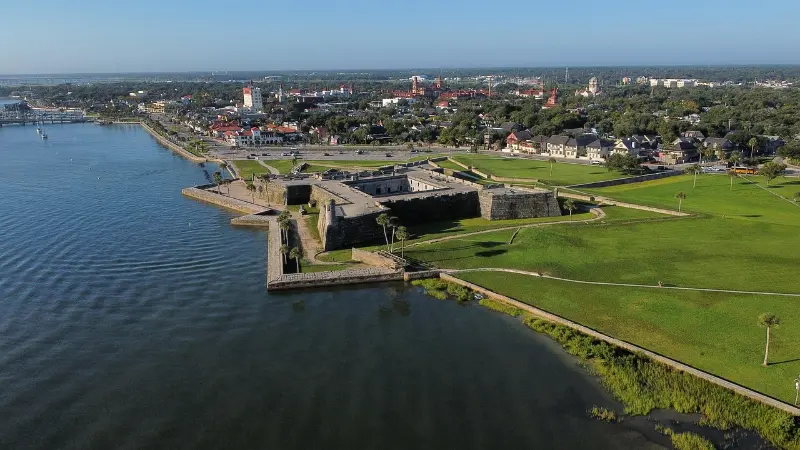
    Begin with the bayfront and a single historic attraction rather than racing across town. Castillo de San Marcos National Monument is an excellent lesson in coastal defense and the city’s long history. Its stone walls and waterfront position are memorable even for guests who remain on the lower level; the National Park Service notes that the gun deck requires stairs while the lower level is wheelchair accessible. Consult current operating hours and accessible-route details before arrival.

    Afterward, choose a café or short guided activity close to the historic core. St. Augustine’s sidewalks can be crowded and uneven, so do not assume a child stroller or mobility scooter will roll effortlessly along every street. If the afternoon is hot, enjoy a quieter museum visit or return to the hotel. The point of this first day is to appreciate the Atlantic environment—sea breeze, historic fortifications, harbor traffic—without scheduling an exhausting walk.

    Day two: Anastasia State Park from dry land

    Anastasia State Park offers dunes, natural habitats and beach access near St. Augustine. A visit can work entirely on dry land: take photographs from approved walkways, picnic in a designated area and spend time observing shorebirds without pursuing them. The park lists accessible beach features, including elevated boardwalks, Mobi-Mat and beach wheelchairs; their availability may change, so confirm if a specific amenity is essential. Beach wheelchair access does not make surf conditions suitable for swimming.

    For families with a toddler, shade and restroom access are more important than the length of the beach. Choose a short outing around the cooler morning, and plan lunch off the beach before children become tired. Avoid walking across dunes or disturbing vegetation, even if doing so appears to offer a better view. A visitor who cannot walk on loose sand should not feel excluded: enjoying the water from a constructed access point is a valid beach experience.

    Day three: Flagler Beach and scenic A1A

    Drive south along the coast with time for small stops rather than treating A1A as a motorway. Flagler Beach has a different atmosphere from the larger resorts: lower-rise streets in parts of town, local restaurants and long ocean views. The pier area has experienced reconstruction and access changes, so check current municipal updates rather than assuming old photos reflect present conditions. A bench, accessible overlook or café terrace can supply the sense of being at the beach without requiring a barefoot walk.

    Take a short detour for a park or nature area if weather and mobility allow. Bring binoculars for shorebirds and look from appropriate distances. If strong wind blows sand across the road, reduce the length of outdoor stops. Travelers seeking a quiet day should skip attempting every public beach access. One comfortable stop with a good view is often much better than three difficult parking searches.

    Day four: Ormond Beach and coastal history

    Ormond Beach offers a softer change of pace after Flagler. Plan a manageable waterfront or park visit, then choose a museum, gallery or historic site whose opening day matches your schedule. Some attractions have limited weekday hours and paid admission; verify directly. The nearby Halifax River adds another waterfront scene that is not oceanfront, which can be appealing on windy days. A sunset or late-afternoon river view can substitute for any beach activity without making the day feel empty.

    If the group includes adults who tire easily, schedule lunch and a comfortable hotel break between outings. Kids can enjoy spotting boats and birds from a supervised viewpoint, but keep them away from unprotected waterfront edges. For a rainy day, have one indoor museum or family activity chosen in advance; thunderstorms should never be treated as a reason to remain under a beach shelter and wait for better light.

    Day five: Daytona without the waves

    Daytona Beach is best known for driving and racing history as well as a busy shore. For visitors not interested in swimming, the speedway experience or a local museum can anchor the day, with an optional short oceanfront stop. Daytona International Speedway tours and availability vary around events; book based on official information rather than assuming that the entire facility can be toured on any date. For children who like vehicles, this is a vivid alternative to another afternoon digging in sand.

    Daytona Beach Oceanfront Observation Wheel

    Keep the departure day lighter if you have an onward flight. The coastal roads and town traffic can become congested during major events, racing weekends and spring-break periods. Avoid planning both a distant attraction and a same-day airport departure with no buffer. Whether you end in Daytona or drive back to St. Augustine, give yourself enough time for meals, fuel and the return of the rental car.

    Activities that replace swimming instead of imitating it

    A good non-swimming coast trip is not just a list of beaches where guests refuse to enter the water. It focuses on things the ocean creates: lighthouses and defensive forts, bird habitats, estuaries, seafood traditions and different styles of coastal town. Guided history tours, visitor centers, short boardwalks, cafés with water views and wildlife-watching stops can create a real sense of place. They also provide variety for people who dislike intense outdoor exercise.

    Do not assume a boat tour is a universally good alternative. Someone who avoids swimming because of motion sickness or a fear of open water may not enjoy a cruise. Ask each person what kind of contact with the sea feels comfortable. A sheltered garden, museum or riverfront promenade may be the best fit. Ocean views can be enjoyed without purchasing equipment, renting a boat or collecting a large number of attractions.

    A comfortable pace for children and older travelers

    With a baby, fit the main outing between feeding and sleep rather than scheduling around a perfect sunset. School-age children often do well when a historic site is paired with a snack or hands-on museum. Teenagers may enjoy selecting the day’s café, photographing a boardwalk or visiting motorsports attractions. Older travelers may prefer a seated viewpoint and a half-day excursion. There is no reason every member of a mixed-age party must follow the same steps on the same day.

    For someone using a wheelchair or walker, verify the exact accessible route at each park, not just the presence of designated parking. A beach access ramp can end before loose sand; a restaurant may have an accessible door on another side. Distances on a map can be misleading during hot weather. Choose shorter routes with benches and usable restrooms where possible.

    Food, parking and budgeting

    Budget for at least one historic attraction, one museum or speedway activity, fuel, parking and dining, while leaving room for free scenic stops. Public beaches and parks can charge vehicle fees or have limited spaces. Dining near a scenic waterfront often costs more than casual meals a few blocks inland. A family can keep costs predictable by choosing one paid experience per day and eating some breakfasts at the hotel.

    Check event calendars, especially around Daytona. Busy weekends change hotel prices and traffic patterns significantly. If traveling in February or during spring vacation weeks, reserve refundable accommodation ahead of time. A short walk and a takeout lunch can be just as pleasant as a full-service waterfront restaurant when parking is difficult or children need a break.

    Weather and shoreline safety for non-swimmers

    Even dry-land visitors need beach safety habits. Waves can surge onto rocks or walkways, and thunderstorms can arrive quickly. Avoid standing near the waterline for photographs when high surf is present. Follow beach erosion closures and stay away from damaged boardwalks. Sea turtle nesting areas and protected dunes require extra respect. No photograph is worth crossing barriers or disturbing animals.

    A winter visit can include chilly wind, while summer often brings high humidity and afternoon lightning. Dress in layers when needed and carry drinking water. If a storm approaches, retreat to a substantial building or enclosed vehicle and wait until conditions are safe. Do not assume the beach shelter itself provides lightning protection. These simple choices make a shore-centered vacation enjoyable even without swimming.

    Five-day summary

    Day Base or location Focus without swimming Backup
    1 St. Augustine Bayfront history and Castillo Indoor museum or café
    2 Anastasia Island Park overlooks and beach views Shaded picnic and visitor information
    3 Flagler Beach Scenic A1A and quiet shore stops Town dining and galleries
    4 Ormond Beach Halifax River and local history Museum visit
    5 Daytona Beach Speedway or museum and a final view Direct departure

    Frequently asked questions

    Can I enjoy Florida’s Atlantic coast if I cannot swim?

    Absolutely. Historic forts, scenic overlooks, nature centers, galleries, waterfront restaurants and motorsports attractions offer many reasons to visit. Choose accessible dry-land activities that fit the group’s interests.

    Are Florida beaches safe to approach when swimming is prohibited?

    Not automatically. Closures, large waves and storm conditions can affect the shoreline and boardwalks. Follow signs and local instructions and remain in permitted areas.

    Should I book one hotel or two for this route?

    Two bases usually shorten drives, but a single base is possible if your group values unpacking only once. Balance the extra driving against moving luggage and the specific activities you have selected.

    Official travel references

  • Three Days in Naples and Marco Island: Beaches, Tropical Gardens and Southwest Florida at Your Own Pace

    Three Days in Naples and Marco Island: Beaches, Tropical Gardens and Southwest Florida at Your Own Pace

    Naples and Marco Island work beautifully for a three-day Southwest Florida break, but they are not simply two interchangeable stops along one beachfront. Naples combines city streets, gardens, restaurants, and access to the Gulf; Marco Island is a more resort-oriented island where beach access and accommodation location require careful attention. Trying to add the entire Everglades in the same weekend can turn a restful visit into hours on the road. This itinerary keeps most activities nearby while giving nature lovers a meaningful choice for the final day.

    Three-day itinerary at a glance

    DayRecommended focusEasy alternative
    Day 1Naples beach and downtownEnjoy one legal beach access
    Day 2Botanical garden and Marco IslandRest between garden and island
    Day 3Nature tour or quiet final beachAvoid an Everglades marathon

    Where to sleep: Naples, Marco Island, or somewhere between

    Central Naples is convenient for restaurants, galleries, and a flexible evening stroll, but the accommodation that looks near Fifth Avenue South may not be an easy walk to a suitable beach entrance. Along the Gulf, some hotels provide direct guest access while public approaches have their own parking rules. Marco Island is appealing when a resort stay and long beach sessions are the priority; a rental farther from the sand can be less convenient than a room whose nightly price initially looked higher.

    Tigertail Beach Marco Island with Kayaks

    Check the precise address, not only the destination name. If you choose inland Naples for a less expensive hotel, calculate the time and parking cost of repeated beach drives. Travelers using walkers or wheelchairs should ask about the hotel bathroom, elevators, pool access, and route to any public or private beach. Families may value separate bedrooms and a full kitchen, while couples might prefer a central room with restaurants nearby. Compare final prices including taxes, resort charges, parking, and cleaning fees. Decide first whether you want three evenings by the beach or three evenings able to walk to dinner.

    Day one morning: start with a beach, not a long driving loop

    Begin early at an officially open Naples-area beach access. The exact spot should be chosen after checking city or county parking and any restoration or maintenance notices; coastal access can change following storms. A few hours is enough to see the Gulf's colors and enjoy the shoreline without exhausting the group. Bring shade and water and avoid touching nesting areas, dune plants, or marked wildlife habitat. A short early walk may be just right for a couple or a senior traveler who does not plan to swim.

    Do not assume every street ending near the coast provides public parking or a public beach entry. Some access points are limited, and permits may be required for certain parking spaces. Confirm the current rules before setting out. If swimming is on the agenda, watch beach flags and water-quality notices and leave immediately when lightning approaches. For young children, start with a short session, then return to the hotel for lunch and rest; there is little value in keeping a child in the sun simply to complete a full beach day.

    Day one afternoon: discover central Naples slowly

    Spend the hottest part of the afternoon indoors, then explore a manageable stretch of downtown Naples. Fifth Avenue South and nearby streets offer a mix of restaurants, shopping, and a compact urban atmosphere different from Marco Island's resort setting. You do not have to shop to enjoy this area: choosing a shaded café, noticing the street architecture, and strolling only as far as everyone feels comfortable make a good arrival-day plan. Check restaurant hours and reservation expectations, especially on weekends or during the busiest winter season.

    If the group prefers gardens to shops, keep the downtown visit short and save the major garden outing for day two. Parents of toddlers may want a hotel return before dinner; people who tire easily can enjoy the evening from one carefully chosen restaurant rather than moving between venues. Give yourselves permission to have an early dinner. A scenic Gulf sunset may be memorable, but only if the day's driving and walking have left enough energy to appreciate it.

    Day two morning: Naples Botanical Garden

    Naples Botanical Garden offers a memorable contrast to sand and resort pools, with cultivated tropical landscapes, water features, and educational displays. It is a strong choice for visitors who love plants or photography, and it can also work well for grandparents and children when everyone agrees on a gentle route. The garden describes accessible paths through cultivated spaces and provides information about mobility equipment; check its latest visitor page before arrival because admission prices, equipment availability, and event arrangements can change.

    Start early when possible. Tropical gardens can become hot even when paths are shaded in places, so plan water stops and avoid treating the whole property as a race to see every corner. One child may love spotting butterflies and unusual leaves, while another will prefer a café stop and a shorter circuit. Keep plants, animals, and garden structures undisturbed. If heavy rain is likely, decide whether a shorter visit still suits you or whether an indoor activity would be wiser. A great garden morning leaves room for a relaxed lunch, not a second strenuous outing.

    Day two afternoon: drive to Marco Island with realistic expectations

    Marco Island is worth visiting for the difference in its shoreline atmosphere, but consider traffic, distance, and beach access rules before driving. Choose one approved public access rather than trying to visit every named beach. Some areas are closely associated with beachfront resorts, and public beach parking and pedestrian approaches are more limited than visitors expect. Confirm the route, facilities, and opening information, then decide whether to walk, relax under shade, or enjoy a meal with a view.

    If your lodging is in Naples, consider staying on Marco Island through dinner only if the return drive and everyone's energy make sense. If staying on Marco, reverse the itinerary: enjoy the island's beach in the morning and visit Naples on your garden day. A family with a baby may want to skip a midday island trip entirely and schedule Marco for a separate day. The point is to experience one meaningful contrast rather than spend half a vacation hunting for parking and rushing back across busy roads.

    Marco Island Florida Waterfront at Sunset

    Day three: a nature choice, not an Everglades marathon

    One option is a guided nature experience near the Ten Thousand Islands or the Everglades City side of the region. Water tours can introduce mangroves, coastal birds, and a landscape very different from Naples, but operators, launch points, weather conditions, and wildlife sightings vary. Book only after verifying the actual departure location and travel time; a tour advertised as “Naples Everglades” may depart well beyond Naples itself. Wildlife encounters are never guaranteed, and ethical operators keep suitable distances from animals.

    A quieter alternative is another beach morning or a nature-focused local boardwalk, depending on current access. Visitors with limited mobility may prefer a shorter land-based activity with clear restroom and seating information. Those traveling with small children should be cautious about heat, insects, boating duration, and motion sickness. Do not attempt an extensive Everglades National Park route just because it appears on a map: the park has several separate entrances, and the distance between them is a trip-planning decision in its own right.

    Choosing the right pace for families and seniors

    Younger children will usually remember sand play, a garden feature, and one fun meal more clearly than a sequence of hurried attractions. Carry water, sun protection, and snacks and choose an accommodation that allows a midday return. Families with teenagers can add a water activity or a longer nature outing, but check age requirements and weather. A multi-generation group benefits from an agreed plan to split up briefly: some may remain at the hotel while others go to the coast.

    For adults who walk slowly, compare actual path surfaces at attractions. A botanical garden's accessible paths can be easier than a wide beach, even when that beach is next to the hotel. Confirm shaded seating, bathroom distances, and parking availability. Nobody should have to cross soft sand to prove they have visited Naples. A comfortable waterfront lunch, a botanical garden and a modest shoreline outing can form a full and satisfying three-day holiday.

    Practical transport and the true cost of the weekend

    A car is commonly useful for a Naples–Marco combination, but it adds parking and possible toll or rental expenses. Decide whether most activities are near your hotel before choosing a rental car for every day. Flying into Southwest Florida International Airport may be practical for many visitors, yet ground transfers still depend on traffic and your precise destination. Late arrivals should not be scheduled for a dinner reservation across the area. Check both the hotel's parking charge and local beach parking requirements.

    Your total holiday budget includes accommodation taxes, resort fees, parking, eating out, and optional tours. You can make this trip economical by keeping two days based around beaches and walking and choosing one admission-based attraction. A condo kitchen can help with breakfasts, but high cleaning fees may be disproportionate for only three nights. A waterfront hotel can be worth more than the same amount spent on additional driving and excursions if your principal goal is to relax by the sea.

    Seasons, weather, and wildlife respect

    Winter and early spring attract visitors seeking comfortable warmth and active outdoor days, while summer tends to be hotter and more humid with frequent afternoon thunderstorms. Summer visits are entirely possible, but outdoor time is often better in the morning. Water temperatures, beach conditions, seasonal traffic, and wildlife activity change across the year. Do not promise a particular animal sighting or swimming conditions based on a brochure; follow live local information.

    Southwest Florida is sensitive to coastal storms. Monitor official warnings and check for park or beach closures, water-quality updates, and infrastructure works close to departure. Never approach or feed wild animals, and do not use flashlights or other lights in ways that could disturb nesting sea turtles. On boats, follow the operator's safety instructions and wear appropriate flotation equipment. The area is beautiful precisely because people and natural habitats share a fragile coastline.

    Shorter alternatives and what to verify before leaving

    If you have only two full days, do Naples beach and downtown on the first, then Naples Botanical Garden and a short Marco outing on the second. If your travelers do not care about the beach, prioritize gardens, dining, and a small nature excursion. If a child becomes tired or thunderstorms arrive, returning to your accommodation for a long rest is a successful adjustment, not a failed itinerary. On departure day, do not book a distant boat trip unless you have ample time to reach the airport.

    Before paying for any ticket, verify the garden's admission and accessible arrangements, the tour operator's exact departure point, and the coastal public access you hope to use. Recheck travel time between Naples and Marco Island during the season of your visit. This three-day plan works best when one protected morning, a downtown afternoon, a garden visit, and one optional wild-water experience are enough. There is no need to see all of Southwest Florida in a weekend.

    Frequently asked questions

    Do Naples and Marco Island have identical beach access?

    No. Individual beaches and parking areas operate under different rules; verify current public approaches.

    Should we include Everglades National Park?

    A focused nature outing can work, but the park has separate entrances and a longer visit deserves its own day.

    Is Naples Botanical Garden good for a relaxed visit?

    Yes, many visitors can enjoy cultivated areas at an unhurried pace; check current accessibility and ticket information.

    Official visitor information

  • Pensacola and Perdido Key in Four Nights: A Relaxed Gulf Coast Escape for Couples

    Pensacola and Perdido Key in Four Nights: A Relaxed Gulf Coast Escape for Couples

    Pensacola and Perdido Key can make an appealing four-night escape for couples who would rather mix waterfront views, food and cultural history than spend every hour on a resort beach. Pensacola offers a lively historic downtown and a long connection with the Gulf. Perdido Key, farther west, has a quieter coastal atmosphere in many areas and an easy visual reminder of why people come to the Panhandle: pale sand, maritime vegetation and open horizons. Yet the two places are not a single pedestrian-friendly destination, and temporary access restrictions can change the best excursion.

    This itinerary is particularly suitable for retirees who enjoy a relaxed pace, but it is not reserved for a particular age. Couples in their thirties can follow it just as comfortably. The practical focus is on two or three meaningful stops per day, good meals, and avoiding exhausting drives in hot weather. Travelers with mobility needs should confirm walking distances and current facilities before visiting beaches or historic sites.

    Where to sleep and why it matters

    Base Best feature Main inconvenience
    Downtown Pensacola Restaurants, museums and evening atmosphere Street and event parking
    Pensacola Beach Gulf views and a beach-centered hotel stay Bridge crossings and peak-season traffic
    Perdido Key Quieter vacation rentals and coastal setting Car often needed for dining and attractions
    Gulf Breeze Practical middle ground for certain outings Less of a self-contained historic downtown

    With four nights, two hotels are usually unnecessary. Choose a Pensacola hotel if history, restaurants and easy evenings matter most; choose Perdido Key if beach time and a quiet balcony dominate the holiday. Check the exact location. A property described as ‘near Pensacola Beach’ can still require driving across a bridge. If stairs or elevators matter, request written confirmation from the hotel or rental manager rather than relying on property photos.

    Day 1: Pensacola's historic heart

    Arrive in time for an easy afternoon downtown. Focus on a few connected blocks, allowing room for coffee, a gallery or an early dinner. Pensacola’s central streets reveal different layers of the city’s history, including its long relationship with Spanish, British and American periods. A walking tour can be rewarding for people who like context, but the best choice for those with limited stamina may be one museum or a short self-guided route with frequent sitting breaks.

    Pensacola Florida Waterfront City Sunset Aerial

    If you have traveled a long distance, do not plan a night drive to the far end of Perdido Key immediately after dinner. Instead enjoy your accommodation neighborhood and assess the local traffic pattern. The first evening is a good time to identify a nearby grocery store, pharmacy and the parking arrangements you will use again. A holiday can feel settled from the beginning even when the sightseeing is modest.

    Restaurant reservations may be worthwhile on weekends or during major downtown events. Ask about any steps or narrow historic entrances if accessibility is important. A waterfront table is enjoyable but not essential: a comfortable meal within a short distance of the hotel may be the better choice.

    Day 2: coastal history, with a real closure backup

    Many visitors associate the area with Fort Pickens and other Gulf Islands National Seashore sites. However, official alerts are important here. The National Park Service conditions page carries notices of temporary road and site closures, including 2026 storm-related restrictions. Do not build a prepaid itinerary around an area shown as closed. Before travel, check which units are open, whether roads are passable and whether there are restrictions on restrooms or historic structures.

    If coastal historic access is available, select one site and allow time to read exhibits or interpretation rather than racing between fortifications. If it is closed, build the day around Pensacola’s museums, downtown historic districts or another currently open cultural venue. This backup is not second-best filler: learning the area’s maritime and military history can give a later beach visit more meaning.

    A museum near Naval Air Station Pensacola may involve security requirements and access policies that differ from ordinary public attractions. Check official visitor instructions, acceptable identification and the current gate or tour arrangements. Never assume that a public-facing museum inside a secured facility can be entered spontaneously from any road.

    Day 3: a relaxed Perdido Key day

    Reserve this day for the western Gulf coast, but choose a specific access point only after confirming its facilities and weather. Perdido Key’s dunes and shoreline are sensitive natural environments. Use designated paths and do not cross roped areas or walk through dune vegetation. Some public accesses may lack the restrooms, shade or walkways that travelers expect from a hotel beach. A long stretch of sand can be wonderful for viewing but unsuitable for someone who has difficulty on soft surfaces.

    Start early for the best chance of comfortable temperatures. A couple who enjoys walking may take a gentle beach stroll when tide and surf allow; visitors using a walker may prefer a scenic public outlook or a managed access with a suitable mat. If swimming, review current flags and swim near lifeguards where available. Even an apparently calm Gulf day can have dangerous currents. See NOAA’s guidance on beach conditions.

    Choose a lunch stop in the same general area. You can then decide whether to return to the hotel or spend a little longer enjoying the coastline. Avoid a late afternoon of frantic sightseeing; sunset viewing is optional and should account for parking, weather and your willingness to drive after dark.

    Day 4: art, local food and your favorite place again

    The final full day can become a quieter cultural exploration. Return to a historic Pensacola district you liked, enjoy a museum you could not fit earlier, or choose a short waterfront park visit. Couples who enjoy architecture may focus on details they missed the first day. If you had to replace a coastal outing because of a closure, this day may be another opportunity—provided current official conditions allow it.

    For a food-focused day, compare local menus and market schedules before leaving the hotel. Seafood is prominent in the region but not the only reason to eat out. Travelers who avoid shellfish or have allergies should communicate their requirements clearly with restaurants, including questions about cross-contact in fryers or shared preparation areas. Do not assume a restaurant is suitable solely because a travel review describes it as accommodating.

    Spend the afternoon at an easy pace, perhaps with a café, independent shop or scenic drive. A day without a headline attraction can be particularly satisfying after several mornings of exploring. Pack at a comfortable hour if traveling home the next day.

    Day 5: breakfast and departure

    If you have an early departure from Pensacola International Airport, stay close enough to avoid relying on a long pre-dawn drive from the western barrier-island area. Build in time for rental-car return and airport screening. If the flight is later, enjoy breakfast and a short stop nearby, but do not set up a large beach day that leaves you rushing back with wet clothing and luggage.

    Pensacola Beach Lifeguard Tower and Sand

    Travelers continuing along the Panhandle should consider their onward route in advance. Distances between coastal communities are longer than they appear on an overview map, and bridge or highway delays are possible. Plan one clear endpoint rather than improvising repeated detours on departure day.

    When the Panhandle is most comfortable

    Spring and fall can offer agreeable conditions for sightseeing, but weather is variable. Winter may bring bright skies with cool breezes; do not pack only swimwear because your destination is Florida. Summer can be very humid and has frequent thunderstorms, favoring morning outdoor activities and air-conditioned afternoons. Tropical storm risk is especially relevant during hurricane season, and coastal infrastructure can remain affected after the weather clears.

    Check the National Weather Service forecast, official emergency guidance and cancellation rules rather than basing decisions on broad monthly averages. A severe storm can lead to temporary closures, bridge restrictions or beach access changes. Flexible accommodation may be worth more than a small prepaid saving during uncertain weather periods.

    Comfort for older travelers without stereotypes

    Some retirees happily walk several miles a day, while others prefer shorter visits. Let actual stamina guide the itinerary. Choose attractive stopping points with reliable seating, bathrooms and places to take shelter from heat. Historic museums can have steps or uneven floors; call to confirm accessible routes and whether tours involve stairs. Beach chairs low to the ground may be difficult to stand from, so a shaded bench or higher seat may be better.

    Ask whether the hotel has a quiet room away from nightlife and whether breakfast is easy to reach. If using a walker or wheelchair, check parking, ramp gradients and bathroom design individually. A romantic getaway should not require one partner to spend the entire holiday helping the other navigate obstacles that could have been anticipated.

    What to budget for four nights

    A realistic budget includes four nights of lodging, parking or resort charges, a rental car or transfers, meals, museum admissions and one beach day. You may need to pay entry fees at public parks if open, and special tours can cost extra. Do not assume a beach hotel includes umbrellas or a parking space. Compare total prices, not nightly rates, and check whether breakfast is included.

    A downtown Pensacola stay may save on short evening drives but increase hotel and restaurant spending. A condo in Perdido Key may provide a kitchen and balcony but involve greater travel to cultural attractions. For two adults, a smaller hotel room in the preferred neighborhood can be better value than a large rental with a cleaning charge. There is no universal winner until the whole trip is priced.

    Beach etiquette and environmental care

    Respect dune vegetation, marked wildlife areas and turtle nesting rules. Avoid bright lights on nesting beaches at night and follow the local authority’s guidance about equipment placement and beach closing times. Use designated parking and stay on public paths; a picturesque private boardwalk is not an invitation to enter. Leave shells with living occupants, and avoid handling wildlife for photographs.

    During lightning, leave exposed beaches and seek substantial shelter. Protect yourself from sun and keep drinking water available even on breezy days. A couple may choose simply to enjoy the view from a public platform or waterfront restaurant rather than swim, and that is a perfectly satisfying coastal experience.

    Booking checklist that prevents disappointment

    Before paying, confirm the exact address of the hotel, the current accessibility of the rooms, and the number of nights needed for your flights. Check attraction opening days, especially in secured or seasonally operated facilities. For parks, read current official alerts on the day before visiting and again before departure from the hotel. Confirm whether a paid guided tour can be refunded if access closes because of weather.

    Reserve only what needs a fixed time. Leave meals, short walks and scenery flexible. The most enjoyable four-night visit usually has a small number of things that matter and enough unallocated time for the landscape and city to surprise you.

    Frequently asked questions

    Should couples stay in Pensacola or Perdido Key?

    Choose Pensacola for history and restaurants, Perdido Key for a quieter beach-oriented stay. The best choice depends on whether you prefer to drive for culture or for the beach.

    Is Fort Pickens always open to visitors?

    No. Storm and infrastructure alerts can restrict access. Check the National Park Service’s current conditions page and plan a cultural alternative.

    Can we enjoy the area without swimming?

    Absolutely. Historic districts, museums, coastal views, restaurants and public parks can fill a rewarding short vacation without entering the water.

  • Where to Stay in Venice and Englewood, Florida: Historic Downtown, Manasota Key or Gulf Beaches?

    Where to Stay in Venice and Englewood, Florida: Historic Downtown, Manasota Key or Gulf Beaches?

    A Gulf Coast rental described as being in the Venice–Englewood area might be near a walkable historic shopping district, a barrier-island beach, a quiet mainland neighborhood or a highway several miles from the water. For vacation planning, these are not interchangeable settings. Venice is appealing for an easy mix of downtown cafés and beaches, while Englewood and Manasota Key favor visitors who want a more relaxed coastal base with nature nearby. The best choice depends on how much driving your party enjoys, whether sand or dining is the priority, and what you need from the room when everyone is tired after the sun.

    Which area should you choose?

    AreaBest forConsider before booking
    Historic VeniceDining and town-center strollingBeach not immediately outside
    Venice Beach vicinityFrequent Gulf beach sessionsCheck actual access and room location
    Englewood mainlandRoomy stays and local servicesDrive or bridge to Gulf shore
    Manasota KeyQuiet barrier-island beach tripsSpecific access rights and limited services

    Historic downtown Venice for an easy morning and evening routine

    Venice's historic downtown, centered on streets such as Venice Avenue, is a pleasant base for travelers who like independent restaurants, small shops and a neighborhood stroll after dinner. Accommodation in or near the core suits couples and seniors who do not want every outing to end with a long drive back through suburban roads. Venice Beach lies beyond the downtown blocks, so map the exact walking route rather than assuming the whole city center touches the Gulf. A hotel can be convenient for both dining and the coast without being directly on the sand.

    Florida Historic Wooden House and American Flag

    In a walkable district, the most valuable features may be things listings rarely emphasize: the ability to buy a simple breakfast, a shaded bench, a flat route to dinner and a familiar street pattern for returning after sunset. Check whether parking is included and whether special downtown events could affect traffic or noise. A ground-floor rental may look comfortable but lack an accessible bathroom, while an upstairs apartment may have no elevator. Choose the building, not just the neighborhood's reputation.

    Venice Beach and the island-side experience

    Staying closer to Venice Beach reduces the effort of bringing chairs, towels and bags to the Gulf. It works well for short family beach sessions and travelers who enjoy early walks along the shore. The public beach has facilities that can make a day easier, but check current conditions, parking and accessibility services with Sarasota County before relying on a specific amenity. The area is not a single continuous resort strip; some accommodations are near the coastline but require a drive or more walking than expected.

    If swimming is a main goal, remember that calm-looking Gulf water can still present changing conditions. Beach flags, weather and lifeguard advice should guide your plans. Families with children may value an apartment refrigerator and a place for wet items over a small decorative balcony. Review whether an ocean-facing room has road noise and whether the actual entrance is close to a public crossover. In the evening, a beach-side base can be peaceful, but restaurant choices within a short stroll may be more limited than downtown.

    South Venice, Caspersen and practical mainland options

    South Venice and residential areas toward Caspersen Beach often appeal to longer-stay visitors seeking kitchens, extra bedrooms and ordinary neighborhood services. Some properties make useful road-trip bases for Venice, Nokomis, Englewood and surrounding towns. They can also be further from beach access than their photos imply. A listing's reference to Caspersen Beach does not mean private sand or a shortcut through protected dunes; plan to use official entrances and check parking arrangements.

    Family tipFor families, a practical mainland home can be ideal if everyone travels by car and expects to spend afternoons at the pool or cooking at home. For travelers who want to walk to dinner every night, it may feel isolating. Ask for the exact driving time to your preferred beach at a realistic departure hour, and confirm whether nearby grocery and pharmacy options are convenient. If you intend to collect fossilized shark teeth, learn the responsible collecting rules, distinguish naturally washed-up fossils from living creatures and respect any protected areas.

    Englewood mainland: relaxed local life beside Lemon Bay

    Englewood has a quieter small-town rhythm than many large Gulf resorts. Its mainland areas connect local restaurants, shops and roads leading toward Manasota Key. The bay side offers attractive sunsets and boating scenery, but bayfront is not synonymous with the open Gulf. Some lodging faces inland canals or Lemon Bay and requires a bridge crossing for swimming beaches. That distinction is important for families who imagine stepping from a rental terrace directly onto broad sandy shore.

    A mainland base can be cost-effective when the holiday combines beaches, nature walks and outings around southern Sarasota and Charlotte counties. It is also sensible for travelers who value a familiar supermarket and more spacious accommodation. However, compare the extra fuel, parking and time involved in driving to the coast. If you prefer a slow vacation with just one planned outing a day, the convenience of a larger kitchen and shaded patio may outweigh the inability to hear waves from the bedroom.

    Manasota Key and the case for staying close to the Gulf

    Manasota Key is the stronger choice when beach access is your daily priority. Its barrier-island character attracts visitors hoping for Gulf sunsets, a slower pace and a holiday centered on natural surroundings. The island is not all lined with public facilities, and some rentals have very specific beach-access arrangements. Ask whether the property is Gulf-front, bayside or across a road, and whether an authorized path to sand is included. A “waterfront” description alone is insufficient.

    Roads on a barrier island can be narrow and busier than expected on high-demand days. A rental that looks two blocks from the water may have a long route to a legal access point. Before booking, check how you will bring a stroller or mobility aid to the beach. Travelers with limited walking tolerance should ask for photos of the access path, any stairs and the distance from parking. For those who like quiet evenings, investigate restaurant and grocery distances; an isolated island cottage requires more advance planning than an urban hotel.

    Which base fits families, couples and multigenerational groups?

    Young families often do best with a short route between their room and whichever beach they will use repeatedly. Early outdoor sessions are easier when a child can return for a nap without an elaborate car transfer. Venice near the public beach or a carefully located Manasota Key rental may therefore be worth more than an inland bargain. Families who prefer multiple attractions and home cooking might find a Venice or Englewood mainland property more flexible. In either case, verify pool barriers and sleeping arrangements rather than relying only on the listed number of beds.

    Couples choosing a weekend of dining and coastal walks may prefer historic Venice, while couples seeking long quiet afternoons can favor Manasota Key. Older visitors may prioritize flat walking routes, reliable elevators and convenient services. For three generations traveling together, consider a spacious ground-floor unit with separate bedrooms, a comfortable shared area and enough bathrooms. Everyone should understand the property's steps, parking capacity and access to medical or grocery services before paying.

    Transportation, parking and the limits of car-free travel

    A vehicle is useful for comparing Venice and Englewood, especially when traveling with beach equipment or moving between mainland and barrier-island stops. Some downtown Venice itineraries are manageable on foot, but the moment you add several beaches and evening restaurant trips in different towns, transport needs increase. Check the actual service area and schedule of any local bus, trolley or seasonal shuttle. A route listed online may not be suitable at the times your party wants to return after dinner.

    Parking rules can differ between Sarasota County facilities and beaches over the county line, and busy holidays can change the availability of spaces. Visit the appropriate local authority's site shortly before travel rather than relying on old fee figures. If your accommodation has only one parking space, a multigenerational group arriving in two vehicles needs another plan. Anyone using a wheelchair should confirm a continuous accessible route between parking, beach facilities and the chosen lodging; the availability of a beach wheelchair at one beach does not imply identical service everywhere.

    Seasons, storms and a sensible daily pace

    Winter and early spring can bring strong demand to Florida's Gulf Coast, particularly among extended-stay visitors. Summer brings heat, humidity and the possibility of afternoon thunderstorms. The Atlantic hurricane season also affects the Gulf Coast, so read your booking's weather cancellation policy carefully and have a reliable way to receive local alerts. Avoid fixed claims that September is always quiet or that the water will always be safe for swimming; conditions depend on actual weather, marine advisories and local circumstances.

    Build the day around a morning beach visit, lunch and time indoors or in shade. This approach works for toddlers, travelers over 80 and anyone who finds prolonged heat tiring. On days when swimming is not suitable, Venice's historic center, a nature-oriented excursion or a restaurant overlooking the water can still make the visit enjoyable. If you are planning wildlife photography or shorebird watching, maintain respectful distances and stay outside marked nesting areas. The shoreline is a shared habitat, not simply an extension of your rental patio.

    Comparing an apartment, a resort room and a vacation house

    A coastal property with a high nightly price may still be good value when it eliminates repeated parking trips. A mainland house can be more economical for six people who eat some meals in and need laundry facilities. Work through the full price including taxes, cleaning, resort charges, parking, pet fees and any required minimum stay. Also consider the cost of groceries and whether the kitchen contains actual cookware or only decorative appliances. A promising “family suite” can become an expensive compromise if the only dining option is a tiny table.

    For rentals, confirm who manages the property, when entry instructions will arrive and what happens if the air-conditioning fails. Florida humidity makes cooling and ventilation important to comfort. Review screened outdoor areas for mosquitoes and remember that waterfront yards may not be safely fenced for young children. If you need a roll-in shower, ground-floor access or quiet sleeping space, request current photographs and written confirmation. These specifics are more trustworthy than general phrases such as “perfect for all ages.”

    A four-day Venice and Englewood itinerary from one base

    Begin with your lodging neighborhood: a downtown Venice walk or a sunset near your chosen Gulf access. Spend day two around Venice Beach, balancing early outdoor time with a relaxed meal. On the third day, drive toward Englewood and Manasota Key, choose one beach rather than rushing between several, and leave time to enjoy a local restaurant. Day four can be for a nature stop, a gentle morning in the historic district or simply a final few hours beside the water before departure.

    This is deliberately not a race to collect beaches. Moving between two coastal towns involves bridges, parking choices and occasional congestion; leaving flexibility makes the trip more enjoyable. If your principal interest is swimming every morning, base yourself nearest the beach you will actually use. If you want meals out, shopping and varied excursions, prioritize a walkable or road-accessible mainland location. The right Venice–Englewood stay lets you enjoy the Gulf Coast without turning every ordinary activity into a logistical task.

    Frequently asked questions

    Can I walk to the beach from downtown Venice?

    Some routes are walkable, but the exact distance depends on the property and your mobility; verify it before booking.

    Is Englewood mainland the same as Manasota Key?

    No. Mainland Englewood has services around Lemon Bay, while Manasota Key is the coastal barrier island.

    Do Gulf-facing rentals automatically include beach access?

    No. Confirm lawful access, crossings, parking, and any property-specific rules.

    Official visitor resources