

Marathon sits in the Middle Keys, where the Florida Keys feel less like a single sightseeing route and more like a place to settle in for a few days. It has beaches, marinas, wildlife attractions, access to reefs and the famous Seven Mile Bridge, but its biggest advantage is balance: you can spend one morning on the water, one afternoon learning about sea turtles and still have a relaxed sunset without driving all the way to Key West.
I would choose Marathon for travelers who want a practical Keys base with enough restaurants and services for families, couples and longer stays, but without the nightlife intensity of Key West. It also works well for a multigenerational trip because the area offers short scenic stops, boat trips, beaches and indoor or shaded attractions that can be mixed according to weather and energy.
For a first visit to Marathon, I would build the schedule around one priority experience each morning, then keep the afternoon flexible. Florida heat, marine conditions and short-lived storms can change the order of the day quickly. The best itineraries leave enough room to move a beach, boat, garden or wildlife activity without losing a prepaid reservation.
Quick planning summary
- Recommended stay: 3–5 nights for a first visit.
- Best first stop: Sombrero Beach.
- Best for: travelers who want a mix of local character, outdoor time and realistic day-to-day logistics.
- Transport: choose lodging by the places you will visit most often, not only by the advertised destination name.
- Planning rule: one priority activity in the morning, one flexible afternoon option and an easy evening close to the hotel.
In this guide
- Why visit
- Where to stay
- Best things to do
- Nature and outdoor time
- Getting there and around
- Best time to visit
- Families, teens, seniors and accessibility
- 3-day itinerary
- Food and evenings
- Budget and booking
- Day trips
- Mistakes to avoid
- Related guides
- Official resources
- FAQ
Why visit Marathon?
Marathon sits in the Middle Keys, where the Florida Keys feel less like a single sightseeing route and more like a place to settle in for a few days. It has beaches, marinas, wildlife attractions, access to reefs and the famous Seven Mile Bridge, but its biggest advantage is balance: you can spend one morning on the water, one afternoon learning about sea turtles and still have a relaxed sunset without driving all the way to Key West.
I would choose Marathon for travelers who want a practical Keys base with enough restaurants and services for families, couples and longer stays, but without the nightlife intensity of Key West. It also works well for a multigenerational trip because the area offers short scenic stops, boat trips, beaches and indoor or shaded attractions that can be mixed according to weather and energy.
Marathon is most rewarding when you give it enough time to change pace during the day. Early morning is often the best window for beaches, gardens, trails, wildlife or water activities; lunch and the hottest hours are better for museums, shaded districts or a real rest; late afternoon can bring a second outdoor window. Staying at least a few nights also gives you a backup day if wind, storms, capacity limits or traffic interfere with the original plan.
I would not judge the destination only by the number of famous attractions. The quality of the trip usually comes from the combination of a good base, short transfers, one or two signature experiences and unstructured time for a neighborhood, park, café or sunset that was not on the original checklist.
Where to stay
Central Marathon and Sombrero area
Best for first-time visitors who want quick access to groceries, restaurants, Sombrero Beach and the main services of the Middle Keys. It is practical rather than secluded, which can be exactly what families need.
Key Colony Beach and the east side
A quieter choice for travelers who prioritize waterfront lodging, a residential feel and easy access to fishing or boating. Verify beach access and what is private versus public before booking.
Grassy Key and the north side
Useful for a more spread-out Keys experience close to wildlife attractions and marinas. A car is especially important here because dining and services are less concentrated.
Before booking, compare the full trip rather than the nightly rate. Look at parking, resort fees, breakfast, kitchen and laundry facilities, beach or park access, elevator availability and the first drive of the morning. If anyone in the group has limited mobility, confirm the route from the room to the parking area, pool, beach or restaurant instead of relying on a generic accessibility icon.
Family tipFor families, a slightly larger room with a refrigerator can make mornings much easier. Couples may prefer a smaller but walkable property near dinner. Senior travelers often benefit from avoiding properties where every meal, attraction and sunset requires another car trip. The best area is the one that removes friction from the part of the day your group values most.
Best things to do
Sombrero Beach
One of the easiest public beach days in the Middle Keys, with a broad sandy setting that works well for swimming, picnics and families. Conditions can change, so check local advisories and seaweed conditions before building the whole day around the beach.
Old Seven Mile Bridge and Pigeon Key
Walking part of the historic bridge gives you one of the classic Keys perspectives without committing to a long boat trip. Pigeon Key adds railroad history and a sense of how difficult it was to connect the islands before the modern highway.

The Turtle Hospital
A meaningful stop for travelers interested in sea turtle rescue and rehabilitation. Tours are structured rather than casual walk-ins, so check current reservation rules and arrival instructions before you go.
Crane Point Hammock
A good counterweight to water-based days, with tropical hardwood habitat, trails and local history. It is especially useful when you want nature without spending several hours on a boat.
Dolphin Research Center and Curry Hammock State Park
Both are on the Marathon/Grassy Key side of the Middle Keys and can form a strong nature-focused day. Keep wildlife experiences educational and observation-based, and use the state park for paddling, beach time or a quieter picnic.
Do not try to fit all of these into one day. Choose the two experiences that define the destination for you, then use the others as weather alternatives or shorter additions. If a boat tour, guided activity or timed attraction is important, reserve that first and keep nearby flexible stops around it rather than creating a chain of nonrefundable bookings.
Nature, beaches and outdoor time
Marathon is built around water, but not every water day needs to be a full offshore charter. Kayaking in protected areas, snorkeling on a calm day, short bridge walks and beach time can be combined more easily than a long excursion. Reef trips are weather-dependent; wind can matter as much as rain, so confirm conditions with the operator before leaving the hotel.
Outdoor planning in Florida works best by conditions rather than by a rigid clock. Check heat, lightning, wind, tides, surf flags and local alerts before leaving the hotel. Carry water and sun protection even when the morning feels comfortable. On beaches and waterways, follow lifeguard or ranger guidance and never assume that calm-looking water means there is no current or marine risk.
Wildlife should stay wild. Do not feed animals, block their movement, approach nests or turn a close photograph into the goal of the encounter. Ethical viewing usually produces a better experience anyway because animals behave more naturally when people give them space.
Getting there and around
Most visitors arrive by car on the Overseas Highway, usually from Miami or Key West. The drive is scenic but can slow dramatically with weekend traffic, incidents or holiday peaks, so do not schedule a nonrefundable boat trip too close to the expected arrival time. Marathon also has a small airport, but most leisure travelers still rely on Miami, Fort Lauderdale or Key West for commercial flights.
For rental cars, add tolls, parking and fuel to the budget before pickup. If part of the stay is meant to be car-free, verify the exact walking route from the hotel rather than only the distance. A mile in humidity, across a multi-lane road or with a stroller can feel very different from a mile on a shaded pedestrian street.
Arrival day should stay intentionally light. Flights, baggage, rental-car lines and traffic can consume more time than expected, so I would avoid placing the most expensive tour on the first afternoon. Use arrival day to learn the area, buy water or groceries and have an easy dinner near the hotel.
Best time to visit
Winter and early spring usually bring the most comfortable outdoor weather, but they are also popular and can be expensive. Late spring can offer a good balance before the hottest months. Summer is workable for travelers comfortable with humidity, strong sun and thunderstorms; hurricane-season flexibility becomes important from June through November. Water visibility and wind vary by day, so the best snorkeling day may not be the day you originally planned.
Prices and crowds can be driven by school calendars, festivals, sporting events and holiday weekends as much as by weather. If a specific event is not the reason for the trip, check the calendar before choosing dates. Shoulder periods can provide excellent value, but flexible cancellation terms are worth more than the absolute lowest rate when tropical weather is part of the season.
Families, teenagers, seniors and accessibility
Families with babies or toddlers usually do best with one major outing and one easy reset—pool, playground, beach or hotel rest—rather than three ticketed stops. Teenagers often enjoy the trip more when at least one activity feels active or independent, such as paddling, cycling, shopping, photography or a boat excursion. Senior travelers benefit from the same principle: shorter outdoor blocks, reliable seating and fewer hotel changes.
For multigenerational groups, do not force everyone through the same pace. Choose one shared morning anchor, then split for a few hours if needed and regroup for dinner. Parents can use nap or pool time, teenagers can add an activity, and older travelers can choose a museum, café or shaded walk without feeling that they are slowing the group down.
Heat management matters across every age group. Build shade, indoor time and hydration into the schedule before anyone feels exhausted. A good vacation day does not have to last from breakfast until midnight; one memorable experience plus an easy evening can be more successful than three attractions completed by force.
A practical 3-day itinerary
Day 1: orientation and an easy local evening
Check in, learn the immediate area and choose Sombrero Beach or another short signature stop that does not require a long transfer. Keep dinner close to the hotel. Arrival day is for understanding the destination, not proving how much can fit into six hours.
Day 2: the signature experience
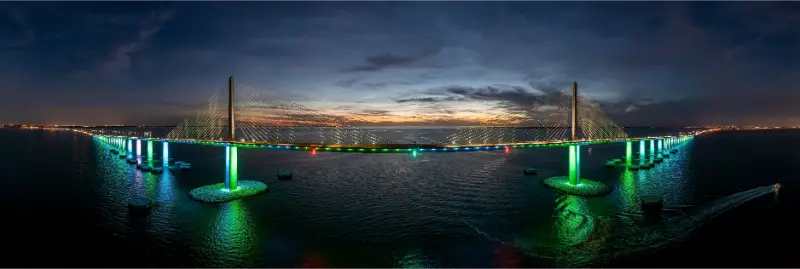
Use the coolest part of the morning for Old Seven Mile Bridge and Pigeon Key or the most weather-sensitive activity on your list. Take a real midday break, then add The Turtle Hospital if energy and conditions are good. Finish with a sunset, waterfront walk or neighborhood dinner instead of another long drive.
Day 3: nature, culture or a selective excursion
Choose Crane Point Hammock, spend more time at the beach or park you liked most, or make one of the day trips below. If the weather turns poor, use a museum, shopping district, historic site or long lunch as the backup. Leave enough space at the end of the day to pack and prepare for departure without ruining the final evening.
If you have 3–5 nights, slow this itinerary down rather than adding more distant places. Repeat a favorite beach, schedule a second water activity, add a rest morning or take one full regional day trip. Repetition is often what turns a checklist vacation into an actual holiday.
Food and evening planning
Seafood is an obvious part of a Marathon stay, but the most useful dining strategy is geographic. After a boat day, choose dinner close to the marina or hotel rather than driving across several Keys at sunset. Families staying in condos can save time and money with breakfast and one simple meal at the rental, then spend on a waterfront dinner that feels special.
For mixed-age groups, dinner location matters almost as much as the restaurant. A twenty-minute drive after a full beach or park day can feel much longer than it did on the map. Choose at least half of your evening meals close to the hotel and save the longer drive for one restaurant that is genuinely worth it.
Budget and booking strategy
The real budget is larger than the room rate. Add parking, resort or destination fees, tolls, equipment rentals, breakfast, beach gear and the cost of getting from the airport. A more expensive hotel can be the better value when it includes parking, a kitchen or a location that eliminates repeated rideshare trips.
To control costs, decide which experiences are worth paying for and let parks, beaches, walking districts and scenic drives fill the rest of the schedule. Families can save significantly with a refrigerator or kitchen, while couples may prefer to spend more on one memorable dinner and keep lunches casual.
Reserve popular lodging and one must-do experience first. Everything else can be layered around those anchors. Avoid paying in advance for multiple outdoor activities on consecutive days unless cancellation policies are generous; one windy or stormy period can otherwise affect several reservations at once.
Best day trips
Bahia Honda State Park
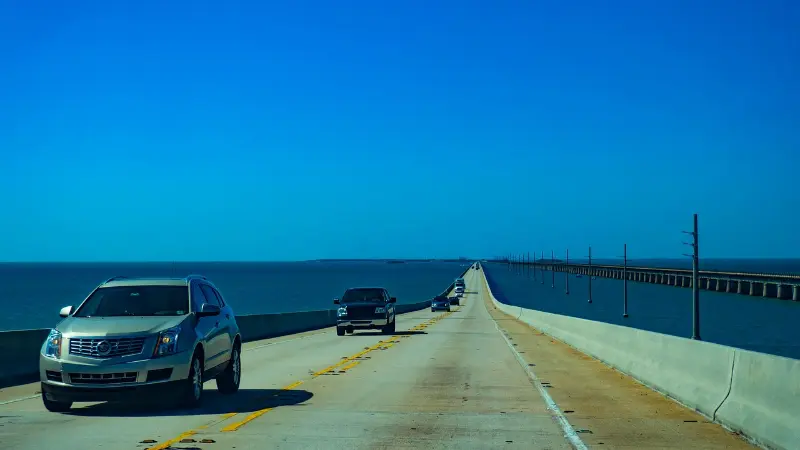
A classic Lower Keys beach and bridge-scenery day; arrive with a backup plan because popular parks can reach capacity.
Key West
Possible as a long day trip, but an overnight is better if sunset, museums and evening atmosphere are priorities.
Big Pine Key and the Lower Keys
Good for nature, quieter roads and a different Keys rhythm, especially for travelers interested in wildlife and less-developed landscapes.
A day trip should add contrast, not simply duplicate what you can do near the hotel. Pick one destination and spend enough time there to understand it. If the round-trip drive is long, an overnight may be a better use of vacation time—especially with young children, senior travelers or anyone who dislikes repeated packing and early starts.
Mistakes to avoid
The biggest mistake is trying to use Marathon only as a sleeping base for distant attractions every day. If most mornings begin with a long drive, the hotel location is working against the trip. Protect enough local time to enjoy the destination you actually booked.
Another common mistake is planning by map distance instead of real Florida travel time. Bridges, beach traffic, school breaks, thunderstorms, road work and limited parking can turn a short-looking transfer into the most tiring part of the day. Leave buffer time and avoid stacking fixed reservations back to back.
Do not assume every waterfront hotel has a usable beach, every beach has lifeguards, or every nature attraction operates the same way year-round. Read the current access rules and official alerts shortly before the visit, especially when parking, capacity, weather or wildlife protections can change the plan.
Finally, do not overbook the final day. Weather delays, traffic and longer-than-expected meals are normal parts of Florida travel. Leaving one open block protects the experiences that came before it and gives you somewhere to move an activity that had to be postponed.
Related Wonderful Florida guides
Use these guides to expand the trip without repeating the same research:
- Florida Keys and Key West Travel Guide
- Florida Snorkeling and Scuba Diving Guide
- Florida Fishing Guide
- Best Islands in Florida
- Florida Wildlife Guide
Official resources to check before you go
Hours, parking rules, capacity limits, tours and weather-related closures can change. Check the official sources shortly before travel:
Frequently asked questions
Is Marathon worth visiting?
Yes, if the experiences in this guide match the way you like to travel. Marathon is strongest when you allow enough time for its local character rather than using it only as a stop between two more famous places.
How many days should I spend in Marathon?
3–5 nights is a useful first-trip range. Shorter stays work when you have one clear goal; longer stays are better for water activities, families, slower travelers and anyone who wants a weather backup day.
Do I need a car?
For most itineraries, a car is helpful even when one neighborhood is walkable. The answer depends on the hotel location and whether your plans include parks, beaches, day trips or airports outside the immediate center.
Is Marathon good for families and senior travelers?
Usually yes. The key is matching activity length, heat exposure and accommodation location to the group. Confirm accessibility details directly when ramps, beach access, boat boarding or elevators are essential.
What should I book first?
Book the accommodation and the one experience that would be difficult to replace. Then keep enough flexibility for weather, traffic and changes in energy. A vacation with a little empty space is usually easier to enjoy.
Final advice
Marathon works best when the itinerary reflects the place rather than fighting it. Stay close to what matters, use mornings intelligently, respect Florida weather and wildlife, and let one or two excellent experiences carry each day. That approach works just as well for a couple as it does for a family with children or a multigenerational group.