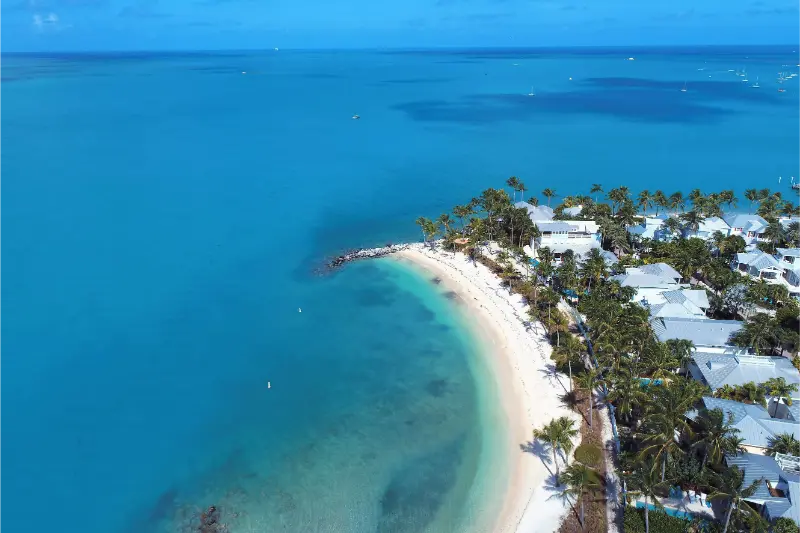
Category: Florida Keys

  • Key Largo Without Snorkeling: Four Days of Reefs, Forest Trails, and Florida Keys History

    Key Largo Without Snorkeling: Four Days of Reefs, Forest Trails, and Florida Keys History

    Key Largo is often presented as a place where the best parts are underwater. That is true for divers and many snorkelers, but it is a narrow picture of the island. Travelers who do not swim, dislike boat motion, or simply want a vacation with dry feet can still build a rewarding four-day stay around coral geology, tropical forest, sea-life exhibits, and the complicated history of the Overseas Railroad. This itinerary keeps journeys short enough to accommodate small children and older relatives while showing why the upper Florida Keys feel different from mainland Florida.

    Quick planning table

    DayMain experience
    1John Pennekamp visitor center and trails
    2Dagny Johnson tropical hardwood hammock
    3Windley Key fossil reef quarry
    4Flexible local history and waterfront stops

    A rental car is useful because attractions spread along the Overseas Highway and public transportation does not operate like a frequent city bus. Stay in Key Largo or the northern Islamorada area rather than moving hotels every night. Consider a property with a shaded outdoor seating area and easy parking; the enjoyment here is as much about the pace between visits as the number of tickets purchased. This is an island environment: walkways can be exposed, afternoons humid, and traffic slow during weekend arrivals.

    Day one: start with the reef on land

    Make John Pennekamp Coral Reef State Park the first anchor. Its visitor center includes a substantial saltwater aquarium and smaller displays that help explain reef fish and invertebrates before anyone considers a boat trip. These exhibits make the marine environment understandable for a child who is too young to snorkel or an adult who prefers not to enter deep water. The park also has paths and waterside areas, so you can choose a short visit or stay for a picnic. Confirm visitor-center hours and current exhibit access on the official site.

    Rather than trying to see every corner of the park, choose one nature trail after the aquariums. The Wild Tamarind Trail is described by the state as a three-tenths-of-a-mile loop through tropical hardwood hammock; the Grove Trail is longer, with mangrove and former grove habitats. Conditions can be hot, uneven, muddy, or buggy, even when distances look modest. Bring closed-toe shoes, drinking water, and a trail map. Visitors who cannot manage the route may enjoy the aquarium and shaded areas without treating the trail as an obligation.

    Understand what a reef is without entering the water

    The upper Keys are built on a story of changing seas, fossil coral, mangroves, and modern protected waters. In the aquarium, look for differences between reef fish, invertebrates, and living coral displays. Ask a child to identify three adaptations: color, camouflage, and the way fish occupy different parts of the habitat. The point is to leave with a better understanding of the living ecosystem, not just photographs. Interactive interpretation is especially valuable when weather cancels a boat excursion or one member of the group prefers indoor activities.

    Do not confuse an aquarium reef with a promise of clear visibility in the sea. Water conditions, wind, and storms control what boat passengers will see on a real outing. A glass-bottom boat may be an optional way to experience the offshore habitat without swimming, but it is still a boat; motion sickness and cancellation rules matter. Book only if everyone who wants to go is comfortable with those uncertainties. The entirely land-based itinerary works just as well without it.

    Day two: Dagny Johnson Key Largo Hammock

    Dagny Johnson Key Largo Hammock Botanical State Park protects a large tract of West Indian tropical hardwood hammock and several protected species. The difference from the manicured mainland parks is immediate: dense vegetation, filtered light, limestone ground, and an unfamiliar mix of plants. It is better suited to unhurried observation than a fast exercise walk. The state park describes more than six miles of trails overall, but visitors do not need to cover most of them. Select a short route matched to the day's conditions and turn around early if needed.
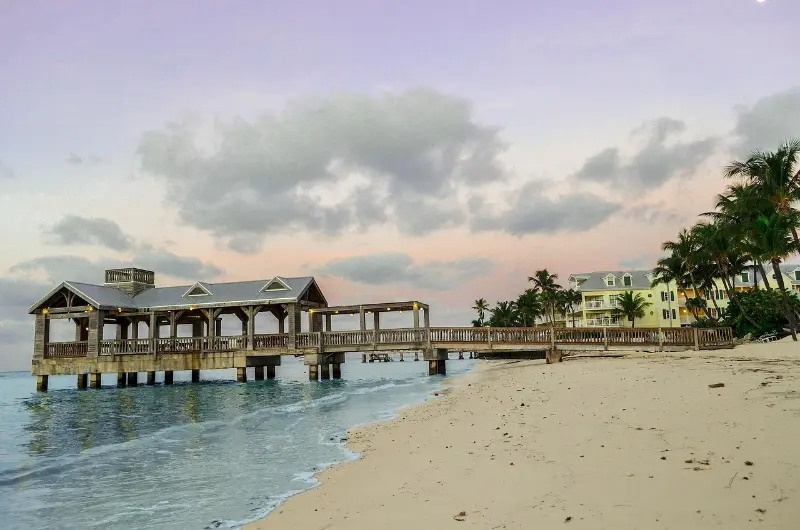
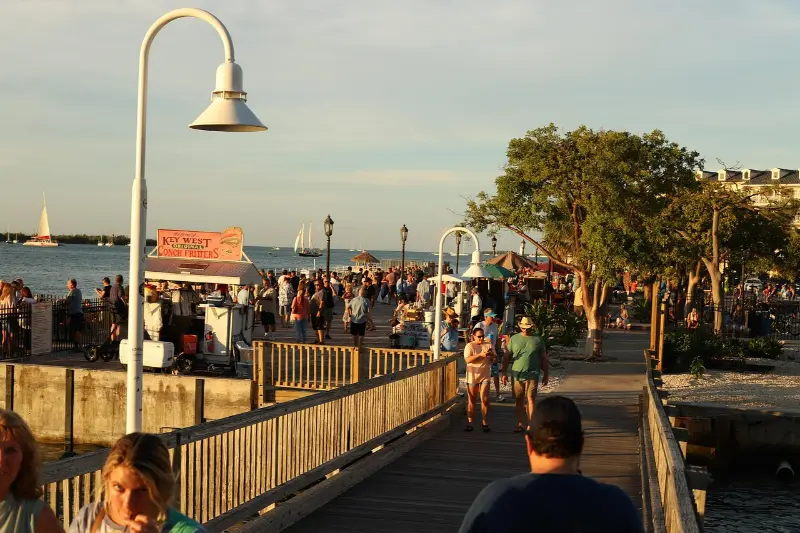
    Key West Wooden Pier and Calm Water

    The park has an honor-box admission system, so arrive prepared according to its current instructions. Watch for roots, insects, and slippery patches after rain. Remain on established paths; fragile plants and animal habitat make shortcuts a poor choice. Birdwatchers may enjoy early hours, while families can keep a simple leaf-shape notebook instead of searching for rare wildlife. Never promise crocodile sightings, even though American crocodiles occur in the broader region. Wild animals should be observed from distance, never approached or fed.

    What a tropical hammock teaches about the Keys

    The hardwood hammock is not a beachside garden. It is a scarce upland habitat shaped by elevation, salt exposure, hurricanes, and the slow accumulation of organic material over limestone. That makes it an especially revealing place to understand development pressure in the islands. Compared with urban Key Largo, the park shows the environmental character that existed before modern road corridors and large visitor facilities. A family can spend an hour identifying shade, light openings, and wind protection without needing specialized equipment.

    Older visitors may prefer one short segment and then a comfortable lunch elsewhere. For a wheelchair user, do not infer that a park is accessible merely because a route is short; ask the ranger station which trail sections have firm surfaces and suitable width on the chosen day. If the path is unsuitable, keep the wildlife education portion at Pennekamp and substitute a scenic roadside overlook. A successful vacation offers equivalent enjoyment, not a mandatory hike.

    Day three: Windley Key and the Overseas Railroad

    Travel south toward Islamorada to Windley Key Fossil Reef Geological State Park. This is one of the most intellectually satisfying stops in the upper Keys because the old quarry walls reveal fossilized reef structure in exposed limestone. The site also helps connect natural history to human history. In the early twentieth century, rock from the quarry was used for Henry Flagler's Overseas Railroad; later, the stone became decorative building material. The surviving industrial setting gives visitors something tangible to examine beyond conventional beach scenery.

    The park currently lists Thursday-through-Monday opening, so organize your four-day visit around its posted schedule instead of assuming you can arrive on any weekday. Paths in a quarry are not the same as a smooth waterfront promenade: check mobility, heat, and footwear needs. Read the interpretive panels slowly, then compare fossil patterns with what you saw in the live aquariums on day one. Children who enjoy trains may be particularly interested in the quarry's railway connection, while adults can reflect on the engineering work involved in crossing islands before modern bridges.

    Day four: a flexible Key Largo day

    Keep the final day deliberately light. Return to a favored viewpoint, spend a relaxed morning at a waterfront cafe, or revisit Pennekamp's visitor center if the first day was abbreviated. Many waterside restaurants have outdoor tables, but access to a private dock or shoreline is not automatically public; use only authorized viewing spots. If you prefer a history-oriented morning, look for local interpretive displays connected to early Keys settlement and the highway. Check each museum or gallery's operating schedule rather than assuming daily opening.

    This is also the best time to decide whether a short guided boat experience belongs in the trip. If one person wants the reef and another cannot board, separate plans can work better than insisting everyone participate. Keep the land-based group near a confirmed restroom and comfortable seating, and arrange a clear reunion point. Where a boat outing would create anxiety or extra expense, an extra meal and a quiet afternoon are fully legitimate vacation choices.

    Where to stay: location matters more than resort scale

    Key Largo stretches along U.S. 1 rather than around a single walkable center. A hotel that looks close to a restaurant on the map may still sit across a busy highway without a comfortable crossing. Ask whether the property has a ground-floor room or elevator, whether its outdoor paths have steps, and whether parking is included. For families, a refrigerator for drinks and snacks can be more useful than an elaborate activity program. Travelers with mobility needs should request details about bathroom doors, showers, and the exact path between their room and facilities.

    A rental condo may offer cooking space and a quieter routine, but confirm the final total including cleaning charges, taxes, parking, and cancellation terms. Don't assume that a property advertising 'waterfront' has a sandy swimming beach. Many Keys shorelines are mangroves, rocks, seawalls, or docks. Choosing an accommodation for the view and the calm rather than imagined beach access avoids a common disappointment.

    Getting there and avoiding unnecessary driving

    Key Largo is generally approached from the Miami and Florida City area along U.S. 1. Allow extra time for airport rental pickup and traffic on the southern mainland approaches. Long-distance day trips from Orlando or Tampa sacrifice much of the destination's relaxed value; they leave little time for short stops or a meal. Once in the upper Keys, group sites by direction so you do not drive back and forth repeatedly. A Key Largo base suits Pennekamp and Dagny Johnson; Windley Key is a convenient outing to the south.

    Drivers should watch for changing speed limits, bike riders, and turn lanes on the Overseas Highway. Never stop on a bridge or shoulder merely because the water looks beautiful; use signed, legal parking areas. After heavy rainfall, trails may be muddy even while the main road is dry. During tropical storm warnings, follow county and state instructions and never attempt to outsmart an evacuation order for the sake of a paid booking.

    A Key Largo budget that is realistic

    Separate the trip into lodging, transportation, food, admissions, and optional activities. The forest park and quarry often cost much less than a guided reef outing, but prices can change, and using a rental car may be a significant share of the budget. Compare overnight rates by weekday and season and check whether resort fees are added at checkout. When booking outdoor tours, review the weather cancellation policy as carefully as the advertised price.

    A practical four-day plan might include two paid park visits, one or two optional restaurant meals each day, and a free afternoon between activities. Taking a packed lunch to a permitted picnic area can make the day less expensive and easier with children who need familiar food. No expensive water sport is necessary to understand why the Keys' coral and mangroves matter.

    Frequently asked questions

    Can we enjoy Key Largo without swimming or snorkeling?

    Yes. Pennekamp's aquariums, forest trails, Windley Key's fossil quarry, and waterfront dining make a satisfying land-based stay. A boat is optional, not essential.

    Are trails accessible to every wheelchair or stroller?

    No. Trail surfaces and conditions differ. Ask each park about the specific route and current condition before committing; choose visitor centers and shorter stops when needed.

    What is the best season for this itinerary?

    Many visitors appreciate the generally milder winter and spring months, but traffic and room rates can be high. Summer can be hot and stormy. Check the forecast and park updates for the precise dates.

    Official resources

    Use John Pennekamp Coral Reef State Park, Dagny Johnson Key Largo Hammock, and Windley Key Fossil Reef to verify hours, routes, admission rules, and park conditions.


  • Where to Stay in Marathon and Big Pine Key: Middle Keys Convenience or Lower Keys Nature?

    Where to Stay in Marathon and Big Pine Key: Middle Keys Convenience or Lower Keys Nature?

    The Florida Keys are a chain of islands connected by the Overseas Highway, not a single resort destination where every address feels alike. Marathon in the Middle Keys is a practical base for dining, boat trips and access to different shorelines. Big Pine Key and neighboring Lower Keys appeal to travelers who want nature, quieter evenings and a more residential island setting. Neither guarantees a broad sandy beach in front of the hotel. Before booking, examine whether the property faces the Atlantic, Florida Bay, a canal or a marina—and what that means for swimming, driving and the pace of your trip.

    Which area should you choose?

    AreaBest forConsider before booking
    Marathon hotels and resortsServices, family activities, marine tripsSpread-out island roads
    Sombrero Beach vicinityPlanned public beach visitsAccommodation may require a drive
    Marathon canals or bayfrontBoating and private rentalsNot necessarily swimming shoreline
    Big Pine / Lower KeysNature and quieter island staysFewer nearby daily services

    Marathon as a balanced island base

    Marathon combines motels, resorts, vacation rentals and everyday services along a long stretch of islands. It offers visitors a sense of being deep in the Keys while retaining practical options for grocery shopping, casual dining and excursion departures. Travelers who want a mix of snorkeling trips, boating and family activities may find it easier to organize from Marathon than from a very isolated rental farther south. The Turtle Hospital and Crane Point add non-beach options, though tours and visiting conditions should be checked in advance.

    Marathon is not one small walkable village. Lodging addresses can be separated by miles of highway, and crossing the road on foot is not always comfortable or appropriate. Ask exactly how far the hotel is from the boat operator, restaurant or public beach you intend to use. If you are not renting a car, build the itinerary around a limited number of prearranged pickups and nearby activities. A resort may provide a self-contained experience; a simple canal-side cottage usually expects guests to drive for most needs.

    Sombrero Beach, beach expectations and nearby lodging

    Sombrero Beach is an important public sandy beach option in Marathon, making it attractive for families who want time by the water without booking a private boat. Yet a property marketed as being in the Sombrero area might still require a drive or bicycle ride to reach it. Check the exact road route, available parking and official beach regulations. Conditions, facilities and any storm-related repairs can change; do not book a whole week on the assumption that every advertised beach amenity will always be available.

    Many Florida Keys properties have beautiful shorelines that are better suited to looking at water than entering it. Coral, rocks, seawalls, marine vegetation and boating channels mean “waterfront” does not automatically equal “swimmable.” Ask a resort whether it has a designated swimming area, a pool or an arrangement for beach access elsewhere. For families with beginners, comfortable supervised swimming arrangements should be settled before paying for the room, not discovered after everyone arrives with inflatable toys.

    Gulf or bay side versus Atlantic side in Marathon

    A bay-facing balcony may be especially appealing at sunset, while an Atlantic-facing room offers morning light and a different coastal view. Those directional descriptions do not indicate a beach's quality or whether a guest may swim. Properties along canals are often oriented toward docking and boat storage rather than sunbathing. Boaters need to ask about draft limits, power, dock dimensions, trailer parking and storm policies; a photograph of a boat behind a house is not proof that the dock suits every vessel.

    For non-boaters, a canal-side rental may still be lovely, with private space and quiet evenings, but it is important to understand the practical trade-off. A driveway and pool can be more useful than a romantic view when traveling with grandparents and young children. Verify pool safety provisions and do not allow children near docks without adult supervision. For those seeking the feel of a small tropical resort, clarify the quality of on-site dining and how late staff are available. Remote waterfront locations can be peaceful precisely because services are not around the corner.

    Big Pine Key for wildlife and a quieter Lower Keys stay

    Big Pine Key appeals to visitors interested in natural habitats and the Lower Keys rather than busy nightlife. The National Key Deer Refuge protects habitat used by the small, distinctive Key deer. Driving slowly and following posted speed limits are part of responsible island travel, particularly near areas frequented by wildlife. Do not feed deer, approach them for photographs or treat a lodging yard as a place for wildlife encounters. A quiet visit should be compatible with the animals living there.

    Accommodation on Big Pine and nearby islands may be smaller scale or more residential than a major resort. That can be perfect for travelers who enjoy preparing meals, sitting outdoors and making one carefully chosen outing each day. It may be inconvenient for guests expecting a row of restaurants within five minutes of the room. Check grocery, medical, fuel and dining options around the exact property. If your party depends on reliable mobile data or high-speed internet, request a recent test rather than assuming an island rental has the same service as a business hotel.

    Bahia Honda and Lower Keys beach trips

    Bahia Honda State Park is a principal attraction in the Lower Keys, with beaches and coastal scenery. Its facilities and individual beach areas can be affected by conservation work, restoration or weather, so confirm current access and reservation requirements before making the park the center of your itinerary. The park is not a private amenity of nearby vacation rentals. A room described as “close to Bahia Honda” still may require driving, an entrance fee and advance planning.

    Travelers who do not swim can enjoy coastal views, photography and time outdoors, while families often appreciate a gentle morning visit followed by lunch away from the strongest sun. Do not assume a boat launch, kayak rental or tour will always be available on the day you arrive. Wind and marine conditions can cancel water activities, sometimes with little notice. Keep a backup plan such as visiting a local historical site, spending time at the accommodation's pool or taking a short drive through another island neighborhood.

    Key West as a day trip from the Middle or Lower Keys

    Marathon and Big Pine are sometimes marketed as budget alternatives to Key West. They can be less focused on nightlife, but the drive to Key West still takes time and is vulnerable to highway delays. For visitors who want to stay out for late music or sunset crowds, returning far north afterward may be tiring. A dedicated night in Key West can be a better choice if evening life is an important goal. Do not assume that a Lower Keys address gives the same freedom to walk home from Duval Street.

    Key West Historic Wooden House among Trees

    Big Pine is closer to Key West than Marathon, but that does not mean every Lower Keys rental is convenient for repeated trips. Look at the road and parking options for the specific attractions, not just the distance between town names. Travelers who dislike driving in the dark should make lunch or afternoon their main Key West visit and return before fatigue sets in. If the holiday is mostly about boating, reef excursions and quiet island mornings, it is sensible to spend fewer hours commuting to Key West and more time enjoying the islands where you sleep.

    Families, seniors and visitors with mobility needs

    Family tipFor families, a resort with a pool, easy breakfast and well-organized activities can greatly simplify a Keys vacation. A larger vacation home can offer separate bedrooms and laundry, but verify its stairs, pool access and proximity to food before booking. Parents should also consider the exposure of docks, seawalls and deep water around waterfront houses. A property that sleeps eight people may still be awkward for an infant in a crib or a grandparent who needs a ground-floor bathroom.

    Visitors with mobility needs should ask about accessible room dimensions and whether on-site paths are level. A waterfront deck can be beautiful yet connected to the lobby by steps. For beach visits, inspect official accessibility information for each individual park or facility. The phrase “wheelchair-friendly area” does not establish that a particular shower, boat or stretch of sand is suitable. Travelers over 80 may especially appreciate a location where meals, short scenic walks and a comfortable room can form a complete day without extensive driving.

    Arriving from Miami and planning the Overseas Highway

    The Keys reward a relaxed pace. From mainland South Florida, the Overseas Highway carries most road traffic toward Marathon and the Lower Keys. It can become congested on holiday weekends, near special events or after incidents. Avoid basing a flight departure on the most optimistic navigation estimate. A midafternoon arrival is often easier for grocery shopping and settling into the property than reaching a remote vacation rental late at night after a tiring flight.

    Ask hosts for accurate check-in instructions before entering parts of the route with limited opportunity to stop. Keep fuel sufficient, carry drinking water and know how to contact the lodging manager if access codes fail. If you plan excursions on two consecutive days, choose operators near your base where possible. Repeated driving between islands wastes the very time you came to enjoy. A well-located room in Marathon may offer better value than a cheaper rental that forces long trips for each meal and activity.

    Snorkeling and fishing: choosing lodging around your operator

    For snorkeling or diving, the departure marina and the trip's sea conditions are usually more important than whether the hotel's advertising mentions a nearby reef. Check the exact meeting location, cancellation policy, equipment requirements and whether the operator can accommodate beginners or people with limited mobility. Weather changes can cause a different departure time or a cancellation. Staying close to your chosen operator reduces stress on an early morning and makes it easier to handle equipment without a rushed drive.

    Fishing enthusiasts should check charter locations, license rules and the difference between fishing from a public facility and taking a guided boat. A rental with a dock is helpful only if it is legally and practically usable for your vessel. For families who want to observe marine life without diving, consider an appropriate education program or nature experience. Never touch coral, chase wildlife or assume all shallow water is safe for unsupervised children. Responsible enjoyment helps protect the ecosystems visitors have come to see.

    Florida River Estuary Nature Reserve Aerial

    Total costs, groceries and longer island stays

    Keys lodging can involve substantial seasonal price variation, especially on popular travel dates. Compare the final price including resort fees, taxes, cleaning, parking, equipment and pet charges. A private home with a full kitchen can reduce meal costs, but check whether its refrigerator, cookware and dining area really work for your group. A remote property may require a larger grocery shop on arrival. Plan for trash rules and recycling guidance, especially in residential areas with sensitive wildlife.

    If a listing offers kayaks, bicycles or a boat slip, ask whether use is included, whether there are liability requirements and if the equipment is maintained. For longer stays, reliability of air-conditioning, laundry and internet matters more than a few decorative touches. During hurricane season, read the cancellation and evacuation provisions carefully and monitor official alerts. Do not rely on promises that storms never affect a particular island. Travel insurance coverage varies, so examine the wording if weather disruption is an important risk for your trip.

    Choosing a base for a genuinely relaxed Keys vacation

    Pick Marathon when you want a broad range of conventional lodging and easier access to several Middle Keys activities. Choose Big Pine or another Lower Keys island when nature, quiet and a self-directed daily rhythm matter more than restaurant choice. Neither is inherently best for everyone, and both can suit travelers of different ages when the property matches the group's needs. Before paying, verify the exact shoreline, the presence of safe swimming options, sleeping arrangements and how much driving your planned activities will require.

    For a five-night holiday, avoid booking more major activities than weather and energy allow. A reef outing, a nature-oriented day, a beach morning and one visit to another island can be plenty. Leave a day unplanned so a canceled boat trip does not ruin the schedule. The memorable part of the Florida Keys is often the slower island rhythm: a morning view across the water, an easy meal and a gentle change of scenery, not the number of attractions crossed off a list.

    Frequently asked questions

    Is every waterfront Keys property a swimming beach?

    No. Many shorelines are canals, seawalls, rocky coasts or mangroves. Verify where swimming is allowed.

    Is Big Pine Key close to Key West?

    It is part of the Lower Keys and closer than Marathon, but travel time still depends on traffic and the specific address.

    What base is easier without a car?

    A property with on-site dining and arranged excursions in Marathon may be simpler, but transport details need confirmation.

    Official visitor resources

  • One Week in the Middle Florida Keys: Marathon, Bahia Honda and Big Pine Key at a Slower Pace

    One Week in the Middle Florida Keys: Marathon, Bahia Honda and Big Pine Key at a Slower Pace

    The Middle Florida Keys are an excellent place to slow down rather than spend every day driving toward Key West. Marathon offers everyday services, waterfront accommodations and boat-based activities; Bahia Honda adds a remarkable island landscape; and Big Pine Key shows visitors a quieter, more delicate side of the archipelago. A week here works best when you choose a comfortable base and treat the Overseas Highway as part of the scenery rather than a race. Water conditions, boat schedules and seasonal weather will shape which activities are sensible. This itinerary combines places that can be enjoyed on land with optional reef trips, so families, couples and older travelers can build a satisfying holiday even if not everyone wants to snorkel.

    Seven-day overview

    DayWhere to focus
    1Marathon arrival and harbor
    2Marine wildlife education
    3Bahia Honda State Park
    4Big Pine Key and Key deer habitats
    5Optional reef or boat experience
    6Old Seven Mile Bridge and rest
    7Overseas Highway departure

    Day one: arrive in Marathon and understand your island base

    Arrive in Marathon with enough daylight to get oriented. Accommodation listings can describe canal frontage, bay views, ocean views and direct beach access as though they offer similar experiences, yet those are different things. A canal-side rental may be excellent for a family that brings a boat but unsuitable for children expecting to run directly onto sand. Check photos, exact street location, parking, pool rules and whether a property has safe, legal access to the water. Some docks have deep water and no protective barriers, an especially important consideration with toddlers.

    Keep the first day local. A simple harbor-view dinner or a short visit to an authorized waterfront area captures the atmosphere without committing tired passengers to another drive. The Overseas Highway can be slow when incidents or heavy weekend traffic affect the bridges, and alternatives are limited. Stop for groceries if the accommodation includes a useful kitchen, but do not turn arrival into a long shopping expedition. Bring drinking water and be mindful of sun exposure. It is possible to enjoy the Keys in a low-key way from the first afternoon without immediately paying for a fishing charter or sunset cruise.

    Key West Sunset Mallory Square Waterfront

    Day two: learn about marine wildlife before heading offshore

    Marathon's Turtle Hospital and other conservation-oriented attractions help visitors understand why the marine environment needs careful treatment. Book an organized educational tour only after checking the actual visiting hours, minimum age rules and accessibility provisions. The goal is to learn about rehabilitation and responsible behavior, not to guarantee close physical contact with animals. If the family has strong interests in marine science, this can be a memorable day that gives later beach visits more meaning.

    Leave time for another gentle activity rather than combining multiple guided tours with fixed time slots. A meal near the marina or a short local walking route may be enough. Young children can become tired during detailed talks, while older students may want to ask many questions; neither response is wrong. Avoid feeding fish or handling wildlife at docks, and follow all posted protections. When rain or wind interferes with water activities, a booked indoor or partly sheltered interpretive visit is a useful fallback. The Keys often reward travelers who leave gaps in the schedule instead of filling every hour with a reservation.

    Day three: Bahia Honda's beaches and old bridge views

    Set aside a day for Bahia Honda State Park, one of the area's best-known coastal landscapes. Check the official state park page for current beach access, facilities, entrance arrangements and any post-storm closures. The park's sandy shoreline, turquoise views and remnants of the old railway route offer more than a quick roadside photograph. Choose a single accessible beach area as your base for the morning, and treat a walk toward bridge viewpoints as optional according to weather and physical comfort.

    Children may be tempted to explore every patch of sand, while adults may be satisfied sitting where they can watch the changing light on the water. Bring shade, water and secure footwear; not every natural surface is smooth. Never climb on restricted bridge structures or enter protected areas for a picture. Swimming and snorkeling depend on currents, visibility and the day's advisories. A calm-looking shallow area is not automatically safe, and visitors with limited experience should stay within designated areas. In hot months, leave before exhaustion sets in. A meaningful park visit can be half a day, with the afternoon back at the accommodation pool or in the shade.

    Day four: Big Pine Key, Key deer and quieter habitats

    Spend the fourth day around Big Pine Key, home to the National Key Deer Refuge. Seeing a Key deer is possible, but no ethical itinerary guarantees an encounter. These small, endangered deer are wild animals; observe them from a safe distance, respect speed limits and never feed them or encourage them to approach vehicles. The most valuable experience may be learning about the habitat and the pressures on island wildlife rather than obtaining a close-up photograph. Use official refuge information to select open public areas and interpretive opportunities.

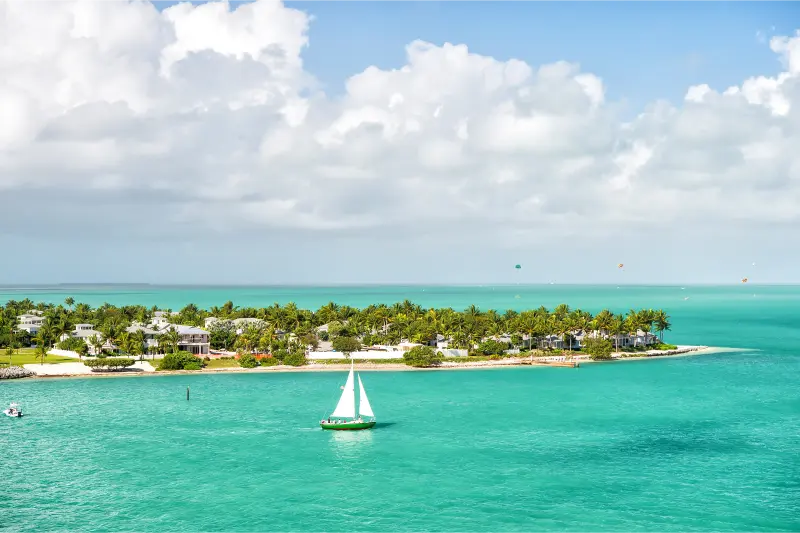
    Key West Florida Harbor and Sailboat

    Big Pine and neighboring islands feel less built-up than resort-centered areas of the Keys. Their roadways, shallow waters and mangroves reveal why responsible travel matters. Some routes are narrow or unsuitable for casual walking, so do not treat every roadside shoulder as a trail. For travelers with limited mobility, a short authorized viewpoint may be a better option than a remote nature walk. If the group enjoys kayaking, choose a guided trip suitable for its abilities and pay attention to wind and tides. Otherwise, visit for the landscape and return to Marathon for a simple evening. A good nature day should leave the environment essentially undisturbed.

    Day five: choose a reef trip only when conditions fit

    A snorkeling or glass-bottom-style boating excursion can be a highlight, but it should not determine whether the entire trip succeeds. The reef areas around Marathon are offshore and require authorized marine transport; they are not reached by wading from an arbitrary shoreline. Select an operator with clear safety briefings, suitable life jackets and a sensible weather-cancellation policy. Ask how long passengers stay at sea, whether there is shade or a restroom aboard and what swimming proficiency is required. Children, non-swimmers and people prone to motion sickness may prefer a wildlife interpretation trip on calmer waters.

    On the morning of departure, use the captain's and local authorities' assessment rather than pushing to sail because the charter is paid. Wind and sea conditions can change rapidly. Reef protection rules are essential: do not stand on coral, collect organisms or chase turtles and marine mammals. Travelers who stay on land can enjoy a parallel day visiting a local educational center, browsing Marathon's small businesses or simply relaxing near their accommodation. Rejoin for dinner and share the day's different experiences. Not everyone needs to make the same journey for the holiday to feel shared.

    Day six: Old Seven Mile Bridge and a restorative afternoon

    The restored pedestrian section of the Old Seven Mile Bridge near Marathon offers impressive water views and a sense of the region's transport history. Access rules and the distance a visitor can comfortably walk should be checked before leaving. You do not need to reach the far end to appreciate the setting. Go at a cooler hour, carry water and turn back whenever the group has had enough. There is very little relief from the sun over open water, and the apparent breeze can disguise dehydration.

    Use the remainder of the day for swimming in a safe designated place, reading, shopping for dinner ingredients or revisiting a favorite café. Six days into a holiday, an unscheduled afternoon often feels luxurious. Families can use it for laundry and naps; couples may want a quiet sunset viewpoint. Avoid turning a sunset into a risky roadside stop on a narrow bridge or highway. Plan a safe parking area in advance or watch from a suitable public waterfront place. This slower day helps distinguish the Middle Keys from a rushed road trip where the islands blur into one long stretch of road.

    Day seven: leave with enough time for the Overseas Highway

    Departure planning is unusually important in the Keys because much of the route depends on the Overseas Highway. Miami International and Key West International are different travel options with very different approaches to Marathon. Allow substantial time for any airport transfer, rental-car return or connection, especially when traveling on a weekend or during holiday periods. A traffic incident can affect a long segment of the only main road. Do not schedule an offshore trip on the morning of an important flight.

    Use a calm breakfast and a final short local walk to conclude the week. If you have an extra hour, spend it at a place already close to your route, not at an attraction that involves backtracking across bridges. Check out with wet gear contained, valuables protected and any rented equipment returned. If the family has a child seat or accessibility equipment, build time for its handling. The views on the drive can be part of the farewell, but a driver should concentrate on the road. Choose approved pullouts if you want to stop for a photograph.

    Where to sleep, what to spend and what to reserve

    Marathon is a practical single base because groceries, restaurants and many services are relatively accessible. A property near the ocean is not necessarily on a swimming beach, and a waterfront cottage may have steps or an exposed dock. Compare actual sleeping arrangements, kitchen equipment, parking and cancellation conditions. Families with children should ask about balcony and waterfront safety; travelers who need accessible accommodations should confirm the exact route from parking to room and any boat boarding arrangements. Staying closer to Bahia Honda or Big Pine makes sense for visitors focused on nature, but can mean fewer nearby dining options.

    Budget for accommodation, parking, fuel, food, park entry and one or two planned water experiences. Boat excursions vary in price and are not mandatory for every traveler. Choose a reputable tour that genuinely fits the party rather than buying several activities because discount packages appear attractive. Many outdoor views and slow island moments cost little. A kitchen can save money, but only if you will use it; some travelers prefer simple breakfasts at the property and dinners out. Book the most time-sensitive experiences first, leaving land-based days interchangeable when wind or rain alters the sea schedule.

    Weather, wildlife and inclusivity in the islands

    Winter and spring can be popular for milder weather; summer and early fall can bring heat, storms, strong sun and the Atlantic hurricane season. Water clarity and sea state vary by day rather than simply by month. Plan flexible alternatives and follow official weather, park and marine notices. Mosquitoes are more noticeable in sheltered habitats than on breezy oceanfronts. Carry water and protect skin, especially during extended walks on bridges or exposed beaches.

    The Keys are not entirely step-free, even when the landscape appears flat. Boarding boats, crossing sandy beach entries and negotiating docks require very different mobility skills from strolling around a harbor. Ask precise questions before paying for tours, and do not assume every member of a multigenerational group should snorkel. For young children, safe barriers around private docks matter more than the distance to a picturesque sunset. For older travelers, a shaded seat with a view can be the highlight of the day. Respect Key deer, marine life and protected habitats, and the islands will reward attentive visitors without requiring a packed schedule.

    Frequently asked questions

    Is Marathon a good base for a one-week Keys trip?

    Yes. Marathon has services and access to Middle Keys attractions, but it is important to distinguish ocean beach, bayside and canal-front lodgings.

    Do you have to snorkel to enjoy the Middle Keys?

    No. State parks, coastal views, rehabilitation education and easy island days make a good holiday without entering the water.

    Can you feed the Key deer on Big Pine Key?

    No. Key deer are protected wildlife and should never be fed or approached. Drive carefully and observe them from a distance.

    Official information and useful resources

    Explore the area on an interactive map

  • Islamorada With Three Generations: A Relaxed Seven-Day Florida Keys Vacation

    Islamorada With Three Generations: A Relaxed Seven-Day Florida Keys Vacation

    The Florida Keys are a wonderful setting for several generations to vacation together, but they are not automatically easy. Driving along the Overseas Highway takes time, not every waterfront property has a sandy beach, and some of the most famous activities involve boats, stairs, or strong sun. A comfortable multigenerational trip succeeds when everyone can enjoy the water and island scenery in their own way, whether they swim, watch from shore, or spend an afternoon with a book.

    Islamorada is a useful base for a seven-day Keys holiday because it sits between the larger mainland route and the central islands. This itinerary combines short excursions, a small number of paid experiences, and generous free time. It is designed for a group that could include children, their parents, and grandparents, but can be adapted for anyone wanting a relaxed stay without changing hotels every night.

    One week based in Islamorada

    Day Main experience Optional gentler version
    Arrival Drive down, groceries, settle in Stay at property all evening
    1 Islamorada arts and waterfront One gallery and lunch
    2 Key Largo reef education Visitor center or short cruise
    3 Accommodation day Pool, rest, sunset meal
    4 Marathon day trip Choose one attraction only
    5 Water activity for interested guests Land-based nature viewing
    6 Flexible favorite experience Repeat the beach or stay local
    Departure Drive back with buffer One scheduled rest stop

    Why Islamorada can be a better base than Key West

    Staying in one place reduces packing and uncertainty. Key West offers history, nightlife, and an appealing old town, but it is a much longer drive from mainland airports and can involve higher accommodation prices and parking constraints. Islamorada is not necessarily cheap, yet it allows day trips north to Key Largo and south toward Marathon without turning each day into a long journey. Travelers who want to spend most of their time in Key West should stay there instead of attempting repeated drives.

    Before booking, look at a property’s position relative to the highway, grocery stores, restaurants, and the kind of waterfront access you expect. A listing that says oceanfront may describe a dock, seawall, or boat basin rather than a walk-in beach. Ask for photographs of the actual access and verify whether the shoreline can be used by children. Pools often become the main swimming option in the Keys, which is worth considering when some travelers prefer gentle water.

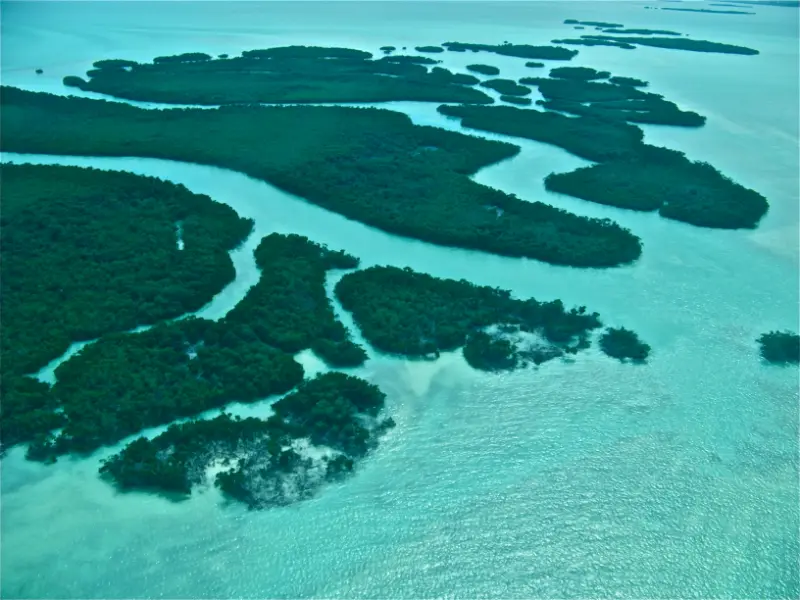
    Florida Keys Turquoise Mangrove Islands from Above

    Book the right accommodation for a three-generation group

    The best layout may be two nearby rooms, a multi-bedroom rental, or a suite with separate sleeping spaces. Consider bedtime differences, stairs, bathroom accessibility, and the need for a refrigerator or kitchen. A ground-floor room is helpful only if the entrance and bathroom meet the guests’ needs. Ask whether the property has step-free routes to dining and pools, whether an elevator is dependable, and whether a roll-in shower is truly available where required.

    Holiday rentals can look attractive for a larger party, but review cleaning fees, taxes, damage deposits, minimum stays, parking limits, and hurricane policies. For a hotel, compare breakfast, laundry, resort fees, and any fee for additional adults. A waterfront balcony can be wonderful, but a comfortable living room where everyone can gather in the afternoon often adds more value than an expensive view nobody uses during the day.

    Arrival: take the Overseas Highway seriously

    The journey from Miami or Fort Lauderdale airports is longer than a simple distance calculation suggests. Traffic, roadworks, weekends, and weather can slow the Overseas Highway. Avoid planning a boat excursion or complicated dinner reservation on arrival day. Stop for food or supplies before the family becomes tired, and keep essential medication and children’s items readily accessible in the car.

    If flying internationally, consider spending the first night on the mainland instead of driving after a sleepless arrival. One main highway serves the islands, so alternative road routes can be limited when there is an incident. Fill the fuel tank before it becomes urgent and be considerate of local residents on smaller roads. Plan a meaningful break rather than pushing through because the view from the bridge is beautiful.

    Day one: Islamorada at a relaxed pace

    Start with breakfast, then visit a small gallery, local arts area, or waterfront venue that welcomes day visitors. Let each generation choose part of the day: perhaps art for adults, a short waterside stop for children, and a calm lunch for everyone. Confirm opening hours directly because galleries and restaurants may operate seasonally or close for private events. Do not assume an advertised sunset spot is publicly accessible without a reservation or purchase.

    Spend the afternoon at the hotel pool or in shaded common space. If grandparents wish to rest while parents take children out, agree on clear supervision and emergency contact arrangements. Evening is a good time to enjoy a seafood restaurant or another regional meal, but check menu options for anyone with allergies. Book early enough to avoid a long wait with young children.

    Day two: Key Largo and coral reef discovery

    John Pennekamp Coral Reef State Park in Key Largo introduces visitors to the protected reef environment. The park’s official activity information describes glass-bottom boat options and other tours, including specific accessible equipment. A glass-bottom cruise can suit family members who want to see coral reef scenery without snorkeling, though offshore conditions may cause motion sickness and visibility is never guaranteed.

    Book according to the least comfortable traveler, not the most adventurous person. A child prone to seasickness may enjoy the visitor center or short shore-based exploration much more than a long cruise. Verify minimum ages, accessible boarding, restrooms, cancellation policies, and water conditions. Do not describe the reef as an aquarium: marine life is wild, and coral condition and visibility vary. If a trip is canceled, choose an educational stop and return to Islamorada without frustration.

    Day three: a day at home can be the highlight

    A midweek day with no driving can restore everyone’s energy. Children might swim under proper supervision, adults can read or enjoy a slow breakfast, and grandparents can set their own pace. Plan simple meals so nobody spends the whole day finding parking. Family vacations benefit from hours when each person may be together without doing the same activity. A shared afternoon board game or a quiet sunset often becomes a favorite memory.

    Florida Keys Ocean Causeway and Cars

    If the weather is hot, keep sun exposure limited and protect vulnerable visitors from dehydration. Do not expect everyone to use the pool. Provide alternatives such as a shady seating area and a cool indoor room. Check the property’s rules about unattended children and pool access; a lifeguard should never be assumed. For a rainy day, verify where the group can sit indoors instead of remaining confined to separate bedrooms.

    Day four: a single outing to Marathon

    Marathon offers educational and nature attractions, including the Turtle Hospital, which focuses on sea turtle rescue and rehabilitation. Check the Turtle Hospital’s current tour details and reserve appropriately rather than expecting an unscheduled walk-in. Explain to children why these animals are patients, not performers. Any animal-focused activity should teach respectful conservation rather than promise close contact with wildlife.

    Other travelers may prefer a museum, park, or short scenic stop instead. Do not automatically pair two admission attractions, lunch, a beach, and a sunset viewpoint in one day. If the group includes a wheelchair user, verify the full visitor route, boarding, and restrooms. The road south provides beautiful glimpses of the islands, but the drive itself should be part of the outing, with adequate breaks and no pressure to race back.

    Day five: let the group divide without splitting the vacation

    This is the ideal day for different interests. Confident swimmers and boat enthusiasts may choose a guided water activity with an established operator, while others visit a garden, café, gallery, or familiar waterfront spot. Arrange a clear meeting time and keep essential contact numbers on everyone’s phones. Children should remain with their designated supervising adult; do not assume a teenager can take responsibility for a younger sibling in unfamiliar water.

    A short accessible boat trip may be an option for a visitor with mobility limitations, but confirm the boarding situation with the operator. A flat deck does not guarantee accessible access from a particular dock at a particular tide. For anyone uncomfortable with a boat, a land-based outing is just as valid. The aim is to meet different needs without asking one person to compromise every day.

    Day six: return to a favorite place instead of seeking another milestone

    Reserve the final full day for what worked best. Children may want another beach visit, grandparents may enjoy a quiet meal overlooking the water, and adults may appreciate a second look at a gallery. Repeating a place eliminates the logistics of researching another destination. A short visit at the preferred time of day may be more comfortable than forcing a long drive to Key West simply because it is famous.

    If the group really wants to see Key West, consider extending the trip and staying overnight there rather than treating it as a casual afternoon. With traffic, parking, and walking, the return journey is demanding. A small cruise or fishing outing should be booked with plenty of contingency time before departure day, because weather delays and cancellations can change the schedule.

    How to manage water safety and the reef environment

    The Keys’ shorelines often have rocks, seagrass, boat channels, and sensitive habitats. Choose designated swim areas and follow local instructions. Jellyfish, currents, and visibility vary; do not treat calm-looking water as risk-free. Children and inexperienced swimmers require appropriate supervision. Do not stand on coral, chase marine animals, collect living creatures, or touch protected wildlife. The Florida Keys National Marine Sanctuary offers responsible visitor guidance for protecting marine habitats.

    Sun protection is a daily concern, including on cloudy days. Pack reusable water bottles, hats, and shade options. Older adults may be more comfortable with early outings and long afternoons indoors, though personal preference matters more than age. If anyone becomes ill or overheated, stop and adjust the plan rather than insisting the day’s tickets must be used.

    A realistic vacation budget

    Expense What may change the total Planning choice
    Lodging Location, season, room count, resort fees Compare total weekly cost
    Transport Rental size, fuel, airport transfer Share one suitably sized vehicle if practical
    Food Waterfront dining versus groceries Plan simple breakfasts and flexible lunches
    Boat excursions Number of people and weather rules Book only one or two priorities
    Entertainment Tours, museums, rental equipment Balance paid and no-cost days

    The Florida Keys can be costly during busy winter and holiday periods. A shoulder-season stay may reduce the lodging bill, but wetter weather and tropical-storm risk need consideration. Do not book a nonrefundable family rental without reading the exact cancellation terms, especially for travel during hurricane season. Keep enough budget for a flexible extra night if an unexpected disruption affects the mainland drive or flight.

    Who should choose a different base?

    Families wanting a wide sandy beach directly outside the hotel may find some mainland Gulf Coast destinations more suitable. Travelers focused mainly on Key West nightlife or museums should stay near that city rather than commuting from Islamorada. Visitors who will not rent a car should investigate walkable properties and local transfers very carefully: the Keys do not have the same convenient intercity rail network as Southeast Florida. Some attractions need a vehicle even when the map distances appear short.

    Islamorada shines for a party that values water views, relaxed shared meals, and modest day trips. With the right property, everyone can choose how much of the day to participate in. That flexibility is more important than squeezing every island from Key Largo to Key West into one week.

    Frequently asked questions

    Is Islamorada a good base for a multigenerational Keys vacation?

    Yes, especially if the group wants a single base between Key Largo and Marathon, with time for quiet waterfront activities. Check the accommodation’s actual water access and accessibility.

    Do we need to snorkel to enjoy the coral reef?

    No. John Pennekamp offers glass-bottom boat trips and visitor facilities. Check weather, seasickness concerns, accessibility, and current schedules before booking.

    Should we drive to Key West and back in one day?

    It is possible but may be tiring, especially with children or travelers who need frequent breaks. For a substantial visit, an overnight stay is often more comfortable.

  • Three Days in the Middle Florida Keys: Marathon, Bahia Honda and Big Pine Key

    Three Days in the Middle Florida Keys: Marathon, Bahia Honda and Big Pine Key

    The Middle and Lower Florida Keys offer a vacation that is very different from Key West's busy historic streets. Around Marathon, bridges cross changing shades of shallow water, boatyards sit beside holiday rentals and mangrove shorelines lead to an extraordinary marine environment. Three days let you learn about turtle conservation, spend unhurried time at a beach and explore the quieter stretch toward Big Pine Key. The distances are manageable by car, but heavy road traffic and limited beach facilities can disrupt an overfilled plan. This itinerary makes room for those realities and for travelers who want to appreciate the Keys without scuba diving or booking a boat every day.

    Three-day summary

    DayMain planEasier alternative
    1Marathon and sea turtle conservationShort beach or shore viewpoint
    2Bahia Honda and Seven Mile Bridge areaApproved scenic viewpoint
    3Big Pine Key and Key deer habitatRefuge nature center and lunch

    Pick a practical base and understand the island chain

    Marathon is a useful base for the Middle Keys because it has groceries, restaurants and a range of accommodation options along the Overseas Highway. In the Keys, “oceanfront,” “bayfront” and “canalfront” are three different experiences, and none guarantees a natural sandy beach outside your door. Ask the host precisely how guests access the water, whether swimming is permitted and whether a dock is private. Some appealing rentals sit beside working channels rather than safe swimming spots. A place with a kitchen and shaded outdoor seating may be ideal for a family planning repeated midday breaks.

    The Overseas Highway is the essential road connection through this region, so allow extra time for holiday traffic, maintenance and accidents. Check maps for property access rather than assuming that every address called Marathon is within a short walk of shops. If anyone has mobility limitations, ask about stairs, bathrooms and parking at the actual property. A lifted Keys house can offer wonderful views but many steps. It may be sensible to pay more for a truly suitable entrance and shower instead of adding complicated daily transfers. This is a coastal landscape where the logistics of each property matter.

    Day one morning: the Turtle Hospital and conservation learning

    Start in Marathon with a conservation-focused attraction such as the Turtle Hospital, which is associated with the rescue and rehabilitation of injured sea turtles. Visitor tours may require reservations, have age or mobility considerations and depend on animal welfare needs. Book through the attraction's official channels and ask what the visit includes. It is not a petting zoo; rescued wildlife deserves calm observation and explanations rooted in veterinary care. Families can use the tour to teach children why boats, fishing gear, pollution and habitat pressures affect marine animals.

    A conservation visit also provides a more meaningful beginning than immediately running from beach to beach. Allow time to absorb the explanations and for a conversation afterwards over lunch. Teenagers may be interested in the science and environmental challenges, while younger children need a realistic expectation that some animals will not be visible. Travelers who are uncomfortable standing should ask whether benches or accessible viewing areas are available. If tours are sold out, choose a different maritime education stop rather than making an unapproved visit to a rescue facility. The purpose is learning, not guaranteed close animal contact.

    Day one afternoon: Sombrero Beach or a calm waterside stop

    For the afternoon, check current conditions at Sombrero Beach, a popular public beach in Marathon. Beach facilities and parking arrangements can change with storms or local maintenance, so consult Marathon's official information before relying on a particular amenity. Bring shade, drinking water and a plan for restrooms. The Keys may feel breezy on the shore but ultraviolet exposure can still be strong. Families should supervise children closely, follow swimming guidance and leave the beach immediately when lightning threatens. A beautiful sheltered setting is not evidence that conditions are always safe.

    Visitors who do not swim can enjoy a short walk, photography or a shaded rest if there are suitable facilities. Avoid disturbing protected shorebird or turtle nesting areas, and never approach animals for photographs. If a park is crowded, arriving earlier tomorrow may be better than circling for parking. Marathon has nearby restaurant and grocery choices, making it easy to end the day with a simple meal. The first afternoon should be an introduction to the area's water, not an endurance test. Avoid pairing a long sunset excursion with a morning tour if your group is already tired.

    Day two morning: Bahia Honda State Park carefully planned

    Drive south for a visit to Bahia Honda State Park, famous for its beaches and views of the old railroad bridge. The park is a major Middle Keys highlight, but popular periods can bring heavy visitor demand and sections of the coast may be affected by environmental or infrastructure work. Verify current hours, admission, facilities and any restricted areas on the Florida State Parks website. Arrive early if practical and identify which part of the park is best for your group. A visitor interested in a historical bridge view may have a different plan from someone who hopes to spend hours swimming.

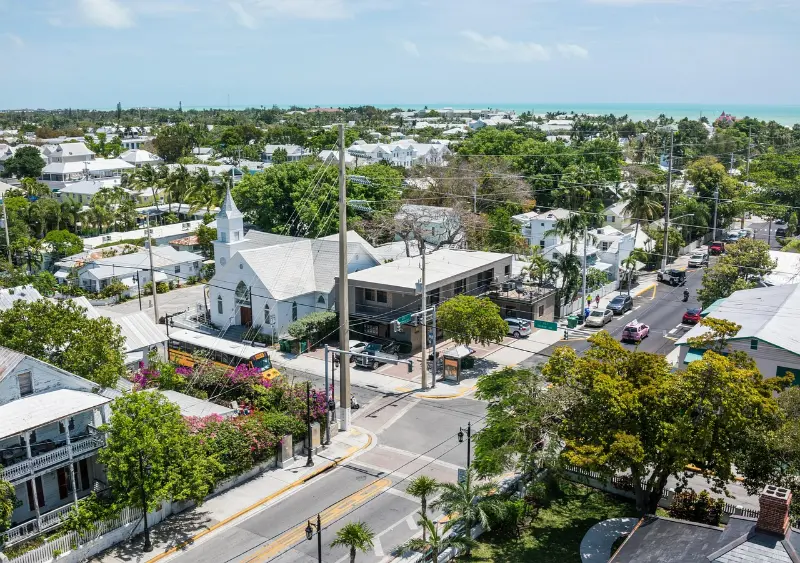
    Key West Florida Suburban Neighborhood Aerial

    Use only designated routes and viewing areas around old bridge structures. Coastal currents, tidal conditions and depth vary, so observe posted signs and never treat a scenic photograph as swimming advice. For small children or nonswimmers, a picnic and a short shore visit can be rewarding without entering the water. Anyone with difficulty walking over sand should ask staff about accessible parking and possible viewpoints. The beauty of Bahia Honda is that it combines open water, vegetation and history in a compact area; it does not require climbing everything or covering every beach.

    Day two afternoon: stop at the Seven Mile Bridge viewpoints

    On the way to or from Bahia Honda, allow time for a legal viewpoint near the Seven Mile Bridge area. The bridge and surrounding water form one of the defining views of the Florida Keys. Do not stop on highway shoulders or block traffic for photographs. Use approved parking and pedestrian access where available, and check the current status of the old bridge or Pigeon Key tour connections before promising a visit. Walking across exposed causeways is physically demanding in hot weather and can be particularly uncomfortable with children or for anyone who needs regular shade.

    If a tour of Pigeon Key is important to you, check official tickets, transportation arrangements, weather restrictions and how much time it requires. It should be a planned attraction, not an improvised ten-minute stop. Others may prefer to return to Marathon for a quiet afternoon. The day already includes a park outing and a highway excursion, and there is value in ending it early. Choose a dinner with straightforward parking and let everyone rest. Too much time driving back and forth across the same bridge can make a short trip feel unnecessarily rushed.

    Day three morning: Big Pine Key and the Key deer habitat

    Head toward Big Pine Key for the third morning. This lower stretch of the Keys is associated with the endangered Key deer and protected habitats, including the National Key Deer Refuge. The deer are wild animals, not roadside attractions that can be fed or approached. Drive carefully, obey speed restrictions and never stop suddenly in traffic because an animal appears near the road. Photograph from a safe distance using an appropriate public location; do not lure deer with food or move toward them on private property. Wildlife viewing may or may not happen, and that uncertainty is normal.

    Key West Ocean View from Beach

    Choose a short permitted nature route or public viewpoint that suits the weather and your group's stamina. Protected habitats can be fragile, and mosquitoes may be intense depending on season and conditions. Wear appropriate clothing and carry water, but avoid taking pets into restricted wildlife areas. If a path seems inaccessible or muddy, respect the limit and choose an easier location. Big Pine Key can be appreciated for its distinctive landscape even without a deer sighting. Allow time for a simple lunch and a gradual return toward Marathon or the next destination.

    Day three afternoon: leave flexibility for a final easy stop

    After exploring Big Pine Key, avoid automatically adding Key West to this same afternoon. Key West deserves its own time and presents parking and traffic challenges that can turn a relaxed third day into hours on the road. If your holiday continues south, plan it as a separate leg. Otherwise, return toward Marathon, stop at a verified public viewpoint or visit a local heritage site that fits your route. Anyone with a flight from Miami or another mainland airport should calculate the full driving time, including the possibility of congestion on the Overseas Highway.

    If weather is unfavorable for a nature outing, an indoor lunch and a short cultural stop may be preferable. Traveling with grandparents or toddlers, keep a rest break every so often and use restaurants with accessible bathrooms rather than waiting until someone is uncomfortable. This is also the right time to refuel and make sure the vehicle is ready for the trip onward. Island travel rewards patience. Saving energy for the journey home can be far more important than reaching one last location purely to add it to a list.

    Snorkeling, boating and water activities: choosing safely

    Marathon offers snorkeling, paddling, fishing and boat trips, but these activities deserve careful selection rather than being treated as mandatory extras. A reef snorkeling excursion is weather-dependent and requires confidence in the water, a suitable operator and safety equipment. Ask about age minimums, the depth and conditions of the site, how passengers board and what happens when the sea is rough. If someone cannot swim comfortably, choose a glass-bottom or sightseeing alternative when available rather than pressuring them into a water activity. Never assume a guided tour guarantees wildlife sightings or calm seas.

    Reefs and seagrass habitats are sensitive. Avoid touching coral or marine animals, use reef-conscious practices and follow the operator's instructions. Boaters need to comply with sanctuary rules and navigation restrictions. For younger children, a beach or shore-based marine education stop may offer a better balance of fun and safety than a long offshore trip. A visitor with reduced mobility should ask for practical boarding details, not simply whether a company advertises itself as “accessible.” These questions can prevent costly disappointment and make an optional excursion genuinely enjoyable.

    Budget, seasons and a final checklist

    In the Keys, accommodation is often a major cost, and resort fees, cleaning charges, boat tours, restaurant meals and rental cars can increase the total. Price the complete stay rather than the headline room rate. Some rentals require minimum nights and may have strict cancellation rules during weather disruptions. Summer can be hot, humid and stormy; winter is popular and can be windy. Monitor hurricane-season forecasts and learn your accommodation's evacuation procedures. Carry water and basic supplies, but buy what you need in established communities rather than assuming every remote stop has services.

    Before departure, check Turtle Hospital bookings, Bahia Honda State Park alerts, Marathon beach facilities, the current Pigeon Key visitor arrangements and National Key Deer Refuge guidance. Save directions for approved parking and confirm your exact hotel entrance along the highway. Three days in the Middle Keys should feel like a gradual journey through marine conservation, a striking coastline and the distinctive habitat of the Lower Keys. A single excellent beach morning and a respectful wildlife visit can be more rewarding than exhausting everyone with a full day of driving.

    Frequently asked questions

    Is Marathon a good base for the Middle Keys?

    Yes. It provides services and road access, but check the actual beach and water access promised by your accommodation.

    Can I feed Key deer?

    No. Feeding or harassing Key deer is prohibited; observe from a safe distance and drive carefully.

    Does Bahia Honda have a swimming beach?

    It has beaches, but specific access, conditions and facilities must be confirmed for your visit.

    Official information and useful resources

    Explore the area on an interactive map

  • Bahamian Heritage in South Florida: Coconut Grove, Key West and Four Days of History

    Bahamian Heritage in South Florida: Coconut Grove, Key West and Four Days of History

    Florida’s relationship with the Bahamas is more than a short stretch of sea between two vacation destinations. Bahamian people, including Black settlers, sailors, builders and craftspeople, helped shape communities in South Florida. Their histories are visible in Coconut Grove, Miami’s early neighborhoods and Key West’s Bahama Village, alongside broader stories of Caribbean migration, maritime labor and changing urban landscapes. This four-day cultural route balances historical context with the realities of visiting living neighborhoods. Some landmarks are public museums or parks; others are residential streets or active churches where public access cannot be assumed. The aim is to learn from reliable interpretation, support appropriate local businesses and leave community life undisturbed.

    Why Bahamian history matters to Florida visitors

    Travel maps can make the Bahamian islands look close to Florida while hiding the human connections formed through centuries of sailing, trade, migration and work. Bahamian settlers contributed skills in boatbuilding, construction, agriculture, fishing and domestic labor, and their descendants helped create enduring cultural communities. These contributions should not be reduced to cheerful island decorations or a single food tradition. The story also includes racial segregation, uneven access to property and opportunities, and neighborhoods that changed as property values increased. A responsible itinerary asks whose work built a city and who could benefit from its prosperity. Travelers can appreciate a lively street or a historic house while recognizing that contemporary residents have varied identities and interests. This is history to investigate, not a demand that people explain themselves to tourists.

    Day 1: Coconut Grove and Miami's earliest layers

    Start in Coconut Grove, one of Miami’s oldest neighborhoods, and spend a morning learning the context of early settlement around Biscayne Bay. The Barnacle Historic State Park preserves the home of Ralph Middleton Munroe, an important figure in the area’s maritime past. It does not on its own tell the whole Bahamian story, so treat it as a complement to material from local history institutions rather than an all-purpose answer. The park’s current schedule lists specific opening days and guided house-tour times; verify before visiting. Look closely at how boats and the bay connected people before the modern road system. Then seek reputable local-history interpretation about Bahamian settlement and community formation in the Grove. Do not wander private residential roads photographing houses simply because they appear old. A pre-arranged public history tour can make the day much more informative.

    Day 1 afternoon: heritage beyond the waterfront mansions

    Coconut Grove’s popular retail and waterfront areas show only part of its identity. Historically Black neighborhoods within the Grove have stories involving Bahamian families, religious institutions, tradespeople and civic organizing. Names such as the West Grove point toward histories that require care and accuracy, not superficial contrasts between poor and wealthy blocks. If visiting an active church or community building, check whether a tour or event is explicitly public. Exterior photography of private homes can still feel intrusive, especially when residents are present. Consider a museum exhibition or a conversation with an established local guide instead. For children, ask what kinds of jobs and skills were needed to build a coastal community before air-conditioning and modern transport. For adults, explore how land ownership and development reshaped the neighborhood over time.

    Key West Sunset Mallory Square Waterfront

    Day 2: Miami history institutions and the citywide perspective

    Use the second day for a public history collection that interprets immigration and settlement around Biscayne Bay. HistoryMiami and other established institutions periodically present exhibitions and archival material about South Florida’s communities, but temporary programs change. Confirm the actual subject of the exhibition before buying tickets; a permanent city history gallery may be a good fallback. Explore how Bahamian heritage relates to, but is not identical with, later Cuban, Haitian and other Caribbean immigration. Avoid treating all Caribbean communities as interchangeable. Museum labels and oral histories can help locate individuals and dates, while neighborhood memories may add nuance. Finish the afternoon with a rest rather than starting the drive to Key West late at night. The Overseas Highway deserves daylight, attention and a separate travel day.

    Day 3: drive the Overseas Highway with cultural context

    The drive from the Miami area to Key West is a substantial journey through a series of islands and bridges. Plan several hours plus food and comfort stops, and never build the day’s schedule around an optimistic navigation estimate alone. This road tells a different part of the maritime story: how islands were connected by boats, rail and later a highway. Discuss changes in travel and economic opportunity without assuming every piece of the route directly represents Bahamian settlement. On the way, choose one safe official viewpoint rather than stopping on an unsafe bridge shoulder for photographs. Heavy traffic, storms and wildlife concerns can make a slow day even slower. Once in Key West, check into lodging and visit a public sunset viewpoint if conditions suit. Do not schedule a major museum and a late-night event after the drive.

    Day 4: Bahama Village and Key West's living culture

    Bahama Village is a historic Key West neighborhood associated with Bahamian and Black community histories, not an amusement zone. A respectful visit may include public streets, a community-oriented venue, an appropriate historic interpretation stop and a meal at a locally operated business. Avoid assigning a single identity to every restaurant or resident, and do not treat people’s porches as photo sets. Check whether any cultural performance or heritage program is actually scheduled rather than assuming regular entertainment. A local walking guide can explain the neighborhood’s historical context, but ask whether tours are community-led and how they approach sensitive subjects. If traveling with young children, shorten the walk and include a park break. Visitors with mobility limitations should check pavement and crossing conditions and use short rides between separated stops.

    Key West Florida Suburban Neighborhood Aerial

    Historic houses are not automatic Bahamian landmarks

    Key West is full of attractive historic homes, and many tourists mistake their architectural age for evidence of a particular migration story. A weatherboard house, shuttered veranda or tropical garden does not by itself prove that Bahamian families built or lived in it. Use named historical records, reliable museum interpretation or curated tours to establish connections. The same principle applies to Coconut Grove. Architectural appreciation is valuable, but genealogical and labor histories require more than aesthetic guesswork. If you find a historic plaque, read its wording carefully and note whether it commemorates a person, a neighborhood or an entire era. Ask guides to distinguish documented evidence from local legend. This makes the experience more respectful and far more educational than a checklist of vaguely Caribbean-looking buildings.

    What the route looks like in four days

    DayAreaCore theme
    1Coconut GroveSettlement, maritime links and neighborhood change
    2MiamiCommunity histories and archives
    3Overseas HighwayTransport and regional connections
    4Key West / Bahama VillageLiving cultural heritage and public history

    Eating, shopping and supporting heritage respectfully

    Food traditions change across households and generations, and menu labels do not establish a person’s ancestry. Seek places that describe their own cooking and avoid insisting that a particular restaurant serve the one dish you read about online. Ask staff about allergens or spice levels without turning a busy lunch service into an interview. Buy locally made crafts or books when possible, and look for the maker’s name and story. Tourist merchandise bearing a Bahamian label is not necessarily locally produced. If you want to support preservation, consider museum admissions, community exhibitions and reputable history organizations. Small choices matter: paying for a thoughtful guided tour may contribute more than another souvenir with no clear origin. Respect private events and religious spaces even if you happen upon music or a celebration.

    Distinguish neighborhood visits from genealogy research

    Travelers tracing family ties should prepare names, approximate dates and known locations before contacting archives. Public museums may have research rooms or referral services, but they do not necessarily offer immediate genealogy assistance to walk-in visitors. Historic neighborhoods have changed names and boundaries, while family histories may cross national archives. Research work is often better started online, with appointments for specific collections. Do not knock on a private resident’s door because an old directory lists an ancestor at that address. If you hope to interview someone about community memory, obtain informed consent and respect the person’s time. Visitors without family connections can still learn deeply through exhibitions, published oral histories and guided cultural programs.

    Where to sleep and how to handle the long drive

    Spend two nights in the Miami area and at least one in Key West if the route is to feel like a vacation rather than a highway endurance test. Key West rooms can be expensive and parking scarce, so compare the total lodging and vehicle cost. A rental car is convenient for the intercity journey but may become a burden on the compact streets of Key West; some travelers prefer to park once and explore locally on foot or by approved transport. If flying internationally into Miami, leave a buffer before beginning a long drive. A traveler using a wheelchair should confirm the actual accessibility of accommodations and chosen walking tours, not rely on photographs of ground-floor entrances. During hurricane season, consider weather warnings, evacuation orders and refundable bookings seriously.

    Responsible photography in a community setting

    Some of the most meaningful places on this route are not attractions at all: a neighborhood corner, a community center, a small street or a commemorative sign. Photograph public markers and architecture thoughtfully but avoid framing strangers as exotic local color. Ask permission before portraits, especially of children, performers or people at worship. Drones have additional flight and privacy restrictions and are an unnecessary intrusion in many residential areas. Avoid blocking doorways and sidewalks while filming. If a community leader or guide explains that a location is sensitive, do not publish its precise address to encourage informal visits. The purpose is to preserve and understand heritage, not to turn ordinary residents into part of a visitor’s content project.

    Keeping the schedule comfortable across generations

    This itinerary can accommodate children and older adults if it is built around one meaningful heritage stop per day. In Miami, pair an indoor museum with a short neighborhood walk. On the highway day, stop for restrooms and meals before anyone is exhausted. In Key West, begin early and take a shaded afternoon break. Historical discussions about migration and discrimination can be framed at different levels depending on age. A teenager might compare oral-history interviews with archival records; a child might explore why boats were once the main connection between islands. Give companions the option to skip a difficult or crowded part of a tour. Do not schedule two hours of standing in the sun because the brochure promises a picturesque street.

    Sources, cautions and final checks

    Use The Barnacle Historic State Park for a documented maritime-history stop, HistoryMiami Museum for wider Miami history and relevant exhibitions, and the City of Key West for municipal visitor and public-space information. Supplement with established local historians and community organizations when researching Bahamian settlement. None of these sources should be stretched to imply that every historic home or business has a specific Bahamian origin. Confirm visitor hours, road conditions and any guided-tour booking before travel. The best cultural journey recognizes that these are places where history is still being lived.

    Frequently asked questions

    Is Bahama Village a theme park or organized attraction?

    No. It is a living Key West neighborhood with an important cultural history. Visit public spaces respectfully and use scheduled programs or informed guides.

    Can I drive from Miami to Key West and back on one day?

    It is possible for some drivers but makes for a very long, tiring excursion. One overnight in Key West provides a more comfortable heritage visit.

    Does The Barnacle tell the entire Bahamian story of Coconut Grove?

    No. It offers valuable maritime and early Miami context, which should be supplemented by community history and other reliable sources.

    Is this itinerary suitable for older travelers?

    Yes, with short walks, planned seating breaks and the long Keys drive split from the main sightseeing day.

    Can I photograph residents and private houses freely?

    No. Respect privacy, private property and community requests. Ask permission for portraits and avoid intrusive photography.

  • Key Largo vs Key West: Which Florida Keys Island Should You Choose?

    Key Largo vs Key West: Which Florida Keys Island Should You Choose?

    Key Largo and Key West belong to the same island chain, but they serve very different vacations. Key Largo is where many travelers first encounter the Florida Keys: easy access from South Florida, marine activities, low-key resorts, and road trips into the Upper Keys. Key West sits at the far end of the Overseas Highway, where historic streets, sunset gatherings, museums, and an unusually walkable downtown make the island feel more like a small city than a beach resort. Neither is automatically better. The right decision depends on what you expect to do before lunch, whether you want to drive each day, and how much time you have after arriving in Florida.

    Quick decision table

    CompareOption AOption B / planning note
    Best reason to visitKey Largo: reefs and calm resort timeKey West: history and walkable town life
    Beach expectationWaterfront often means docks or small shorelinesPublic beaches exist but differ from Gulf sand
    Local transportCar useful for most tripsCentral Old Town can be explored on foot

    First decide what kind of holiday you actually want

    Choose Key Largo when snorkeling, diving, fishing, eco-tours, and spending quiet time near the water are the central reasons for traveling. Its accommodation is spread out along the Overseas Highway and connected side streets rather than grouped around a single walkable downtown. Visitors often choose a rental car, especially if they plan to explore Islamorada or state parks. Choose Key West when your ideal day combines a museum, a neighborhood walk, a long lunch, and an evening in town without having to collect the car from a parking garage. Key West is generally livelier, although quieter streets and smaller inns can provide relief from the busiest areas. If you dream principally of a huge sandy beach with effortless swimming, consider the Gulf Coast instead of assuming either Keys destination will deliver that type of shoreline.

    How the geography changes every booking decision

    The distance between the islands is substantial in vacation terms. The Florida Keys tourism authority describes the Overseas Highway as a 113-mile journey with 42 bridges; the route passes communities worth visiting, but it is not a short local transfer. Key Largo is the more practical start for a road trip from Miami, while Key West requires driving much farther southwest or arriving by a different transport arrangement. Allow more than a map application’s optimistic estimate for weekend congestion, rest stops, storms, and photographs. A Key Largo hotel should not be treated as convenient for evenings in Key West. A late-night drive back along a road with long dark stretches is especially undesirable after an active day. For a trip of three nights, using both destinations as bases can cost more time than it saves.

    Key Largo's strongest attractions are around the water

    John Pennekamp Coral Reef State Park is the signature attraction, but choosing a reef tour requires honest attention to swimming confidence, weather, and the ability to board a boat. Snorkeling tours are not identical to a walk along the shoreline; check the operator’s age, equipment, and accessibility requirements rather than treating a description such as ‘family-friendly‘ as a guarantee. Travelers who prefer to remain dry can explore land-based nature stops, visitor exhibits, or suitable glass-bottom boat options when operating. Diving and fishing trips should be reserved around current marine forecasts, not simply the forecast for the hotel pool. A vacation here is most satisfying when you build in flexibility for choppy seas or a cancelled trip, rather than promising a child that the reef excursion will definitely happen on Tuesday.

    What Key West offers beyond Duval Street

    Key West deserves more than its nightlife reputation. Its old town contains historic architecture, gardens, small museums, former homes associated with writers, and shaded streets where the journey between attractions is part of the experience. The waterfront provides boats, working maritime activity, and sunset views. Duval Street can be fun for people who enjoy energy and crowds, but visitors who prefer gentle sightseeing can center their days on the quieter historic districts and choose meal times away from peak evening activity. Some attractions occupy old buildings with steps and narrow rooms, so visitors with reduced mobility should inspect the individual access information before buying tickets. A carefully located hotel can make Key West unusually convenient for tourists who want to spend fewer hours in a car.

    Key West Florida Island and Neighborhood Aerial

    Beaches: the biggest misconception

    The Keys are renowned for brilliant water, coral reef habitats, mangroves, and open views; they are not a continuous ribbon of broad sand. Many hotel shorelines have small sandy areas, docks, ladders, or seawalls. In Key Largo especially, a property described as ‘waterfront’ may have little or no conventional beach. Key West does have public beach options, but the experience is different from staying beside the wide sands of Siesta Key or Clearwater. If access to soft sand is non-negotiable, compare the exact shoreline in recent images, ask about water entry, and read the property’s description carefully. Do not assume that a beautiful aerial image means a gentle, accessible swimming area. Sea grass, rocks, currents, jellyfish, and seasonal conditions deserve attention everywhere.

    Where to stay in Key Largo

    Look at the specific mile marker and the nearby amenities before choosing a resort or vacation rental. A waterfront property outside the small commercial clusters may have spectacular views and limited places to eat on foot. Families might value a kitchenette, parking beside the unit, a shaded pool, and an easy morning departure for boat tours. Couples may prioritize a quiet terrace and a property that feels removed from highway traffic. Ask whether resort fees, parking, boat dock access, and breakfast are included. If multiple generations are sharing the trip, compare sleeping arrangements and the path between rooms, pool, dining, and waterfront. A hotel with an attractive photograph but several flights of stairs can be a poor choice for someone who needs frequent rests.

    Where to stay in Key West

    The choice is often between walkability and quieter surroundings. Old Town puts restaurants and many historic sights within easier reach, but parking may be expensive or scarce and rooms can be smaller in historic buildings. Properties farther from the busiest streets may provide larger pools or better vehicle access at the expense of a longer ride into town. A hotel marketed as ‘Key West area’ could be on a neighboring island rather than in the historic center. Check the actual address and the cost of getting to dinner each evening. Families with strollers and travelers who rely on a mobility aid should verify sidewalks, elevator access, bathroom arrangements, and the walking route from the property to planned attractions.

    Florida Keys Key West Coastal Neighborhood and Sea Aerial

    What a realistic daily budget includes

    Do not compare room rates in isolation. Key Largo guests often need a car for most outings, and marine excursions can be the largest optional expense. Key West visitors may save on driving by staying centrally, but parking, resort charges, and popular lodging prices can offset that advantage. For each destination, make a four-column list: accommodation with taxes and mandatory fees, local transportation, meals, and paid experiences. Put parking and tips in the appropriate columns. In the Keys, peak-season availability can matter more than finding a universal average daily price. If the total exceeds your budget, shorten the expensive activity list before booking accommodation that has poor access to the experiences you really want.

    A good three-day Key Largo stay

    Use the arrival day for settling in, a relaxed meal, and an easy waterfront experience rather than assuming time for a lengthy boat excursion after driving from Miami. Reserve the second morning for your preferred water-based activity, leaving the afternoon free for rest, a short nature stop, or an alternative if conditions prevent sailing. Spend the third day exploring a different section of the Upper Keys or enjoying the resort before departure. This pace helps families with babies, children who tire quickly, and visitors who need midday shade. If you add Islamorada, verify travel time in both directions and avoid turning a leisurely trip into six short stops that leave everyone watching the clock.

    A good three-day Key West stay

    Spend the first day getting oriented on foot and visiting one historic attraction rather than buying tickets for everything immediately. Reserve the second morning for museums or a guided history experience while temperatures are more comfortable, and give the afternoon to gardens, the waterfront, or rest. The third day can be used for a selected boat outing, a leisurely breakfast, or more Old Town exploration. Boat trips to Dry Tortugas are a separate logistical undertaking and should not be squeezed casually into a short itinerary; they require advance planning and consume much of a day. Travelers who need fewer crowds should favor early morning walks and avoid planning every evening around the busiest sunset locations.

    Visiting with children, teenagers, or grandparents

    For young children, the strongest choice depends on water confidence and downtime needs. Key Largo makes sense for a family who wants to enjoy one resort and plan perhaps one boat day, although not every snorkeling operator can accommodate toddlers or non-swimmers. Key West can work well with curious school-age children who like stories, museums, boats, and short walks, but the midday sun and evening atmosphere require thoughtful scheduling. Teens may enjoy either marine adventures or urban exploration. Grandparents who want minimal driving may prefer central Key West if their accommodation and planned attractions are accessible, while those who want a quiet outdoor setting may appreciate Key Largo. The island name alone does not determine accessibility; individual properties and operators do.

    Weather, water conditions, and cancellation planning

    The Florida Keys have a tropical marine environment and can experience heat, thunderstorms, wind, and tropical storms. The Atlantic hurricane season extends from June through November, but even a trip outside those months needs a marine forecast for water-based plans. Distinguish the forecast for rain from the condition of the sea: a beautiful bright morning does not guarantee comfortable snorkeling or ferry travel. When a cruise, fishing charter, or reef trip is the main reason for coming, read the cancellation and rescheduling terms before paying. Leave room in your itinerary for a change of day. Always follow official local evacuation and emergency guidance; trip insurance coverage for named storms and prepaid activities should be reviewed before purchase.

    Can you combine both islands without ruining the pace?

    Yes, if the trip is long enough and your priorities genuinely differ. With roughly six or seven nights, travelers could stay several nights in Key Largo, continue through Islamorada and the Middle Keys, then spend the final nights in Key West. Treat the drive between bases as a sightseeing day, with planned restroom and food stops, rather than a transfer that must happen at high speed. Confirm whether the rental-car return point adds a one-way charge. Flying home from Key West rather than retracing the Overseas Highway can simplify logistics, but compare the complete air itinerary, baggage policies, and fares before deciding. On a four-night trip, one base plus perhaps a carefully considered day excursion is normally less tiring.

    Which destination wins for your travel style?

    The clearest decision is a question: what would disappoint you most if you missed it? If the answer is snorkeling over a reef, a comfortable boat trip, or uninterrupted hours looking over the water, start with Key Largo and find a property suited to those plans. If it is walking historic streets, browsing museums, enjoying a lively sunset scene, and having dinner without driving, start with Key West. Neither destination promises a conventional beach holiday or guaranteed calm marine conditions. Both reward travelers who choose the right hotel location and leave time for weather-related changes. Consult the official Florida Keys tourism information and individual attraction websites before finalizing the details.

    Before planning shoreline activities, review the official Bahia Honda State Park snorkeling and beach information for an example of how designated beaches differ from generic waterfront hotel access.

    Frequently asked questions

    Is Key Largo closer to Miami than Key West?

    Yes. Key Largo is at the northern end of the island chain and is normally the more convenient Keys base for travelers arriving by road from Miami.

    Can I visit Key West from Key Largo in one day?

    It is possible to make the long drive, but an overnight stay is more comfortable for most visitors who want to enjoy Old Town and evening activities.

    Is there a large public swimming beach in Key Largo?

    Do not assume that. Check specific beach access points and whether your accommodation offers sand, a dock, or another kind of waterfront entrance.

  • One Week in Key West and the Lower Florida Keys: History, Reefs and Quiet Island Days

    One Week in Key West and the Lower Florida Keys: History, Reefs and Quiet Island Days

    Key West attracts visitors for its colorful streets, historic homes and sunsets, but a full week in the Lower Keys should not be seven days of the same busy downtown blocks. Big Pine Key, Bahia Honda and the islands along the Overseas Highway have a quieter character, with wildlife, coastal landscapes and a different sense of space. This itinerary spends several days in Key West and makes room for nature farther north without promising that every famous excursion will be available. It works for couples, families with older children, independent travelers and multigenerational groups if activities are chosen carefully. Travelers who do not snorkel or stay out late will still find plenty to enjoy.

    One base in Key West—or split the week?

    Staying in Old Town makes it easier to walk to many historic sites, restaurants and evening attractions, but some streets are noisy and parking can be expensive or scarce. New Town has larger properties and may work for travelers who value parking or a pool, though getting to Old Town requires a realistic transport plan. Big Pine Key or other Lower Keys lodging offers a calmer environment for nature-focused travelers, but restaurants and services may be farther apart. A split between Key West and a quieter island can make sense with seven nights, yet it adds a checkout and new check-in. A family with a toddler may prefer one base and fewer transfers. Read the precise accommodation description: waterfront here does not guarantee a swimmable beach, and a ‘short drive’ to downtown can feel inconvenient if you must find parking twice each day. Prioritize quiet sleep, shade, room access and genuine beach or pool facilities.

    Key West Florida Island and Neighborhood Aerial

    Day 1: A compact introduction to Old Town

    Spend the first day walking a modest loop around central Key West rather than trying to cover the entire island. Explore the historic architecture, choose a café for lunch and take a short look at Duval Street without assuming you have to participate in its nightlife. The island’s older houses, narrow streets and garden walls tell a story that is easy to overlook while racing between souvenir shops. Travelers with children can choose a shorter loop and spend the afternoon swimming at their hotel if facilities allow. Older visitors may enjoy a guided walking or vehicle-based tour, provided boarding and rest stops suit them. Look up public parking rules if arriving by car; there is little benefit in moving the vehicle for every stop. Leave the popular sunset spectacle for a later day when you are not tired from travel. Evening dining can be pleasant just away from the busiest blocks, depending on your preferences.

    Day 2: Key West history beyond the postcard

    Choose one or two historic sites, perhaps the Ernest Hemingway Home and Museum, the Harry S. Truman Little White House or a maritime history stop, according to your interests. Museums differ in stair access, guided-tour requirements and how long an engaged visitor wants to stay. Do not attempt every museum in one day. Pair the morning with a shady meal, then browse the quieter lanes of Old Town to notice how the architecture responds to heat and island living. Families can involve children by looking for details in buildings and gardens rather than insisting on lengthy explanations at every stop. Travelers who use a wheelchair should check accessibility at individual historic properties; preservation constraints may limit some rooms. If the weather turns stormy, favor indoor attractions only when safe to travel. This day makes Key West more meaningful than a series of photographs: its history includes shipping, migration, military activity, writers and the changing relationship with the sea.

    Day 3: Fort Zachary Taylor and a real beach afternoon

    Fort Zachary Taylor Historic State Park combines coastal scenery and a historic fort, giving visitors a chance to balance outdoor time with a cultural stop. Check current park admission, parking, swimming warnings and any access advisories before traveling. The beach surface can be rocky or uneven in places, so water shoes may be useful, and it is not a manufactured calm-water resort lagoon. Parents should monitor children in changing conditions and plan shade carefully. Those who do not swim can appreciate the shore and tour the fort if routes and access suit their abilities. Have a picnic where permitted or arrange an easy lunch nearby. Try not to fill the evening with another major attraction; saltwater, sun and walking can be tiring. This is one of the days where people can follow different interests without splitting the party geographically. A traveler who loves military history may spend longer at the fort while companions relax under shade.

    Day 4: Big Pine Key and the National Key Deer Refuge

    Drive northeast toward Big Pine Key for a glimpse of the Lower Keys away from Old Town. The National Key Deer Refuge protects habitat for the endangered Key deer, and road awareness is essential: reduce speed, respect signs and never feed or approach wildlife. Animals are not guaranteed to appear, so do not turn the trip into a search that encourages unsafe stopping. Choose an appropriate public nature stop or visitor information point according to current refuge guidance. The landscape of pinelands, wetlands and mangroves gives a different perspective on the islands. If traveling with small children, keep the outing to a short nature-based visit and lunch; biting insects and heat can make long walks unsuitable. Seniors and travelers with limited stamina can enjoy selected scenic stops without attempting rough trails. Pack water and snacks because services are more spread out than in Key West. Return with plenty of daylight to avoid unnecessary wildlife risks on the road.

    Day 5: Bahia Honda and the bridges of the Keys

    Bahia Honda State Park is one of the most appealing places to appreciate the Lower Keys’ coastal setting. Its different beach areas face different waters, and shade is limited in exposed areas. Official state park information notes that capacity limits can lead to temporary entry closures, especially during busy periods; arrive early and have a backup plan. The historic railroad bridge view provides a powerful reminder of the Overseas Railway, but do not climb closed sections or cross barriers. Beach conditions vary with winds and seasons, so the best activity may be a coastal walk and picnic rather than swimming. The park lists some accessible facilities and a shared beach wheelchair, although availability should be confirmed rather than promised. For families, bring sun shelters and suitable footwear; for non-swimmers, views and birdwatching make the day worthwhile. Leave the afternoon open for a stop on the way back or an unhurried dinner closer to your accommodation.

    Day 6: Dry Tortugas—or a slower alternative in Key West

    Dry Tortugas National Park is an extraordinary but demanding optional day. It lies far west of Key West and is reached by ferry or seaplane rather than road. Transportation needs advance booking, departures are weather-dependent and the excursion can be expensive. Fort Jefferson and the surrounding water are memorable, but visitors should consider travel time, motion sensitivity, limited services, sun exposure and any mobility restrictions before purchasing. A day visitor cannot count on exploring every island in the park; transportation generally brings travelers to Garden Key. For groups with young children or those who would rather stay close, substitute an easy Key West day: a history museum, a shaded garden, a waterfront meal and time to swim at the hotel. This alternate plan is not second-best; it may suit the group’s needs far better. Keep this as a weather-flexible choice rather than the defining requirement of the whole week.

    Sunset Key Island near Key West Florida

    Day 7: Sunset, food and time to revisit a favorite corner

    Use the last day to enjoy the place at the speed you wish the first day had allowed. Browse a quiet street, eat a favorite local dish or return to a gallery you passed too quickly. If you want a famous sunset gathering at Mallory Square, choose an evening with enough time to find a comfortable spot without fighting crowds. Families with small children may prefer sunset from another permitted waterfront point and an earlier dinner. Ask the hotel about luggage storage if checking out before a later flight, but do not leave valuables in an unsecured vehicle. Confirm airport or mainland transfer times and the location of any rental-car return. Visitors departing by road should remember that the Overseas Highway is the main corridor for a long distance. If your departure is early, move sunset plans to another evening and keep the final day light. Ending with breathing room is particularly important after a week with optional boat trips and national-park outings.

    Transportation: walking, bicycles, shuttles and a car

    Within central Key West, walking can work very well for many attractions, though summer heat and uneven sidewalks matter. Bicycle rentals are common, but only suitable for riders who can manage busy junctions and shared space safely. A car is more useful for exploring Big Pine and Bahia Honda than for moving among Old Town sites. Consider renting only for the days that genuinely require it, but compare the availability and total fees before choosing this approach. Hotel shuttles, local buses and rideshares may simplify some journeys, but check present routes and hours. Parking in Key West can be limited, and a property that includes parking can represent real value. Travelers with reduced mobility should verify accessible vehicle availability early, especially for guided tours or boat transfers. Dry Tortugas transportation is an entirely separate booking, not part of a regular island bus network.

    Budget and reservations that matter

    The largest potential costs are lodging in a popular location, paid historic attractions, boat trips and the optional Dry Tortugas day. Build the budget around your group’s actual interests. If no one wants to snorkel or spend hours on a ferry, allocate that money to a comfortable room, guided history tour or memorable meals instead. Book Dry Tortugas transport far in advance when it is central to your trip and understand cancellation and weather policies. Check state park admission, hotel taxes, resort fees and parking before you finalize costs. Restaurants vary from casual counters to high-end dining, so a full week can include both. A rental with a small kitchen may help with breakfasts but do not overlook cleaning or parking fees. Setting aside a reserve for weather-related schedule changes is prudent in the Keys. Avoid quoting fixed seasonal prices without checking the exact dates.

    Families, seniors and non-swimmers

    A Key West week can work for all ages when not every day assumes long walks, open-water adventures or late evenings. Families with babies benefit from a central base, shaded breaks and an early dinner rhythm. Teenagers may enjoy maritime history, boats or photography, while grandparents might prefer guided historic stops and a comfortable waterfront lunch. Ask about stairs in older museums and the precise boarding arrangement for ferries, seaplanes or excursions. Natural beaches may lack smooth access all the way to the water. Swimming skill, not enthusiasm, should determine which marine activities make sense. Wildlife rules matter especially on Big Pine: never approach, touch or feed deer. If a group divides for the Dry Tortugas outing, agree on meeting plans and communication before travelers depart. People who stay ashore have an excellent itinerary of their own.

    Weather, wildlife and practical cautions

    Lower Keys weather is changeable. Hot, humid periods call for early starts and rest in the afternoon; winter winds can affect marine tours and make swimming uncomfortable. The June–November hurricane season requires awareness of evacuation guidance and flexible accommodation arrangements. Check Florida State Parks, the National Park Service and local Keys sources shortly before visiting for current access, marine conditions and transport schedules. Protect yourself from sun exposure even on cloudy days and bring insect repellent for natural areas where appropriate. Do not approach crocodiles, marine wildlife or deer for a photo. A strong coastal breeze is not a substitute for checking boat safety conditions. The most rewarding Lower Keys vacation has a mix of history, water and quiet islands, with enough freedom to postpone an excursion when the sea or the group says no.

    Frequently asked questions

    Is a car necessary for Key West?

    Not always for central Key West, where many places are walkable. A car becomes more useful for Big Pine and Bahia Honda.

    Can I visit Dry Tortugas without booking in advance?

    Do not rely on walk-up transport. Ferry and seaplane capacity is limited and weather can alter service, so review National Park Service guidance before booking.

    Is Bahia Honda a beach suited to non-swimmers?

    Yes for scenery and birdwatching, but access, shade and surface conditions vary. Check park rules and facilities for your own needs.

  • Three Days in Key West Without a Car: History, Harbor Views and Island Time

    Three Days in Key West Without a Car: History, Harbor Views and Island Time

    Key West makes a compelling destination in its own right, even if you have already driven the Overseas Highway. Its compact Old Town, colorful houses, maritime stories and sunset rituals suit a three-day break far better than a hurried afternoon before returning north. Going without a car is often an advantage here: downtown parking can be expensive, many central streets are enjoyable on foot, and driving between places a few blocks apart usually adds friction instead of freedom. A thoughtfully chosen hotel base matters more than the keys to a rental car.

    This route is suitable for couples, solo travelers and families who can manage short urban walks, with alternatives for visitors who need seated transport or more frequent breaks. It does not promise that all of Key West is wheelchair-friendly; historic homes, uneven sidewalks and boat excursions require checking one by one. Plan one major experience each day, avoid buying several sunset cruises for the same evening, and remember that a car-free stay still needs an arrival transfer from the airport or ferry terminal.

    Three days and two or three nights at a glance

    DayAreaMain focusAlternative
    1Old Town and harborArchitecture, maritime history, sunsetShort waterfront walk and dinner
    2Fort Zachary TaylorHistoric fort and shorelineFort museum spaces and picnic
    3Truman neighborhood and cultural sitesMuseums, galleries, flexible departureOne museum and an easy lunch

    A Dry Tortugas excursion is a separate full-day commitment, not a small add-on to this three-day city route. If you book it, replace a complete day and accept the possibility of cancellation or weather disruption.

    Day 1: Discover Old Town on foot

    Start with an unhurried walk along part of Duval Street, then turn into nearby residential lanes where porches, wooden houses and gardens convey a quieter Key West. Walk only as far as the party comfortably can; the town’s character comes from observing its streets, not completing a rigid route. Keep to public sidewalks and respect homes that are not open to visitors. Choose a specific historic or cultural attraction for the morning, such as a maritime-focused museum or a tour that matches your interest in the island’s trading, salvaging and literary history.

    Sunset Key Island near Key West Florida

    For lunch, avoid waiting until everyone is hungry and overheated. A café or shaded courtyard is part of the sightseeing rhythm. In the afternoon, the harborfront offers views of boats and a different understanding of how the island connects to the sea. Some waterfront businesses are commercial and do not provide unrestricted public access; follow signs and respect working docks. If traveling with children, short observation stops can be more engaging than another museum ticket. Teenagers may enjoy photographing details around the harbor or comparing architecture across Old Town streets.

    In the evening, many visitors head toward Mallory Square for sunset entertainment. Arrive with realistic expectations: it can be lively, noisy and crowded, and the exact quality of the sunset depends on clouds. A traveler who dislikes crowds can choose a different legal waterfront viewpoint or an early dinner. There is no requirement to attend a particular square to say you experienced Key West. Arrange the way back to your lodging before dark if walking or mobility is a concern.

    Day 2: Fort Zachary Taylor and the southern shoreline

    Fort Zachary Taylor Historic State Park combines a Civil War-era coastal fort with a popular beach, giving Key West one of its most useful history-and-nature pairings. Florida State Parks publishes entrance fees, operating hours and available amenities; check the current park information before departure. The fort can be explored with interpretive panels or tours where offered, but historic surfaces and steps may limit access to certain areas. Choose the appropriate level of visit rather than assuming a full fort circuit is possible for every member of the party.

    The shoreline is also worth time, especially for visitors who want to see the meeting of coastal waters without joining a boat tour. Swimming and snorkeling depend on sea conditions, and rocks or coral fragments can make water shoes helpful. Do not stand on living coral or disturb marine wildlife. Check current conditions and never enter the water simply because the beach is famous. With younger children, a picnic in the shade and a short supervised shore visit may be the right way to experience the park.

    Because you have no car, investigate a suitable taxi, bicycle option if comfortable and lawful, or the island’s available local transport. Do not assume every free trolley-style service always operates the same route; confirm current service with the City of Key West. A person using a mobility device should ask the park and transport provider about accessible pickup, ground surfaces and restroom locations. Returning to Old Town for a relaxed dinner is preferable to scheduling another attraction across the island.

    Day 3: A cultural morning and time for the little things

    Make the final day about one place rather than several hurried checkouts. The Harry S. Truman Little White House, Ernest Hemingway Home and Museum or a smaller local history venue can be rewarding depending on personal interest, but they have different access arrangements and tour rules. Check whether the specific building’s historic interior is appropriate for someone who cannot use stairs. A traveler who loves literature might give a whole morning to Hemingway; someone fascinated by politics may choose Truman-related exhibits. Either choice makes more sense than scanning both in a rushed hour.

    Leave the remainder of the day free for an independent gallery, café or return to a favorite stretch of waterfront. If you are catching a ferry or flight, retrieve luggage early and confirm the terminal location; the ferry terminal and Key West International Airport are not interchangeable. Tropical rain may appear suddenly, so a compact umbrella and an indoor backup are useful. The leisurely final morning should feel like part of your vacation, not an anxious extension of checkout time.

    If you have a fourth day, think about whether you want a full-day organized water excursion, more island relaxation or a longer cultural visit. Do not attempt to combine Dry Tortugas with major afternoon attractions: travel there occupies a substantial part of the day, and its remote conditions require separate planning.

    Dry Tortugas: a wonderful trip, but not a casual extra

    Dry Tortugas National Park lies west of Key West and is reached by boat or seaplane, not by road. The National Park Service stresses the need to prepare for a remote destination with very limited services. A ferry day requires an early departure, weather tolerance and enough time for the return journey. Book only through a legitimate authorized provider, review cancellation rules and understand the physical demands of boarding and walking at Fort Jefferson. Do not assume all levels of the fort are wheelchair accessible; NPS states that upper tiers are not.

    Families with infants, travelers prone to seasickness or anyone needing frequent medical or restroom access should assess whether the trip suits them. Some visitors will enjoy it immensely; others will have a better holiday with an extra Key West day. If the excursion is essential, build a fourth day into the trip so that a weather cancellation does not eliminate everything else you wanted to see. An island itinerary should make expectations clear before expensive tickets are purchased.

    Key West Florida Island and Neighborhood Aerial

    Where to stay for a genuinely car-free visit

    Old Town is generally the best base when you want restaurants, museums and the harbor on foot. Properties close to Duval Street can be noisy at night, while quieter blocks may require slightly longer walks. Compare the actual route to your intended attractions and check whether the room faces a busy bar or residential courtyard. A lower-priced property far from Old Town may require enough paid transport to erase the savings. If you are traveling with children, prioritize cooling, laundry and a suitable room arrangement over nightlife proximity.

    A historic guesthouse can be atmospheric, but verify elevators, stairs and bathroom access before booking. Not every charming porch house is suitable for a wheelchair user or someone who cannot climb. Some resorts charge additional fees for parking even if you will not use it; check your final invoice terms. For older visitors, an accommodation with a comfortable shaded sitting area and a short walk to dinner can improve every day of the trip.

    Arrival options and local transport without renting a car

    Key West International Airport works for those arriving by air, while the ferry from mainland Southwest Florida can be attractive for particular itineraries. There are also intercity buses and organized transfers along the Keys, with travel times and schedules varying by provider. Check your actual arrival point before reserving a transfer. If coming from Miami by road transport, the Overseas Highway journey is scenic but subject to traffic, weather and bridge incidents; schedule a substantial buffer rather than treating it as a short city transfer.

    For getting around Old Town, walking is practical for many people, but heat and uneven sidewalks matter. Bicycles and e-bikes may be available, yet traffic, right-of-way rules and parking regulations require attention. Do not rent a bicycle for a visitor who is uncomfortable balancing in crowded streets. Taxis or accessible vans can be worth arranging for selected journeys. Check any current city transit options directly, because route names and schedules can change. The best car-free plan is a small daily area plus occasional planned transfers.

    Budget and avoiding tourist traps

    Key West lodging can be expensive in popular seasons, so compare a two-night and three-night stay before deciding on multiple tours. Most travelers will get more value from a well-located room and one meaningful attraction each day than from daily boat excursions and taxis. Budget separately for lodging, paid museum entries, food, local transportation and any optional water trip. Restaurants in prime harbor and Duval locations may price convenience into the bill; a short walk to a quieter block can be a worthwhile trade.

    If traveling as a family, save on impulse snacks by planning lunch and water breaks. A hotel with breakfast can simplify mornings, but compare the full rate before calling it free. Do not pay for a tour solely because a street promoter says a discount expires immediately. Use official operator information, read cancellation terms and consider whether the experience suits everyone in the group. For budget visitors, the island’s architecture and public waterfront viewing are important parts of the trip that do not require constant ticket purchases.

    Safety, accessible choices and family-friendly pacing

    Key West is small but has intense sun, hot pavement and limited shade on some streets. Babies and toddlers should have short outdoor periods, suitable sun protection and a reliable indoor rest option. School-age children can enjoy fort history, boat spotting and short museum sessions; teenagers may be more interested in photography and maritime stories. Seniors can plan seated interpretation, taxi connections and relaxed meals rather than a long Duval Street walk. Do not assume everybody wants a sunset crowd or a challenging snorkeling tour.

    Accessible travel here requires specific venue checks. Ask historic houses about which rooms are on the ground floor, and ask transport providers about wheelchair capacity before the travel day. At Fort Zachary Taylor, identify suitable routes and restrooms rather than assuming sand and historic fort surfaces are straightforward. Visitors who struggle with sensory overload can use quieter mornings or skip the busiest harbor gathering. The itinerary succeeds when each person has a comfortable way to participate.

    Best time to visit and flexibility in storms

    Winter and early spring can be pleasant for strolling, though accommodation prices and crowds may be high. Summer brings heat, humidity and afternoon storms, with tropical weather risk during hurricane season. Any water trip may be altered by wind and sea state even when it is sunny on the island. Follow National Weather Service warnings, park updates and the boat operator’s actual departure notices. Never assume a forecast for Miami describes water conditions near Key West or Dry Tortugas.

    If rain disrupts the park day, shift a museum visit earlier and preserve Fort Zachary Taylor for better conditions. If a ferry or flight is delayed, a comfortable Old Town base makes the extra time easier to manage. Leave room for unplanned discoveries: a courtyard, a small gallery or an evening breeze may become more memorable than squeezing in a third paid attraction.

    Frequently asked questions

    Is a car necessary in Key West?

    No, particularly if you stay within comfortable walking distance of Old Town’s attractions. Plan transfers for the airport, ferry terminal and more distant park visits.

    Can we visit Dry Tortugas on a three-day trip?

    Yes only if you replace an entire day with the excursion and prepare for weather and a remote island. A fourth day gives much more flexibility.

    Is Key West suitable for children?

    Yes if you emphasize forts, short museum visits, wildlife and comfortable beach time. Not all nightlife areas or long water excursions suit young children.

    Are historic homes fully wheelchair accessible?

    Do not assume they are. Check each operator’s current access details, since stair-only rooms and historic thresholds may limit the tour.

    What if we do not want to swim or snorkel?

    Key West still offers architecture, history, art, gardens, waterfront views and excellent opportunities to explore at a gentle pace. Water activities are optional.

    Official resources

  • One Week in the Upper Florida Keys: Key Largo, Islamorada and Time on the Water

    One Week in the Upper Florida Keys: Key Largo, Islamorada and Time on the Water

    The Upper Keys offer a different kind of beach vacation from mainland Florida. Their appeal comes largely from reefs, mangroves, marinas, tidal water and wide horizons, rather than mile after mile of sandy shoreline. In a full week you can explore Key Largo and Islamorada without racing down the Overseas Highway to Key West and back. This itinerary gives equal importance to people who love snorkeling and those who would rather stay dry on a glass-bottom boat, walk a nature trail or watch the sunset. The most useful first decision is not which famous restaurant to visit: it is whether your group will be comfortable with a water-centered destination whose public beaches and boat operations have real limitations.

    Key Largo or Islamorada: choosing the right base

    Key Largo is practical for shorter trips from the mainland and for easy access to John Pennekamp Coral Reef State Park. Lodging includes hotels, waterfront resorts and rentals, but the word ‘waterfront’ often means a dock, lagoon or bay rather than a swimming beach. Islamorada is well suited to travelers who like sunset views, restaurants and fishing or marine excursions; its accommodations can be spread along several islands. Staying in one place for seven nights reduces luggage and check-in time. If you split the week, three nights in Key Largo and four in Islamorada is a logical direction for travelers arriving from Miami, but a single well-chosen base is simpler for children or older adults. Examine the precise shoreline, dock access, parking, pool and breakfast facilities before booking. A balcony above a canal may be beautiful without offering a safe place to swim.

    Key West Ocean View from Beach

    Day 1: Arrive, slow down and find the water

    Drive south from mainland Florida with sufficient daylight to appreciate the change in landscape and find your accommodation without stress. The Overseas Highway is the primary road through the island chain, so a crash or storm may slow everyone. After checking in, explore only the immediate neighborhood. Walk along a marina or waterfront promenade where public access is allowed, then settle into a casual dinner. Do not attempt a long boat excursion on arrival day; weather and transport delays can consume any carefully planned slot. Families should use this afternoon to organize swim gear, life jackets and sun protection, while travelers who prefer slower vacations can simply enjoy a view over Florida Bay. Make a note of grocery stores, pharmacies and the nearest reliable meal options. The Keys feel relaxed when you stop treating them like a city with endless last-minute transport choices. An early night is worthwhile before tomorrow’s reef-focused outing.

    Day 2: John Pennekamp Coral Reef State Park

    John Pennekamp Coral Reef State Park is one of the Upper Keys’ signature experiences, but it is much more than a sign at the entrance. Choose between a reef snorkeling tour, glass-bottom boat or land-based visit according to actual comfort and swimming ability. Snorkel trips go into open marine conditions, where waves, currents and boarding ladders matter; a calm-looking departure dock cannot predict the sea offshore. Glass-bottom trips may suit non-swimmers, although motion sickness is still possible. The park also has limited land-based beach areas and trails, not an enormous stretch of oceanfront sand. Make a reservation for a specific excursion if recommended, and check wind forecasts and cancellation arrangements. The park publishes information on an adapted snorkeling vessel, but guests should confirm the suitability of the boat and boarding arrangements for their own needs. Keep the rest of the afternoon free: boat days often leave people pleasantly tired, especially children who are new to salt water.

    Day 3: The mangrove side of the Keys

    After a reef-oriented day, turn to the calmer-looking, but still dynamic, mangrove environment. An experienced guided kayak or small-boat eco-tour can reveal how tidal channels, seagrass and coastal wildlife connect. For beginners, confirm the route’s distance, paddling time, skill requirement and minimum participant age. Do not assume every shallow channel is safe or that wildlife will appear on demand. Travelers with limited upper-body strength or balance concerns may prefer a powered nature cruise instead of kayaking. Mangroves are fragile habitats, so follow guides’ instructions about where to land or approach wildlife. Back on shore, use the afternoon for a short museum, shopping or shaded restaurant visit. This is a good day to discuss why the Keys do not look like the postcard beaches of the Gulf Coast: the reef, shallow seagrass beds and mangrove margins are central to what makes these islands special. A well-planned week leaves room to learn rather than just swim.

    Day 4: Islamorada’s history and outdoor views

    Explore Islamorada at a slower, more local pace. Choose a cultural stop such as the History of Diving Museum if it appeals to your group, then move toward a waterfront lunch and sunset view. The islands have a layered history of fishing, diving, storms and the Overseas Railroad, and local museums offer context that casual passing traffic misses. The Hurricane Monument, on Upper Matecumbe Key, provides a solemn reminder of the devastating 1935 Labor Day hurricane; visit respectfully and avoid turning the memorial into a casual photo prop. Adults may enjoy independent galleries and restaurants, while families can choose a shorter indoor stop followed by a waterfront break. Some bayside viewpoints are beside busy roads: use designated parking and paths rather than stopping on highway shoulders. If weather improves in the evening, enjoy a sunset from a public or permitted location. Never assume a restaurant dock is open to people who are not customers.

    Key West Waterfront Neighborhood Aerial

    Day 5: A proper boat day, with a non-boating option

    This is the day to book the activity that best matches your party, whether a private eco-cruise, a beginner-friendly fishing charter, an additional snorkeling trip or a glass-bottom outing. Compare the full price and what it covers: equipment, fuel surcharges, gratuity expectations, cancellation terms, and whether small children or guests with mobility needs can board comfortably. If the crew does not permit a particular activity for safety reasons, respect that decision. Fishing may require licensing arrangements; ask the operator what applies rather than assuming the charter always includes everything. A group that does not want a boat day can instead enjoy a pool morning, browse Islamorada’s shops and visit a small museum. This is not a wasted day: travel companions can value the same destination for different reasons. Marine conditions are a major scheduling variable, so consider swapping this with tomorrow if the forecast suggests a calmer day ahead.

    Day 6: The shore, a nature stop and an unhurried meal

    Keep one day intentionally close to the accommodation. If your property has a safe swimming pool, make use of it; for many families the pool is more convenient than searching for a large sandy beach in the Upper Keys. A short nature walk or birdwatching stop can add variety, but trails can be hot and buggy, and facilities may be limited. Bring drinking water, sun protection and sensible shoes. Visitors considering Lignumvitae Key or Indian Key should understand that these are offshore places with access dependent on boats, current park arrangements and weather, not attractions reached by a casual roadside walk. Check official state-park information before building the day around them. Spend the afternoon on a sheltered patio and choose dinner for its actual menu and location rather than an online ranking alone. This is a good opportunity for older travelers and younger children to enjoy a full day without strenuous touring.

    Day 7: A flexible final morning before returning north

    Leave the seventh day open for a favorite revisit or a low-commitment activity. An early waterfront breakfast and a short walk can be more enjoyable than a large tour that ends close to flight time. If returning toward Miami, allow margin for the Overseas Highway and mainland traffic. If you have a late departure, a short stop in Key Largo can break up the drive, but do not schedule an offshore boat tour on the same day as a tight airport connection. Check your accommodation’s checkout time, confirm any toll and rental-car arrangements, and keep travel documents accessible. With children, give everyone time to rinse and pack wet gear. Visitors who loved the marine life may already be thinking about a future trip to the Middle or Lower Keys; resisting the urge to cover all of them in seven days is precisely what makes this version comfortable. End with one last look at the water, not a rushed bridge crossing.

    Roads, boats and what ‘beach access’ really means

    The Overseas Highway is the backbone of the Upper Keys; for independent sightseeing, a car is usually the most practical option. Distances are not enormous but traffic, parking and drawbridges or incidents can reshape a day. Book an excursion near your accommodation when possible and avoid two departure times separated by a long drive. If you are not renting a car, choose lodging that offers a realistic range of dining and book transfers in advance; public transit and taxis are not a simple substitute for urban transit systems. Many ‘private beach’ accommodations have small sandy areas or shallow waterfront platforms rather than open-ocean strands. Ask about the quality of swimming access, safe entry, depth and whether non-guests are permitted. Beachgoers should also recognize that seaweed, water clarity and wind shift with conditions. A boat tour is never guaranteed to reach a specific reef site when marine weather is unsafe.

    Budget and choosing the right experiences

    Accommodation and boat trips usually dominate a week in the Upper Keys. Compare room prices together with taxes, any resort charges, parking, breakfast and access to amenities. A lodging option with a kitchenette can make a difference when restaurants are expensive or family members have different meal schedules. Avoid prepaying several marine tours before you understand cancellation policies: weather delays may force a choice between rescheduling and losing the activity. A glass-bottom boat ticket, kayaking tour and fishing charter provide different experiences, not three versions of the same outing. One major marine experience plus several free or low-cost land-based days may be enough. Grocery snacks and a cooler can help on driving days, provided you respect food storage and environmental regulations. Instead of inventing fixed daily dollar amounts, build a budget with quoted current prices for the exact travel dates.

    Comfortable travel across ages and abilities

    This route can include babies, children, teenagers and people in their eighties or older, but not every water activity suits everyone. A child who cannot swim should never be placed in an open-water snorkeling situation simply because it appears on a family itinerary. Ask operators about flotation, minimum ages, supervision and boarding limitations. Older travelers and people with mobility restrictions should check whether the vessel has stairs, steep gangways or a suitable restroom. Families with naps to protect may prefer one hotel and only morning excursions. Reef visits should respect marine life: do not touch coral, feed fish or approach manatees. Land-based days offer space for people to separate into smaller groups. Remember that wheelchair accessibility on a dock, boat and sandy shore involves three different questions. A scenic cruise and a quiet lunch can be as rewarding as an active day in the water.

    Best seasons and marine-weather alternatives

    The Keys can be pleasant throughout the year, but heat, wind, rain and tropical-weather threats affect the kind of day you can actually enjoy. The June–November hurricane season requires flexible bookings and awareness of official evacuation notices. Winter cold fronts may bring windy seas, making snorkeling unpleasant even when the sun shines. Late spring and summer heat demand careful hydration. Always follow marine warnings and operator guidance rather than insisting on the original schedule. Keep at least two land-based alternatives ready: a museum, café stop, short permitted walk or simply a restful day at your accommodation. The purpose of seven days here is to understand the Upper Keys’ marine landscape without forcing every visitor onto a boat every morning. Check the Florida State Parks and official Keys tourism websites close to departure for changes in opening and excursion arrangements.

    Frequently asked questions

    Are there long sandy beaches in the Upper Keys?

    Not in the same way as some mainland Florida destinations. Many shorelines are mangroves, docks or small sandy areas, so check the property carefully.

    Can non-swimmers enjoy John Pennekamp?

    Yes. Land-based activities and weather-permitting glass-bottom boat tours may be more suitable than open-water snorkeling.

    Do I need a car for seven days in Key Largo and Islamorada?

    A car is usually the simplest way to link accommodations, museums, dining and excursion docks. Without one, arrange transfers before arrival.