
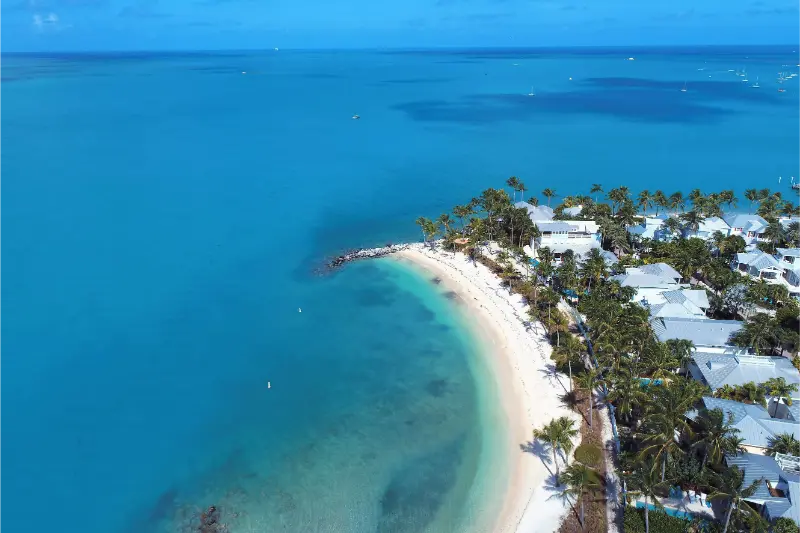
A Florida Keys vacation is often sold through snorkeling trips, fishing charters and boats heading toward coral reefs. Those activities can be wonderful for the right traveler, but they are not the only way to experience the islands. People who do not swim, dislike boat motion, travel with small children or have limited mobility can still find history, tropical gardens, architecture, roadside views, wildlife learning and memorable meals across the island chain.
This seven-day journey travels from Key Largo through Islamorada and Marathon to the Lower Keys and Key West. It assumes a car for the first part, then favors walking or local transportation where practical in Key West. It does not invent an accessible beach at every island or promise that water will always be calm. The Keys are a narrow, weather-exposed destination with expensive lodging and limited road alternatives, so planning carefully makes a considerable difference.
Choose your route before choosing hotels
Flying into Miami or Fort Lauderdale and driving south is common, but you should account for airport formalities, rental car collection and traffic before setting a goal for the first evening. The Overseas Highway offers memorable views, but driving through the Keys can take considerably longer during holiday weekends, incidents or periods of road work. An itinerary that assumes a fast, uninterrupted drive between every island is likely to become frustrating.
Split the week between a base in the Upper or Middle Keys and several nights in Key West, instead of changing rooms on every island. Islamorada or Marathon can work well for the middle portion. Choose a property with parking, restaurants nearby and a water view you can actually enjoy from land. Not every hotel has a conventional sandy beach: seawalls, docks and marina edges are common. Confirm the exact shoreline before reserving.
If you would rather not drive in Key West, arrange accommodation that allows walking or straightforward local rides to the sights you care about. Cars can be more of a burden there than in quieter island communities. Make sure you understand parking charges and whether the hotel offers help with luggage and accessible entry.
Day one: Key Largo as a gentle starting point
After reaching Key Largo, keep the afternoon light. Take a short drive through the island, locate a comfortable waterfront dining spot and enjoy the change in scenery. The island’s mangrove shorelines and channels are not quite the same as the broad Atlantic beaches many visitors imagine. A view across the water, fishing boats and changing sky colors can be rewarding even when you never leave dry land.
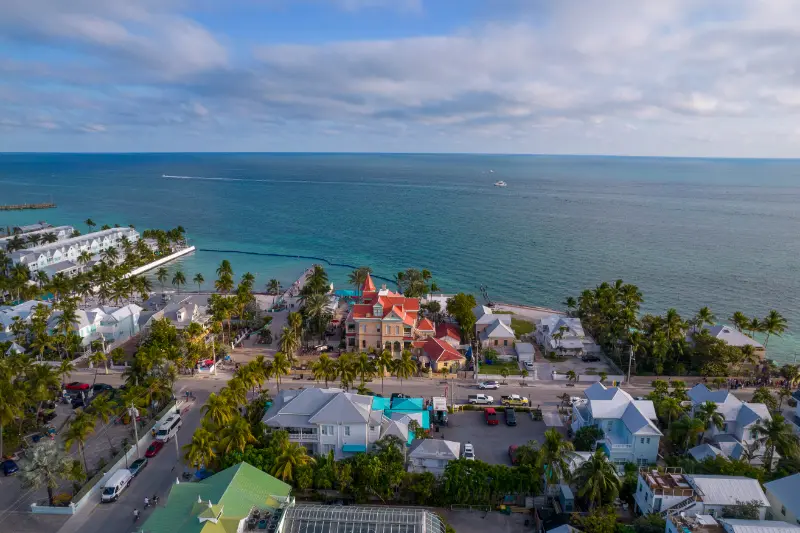
If you arrive early enough, look for a visitor center or interpretive exhibit that explains the marine environment. John Pennekamp Coral Reef State Park is famous for water-based activities, but those should not be treated as essential to this itinerary. A traveler who does not want to take a boat can still learn about the reef environment from shore-based information where current facilities permit. Verify operating status and whether particular viewing areas are open.
Choose a casual dinner and prepare for tomorrow, rather than attempting an evening drive deeper into the island chain. Keys sunsets are a pleasure, but stopping on the shoulder of the Overseas Highway is unsafe and often illegal. Use designated parking and official viewpoints.
Day two: Islamorada, art and a relaxed island day
Travel to Islamorada for a day centered on local culture and coastal views. The area’s galleries, small shops and fishing heritage give non-boaters a good reason to visit. Look for an open cultural exhibit or history-focused stop, then enjoy lunch without rushing. Some waterfront properties have privately controlled access; a photograph showing a dock does not mean the public may walk onto it. Use businesses and public areas where visitors are welcome.
Visitors traveling with children may find that a low-key art stop, a snack and an afternoon pool break are more enjoyable than a paid marine excursion. Adults can explore local food and craft shops. If you want a nature experience, ask whether an interpretive center or short trail is suitable for the group’s mobility level. Avoid unmarked shoreline access, which may cross sensitive mangrove habitat or private property.
For an evening view, plan dinner before sunset and use a legal parking spot. Keys traffic slows around busy restaurants, so don’t assume you can reach several sunset locations in ten minutes. One satisfying place with comfortable seating is better than a frantic drive to capture a particular photograph.
Day three: Marathon, bridges and an island history lesson
Marathon makes a useful base for understanding the geography of the Middle Keys. The historic story of the Overseas Railroad, bridges and the development of island travel can be explored through local museums and interpretive displays. The Old Seven Mile Bridge is a striking reminder of how much engineering has shaped these islands. Check current pedestrian access, distance and weather before planning to walk a section: it is exposed, and a seemingly easy stroll becomes demanding in strong sun and wind.
A history museum or aquarium-style learning attraction can be an indoor alternative, but not every facility offers the same access for strollers or wheelchairs. Contact the operator when an accessible route, quiet environment or seating is important. Families can make the day a simple geography lesson by following the sequence of islands and bridges on a map, noticing where the ocean lies on one side and the bay on the other.
Leave time for lunch and a quiet afternoon. Boat traffic and water views are interesting from established public areas, and there is no need to book a cruise simply because other visitors do. People prone to motion sickness often enjoy the Keys more when the schedule respects that preference.
Day four: Bahia Honda and the Lower Keys, when conditions allow
Bahia Honda State Park is one of the area’s best-known places for coastal scenery and historic bridge views. It can be worthwhile for people who do not swim because the surroundings are beautiful in their own right. However, beach access involves sand and exposure, and the park can temporarily stop admitting visitors when capacity is reached. Read the official Bahia Honda visitor guidance and bring shade and drinking water.
Take the day at the pace of the least mobile traveler. A person using a cane may prefer a viewpoint near parking over a long beach walk. Families should check currents and beach flags before allowing children into any water, and remember that no beach experience is lost merely because everyone remains on land. If the park is full or the weather poor, choose a safe public viewpoint elsewhere and continue the drive.
Farther west, the Lower Keys offer open skies and a more spacious feeling than busy commercial areas. Wildlife refuges protect sensitive habitats, and visitors should stay on designated routes. The presence of endangered wildlife is not an invitation to approach, feed or search for animals in roadside vegetation.
Day five: arrive in Key West and leave the car behind
Key West has an atmosphere distinct from the Upper Keys: historic houses, compact streets, museums and a lively harbor. After checking in, park and explore one walkable district rather than driving from attraction to attraction. The streets can be crowded, and pedestrian surfaces vary; visitors with wheelchairs or strollers should check curb ramps and routes rather than assuming the entire historic center is uniformly accessible.
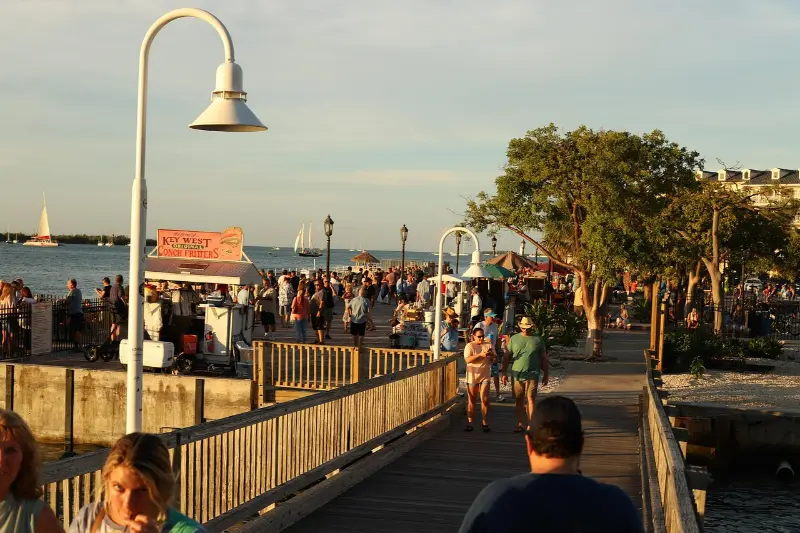
Choose a museum or historic house that matches your interests. Some preserved buildings have stairs that cannot be eliminated without damaging their historic character, so accessible alternatives may be necessary. For a family, one memorable house or exhibit is enough before a casual lunch. Adults may prefer to linger over architecture or harbor views.
The sunset scene can be festive and crowded. Anyone sensitive to noise may prefer a quieter waterfront restaurant or a different evening viewpoint. Keep the return journey well lit and choose transportation that fits the group’s walking ability. You don’t need to join the busiest gathering to appreciate the last light over the water.
Day six: Key West’s culture without a marine excursion
Spend this day exploring history and culture. Key West’s literary heritage, architecture and museums offer considerable interest to travelers who never step onto a boat. Choose two major stops, with a meal and shaded breaks between them. If you enjoy art, look for an open gallery; if you prefer history, use an interpretive museum to understand how trade, migration and maritime work shaped the island.
For children, a single interactive or visually engaging exhibit may be more useful than a series of adult-oriented houses. Teenagers may enjoy photographing street details and comparing architectural styles. Grandparents may prefer a tour that allows seating and a manageable walking distance. If your group has different interests, split for part of the afternoon and meet somewhere easy to find.
Don’t assume you can always escape heat by walking to the coast: much of Key West is exposed, and its streets can feel hot. Carry water and take indoor breaks. When rain is forecast, visit museums during the wettest part of the day rather than attempting an open-air excursion between thunderstorms.
Day seven: a calm final morning and departure
Use the last day for an easy breakfast and a favorite short stop. If your departure is from Key West airport, allow time for local travel and security; if you are driving north to Miami or Fort Lauderdale, treat it as a substantial travel day with traffic uncertainty. Avoid promising a full day of sightseeing before a long drive up the Overseas Highway. A single vehicle incident can affect travel across large stretches of the route.
If you have additional days, it may be better to add them to your existing lodging bases than to squeeze more islands into the week. A repeated café, gallery or view can be more relaxing than another hotel transfer. Save room in the schedule for doing very little beside the water.
What non-swimmers can enjoy—and what to skip
There is no need to apologize for not snorkeling, fishing or boating. The Keys offer roads with scenic views, museums, local culture, casual dining, protected lands and distinctive island neighborhoods. Even people who love the sea sometimes prefer to see it from a shaded terrace. Choose a waterfront location where access is legitimate and surfaces are suitable, and avoid stepping onto slippery seawalls or docks simply for a better photograph.
Boat excursions are only an optional supplement. If somebody in the group wants to go, the others can plan a museum morning or café visit instead. Do not book a nonrefundable excursion for everyone because the operator advertises it as a “must-do.” For travelers with balance difficulties, motion sensitivity or small children, careful questions about vessel access and weather policy matter more than colorful promotional pictures.
Responsible travel in a fragile island chain
The Florida Keys depend on healthy mangroves, seagrass, reefs and wildlife habitat. Don’t touch or remove marine life, collect living shells or damage vegetation. Visitors who do snorkel should follow the Florida Keys National Marine Sanctuary’s responsible recreation guidance. Non-boaters also play a part by using designated paths, keeping litter out of the water and avoiding activities that disturb birds or nesting turtles.
Hurricane season requires care with booking terms and weather monitoring. Always follow evacuation instructions and official road updates. The single highway route through much of the island chain means storm planning is particularly important. During peak holidays, reserve lodging and key activities early but try to keep cancellations flexible when possible.
Budget, timing and the right pace
The Keys are often relatively expensive, especially for accommodation. For current island travel information and special conditions, consult the Florida Keys official visitor website as well as individual park notices. Price the complete route, including rental car, fuel, parking, meals, taxes and any admission fees. A room with a water view may be worth more to a non-boating traveler than a hotel advertising watersports that they will never use. A convenient location in Key West may also reduce the need for driving and paid parking.
Winter brings many visitors and can offer comfortable walking weather; summer is hotter and stormier. Avoid making beach swimming the standard by which the entire trip is judged. The strongest memories may be a bridge seen at the right time of day, a conversation about island history, an evening meal or the calm of a mangrove shoreline. None requires entering the water.
Frequently asked questions
Can you enjoy the Florida Keys if you never enter the water?
Absolutely. The Overseas Highway, historic Key West streets, art stops, state park scenery and sunset viewpoints offer a full itinerary on land. Avoid booking boat-based excursions simply because they appear on every tour list; choose the activities that match your interests and comfort.
How many hotel bases are practical for seven days?
Two or three bases can work: an Upper Keys stay, a stop near Marathon and several nights in Key West. However, one or two moves may be easier with young children or travelers using mobility equipment. Consider the time of year and the cost of one-way rentals before booking.
What should non-swimmers know about boat trips?
Passengers are not necessarily required to swim, but operators have different rules and boats may involve steps, motion and exposure to sun or rain. Ask about boarding, life jackets, seasickness and cancellation terms. A land-based day is a perfectly good alternative.