
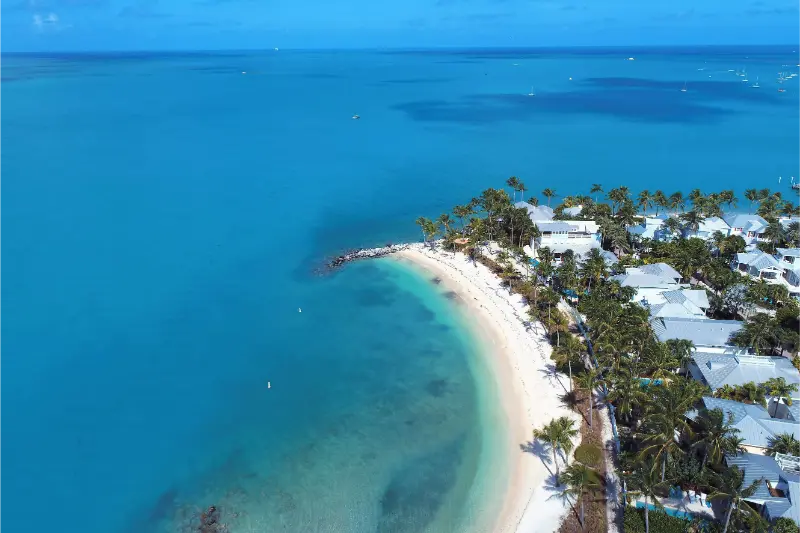
| Day | Main plan |
|---|---|
| Day 1 | A compact introduction to Old Town |
| Day 2 | Key West history beyond the postcard |
| Day 3 | Fort Zachary Taylor and a real beach afternoon |
| Day 4 | Big Pine Key and the National Key Deer Refuge |
| Day 5 | Bahia Honda and the bridges of the Keys |
| Day 6 | Dry Tortugas—or a slower alternative in Key West |
| Day 7 | Sunset, food and time to revisit a favorite corner |
Key West attracts visitors for its colorful streets, historic homes and sunsets, but a full week in the Lower Keys should not be seven days of the same busy downtown blocks. Big Pine Key, Bahia Honda and the islands along the Overseas Highway have a quieter character, with wildlife, coastal landscapes and a different sense of space. This itinerary spends several days in Key West and makes room for nature farther north without promising that every famous excursion will be available. It works for couples, families with older children, independent travelers and multigenerational groups if activities are chosen carefully. Travelers who do not snorkel or stay out late will still find plenty to enjoy.
One base in Key West—or split the week?
Staying in Old Town makes it easier to walk to many historic sites, restaurants and evening attractions, but some streets are noisy and parking can be expensive or scarce. New Town has larger properties and may work for travelers who value parking or a pool, though getting to Old Town requires a realistic transport plan. Big Pine Key or other Lower Keys lodging offers a calmer environment for nature-focused travelers, but restaurants and services may be farther apart. A split between Key West and a quieter island can make sense with seven nights, yet it adds a checkout and new check-in. A family with a toddler may prefer one base and fewer transfers. Read the precise accommodation description: waterfront here does not guarantee a swimmable beach, and a ‘short drive’ to downtown can feel inconvenient if you must find parking twice each day. Prioritize quiet sleep, shade, room access and genuine beach or pool facilities.

Day 1: A compact introduction to Old Town
Spend the first day walking a modest loop around central Key West rather than trying to cover the entire island. Explore the historic architecture, choose a café for lunch and take a short look at Duval Street without assuming you have to participate in its nightlife. The island’s older houses, narrow streets and garden walls tell a story that is easy to overlook while racing between souvenir shops. Travelers with children can choose a shorter loop and spend the afternoon swimming at their hotel if facilities allow. Older visitors may enjoy a guided walking or vehicle-based tour, provided boarding and rest stops suit them. Look up public parking rules if arriving by car; there is little benefit in moving the vehicle for every stop. Leave the popular sunset spectacle for a later day when you are not tired from travel. Evening dining can be pleasant just away from the busiest blocks, depending on your preferences.
Day 2: Key West history beyond the postcard
Choose one or two historic sites, perhaps the Ernest Hemingway Home and Museum, the Harry S. Truman Little White House or a maritime history stop, according to your interests. Museums differ in stair access, guided-tour requirements and how long an engaged visitor wants to stay. Do not attempt every museum in one day. Pair the morning with a shady meal, then browse the quieter lanes of Old Town to notice how the architecture responds to heat and island living. Families can involve children by looking for details in buildings and gardens rather than insisting on lengthy explanations at every stop. Travelers who use a wheelchair should check accessibility at individual historic properties; preservation constraints may limit some rooms. If the weather turns stormy, favor indoor attractions only when safe to travel. This day makes Key West more meaningful than a series of photographs: its history includes shipping, migration, military activity, writers and the changing relationship with the sea.
Day 3: Fort Zachary Taylor and a real beach afternoon
Fort Zachary Taylor Historic State Park combines coastal scenery and a historic fort, giving visitors a chance to balance outdoor time with a cultural stop. Check current park admission, parking, swimming warnings and any access advisories before traveling. The beach surface can be rocky or uneven in places, so water shoes may be useful, and it is not a manufactured calm-water resort lagoon. Parents should monitor children in changing conditions and plan shade carefully. Those who do not swim can appreciate the shore and tour the fort if routes and access suit their abilities. Have a picnic where permitted or arrange an easy lunch nearby. Try not to fill the evening with another major attraction; saltwater, sun and walking can be tiring. This is one of the days where people can follow different interests without splitting the party geographically. A traveler who loves military history may spend longer at the fort while companions relax under shade.
Day 4: Big Pine Key and the National Key Deer Refuge
Drive northeast toward Big Pine Key for a glimpse of the Lower Keys away from Old Town. The National Key Deer Refuge protects habitat for the endangered Key deer, and road awareness is essential: reduce speed, respect signs and never feed or approach wildlife. Animals are not guaranteed to appear, so do not turn the trip into a search that encourages unsafe stopping. Choose an appropriate public nature stop or visitor information point according to current refuge guidance. The landscape of pinelands, wetlands and mangroves gives a different perspective on the islands. If traveling with small children, keep the outing to a short nature-based visit and lunch; biting insects and heat can make long walks unsuitable. Seniors and travelers with limited stamina can enjoy selected scenic stops without attempting rough trails. Pack water and snacks because services are more spread out than in Key West. Return with plenty of daylight to avoid unnecessary wildlife risks on the road.
Day 5: Bahia Honda and the bridges of the Keys
Bahia Honda State Park is one of the most appealing places to appreciate the Lower Keys’ coastal setting. Its different beach areas face different waters, and shade is limited in exposed areas. Official state park information notes that capacity limits can lead to temporary entry closures, especially during busy periods; arrive early and have a backup plan. The historic railroad bridge view provides a powerful reminder of the Overseas Railway, but do not climb closed sections or cross barriers. Beach conditions vary with winds and seasons, so the best activity may be a coastal walk and picnic rather than swimming. The park lists some accessible facilities and a shared beach wheelchair, although availability should be confirmed rather than promised. For families, bring sun shelters and suitable footwear; for non-swimmers, views and birdwatching make the day worthwhile. Leave the afternoon open for a stop on the way back or an unhurried dinner closer to your accommodation.
Day 6: Dry Tortugas—or a slower alternative in Key West
Dry Tortugas National Park is an extraordinary but demanding optional day. It lies far west of Key West and is reached by ferry or seaplane rather than road. Transportation needs advance booking, departures are weather-dependent and the excursion can be expensive. Fort Jefferson and the surrounding water are memorable, but visitors should consider travel time, motion sensitivity, limited services, sun exposure and any mobility restrictions before purchasing. A day visitor cannot count on exploring every island in the park; transportation generally brings travelers to Garden Key. For groups with young children or those who would rather stay close, substitute an easy Key West day: a history museum, a shaded garden, a waterfront meal and time to swim at the hotel. This alternate plan is not second-best; it may suit the group’s needs far better. Keep this as a weather-flexible choice rather than the defining requirement of the whole week.
Day 7: Sunset, food and time to revisit a favorite corner
Use the last day to enjoy the place at the speed you wish the first day had allowed. Browse a quiet street, eat a favorite local dish or return to a gallery you passed too quickly. If you want a famous sunset gathering at Mallory Square, choose an evening with enough time to find a comfortable spot without fighting crowds. Families with small children may prefer sunset from another permitted waterfront point and an earlier dinner. Ask the hotel about luggage storage if checking out before a later flight, but do not leave valuables in an unsecured vehicle. Confirm airport or mainland transfer times and the location of any rental-car return. Visitors departing by road should remember that the Overseas Highway is the main corridor for a long distance. If your departure is early, move sunset plans to another evening and keep the final day light. Ending with breathing room is particularly important after a week with optional boat trips and national-park outings.
Transportation: walking, bicycles, shuttles and a car
Within central Key West, walking can work very well for many attractions, though summer heat and uneven sidewalks matter. Bicycle rentals are common, but only suitable for riders who can manage busy junctions and shared space safely. A car is more useful for exploring Big Pine and Bahia Honda than for moving among Old Town sites. Consider renting only for the days that genuinely require it, but compare the availability and total fees before choosing this approach. Hotel shuttles, local buses and rideshares may simplify some journeys, but check present routes and hours. Parking in Key West can be limited, and a property that includes parking can represent real value. Travelers with reduced mobility should verify accessible vehicle availability early, especially for guided tours or boat transfers. Dry Tortugas transportation is an entirely separate booking, not part of a regular island bus network.
Budget and reservations that matter
The largest potential costs are lodging in a popular location, paid historic attractions, boat trips and the optional Dry Tortugas day. Build the budget around your group’s actual interests. If no one wants to snorkel or spend hours on a ferry, allocate that money to a comfortable room, guided history tour or memorable meals instead. Book Dry Tortugas transport far in advance when it is central to your trip and understand cancellation and weather policies. Check state park admission, hotel taxes, resort fees and parking before you finalize costs. Restaurants vary from casual counters to high-end dining, so a full week can include both. A rental with a small kitchen may help with breakfasts but do not overlook cleaning or parking fees. Setting aside a reserve for weather-related schedule changes is prudent in the Keys. Avoid quoting fixed seasonal prices without checking the exact dates.
Families, seniors and non-swimmers
A Key West week can work for all ages when not every day assumes long walks, open-water adventures or late evenings. Families with babies benefit from a central base, shaded breaks and an early dinner rhythm. Teenagers may enjoy maritime history, boats or photography, while grandparents might prefer guided historic stops and a comfortable waterfront lunch. Ask about stairs in older museums and the precise boarding arrangement for ferries, seaplanes or excursions. Natural beaches may lack smooth access all the way to the water. Swimming skill, not enthusiasm, should determine which marine activities make sense. Wildlife rules matter especially on Big Pine: never approach, touch or feed deer. If a group divides for the Dry Tortugas outing, agree on meeting plans and communication before travelers depart. People who stay ashore have an excellent itinerary of their own.
Weather, wildlife and practical cautions
Lower Keys weather is changeable. Hot, humid periods call for early starts and rest in the afternoon; winter winds can affect marine tours and make swimming uncomfortable. The June–November hurricane season requires awareness of evacuation guidance and flexible accommodation arrangements. Check Florida State Parks, the National Park Service and local Keys sources shortly before visiting for current access, marine conditions and transport schedules. Protect yourself from sun exposure even on cloudy days and bring insect repellent for natural areas where appropriate. Do not approach crocodiles, marine wildlife or deer for a photo. A strong coastal breeze is not a substitute for checking boat safety conditions. The most rewarding Lower Keys vacation has a mix of history, water and quiet islands, with enough freedom to postpone an excursion when the sea or the group says no.
Frequently asked questions
Is a car necessary for Key West?
Not always for central Key West, where many places are walkable. A car becomes more useful for Big Pine and Bahia Honda.
Can I visit Dry Tortugas without booking in advance?
Do not rely on walk-up transport. Ferry and seaplane capacity is limited and weather can alter service, so review National Park Service guidance before booking.
Is Bahia Honda a beach suited to non-swimmers?
Yes for scenery and birdwatching, but access, shade and surface conditions vary. Check park rules and facilities for your own needs.