

Key West makes a compelling destination in its own right, even if you have already driven the Overseas Highway. Its compact Old Town, colorful houses, maritime stories and sunset rituals suit a three-day break far better than a hurried afternoon before returning north. Going without a car is often an advantage here: downtown parking can be expensive, many central streets are enjoyable on foot, and driving between places a few blocks apart usually adds friction instead of freedom. A thoughtfully chosen hotel base matters more than the keys to a rental car.
This route is suitable for couples, solo travelers and families who can manage short urban walks, with alternatives for visitors who need seated transport or more frequent breaks. It does not promise that all of Key West is wheelchair-friendly; historic homes, uneven sidewalks and boat excursions require checking one by one. Plan one major experience each day, avoid buying several sunset cruises for the same evening, and remember that a car-free stay still needs an arrival transfer from the airport or ferry terminal.
Three days and two or three nights at a glance
| Day | Area | Main focus | Alternative |
|---|---|---|---|
| 1 | Old Town and harbor | Architecture, maritime history, sunset | Short waterfront walk and dinner |
| 2 | Fort Zachary Taylor | Historic fort and shoreline | Fort museum spaces and picnic |
| 3 | Truman neighborhood and cultural sites | Museums, galleries, flexible departure | One museum and an easy lunch |
A Dry Tortugas excursion is a separate full-day commitment, not a small add-on to this three-day city route. If you book it, replace a complete day and accept the possibility of cancellation or weather disruption.
Day 1: Discover Old Town on foot
Start with an unhurried walk along part of Duval Street, then turn into nearby residential lanes where porches, wooden houses and gardens convey a quieter Key West. Walk only as far as the party comfortably can; the town’s character comes from observing its streets, not completing a rigid route. Keep to public sidewalks and respect homes that are not open to visitors. Choose a specific historic or cultural attraction for the morning, such as a maritime-focused museum or a tour that matches your interest in the island’s trading, salvaging and literary history.
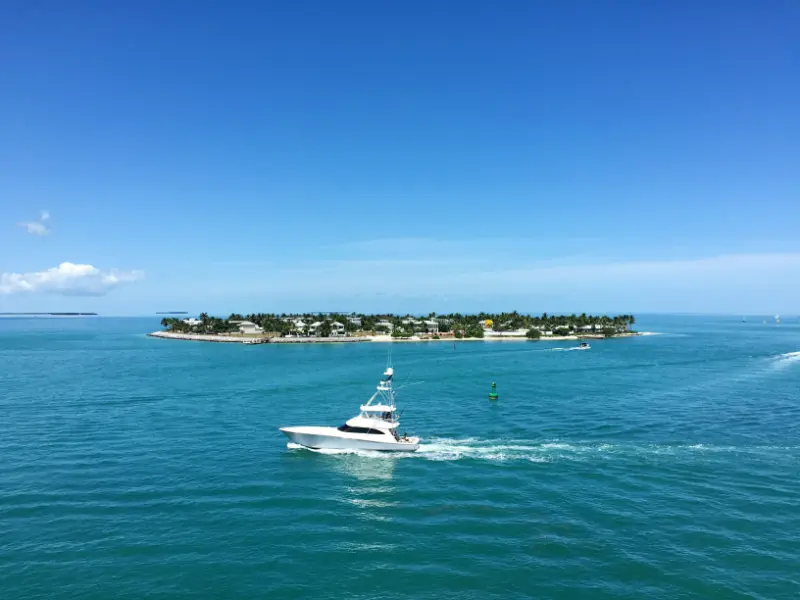
For lunch, avoid waiting until everyone is hungry and overheated. A café or shaded courtyard is part of the sightseeing rhythm. In the afternoon, the harborfront offers views of boats and a different understanding of how the island connects to the sea. Some waterfront businesses are commercial and do not provide unrestricted public access; follow signs and respect working docks. If traveling with children, short observation stops can be more engaging than another museum ticket. Teenagers may enjoy photographing details around the harbor or comparing architecture across Old Town streets.
In the evening, many visitors head toward Mallory Square for sunset entertainment. Arrive with realistic expectations: it can be lively, noisy and crowded, and the exact quality of the sunset depends on clouds. A traveler who dislikes crowds can choose a different legal waterfront viewpoint or an early dinner. There is no requirement to attend a particular square to say you experienced Key West. Arrange the way back to your lodging before dark if walking or mobility is a concern.
Day 2: Fort Zachary Taylor and the southern shoreline
Fort Zachary Taylor Historic State Park combines a Civil War-era coastal fort with a popular beach, giving Key West one of its most useful history-and-nature pairings. Florida State Parks publishes entrance fees, operating hours and available amenities; check the current park information before departure. The fort can be explored with interpretive panels or tours where offered, but historic surfaces and steps may limit access to certain areas. Choose the appropriate level of visit rather than assuming a full fort circuit is possible for every member of the party.
The shoreline is also worth time, especially for visitors who want to see the meeting of coastal waters without joining a boat tour. Swimming and snorkeling depend on sea conditions, and rocks or coral fragments can make water shoes helpful. Do not stand on living coral or disturb marine wildlife. Check current conditions and never enter the water simply because the beach is famous. With younger children, a picnic in the shade and a short supervised shore visit may be the right way to experience the park.
Because you have no car, investigate a suitable taxi, bicycle option if comfortable and lawful, or the island’s available local transport. Do not assume every free trolley-style service always operates the same route; confirm current service with the City of Key West. A person using a mobility device should ask the park and transport provider about accessible pickup, ground surfaces and restroom locations. Returning to Old Town for a relaxed dinner is preferable to scheduling another attraction across the island.
Day 3: A cultural morning and time for the little things
Make the final day about one place rather than several hurried checkouts. The Harry S. Truman Little White House, Ernest Hemingway Home and Museum or a smaller local history venue can be rewarding depending on personal interest, but they have different access arrangements and tour rules. Check whether the specific building’s historic interior is appropriate for someone who cannot use stairs. A traveler who loves literature might give a whole morning to Hemingway; someone fascinated by politics may choose Truman-related exhibits. Either choice makes more sense than scanning both in a rushed hour.
Leave the remainder of the day free for an independent gallery, café or return to a favorite stretch of waterfront. If you are catching a ferry or flight, retrieve luggage early and confirm the terminal location; the ferry terminal and Key West International Airport are not interchangeable. Tropical rain may appear suddenly, so a compact umbrella and an indoor backup are useful. The leisurely final morning should feel like part of your vacation, not an anxious extension of checkout time.
If you have a fourth day, think about whether you want a full-day organized water excursion, more island relaxation or a longer cultural visit. Do not attempt to combine Dry Tortugas with major afternoon attractions: travel there occupies a substantial part of the day, and its remote conditions require separate planning.
Dry Tortugas: a wonderful trip, but not a casual extra
Dry Tortugas National Park lies west of Key West and is reached by boat or seaplane, not by road. The National Park Service stresses the need to prepare for a remote destination with very limited services. A ferry day requires an early departure, weather tolerance and enough time for the return journey. Book only through a legitimate authorized provider, review cancellation rules and understand the physical demands of boarding and walking at Fort Jefferson. Do not assume all levels of the fort are wheelchair accessible; NPS states that upper tiers are not.
Families with infants, travelers prone to seasickness or anyone needing frequent medical or restroom access should assess whether the trip suits them. Some visitors will enjoy it immensely; others will have a better holiday with an extra Key West day. If the excursion is essential, build a fourth day into the trip so that a weather cancellation does not eliminate everything else you wanted to see. An island itinerary should make expectations clear before expensive tickets are purchased.

Where to stay for a genuinely car-free visit
Old Town is generally the best base when you want restaurants, museums and the harbor on foot. Properties close to Duval Street can be noisy at night, while quieter blocks may require slightly longer walks. Compare the actual route to your intended attractions and check whether the room faces a busy bar or residential courtyard. A lower-priced property far from Old Town may require enough paid transport to erase the savings. If you are traveling with children, prioritize cooling, laundry and a suitable room arrangement over nightlife proximity.
A historic guesthouse can be atmospheric, but verify elevators, stairs and bathroom access before booking. Not every charming porch house is suitable for a wheelchair user or someone who cannot climb. Some resorts charge additional fees for parking even if you will not use it; check your final invoice terms. For older visitors, an accommodation with a comfortable shaded sitting area and a short walk to dinner can improve every day of the trip.
Arrival options and local transport without renting a car
Key West International Airport works for those arriving by air, while the ferry from mainland Southwest Florida can be attractive for particular itineraries. There are also intercity buses and organized transfers along the Keys, with travel times and schedules varying by provider. Check your actual arrival point before reserving a transfer. If coming from Miami by road transport, the Overseas Highway journey is scenic but subject to traffic, weather and bridge incidents; schedule a substantial buffer rather than treating it as a short city transfer.
For getting around Old Town, walking is practical for many people, but heat and uneven sidewalks matter. Bicycles and e-bikes may be available, yet traffic, right-of-way rules and parking regulations require attention. Do not rent a bicycle for a visitor who is uncomfortable balancing in crowded streets. Taxis or accessible vans can be worth arranging for selected journeys. Check any current city transit options directly, because route names and schedules can change. The best car-free plan is a small daily area plus occasional planned transfers.
Budget and avoiding tourist traps
Key West lodging can be expensive in popular seasons, so compare a two-night and three-night stay before deciding on multiple tours. Most travelers will get more value from a well-located room and one meaningful attraction each day than from daily boat excursions and taxis. Budget separately for lodging, paid museum entries, food, local transportation and any optional water trip. Restaurants in prime harbor and Duval locations may price convenience into the bill; a short walk to a quieter block can be a worthwhile trade.
If traveling as a family, save on impulse snacks by planning lunch and water breaks. A hotel with breakfast can simplify mornings, but compare the full rate before calling it free. Do not pay for a tour solely because a street promoter says a discount expires immediately. Use official operator information, read cancellation terms and consider whether the experience suits everyone in the group. For budget visitors, the island’s architecture and public waterfront viewing are important parts of the trip that do not require constant ticket purchases.
Safety, accessible choices and family-friendly pacing
Key West is small but has intense sun, hot pavement and limited shade on some streets. Babies and toddlers should have short outdoor periods, suitable sun protection and a reliable indoor rest option. School-age children can enjoy fort history, boat spotting and short museum sessions; teenagers may be more interested in photography and maritime stories. Seniors can plan seated interpretation, taxi connections and relaxed meals rather than a long Duval Street walk. Do not assume everybody wants a sunset crowd or a challenging snorkeling tour.
Accessible travel here requires specific venue checks. Ask historic houses about which rooms are on the ground floor, and ask transport providers about wheelchair capacity before the travel day. At Fort Zachary Taylor, identify suitable routes and restrooms rather than assuming sand and historic fort surfaces are straightforward. Visitors who struggle with sensory overload can use quieter mornings or skip the busiest harbor gathering. The itinerary succeeds when each person has a comfortable way to participate.
Best time to visit and flexibility in storms
Winter and early spring can be pleasant for strolling, though accommodation prices and crowds may be high. Summer brings heat, humidity and afternoon storms, with tropical weather risk during hurricane season. Any water trip may be altered by wind and sea state even when it is sunny on the island. Follow National Weather Service warnings, park updates and the boat operator’s actual departure notices. Never assume a forecast for Miami describes water conditions near Key West or Dry Tortugas.
If rain disrupts the park day, shift a museum visit earlier and preserve Fort Zachary Taylor for better conditions. If a ferry or flight is delayed, a comfortable Old Town base makes the extra time easier to manage. Leave room for unplanned discoveries: a courtyard, a small gallery or an evening breeze may become more memorable than squeezing in a third paid attraction.
Frequently asked questions
Is a car necessary in Key West?
No, particularly if you stay within comfortable walking distance of Old Town’s attractions. Plan transfers for the airport, ferry terminal and more distant park visits.
Can we visit Dry Tortugas on a three-day trip?
Yes only if you replace an entire day with the excursion and prepare for weather and a remote island. A fourth day gives much more flexibility.
Is Key West suitable for children?
Yes if you emphasize forts, short museum visits, wildlife and comfortable beach time. Not all nightlife areas or long water excursions suit young children.
Are historic homes fully wheelchair accessible?
Do not assume they are. Check each operator’s current access details, since stair-only rooms and historic thresholds may limit the tour.
What if we do not want to swim or snorkel?
Key West still offers architecture, history, art, gardens, waterfront views and excellent opportunities to explore at a gentle pace. Water activities are optional.