
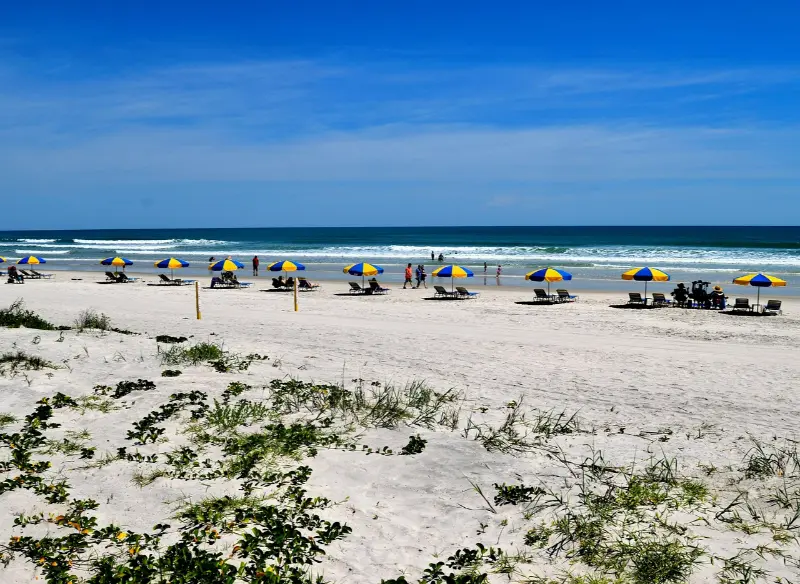
Daytona Beach attracts visitors with its famous sand and racing history, yet the communities just to the south offer a different coastal vacation. Port Orange has gardens, restaurants and access to quieter green spaces; Ponce Inlet concentrates maritime history around a landmark lighthouse; and the Spruce Creek area reveals the wetlands and waterways that sit behind the Atlantic shore. Together they make an appealing four-day break for families, couples or older visitors who prefer a few substantial stops to a crowded attraction schedule.
The route is compact on a map but not fully walkable. There are different park entrances, busy roads and coastal bridges, so a car is useful. You do not need to climb a lighthouse or paddle a creek to appreciate the area: museum rooms, historic grounds, carefully selected viewpoints and an easy lunch can create a satisfying day. At the same time, it is important to distinguish what is genuinely accessible from what merely looks short or flat in a photograph.
Trip at a glance
| Suggested length | Four days |
|---|---|
| Main highlight | Ponce de Leon Inlet Lighthouse |
| Optional physical challenge | 203 lighthouse steps |
| Transport | A car is recommended |
A coast, an inlet and a creek are three different experiences
Ponce Inlet sits near the southern end of the barrier-island coastline below Daytona Beach. Its identity is tied to the inlet, navigation, fishing and the lighthouse. Port Orange lies primarily on the mainland side, with commercial areas and neighborhoods as well as parks and local points of interest. Spruce Creek connects this broader landscape to tidal waterways, habitat and aviation-related communities. Think of the four days as a small regional sampler rather than a single beach holiday.
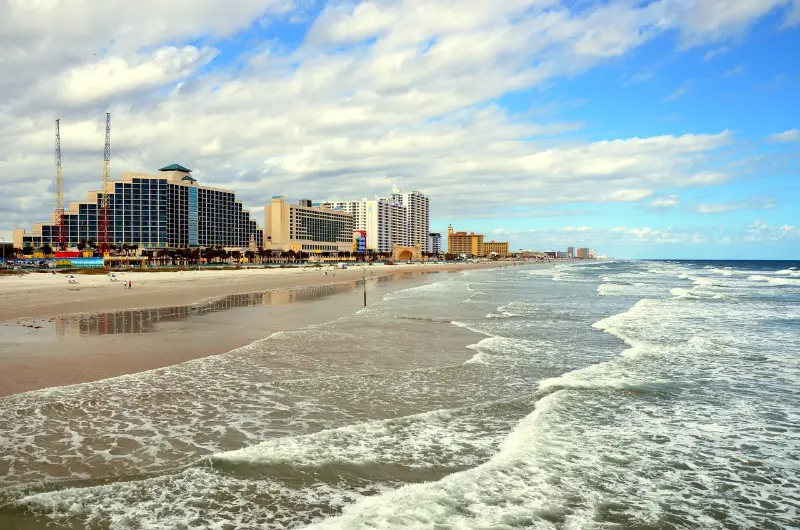
The differences shape what you should pack. At the lighthouse, comfortable closed shoes matter if you are climbing stairs. In a garden, sun protection and mosquito repellent may be useful. In a preserve, water, a trail map and footwear suitable for damp or uneven ground matter more than a beach towel. Do not assume you can add a spontaneous swim at every shoreline stop; waterways near an inlet can have currents, boat traffic and restricted access.
Where to stay to keep drives short
A Port Orange base can work well for visitors focused on the mainland and the southern part of the Daytona area. Daytona Beach Shores or another coastal lodging location may be better if waking near the Atlantic matters most. Staying in Ponce Inlet can feel quieter but the accommodation inventory and dining choices may differ from those in larger neighboring communities. Compare each property’s precise address with your intended morning stops before booking.
If you are traveling with a young child, check whether the accommodation has laundry, refrigerator space and easy parking. For older companions, ask about elevator reliability, distances from the room to the parking lot and whether the bathroom has grab bars if needed. Some beach properties advertise ocean views but have long corridors or steps to beach access. A convenient room with a simple route to breakfast can improve a short trip more than an expensive view that no one has time to enjoy.
Day 1: the gardens and local pace of Port Orange
Start with a low-pressure Port Orange day. Sugar Mill Gardens is associated with the site’s earlier sugar-mill history and landscaped grounds; its value lies in the combination of botanical interest and a glimpse of the past. Check its official or managing organization’s current opening information before setting out. Gardens are living places, not fixed exhibits. A particular flower display may be seasonal, paths can be wet after rain and shade varies with the route.
Children can enjoy looking for different leaf shapes, flowers and insects without picking plants or touching fragile displays. Explain that ruins or historic features are not climbing equipment. For adults, give yourself time to read interpretation rather than treating the gardens as a quick photography stop. If a mobility aid is involved, request specific path-surface information before arrival; an outdoor attraction can combine improved walkways with sections that remain uneven or difficult after rainfall.
Make the first afternoon deliberately light
After the gardens, take lunch in Port Orange and use the afternoon for a local public park or a hotel rest. Do not add a distant museum merely because it seems close in road mileage; beach-area traffic and bridges can stretch a short drive. Families with preschoolers may want a reliable nap break. Couples may prefer a quiet waterfront meal. Teens might enjoy making a few photographs or choosing the next day’s snack stop.
This simple day also gives you a weather buffer. If thunderstorms prevent the planned garden walk, move the outdoor visit to another morning and use the arrival period to settle in. Flexibility is easy here because you are staying in one base. It is harder if a trip depends on consecutive prepaid activities across several towns. Avoid building a ‘perfect’ itinerary that falls apart because one site closes early.
Day 2: the lighthouse as a maritime museum, not just a staircase
Ponce de Leon Inlet Lighthouse is the anchor for a historical day. The lighthouse is a navigation landmark with museum structures and exhibits explaining maritime life, preservation and coastal history. The tower’s 203 steps attract energetic visitors, but climbing should be considered optional. Not everyone can or wants to manage the climb, especially in heat or after a tiring travel day. The museum experience can still be meaningful for someone who remains at ground level.
The lighthouse organization publishes its opening hours, current admission rates and notices about temporary tower or deck closures. It has also warned visitors of partial gallery deck work in 2026. Consult the current notice shortly before visiting rather than assuming a ticket guarantees unrestricted access to every surface. Tower access can be interrupted by lightning or operational reasons even when the rest of the museum remains open. Allocate more time than a quick stop for photos.
What to do with children and non-climbers at Ponce Inlet
For a young child, describe the lighthouse’s purpose before arriving: ships needed a visible guide at night, and generations of keepers maintained the light. Look for the lens, keeper-related objects and the shape of the tower rather than trying to persuade a reluctant child to climb. The 203 steps are a physical challenge, not a test of bravery. A caregiver should check the tower’s posted rules and the child’s ability before starting.
For grandparents or anyone with limited mobility, choose the parts of the museum that can be comfortably reached and confirm accessible routes. Historic properties sometimes have buildings separated by gravel or older surfaces. Do not promise that everyone can tour identical spaces. The related historic Pacetti Hotel museum is another option, with its own ticketing; check its current admission and hours rather than assuming it is automatically included in every lighthouse ticket. A thoughtful short tour can be more interesting than a rushed climb.
Day 3: Spruce Creek and the landscape behind the beach
The Spruce Creek area adds the natural perspective missing from a lighthouse-only weekend. Look for a properly designated public preserve or park access point rather than following a vague pin to the water. Portions of this landscape are residential or privately owned, and a nearby creek does not imply public shoreline access. Verify the county’s current map, parking instructions and trail status before departure. A short signed trail can reveal wetland vegetation and birdlife without launching a kayak.
Trail conditions matter. A walk that appears easy when dry can have standing water, roots, soft soil or exposed areas after rain. Stroller users should not assume they can complete a natural-surface loop. If someone in the group prefers not to hike, split the morning: a short park stop for the walkers, with a safe agreed meeting location for others, followed by lunch together. Respect wildlife and leave plants, nests and any archaeological material undisturbed.
Can you go kayaking here?
Possibly, but paddling should be planned as a separate activity with a legitimate outfitter or verified public launch. A tidal creek involves water levels, boat traffic, wind and conditions that can change within hours. First-time paddlers should not simply rent the cheapest boat and expect a calm park pond. Ask an operator about expected trip length, tide, life jacket sizing, minimum ages and procedures if the weather shifts. Anyone who gets motion sick or is nervous on open water might enjoy a shoreline visit far more.
Never paddle during thunderstorms or after a local warning. Small children should wear properly fitted life jackets and be supervised, and every participant needs to understand how the boat is controlled. Do not feed wildlife or approach manatees or dolphins if encountered. Staying on land is a legitimate way to appreciate the creek ecosystem, especially for visitors who use a walking aid or for families traveling with toddlers.
Day 4: choose history, the coast or a departure morning
Use the last day for the experience you enjoyed most instead of building another long route. Those who liked the lighthouse may investigate additional local historic interpretation; beach lovers can choose a managed public access area for a quiet ocean view; nature-minded travelers can return to a suitable park at a different time of day. Do not attempt to add distant Central Florida attractions simply because they are within theoretical driving range.
If your flight departs that day, make the outing brief. Confirm the journey to your departure airport, rental-car return rules and traffic conditions. A regional airport may be relatively close, while Orlando International Airport requires a longer transfer. Leave room for road delays. After an active lighthouse day and a nature walk, some families would rather have breakfast and pack than race toward a final attraction.
Ocean safety is not the same as creek safety
Ponce Inlet’s coastline requires attention to currents and posted beach rules. An inlet can concentrate boat movement and tidal flow, which is one reason not to improvise swimming or fishing from random shoreline spots. Check local lifeguard information for beach swimming and stay away from unguarded or prohibited water access. Red flags, thunderstorms and poor visibility mean changing plans. Keep children within arm’s reach near water regardless of how calm it looks.
In inland creeks and wetlands, different concerns apply: slippery banks, mosquitoes, alligators and sudden weather changes. Never stand between wildlife and an escape route or try to photograph an animal at close range. Keep pets leashed where permitted; some sensitive habitats restrict dogs. Collect all fishing line and litter because loose material can seriously injure birds and other wildlife.
When to go and what an affordable plan looks like
Late fall through spring can be pleasant for historic walks, particularly when you start before the hottest part of the day. Winter mornings can be breezy on the coast, so pack a light layer. Summer trips need early outdoor time and indoor breaks, with a backup for lightning. Weekend and event traffic may affect restaurant waits and parking, and special racing events elsewhere in the Daytona area can raise lodging prices even if your plans have nothing to do with the track.
Budget for four nights or three, depending on your arrival schedule, plus local driving, meals and the specific museums you want. The lighthouse can be an affordable paid highlight compared with a major theme park, but combine current admission rates and any second museum ticket correctly. Many park visits cost relatively little, though parking rules differ. A hotel with breakfast may help families; a rental home might allow home cooking but bring cleaning charges. Check total quotes for your dates.
Different travelers, different ways to enjoy the route
For a five-year-old, the best memory may be a garden discovery game and seeing the tall lighthouse from below. Teenagers may enjoy maritime engineering and responsible nature photography. A couple can extend museum time and slow down over dinner. A traveler in their eighties might favor accessible exhibits, a well-chosen viewpoint and a comfortable seat near the water. These are not inferior versions of the same itinerary; they are different ways to enjoy the same region.
Before you go, verify Sugar Mill Gardens operations, the Ponce Inlet Lighthouse museum’s notices and the exact public access information for the preserve you choose. With one convenient base and no pressure to complete every trail or climb every stair, the southern Daytona area delivers a satisfying blend of gardens, maritime history and coastal habitats without the pace of a major attraction marathon.
Frequently asked questions
Must I climb the lighthouse?
No. Visiting the light station museum can be rewarding without attempting the 203 steps.
Is the lighthouse always fully open?
No. Maintenance, special activities and severe weather can restrict tower or deck access; check current museum notices.
Can I swim in Spruce Creek?
Do not treat a creek or inlet as a designated beach. Follow local access and water-safety rules; a land-based nature visit is a good alternative.