
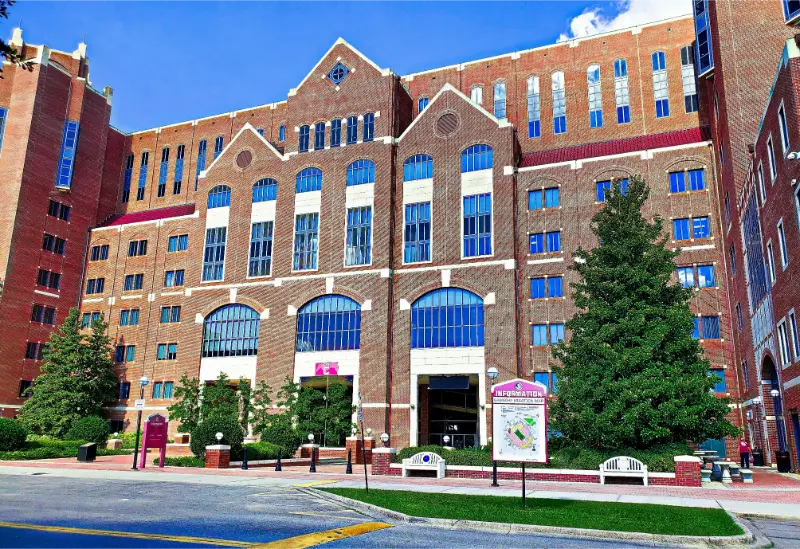
The Tallahassee Automobile Museum is a surprisingly broad indoor attraction for road-trippers, car enthusiasts and families who need a weather-proof break. Despite the name, the collection extends beyond automobiles into Americana, motorcycles, mechanical objects and memorabilia. The museum sits near Interstate 10 east of central Tallahassee, so it is especially convenient on arrival or departure days when driving into downtown for a short stop would add unnecessary time.
Current visitor information lists hours of 8:00 a.m.–5:00 p.m. Monday through Friday, 10:00 a.m.–5:00 p.m. Saturday and 11:00 a.m.–5:00 p.m. Sunday. Current general admission is $20, with reduced rates for seniors, military, students and children. Prices are a 2026 baseline and should be checked again before a 2028 visit.
Quick planning summary
- Current hours: Mon–Fri 8:00–5:00, Sat 10:00–5:00, Sun 11:00–5:00
- Current adult admission: $20
- Time needed: 1.5–2.5 hours for most visitors
- Best for: car lovers, road-trippers, families, rainy days and multigenerational groups
- Parking: large on-site lot suitable for buses, RVs and trailers
- Accessibility: fully accessible facility with elevator and accessible restrooms
Important current-status note
October 2026 information snapshot: this article is scheduled for 2028. Hours, prices, tour access, construction, parking rules, security procedures, trail conditions and event schedules can change before publication. The details below are a verified planning baseline, not a promise that every 2026 condition will still apply in 2028. Recheck the linked official source shortly before travel.
What makes the museum different
This is not simply a row of modern sports cars. The collection emphasizes American automotive history and related objects, which makes the visit work for people who are interested in design, technology or nostalgia even if they are not serious car enthusiasts. Two floors also make the museum feel larger than many roadside collections.
How long to allow
A fast visitor can see the highlights in about 90 minutes, while enthusiasts can easily spend two to three hours. Families should decide in advance whether the museum is the main activity or a travel-day break. If you have young children, plan one snack or movement break rather than expecting them to study every display label.
Why it works on a hot or rainy day
The museum is one of the most reliable weather-proof options in the Tallahassee area. It also has straightforward parking, which matters when thunderstorms make downtown walking less appealing. For senior travelers or anyone avoiding heat, the fully indoor layout and elevator are significant advantages.
Accessibility and parking
The museum states that its facility is fully wheelchair accessible, with wide aisles, a spacious elevator, accessible restrooms and a limited number of wheelchairs available first-come, first-served. The parking area can accommodate large vehicles, making the museum practical for RV road trips across I-10.
Who should skip it
Travelers with only one day in Tallahassee and little interest in vehicles should prioritize the Capitol, Mission San Luis, Tallahassee Museum or Wakulla Springs. The Automobile Museum becomes a stronger choice for a second day, poor weather, an I-10 stopover or a group with a genuine interest in cars and mechanical history.

Official information
Check Tallahassee Automobile Museum visitor information for current admission, hours and closure dates.
Planning for different ages and travel styles
Tallahassee works unusually well for multigenerational trips because many of its strongest attractions are compact, shaded or partly indoors. Babies and toddlers need predictable restroom stops and a place to reset. School-age children generally do best with one interactive or outdoor anchor rather than several history stops in a row. Teenagers often respond better to views, art districts, biking, cars and wildlife than to long guided tours. Older travelers benefit from benches, climate-controlled museums and itineraries that avoid repeatedly crossing the city. A successful mixed-age day usually combines one shared anchor with one optional stop rather than forcing everyone through the same checklist.
Best season, heat and rain
Late October through April is usually the easiest season for long walks and outdoor history sites. Spring can be beautiful, but pollen is noticeable. Summer brings high humidity, strong sun and frequent afternoon thunderstorms, so outdoor stops are better early in the day. July and August itineraries should include indoor backup options and generous water breaks. The Big Bend can also experience tropical-weather disruptions, prescribed burns, flooding and temporary trail closures. Check official alerts and radar before leaving Tallahassee for remote parks or the coast.
Budget and value
Tallahassee can be a good-value Florida city because several major attractions are free or inexpensive. The biggest budget differences usually come from lodging, restaurant choices, special tours and transportation rather than admission fees. Free attractions still have a cost in time, parking and driving. If your trip is budget-focused, group attractions by neighborhood, bring water and snacks, and use one paid experience as the day’s anchor instead of buying admission everywhere simply because you have time.
Accessibility and low-effort alternatives
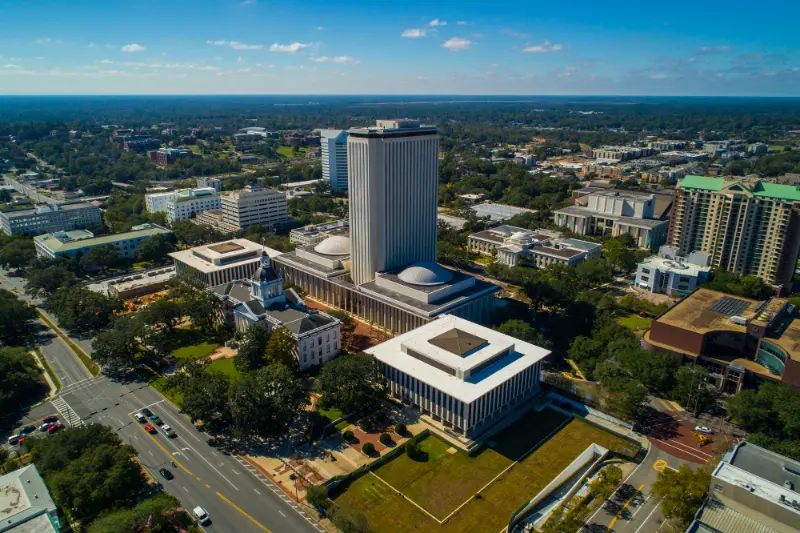
Historic buildings, outdoor trails and older sites vary in accessibility. When mobility is important, verify the accessible entrance, elevator status, restroom access and walking surface before arrival. Tallahassee has many low-effort alternatives: the Capitol observation deck, The Grove tour, Tallahassee Automobile Museum, Cascades Park and selected museum visits can all deliver a meaningful experience without a long hike. For remote state parks, do not assume that a short trail is automatically wheelchair- or stroller-friendly.
What to bring
- Refillable water bottle
- Sun protection and sunglasses
- Light rain layer in warm months
- Comfortable shoes for brick, museum floors, roots or paved trails
- Insect repellent for wetlands and evening outdoor stops
- Downloaded map for remote Big Bend sites
- A light layer for air-conditioned museums
- Portable charger if you are using your phone for parking, maps and tickets
How to combine it with nearby places
Combine the Automobile Museum with Maclay Gardens or a north/east Tallahassee meal rather than driving back and forth across downtown. If you are arriving from Ocala or North Florida on I-10, it can work well as the first stop in town.
What is worth booking in advance
Most visits do not require complicated advance planning, but always reserve fixed-time tours, special programs and limited-capacity experiences when they matter to your day.
Common planning mistakes
- stacking several museums back-to-back without a food or outdoor break
- underestimating summer heat because individual walks look short on a map
- assuming state-government buildings have weekend access
- driving to a rural historic site without checking current hours or alerts
- planning around a wildlife sighting as if it were guaranteed
- forgetting that university events and legislative session can change downtown traffic and hotel prices
A better daily rhythm
Start with the stop that is most sensitive to heat, capacity or fixed hours. Put flexible attractions in the middle of the day and leave at least one hour unassigned. That margin absorbs parking, restroom breaks, security screening, a longer lunch or a stop that turns out to be more interesting than expected. For families and senior travelers, the unassigned hour is often what keeps the day enjoyable.
Final planning advice
Use this guide to decide whether the experience fits your trip rather than treating it as another box to check. Tallahassee and the Big Bend reward slower travel: one strong history stop, one outdoor experience and a relaxed meal usually creates a better day than racing through four or five attractions.
Parking, arrival time and local driving
Tallahassee is easier by car than most large Florida cities, but that does not mean every attraction has effortless parking. Downtown garages, government security, event closures and campus traffic can add 15 to 30 minutes. For rural Big Bend sites, the challenge is different: parking may be simple, but the final drive is longer and services are sparse. Put the exact entrance in your map app, keep fuel above one-quarter tank and avoid scheduling a fixed tour immediately after a long rural drive.
Food, restrooms and practical breaks
Build food and restroom stops into the itinerary before people are hungry or tired. Historic sites and wildlife areas may have limited concessions, while downtown offers far more choices. Families should carry a basic snack even when they plan to eat at a restaurant. Senior travelers may prefer attractions with predictable seating and restrooms rather than relying on remote trailheads. In summer, an air-conditioned lunch is not wasted sightseeing time; it is part of a sustainable day.
Photography and phones
Phone photography is easy at most outdoor sites, but government buildings, private businesses and museums may restrict flash, tripods or commercial equipment. Respect posted rules and never block a doorway or narrow path for a photo. At wildlife sites, use distance rather than approaching an animal for a better image. A small power bank is useful because navigation, tickets, parking apps and photography can drain a phone quickly on a full travel day.
If weather changes the plan
A flexible Tallahassee itinerary should always have an indoor substitute. The Automobile Museum, Capitol and selected historic sites can rescue a stormy afternoon, while outdoor parks can be moved to the next morning. Do not wait inside a remote trailhead parking lot during severe weather just because the schedule says you should hike. Thunderstorms, flooding and heat advisories are good reasons to change the order of the day.
Is it worth adding to your Tallahassee trip?
Yes when this experience matches the interests of your group and fits naturally with the geography of your day. No attraction is essential simply because it appears on a list of things to do. If visiting it creates a long cross-town drive, conflicts with a fixed tour or pushes children and older travelers past their comfortable pace, save it for another trip. A complete Tallahassee vacation comes from variety and good timing, not from collecting every possible stop.