Category: Family Attractions Florida

  • Tallahassee with Kids: Best Things to Do for Toddlers, Children, Teenagers and Families

    Tallahassee with Kids: Best Things to Do for Toddlers, Children, Teenagers and Families

    Tallahassee is a better family destination than many road-trippers expect because it mixes animals, playgrounds, outdoor history, easy museums and short nature excursions without the scale or cost of a theme-park city. The key is choosing attractions by age. A toddler and a teenager can both enjoy Tallahassee, but they usually should not follow the exact same schedule.

    Explore this guide

    For most families, two nights is the sweet spot. That gives you one city day and one nature or museum day without forcing children through long car rides between every stop. Families visiting in summer should build the schedule around morning outdoor time, an indoor or lunch break in the hottest hours and a flexible late-afternoon option.

    Quick planning summary

    • Best stay: 2 nights for most families
    • Best all-ages attraction: Tallahassee Museum
    • Best free reset: Cascades Park
    • Best wildlife half-day: Wakulla Springs boat tour
    • Best rainy-day option: Tallahassee Automobile Museum
    • Best for older children: Mission San Luis, Capitol observation deck and Railroad Square

    Important current-status note

    October 2026 information snapshot: this article is scheduled for 2028. Hours, prices, tour access, construction, parking rules, security procedures, trail conditions and event schedules can change before publication. The details below are a verified planning baseline, not a promise that every 2026 condition will still apply in 2028. Recheck the linked official source shortly before travel.

    Best things to do with toddlers and preschoolers

    Keep the day simple. Cascades Park gives young children room to move, and Tallahassee Museum offers animals and outdoor space without requiring them to understand every historical exhibit. Avoid stacking guided house tours, long government visits and quiet museums back-to-back.

    Best things to do with school-age children

    School-age children can handle more structured history when there is something visual or active to anchor it. Mission San Luis works well because reconstructed buildings and interpreters give context. The Capitol observation deck adds a view and elevator ride that breaks up political history. Wakulla Springs is another strong choice because the boat tour delivers wildlife without requiring paddling experience.

    Best things to do with teenagers

    Teenagers often prefer autonomy and experiences that feel less like a school field trip. Railroad Square can work well for vintage shopping, creative businesses and food. Tallahassee Museum’s adventure activities may appeal to active teens, while the Tallahassee–St. Marks trail is a strong option for families who already cycle together.

    Best multigenerational choices

    Wakulla Springs, the Capitol, Cascades Park and the Automobile Museum are useful because different ages can enjoy them at different intensities. At Wakulla Springs, the river boat reduces walking. At the Automobile Museum, adults can study displays while younger visitors move at a faster pace. At Cascades Park, one adult can rest while children use the play area.

    Food and nap strategy

    Do not make lunch an afterthought. A predictable midday meal prevents many family itineraries from unraveling, especially in summer. Families with toddlers should treat the hotel as a legitimate afternoon stop rather than trying to maximize admission value. A 90-minute rest can make an evening park or art-district visit much more enjoyable.

    How many attractions per day?

    Two major attractions is enough for most families. Add one flexible free stop only if everyone still has energy. The biggest mistake is treating the low admission prices in Tallahassee as a reason to visit more places. Children experience time, heat and transitions more strongly than ticket prices.

    Planning for different ages and travel styles

    Tallahassee works unusually well for multigenerational trips because many of its strongest attractions are compact, shaded or partly indoors. Babies and toddlers need predictable restroom stops and a place to reset. School-age children generally do best with one interactive or outdoor anchor rather than several history stops in a row. Teenagers often respond better to views, art districts, biking, cars and wildlife than to long guided tours. Older travelers benefit from benches, climate-controlled museums and itineraries that avoid repeatedly crossing the city. A successful mixed-age day usually combines one shared anchor with one optional stop rather than forcing everyone through the same checklist.

    Best season, heat and rain

    Late October through April is usually the easiest season for long walks and outdoor history sites. Spring can be beautiful, but pollen is noticeable. Summer brings high humidity, strong sun and frequent afternoon thunderstorms, so outdoor stops are better early in the day. July and August itineraries should include indoor backup options and generous water breaks. The Big Bend can also experience tropical-weather disruptions, prescribed burns, flooding and temporary trail closures. Check official alerts and radar before leaving Tallahassee for remote parks or the coast.

    Budget and value

    Tallahassee can be a good-value Florida city because several major attractions are free or inexpensive. The biggest budget differences usually come from lodging, restaurant choices, special tours and transportation rather than admission fees. Free attractions still have a cost in time, parking and driving. If your trip is budget-focused, group attractions by neighborhood, bring water and snacks, and use one paid experience as the day’s anchor instead of buying admission everywhere simply because you have time.

    Accessibility and low-effort alternatives

    Historic buildings, outdoor trails and older sites vary in accessibility. When mobility is important, verify the accessible entrance, elevator status, restroom access and walking surface before arrival. Tallahassee has many low-effort alternatives: the Capitol observation deck, The Grove tour, Tallahassee Automobile Museum, Cascades Park and selected museum visits can all deliver a meaningful experience without a long hike. For remote state parks, do not assume that a short trail is automatically wheelchair- or stroller-friendly.

    Florida State Capitol Tallahassee Aerial View

    What to bring

    • Refillable water bottle
    • Sun protection and sunglasses
    • Light rain layer in warm months
    • Comfortable shoes for brick, museum floors, roots or paved trails
    • Insect repellent for wetlands and evening outdoor stops
    • Downloaded map for remote Big Bend sites
    • A light layer for air-conditioned museums
    • Portable charger if you are using your phone for parking, maps and tickets

    How to combine it with nearby places

    A strong family trip can combine Tallahassee Museum, Cascades Park, Mission San Luis and Wakulla Springs across two days. Add the Automobile Museum or Railroad Square only if they match your children’s interests.

    What is worth booking in advance

    Most visits do not require complicated advance planning, but always reserve fixed-time tours, special programs and limited-capacity experiences when they matter to your day.

    Common planning mistakes

    • stacking several museums back-to-back without a food or outdoor break
    • underestimating summer heat because individual walks look short on a map
    • assuming state-government buildings have weekend access
    • driving to a rural historic site without checking current hours or alerts
    • planning around a wildlife sighting as if it were guaranteed
    • forgetting that university events and legislative session can change downtown traffic and hotel prices

    A better daily rhythm

    Start with the stop that is most sensitive to heat, capacity or fixed hours. Put flexible attractions in the middle of the day and leave at least one hour unassigned. That margin absorbs parking, restroom breaks, security screening, a longer lunch or a stop that turns out to be more interesting than expected. For families and senior travelers, the unassigned hour is often what keeps the day enjoyable.

    Final planning advice

    Use this guide to decide whether the experience fits your trip rather than treating it as another box to check. Tallahassee and the Big Bend reward slower travel: one strong history stop, one outdoor experience and a relaxed meal usually creates a better day than racing through four or five attractions.

    Parking, arrival time and local driving

    Tallahassee is easier by car than most large Florida cities, but that does not mean every attraction has effortless parking. Downtown garages, government security, event closures and campus traffic can add 15 to 30 minutes. For rural Big Bend sites, the challenge is different: parking may be simple, but the final drive is longer and services are sparse. Put the exact entrance in your map app, keep fuel above one-quarter tank and avoid scheduling a fixed tour immediately after a long rural drive.

    Florida State Capitol Tallahassee Government Building

    Food, restrooms and practical breaks

    Build food and restroom stops into the itinerary before people are hungry or tired. Historic sites and wildlife areas may have limited concessions, while downtown offers far more choices. Families should carry a basic snack even when they plan to eat at a restaurant. Senior travelers may prefer attractions with predictable seating and restrooms rather than relying on remote trailheads. In summer, an air-conditioned lunch is not wasted sightseeing time; it is part of a sustainable day.

    Photography and phones

    Phone photography is easy at most outdoor sites, but government buildings, private businesses and museums may restrict flash, tripods or commercial equipment. Respect posted rules and never block a doorway or narrow path for a photo. At wildlife sites, use distance rather than approaching an animal for a better image. A small power bank is useful because navigation, tickets, parking apps and photography can drain a phone quickly on a full travel day.

    If weather changes the plan

    A flexible Tallahassee itinerary should always have an indoor substitute. The Automobile Museum, Capitol and selected historic sites can rescue a stormy afternoon, while outdoor parks can be moved to the next morning. Do not wait inside a remote trailhead parking lot during severe weather just because the schedule says you should hike. Thunderstorms, flooding and heat advisories are good reasons to change the order of the day.

    Is it worth adding to your Tallahassee trip?

    Yes when this experience matches the interests of your group and fits naturally with the geography of your day. No attraction is essential simply because it appears on a list of things to do. If visiting it creates a long cross-town drive, conflicts with a fixed tour or pushes children and older travelers past their comfortable pace, save it for another trip. A complete Tallahassee vacation comes from variety and good timing, not from collecting every possible stop.
  • Cascades Park Tallahassee Guide: Fountain, Playground, Walking Paths and Family Tips

    Cascades Park Tallahassee Guide: Fountain, Playground, Walking Paths and Family Tips

    Cascades Park is the easiest green-space break in central Tallahassee and one of the best places to reset between museums, government buildings and meals. The park combines walking paths, lawns, a children’s playscape, the Imagination Fountain, history markers and an amphitheater. It is not a destination that requires half a day; its value comes from being flexible.

    Explore this guide

    For most visitors, 60 to 120 minutes is enough unless you are attending an event. General park hours are sunrise to sunset. The Imagination Fountain currently lists interactive play from 9:00 a.m.–8:00 p.m. daily, but evening fountain shows are not currently operating.

    Quick planning summary

    • Park hours: sunrise to sunset
    • Admission: free for normal park use
    • Time needed: 1–2 hours
    • Best for: families, walkers, picnic breaks and downtown visitors
    • Imagination Fountain: interactive play currently 9:00 a.m.–8:00 p.m.
    • Current show status: no evening fountain shows at the moment

    Important current-status note

    October 2026 information snapshot: this article is scheduled for 2028. Hours, fees, construction zones, exhibit access, boat-tour schedules, trail conditions and wildlife closures can change before publication. Use the practical details below as a verified planning baseline, then check the linked official source shortly before the trip.

    Why Cascades Park is useful for travelers

    The park fills a practical gap in a Tallahassee itinerary. Children can move after a museum, adults can walk without committing to a trail, and mixed-age groups can separate briefly without losing one another. It is also a good place to wait out the time between an afternoon attraction and dinner.

    Discovery playscape and fountain

    The Discovery area uses nature-inspired play features, while the fountain offers water play during current operating hours. Bring a change of clothes for children if water play is part of the plan. Fountain operations can change for maintenance or events, so check current status before promising it as the day’s main kid activity.

    History in the park

    Cascades Park also sits in a historically important part of Tallahassee. Interpretive elements and public art give adults something to explore while children use the play areas. A slower walk is more rewarding than treating it as only a playground.

    Events and amphitheater

    Concerts and permitted gatherings can change parking, pedestrian flow and fountain operations. If your visit is on a weekend evening, check the event calendar before assuming the park will feel quiet.

    Official information

    Check the City of Tallahassee Cascades Park page for fountain status, rules and event impacts.

    Planning the visit for different ages

    For mixed-age groups, the best strategy is to combine one high-interest stop with one low-effort stop. Babies and toddlers usually need shade, reliable restrooms and room to reset. School-age children often respond well to animals, reconstructed history and interactive outdoor spaces. Teenagers may prefer zip lines, scenic drives, photography and less structured time. Older travelers often appreciate museums, gardens and boat tours where the experience does not depend on long walks. Accessibility varies widely, especially at archaeological and refuge sites, so check the official accessibility information when mobility is a major factor.

    Best season, heat and rain

    Late October through April is usually the easiest season for long walks, gardens and wildlife drives. Spring can be especially pleasant, although pollen is noticeable and popular gardens attract more visitors. Summer is hot, humid and storm-prone. Outdoor plans are usually better in the morning, with museums or lunch reserved for the hottest part of the day. The Big Bend coast can also be affected by tropical systems, prescribed burns, flooding and temporary wildlife closures. Check radar and official alerts before driving to a remote site.

    Accessibility and low-effort alternatives

    Tallahassee has several good choices for travelers who want meaningful sightseeing without long walks. The Historic Capitol, Goodwood grounds, short museum visits and a river boat at Wakulla Springs can all work well when heat, mobility or stamina limits a longer outdoor day. At nature preserves and archaeological parks, surface conditions may include roots, grass, sand or uneven ground. Never assume that a short trail is automatically stroller- or wheelchair-friendly.

    Tallahassee Florida Capitol Square and Monument

    What to bring

    • Refillable water bottle
    • Sun protection and sunglasses
    • Light rain layer from late spring through early fall
    • Insect repellent for refuges, wetlands and evening walks
    • Comfortable shoes for brick, grass, roots and museum floors
    • Binoculars for wildlife sites
    • Downloaded map for remote Big Bend locations
    • A light layer for heavily air-conditioned museums and boat rides

    How to combine it with nearby places

    Cascades Park is an easy add-on after the Historic Capitol or before dinner on a Tallahassee city day.

    Common planning mistakes

    • trying to combine downtown Tallahassee and the Gulf coast in a tightly timed half-day
    • assuming every museum is open seven days a week
    • arriving at a state park or refuge without checking current alerts
    • scheduling only outdoor stops during a summer afternoon
    • treating wildlife sightings as guaranteed
    • forgetting that government-area construction can change entrances and parking

    How this stop fits a longer Florida road trip

    Tallahassee works well as a two-night break between North Central Florida and the western Panhandle. Travelers coming from Cedar Key or Ocala should avoid treating the drive as dead time: the landscape changes noticeably as you move into pine forest, rolling terrain and the Big Bend. If you are continuing west, use Tallahassee for history and food, then dedicate a separate half-day to Wakulla Springs or St. Marks rather than squeezing them into departure morning.

    Final planning advice

    Build the day around one anchor experience and leave at least one hour unassigned. Tallahassee rewards curiosity more than speed: an unexpected legislative exhibit, wildlife sighting, garden in bloom or slower lunch often becomes more memorable than the attraction you originally thought would be the highlight.

    A more realistic way to plan the day

    Tallahassee and the surrounding Big Bend are easier to enjoy when you plan by geography rather than by attraction count. Downtown history, north-side gardens, west-side museums and the coastal wildlife corridor south of the city are not all next door to one another. Traffic is usually manageable compared with South Florida, but parking, state-government schedules, heat and afternoon storms can still turn an overpacked day into a rushed one.

    Tallahassee Florida State Capitol Grounds Aerial

    Count transitions as part of the itinerary. Parking, security checks, walking back to the car, changing clothes after water activities and waiting for a tour all consume time. A day with two strong stops and an unhurried meal is usually more satisfying than four attractions connected by constant driving. This is especially true in summer, when heat and thunderstorms make the middle of the day less predictable.

    Budget and value

    Tallahassee can be a relatively affordable Florida destination because several major sites are free or low-cost. Spend where it improves the experience: a guided boat at Wakulla Springs, a timed historic-house tour or a family attraction may be worth more than adding several minor paid stops. Free parks and museums are most valuable when they match your interests, not simply because they cost nothing.

    Photography and wildlife etiquette

    Use a longer lens or binoculars instead of approaching wildlife. At historic and archaeological sites, stay on public routes and do not move objects for photographs. Tripods, commercial shoots and drones may be restricted, especially on government property, in museums and on federal wildlife refuges. When in doubt, ask before setting up equipment.

    Food, water and restroom planning

    Downtown Tallahassee has many food options, but remote parks and refuges do not. Carry water in the car and never assume that a visitor center, cafe or vending area will be open simply because the outdoor site is accessible. Families with young children should identify the last reliable restroom before driving toward a refuge or spring.

    If the weather changes

    Keep one indoor backup in mind. The Historic Capitol, a house museum or another city attraction can replace a stormy outdoor block. After lightning passes, do not immediately resume swimming or exposed-trail activities unless staff or official alerts indicate conditions are safe. A flexible itinerary is a strength, not a failure to plan.

    Parking, arrival time and daily rhythm

    For city attractions, arriving close to opening usually solves more problems than hunting for a perfect parking space later. Government offices, university schedules and weekday commuters can make downtown feel busier between late morning and mid-afternoon. At parks and refuges, early arrival improves wildlife activity and lowers heat exposure. If your group includes a stroller, wheelchair, large cooler or several children, choose parking convenience over saving a few dollars or walking several extra blocks.

    Leave 15 to 30 minutes between major stops even when mapping apps show a short drive. That margin covers walking back to the car, finding the next entrance, restroom breaks and unexpected construction. It also keeps one delayed stop from pushing every meal and reservation later.

    Planning for multigenerational groups

    A multigenerational Tallahassee day works best when everyone shares the first anchor activity and the group has permission to split briefly afterward. Grandparents may prefer a shaded museum or garden bench while teenagers walk a longer trail or explore photography. Parents with toddlers may need an earlier lunch. Rejoining for one meal or one easy final stop keeps the trip social without requiring every traveler to move at the same speed.

    What is worth booking in advance

    Book anything that has a fixed departure, limited tour size or special access. River boats, historic-house tours, adventure courses and special programs are more vulnerable to selling out than open-air parks. Free museums and city parks usually need less advance planning, but event weekends can still change parking and opening patterns. Recheck reservations a day or two before travel if storms or construction are possible.

    When to skip this stop

    Skipping an attraction can be the right decision when the weather, construction status or interests of your group make the experience poor value. A garden outside bloom season, a wildlife refuge during intense midday heat or a history site with a tired toddler may be better saved for another trip. Wonderful Florida itineraries should help travelers choose, not create pressure to complete a checklist.

  • Tallahassee Museum Guide: Hours, Wildlife, History, Zip Lines and Family Tips

    Tallahassee Museum Guide: Hours, Wildlife, History, Zip Lines and Family Tips

    Tallahassee Museum is not a traditional indoor museum. It is a large outdoor site that combines North Florida history, native wildlife, nature trails, reconstructed buildings and optional adventure courses. That mix makes it especially useful for families who want history without asking children to spend several hours reading labels indoors.

    Explore this guide

    Allow 3 to 5 hours for the standard museum experience, longer if adding Tree-to-Tree Adventures. The current museum schedule is 9:00 a.m.–5:00 p.m. Monday through Saturday and 11:00 a.m.–5:00 p.m. Sunday, with closures on major holidays.

    Quick planning summary

    • Current hours: Mon–Sat 9:00–5:00; Sun 11:00–5:00
    • Time needed: 3–5 hours without a long adventure-course session
    • Main experiences: regional history, wildlife, nature trails, historic buildings and optional aerial adventure
    • Best for: families, mixed-age groups, animal lovers and travelers who prefer outdoor museums
    • Heat factor: significant in summer because much of the visit is outside
    • Food: on-site food service can have seasonal or temporary schedule changes

    Important current-status note

    October 2026 information snapshot: this article is scheduled for 2028. Hours, fees, construction zones, exhibit access, boat-tour schedules, trail conditions and wildlife closures can change before publication. Use the practical details below as a verified planning baseline, then check the linked official source shortly before the trip.

    How the museum is organized

    Think of the site as several attractions sharing one landscape. Historic buildings tell the story of North Florida communities, wildlife exhibits focus on native species, and forest trails connect the areas. The experience feels closer to an open-air regional history park than to a single gallery building.

    Wildlife areas

    Animals are a major reason children enjoy the museum. Native species give the stop a stronger Florida identity than a generic zoo. Wildlife activity varies with heat, feeding times and season, so morning visits can be more rewarding in summer.

    Tree-to-Tree Adventures

    The aerial adventure component is a separate decision, not something every visitor should automatically add. Age, height, comfort with heights and available time matter. Families should check current course rules and pricing before promising children a zip-line experience.

    Best pacing for families

    Start with the most important outdoor section while everyone is fresh. Take a shaded or indoor break around midday, then continue with animals or historic structures. Trying to complete every loop in peak summer heat is rarely worth it.

    Official information

    Check Tallahassee Museum for current hours, tickets, food-service status and adventure-course requirements.

    Planning the visit for different ages

    For mixed-age groups, the best strategy is to combine one high-interest stop with one low-effort stop. Babies and toddlers usually need shade, reliable restrooms and room to reset. School-age children often respond well to animals, reconstructed history and interactive outdoor spaces. Teenagers may prefer zip lines, scenic drives, photography and less structured time. Older travelers often appreciate museums, gardens and boat tours where the experience does not depend on long walks. Accessibility varies widely, especially at archaeological and refuge sites, so check the official accessibility information when mobility is a major factor.

    Best season, heat and rain

    Late October through April is usually the easiest season for long walks, gardens and wildlife drives. Spring can be especially pleasant, although pollen is noticeable and popular gardens attract more visitors. Summer is hot, humid and storm-prone. Outdoor plans are usually better in the morning, with museums or lunch reserved for the hottest part of the day. The Big Bend coast can also be affected by tropical systems, prescribed burns, flooding and temporary wildlife closures. Check radar and official alerts before driving to a remote site.

    Accessibility and low-effort alternatives

    Tallahassee has several good choices for travelers who want meaningful sightseeing without long walks. The Historic Capitol, Goodwood grounds, short museum visits and a river boat at Wakulla Springs can all work well when heat, mobility or stamina limits a longer outdoor day. At nature preserves and archaeological parks, surface conditions may include roots, grass, sand or uneven ground. Never assume that a short trail is automatically stroller- or wheelchair-friendly.

    Tallahassee Florida State Capitol Grounds Aerial

    What to bring

    • Refillable water bottle
    • Sun protection and sunglasses
    • Light rain layer from late spring through early fall
    • Insect repellent for refuges, wetlands and evening walks
    • Comfortable shoes for brick, grass, roots and museum floors
    • Binoculars for wildlife sites
    • Downloaded map for remote Big Bend locations
    • A light layer for heavily air-conditioned museums and boat rides

    How to combine it with nearby places

    Use Tallahassee Museum as the anchor for a family day. Pair it with a short downtown or park stop from the main Tallahassee guide rather than another large museum.

    Common planning mistakes

    • trying to combine downtown Tallahassee and the Gulf coast in a tightly timed half-day
    • assuming every museum is open seven days a week
    • arriving at a state park or refuge without checking current alerts
    • scheduling only outdoor stops during a summer afternoon
    • treating wildlife sightings as guaranteed
    • forgetting that government-area construction can change entrances and parking

    How this stop fits a longer Florida road trip

    Tallahassee works well as a two-night break between North Central Florida and the western Panhandle. Travelers coming from Cedar Key or Ocala should avoid treating the drive as dead time: the landscape changes noticeably as you move into pine forest, rolling terrain and the Big Bend. If you are continuing west, use Tallahassee for history and food, then dedicate a separate half-day to Wakulla Springs or St. Marks rather than squeezing them into departure morning.

    Final planning advice

    Build the day around one anchor experience and leave at least one hour unassigned. Tallahassee rewards curiosity more than speed: an unexpected legislative exhibit, wildlife sighting, garden in bloom or slower lunch often becomes more memorable than the attraction you originally thought would be the highlight.

    A more realistic way to plan the day

    Tallahassee and the surrounding Big Bend are easier to enjoy when you plan by geography rather than by attraction count. Downtown history, north-side gardens, west-side museums and the coastal wildlife corridor south of the city are not all next door to one another. Traffic is usually manageable compared with South Florida, but parking, state-government schedules, heat and afternoon storms can still turn an overpacked day into a rushed one.

    Florida State Capitol Tallahassee Government Building

    Count transitions as part of the itinerary. Parking, security checks, walking back to the car, changing clothes after water activities and waiting for a tour all consume time. A day with two strong stops and an unhurried meal is usually more satisfying than four attractions connected by constant driving. This is especially true in summer, when heat and thunderstorms make the middle of the day less predictable.

    Budget and value

    Tallahassee can be a relatively affordable Florida destination because several major sites are free or low-cost. Spend where it improves the experience: a guided boat at Wakulla Springs, a timed historic-house tour or a family attraction may be worth more than adding several minor paid stops. Free parks and museums are most valuable when they match your interests, not simply because they cost nothing.

    Photography and wildlife etiquette

    Use a longer lens or binoculars instead of approaching wildlife. At historic and archaeological sites, stay on public routes and do not move objects for photographs. Tripods, commercial shoots and drones may be restricted, especially on government property, in museums and on federal wildlife refuges. When in doubt, ask before setting up equipment.

    Food, water and restroom planning

    Downtown Tallahassee has many food options, but remote parks and refuges do not. Carry water in the car and never assume that a visitor center, cafe or vending area will be open simply because the outdoor site is accessible. Families with young children should identify the last reliable restroom before driving toward a refuge or spring.

    If the weather changes

    Keep one indoor backup in mind. The Historic Capitol, a house museum or another city attraction can replace a stormy outdoor block. After lightning passes, do not immediately resume swimming or exposed-trail activities unless staff or official alerts indicate conditions are safe. A flexible itinerary is a strength, not a failure to plan.

    Parking, arrival time and daily rhythm

    For city attractions, arriving close to opening usually solves more problems than hunting for a perfect parking space later. Government offices, university schedules and weekday commuters can make downtown feel busier between late morning and mid-afternoon. At parks and refuges, early arrival improves wildlife activity and lowers heat exposure. If your group includes a stroller, wheelchair, large cooler or several children, choose parking convenience over saving a few dollars or walking several extra blocks.

    Leave 15 to 30 minutes between major stops even when mapping apps show a short drive. That margin covers walking back to the car, finding the next entrance, restroom breaks and unexpected construction. It also keeps one delayed stop from pushing every meal and reservation later.

    Planning for multigenerational groups

    A multigenerational Tallahassee day works best when everyone shares the first anchor activity and the group has permission to split briefly afterward. Grandparents may prefer a shaded museum or garden bench while teenagers walk a longer trail or explore photography. Parents with toddlers may need an earlier lunch. Rejoining for one meal or one easy final stop keeps the trip social without requiring every traveler to move at the same speed.

    What is worth booking in advance

    Book anything that has a fixed departure, limited tour size or special access. River boats, historic-house tours, adventure courses and special programs are more vulnerable to selling out than open-air parks. Free museums and city parks usually need less advance planning, but event weekends can still change parking and opening patterns. Recheck reservations a day or two before travel if storms or construction are possible.

    When to skip this stop

    Skipping an attraction can be the right decision when the weather, construction status or interests of your group make the experience poor value. A garden outside bloom season, a wildlife refuge during intense midday heat or a history site with a tired toddler may be better saved for another trip. Wonderful Florida itineraries should help travelers choose, not create pressure to complete a checklist.

  • Mission San Luis Tallahassee Guide: Admission, Hours, Living History and Family Tips

    Mission San Luis Tallahassee Guide: Admission, Hours, Living History and Family Tips

    Mission San Luis is one of Tallahassee’s most valuable historic attractions because it tells a story that predates statehood by centuries. The 64-acre National Historic Landmark interprets the 17th-century community where Apalachee people and Spanish colonists lived together. Reconstructed buildings, archaeology, exhibits and costumed interpreters make the site far more immersive than a conventional museum room.

    Explore this guide

    Plan 2 to 3 hours. The current schedule is Tuesday through Sunday, 10:00 a.m.–4:00 p.m., closed Monday and selected holidays. Admission is currently $5 adults, $3 seniors age 65+, $2 children 6–17, free under 6 and free for active-duty military with ID.

    Quick planning summary

    • Hours: Tue–Sun 10:00–4:00
    • Current admission: $5 adults, $3 seniors, $2 ages 6–17, under 6 free
    • Time needed: 2–3 hours
    • Main experiences: reconstructed Apalachee council house, Spanish buildings, archaeology and living history
    • Best for: families, history travelers, homeschoolers and multigenerational groups
    • Current access note: the Tennessee Street entrance is temporarily closed; the west entrance on Mission Road is in use

    Important current-status note

    October 2026 information snapshot: this article is scheduled for 2028. Hours, fees, construction zones, exhibit access, boat-tour schedules, trail conditions and wildlife closures can change before publication. Use the practical details below as a verified planning baseline, then check the linked official source shortly before the trip.

    Why the Apalachee perspective matters

    A good visit is not simply “Spanish mission history.” The site represents the meeting of two societies with different political, religious and cultural systems. The reconstructed council house is especially important because it helps visitors understand the scale and organization of Apalachee public life rather than presenting Native history as a side note to European settlement.

    Best buildings and demonstrations

    The council house, church complex, Spanish residential area, blacksmith setting and fortified structures provide the clearest sense of how the settlement functioned. Demonstrations vary by staffing and day, so ask at arrival what interpreters are doing rather than walking the property in a fixed order.

    Families and school-age children

    Mission San Luis is one of the strongest Tallahassee stops for children who enjoy stories and hands-on interpretation. Give them a role: look for differences between Apalachee and Spanish spaces, find construction details, or ask an interpreter one question. Younger children usually need shade and snack breaks because much of the visit is outdoors.

    Picnics and pacing

    The site is picnic-friendly, which makes it easier to keep a family visit affordable and flexible. Bring water even on mild days. Do the most exposed outdoor areas first if temperatures are rising, then use exhibits and shaded spaces later.

    Official information

    Check Mission San Luis for current hours, admission, entrance instructions and special programs.

    Planning the visit for different ages

    For mixed-age groups, the best strategy is to combine one high-interest stop with one low-effort stop. Babies and toddlers usually need shade, reliable restrooms and room to reset. School-age children often respond well to animals, reconstructed history and interactive outdoor spaces. Teenagers may prefer zip lines, scenic drives, photography and less structured time. Older travelers often appreciate museums, gardens and boat tours where the experience does not depend on long walks. Accessibility varies widely, especially at archaeological and refuge sites, so check the official accessibility information when mobility is a major factor.

    Best season, heat and rain

    Late October through April is usually the easiest season for long walks, gardens and wildlife drives. Spring can be especially pleasant, although pollen is noticeable and popular gardens attract more visitors. Summer is hot, humid and storm-prone. Outdoor plans are usually better in the morning, with museums or lunch reserved for the hottest part of the day. The Big Bend coast can also be affected by tropical systems, prescribed burns, flooding and temporary wildlife closures. Check radar and official alerts before driving to a remote site.

    Accessibility and low-effort alternatives

    Tallahassee has several good choices for travelers who want meaningful sightseeing without long walks. The Historic Capitol, Goodwood grounds, short museum visits and a river boat at Wakulla Springs can all work well when heat, mobility or stamina limits a longer outdoor day. At nature preserves and archaeological parks, surface conditions may include roots, grass, sand or uneven ground. Never assume that a short trail is automatically stroller- or wheelchair-friendly.

    Florida State Capitol Tallahassee Aerial View

    What to bring

    • Refillable water bottle
    • Sun protection and sunglasses
    • Light rain layer from late spring through early fall
    • Insect repellent for refuges, wetlands and evening walks
    • Comfortable shoes for brick, grass, roots and museum floors
    • Binoculars for wildlife sites
    • Downloaded map for remote Big Bend locations
    • A light layer for heavily air-conditioned museums and boat rides

    How to combine it with nearby places

    Mission San Luis pairs well with the Florida Historic Capitol Museum on a history-focused day. If children need a more active second stop, use a park rather than another indoor museum.

    Common planning mistakes

    • trying to combine downtown Tallahassee and the Gulf coast in a tightly timed half-day
    • assuming every museum is open seven days a week
    • arriving at a state park or refuge without checking current alerts
    • scheduling only outdoor stops during a summer afternoon
    • treating wildlife sightings as guaranteed
    • forgetting that government-area construction can change entrances and parking

    How this stop fits a longer Florida road trip

    Tallahassee works well as a two-night break between North Central Florida and the western Panhandle. Travelers coming from Cedar Key or Ocala should avoid treating the drive as dead time: the landscape changes noticeably as you move into pine forest, rolling terrain and the Big Bend. If you are continuing west, use Tallahassee for history and food, then dedicate a separate half-day to Wakulla Springs or St. Marks rather than squeezing them into departure morning.

    Final planning advice

    Build the day around one anchor experience and leave at least one hour unassigned. Tallahassee rewards curiosity more than speed: an unexpected legislative exhibit, wildlife sighting, garden in bloom or slower lunch often becomes more memorable than the attraction you originally thought would be the highlight.

    A more realistic way to plan the day

    Tallahassee and the surrounding Big Bend are easier to enjoy when you plan by geography rather than by attraction count. Downtown history, north-side gardens, west-side museums and the coastal wildlife corridor south of the city are not all next door to one another. Traffic is usually manageable compared with South Florida, but parking, state-government schedules, heat and afternoon storms can still turn an overpacked day into a rushed one.

    Tallahassee Florida Capitol Square and Monument

    Count transitions as part of the itinerary. Parking, security checks, walking back to the car, changing clothes after water activities and waiting for a tour all consume time. A day with two strong stops and an unhurried meal is usually more satisfying than four attractions connected by constant driving. This is especially true in summer, when heat and thunderstorms make the middle of the day less predictable.

    Budget and value

    Tallahassee can be a relatively affordable Florida destination because several major sites are free or low-cost. Spend where it improves the experience: a guided boat at Wakulla Springs, a timed historic-house tour or a family attraction may be worth more than adding several minor paid stops. Free parks and museums are most valuable when they match your interests, not simply because they cost nothing.

    Photography and wildlife etiquette

    Use a longer lens or binoculars instead of approaching wildlife. At historic and archaeological sites, stay on public routes and do not move objects for photographs. Tripods, commercial shoots and drones may be restricted, especially on government property, in museums and on federal wildlife refuges. When in doubt, ask before setting up equipment.

    Food, water and restroom planning

    Downtown Tallahassee has many food options, but remote parks and refuges do not. Carry water in the car and never assume that a visitor center, cafe or vending area will be open simply because the outdoor site is accessible. Families with young children should identify the last reliable restroom before driving toward a refuge or spring.

    If the weather changes

    Keep one indoor backup in mind. The Historic Capitol, a house museum or another city attraction can replace a stormy outdoor block. After lightning passes, do not immediately resume swimming or exposed-trail activities unless staff or official alerts indicate conditions are safe. A flexible itinerary is a strength, not a failure to plan.

    Parking, arrival time and daily rhythm

    For city attractions, arriving close to opening usually solves more problems than hunting for a perfect parking space later. Government offices, university schedules and weekday commuters can make downtown feel busier between late morning and mid-afternoon. At parks and refuges, early arrival improves wildlife activity and lowers heat exposure. If your group includes a stroller, wheelchair, large cooler or several children, choose parking convenience over saving a few dollars or walking several extra blocks.

    Leave 15 to 30 minutes between major stops even when mapping apps show a short drive. That margin covers walking back to the car, finding the next entrance, restroom breaks and unexpected construction. It also keeps one delayed stop from pushing every meal and reservation later.

    Planning for multigenerational groups

    A multigenerational Tallahassee day works best when everyone shares the first anchor activity and the group has permission to split briefly afterward. Grandparents may prefer a shaded museum or garden bench while teenagers walk a longer trail or explore photography. Parents with toddlers may need an earlier lunch. Rejoining for one meal or one easy final stop keeps the trip social without requiring every traveler to move at the same speed.

    What is worth booking in advance

    Book anything that has a fixed departure, limited tour size or special access. River boats, historic-house tours, adventure courses and special programs are more vulnerable to selling out than open-air parks. Free museums and city parks usually need less advance planning, but event weekends can still change parking and opening patterns. Recheck reservations a day or two before travel if storms or construction are possible.

    When to skip this stop

    Skipping an attraction can be the right decision when the weather, construction status or interests of your group make the experience poor value. A garden outside bloom season, a wildlife refuge during intense midday heat or a history site with a tired toddler may be better saved for another trip. Wonderful Florida itineraries should help travelers choose, not create pressure to complete a checklist.

  • Florida Spring Training Baseball: Grapefruit League Games for First-Time Fans

    Florida Spring Training Baseball: Grapefruit League Games for First-Time Fans

    Florida offers a different kind of baseball vacation before the Major League Baseball regular season begins. During spring training, major-league clubs play exhibition games at smaller ballparks across the state. For visitors, the appeal is an afternoon outdoors, a chance to see players up close and a rhythm that often suits a beach or road-trip itinerary. The Grapefruit League is not a guarantee that every famous player will appear on your chosen day, and it should never be confused with a regular-season game. With realistic expectations, though, an afternoon at a spring-training park can become one of the most distinctive experiences of a Florida winter holiday.

    At a glance

    ConsiderationWhat to check
    TimingOpening, operating or activity hours for your actual date
    AccessParking, step-free routes, toilets and age suitability
    ConditionsWeather, local restrictions and operator notices
    BudgetFull costs including transfers, extras and cancellations

    What the Grapefruit League means

    Spring training is the period when major-league teams prepare for the season, evaluate players and build match fitness. Florida hosts the Grapefruit League, while many other clubs train in Arizona's Cactus League. The Florida schedule typically occupies a portion of February and March, but reporting dates, exhibitions, practice access and special events vary each year. Search the official MLB calendar or the individual team's website for the year you are visiting rather than relying on last season's fixture list. Exhibition games can involve frequent substitutions, split squads and prospects you do not yet know. Rather than seeing these as disappointments, treat them as an opportunity to watch baseball at a more relaxed pace. An afternoon can also introduce visitors to the game before they attend a major stadium later.

    Choose your Florida region before choosing a team

    Spring-training facilities are distributed across different areas, including the Tampa Bay region, Sarasota-Bradenton, the Fort Myers area, central Florida and the Atlantic coast. That geography matters. A family staying in Orlando should not select a west-coast ballpark simply because the team has a famous name: a long drive there and back may outweigh the attraction. Check whether the team is actually at its home spring-training ground that day. An away fixture takes place at the other team's stadium, which may be much farther away than it first appears. Visitors based near Sarasota can compare local options, while travelers around West Palm Beach or Port St. Lucie can consider Atlantic-coast games. Build a route around one region and select the team after deciding what travel time is comfortable.

    How to buy a ticket and understand seating

    Buy directly from a club, stadium or authorized ticketing seller. Seats close to the field can make spring training special, but value depends on shade, sightlines and how long your group can comfortably sit. Some parks offer lawn or berm seating; those areas may be enjoyable for mobile adults but challenging for people who need a backrest, use a wheelchair or cannot sit on the ground. A cheaper seat in strong afternoon sun may be less comfortable than a covered or partially shaded location. Study the stadium seating map, not just the color-coded price chart. Ask about accessible seating, companion seats, elevator routes and any permitted mobility aids before paying. Refunds and resale restrictions differ by club and game, so keep a copy of the booking conditions.

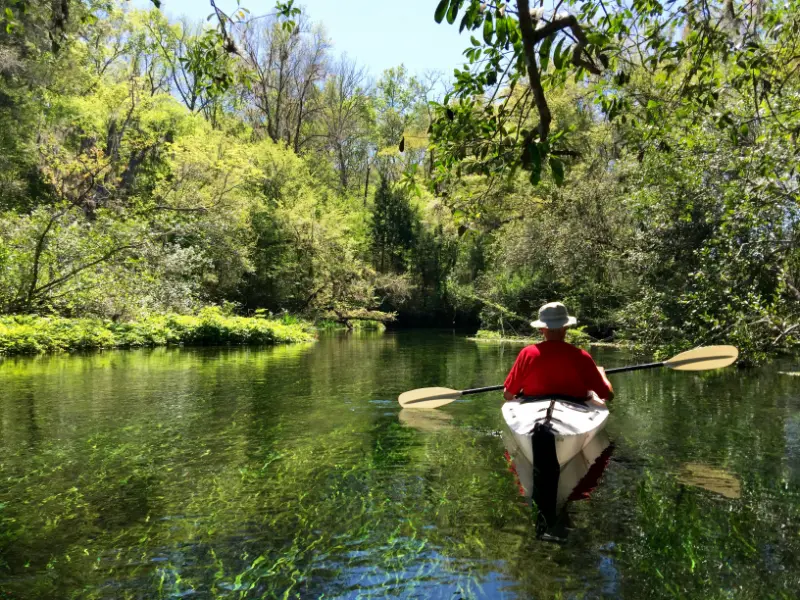
    Kayaking on a Shaded Florida Spring

    Understanding practice sessions and player availability

    The phrase 'spring training' makes some fans imagine they will automatically watch their favorite player warm up at close range. In reality, schedules change, and access to workouts may be limited to particular dates, facilities and designated public areas. Players can be rested, reassigned or moved between practice and game rosters. If meeting an athlete is your main reason for visiting, keep expectations modest and never push through restricted entrances or pressure a player for attention. Check any official autograph guidelines for the venue. Children may enjoy practicing a few baseball phrases before the game and following the scoreboard even if they cannot identify every athlete. A spring-training experience is most rewarding when viewed as an afternoon of sport rather than a promised celebrity encounter.

    Planning the ballpark day with children

    For toddlers and younger children, a three-hour outdoor event can be harder than a short museum visit. Choose a daytime game that allows a nap beforehand, and ask whether stroller storage is available or whether strollers can reach your seats. Bring child-sized hearing protection for anyone sensitive to amplified music or cheering. Confirm the park's clear-bag policy, permitted drinking-water containers, baby food rules and diaper-changing facilities. Offer children a chance to move around safely during a longer inning break rather than expecting them to sit completely still. If they lose interest, leaving early is not a failure. A family can have a genuinely good day by seeing a few innings, enjoying a snack, walking around a permitted concourse and returning to the hotel before everyone is exhausted.

    Parking, entry lines and transport

    Parking arrangements vary from stadium to stadium. Some lots are operated by the venue, others by third parties, and premium parking may sell out for popular matchups. Do not assume that a ballpark near downtown has abundant free street parking. Look at the official arrival instructions, including the correct entrance for accessible parking and whether payment is cashless. Rideshare pickup may use a different road from ordinary drop-off. Plan an arrival buffer for ticket scans, bag checks, restrooms and finding your seat. If you are combining baseball with an airport transfer, keep ample time between the game's expected finish and your next obligation. An exhibition game can run longer than anticipated, and traffic around the stadium often builds at the end. A taxi pickup cannot be guaranteed simply because you booked a nominal time.

    Florida weather and staying comfortable

    Spring in Florida can be glorious, but the sun still feels strong and temperatures can vary widely from a cool early morning to a hot afternoon. Choose breathable clothing, a brimmed hat and sunscreen, and check the venue's policy for bringing water. Shade may shift across the seating bowl during a game. If thunderstorms are forecast, follow the stadium's lightning policy and any instruction to move away from exposed seats. Avoid rushing to the parking lot during a severe weather warning. For older spectators, a seat with good support and easy restroom access may matter more than the nearest possible view of home plate. Visitors with limited mobility should ask how far the route is from parking to seats; a short distance on a map can involve substantial walking through security and concourses.

    A sample itinerary that does not feel rushed

    A comfortable spring-training day begins with breakfast near your accommodation, followed by a departure timed to reach the stadium before the first pitch. Use the extra time for parking, a photo of the ballpark and finding your seat. Watch the early innings without an agenda beyond enjoying the game; have lunch or a stadium snack and leave enough energy for a quiet afternoon. Families might choose a nearby waterfront stroll instead of another ticketed attraction. If the fixture is on the Gulf Coast, consider staying overnight rather than driving back across the state after dark. A useful rule is one major scheduled activity per day for mixed-age parties. Adding a baseball game to an already full Orlando theme-park schedule rarely improves the holiday.

    Cost expectations and alternative experiences

    Spring training is sometimes presented as automatically cheap baseball, but demand can raise ticket prices for famous opponents, weekend fixtures and popular seating areas. Add fees, parking, food and travel to the advertised ticket before deciding whether it is good value. Check whether a lower-cost practice session, minor-league fixture or regular community baseball game better suits your group; not every baseball experience needs a premium seat at a high-profile matchup. If you are comparing stadiums, include the round-trip driving time in your calculation. A small saving on tickets is pointless if the journey consumes a full day. Plan for souvenirs only after setting a clear budget, especially with children who may be excited by the team store.

    A simple way to compare two possible games

    Imagine you have a free afternoon between hotel stays near Tampa and Sarasota. One game features a famous opponent at a more expensive ticket price but requires an extra ninety minutes of driving. Another involves a less familiar team at a nearby ballpark with better shade and simpler parking. For first-time fans with children or grandparents, the second choice may produce a better day. Compare the actual stadium, seat, parking, driving route and game start rather than selecting purely by team reputation. Conversely, a dedicated baseball fan who plans a whole trip around one club may reasonably prioritize that experience and pay for a closer seat. There is no universally best stadium: the right choice depends on the people attending and what they hope to remember.

    Questions visitors frequently ask

    When is spring training in Florida? It generally takes place during late winter, especially February and March, but always use the official schedule for your travel year.

    Will I see the team's star players? There is no guarantee; rosters, availability and substitutions can change at short notice.

    Is a game suitable for someone who does not follow baseball? Yes. Pick comfortable seats, learn basic rules and enjoy the relaxed setting rather than expecting to understand every statistic.

    Are spring-training stadiums wheelchair accessible? Venues offer accessibility services, but the exact seating, parking and routes vary. Contact the individual stadium in advance.

    Can I buy a ticket at the gate? Possibly for some fixtures, but popular games may sell out. An authorized advance purchase gives more choice.

    Official information

    Check https://www.mlb.com/spring-training for season information and the official MLB team pages for venue details, ticketing and current schedules. Spring-training locations and admission procedures can change, so confirm the current season rather than copying an older itinerary.

  • Florida Citizen Science for Travelers: Wildlife Sightings, iNaturalist and Family Field Notes

    Florida Citizen Science for Travelers: Wildlife Sightings, iNaturalist and Family Field Notes

    Planning a Florida visit? Watching a bird from a boardwalk or noticing a wildflower beside a Florida trail may feel like a small moment, yet organized observations can support scientific understanding. This guide helps travelers compare practical choices, protect local places, and plan at a comfortable pace for different ages and abilities.

    What this guide covers

    Why an ordinary holiday observation can matter

    Watching a bird from a boardwalk or noticing a wildflower beside a Florida trail may feel like a small moment, yet organized observations can support scientific understanding. The Florida Fish and Wildlife Conservation Commission describes citizen science as a way for residents and visitors to contribute knowledge about species and habitats. Some projects involve formal volunteer work, while others accept carefully documented sightings. The opportunity is especially appealing on a multigenerational vacation because participation need not mean strenuous hiking. A child can draw a plant, a teenager can check identification details, and an older relative can record the conditions. The objective is to observe accurately and ethically, not to compete for the rarest animal or enter protected areas for a better photograph.

    Choosing a project before opening an app

    There are many observation platforms, but a photograph uploaded to the wrong category may have little value. FWC maintains guidance on specific wildlife sighting efforts and iNaturalist projects. Read the requirements of the chosen initiative: species, location precision, required photographs, dates and permitted geographic area. A general nature journal is different from a formal reporting program, and both can be worthwhile. Some records involve sensitive wildlife; a public display of exact nest or den locations may create a conservation problem. Check whether a program obscures sensitive coordinates and follow the managing agency’s guidance. Do not submit a speculative identification as confirmed. If uncertain, label the observation accordingly and allow knowledgeable contributors to help.

    The simplest ethical field method

    Begin with what you can see from a legal trail, public overlook or designated observation area. Note the date, approximate time, habitat type, recent weather and the animal’s behavior without pursuing it. Photographs can assist identification, but a rough sketch or careful written description is sometimes more informative than a blurred zoom image. Never call, bait, feed or touch wildlife to trigger a more dramatic response. Avoid approaching a bird’s nest or blocking a tortoise’s route. A short, quiet observation gives less disturbance and often more reliable information than repeated attempts to reposition an animal. For plants, photograph leaves, flowers and surrounding habitat when accessible from the route; do not dig specimens or remove seeds from protected land.

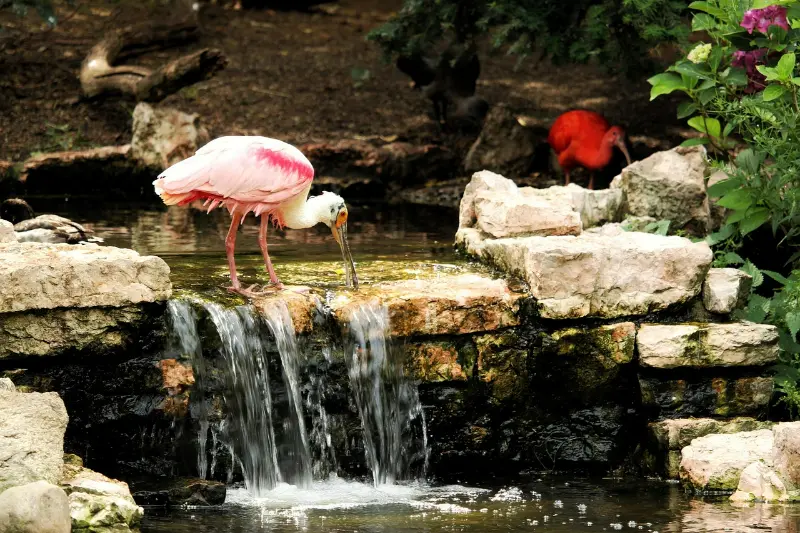
    Pink Flamingos at Florida Wildlife Pond

    iNaturalist without overclaiming expertise

    FWC highlights iNaturalist projects that collect observations of Florida plants and animals. A visitor can often begin by creating a clear observation with a photograph and approximate location, then reviewing suggestions rather than accepting the first automated name as truth. Some species resemble one another, especially insects and grasses. Community feedback is useful, but an online label does not replace professional identification for a dangerous animal or an emergency. Keep personal privacy in mind, especially when photographs show children or lodging addresses. Before uploading, consider whether the chosen project requires an exact point or accepts a generalized location. The point is to share useful ecological information while protecting people and sensitive wildlife.

    Making citizen science enjoyable for all ages

    A field activity should be short enough that everyone can succeed. A five-year-old may compare two leaf shapes, while an older child records birds or insects. Teenagers can create a mini-map of the walk and track which habitat contains the most observations. An adult can manage safe paths, water and sun exposure. Travelers with mobility limitations can contribute from an accessible nature-center overlook or a shaded park bench. A successful observation does not require an off-road adventure. Agree on one small question before going out, such as which flowering plants attract insects or how bird activity changes between open water and woodland. After returning, spend ten minutes checking names and adding notes rather than keeping the family outside until everyone is tired.

    Reporting concerns and respecting boundaries

    Citizen science should not be confused with wildlife rescue or law enforcement. An injured bird, a stranded marine mammal, a potentially dangerous encounter or an invasive animal may require a dedicated official reporting route rather than a public post. FWC publishes program-specific contact information and reporting guidance. Never handle an injured or orphaned animal just to document it, and do not remove wildlife from its surroundings on a tourist’s initiative. Visitors also must follow local permits and posted restrictions, regardless of scientific enthusiasm. Some parks prohibit drones, nighttime access or off-trail travel. Research contributions are valuable precisely when people respect the rules that protect the places being studied. An ethical observer knows when to stop and let professionals respond.

    A simple observation record that scientists can use

    A useful nature record separates what was directly observed from what is inferred. Write the date, local time, broad habitat, approximate number of animals and notable behavior. A photograph can support identification if it was taken without approaching the animal. Note uncertainty openly: “small wading bird, species unknown” is more honest than selecting a famous rare species from an app menu. Check whether the program requests a photograph, geographic coordinate or additional note. Follow guidelines for protected species to prevent sensitive locations from being shared publicly. Precision matters, but so does the welfare of the wildlife you came to appreciate.

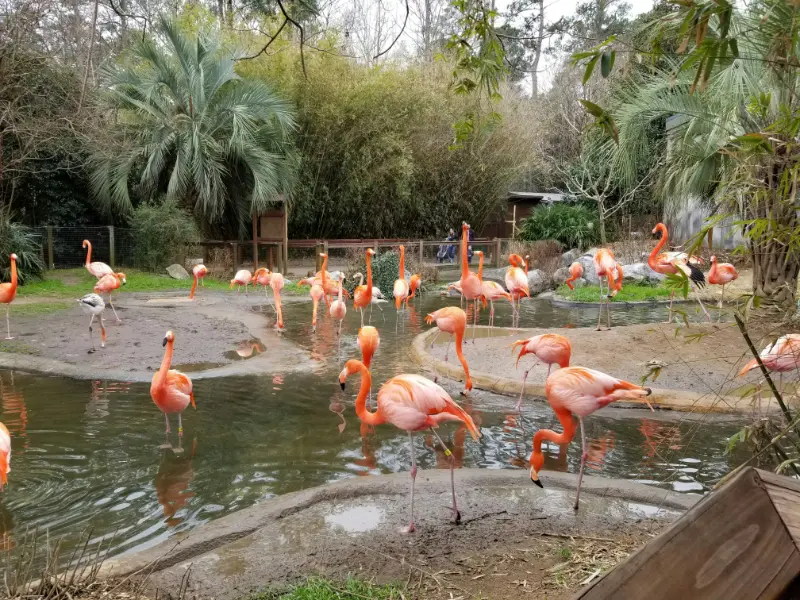
    Pink Flamingos Standing in Florida Wildlife Park

    How to teach identification without pressure

    Children often learn more from comparing two common leaves or bird shapes than from rushing to add many species to a digital checklist. Start with visible features: color, movement, habitat and general body shape. Ask questions such as whether the bird was feeding in water or perched in a tree. Teenagers can look up possible identifications later and mark which remain uncertain. Older adults may contribute excellent observations while seated at a wildlife overlook. Give everyone permission to enjoy the place without handling a phone constantly. Citizen science works well on vacation when it enriches attention rather than turning the landscape into another screen-based competition.

    Data sharing and family privacy

    Images may contain GPS data or identifiable information about children, private property and accommodation locations. Review the privacy settings of an observation platform before posting. Some wildlife programs restrict sensitive records to protect nests, dens or rare species; honor those requirements instead of posting exact pins elsewhere. If family members do not want photographs shared, document the animal without including them in the frame. Remember that a wildlife observation can be useful even when the public sees only a generalized location. Responsible sharing protects both people and the habitats that make the research possible.

    When to contact the authorities instead

    A sick animal, injured marine mammal or suspicious wildlife disturbance can require specialized assistance. The appropriate response may be to contact FWC or another designated authority using an official reporting channel, not to post a photo and wait for comments. Never handle an injured animal unless directed by qualified responders. Similarly, sightings of some nonnative species may be relevant to dedicated management programs; read the requirements before reporting. Teach children that helping wildlife often means giving it space and asking experts for guidance. Citizen science is a contribution to knowledge, not a substitute for rescue, law enforcement or medical care.

    A practical decision checklist

    For a first family project, choose a wildlife-viewing area with accessible parking, clear paths and restrooms. Before arrival, read one official observation guide and decide what information to record. During the visit, make only a few careful observations, avoiding sensitive nests or habitats. After returning to the hotel, compare photographs with a field guide and upload only appropriate records. An older relative can help write notes while children draw the scene. Keep the activity collaborative rather than treating a particular number of species as a target.

    Suggested half-day plan and alternatives

    A practical packing list includes binoculars when available, a phone with sufficient battery, a small notebook, water, sun protection and shoes suited to the route. You do not need expensive camera equipment, and long-distance lenses are not permission to approach wildlife more closely. If a program requires a particular photo angle or geotag, review that before travel. Poor connectivity is common in some natural areas, so write field notes offline and submit observations later. In a storm, leave the open trail and postpone the activity; no citizen science record is important enough to override weather safety.

    Final checks before you go

    A good review process separates confirmed observations from guesses. Note whether the identification was helped by other observers, whether the habitat description is accurate and whether the public location should be obscured. Do not exaggerate species rarity for social media. Consider following up on the program’s findings after your trip so children see that observations can contribute to a longer research effort. Citizen science connects a Florida vacation to real conservation, but only when data quality and respect for wildlife remain more important than the number of photos uploaded.

    Another useful consideration

    For a simple one-hour version, select a paved nature center loop where you can remain close to the entrance. Before leaving, open the relevant official project page and make sure it is accepting records from your chosen region. Write down observations in the field without spending the entire outing staring at a screen. Once back at the hotel, review each identification and omit any record that does not meet the program requirements. This makes the process more reliable, reduces pressure on children and keeps the day focused on Florida’s natural landscapes rather than app statistics.

    Quick planning comparison

    Experience or optionWhat to check
    Bird observationBinoculars, date, broad location, distance
    Plant identificationPhotograph from path, habitat notes, no picking
    FWC sighting reportUse the correct program, avoid duplicate unsupported claims
    Family journalSketch, weather, respectful observation and questions

    Frequently asked questions

    Can tourists contribute to FWC citizen science? Many sighting-based projects welcome observations; follow the specific program instructions.

    Do I need a professional camera? No. Careful notes and an ordinary phone may be sufficient for appropriate projects.

    Is an app identification always correct? No. Treat automated suggestions as provisional and seek qualified review when necessary.

    Should I publish the exact location of a rare nest? Avoid exposing sensitive wildlife locations and follow the program’s privacy guidance.

    Can a person with limited mobility participate? Yes. Observations from accessible overlooks and short routes can be valuable.

    Official sources and further checks

    Use these official resources for regulations, access conditions and current services. Rules and openings can change, so always verify before booking or traveling.

    FWC citizen science initiatives

    FWC official sighting reports

    FWC iNaturalist projects

  • Russell-Fields City Pier Guide: Fishing Fees, 24/7 Access, Beach, Sunset and Panama City Beach Tips

    Russell-Fields City Pier Guide: Fishing Fees, 24/7 Access, Beach, Sunset and Panama City Beach Tips

    Russell-Fields City Pier is one of the easiest places in Panama City Beach to combine a Gulf view, fishing, a beach stop and an evening at Pier Park without moving the car repeatedly. The pier extends more than 1,500 feet into the Gulf and sits directly across Front Beach Road from Pier Park, making it useful even for travelers who do not fish.

    Explore this guide

    The key is to decide what kind of visit you want before arriving. A short spectator walk at sunset, a serious fishing session and a family beach day use the same location very differently. Planning around that purpose keeps the visit simple and helps you budget for the correct pier fee, parking needs and amount of time.

    Quick planning summary

    • Best for: Gulf views, fishing, sunsets, beach access and Pier Park combinations
    • Current pier access: 24 hours a day, 365 days a year
    • Length: more than 1,500 feet
    • Current daily spectator fee: $4; fishing fee: $7
    • Seasonal lifeguards: currently April 1 through September 30, 10 a.m.–6 p.m.
    • Dog-friendly beach: west side only
    • Address: 16201 Front Beach Road
    • Time needed: 30–60 minutes for a walk; several hours for fishing or a beach visit

    Important 2026 information note

    This article is scheduled for 2028, so fees, staffing, beach-wheelchair procedures and operating details may change. The practical numbers below are the official 2026 baseline. Recheck the City of Panama City Beach page shortly before travel.

    Panama City Beach Skyline and Shoreline Aerial

    What the pier is like

    The long wooden structure gives you a much wider Gulf perspective than a normal beach walk. Benches and the slower pace make it useful for travelers who want scenery without spending hours on the sand. Marine-life sightings are never guaranteed, but the city notes that visitors may see fish, sea turtles, rays, dolphins, manatees and pelicans from the pier.

    Because the pier is exposed, comfort changes quickly with wind and sun. A breezy summer evening can feel pleasant, while midday glare can be intense. In winter, the same wind can make a short walk feel much cooler than the temperature suggests.

    Current fees

    The city currently lists a $4 daily spectator fee and $7 daily fishing fee. Children six and under are free. Reduced daily rates of $3 are listed for seniors 65+, active or retired military visitors and disabled visitors with appropriate documentation. Multi-visit, three-month and annual passes are also offered, and city-pier passes are currently honored at the M.B. Miller County Pier.

    Treat these as a 2026 baseline rather than a 2028 promise. If price matters to your budget, check the official fee table before leaving your accommodation.

    Fishing from Russell-Fields

    Fishing is one of the pier’s core uses. Species vary with season and conditions; the city lists catches including cobia, king and Spanish mackerel, redfish, pompano, flounder, sheepshead and others. Experienced anglers will already know that a Gulf pier changes through the year. First-time visitors should ask locally what is actually running rather than buying tackle for a species that was active two months earlier.

    The official city page currently says the bait shop is closed, while destination information may still reference rentals or tackle services. That is exactly the kind of detail to verify before relying on on-site supplies. Bringing your own essential equipment is safer if fishing is the main purpose of the day.

    Beach access and the dog-friendly area

    The pier is also a major beach access point. The city identifies the west side as dog-friendly, so pet owners should stay within the designated area and verify current leash and beach rules. The surrounding beach can be much busier than quieter neighborhood accesses because the pier and Pier Park naturally concentrate visitors.

    Family tipFor families, the advantage is convenience. You can build a beach morning, rinse off, walk the pier and move to an early dinner without a long cross-town transfer. The disadvantage is popularity: if your only goal is quiet sand, another access may fit better.

    Lifeguards and swimming

    The city currently lists lifeguards from April 1 through September 30, 10 a.m.–6 p.m., although staffing can change with weather. Guarded water is not risk-free water. Check the beach flags before swimming, supervise children closely and follow official instructions during rough surf.

    Accessibility

    Russell-Fields is listed as accessible. The city currently offers three beach-accessible wheelchairs for public use at no charge after completing a form and presenting valid identification. Beach Access 56 on the west side of the ticket office has an accessible ramp designed to help users reach the beach.

    If this service is important to your visit, call or check the official page before arrival. Equipment availability can change, and an accessible route on a calm morning may feel different during crowded or stormy conditions.

    Best time for a spectator walk

    Sunset is the classic choice because the pier gives an unobstructed Gulf horizon and can be paired with dinner at Pier Park. Sunrise is quieter and cooler, while midday offers the brightest water color but the least shade. If photography matters, arrive early enough to walk to your preferred position before the sun reaches the horizon.

    Pairing the pier with Pier Park

    Pier Park sits directly across the road. That makes the combination unusually efficient: beach or pier first, then food, shopping or indoor entertainment. If you have young children, senior travelers or someone who tires easily, avoid turning the combination into an endless walk. Decide which part is the anchor and treat the other as optional.

    Is Russell-Fields worth it if you do not fish?

    Yes for most first-time visitors who like views, sunsets or easy wildlife watching. The spectator fee is modest compared with a boat excursion and the time commitment can be short. It is less compelling if your group dislikes exposed walking, if conditions are stormy or if you already have multiple pier experiences planned elsewhere along the Panhandle.

    Official information

    Check the City of Panama City Beach Russell-Fields Pier page for current fees, access, lifeguard dates, accessibility information and operational notices.

    Families, teenagers and senior travelers

    Panama City Beach works well for multigenerational groups when the schedule is built around energy level rather than age labels. Families with younger children generally need shade, restroom access and shorter activity blocks. Teenagers often enjoy activities that give them some independence, whether that means fishing, interactive exhibits, water rides or a walk around Pier Park. Senior travelers may prefer the same attractions but benefit from a slower pace, more seated breaks and less time on exposed pavement or soft sand during the hottest hours.

    A practical family rule is to choose one anchor activity and one optional add-on. If everyone is still enjoying the day, add the second stop. If heat, crowds or weather have already used up the group’s energy, stop without treating the change as a failed itinerary.

    Accessibility and comfort

    Accessibility in a Gulf Coast destination is not only about ramps. Heat, glare, long walks from parking, wet surfaces, sand and sudden storms can affect how comfortable a visit feels. Travelers using wheelchairs, walkers or strollers should verify the exact route from parking to the attraction, not just whether the destination describes itself as accessible. When beach access is part of the plan, mobility mats and beach-wheelchair programs can make a major difference, but availability can change.

    Weather and seasonal planning

    Summer brings warm Gulf water, long daylight and the fullest attraction schedule, but also intense sun, high humidity and frequent afternoon thunderstorms. Spring and fall can be easier for walking and outdoor attractions. Winter is quieter and often pleasant for museums, piers and sightseeing, although water temperatures and wind may make a beach day feel very different from summer.

    Lightning is the condition that should change plans immediately. Do not wait on an exposed pier, beach or waterpark deck because a storm still appears distant. Use radar and official attraction updates, and keep one indoor backup available for days when the Gulf weather refuses to cooperate.

    Beach safety still matters

    Even when the attraction itself is the reason for the visit, many travelers combine it with the beach. Check the current Panama City Beach flag system before entering the Gulf. Rip currents are not always obvious from shore, and a calm-looking surface is not proof that conditions are safe. Lifeguard coverage is seasonal and limited to specific areas, so never assume every public access is guarded.

    Budget and value

    Compare the complete day rather than only the headline ticket price. Parking, food, drinks, equipment, souvenir photos, lockers and optional upgrades can change the total quickly. A lower-cost day can pair a paid attraction with a beach walk, sunset or public park. Families often get better value by choosing one substantial paid activity instead of stacking several expensive stops simply because they are close together.

    What to bring

    • refillable water bottles
    • sunscreen, sunglasses and a hat
    • comfortable walking shoes
    • a light rain layer during the warm season
    • a portable phone charger
    • any required identification for discounts
    • a small dry bag or waterproof phone pouch when water is involved

    Common planning mistakes

    • using an old social-media post as the source for current prices or hours
    • forgetting that Panama City Beach uses Central Time locally
    • planning a long exposed activity at the hottest point of the afternoon
    • assuming parking is free because beach access itself is public
    • waiting until arrival to check height, health or participation restrictions
    • filling every hour of the day and leaving no room for weather delays

    A better daily rhythm

    For most visitors, the easiest rhythm is an early outdoor activity, a shaded or indoor break around midday, and a flexible late-afternoon or evening plan. This reduces heat stress and gives the schedule room to absorb traffic or a thunderstorm. If sunset matters, choose the final stop geographically before lunch so you are not crossing the entire resort strip at the busiest time of day.

    Driving and parking strategy

    Front Beach Road can move slowly in peak periods. Enter the exact attraction or parking area in navigation before leaving, and allow more time than the mileage suggests. If your group includes someone with limited mobility, use a legal passenger drop-off when possible before the driver searches for a more distant space. Never improvise parking on dunes, grass or private property.

    Continue your Bay County trip

    Use the Panama City Beach travel guide as the broader planning hub. Travelers arriving from the east can also compare the resort atmosphere with Mexico Beach.

    Final planning advice

    The best version of a Panama City Beach day is usually simpler than the longest possible checklist. Decide what experience matters most, verify the current official information shortly before travel and leave enough flexibility for weather, traffic and the possibility that your group simply wants to stay longer at one place.

  • Pier Park Panama City Beach Guide: Shops, Dining, Parking, Hours and Family Tips

    Pier Park Panama City Beach Guide: Shops, Dining, Parking, Hours and Family Tips

    Pier Park is Panama City Beach’s easiest all-weather evening anchor and a useful break from full-day beach plans. The open-air center sits across from the Russell-Fields City Pier and combines national retailers, local shops, restaurants, movies and entertainment in one walkable district. It is most valuable when used strategically: not as an entire vacation day by default, but as a flexible place for dinner, shopping, a rainy spell or an activity that works for mixed-age groups.

    Explore this guide

    For a first visit, the goal is not to collect every possible stop. Build the day around the experience that matters most to your group, then use nearby beaches, food or short walks as supporting activities. That approach makes the trip more resilient when traffic, Gulf conditions or summer thunderstorms change the schedule.

    Quick planning summary

    • Best for: shopping, dining, evening walking, movies and mixed-age groups
    • Current center hours: Mon–Sat 10 a.m.–9 p.m.; Sun noon–6 p.m.
    • Scale: 120+ stores and restaurants
    • Time needed: 2–4 hours for most visitors
    • Location: 600 Pier Park Drive

    Important current-status note

    October 2026 information snapshot: this article is scheduled for 2028. Hours, prices, construction, beach access, shuttle schedules, wildlife rules, parking systems and local ordinances can change before publication. The practical details below are a verified 2026 planning baseline, not a promise that every condition will still apply in 2028. Recheck the linked official source shortly before travel.

    Current practical baseline

    Simon currently describes Pier Park as a one-million-square-foot open-air complex with more than 120 stores and restaurants. Regular 2026 center hours are listed as Monday–Saturday 10 a.m.–9 p.m. and Sunday noon–6 p.m., with individual businesses and entertainment venues using their own schedules.

    How Pier Park is organized

    The center is large enough that parking near the wrong end can add unnecessary walking in heat. Check the current directory before arriving if you have one specific restaurant, store or entertainment venue in mind. If you are browsing without a target, park once and treat the center as a walking district.

    Shopping

    Pier Park mixes major chains, beach-oriented shops and specialty retailers. The practical advantage is variety rather than uniqueness. Travelers looking for local character should combine it with Historic St. Andrews or Downtown Panama City, while families needing familiar brands, last-minute supplies or an easy shopping evening may find Pier Park extremely convenient.

    Dining

    Restaurant options range from quick snacks to sit-down meals. Peak dinner periods can involve waits, especially during summer and spring-break weeks. If your group includes small children or older travelers who dislike queues, reserve where possible or eat slightly earlier than the standard dinner rush.

    Entertainment

    Movies and other entertainment venues make Pier Park useful on stormy afternoons. Attraction lineups can change more quickly than the shopping center itself, so verify the current directory rather than planning around an older list. Indoor entertainment is also a good recovery option after a hot morning on the beach.

    Russell-Fields City Pier across the road

    The City Pier is directly across from the main entrance and can turn a shopping trip into a sunset walk. The city currently lists the pier as open 24/7 with separate spectator and fishing fees. The beach west of the pier includes a designated dog-friendly area, while lifeguard service is seasonal.

    Panama City Beach Hotels by the Gulf Aerial

    Parking and accessibility

    Simon lists on-site parking and accessible parking. During major events and peak summer evenings, allow more time than the driving distance suggests. Drop off passengers who have limited mobility near the relevant entrance before searching for a farther space.

    Families and teenagers

    Teenagers often appreciate the independence of a defined pedestrian center, while younger children benefit from a dinner-and-entertainment plan that does not involve another long drive. Set a meeting point before separating, because the center is too large to rely on “we’ll find each other later.”

    Best time to visit

    Late afternoon into evening works best for many visitors: the heat eases, dinner becomes part of the plan and you can walk to the pier around sunset. On a rainy day, arrive earlier but remember that the center itself is open-air, so you may still be moving between buildings in rain.

    Families, teenagers and senior travelers

    Families with young children usually enjoy the area most when the day alternates between movement and recovery: beach or trail first, then lunch or an indoor stop, then another short activity later. Teenagers may prefer snorkeling, wildlife, biking, shopping or interactive exhibits over a long sequence of passive sightseeing. Senior travelers often appreciate the broad choice of scenic drives, museums and waterfront stops, but midday heat and soft sand can make apparently short distances tiring. Keep the schedule flexible enough for different energy levels.

    Weather, water and seasonal planning

    Bay County has a long warm season, strong summer sun, frequent afternoon thunderstorms and a hurricane season that can affect beaches, roads and attraction hours even when the center of a storm is far away. Summer is excellent for warm-water trips but demands more shade, hydration and schedule flexibility. Spring and fall often provide a comfortable compromise for walking, wildlife viewing and beach time. Winter can be quiet and pleasant for museums and trails, but Gulf water and wind can feel cool. Check radar, marine conditions and official beach flags before committing to swimming, boating or a long exposed walk.

    Accessibility and multigenerational travel

    Accessibility changes dramatically between paved attractions, shopping districts, boardwalks, soft sand and natural trails. A destination described as “easy” may still involve heat, uneven surfaces or a long walk from parking. Travelers using a wheelchair, walker or stroller should verify the exact route and available accessible facilities rather than relying only on distance. Multigenerational groups generally do best by pairing one higher-effort activity with one lower-effort stop, then building in a shaded or air-conditioned break during the hottest part of the day.

    Budget and value

    Panama City Beach can be as inexpensive or as activity-heavy as you make it. Public beach access and several parks cost little or nothing, while boat trips, animal encounters, equipment rentals, dining and beachfront lodging can increase the daily total quickly. Compare the full cost of an experience rather than the headline price: parking, state-park admission, equipment, food, taxes and optional upgrades may matter. Families often save money by carrying water and snacks, grouping stops geographically and choosing one paid attraction per day rather than stacking several.

    What to bring

    • refillable water and extra drinks for hot outdoor days
    • broad-spectrum sunscreen, hat and sunglasses
    • insect repellent for marshes, trails and evenings
    • comfortable walking shoes plus sandals or water shoes when useful
    • a light rain layer during the warm season
    • small power bank for navigation and beach-condition alerts
    • dry bag or waterproof phone pouch for boat and beach days

    Common planning mistakes

    • assuming calm-looking Gulf water means there is no rip-current risk
    • underestimating traffic and parking time during peak weekends
    • planning every hour with no weather backup
    • assuming every beach access has restrooms, lifeguards or large parking areas
    • relying on old social-media prices instead of the current official source
    • forgetting that Central Time applies locally even when arriving from Eastern Time areas
    • packing too many distant stops into one day instead of grouping them geographically

    A better daily rhythm

    Put the most weather-sensitive activity first. Beach time, wildlife viewing, long walks and boat trips generally work best early, while museums, shopping, lunch and other indoor stops are useful during the hottest or stormiest part of the afternoon. Leave at least an hour unassigned. That margin absorbs traffic, a longer meal, changing surf, a thunderstorm or the simple decision to stay longer at a place your group genuinely enjoys.

    Parking and driving strategy

    Front Beach Road, Thomas Drive, Panama City Beach Parkway and the routes across St. Andrews Bay can become slow at busy times. Put the exact entrance or parking lot into navigation before leaving rather than searching by a broad destination name. The City of Panama City Beach currently operates paid public lots near the beach and also maintains multiple public accesses, while individual parks and attractions use their own systems. Never create an improvised parking space on dunes, grass or private property simply because a legal space is not immediately visible.

    Food, restrooms and practical breaks

    Facilities are easy to find around the resort strip and Pier Park but become less predictable on natural beaches, islands and longer trail systems. Families should use restrooms before a remote outing, carry snacks and keep drinking water in the car. Restaurants can be busy in summer and spring-break periods, so an early lunch or dinner often produces a calmer experience. For a boat or ferry day, never assume food and shade will be available at the destination unless the operator explicitly says so.

    Continue the Panhandle road trip

    If you are arriving from the east, the transition from Mexico Beach to Panama City Beach is an easy way to see how quickly the Panhandle changes from small-town shoreline to a larger resort destination. Travelers who want a quieter comparison can also review Cape San Blas before deciding how much time to spend in Bay County.

    Central Time reminder

    Panama City Beach and Panama City use Central Time. This matters for travelers arriving from Port St. Joe, Cape San Blas and much of Gulf County, which use Eastern Time. A relatively short drive can change the clock by one hour. Confirm the local time shown on ferry departures, attraction tickets, restaurant bookings and check-in instructions rather than relying on the time zone of the place you left that morning.

    Photography and responsible visiting

    Bay County offers easy sunset, wildlife, street-art and beach photography, but access rules still apply. Stay out of dunes and nesting zones, keep a respectful distance from wildlife and never block traffic or private property for a photograph. Drone rules can differ between state parks, city property and federal or private land; verify permission for the exact location instead of assuming open sky means unrestricted use.

    If the weather changes

    Have one indoor or low-exposure backup ready. A museum, Historic St. Andrews, Pier Park, a long lunch or a short shopping stop can replace a beach or trail session during lightning or strong wind. After tropical weather, official city, county, state-park and attraction updates should take priority over old reviews because access conditions can change quickly.

    Final planning advice

    Use the guide to decide whether the experience fits your group rather than treating every attraction as mandatory. Bay County works best when you choose one anchor experience, add one or two nearby stops and leave enough room for Gulf weather, traffic and spontaneous beach time. A relaxed day with one memorable activity usually creates a better vacation than racing between five separate attractions.

    Official information

    Check the official source shortly before travel for current hours, prices, closures, event schedules, parking rules and safety notices.

  • ZooWorld Panama City Beach Guide: Hours, Animals, Encounters, Tickets and Family Tips

    ZooWorld Panama City Beach Guide: Hours, Animals, Encounters, Tickets and Family Tips

    ZooWorld Zoological Park gives Panama City Beach families a non-beach activity without requiring a long drive into another county. It is a compact zoo experience rather than a full-day megazoo, which can be an advantage for travelers with young children or for anyone trying to fit one paid attraction around beach time. The best visit starts early, before the strongest heat, and treats animal encounters as optional upgrades rather than something guaranteed with general admission.

    Explore this guide

    For a first visit, the goal is not to collect every possible stop. Build the day around the experience that matters most to your group, then use nearby beaches, food or short walks as supporting activities. That approach makes the trip more resilient when traffic, Gulf conditions or summer thunderstorms change the schedule.

    Quick planning summary

    • Best for: families, animal lovers and a half-day away from the beach
    • Current hours: 9:30 a.m.–4 p.m. daily
    • Last admission: 3 p.m.
    • Time needed: about 2–4 hours
    • Location: 9008 Front Beach Road

    Important current-status note

    October 2026 information snapshot: this article is scheduled for 2028. Hours, prices, construction, beach access, shuttle schedules, wildlife rules, parking systems and local ordinances can change before publication. The practical details below are a verified 2026 planning baseline, not a promise that every condition will still apply in 2028. Recheck the linked official source shortly before travel.

    Current practical baseline

    ZooWorld currently lists daily hours of 9:30 a.m.–4 p.m., rain or shine, with last admission at 3 p.m. and closures on Thanksgiving and Christmas. The zoo advertises optional animal experiences such as giraffe feeding and selected close encounters; availability, age rules and extra charges should be confirmed for the travel date.

    What kind of zoo is it?

    ZooWorld is compact enough that visitors can see a broad range of animals without walking the distances typical of a large metropolitan zoo. That makes it practical for a beach vacation, but it also means you should not expect an all-day safari-scale property. Quality matters more than acreage for this type of stop.

    Animal encounters

    The zoo currently advertises add-on experiences including giraffe feeding and selected close animal encounters. These can have separate prices, schedules, age limits and capacity. If one encounter is the main reason for visiting, reserve or confirm it before buying the rest of the day around that assumption.

    Best time to arrive

    Go near opening in warm months. People and animals are generally more comfortable before midday heat builds, and you preserve the option to return to the beach later. Arriving close to the 3 p.m. last-admission time is a poor strategy if you want to explore slowly.

    Families with young children

    The manageable scale is useful for strollers and shorter attention spans. Build in snack, water and shade breaks, and do not promise every optional encounter. Children can become overstimulated by a long sequence of feeding and touching experiences, so one special interaction may be enough.

    Teenagers and adults

    Older visitors may enjoy photography, specific species and behind-the-scenes style encounters more than generic zoo walking. Check current keeper talks or experience schedules. Adults should also model respectful behavior around barriers instead of encouraging children to shout for an animal’s attention.

    Rain and heat

    The zoo states that it operates rain or shine. Light rain can actually make an outdoor attraction more comfortable, but lightning and severe weather are different. Bring a rain layer and follow staff instructions. In extreme heat, shorten the visit rather than pushing through every area.

    Tickets and budgeting

    General admission and animal encounters should be considered separate budget categories. Membership information can also change yearly. Compare the total for your family before arrival if you plan multiple upgrades.

    Animal welfare and visitor behavior

    Follow staff rules, use only approved food in feeding experiences and never tap on enclosures or cross barriers for a photograph. A respectful visit is safer for both animals and people and creates a better experience for other families.

    Families, teenagers and senior travelers

    Families with young children usually enjoy the area most when the day alternates between movement and recovery: beach or trail first, then lunch or an indoor stop, then another short activity later. Teenagers may prefer snorkeling, wildlife, biking, shopping or interactive exhibits over a long sequence of passive sightseeing. Senior travelers often appreciate the broad choice of scenic drives, museums and waterfront stops, but midday heat and soft sand can make apparently short distances tiring. Keep the schedule flexible enough for different energy levels.

    Weather, water and seasonal planning

    Bay County has a long warm season, strong summer sun, frequent afternoon thunderstorms and a hurricane season that can affect beaches, roads and attraction hours even when the center of a storm is far away. Summer is excellent for warm-water trips but demands more shade, hydration and schedule flexibility. Spring and fall often provide a comfortable compromise for walking, wildlife viewing and beach time. Winter can be quiet and pleasant for museums and trails, but Gulf water and wind can feel cool. Check radar, marine conditions and official beach flags before committing to swimming, boating or a long exposed walk.

    Accessibility and multigenerational travel

    Accessibility changes dramatically between paved attractions, shopping districts, boardwalks, soft sand and natural trails. A destination described as “easy” may still involve heat, uneven surfaces or a long walk from parking. Travelers using a wheelchair, walker or stroller should verify the exact route and available accessible facilities rather than relying only on distance. Multigenerational groups generally do best by pairing one higher-effort activity with one lower-effort stop, then building in a shaded or air-conditioned break during the hottest part of the day.

    Budget and value

    Panama City Beach can be as inexpensive or as activity-heavy as you make it. Public beach access and several parks cost little or nothing, while boat trips, animal encounters, equipment rentals, dining and beachfront lodging can increase the daily total quickly. Compare the full cost of an experience rather than the headline price: parking, state-park admission, equipment, food, taxes and optional upgrades may matter. Families often save money by carrying water and snacks, grouping stops geographically and choosing one paid attraction per day rather than stacking several.

    Panama City Beach Skyline and Shoreline Aerial

    What to bring

    • refillable water and extra drinks for hot outdoor days
    • broad-spectrum sunscreen, hat and sunglasses
    • insect repellent for marshes, trails and evenings
    • comfortable walking shoes plus sandals or water shoes when useful
    • a light rain layer during the warm season
    • small power bank for navigation and beach-condition alerts
    • dry bag or waterproof phone pouch for boat and beach days

    Common planning mistakes

    • assuming calm-looking Gulf water means there is no rip-current risk
    • underestimating traffic and parking time during peak weekends
    • planning every hour with no weather backup
    • assuming every beach access has restrooms, lifeguards or large parking areas
    • relying on old social-media prices instead of the current official source
    • forgetting that Central Time applies locally even when arriving from Eastern Time areas
    • packing too many distant stops into one day instead of grouping them geographically

    A better daily rhythm

    Put the most weather-sensitive activity first. Beach time, wildlife viewing, long walks and boat trips generally work best early, while museums, shopping, lunch and other indoor stops are useful during the hottest or stormiest part of the afternoon. Leave at least an hour unassigned. That margin absorbs traffic, a longer meal, changing surf, a thunderstorm or the simple decision to stay longer at a place your group genuinely enjoys.

    Parking and driving strategy

    Front Beach Road, Thomas Drive, Panama City Beach Parkway and the routes across St. Andrews Bay can become slow at busy times. Put the exact entrance or parking lot into navigation before leaving rather than searching by a broad destination name. The City of Panama City Beach currently operates paid public lots near the beach and also maintains multiple public accesses, while individual parks and attractions use their own systems. Never create an improvised parking space on dunes, grass or private property simply because a legal space is not immediately visible.

    Food, restrooms and practical breaks

    Facilities are easy to find around the resort strip and Pier Park but become less predictable on natural beaches, islands and longer trail systems. Families should use restrooms before a remote outing, carry snacks and keep drinking water in the car. Restaurants can be busy in summer and spring-break periods, so an early lunch or dinner often produces a calmer experience. For a boat or ferry day, never assume food and shade will be available at the destination unless the operator explicitly says so.

    Continue the Panhandle road trip

    If you are arriving from the east, the transition from Mexico Beach to Panama City Beach is an easy way to see how quickly the Panhandle changes from small-town shoreline to a larger resort destination. Travelers who want a quieter comparison can also review Cape San Blas before deciding how much time to spend in Bay County.

    Central Time reminder

    Panama City Beach and Panama City use Central Time. This matters for travelers arriving from Port St. Joe, Cape San Blas and much of Gulf County, which use Eastern Time. A relatively short drive can change the clock by one hour. Confirm the local time shown on ferry departures, attraction tickets, restaurant bookings and check-in instructions rather than relying on the time zone of the place you left that morning.

    Photography and responsible visiting

    Bay County offers easy sunset, wildlife, street-art and beach photography, but access rules still apply. Stay out of dunes and nesting zones, keep a respectful distance from wildlife and never block traffic or private property for a photograph. Drone rules can differ between state parks, city property and federal or private land; verify permission for the exact location instead of assuming open sky means unrestricted use.

    If the weather changes

    Have one indoor or low-exposure backup ready. A museum, Historic St. Andrews, Pier Park, a long lunch or a short shopping stop can replace a beach or trail session during lightning or strong wind. After tropical weather, official city, county, state-park and attraction updates should take priority over old reviews because access conditions can change quickly.

    Final planning advice

    Use the guide to decide whether the experience fits your group rather than treating every attraction as mandatory. Bay County works best when you choose one anchor experience, add one or two nearby stops and leave enough room for Gulf weather, traffic and spontaneous beach time. A relaxed day with one memorable activity usually creates a better vacation than racing between five separate attractions.

    Official information

    Check the official source shortly before travel for current hours, prices, closures, event schedules, parking rules and safety notices.

  • Cape San Blas Florida Travel Guide: Beaches, Loggerhead Trail, St. Joseph Bay and Family Tips

    Cape San Blas Florida Travel Guide: Beaches, Loggerhead Trail, St. Joseph Bay and Family Tips

    Cape San Blas is the Gulf County destination for travelers who want a beach vacation with far more nature than resort infrastructure. The narrow cape wraps around St. Joseph Bay, giving visitors access to both Gulf-facing beaches and protected bay scenery within a relatively small area. It works especially well for families, couples, anglers, cyclists and travelers who prefer vacation rentals and quiet evenings to nightlife.

    Explore this guide

    The cape is about a 20-minute drive from Port St. Joe under normal conditions, but the experience is intentionally slower once you arrive. A useful plan is to choose one beach access, one active element such as cycling or paddling and enough unscheduled time for weather changes. The destination becomes less enjoyable when treated as a checklist.

    Quick planning summary

    • Best for: quiet beach stays, families, cycling, kayaking and fishing
    • Signature route: Loggerhead Trail, about 8.7 miles paved
    • Time needed: full day; 2–5 nights for a relaxed stay
    • Car: essential for supplies and wider Gulf County
    • Main nearby hub: Port St. Joe

    Important current-status note

    October 2026 information snapshot: this article is scheduled for 2028. Hours, prices, construction, storm repairs, beach access, wildlife rules, tour schedules and local ordinances can change before publication. The practical details below are a verified planning baseline, not a promise that every 2026 condition will still apply in 2028. Recheck the linked official source shortly before travel.

    Current practical baseline

    Gulf County tourism describes Cape San Blas as a narrow coastal stretch roughly 20 minutes from Port St. Joe. Its current visitor information highlights fishing, kayaking, paddleboarding, cycling and hiking, plus the 8.7-mile paved Loggerhead Trail. Salinas Park provides both Gulf-side and bay-side access and is a practical southern gateway to the cape.

    Understanding the layout

    The cape is not one single beach entrance. Vacation homes, public accesses, Salinas Park, the paved trail and the state park are spread along a long narrow road. Before leaving Port St. Joe, decide whether your priority is beach access, a bike ride, paddling, the state park or simply exploring. That prevents unnecessary driving back and forth.

    Gulf beach versus St. Joseph Bay

    The Gulf side gives you open-water beach scenery and surf. The bay side is more protected and often better for paddling, wildlife observation and shallow-water exploration, but weather still matters. A windy day can make either side uncomfortable. Check conditions rather than choosing solely from photos taken in different seasons.

    Florida House with Garden and Palm Trees

    Loggerhead Trail

    The 8.7-mile paved Loggerhead Trail is one of the most useful features for travelers who want activity beyond the beach. Cyclists should remember that summer heat and sun exposure can turn an easy-looking ride into a demanding outing. Start early, carry water and use the trail for a partial out-and-back if the whole distance does not suit your group.

    Families with children

    Cape San Blas can be excellent for children who enjoy sand, shells, wildlife and open space. It is less suitable for families who expect a boardwalk full of attractions within walking distance. Bring beach shade, snacks, water and simple entertainment. Plan a short playground or park stop if young children need variety away from the shoreline.

    Kayaking and paddleboarding

    St. Joseph Bay is visually inviting, but a good paddling day depends on wind, tide, skill and the exact launch. Beginners should stay close to shore and use a route with an easy exit. Do not chase wildlife or paddle farther simply because the water looked calm at launch time.

    Where to base yourself

    A rental on the cape maximizes beach time and sunrise/sunset flexibility. Staying in Port St. Joe provides easier access to groceries, restaurants and a wider set of services. Families staying several nights may prefer the cape, while road-trippers and travelers mixing beaches with museums often find Port St. Joe more practical.

    Road and storm awareness

    Cape roads and dune systems are exposed to tropical weather and erosion. After a major storm, access, walkovers and beach conditions may change even if lodging is open. Confirm road conditions and specific public access points before arrival, especially when traveling far in advance.

    A simple first-day plan

    Arrive early, begin at Salinas Park or another confirmed access, spend the morning on the beach or bay, take a midday break, then cycle a manageable part of Loggerhead Trail or drive toward the state park for late-afternoon scenery. This sequence keeps the day varied without requiring constant car moves.

    Weather, storms and seasonal planning

    Northwest Florida has a long warm season, strong summer sun, frequent afternoon thunderstorms and a hurricane season that can affect beaches, roads and facilities even when the center of a storm is far away. Spring and fall often provide a more comfortable balance for walking and cycling, while winter can be excellent for quiet sightseeing but may bring cool or windy days. Check radar, marine conditions and official alerts before committing to exposed beaches, paddling or long drives on low coastal roads.

    Accessibility and multigenerational travel

    Accessibility varies from modern museums and paved parks to soft sand, dunes, natural trails and boat-only destinations. For a wheelchair, walker or stroller, verify the exact accessible route rather than assuming that a short distance will be easy. Multigenerational groups usually do best by pairing one higher-effort outdoor activity with one low-effort stop such as a scenic overlook, museum, picnic area or short waterfront walk. In hot weather, schedule the most exposed activity early and save air-conditioned stops for midday.

    Budget and value

    This part of the Panhandle can be good value because beaches, scenic drives and several public parks cost little or nothing. The larger expenses are usually lodging, boat trips, equipment rentals, fishing charters and restaurant meals. Save money by grouping stops geographically, carrying water and beach supplies, and avoiding unnecessary back-and-forth drives. A free beach is not truly inexpensive if reaching it requires repeated long detours, parking changes and extra fuel.

    What to bring

    • refillable water and more than you expect to drink on a remote day
    • broad-spectrum sunscreen, hat and sunglasses
    • insect repellent for marshes, forests and evenings
    • comfortable footwear plus sandals or water shoes when useful
    • light rain layer in the warm season
    • offline map or downloaded directions for areas with weak mobile service
    • small power bank for navigation and photography

    Common planning mistakes

    • assuming every beach access has restrooms, lifeguards or food nearby
    • underestimating heat, wind and thunderstorms on an exposed coast
    • treating wildlife sightings, shelling or fishing success as guaranteed
    • ignoring tides and marine conditions before paddling or boating
    • planning too many separated communities in a single short day
    • forgetting that hurricane repairs and erosion can change access
    • relying on old prices or social-media posts instead of an official source

    A better daily rhythm

    Put the most weather-sensitive experience first. Beach time, wildlife viewing, paddling and long walks are usually better early, while museums, downtown shops and long lunches work well during the hottest or stormiest part of the afternoon. Leave at least an hour unassigned. That margin absorbs a bridge delay, a longer meal, a sudden shower or the simple decision to stay at a beautiful beach longer than planned.

    Parking, arrival and driving strategy

    On this stretch of coast, a few extra minutes of preparation can save a surprising amount of time. Put the exact public entrance or parking area into navigation before leaving, because a destination name may cover miles of shoreline or preserve land. Keep fuel above half a tank on remote days, avoid blocking residential access, and never create your own parking space on dunes or vegetation. If a fixed tour or museum opening matters, arrive with a buffer rather than planning to pull in at the exact start time.

    Restrooms, food and practical breaks

    Facilities become less predictable as you move away from Port St. Joe and Mexico Beach. Some parks have restrooms and picnic areas; natural beaches, launches and preserve access points may have very little. Families should use a restroom before a long beach or paddling session, carry snacks and keep drinking water in the car. Restaurants in small coastal communities may close earlier or take midweek days off, particularly outside peak season.

    Photography and responsible wildlife viewing

    Sunrise, sunset, dunes, shorebirds and the changing colors of St. Joseph Bay provide excellent photography without leaving designated access. Use a longer lens for birds and other wildlife, and do not walk into nesting areas for a closer image. Drones may be restricted by the land manager, state park, refuge or local ordinance; verify the exact property rules before flying rather than assuming open sky means permission.

    If the weather changes

    Have a backup that does not depend on calm water. Port St. Joe history stops, the Welcome Center, shops and a longer meal can replace a beach or paddling session during lightning or strong wind. After tropical weather, give official road, park and county updates more weight than crowdsourced posts because washouts, dune repairs and access restrictions can change rapidly.

    Trip-planning details that are easy to overlook

    Before the day begins, check the exact drive time from your lodging, the local time zone, the nearest fuel stop and whether the destination has shade, restrooms and reliable mobile coverage. Coastal distances can look short on a map but bridges, two-lane roads and beach traffic add time. If your group includes young children, older travelers or anyone sensitive to heat, build a guaranteed indoor or shaded break into the middle of the day. Keep one alternative activity nearby so a rough Gulf, thunderstorm or temporary closure does not waste the day.

    Final planning advice

    Use this guide to decide whether the experience fits your group rather than treating it as another box to check. Gulf County and the neighboring coast reward travelers who accept a slower pace and leave room for weather, wildlife, local food and spontaneous stops. One memorable beach or nature experience plus one cultural stop usually creates a better day than racing between five attractions.

    Official information

    Check official visitor information shortly before travel for current hours, fees, closures, access rules and safety notices.