Category: Family Attractions Florida

  • WonderWorks Panama City Beach Guide: Tickets, Hours, Exhibits, Ropes Course and Family Tips

    WonderWorks Panama City Beach Guide: Tickets, Hours, Exhibits, Ropes Course and Family Tips

    WonderWorks is one of Panama City Beach’s most useful indoor family attractions because it works as both a planned activity and a weather backup. The upside-down building on Front Beach Road contains roughly 29,000 square feet of interactive “edu-tainment,” more than 100 hands-on exhibits and six themed Wonder Zones, plus activities such as an indoor ropes course and laser tag.

    Explore this guide

    The attraction is not a conventional museum where everyone moves quietly from case to case. It is active, noisy and hands-on. That makes it particularly strong for school-age children and teenagers, but it also means visitors with motion or sensory sensitivities should review the warnings before buying tickets.

    Quick planning summary

    • Best for: school-age children, teenagers, rainy days and hot afternoons
    • Current hours: Sun–Thu 10 a.m.–8 p.m.; Fri–Sat 10 a.m.–9 p.m.
    • Last ticket: currently sold one hour before closing
    • Scale: about 29,000 square feet and 100+ hands-on exhibits
    • Location: 9910 Front Beach Road
    • Time needed: about 2–4 hours for most families
    • Important: several attractions have height, health or motion restrictions

    Important 2026 information note

    This article is scheduled for 2028. WonderWorks can change hours, ticket products, included experiences and attraction restrictions before then. Use the official website for the final 2028 check.

    What WonderWorks is

    The attraction uses the fictional story of an upside-down laboratory as the setting for interactive science and challenge exhibits. The experience begins with an inversion tunnel and continues through six Wonder Zones. Rather than trying to “complete” every exhibit, let children spend longer on the experiments they actually enjoy.

    Who enjoys it most

    School-age children are the easiest audience because many exhibits combine movement, competition and simple science concepts. Teenagers often respond well to the ropes course, laser tag and more physical challenges. Adults who enjoy interactive museums can have fun too, especially in a mixed-age group where not everyone wants another beach afternoon.

    Current hours

    The official Panama City Beach page currently lists Sunday through Thursday from 10 a.m. to 8 p.m. and Friday/Saturday from 10 a.m. to 9 p.m. The last ticket is sold and doors are locked one hour before closing. Holiday and special-event schedules can differ, so do not assume those hours apply to every future date.

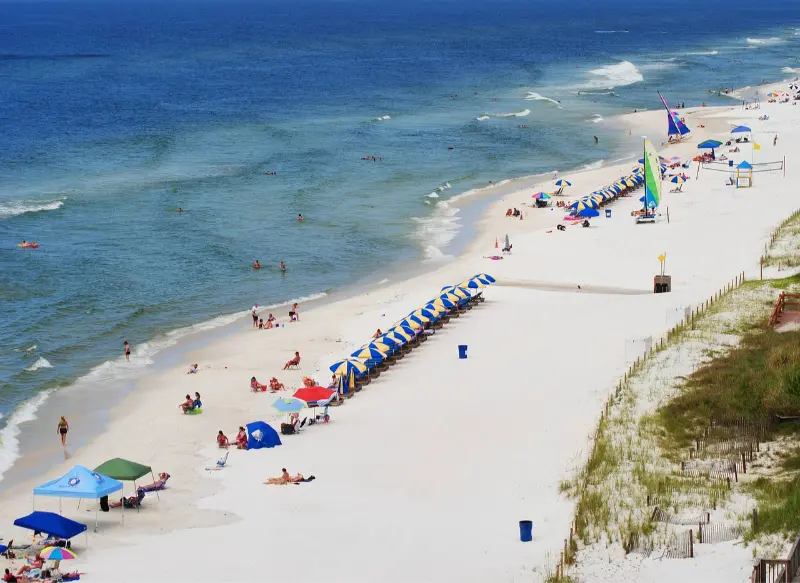
    Panama City Beach Skyline and Shoreline Aerial

    Tickets

    WonderWorks sells different ticket products and age bands, and online pricing can change. Because this article is scheduled well into the future, I would not build a 2028 budget around a single 2026 dollar figure. Check whether your ticket includes the activities your family considers essential and whether taxes or upgrades change the final cost.

    Indoor ropes course

    The glow-in-the-dark ropes course is one of the signature physical activities. Current rules require climbers to be at least 48 inches tall to climb alone or 42 inches to participate with an adult 18 or older. The current maximum height is 80 inches. These restrictions can change and are enforced for safety, so verify them if the ropes course is central to the visit.

    Wonder Coaster and motion experiences

    The current Wonder Coaster rules list a minimum of 48 inches to ride alone or 42 inches with a responsible rider 48 inches or taller, plus a 250-pound individual weight limit. Motion-based attractions may not be suitable for every visitor even when height requirements are met.

    Health and sensory warnings

    The official site warns that some exhibits involve flashing lights and motion and may be unsuitable for visitors with certain heart conditions, diabetes, vertigo, seizures or other light/motion sensitivities. This deserves attention before the day begins, not after a ticket is purchased. Families with sensory-sensitive visitors can contact the attraction for current guidance and decide whether the exhibit environment fits their needs.

    Rainy-day strategy

    WonderWorks is popular precisely when the beach becomes less appealing. That means a rainy forecast can also mean more families choosing the same indoor plan. If the weather is obviously poor, arrive earlier rather than waiting until every beachgoer moves indoors at the same time.

    Do not treat indoor as the same thing as storm-proof travel. Severe weather can still affect roads, power, attraction operations and opening hours. Check official alerts when a major storm system is involved.

    How long to allow

    Two hours can work for a focused visit with older children who move quickly, but three to four hours is more realistic if the group wants to repeat exhibits, use the ropes course and take breaks. Avoid scheduling a fixed dinner reservation too tightly after your entry time.

    Combining WonderWorks with other stops

    The attraction sits along the main resort corridor, so it pairs well with a beach morning or an evening around Pier Park. On a summer day, a strong plan is beach early, indoor attraction during the hottest or stormiest part of the afternoon, then dinner or sunset later.

    Is WonderWorks worth it for toddlers?

    That depends on the child and the ticket cost on your date. Younger children can enjoy visual and hands-on elements, but many signature challenges are designed around older or taller participants. Families with toddlers should compare WonderWorks with a shorter science-center or zoo visit before committing to a full-family ticket.

    Official information

    Check the official WonderWorks Panama City Beach visitor information page for current hours, tickets and ride restrictions.

    Families, teenagers and senior travelers

    Panama City Beach works well for multigenerational groups when the schedule is built around energy level rather than age labels. Families with younger children generally need shade, restroom access and shorter activity blocks. Teenagers often enjoy activities that give them some independence, whether that means fishing, interactive exhibits, water rides or a walk around Pier Park. Senior travelers may prefer the same attractions but benefit from a slower pace, more seated breaks and less time on exposed pavement or soft sand during the hottest hours.

    A practical family rule is to choose one anchor activity and one optional add-on. If everyone is still enjoying the day, add the second stop. If heat, crowds or weather have already used up the group’s energy, stop without treating the change as a failed itinerary.

    Accessibility and comfort

    Accessibility in a Gulf Coast destination is not only about ramps. Heat, glare, long walks from parking, wet surfaces, sand and sudden storms can affect how comfortable a visit feels. Travelers using wheelchairs, walkers or strollers should verify the exact route from parking to the attraction, not just whether the destination describes itself as accessible. When beach access is part of the plan, mobility mats and beach-wheelchair programs can make a major difference, but availability can change.

    Weather and seasonal planning

    Summer brings warm Gulf water, long daylight and the fullest attraction schedule, but also intense sun, high humidity and frequent afternoon thunderstorms. Spring and fall can be easier for walking and outdoor attractions. Winter is quieter and often pleasant for museums, piers and sightseeing, although water temperatures and wind may make a beach day feel very different from summer.

    Lightning is the condition that should change plans immediately. Do not wait on an exposed pier, beach or waterpark deck because a storm still appears distant. Use radar and official attraction updates, and keep one indoor backup available for days when the Gulf weather refuses to cooperate.

    Beach safety still matters

    Even when the attraction itself is the reason for the visit, many travelers combine it with the beach. Check the current Panama City Beach flag system before entering the Gulf. Rip currents are not always obvious from shore, and a calm-looking surface is not proof that conditions are safe. Lifeguard coverage is seasonal and limited to specific areas, so never assume every public access is guarded.

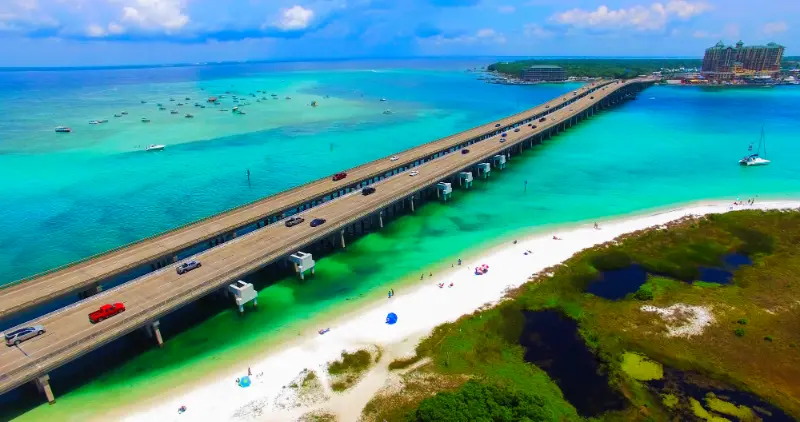
    Panama City Beach Hotels by the Gulf Aerial

    Budget and value

    Compare the complete day rather than only the headline ticket price. Parking, food, drinks, equipment, souvenir photos, lockers and optional upgrades can change the total quickly. A lower-cost day can pair a paid attraction with a beach walk, sunset or public park. Families often get better value by choosing one substantial paid activity instead of stacking several expensive stops simply because they are close together.

    What to bring

    • refillable water bottles
    • sunscreen, sunglasses and a hat
    • comfortable walking shoes
    • a light rain layer during the warm season
    • a portable phone charger
    • any required identification for discounts
    • a small dry bag or waterproof phone pouch when water is involved

    Common planning mistakes

    • using an old social-media post as the source for current prices or hours
    • forgetting that Panama City Beach uses Central Time locally
    • planning a long exposed activity at the hottest point of the afternoon
    • assuming parking is free because beach access itself is public
    • waiting until arrival to check height, health or participation restrictions
    • filling every hour of the day and leaving no room for weather delays

    A better daily rhythm

    Planning tipFor most visitors, the easiest rhythm is an early outdoor activity, a shaded or indoor break around midday, and a flexible late-afternoon or evening plan. This reduces heat stress and gives the schedule room to absorb traffic or a thunderstorm. If sunset matters, choose the final stop geographically before lunch so you are not crossing the entire resort strip at the busiest time of day.

    Driving and parking strategy

    Front Beach Road can move slowly in peak periods. Enter the exact attraction or parking area in navigation before leaving, and allow more time than the mileage suggests. If your group includes someone with limited mobility, use a legal passenger drop-off when possible before the driver searches for a more distant space. Never improvise parking on dunes, grass or private property.

    Continue your Bay County trip

    Use the Panama City Beach travel guide as the broader planning hub. For shopping, dinner or an easy evening, the Pier Park guide is a useful companion once it is already published. Travelers arriving from the east can also compare the resort atmosphere with Mexico Beach.

    Final planning advice

    The best version of a Panama City Beach day is usually simpler than the longest possible checklist. Decide what experience matters most, verify the current official information shortly before travel and leave enough flexibility for weather, traffic and the possibility that your group simply wants to stay longer at one place.
  • Shipwreck Island Waterpark Guide: Tickets, Slides, Wave Pool, Families and Panama City Beach Tips

    Shipwreck Island Waterpark Guide: Tickets, Slides, Wave Pool, Families and Panama City Beach Tips

    Shipwreck Island is Panama City Beach’s major traditional waterpark and a useful full-day option when a family wants more structure than an open beach day. The park covers about 15 landscaped acres and advertises more than 20 water attractions, from a lazy river and wave pool to high-speed slides and children’s areas.

    Explore this guide

    The most important planning choice is whether everyone in the group will actually use enough of the park to justify a full-day ticket. Families with swimmers of different heights can still have an excellent day, but checking restrictions before buying avoids disappointment at the ride platform.

    Quick planning summary

    • Best for: families, water-slide fans and hot summer days
    • Scale: 15 acres and 20+ water attractions
    • Location: 12201 Hutchison Boulevard
    • Season: strongly seasonal; currently closed after the 2026 season with 2027 passes on sale
    • Current 2026 single-day baseline: in-park $59.99; selected-date online tickets as low as $44.99
    • Parking: paid; online purchase is currently cheaper than in-park purchase
    • Time needed: 4–7 hours for most families

    Important 2026 information note

    This article is scheduled for 2028. Waterpark calendars, ticket prices, parking rates, ride lineup and height restrictions can change significantly from season to season. The figures and rules below are the verified 2026 planning baseline, not guaranteed 2028 prices.

    What the park includes

    Shipwreck Island lists attractions for very different comfort levels. The Lazy River is the obvious recovery ride. Ocean Motion provides a wave-pool experience. Higher-thrill options include Pirates Plunge, Raging Rapids, Tree Top Drop, White Knuckle River and Zoom Flume. Younger children have areas such as Tadpole Hole and Splash Cove, while Skull Island and the Great Shipwreck add family-oriented play.

    This variety is why the park works better as a dedicated day than a quick two-hour add-on. Moving a family between slides, food, rest breaks and children’s areas takes time even before queues are considered.

    Height restrictions

    Do not assume a child who swims well can use every attraction. The official attraction list currently shows several 48-inch minimums, while other attractions use 42-inch or 36-inch limits. Measure children before the trip if access to a particular slide is a major reason for buying tickets.

    Height rules are safety requirements rather than suggestions. Build excitement around what each child can do rather than making the day depend on one borderline attraction.

    Current ticket baseline

    The park’s current 2026 ticket page lists an in-park single-day price of $59.99, with selected-date online tickets advertised as low as $44.99. A flexible any-day ticket is listed at $54.99 online. Senior, military and first-responder discounts are currently available under specific conditions and may require identification.

    Prices are dynamic enough that advance purchase can matter. Compare the official ticket page on your actual date rather than copying a price from an old travel article. Check taxes, parking and optional cabanas before deciding what the day really costs.

    Parking and cashless planning

    The park currently promotes prepaid parking and describes itself as cashless. In 2026, standard online parking ranges from $10 on weekdays to $15 on weekends, with higher in-park rates and VIP options. Those figures can change by 2028, but the planning lesson remains useful: buy only after confirming the current calendar and parking policy.

    Wave pool, lazy river and thrill slides

    Groups do not need to move together all day. A good strategy is to identify one shared meeting area, then let stronger swimmers repeat thrill slides while other family members use the lazy river or quieter pools. Agree on a meeting time rather than relying on phones, which may be stored away or wet.

    Young children

    For preschool and early-elementary visitors, the value of a waterpark comes from age-appropriate play and frequent breaks rather than the number of slides completed. Alternate short water sessions with shade, drinks and snacks. Reapply sunscreen more frequently than you would during a normal sightseeing day.

    Teenagers

    Teenagers are often the group most likely to get strong value from a full day because they can repeat the faster attractions independently. Set rules about meeting points, hydration and storm procedures before separating. If lightning closes attractions temporarily, do not pressure staff or treat the closure as optional.

    Food and outside items

    The park currently says outside food, drinks and coolers are not permitted. Medical or special dietary exceptions may have their own rules, so contact the park in advance when this is important. Buying every drink individually can add up; compare any current refillable-cup program before arrival.

    Cabanas and shade

    Cabanas and shaded loungers can be valuable for groups with babies, grandparents or anyone who needs predictable rest. They are not automatically necessary for every family. Before paying, ask whether you need a guaranteed base for the whole day or can manage with normal seating and shorter visits.

    When Shipwreck Island is worth the price

    It makes the most sense for a group that wants several hours of active water play and has enough riders to use the attraction mix. It offers less value if only one person wants slides, if the weather is unstable, or if your family mainly wants relaxed Gulf swimming. In that case, a beach day plus one smaller paid attraction may be a better use of the budget.

    Official information

    Check the official Shipwreck Island website for the current season calendar, tickets, parking and attraction availability before travel.

    Families, teenagers and senior travelers

    Panama City Beach works well for multigenerational groups when the schedule is built around energy level rather than age labels. Families with younger children generally need shade, restroom access and shorter activity blocks. Teenagers often enjoy activities that give them some independence, whether that means fishing, interactive exhibits, water rides or a walk around Pier Park. Senior travelers may prefer the same attractions but benefit from a slower pace, more seated breaks and less time on exposed pavement or soft sand during the hottest hours.

    Panama City Beach Florida Pier over Turquoise Sea

    A practical family rule is to choose one anchor activity and one optional add-on. If everyone is still enjoying the day, add the second stop. If heat, crowds or weather have already used up the group’s energy, stop without treating the change as a failed itinerary.

    Accessibility and comfort

    Accessibility in a Gulf Coast destination is not only about ramps. Heat, glare, long walks from parking, wet surfaces, sand and sudden storms can affect how comfortable a visit feels. Travelers using wheelchairs, walkers or strollers should verify the exact route from parking to the attraction, not just whether the destination describes itself as accessible. When beach access is part of the plan, mobility mats and beach-wheelchair programs can make a major difference, but availability can change.

    Weather and seasonal planning

    Summer brings warm Gulf water, long daylight and the fullest attraction schedule, but also intense sun, high humidity and frequent afternoon thunderstorms. Spring and fall can be easier for walking and outdoor attractions. Winter is quieter and often pleasant for museums, piers and sightseeing, although water temperatures and wind may make a beach day feel very different from summer.

    Lightning is the condition that should change plans immediately. Do not wait on an exposed pier, beach or waterpark deck because a storm still appears distant. Use radar and official attraction updates, and keep one indoor backup available for days when the Gulf weather refuses to cooperate.

    Beach safety still matters

    Even when the attraction itself is the reason for the visit, many travelers combine it with the beach. Check the current Panama City Beach flag system before entering the Gulf. Rip currents are not always obvious from shore, and a calm-looking surface is not proof that conditions are safe. Lifeguard coverage is seasonal and limited to specific areas, so never assume every public access is guarded.

    Budget and value

    Compare the complete day rather than only the headline ticket price. Parking, food, drinks, equipment, souvenir photos, lockers and optional upgrades can change the total quickly. A lower-cost day can pair a paid attraction with a beach walk, sunset or public park. Families often get better value by choosing one substantial paid activity instead of stacking several expensive stops simply because they are close together.

    Panama City Beach Skyline and Shoreline Aerial

    What to bring

    • refillable water bottles
    • sunscreen, sunglasses and a hat
    • comfortable walking shoes
    • a light rain layer during the warm season
    • a portable phone charger
    • any required identification for discounts
    • a small dry bag or waterproof phone pouch when water is involved

    Common planning mistakes

    • using an old social-media post as the source for current prices or hours
    • forgetting that Panama City Beach uses Central Time locally
    • planning a long exposed activity at the hottest point of the afternoon
    • assuming parking is free because beach access itself is public
    • waiting until arrival to check height, health or participation restrictions
    • filling every hour of the day and leaving no room for weather delays

    A better daily rhythm

    Planning tipFor most visitors, the easiest rhythm is an early outdoor activity, a shaded or indoor break around midday, and a flexible late-afternoon or evening plan. This reduces heat stress and gives the schedule room to absorb traffic or a thunderstorm. If sunset matters, choose the final stop geographically before lunch so you are not crossing the entire resort strip at the busiest time of day.

    Driving and parking strategy

    Front Beach Road can move slowly in peak periods. Enter the exact attraction or parking area in navigation before leaving, and allow more time than the mileage suggests. If your group includes someone with limited mobility, use a legal passenger drop-off when possible before the driver searches for a more distant space. Never improvise parking on dunes, grass or private property.

    Continue your Bay County trip

    Use the Panama City Beach travel guide as the broader planning hub. For shopping, dinner or an easy evening, the Pier Park guide is a useful companion once it is already published. Travelers arriving from the east can also compare the resort atmosphere with Mexico Beach.

    Final planning advice

    The best version of a Panama City Beach day is usually simpler than the longest possible checklist. Decide what experience matters most, verify the current official information shortly before travel and leave enough flexibility for weather, traffic and the possibility that your group simply wants to stay longer at one place.
  • M.B. Miller County Pier Guide: Fishing, Parking, Beach Access, Fees and Panama City Beach Tips

    M.B. Miller County Pier Guide: Fishing, Parking, Beach Access, Fees and Panama City Beach Tips

    M.B. Miller County Pier is the practical middle-beach alternative to Russell-Fields City Pier. It offers a 1,500-foot fishing pier, six beach accesses along roughly 1,700 feet of beachfront, restrooms, mobility mats, seasonal services and a lifeguarded beach area. For travelers staying around the central portion of Panama City Beach, it can be the simplest place to combine fishing, swimming and a sunset without driving to Pier Park.

    Explore this guide

    The biggest planning difference is parking. Bay County currently uses paid parking at the county pier, and both pier use and parking are cashless. Knowing that before arrival prevents the common situation of reaching the beach with only cash and then losing time solving payment.

    Quick planning summary

    • Best for: fishing, beach time, sunset and central Panama City Beach stays
    • Current hours: 24 hours a day, seven days a week
    • Pier length: about 1,500 feet
    • Current spectator fee: $3 daily
    • Current fishing fee: $6 daily for visitors over age six
    • Parking baseline: $2 per hour or $12 per day for non-residents
    • Payment: pier and parking systems are cashless
    • Address: 12213 Front Beach Road
    • Time needed: 30–60 minutes for a walk; 2–5 hours for fishing or beach time

    Important 2026 information note

    The county fee schedule, parking system and seasonal services can change before this article’s 2028 publication date. The figures here are the official 2026 baseline and should be reconfirmed shortly before travel.

    What you find at the county pier

    Bay County lists the pier, beach-access mobility mats, restrooms, a bait-and-tackle shop, a seasonal drink stand and six beach accesses. This concentration of facilities makes the location more practical than a small neighborhood access when your group needs restrooms or a clear meeting point.

    The pier itself is long enough to create a genuine offshore feeling without boarding a boat. Spectators can watch anglers, scan for dolphins and rays, or simply use the structure for a sunrise or sunset walk.

    Current pier fees

    The official county page currently lists spectators at $3 per day and fishing at $6 for visitors over age six. Children six and under are free. Reduced $3 fishing rates are listed for disabled visitors, active military personnel and seniors 65+. The county’s 2026 fee schedule also notes a $2 charge for rods in excess of three.

    Annual passes are available and are currently honored at both the county and city piers. If you plan to fish repeatedly during a longer stay, compare the current pass price with daily fees before buying multiple day tickets.

    Parking

    Non-resident parking is currently $2 per hour or $12 for the day, paid through the Passport system. Bay County residents can apply for a free permit tied to a vehicle tag. Visitors should not assume the resident program applies to a rental car or an out-of-county vehicle.

    Parking charges can materially change the cost of a short visit. If you are only walking the pier for half an hour, the total remains modest, but a full beach day needs both the spectator or fishing fee and the parking total in the budget.

    Cashless payment

    Bay County states that pier usage and parking are cashless, with credit or debit cards accepted. On-site kiosks can convert cash into prepaid cards for visitors who need that option. Even so, carrying a payment card or a phone capable of using the parking system is the simplest approach.

    Fishing

    The pier is a serious fishing location, not just a scenic boardwalk. Seasonal catches can include mackerel, pompano, cobia, redfish and other Gulf species. Conditions, bait and target fish change through the year, so local advice on the day of your visit is more useful than a generic annual list.

    If you are new to pier fishing, keep the setup simple and leave room around experienced anglers. A busy bite can make the rail crowded. Children should stay close to an adult because hooks, carts and rods create hazards even before considering the open water.

    Beach access and lifeguards

    The county pier area has multiple beach accesses and is one of the places where seasonal lifeguards are normally stationed. Current destination information places lifeguard service around late May through Labor Day, but weather can interrupt staffing. Beach flags remain the primary safety signal and should be checked every time you enter the water.

    Mobility mats and accessibility

    Mobility mats improve access across the soft-sand transition, but they do not eliminate every beach barrier. Wheelchair users should verify the current extent of the mat, restroom access and parking layout before arrival. The pier itself provides a firm surface but is highly exposed to sun and wind.

    M.B. Miller versus Russell-Fields

    Choose M.B. Miller if your accommodation is closer to the middle of Panama City Beach, if you want a less retail-oriented setting or if the beach itself is the main purpose. Choose Russell-Fields if Pier Park is part of the same outing. Both piers are about 1,500 feet long and offer fishing and sightseeing, but the surrounding experience is different.

    Panama City Beach Skyline and Shoreline Aerial

    Best time to visit

    Early morning gives cooler temperatures and a quieter beach, while late afternoon works well for swimming followed by sunset. Midday can be useful for a full beach day but offers the least shade. Anglers should plan around seasonal conditions and the fish they hope to target rather than using a fixed tourist schedule.

    Official information

    Check the official Bay County M.B. Miller County Pier page for current fees, parking, services and operational notices.

    Families, teenagers and senior travelers

    Panama City Beach works well for multigenerational groups when the schedule is built around energy level rather than age labels. Families with younger children generally need shade, restroom access and shorter activity blocks. Teenagers often enjoy activities that give them some independence, whether that means fishing, interactive exhibits, water rides or a walk around Pier Park. Senior travelers may prefer the same attractions but benefit from a slower pace, more seated breaks and less time on exposed pavement or soft sand during the hottest hours.

    A practical family rule is to choose one anchor activity and one optional add-on. If everyone is still enjoying the day, add the second stop. If heat, crowds or weather have already used up the group’s energy, stop without treating the change as a failed itinerary.

    Accessibility and comfort

    Accessibility in a Gulf Coast destination is not only about ramps. Heat, glare, long walks from parking, wet surfaces, sand and sudden storms can affect how comfortable a visit feels. Travelers using wheelchairs, walkers or strollers should verify the exact route from parking to the attraction, not just whether the destination describes itself as accessible. When beach access is part of the plan, mobility mats and beach-wheelchair programs can make a major difference, but availability can change.

    Weather and seasonal planning

    Summer brings warm Gulf water, long daylight and the fullest attraction schedule, but also intense sun, high humidity and frequent afternoon thunderstorms. Spring and fall can be easier for walking and outdoor attractions. Winter is quieter and often pleasant for museums, piers and sightseeing, although water temperatures and wind may make a beach day feel very different from summer.

    Lightning is the condition that should change plans immediately. Do not wait on an exposed pier, beach or waterpark deck because a storm still appears distant. Use radar and official attraction updates, and keep one indoor backup available for days when the Gulf weather refuses to cooperate.

    Beach safety still matters

    Even when the attraction itself is the reason for the visit, many travelers combine it with the beach. Check the current Panama City Beach flag system before entering the Gulf. Rip currents are not always obvious from shore, and a calm-looking surface is not proof that conditions are safe. Lifeguard coverage is seasonal and limited to specific areas, so never assume every public access is guarded.

    Panama City Beach Hotels by the Gulf Aerial

    Budget and value

    Compare the complete day rather than only the headline ticket price. Parking, food, drinks, equipment, souvenir photos, lockers and optional upgrades can change the total quickly. A lower-cost day can pair a paid attraction with a beach walk, sunset or public park. Families often get better value by choosing one substantial paid activity instead of stacking several expensive stops simply because they are close together.

    What to bring

    • refillable water bottles
    • sunscreen, sunglasses and a hat
    • comfortable walking shoes
    • a light rain layer during the warm season
    • a portable phone charger
    • any required identification for discounts
    • a small dry bag or waterproof phone pouch when water is involved

    Common planning mistakes

    • using an old social-media post as the source for current prices or hours
    • forgetting that Panama City Beach uses Central Time locally
    • planning a long exposed activity at the hottest point of the afternoon
    • assuming parking is free because beach access itself is public
    • waiting until arrival to check height, health or participation restrictions
    • filling every hour of the day and leaving no room for weather delays

    A better daily rhythm

    For most visitors, the easiest rhythm is an early outdoor activity, a shaded or indoor break around midday, and a flexible late-afternoon or evening plan. This reduces heat stress and gives the schedule room to absorb traffic or a thunderstorm. If sunset matters, choose the final stop geographically before lunch so you are not crossing the entire resort strip at the busiest time of day.

    Driving and parking strategy

    Front Beach Road can move slowly in peak periods. Enter the exact attraction or parking area in navigation before leaving, and allow more time than the mileage suggests. If your group includes someone with limited mobility, use a legal passenger drop-off when possible before the driver searches for a more distant space. Never improvise parking on dunes, grass or private property.

    Continue your Bay County trip

    Use the Panama City Beach travel guide as the broader planning hub. Travelers arriving from the east can also compare the resort atmosphere with Mexico Beach.

    Final planning advice

    The best version of a Panama City Beach day is usually simpler than the longest possible checklist. Decide what experience matters most, verify the current official information shortly before travel and leave enough flexibility for weather, traffic and the possibility that your group simply wants to stay longer at one place.
  • Mexico Beach Florida Travel Guide: White Sand, Beach Access, Fishing, Families and Planning Tips

    Mexico Beach Florida Travel Guide: White Sand, Beach Access, Fishing, Families and Planning Tips

    Mexico Beach sits just west of Gulf County in Bay County and offers a very different experience from the high-rise resort sections farther along the Panhandle. The town is small, beach-focused and easy to understand: nearly five miles of white-sand shoreline, frequent public accesses along Highway 98, local restaurants and a slower pace that works well for families, couples and road-trippers.

    Explore this guide

    The destination has rebuilt extensively after Hurricane Michael and continues to evolve, so travelers should use current local information rather than relying on old photos or pre-storm assumptions. A good visit focuses on the beach first, adds fishing or a simple water activity, and leaves enough flexibility for weather and local dining.

    Quick planning summary

    • Best for: quiet beach vacations, families, fishing, sunsets and road trips
    • Beach: almost 5 miles of shoreline with numerous public accesses
    • Lifeguards/flag system: local tourism currently states no municipal lifeguards or warning-flag system
    • Welcome Center: 102 Canal Parkway
    • Time zone: Central Time in Mexico Beach

    Important current-status note

    October 2026 information snapshot: this article is scheduled for 2028. Hours, prices, construction, storm repairs, beach access, wildlife rules, tour schedules and local ordinances can change before publication. The practical details below are a verified planning baseline, not a promise that every 2026 condition will still apply in 2028. Recheck the linked official source shortly before travel.

    Current practical baseline

    Mexico Beach tourism currently describes almost five miles of beach with numerous public accesses along Highway 98. Its beach-safety information states that the city does not operate a warning-flag system or lifeguards, so personal water-safety judgment is especially important. The Welcome Center at 102 Canal Parkway currently lists Monday–Friday hours of 8 a.m.–4 p.m. local time. Mexico Beach is in the Central Time Zone.

    Why choose Mexico Beach

    Choose Mexico Beach when you want beach time without the scale and traffic of a major resort strip. There is enough dining, lodging and activity to support a vacation, but the town still feels compact. Travelers seeking nightlife, amusement parks or endless shopping may prefer a larger base; those seeking sand, fishing and quiet evenings are more likely to appreciate it.

    Beach access

    Public accesses are spaced along Highway 98 and help protect dunes by directing foot traffic to designated walkovers. Use them instead of crossing vegetation or dunes. Parking conditions vary by access, so travelers with mobility needs should identify the most suitable entry before arriving with a full beach setup.

    White quartz sand

    Local tourism highlights the unusually white quartz sand, which contributes to the bright appearance of the shoreline. Enjoy it without removing dune vegetation or disturbing protected areas. Fill in deep holes before leaving because they can become hazards for people and nesting wildlife.

    Empty White Sand Florida Beach under Blue Sky

    Water safety without lifeguards

    The absence of a municipal lifeguard and warning-flag system means visitors must take extra responsibility. Never assume calm-looking water is automatically safe. Swim with others, supervise children directly, watch changing wind and thunderstorms, and leave the water when conditions deteriorate. If you are uncertain, ask the Welcome Center or local authorities about current conditions.

    Fishing and boating

    Fishing is part of the town’s identity, with shore, charter and offshore options depending on season and weather. Book reputable operators, verify licensing and do not schedule a tight airport or driving deadline immediately after a weather-dependent charter. Wind cancellations are part of coastal travel, not a reason to push an unsafe departure.

    Families with children

    The compact destination works well for families who are happy with beach-centered days. Bring shade, snacks and water, and alternate long sand sessions with a meal or short drive. Because there are no lifeguards, adults should assign active supervision rather than assuming another family member is watching the children.

    Where to stay

    Beachfront rentals maximize convenience for families carrying gear. Small hotels and rentals slightly inland can offer better value. Compare total cost, not just nightly rate: parking, cleaning fees, kitchen access and walking distance to the beach can matter more than a small difference in room price.

    Food and evening pace

    Seafood and casual dining fit the destination. Opening days and hours can change seasonally, so do not wait until late evening to discover that your preferred restaurant has closed. A relaxed early dinner followed by sunset often suits Mexico Beach better than a tightly scheduled nightlife plan.

    Road-trip combinations

    Mexico Beach pairs naturally with Port St. Joe and Gulf County to the east. If you are continuing farther toward the Forgotten Coast, use Apalachicola or St. George Island State Park as separate overnight or full-day stops rather than trying to string every beach together in one day.

    Central Time versus nearby Eastern Time

    Mexico Beach is in Central Time, while Port St. Joe and most of Gulf County use Eastern Time. The boundary is close enough that a short drive can change the clock. Confirm the time zone on dinner bookings, tours and check-in instructions, particularly when crossing the county line.

    Weather, storms and seasonal planning

    Northwest Florida has a long warm season, strong summer sun, frequent afternoon thunderstorms and a hurricane season that can affect beaches, roads and facilities even when the center of a storm is far away. Spring and fall often provide a more comfortable balance for walking and cycling, while winter can be excellent for quiet sightseeing but may bring cool or windy days. Check radar, marine conditions and official alerts before committing to exposed beaches, paddling or long drives on low coastal roads.

    Accessibility and multigenerational travel

    Accessibility varies from modern museums and paved parks to soft sand, dunes, natural trails and boat-only destinations. For a wheelchair, walker or stroller, verify the exact accessible route rather than assuming that a short distance will be easy. Multigenerational groups usually do best by pairing one higher-effort outdoor activity with one low-effort stop such as a scenic overlook, museum, picnic area or short waterfront walk. In hot weather, schedule the most exposed activity early and save air-conditioned stops for midday.

    Budget and value

    This part of the Panhandle can be good value because beaches, scenic drives and several public parks cost little or nothing. The larger expenses are usually lodging, boat trips, equipment rentals, fishing charters and restaurant meals. Save money by grouping stops geographically, carrying water and beach supplies, and avoiding unnecessary back-and-forth drives. A free beach is not truly inexpensive if reaching it requires repeated long detours, parking changes and extra fuel.

    Florida Beach with Turquoise Water and White Sand

    What to bring

    • refillable water and more than you expect to drink on a remote day
    • broad-spectrum sunscreen, hat and sunglasses
    • insect repellent for marshes, forests and evenings
    • comfortable footwear plus sandals or water shoes when useful
    • light rain layer in the warm season
    • offline map or downloaded directions for areas with weak mobile service
    • small power bank for navigation and photography

    Common planning mistakes

    • assuming every beach access has restrooms, lifeguards or food nearby
    • underestimating heat, wind and thunderstorms on an exposed coast
    • treating wildlife sightings, shelling or fishing success as guaranteed
    • ignoring tides and marine conditions before paddling or boating
    • planning too many separated communities in a single short day
    • forgetting that hurricane repairs and erosion can change access
    • relying on old prices or social-media posts instead of an official source

    A better daily rhythm

    Put the most weather-sensitive experience first. Beach time, wildlife viewing, paddling and long walks are usually better early, while museums, downtown shops and long lunches work well during the hottest or stormiest part of the afternoon. Leave at least an hour unassigned. That margin absorbs a bridge delay, a longer meal, a sudden shower or the simple decision to stay at a beautiful beach longer than planned.

    Parking, arrival and driving strategy

    On this stretch of coast, a few extra minutes of preparation can save a surprising amount of time. Put the exact public entrance or parking area into navigation before leaving, because a destination name may cover miles of shoreline or preserve land. Keep fuel above half a tank on remote days, avoid blocking residential access, and never create your own parking space on dunes or vegetation. If a fixed tour or museum opening matters, arrive with a buffer rather than planning to pull in at the exact start time.

    Restrooms, food and practical breaks

    Facilities become less predictable as you move away from Port St. Joe and Mexico Beach. Some parks have restrooms and picnic areas; natural beaches, launches and preserve access points may have very little. Families should use a restroom before a long beach or paddling session, carry snacks and keep drinking water in the car. Restaurants in small coastal communities may close earlier or take midweek days off, particularly outside peak season.

    Photography and responsible wildlife viewing

    Sunrise, sunset, dunes, shorebirds and the changing colors of St. Joseph Bay provide excellent photography without leaving designated access. Use a longer lens for birds and other wildlife, and do not walk into nesting areas for a closer image. Drones may be restricted by the land manager, state park, refuge or local ordinance; verify the exact property rules before flying rather than assuming open sky means permission.

    If the weather changes

    Have a backup that does not depend on calm water. Port St. Joe history stops, the Welcome Center, shops and a longer meal can replace a beach or paddling session during lightning or strong wind. After tropical weather, give official road, park and county updates more weight than crowdsourced posts because washouts, dune repairs and access restrictions can change rapidly.

    Final planning advice

    Use this guide to decide whether the experience fits your group rather than treating it as another box to check. Gulf County and the neighboring coast reward travelers who accept a slower pace and leave room for weather, wildlife, local food and spontaneous stops. One memorable beach or nature experience plus one cultural stop usually creates a better day than racing between five attractions.

    Official information

    Check official visitor information shortly before travel for current hours, fees, closures, access rules and safety notices.

  • Panama City Beach with Teenagers: Beaches, Water Activities, Food, Shopping and Family Tips

    Panama City Beach with Teenagers: Beaches, Water Activities, Food, Shopping and Family Tips

    Panama City Beach can work very well with teenagers because the destination offers something between a pure resort vacation and a nonstop theme-park schedule. Teens can spend time in the Gulf, try water-based activities, walk Pier Park, photograph sunsets, explore nature and still have room for the unstructured hours that often matter most at this age. The challenge for parents is not finding things to do; it is avoiding an itinerary that feels designed for younger children. Give teenagers meaningful choices, clear safety boundaries and some control over the pace, and the same beach trip can work for the whole family.

    Explore this guide

    Quick planning summary

    • Best for: Families traveling with preteens and teenagers who want a vacation that feels active and social without turning every day into a scheduled attraction marathon.
    • Ideal trip length: 4–7 nights gives enough time for beach days, one or two paid experiences, nature and independent downtime.
    • Getting around: A car gives the most flexibility across Panama City Beach, state parks and Panama City, but a resort-focused stay near one activity cluster can reduce driving.
    • Safety priority: Check current beach warning flags before entering the Gulf and move indoors early when thunderstorms approach.

    How to use this guide

    Families traveling with preteens and teenagers who want a vacation that feels active and social without turning every day into a scheduled attraction marathon. The goal is not to create a schedule that looks impressive on paper. Panama City Beach is easiest when the most weather-dependent activity happens early, the middle of the day includes shade or indoor time, and the evening stays flexible. Travel time along Front Beach Road can be longer than the mileage suggests during busy periods, so group activities by area.

    Let teenagers help design the day

    Ask each teenager to choose one priority for the trip and one restaurant or evening plan. This small amount of ownership changes the tone of the vacation. A teen who selected a snorkeling outing or sunset stop is more likely to engage with the day than one who is simply following an adult schedule. Parents can still control cost, safety and transportation by offering a short list of acceptable options. For siblings with very different interests, alternate who gets first choice rather than forcing every activity to satisfy everyone equally.

    Use the Gulf for active time, not just sitting on the sand

    Teenagers who get bored with a conventional beach day may enjoy swimming when conditions are safe, paddle sports, a guided boat trip, fishing, snorkeling or simply walking farther along the shoreline with a camera. Match the activity to actual swimming ability and comfort in open water. Operators may have age, weight or participation rules, and weather can cancel excursions, so verify details before booking. The beach flag system still applies to confident swimmers; experience does not override current surf and rip-current hazards.

    Pier Park works best as flexible social time

    Pier Park can be more useful with teenagers than a tightly scheduled evening attraction. Give the family a meeting time, establish boundaries and allow older teens to browse shops or choose food within an agreed area if you are comfortable doing so. The adjacent Russell-Fields Pier area can add sunset or beach time without another long drive. During crowded periods, plan where everyone will meet if mobile service is slow or batteries are low. Independence works best when the logistics are decided before the group separates.

    Panama City Beach Florida Pier over Turquoise Sea

    Mix high-energy and low-energy days

    A water park, long boating day or several hours in the sun can drain teenagers as much as younger children, even when they do not admit it. Follow an active day with a later breakfast, a shorter beach session, shopping, a scenic drive or a relaxed pool afternoon. This pacing also controls spending because every day does not need a ticketed attraction. Leave some unscheduled time for music, phones, gaming, reading or simply doing nothing. Teenagers often remember the freedom of a vacation as much as the formal activities.

    Use nature without turning it into homework

    St. Andrews State Park, Shell Island and Conservation Park can add variety, but present them as experiences rather than educational assignments. Let teens photograph wildlife, map a trail, identify a sunset location or choose a short route. A nature stop can be especially effective early in the morning before the central resort strip becomes busier. Bring insect protection and water, and keep the route realistic for the heat. If the group is not enjoying a trail, turn around; finishing every planned mile is not the point.

    Plan food as part of the experience

    Teenagers often care about where and what they eat, so build at least a few meals around choice rather than convenience. A seafood meal, casual beach food, dessert stop or locally popular breakfast can become a trip highlight. If the family has a condo, mix restaurants with simple meals in the room so the budget can support one or two experiences that matter more. Avoid making everyone hungry while searching for the perfect restaurant at peak dinner time; choose the general area before leaving the beach.

    Families, age groups and different travel styles

    Younger teens usually need closer supervision around water, crowds and evening outings, while older teens may be ready for limited independence in a defined area. The family should agree on meeting points, phone charging, transportation and what happens if plans change. When younger siblings are also traveling, splitting the group for a few hours can be healthier than asking a teenager to spend every day at preschool-oriented attractions.

    For a mixed-age group, decide which activity everyone truly wants to share and let the rest of the day be modular. A vacation becomes easier when a toddler can nap, a teenager can choose an activity and an older traveler can skip a long exposed walk without the group treating those choices as problems.

    Where to stay

    The Pier Park area is convenient for teens who value walkable evening entertainment, while Grand Lagoon can be useful if boating and fishing are major priorities. The West End is quieter and can suit families who want more downtime. A condo with enough sleeping space, reliable Wi‑Fi and a pool may be more useful to teenagers than a hotel with formal common areas. Check exactly how far the room is from the beach and whether teens can safely reach the places you expect them to use independently.

    Compare the total accommodation cost rather than only the first nightly rate shown. Parking, resort fees, cleaning charges, taxes and cancellation rules can materially change the value. For families and longer stays, laundry and a kitchen may save time as well as money. For travelers with mobility needs, confirm the route from parking to room to beach or pool directly with the property.

    Beach safety: the rule that should shape every itinerary

    Panama City Beach uses a beach warning flag system. A green flag still means use caution; yellow indicates a medium hazard; red signals high hazard; purple warns of dangerous marine life; and double red means the water is closed to the public. Conditions can look calm from a balcony while currents remain dangerous. Check the current flag status before entering the Gulf and follow lifeguard and local-authority instructions.

    Panama City Beach Skyline and Shoreline Aerial

    Rip currents are a major Gulf hazard. Swim near lifeguarded areas when possible, keep children within direct reach appropriate to their ability and do not use inflatable toys as safety devices. If lightning develops, leave the water and beach early and move to a safe indoor location. A trip can be rearranged; water and thunderstorm warnings should not be negotiated with an itinerary.

    Weather, heat and the best daily rhythm

    In warm months, an early outdoor block followed by lunch, indoor time or a hotel break usually works better than staying exposed through the hottest hours. Afternoon thunderstorms can be localized and fast-moving, so keep one indoor alternative available. In cooler months, mornings may require a light layer even when the afternoon is pleasant. Check the actual forecast shortly before travel instead of relying on long-term climate averages.

    Sun, humidity and saltwater add fatigue gradually. Drink water throughout the day, reapply sun protection and schedule recovery time after long beach or boat sessions. This matters for children, senior travelers and visitors arriving from cooler climates, but it also affects healthy adults who underestimate how much energy a full day outside requires.

    Driving, parking and getting around

    Panama City Beach is long rather than compact. Before leaving, enter the exact parking area or attraction—not only the destination name—into navigation. Group stops on the same side of town, and avoid driving from east to west and back again for minor errands. During busy seasons, add buffer time for Front Beach Road and popular access points. Never park on dunes, landscaped areas or private property because a map pin appears close to the beach.

    If you are flying into ECP and plan to explore state parks, Panama City, the West End or other Panhandle destinations, a rental car is usually the most flexible choice. Resort-focused travelers may be able to combine transfers or rideshare with walking, but compare the real cost against parking and rental fees before deciding.

    Food and budget planning

    Use geography to control both cost and stress. Eat near the activity you are already doing instead of driving across the city for every meal. A condo kitchen can make breakfast, snacks and one simple dinner inexpensive, leaving more budget for a boat trip or attraction that matters. Families should keep water and familiar snacks available, while travelers with dietary restrictions should identify a few reliable options before arriving.

    Ticket prices and operating schedules can change, so compare current official prices shortly before travel. Do not assume a multi-attraction day is automatically better value. One well-chosen paid experience plus free beach time, a park walk and sunset can create a stronger day than several rushed admissions.

    Common mistakes to avoid

    • Planning every hour without giving teenagers any choice
    • Treating all family attractions as equally suitable for teens
    • Ignoring open-water risk because a teenager is a strong pool swimmer
    • Booking multiple expensive activities on consecutive days
    • Assuming everyone wants to spend every meal and evening together
    • Leaving no flexibility for Gulf weather, traffic or a tired traveler.

    Useful Wonderful Florida guides to combine with this article

    Depending on your itinerary, continue with Panama City Beach with kids guide, Pier Park guide, Russell-Fields City Pier guide, Shell Island guide and Conservation Park guide.

    Official information to check before travel

    Opening hours, access conditions, beach flags, parking arrangements, attraction restrictions and transportation services can change. Use official or primary sources shortly before travel when a specific feature is essential to your day.

    Final planning advice

    Panama City Beach is easiest to enjoy when the beach is treated as part of the schedule rather than the entire schedule. Choose one anchor experience, leave room for weather and rest, and keep the final hours of the day simple. That approach works for families, couples, teenagers, senior travelers and visitors with accessibility needs because it gives the trip enough structure to be useful without turning a Florida vacation into a sequence of deadlines.

  • Port St. Joe Florida Travel Guide: Best Things to Do, Bayfront, History, Beaches and Planning Tips

    Port St. Joe Florida Travel Guide: Best Things to Do, Bayfront, History, Beaches and Planning Tips

    Port St. Joe is one of the easiest bases for understanding Gulf County because it combines a real small-town center with immediate access to St. Joseph Bay, Cape San Blas, St. Joe Beach and the inland communities around Wewahitchka. It is not a high-rise resort town, and that is exactly why many travelers like it. The best trips use the town as a practical hub rather than trying to turn every hour into an attraction.

    Explore this guide

    A first visit works well for couples, families, anglers, road-trippers and travelers who want a quieter Panhandle stop between Apalachicola and Panama City. Historic context matters here: the early town of St. Joseph hosted Florida’s first constitutional convention, while the modern waterfront reflects a long relationship with fishing, shipping and St. Joseph Bay.

    Quick planning summary

    • Best for: small-town atmosphere, bay views, history, families and outdoor trips
    • Time needed: 1 full day for town; 2–4 nights as a Gulf County base
    • Car: strongly recommended
    • Best base area: downtown/bayfront for walkability or the beaches for sand-first trips
    • Nearest major comparisons: Apalachicola to the east and Mexico Beach/Panama City to the west

    Important current-status note

    October 2026 information snapshot: this article is scheduled for 2028. Hours, prices, construction, storm repairs, beach access, wildlife rules, tour schedules and local ordinances can change before publication. The practical details below are a verified planning baseline, not a promise that every 2026 condition will still apply in 2028. Recheck the linked official source shortly before travel.

    Current practical baseline

    The Gulf County tourism office describes Port St. Joe as a small beach town on St. Joseph Bay with historic downtown, parks, walking trails and boating access. The Gulf County Welcome Center is at 150 Captain Fred’s Place and currently publishes Monday–Thursday hours of 7 a.m.–5:30 p.m. Eastern time. Treat those 2026 hours as a planning reference and verify them again before a 2028 visit.

    Why Port St. Joe works as a base

    The town sits close enough to Cape San Blas, St. Joe Beach, Indian Pass and inland Gulf County that you can change the day according to weather. If the Gulf is rough, shift to a museum, downtown meal or bayfront walk. If the morning is calm, use it for paddling, fishing or beach time. That flexibility is valuable on a coast where wind and thunderstorms can reshape plans quickly.

    Start with downtown and the bayfront

    Historic downtown is compact and better experienced on foot than through repeated short car moves. Browse shops, stop for coffee or lunch and then walk toward St. Joseph Bay. George Core Park, the relocated Cape San Blas Lighthouse and the Gulf County Welcome Center create an easy orientation area. The goal is not to rush; a slower walk gives context before you drive to the beaches or peninsula.

    Florida Bayfront Causeway Aerial View

    History: Constitution City

    Port St. Joe is closely tied to the 1838 convention that drafted Florida’s first constitution. The Constitution Convention Museum State Park is the most focused place to understand that story. Travelers who normally skip small museums may still find this one worthwhile because the local history explains why the community calls itself Constitution City.

    Cape San Blas Lighthouse and George Core Park

    The historic Cape San Blas Lighthouse was moved from the cape to Port St. Joe in 2014 after shoreline erosion threatened the structure. It now stands near the bayfront. The local tourism office currently lists Wednesday–Saturday hours that can vary, so call or check the latest schedule before planning a climb. Even if a climb is unavailable, the park and bayfront make a convenient short stop.

    Best day trips from Port St. Joe

    Choose one direction rather than collecting everything. For a beach-and-nature day, drive toward Cape San Blas and the state park. For a quieter Old Florida atmosphere, use Indian Pass. To the east, Apalachicola adds seafood, museums and river history, while St. Vincent National Wildlife Refuge is a much more remote boat-access experience that deserves separate planning.

    Families, teenagers and senior travelers

    Families can combine a short museum, playground or bayfront walk with beach time so children are not asked to spend an entire day sightseeing. Teenagers often respond better to kayaking, fishing, cycling or sunset beach time than to a long museum sequence. Senior travelers may appreciate the compact downtown and scenic drives, but heat and soft sand can make apparently short beach walks tiring.

    Food and seafood planning

    Leave flexibility for meals rather than building the itinerary around one restaurant. Gulf seafood is a major part of the local experience, but catches, seasons and opening days change. Ask what is fresh and local rather than assuming a particular species or product will be available. On summer weekends, an earlier lunch or dinner can reduce waiting.

    How long to stay

    One full day is enough to see downtown, the bayfront and one historical stop. Two nights create a better trip because you can add Cape San Blas or St. Joe Beach without rushing. Three or four nights are ideal for families or travelers who want one beach day, one water-based experience and one slower history or nature day.

    How to combine Port St. Joe with the Forgotten Coast

    If your road trip arrives from the east, use St. George Island State Park or Apalachicola on a separate day rather than forcing them into the same afternoon. The roads look short on a map, but beach stops, meals and two-lane driving quickly expand the schedule.

    Cruise Ships Leaving Florida Cruise Port

    Weather, storms and seasonal planning

    Northwest Florida has a long warm season, strong summer sun, frequent afternoon thunderstorms and a hurricane season that can affect beaches, roads and facilities even when the center of a storm is far away. Spring and fall often provide a more comfortable balance for walking and cycling, while winter can be excellent for quiet sightseeing but may bring cool or windy days. Check radar, marine conditions and official alerts before committing to exposed beaches, paddling or long drives on low coastal roads.

    Accessibility and multigenerational travel

    Accessibility varies from modern museums and paved parks to soft sand, dunes, natural trails and boat-only destinations. For a wheelchair, walker or stroller, verify the exact accessible route rather than assuming that a short distance will be easy. Multigenerational groups usually do best by pairing one higher-effort outdoor activity with one low-effort stop such as a scenic overlook, museum, picnic area or short waterfront walk. In hot weather, schedule the most exposed activity early and save air-conditioned stops for midday.

    Budget and value

    This part of the Panhandle can be good value because beaches, scenic drives and several public parks cost little or nothing. The larger expenses are usually lodging, boat trips, equipment rentals, fishing charters and restaurant meals. Save money by grouping stops geographically, carrying water and beach supplies, and avoiding unnecessary back-and-forth drives. A free beach is not truly inexpensive if reaching it requires repeated long detours, parking changes and extra fuel.

    What to bring

    • refillable water and more than you expect to drink on a remote day
    • broad-spectrum sunscreen, hat and sunglasses
    • insect repellent for marshes, forests and evenings
    • comfortable footwear plus sandals or water shoes when useful
    • light rain layer in the warm season
    • offline map or downloaded directions for areas with weak mobile service
    • small power bank for navigation and photography

    Common planning mistakes

    • assuming every beach access has restrooms, lifeguards or food nearby
    • underestimating heat, wind and thunderstorms on an exposed coast
    • treating wildlife sightings, shelling or fishing success as guaranteed
    • ignoring tides and marine conditions before paddling or boating
    • planning too many separated communities in a single short day
    • forgetting that hurricane repairs and erosion can change access
    • relying on old prices or social-media posts instead of an official source

    A better daily rhythm

    Put the most weather-sensitive experience first. Beach time, wildlife viewing, paddling and long walks are usually better early, while museums, downtown shops and long lunches work well during the hottest or stormiest part of the afternoon. Leave at least an hour unassigned. That margin absorbs a bridge delay, a longer meal, a sudden shower or the simple decision to stay at a beautiful beach longer than planned.

    Parking, arrival and driving strategy

    On this stretch of coast, a few extra minutes of preparation can save a surprising amount of time. Put the exact public entrance or parking area into navigation before leaving, because a destination name may cover miles of shoreline or preserve land. Keep fuel above half a tank on remote days, avoid blocking residential access, and never create your own parking space on dunes or vegetation. If a fixed tour or museum opening matters, arrive with a buffer rather than planning to pull in at the exact start time.

    Restrooms, food and practical breaks

    Facilities become less predictable as you move away from Port St. Joe and Mexico Beach. Some parks have restrooms and picnic areas; natural beaches, launches and preserve access points may have very little. Families should use a restroom before a long beach or paddling session, carry snacks and keep drinking water in the car. Restaurants in small coastal communities may close earlier or take midweek days off, particularly outside peak season.

    Photography and responsible wildlife viewing

    Sunrise, sunset, dunes, shorebirds and the changing colors of St. Joseph Bay provide excellent photography without leaving designated access. Use a longer lens for birds and other wildlife, and do not walk into nesting areas for a closer image. Drones may be restricted by the land manager, state park, refuge or local ordinance; verify the exact property rules before flying rather than assuming open sky means permission.

    If the weather changes

    Have a backup that does not depend on calm water. Port St. Joe history stops, the Welcome Center, shops and a longer meal can replace a beach or paddling session during lightning or strong wind. After tropical weather, give official road, park and county updates more weight than crowdsourced posts because washouts, dune repairs and access restrictions can change rapidly.

    Final planning advice

    Use this guide to decide whether the experience fits your group rather than treating it as another box to check. Gulf County and the neighboring coast reward travelers who accept a slower pace and leave room for weather, wildlife, local food and spontaneous stops. One memorable beach or nature experience plus one cultural stop usually creates a better day than racing between five attractions.

    Official information

    Check official visitor information shortly before travel for current hours, fees, closures, access rules and safety notices.

  • ICON Park Orlando: The Orlando Eye, SEA LIFE and an Easy International Drive Evening

    ICON Park Orlando: The Orlando Eye, SEA LIFE and an Easy International Drive Evening

    Choose the best combination of observation wheel, aquarium, museums and restaurants without purchasing unnecessary tickets. ICON Park is easy to misunderstand. It is not a gated destination with one admission ticket and a full day of rides; it is an open-air entertainment complex on International Drive where different attractions, restaurants and experiences are sold separately. That flexibility is precisely why it can be useful on an Orlando holiday. Travelers can plan one signature experience, stop for a meal and enjoy a change of pace from theme parks. Others may want a three-attraction combination or an evening with no paid activity at all. Knowing the difference saves money and makes the visit suit mixed-age groups.

    Explore this guide

    At a glance: is this visit right for you?

    • Where: International Drive, Orlando.
    • Main attraction: ICON Park Orlando.
    • Why it is worth considering: Choose the best combination of observation wheel, aquarium, museums and restaurants without purchasing unnecessary tickets.
    • Other places to consider nearby: Universal Orlando Resort; International Drive; Orlando Convention Center.
    • Booking rule: Check the official attraction or national-park page on the date you plan to visit; some activities require a separate reservation..
    • Travel style: Works best as one clearly chosen experience, with flexibility for children, adults, older travelers and people who need breaks..

    What makes ICON Park Orlando different?

    There is no single best Florida attraction for every visitor. ICON Park Orlando deserves its own decision rather than being grouped uncritically with big resort theme parks. Consider the pace, environment, transportation and experience that actually matters to your party. Families with babies, groups with older relatives and travelers who want an educational or nature-focused visit may have different priorities from thrill seekers. The following sections explain how to evaluate those trade-offs without promising that every scheduled activity or animal encounter will always be available.

    Orlando Icon Park Observation Wheel Lit Green

    The Orlando Eye: a different view of Central Florida

    The observation wheel reaches approximately 400 feet above the surrounding resort district and uses enclosed capsules for panoramic views. From the top, Orlando looks quite different from the ground: lakes, hotels, roads and theme-park skylines become a pattern. A clear afternoon can be good for orientation, while a twilight visit changes the atmosphere with illuminated buildings. Check the current attraction name, operating schedule and weather policy, since wind and storms can change wheel operations. The experience involves elevation, which will delight some travelers and make others uneasy. If someone in your group dislikes heights, there is no obligation to purchase a wheel ticket in order to enjoy the rest of the complex.

    SEA LIFE and Madame Tussauds: worthwhile together?

    SEA LIFE Orlando Aquarium is a separate ticketed attraction with immersive marine displays and a distinctive walk-through tunnel experience. It can be an excellent option for families who want a calm indoor component after time outdoors. Madame Tussauds is different again, concentrating on wax figures and photo opportunities rather than natural history or science. A combination ticket may save money if you genuinely want every included attraction, but the stated discount is irrelevant if part of the group would not enjoy the second or third stop. Review how long the ticket remains valid after first use and whether it permits visits over multiple days. Give each attraction enough time to enjoy rather than rushing through just to justify the bundle.

    What is free at ICON Park and what is not

    The complex itself has pedestrian paths, exterior views of the observation wheel, restaurants and general public areas. That does not mean entry to the individual attractions is free. You may wander, take photos and choose a meal without buying museum or wheel tickets. For travelers building a low-cost evening, this distinction is valuable. Decide your spending limit before arrival, especially with children drawn to multiple signs and storefronts. Check menus and service charges before committing to a restaurant, and remember that promotional offers may exclude parking upgrades or certain times. Free entry to a destination does not automatically mean every activity in it is an economical choice.

    The practical value of International Drive

    International Drive is a resort corridor with numerous hotels and tourist businesses. ICON Park sits in a location suited to combining attractions rather than spending the entire day traveling between widely separated venues. The official site identifies a parking garage with free spaces on upper levels, but always read posted signs and current policies. Travelers without a car can investigate the I-RIDE Trolley route and nearby walking connections, though not all sidewalks and crossings feel pleasant in intense heat. Guests driving from Disney-area resorts should allow extra time for traffic. ICON Park also works as a meal break before returning to a hotel, but crossing Orlando for a short stop can be inefficient during busy periods.

    How to time an afternoon and evening

    A relaxed arrangement begins with one indoor attraction during the hottest hours. Follow with a break for drinks or dinner, then decide whether the observation wheel makes sense after sunset or closer to golden hour. Some people will prefer daylight because landmarks are easier to recognize. Others appreciate lights and a slower evening atmosphere. The point is not to chase an ideal photograph regardless of weather, but to build flexibility into the sequence. If thunderstorms develop, attractions can delay operations. Keep a backup restaurant or indoor activity available and do not buy a tightly timed sequence of separate tickets without checking the relevant change policies.

    Families, teens and couples want different experiences

    For preschoolers, the marine displays and a short walk may be enough, while more energetic children can enjoy additional attractions if age rules allow. Teenagers may prefer the observation wheel and photography; adults may be more interested in dinner and live entertainment. Couples can use the complex as a modest evening out without making it the centerpiece of their Florida trip. With grandparents, consider benches, restrooms, the distances between activities and how long everybody is comfortable standing. Agree on one paid attraction in advance and let different family members choose optional extras independently, provided children remain properly supervised.

    Avoiding the common ICON Park planning mistakes

    The first mistake is assuming the Orlando Eye ticket includes SEA LIFE and Madame Tussauds automatically. The second is confusing a combo ticket with unlimited access to every nearby business. The third is arriving with no budget and choosing activities impulsively. Also check which activities require advance time slots, which can be entered on a flexible day, and whether your chosen discounts are redeemable on the visit date. If the weather forecast looks unstable, buy flexible products or postpone the wheel component. Finally, avoid treating ICON Park as a replacement for a major theme park if your group expects roller coasters and large themed lands; the appeal here is variety, convenience and an easy pace.

    Orlando Icon Park Ferris Wheel at Night

    Which ticket has genuine value?

    Begin by writing down the attractions each person wants. An adult interested only in The Orlando Eye should not feel pressured into a three-attraction package. A family that would naturally enjoy SEA LIFE and Madame Tussauds may benefit from a bundle, particularly if it permits visiting on more than one day. Read the official terms for time windows, ticket validity and exclusions. Combination products can be flexible, but the order and deadline matter. Look at the final checkout price rather than a large promotional percentage printed in an advertisement. If anyone in your group is afraid of heights or prefers not to spend time in a wax museum, the cost saving may not be real after all.

    How to make a sensory-friendly visit

    International Drive can be busy with pedestrians, music, traffic and flashing signs after dark. An enclosed observation capsule may feel calmer than street level for some people, but height, reflections and limited ability to leave during the ride may worry others. The aquarium can provide a quieter indoor transition, although some exhibit areas and school groups may also be stimulating. Agree on a quiet place to regroup and avoid placing every activity back-to-back. Families with autism or sensory sensitivities should check the individual attraction's policies about lighting, headphones, queues and re-entry. A short, successful evening is much better than a costly visit in which everyone is expected to tolerate activities that do not suit them.

    For travelers who do not drive in Orlando

    ICON Park is one of the more practical entertainment stops for visitors based along International Drive, but nearby does not always mean walkable in the midday Florida sun. Check sidewalks and pedestrian crossings from your hotel. The area's I-RIDE Trolley may be an option when operating schedules match the outing; a rideshare is a reasonable fallback when it does not. Do not rely on the existence of a transit stop alone without checking how you will get back after dinner. If traveling with a stroller or mobility scooter, confirm route conditions and pickup locations. A well-chosen hotel close to attractions can save more time than a discounted ticket across town.

    Simple photo and dining strategy

    Photography of the wheel is easy from the outdoor complex, so visitors who only want a dramatic image need not automatically purchase a capsule ride. The changing evening light can make the wheel itself an appealing subject. For families who want dinner, choose a restaurant based on food, budget and expected wait rather than proximity alone; popular tourist venues can be busy. Check menus for service charges and reserve a table if a specific time matters. If you are attending a scheduled nearby show or another attraction, leave walking and queue buffers. ICON Park works best as a flexible Orlando entertainment district, not as a checklist in which every attraction must be purchased to feel that the visit was worthwhile.

    A manageable visit: morning, main activity and departure

    1. Arrive in mid-afternoon, orient yourself and choose either SEA LIFE or Madame Tussauds for a comfortable indoor start.
    2. Take a meal break, then enjoy the Orlando Eye when conditions and your preferred view make sense; reserve a suitable time if necessary.
    3. Finish with a short stroll and return to your hotel without adding multiple unrelated late-night drives.

    Planning choices for different ages and travel styles

    VisitorPractical approach
    Families with babies or toddlersPick one short priority and plan meals, naps, sun protection and restroom access before entering. Ask about stroller rules and do not schedule every hour.
    School-age childrenLet them choose one exhibit, trail, animal question or attraction they are genuinely curious about. Set a clear spending and snack plan.
    Teenagers and adultsCheck whether the venue matches an interest in history, nature, science, creative play or thrills. An independent activity can be a better use of time than a forced group itinerary.
    Seniors and reduced-mobility visitorsInvestigate the actual boarding, walking surfaces, wheelchair routes, seating and bathrooms rather than relying on a broad accessibility label.
    Travelers on a limited budgetCompare the full cost: admission or tour, ground transport, parking, food, extras and the opportunity cost of a second activity.

    The goal is not to make every person complete the same checklist. If one member wants a demanding experience while another prefers a gentle one, identify a suitable supervised activity or a comfortable place to regroup. Check the operator’s latest rules if any participant needs a companion, transfer support, medication or a particular dietary arrangement. Never treat a general travel article as medical advice or a substitute for the accessibility details of the actual service provider.

    Useful questions before you book

    Do I need a ticket to walk around ICON Park?

    No. The complex is open to visit; individual attractions have separate admission.

    Is parking available?

    Yes, the official site describes a garage with free parking on specified upper levels; confirm on arrival.

    Is ICON Park the same as a Universal theme park?

    No. It is a separate entertainment complex on International Drive.

    Should I buy a combo ticket?

    Only if you intend to visit the included paid attractions and have checked validity restrictions.

    Official information and final verification

    Verify the official visitor information for ICON Park Orlando and consult the relevant official planning or visitor-assistance page for details that may change, including prices, hours, tour availability and accessibility. These are informational links, not affiliate booking links.

    Updated 9 October 2026. Research-based travel information; no first-hand visit or personal experience is claimed. Always recheck operating rules and availability before purchasing tickets or traveling.

  • Glazer Children’s Museum in Tampa: Hands-On Play, Tickets and Sensory-Friendly Tips

    Glazer Children’s Museum in Tampa: Hands-On Play, Tickets and Sensory-Friendly Tips

    Located beside Curtis Hixon Waterfront Park in Downtown Tampa, the Glazer Children’s Museum turns play into the center of a family day. Rather than arranging objects for visitors to examine silently, the museum invites children to imagine roles, test ideas, move through themed environments and learn by doing. It is especially appealing to families with preschool and elementary-age children, but it also requires practical planning: an interactive museum can be crowded, stimulating and more exhausting than its indoor location suggests. Choosing the right time and pace makes a major difference.

    What makes this museum different from a regular museum?

    The Glazer Children’s Museum is built around learning through play. Children encounter environments designed to encourage exploration, cooperation, problem solving and curiosity. Exhibits and programs may change, so do not promise one specific activity without checking the latest museum map. The best way to describe it to a child is as a place where they can try things, imagine stories and investigate their surroundings rather than a place where they must stand behind a barrier and listen to adults.

    For caregivers, this approach has a useful benefit: play reveals what interests a child right now. One visitor may spend ages arranging objects or imagining a workplace, while another wants to climb, build or investigate cause and effect. Resist the impulse to redirect every activity toward a predetermined educational outcome. Instead, ask open questions and allow time for repetition. A child may return to the same station several times, and that repeated experiment can be exactly where learning happens.

    Opening days, admissions and address

    The museum lists its address as 110 W Gasparilla Plaza, Tampa, FL 33602. As checked in October 2026, the school-year schedule is Tuesday through Sunday, 9:30 a.m.–5 p.m., with selected Monday openings on school-break dates. Summer hours expand to daily operation. The museum’s calendar also lists specific holiday and maintenance closures, so check the exact date rather than assuming every Monday or public holiday is open.

    The current official admission page lists general admission at $27.95, a Florida-resident rate with qualifying ID and free entry for babies younger than one. These amounts and eligibility rules are subject to change. When several adults accompany one or two children, ticket costs can add up, so check whether any legitimate memberships or reciprocal programs apply to your party. Do not assume visitors from another country qualify for a resident discount simply because they are staying in Florida for several weeks.

    Getting there and where to park

    Glazer Children’s Museum sits downtown beside the Tampa Museum of Art and Curtis Hixon Waterfront Park. The museum identifies the nearby William F. Poe Garage as an important parking option, with accessible spaces and a mobile-payment arrangement. The facility is city-operated, so parking conditions and charges are separate from museum admission and can vary during downtown events. Save the precise parking entrance and photograph your parking location before walking toward the museum.

    Curtis Hixon Waterfront Park Tampa Florida Aerial

    Staying in central Tampa may make walking or transit attractive, but summer heat and sudden storms can challenge small children. If traveling with a stroller or a relative who cannot walk far, arrange the shortest suitable approach rather than choosing a distant cheap lot. Rideshare drop-off is available at the roundabout near the museum and the Tampa Museum of Art according to the official accessibility information. At the end of the visit, allow time for retrieving the stroller, using restrooms and getting everyone into the car safely.

    Best age groups and what to expect

    Toddlers often enjoy exploring textures, movement and pretend-play environments. Preschool children tend to create stories around interactive spaces, while elementary-age visitors can become absorbed in construction, problem solving and collaborative activities. That does not mean the experience has a rigid age cutoff. A younger sibling and an older child may discover different reasons to enjoy the same exhibit, especially if caregivers give each enough independence within the museum’s rules.

    Teenagers may find many areas intended for younger children, so check the current exhibition and event calendar before purchasing a full family ticket. For children whose interests have shifted toward advanced science demonstrations or astronomy, MOSI in north Tampa offers a different kind of experience. The two institutions are not interchangeable: Glazer emphasizes child-directed play, while MOSI focuses more on interactive science and changing programs. Choosing based on age and interest is more useful than trying to see both in one hectic day.

    Plan around play rather than an exhibit checklist

    A good first visit begins with a brief look at the map and the day’s forecast of school-group attendance. The museum publishes a field-trip indicator to help visitors anticipate busier periods. Choose two areas likely to interest your children, then let them explore before moving on. Some children need several minutes to feel comfortable in a new place; others run immediately toward the busiest exhibit. Agree on a simple meeting point, and remind children to stay within sight of the adult responsible for them.

    Allow plenty of time for transitions. Children often resist leaving a station at the exact moment an adult has scheduled the next one. Give clear, gentle warnings and offer a final turn when appropriate. A two- to three-hour visit may be ideal for many families, but there is no requirement to remain until closing. If the children have enjoyed a focused ninety minutes and are becoming overstimulated, finishing while the experience is still positive may be the better decision.

    Sensory supports and inclusive services

    The museum publishes an unusually detailed accessibility page. Supports listed include noise-reducing headphones, sensory bags, fidget tools, weighted items and a dedicated sensory room available through staff. It also lists amplifiers for some visitors with hearing needs and specialized color-vision aids. These are not reasons to assume every child will be comfortable in every exhibit, but they do offer practical options for families who want to plan a visit around sensory differences.

    Contact Guest Services before arrival if your child needs a particular support. Ask how to access the sensory room, where to find quieter spaces and whether a sensory-friendly program is scheduled. Introduce your child to the idea of taking breaks before the museum becomes overwhelming. A successful inclusive visit might involve thirty minutes of active play, a calm pause and one more exhibit rather than an attempt to experience everything. Respecting individual regulation needs is more important than completing a full route.

    Wheelchair access, infant care and family facilities

    The official accessibility information identifies an accessible entrance near the west side of the building, elevators connecting three levels and wheelchair-accessible restrooms. The museum also lists limited mobility equipment available through staff. A family requiring a wheelchair, mobility chair or particular changing facility should confirm current availability because equipment supply and room access can change.

    For babies and toddlers, the museum lists stroller parking, infant feeding space, refill stations and a vending option with small caregiving essentials. These amenities can reduce the burden of packing, but they do not eliminate the need for personal supplies. Carry diapers, wipes, spare clothes and a water bottle even on a short visit. If your child is sensitive to automatic toilets or loud hand dryers, ask about available accommodations before an urgent bathroom trip becomes a distressing experience.

    Re-entry, lunch and nearby breaks

    The museum currently permits same-day re-entry when visitors keep their wristbands on. This can make a big difference on a family day: step outside for lunch, fresh air or a quieter moment, then return if the children still want to play. Check any event-specific exceptions at the entrance. The museum lists a quick-service food option and refill stations, while Downtown Tampa offers additional restaurants at different price points.

    Downtown Tampa Skyline Lit Up at Night

    Curtis Hixon Waterfront Park is an appealing place to combine outdoor time with the museum, provided the weather is safe. A short park walk can help children reset after a busy indoor session, though Florida’s sun and thunderstorms remain real considerations. Do not overbook the afternoon with another elaborate attraction. A museum, lunch and a flexible park stop can create a much better family memory than three paid admissions and no breathing room.

    What visitors should know about photographs and privacy

    Interactive museums naturally invite parents to take pictures, but remember that many other children will appear in the background. The Glazer visitor information states that guests who do not wish to be included in promotional photography can request a No Photo Sticker from Guest Services. Be mindful of other families when making personal photos or videos and avoid capturing identifiable strangers unnecessarily.

    Teaching children shared-space etiquette matters too. Taking turns, returning materials and moving carefully are part of the learning experience. If a child becomes frustrated, use it as a chance to practice problem solving rather than forcing a photo-perfect moment. Staff are there to support visitors; ask for assistance if a station is crowded or an accessibility issue makes participation difficult. The most valuable museum experience is often the confidence children gain from exploring with encouragement.

    A realistic plan for a family with mixed ages

    Arrive near opening when possible, identify a convenient restroom and visit one favorite exhibit first. After forty-five minutes, break for water and check how everyone feels. Allow an older sibling to choose the next activity while a younger child has another chance to explore a familiar station. Schedule lunch before hunger becomes a problem and consider re-entry only if the family is still enthusiastic. Leave enough time for stroller pickup and a calm exit.

    Grandparents joining the group may prefer alternating active participation with seated observation. Give them a comfortable role — asking children to explain their creations, helping solve a problem or recording a story — rather than expecting them to move nonstop. If someone needs a specific mobility or sensory accommodation, build the plan around that need from the beginning. The museum can accommodate a wide range of family styles when the visit is paced for the people actually attending.

    Planning table

    Consideration Visitor recommendation
    Address 110 W Gasparilla Plaza, Downtown Tampa
    Best focus Hands-on play and learning for younger children
    Typical visit Roughly two to three hours, flexible
    Regular school-year days Tuesday–Sunday plus selected Mondays
    Parking Nearby city garage; check current payment rules
    Sensory support Ask Guest Services about bags, headphones and room
    Nearby break Curtis Hixon Waterfront Park when weather permits

    Frequently asked questions

    Is Glazer Children’s Museum suitable for a one-year-old?

    Very young children may enjoy selected activities with close supervision. The museum’s free infant admission applies only to babies below the published age threshold, so check the ticket rules before arriving.

    Is it open on Mondays?

    Not every Monday. The official school-year calendar lists selected Monday openings, while the summer schedule is broader. Verify the exact date on the museum site.

    Can we leave for lunch and come back?

    The current visitor information permits re-entry on the same day when guests retain their wristbands. Confirm any special-event exception at the entrance.

    Are sensory-friendly supports available?

    Yes. The museum lists multiple sensory tools and a sensory room accessible through Guest Services, subject to availability. Contact staff beforehand if your child depends on a particular support.

    How does Glazer differ from MOSI?

    Glazer emphasizes child-led imaginative play and interactive learning, especially for younger visitors. MOSI offers a broader science-center format with planetarium and technology-oriented programming.

    Official sources and final advice

    Review the Glazer Children’s Museum visitor page and accessibility information for current opening days, tickets and supports. The best family day is not measured by how many exhibits you cover. Give children time to repeat, discover and play, and shape the schedule around breaks and the youngest or most easily overstimulated visitor.

  • Crayola Experience Orlando at The Florida Mall: Creative Activities, Ages and Tickets

    Crayola Experience Orlando at The Florida Mall: Creative Activities, Ages and Tickets

    Work out whether this interactive art attraction is a good match for your children and how long they really need. Crayola Experience Orlando is designed around making rather than simply looking. The attraction inside The Florida Mall combines hands-on art, color-based exhibits and activities that let children create something to take home. That makes it especially attractive to families whose children enjoy drawing, experimenting and moving between short projects. It is also an indoor alternative to a Florida afternoon with heavy rain or intense sun. However, its creative format does not mean every age group will be equally engaged, and some activities or purchases may involve extra decisions on the day.

    Explore this guide

    At a glance: is this visit right for you?

    • Where: The Florida Mall, south Orlando.
    • Main attraction: Crayola Experience Orlando.
    • Why it is worth considering: Work out whether this interactive art attraction is a good match for your children and how long they really need.
    • Other places to consider nearby: The Florida Mall; Orlando International Airport; International Drive.
    • Booking rule: Check the official attraction or national-park page on the date you plan to visit; some activities require a separate reservation..
    • Travel style: Works best as one clearly chosen experience, with flexibility for children, adults, older travelers and people who need breaks..

    What makes Crayola Experience Orlando different?

    There is no single best Florida attraction for every visitor. Crayola Experience Orlando deserves its own decision rather than being grouped uncritically with big resort theme parks. Consider the pace, environment, transportation and experience that actually matters to your party. Families with babies, groups with older relatives and travelers who want an educational or nature-focused visit may have different priorities from thrill seekers. The following sections explain how to evaluate those trade-offs without promising that every scheduled activity or animal encounter will always be available.

    Universal Studios Orlando Main Entrance Building

    Making a personalized crayon at Wrap It Up

    One of the familiar Crayola Experience activities is Wrap It Up, where visitors can personalize a crayon label. It is a simple but satisfying souvenir because the child participates in the process rather than merely buying something from a shelf. Allow time for decision-making, especially if siblings spend a long time choosing colors or names. Other areas may involve melted wax or modeling materials, each with specific instructions and supervision requirements. Keep small children closely guided around tools and hot materials. Before promising a particular creation, check the live attraction list because layouts, special workshops and activity rules can change. Photographs from earlier years are not always a reliable description of what is available today.

    Creative stations for different personalities

    Not all children express themselves in the same way. A careful artist may enjoy sitting with a project and improving details, while an energetic child will want to move between exhibits quickly. Some activities involve drawing and digital technology; others encourage shaping, coloring or observing how materials behave. Plan to let children return to one favorite station rather than insisting they complete every listed activity. School-age siblings can work together on a themed creation, which can be more memorable than trying to compete for the most elaborate souvenir. The attraction emphasizes open-ended creativity, so judge the visit by participation and enjoyment rather than by how many projects you carry back to the hotel.

    Best ages: toddlers, primary schoolers and teenagers

    Many families with preschool and primary-school children are a strong match for Crayola Experience. Toddlers can enjoy colors and textures but may need help following activity instructions or waiting for materials. Ages five to ten may be particularly enthusiastic about being able to design, experiment and take turns at different stations. Teenagers who love art or animation can still enjoy aspects of it, while those seeking adrenaline rides may prefer another venue. Adults should participate rather than simply supervise from a distance when rules allow; asking a child to explain a color choice can turn a craft into a conversation. Older relatives who enjoy gentle indoor outings may appreciate the relaxed physical demands compared with large outdoor parks.

    How long to stay and how to avoid craft fatigue

    The official website suggests roughly three to four hours for a typical visit, although the actual length depends on the age and attention span of your group. It can feel longer when every station involves waiting for a turn, choosing materials and cleaning up. Arrive with a plan to prioritize three favorite activities rather than assuming you must complete the entire attraction. Breaks are helpful because creativity requires concentration, and children may become frustrated when a project does not look the way they imagined. Leave time to collect or pack finished items safely. A shorter visit with enthusiastic children is often better than a forced full-day session where everyone becomes tired and overstimulated.

    The Florida Mall location and arrival details

    Crayola Experience is inside The Florida Mall, a large shopping complex south of the major International Drive hotels. This can be practical for families who also need food, shopping or a break from outdoor sightseeing. Follow the attraction's directions rather than relying on a generic mall entrance if time matters. Parking and walking distance can vary depending on where you enter. The Crayola Store may have different hours or admission rules from the main attraction; do not assume the two are interchangeable. If your flight arrives or departs that day, a mall stop can be tempting, but luggage, airport check-in and traffic make a strict time budget essential.

    Tickets, passes and unexpected extras

    The official FAQ publishes age-based admission and special offers, including free entry for very young children under its stated age threshold. Some discounts are available for online purchase or certain visitor groups. Check conditions carefully before buying, including the treatment of special activities and whether accompanying adults require regular admission. Compare annual membership only if you genuinely expect multiple visits. In the shop, color sets, branded souvenirs and extra craft products can accumulate quickly. Give each child a small spending allowance and check what comes with the paid admission. A creative attraction feels more relaxed when families are not negotiating dozens of small purchases all afternoon.

    Sensory needs, mess and useful things to bring

    Interactive arts spaces can be visually busy and noisy, especially with groups of schoolchildren. Visitors who are sensitive to crowds may benefit from asking about quieter periods and any sensory-friendly sessions. Choose comfortable, washable clothes because children may become messy with creative materials. A small folder or bag helps protect artwork from folding during the trip home. Some projects need drying or careful handling, so check which activities suit your remaining travel plans. Guests with mobility needs should ask about access to stations at different heights. Those with food allergies can plan breaks around the mall's dining options but should still ask individual establishments directly about ingredients and preparation.

    What to do if the children have different interests

    One child may want to repeat a melted-wax activity while another hopes to try every digital drawing display. Split the group briefly when there are enough responsible adults, then regroup at a specific station. Avoid using a rigid circuit that forces a slow, thoughtful child to abandon work before it feels finished. Equally, give energetic youngsters movement breaks so they do not have to sit for hours. Some children dislike sticky textures or loud machine sounds; let them select other stations rather than insisting every craft should be attempted. This flexibility makes Crayola Experience especially useful for a family that needs a gentler day between high-intensity Orlando theme parks.

    Orlando Skyline and Theme Park at Night

    Carry creations home without damaging them

    A souvenir you made yourself deserves a little care. Bring a flat folder or a protective bag for artwork, and check whether any hot or molded item must cool before being packed. Travelers flying home should consider luggage space and whether delicate crafts can be kept in carry-on bags under current airline rules. Talk to children beforehand about which creations are practical to keep and which can be photographed. A simple photograph of the activity and a short note about the process may preserve the memory more effectively than a large fragile object. If an item uses materials that could melt in a parked vehicle, do not leave it in direct sun during an afternoon of shopping.

    Balancing ticket value with attention span

    An entry price for several hours of creative activities may be excellent value for a child who loves art, yet poor value for someone who becomes bored after twenty minutes. Research your children's interests rather than using a ranking of the most popular Orlando attractions. The official website advertises a broad range of activities, but individual availability can vary. Check whether a pass includes particular materials or whether optional purchases are separate. For a family with two children, it can be worth choosing fewer activities but allowing each child to complete a project with pride. If the visit unexpectedly ends early, resist extending it simply because tickets were expensive.

    Accessibility and quiet-time planning

    Parents of neurodivergent children may want to ask about advertised sensory events or quieter entry periods. Creative play can be therapeutic and enjoyable, but crowded stations, bright colors and repetitive sounds can also be overwhelming. Familiar headphones, a short visual plan and scheduled breaks help some children maintain control. The mall location offers dining and waiting areas, yet re-entry rules should be checked before leaving the attraction for a long break. Adults using wheelchairs should confirm work-surface heights for priority stations. If a child has allergies or sensitivities to materials, contact staff before visiting rather than assuming all paints, waxes or modeling compounds will be suitable.

    A manageable visit: morning, main activity and departure

    1. Begin by checking the current list of included attractions and choose a personalized-crayon or favorite craft experience before queues build.
    2. Rotate through a mix of seated and active activities with a planned snack break, letting each child revisit one station that captures their interest.
    3. Leave room for collecting artwork and, if desired, a brief store visit before a meal or rest elsewhere in The Florida Mall.

    Planning choices for different ages and travel styles

    VisitorPractical approach
    Families with babies or toddlersPick one short priority and plan meals, naps, sun protection and restroom access before entering. Ask about stroller rules and do not schedule every hour.
    School-age childrenLet them choose one exhibit, trail, animal question or attraction they are genuinely curious about. Set a clear spending and snack plan.
    Teenagers and adultsCheck whether the venue matches an interest in history, nature, science, creative play or thrills. An independent activity can be a better use of time than a forced group itinerary.
    Seniors and reduced-mobility visitorsInvestigate the actual boarding, walking surfaces, wheelchair routes, seating and bathrooms rather than relying on a broad accessibility label.
    Travelers on a limited budgetCompare the full cost: admission or tour, ground transport, parking, food, extras and the opportunity cost of a second activity.

    The goal is not to make every person complete the same checklist. If one member wants a demanding experience while another prefers a gentle one, identify a suitable supervised activity or a comfortable place to regroup. Check the operator’s latest rules if any participant needs a companion, transfer support, medication or a particular dietary arrangement. Never treat a general travel article as medical advice or a substitute for the accessibility details of the actual service provider.

    Useful questions before you book

    Where is Crayola Experience Orlando?

    Inside The Florida Mall in Orlando, not inside Walt Disney World.

    How long should we plan?

    The attraction suggests around three to four hours, with wide variation by age and interest.

    Does every visitor need admission?

    Review the current age policy; the official FAQ specifies an under-three exemption.

    Is it a good rainy-day activity?

    Yes. The core activities are indoors, although travel can still be affected by storms.

    Official information and final verification

    Verify the official visitor information for Crayola Experience Orlando and consult the relevant official planning or visitor-assistance page for details that may change, including prices, hours, tour availability and accessibility. These are informational links, not affiliate booking links.

    Updated 9 October 2026. Research-based travel information; no first-hand visit or personal experience is claimed. Always recheck operating rules and availability before purchasing tickets or traveling.

  • ZooTampa vs Busch Gardens: Which Animal-Focused Tampa Day Is Better?

    ZooTampa vs Busch Gardens: Which Animal-Focused Tampa Day Is Better?

    Families visiting Tampa often consider ZooTampa at Lowry Park and Busch Gardens Tampa Bay when deciding where to spend an animal-focused day. Both offer opportunities to observe wildlife, but the way the visit unfolds differs substantially. ZooTampa is a zoological destination with conservation programs, habitats, and child-friendly activities, while Busch Gardens combines large-scale animal environments with a full theme park of coasters, shows, and paid experiences. A family with a preschooler, teenagers, and a grandparent may not agree on which sounds more exciting. The aim is to select an experience that works for the whole party, not simply compare marketing claims about the number of animals.

    What makes ZooTampa different?

    ZooTampa is built around animal habitats, education, conservation, and a visit that can be organized around watching, talking, and learning. Many guests particularly appreciate opportunities to encounter Florida wildlife and understand the rescue or care work undertaken by accredited facilities. The atmosphere is more zoological than thrill-oriented, even where family attractions are available. For an animal enthusiast who wants to observe behavior without spending a large portion of the day chasing intense roller coasters, that difference may be decisive. Check current species and habitat information rather than assuming any single animal will always be visible.

    A zoo day is also easy to discuss with younger children. They can compare animal shapes, movements, and habitats, and adults can pause to explain why a particular species needs protection. Still, a zoo is not automatically quiet or effortless: heat, school groups, special events, and walking distances affect the experience. Parents should identify which areas matter most and pace the day accordingly. One meaningful encounter with a conservation story can be more valuable than hurriedly passing every exhibit. Respect staff instructions and avoid encouraging children to approach an animal where barriers or rules prohibit it.

    What makes Busch Gardens different?

    Busch Gardens is simultaneously a major Tampa theme park and an animal attraction. It presents extensive animal habitats and conservation-related experiences alongside rides, performance venues, restaurants, and some high-intensity coasters. That mix appeals to groups where one teenager wants thrill rides while another family member cares more about animals. The park’s scale also means a visit can involve significant walking, larger queues, and more time spent planning around attraction operations. If you pay for a full day at Busch Gardens but ride nothing and observe only a few animals, compare whether the zoo would have suited you better.

    Optional animal tours may offer a more structured experience, sometimes with restrictions on age, access, duration, and additional fees. Do not assume an advertised giraffe encounter is included with ordinary admission or that every participant can board an open safari vehicle. Busch Gardens publishes tour details and accessibility information; review both before presenting a paid encounter as a family highlight. If a visitor cannot participate in a tour, there are other ways to enjoy habitats and presentations. A good day does not require purchasing every upgrade.

    Preschoolers: attention, shade, and familiar routines

    For a preschooler, visible animals and a manageable sequence of stops are usually more important than how famous a park is. ZooTampa can be appealing because families can make watching and learning the main event. Children may be happy to revisit a favorite species or pause at an interactive family area. Adults should still consider stroller parking, restrooms, feeding times, shade, and whether a particular animal-viewing space is crowded. Bring a simple observation game, such as looking for animals with feathers, long necks, or camouflage, rather than demanding that a young child read every sign.

    Busch Gardens also offers family experiences, but the contrast between small-child activities and intense rides needs careful management. An older sibling may want to queue for a coaster while the preschooler needs a snack and quiet time. Set a meeting arrangement before the group splits. The official ride-height rules and attraction status determine what children can experience; friendly characters or playful decorations do not override restrictions. For a family whose main reason to travel is observing animals rather than riding coasters, buying a more expensive thrill-oriented day may not be necessary.

    School-age children and animal enthusiasts

    School-age children may enjoy either destination for different reasons. At ZooTampa, invite them to choose a species and investigate its native habitat, diet, and conservation challenges. They may be motivated by learning about wildlife in Florida rather than seeing only animals from distant continents. The best educational experience leaves time to read interpretation, ask staff appropriate questions, and observe real behavior. Check whether keeper talks, encounters, or educational presentations are offered on the intended day; schedules can change and an ordinary admission ticket does not guarantee every program.

    At Busch Gardens, animal enthusiasts can combine habitat observation with more dramatic theme-park experiences. A child who loves giraffes, big cats, and African animals might appreciate the park’s animal environments and large-scale safari atmosphere. Yet an animal tour can have a minimum age or other safety criteria. Do not book a special encounter as a surprise without checking eligibility and whether younger siblings may join. If conservation is a priority, spend time discussing how both facilities care for animals and what their published welfare and education programs actually involve instead of assuming every photo opportunity is equivalent.

    At a glance: practical differences

    What mattersFirst optionSecond option
    FocusAnimal habitats, care, conservationLarge theme park with animals
    Thrill ridesNot the principal attractionMajor coasters and rides
    Preschool paceOften easier to keep animal-centeredPlan separate activities for non-riders
    Optional extrasCheck animal program packagesCheck tours and Quick Queue rules
    CostsCompare tickets and any encountersAdd upgrades and transport if desired

    Teenagers and mixed-interest families

    A teenager who loves roller coasters will likely see Busch Gardens as the stronger full-day option. Major rides, changing attraction calendars, and extra entertainment can give them an experience beyond animal observation. But thrill seekers should review current closures, restraint requirements, and wait times rather than assuming every coaster operates every day. Families may consider paid line-skipping products, but those also have exclusions and variable pricing. Avoid making an expensive extra purchase until you know which attractions your group will actually ride.

    A teenager with a strong interest in wildlife, photography, or veterinary science may choose ZooTampa instead. The quieter focus allows more time with exhibits and potentially with educational programming. Teens can also plan their own observation questions and take responsibility for researching the species they hope to see. A mixed-interest family should ask each person to identify one must-do experience and one activity they are willing to skip. This prevents the day from being decided entirely by whichever person speaks most enthusiastically about a thrill ride.

    Tampa Downtown Skyline at Dusk Aerial

    Adults, seniors, and visitors who do not ride

    Older relatives often want to share an outing without pretending they are interested in coasters. ZooTampa can support a relaxed, animal-centered day, although accessible routes and walking distances must be checked. Look for appropriate seating, shade, accessible restrooms, and a comfortable way to visit the areas most important to the guest. If mobility aids or rental equipment are required, contact the attraction early. A park being accessible in general does not mean all viewing areas involve the same route, surface, or transfer needs.

    Busch Gardens offers animal viewing, shows, dining, and scenic movement as alternatives for non-riders. Some attractions or transport experiences, including train-related options, may be unavailable during maintenance or unsuitable for certain mobility devices. Review the official accessibility guide rather than promising a service based on a travel article written years earlier. A slower visitor can still have a meaningful day with two animal areas, one scheduled presentation, and a pleasant meal. The most important thing is making their choices central to the plan, not treating them as someone left behind when the rest of the group queues.

    How to compare the real cost

    The correct cost comparison includes the full household, not just one adult admission. Start with date-specific entry prices, child admission rules, parking, travel, meals, and extras. Busch Gardens may offer specialized animal tours, Quick Queue products, and other upgrades that can increase the total substantially. ZooTampa may offer optional experiences of its own. None should be treated as essential without examining what ordinary admission already provides. An annual pass or combination product is only good value if the traveler will actually use it under its terms.

    For a group of five, the difference in admission can multiply quickly, particularly when children are old enough to require paid tickets. Compare the same day and realistic meal choices. Also consider what happens if one child becomes exhausted after two hours. A shorter outing with a less ambitious ticket may offer greater value than a full day of chasing attractions your family does not want. Do not rely on prices printed in old blog posts; the official checkout total, terms, and availability for your date are the relevant figures.

    Getting there and choosing a Tampa base

    Both attractions are in the Tampa area, but they have different entrances and road approaches. Use the actual address on the official site for navigation rather than typing a generic attraction name and trusting the first search result. Families staying in Downtown Tampa, near the airport, in Clearwater, or in St. Petersburg will face different transfers and traffic patterns. Check drive time for the hour you plan to arrive, not just a late-night estimate. If using rideshare, identify the authorized pickup area and consider whether a child car seat is required under applicable rules.

    Downtown Tampa Illuminated Skyline at Night

    If the vacation includes beaches on other days, splitting a stay may be unnecessary. A single hotel with convenient access to the attractions you will genuinely visit can simplify luggage and routines. Families with toddlers should favor predictable sleep, breakfast, and laundry over moving accommodation merely to shave a few minutes from one transfer. Guests with wheelchairs or ECVs need to verify whether hotel shuttles can accommodate the mobility device. A supposedly free shuttle that cannot carry your party or runs only once each morning offers little practical value.

    Weather, animal activity, and ethics

    Animals respond to temperature, noise, feeding schedules, and natural rhythms, so no zoo can guarantee that a particular animal will be visible at a specific moment. Cooler mornings may be more pleasant for guests in summer, but that is not a promise about wildlife sightings. Plan shade and indoor breaks during Tampa’s hot months and follow lightning instructions when storms approach. Do not tap glass, offer food, or shout to make an animal move for a photograph. A quiet observation can be more satisfying than trying to provoke a dramatic moment.

    Responsible animal tourism also means distinguishing welfare, education, rehabilitation, and entertainment. Read each institution’s official statements about veterinary care and conservation, and remain thoughtful about paid interaction products. A family can enjoy a legitimate accredited attraction while still asking sensible questions about animal choice, safety, and staff supervision. Never buy an encounter from an unverified seller or assume physical contact is appropriate for every species. Talk with children about why some animals must remain at a distance and why animal welfare comes before the perfect photograph.

    A calmer itinerary at ZooTampa

    Arrive with a short list of habitat priorities and check any scheduled demonstrations. Start with the animals your group most wants to see while the weather is comfortable, then pause for a snack. Allow time for children to watch rather than rushing from one species to the next. Plan lunch before the hottest or busiest part of the day and use the quieter period for lower-intensity activities. If staff offer a conservation talk, choose it when it matches your children’s curiosity rather than treating every event as mandatory.

    When energy begins to fade, finish with one favorite viewing area and an unhurried exit. You can add another Tampa stop afterward if the group feels well, but avoid promising an evening reservation that depends on staying all day. If a visitor has difficulty standing, build regular seating breaks into the route from the beginning. Parents should carry water and be ready to switch plans if a habitat is temporarily unavailable. A visit is successful when the family has learned and enjoyed something, even if not every exhibit is covered.

    Tampa Downtown Skyline Reflected across Water

    A balanced itinerary at Busch Gardens

    At Busch Gardens, identify one major animal area, one family experience, and any must-do rides before arriving. Begin with the option most important to the group. If teenagers are queuing for a high-intensity coaster, arrange a pleasant nearby activity for non-riders and a clear reunion place. Check the day’s operating map and show schedules. Avoid booking a special animal tour without confirming its age restrictions, meeting time, accessibility, and separate admission requirements. Build an indoor meal break into the middle of the day.

    In the afternoon, decide whether the group wants more animal viewing, another coaster, or simply a comfortable exit. Theme parks are especially tiring when adults force an unrealistic schedule to justify the ticket price. Leave time for water, shade, restrooms, and changes in weather. If someone develops a headache or becomes overwhelmed, prioritize their well-being rather than completing the final attraction. The point of choosing a mixed animal-and-ride park is flexibility, not an obligation to do everything.

    Which one deserves your vacation day?

    Choose ZooTampa when your family primarily wants an animal and conservation experience with a flexible pace, especially if preschoolers or non-riding adults are the focus. Choose Busch Gardens when the group genuinely wants a combination of substantial wildlife areas and a high-energy theme park. Either can accommodate a multigenerational group with proper planning, but the total cost and physical demands may be different. An adventurous teenager and a curious five-year-old may have different answers, and both deserve a voice in the decision.

    Before buying tickets, review the current operating calendar, optional tours, accessible services, and the exact ticket product. If you only have one Tampa day, make a list of the activities each person hopes to enjoy and compare the overlap. It is better to spend one enjoyable day at the attraction that matches your party than to pay more for a famous park whose defining experiences nobody intends to use.

    Frequently asked questions

    Is Busch Gardens only a roller coaster park?

    No. It combines coasters and other rides with large animal environments, presentations, and optional wildlife experiences.

    Which attraction suits a family focused entirely on animals?

    ZooTampa is a natural first option for a wildlife-centered visit; compare current habitats and programs at both before deciding.

    Are animal encounters included with admission?

    Not necessarily. Some tours or encounters require additional reservations, payment, and minimum-age eligibility. Check the official product description.

    Official information to check before your trip