

Planning a Florida visit? Watching a bird from a boardwalk or noticing a wildflower beside a Florida trail may feel like a small moment, yet organized observations can support scientific understanding. This guide helps travelers compare practical choices, protect local places, and plan at a comfortable pace for different ages and abilities.
What this guide covers
- Why an ordinary holiday observation can matter
- Choosing a project before opening an app
- The simplest ethical field method
- iNaturalist without overclaiming expertise
- Making citizen science enjoyable for all ages
- Reporting concerns and respecting boundaries
Why an ordinary holiday observation can matter
Watching a bird from a boardwalk or noticing a wildflower beside a Florida trail may feel like a small moment, yet organized observations can support scientific understanding. The Florida Fish and Wildlife Conservation Commission describes citizen science as a way for residents and visitors to contribute knowledge about species and habitats. Some projects involve formal volunteer work, while others accept carefully documented sightings. The opportunity is especially appealing on a multigenerational vacation because participation need not mean strenuous hiking. A child can draw a plant, a teenager can check identification details, and an older relative can record the conditions. The objective is to observe accurately and ethically, not to compete for the rarest animal or enter protected areas for a better photograph.
Choosing a project before opening an app
There are many observation platforms, but a photograph uploaded to the wrong category may have little value. FWC maintains guidance on specific wildlife sighting efforts and iNaturalist projects. Read the requirements of the chosen initiative: species, location precision, required photographs, dates and permitted geographic area. A general nature journal is different from a formal reporting program, and both can be worthwhile. Some records involve sensitive wildlife; a public display of exact nest or den locations may create a conservation problem. Check whether a program obscures sensitive coordinates and follow the managing agency’s guidance. Do not submit a speculative identification as confirmed. If uncertain, label the observation accordingly and allow knowledgeable contributors to help.
The simplest ethical field method
Begin with what you can see from a legal trail, public overlook or designated observation area. Note the date, approximate time, habitat type, recent weather and the animal’s behavior without pursuing it. Photographs can assist identification, but a rough sketch or careful written description is sometimes more informative than a blurred zoom image. Never call, bait, feed or touch wildlife to trigger a more dramatic response. Avoid approaching a bird’s nest or blocking a tortoise’s route. A short, quiet observation gives less disturbance and often more reliable information than repeated attempts to reposition an animal. For plants, photograph leaves, flowers and surrounding habitat when accessible from the route; do not dig specimens or remove seeds from protected land.
iNaturalist without overclaiming expertise
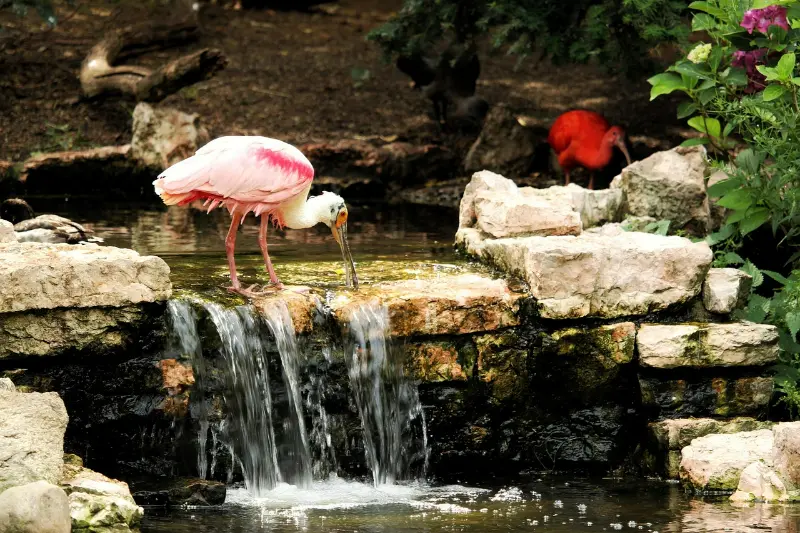
FWC highlights iNaturalist projects that collect observations of Florida plants and animals. A visitor can often begin by creating a clear observation with a photograph and approximate location, then reviewing suggestions rather than accepting the first automated name as truth. Some species resemble one another, especially insects and grasses. Community feedback is useful, but an online label does not replace professional identification for a dangerous animal or an emergency. Keep personal privacy in mind, especially when photographs show children or lodging addresses. Before uploading, consider whether the chosen project requires an exact point or accepts a generalized location. The point is to share useful ecological information while protecting people and sensitive wildlife.
Making citizen science enjoyable for all ages
A field activity should be short enough that everyone can succeed. A five-year-old may compare two leaf shapes, while an older child records birds or insects. Teenagers can create a mini-map of the walk and track which habitat contains the most observations. An adult can manage safe paths, water and sun exposure. Travelers with mobility limitations can contribute from an accessible nature-center overlook or a shaded park bench. A successful observation does not require an off-road adventure. Agree on one small question before going out, such as which flowering plants attract insects or how bird activity changes between open water and woodland. After returning, spend ten minutes checking names and adding notes rather than keeping the family outside until everyone is tired.
Reporting concerns and respecting boundaries
Citizen science should not be confused with wildlife rescue or law enforcement. An injured bird, a stranded marine mammal, a potentially dangerous encounter or an invasive animal may require a dedicated official reporting route rather than a public post. FWC publishes program-specific contact information and reporting guidance. Never handle an injured or orphaned animal just to document it, and do not remove wildlife from its surroundings on a tourist’s initiative. Visitors also must follow local permits and posted restrictions, regardless of scientific enthusiasm. Some parks prohibit drones, nighttime access or off-trail travel. Research contributions are valuable precisely when people respect the rules that protect the places being studied. An ethical observer knows when to stop and let professionals respond.
A simple observation record that scientists can use
A useful nature record separates what was directly observed from what is inferred. Write the date, local time, broad habitat, approximate number of animals and notable behavior. A photograph can support identification if it was taken without approaching the animal. Note uncertainty openly: “small wading bird, species unknown” is more honest than selecting a famous rare species from an app menu. Check whether the program requests a photograph, geographic coordinate or additional note. Follow guidelines for protected species to prevent sensitive locations from being shared publicly. Precision matters, but so does the welfare of the wildlife you came to appreciate.
How to teach identification without pressure
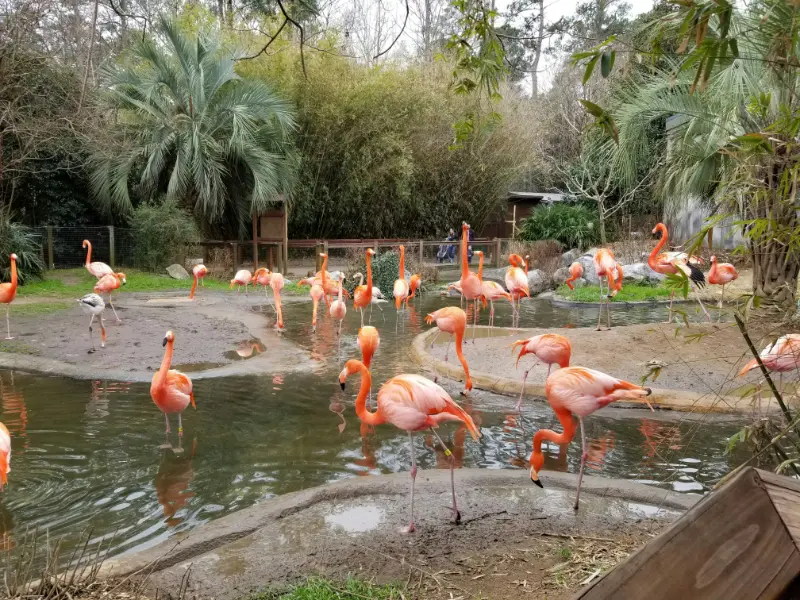
Children often learn more from comparing two common leaves or bird shapes than from rushing to add many species to a digital checklist. Start with visible features: color, movement, habitat and general body shape. Ask questions such as whether the bird was feeding in water or perched in a tree. Teenagers can look up possible identifications later and mark which remain uncertain. Older adults may contribute excellent observations while seated at a wildlife overlook. Give everyone permission to enjoy the place without handling a phone constantly. Citizen science works well on vacation when it enriches attention rather than turning the landscape into another screen-based competition.
Data sharing and family privacy
Images may contain GPS data or identifiable information about children, private property and accommodation locations. Review the privacy settings of an observation platform before posting. Some wildlife programs restrict sensitive records to protect nests, dens or rare species; honor those requirements instead of posting exact pins elsewhere. If family members do not want photographs shared, document the animal without including them in the frame. Remember that a wildlife observation can be useful even when the public sees only a generalized location. Responsible sharing protects both people and the habitats that make the research possible.
When to contact the authorities instead
A sick animal, injured marine mammal or suspicious wildlife disturbance can require specialized assistance. The appropriate response may be to contact FWC or another designated authority using an official reporting channel, not to post a photo and wait for comments. Never handle an injured animal unless directed by qualified responders. Similarly, sightings of some nonnative species may be relevant to dedicated management programs; read the requirements before reporting. Teach children that helping wildlife often means giving it space and asking experts for guidance. Citizen science is a contribution to knowledge, not a substitute for rescue, law enforcement or medical care.
A practical decision checklist
For a first family project, choose a wildlife-viewing area with accessible parking, clear paths and restrooms. Before arrival, read one official observation guide and decide what information to record. During the visit, make only a few careful observations, avoiding sensitive nests or habitats. After returning to the hotel, compare photographs with a field guide and upload only appropriate records. An older relative can help write notes while children draw the scene. Keep the activity collaborative rather than treating a particular number of species as a target.
Suggested half-day plan and alternatives
A practical packing list includes binoculars when available, a phone with sufficient battery, a small notebook, water, sun protection and shoes suited to the route. You do not need expensive camera equipment, and long-distance lenses are not permission to approach wildlife more closely. If a program requires a particular photo angle or geotag, review that before travel. Poor connectivity is common in some natural areas, so write field notes offline and submit observations later. In a storm, leave the open trail and postpone the activity; no citizen science record is important enough to override weather safety.
Final checks before you go
A good review process separates confirmed observations from guesses. Note whether the identification was helped by other observers, whether the habitat description is accurate and whether the public location should be obscured. Do not exaggerate species rarity for social media. Consider following up on the program’s findings after your trip so children see that observations can contribute to a longer research effort. Citizen science connects a Florida vacation to real conservation, but only when data quality and respect for wildlife remain more important than the number of photos uploaded.
Another useful consideration
For a simple one-hour version, select a paved nature center loop where you can remain close to the entrance. Before leaving, open the relevant official project page and make sure it is accepting records from your chosen region. Write down observations in the field without spending the entire outing staring at a screen. Once back at the hotel, review each identification and omit any record that does not meet the program requirements. This makes the process more reliable, reduces pressure on children and keeps the day focused on Florida’s natural landscapes rather than app statistics.
Quick planning comparison
| Experience or option | What to check |
|---|---|
| Bird observation | Binoculars, date, broad location, distance |
| Plant identification | Photograph from path, habitat notes, no picking |
| FWC sighting report | Use the correct program, avoid duplicate unsupported claims |
| Family journal | Sketch, weather, respectful observation and questions |
Frequently asked questions
Can tourists contribute to FWC citizen science? Many sighting-based projects welcome observations; follow the specific program instructions.
Do I need a professional camera? No. Careful notes and an ordinary phone may be sufficient for appropriate projects.
Is an app identification always correct? No. Treat automated suggestions as provisional and seek qualified review when necessary.
Should I publish the exact location of a rare nest? Avoid exposing sensitive wildlife locations and follow the program’s privacy guidance.
Can a person with limited mobility participate? Yes. Observations from accessible overlooks and short routes can be valuable.
Official sources and further checks
Use these official resources for regulations, access conditions and current services. Rules and openings can change, so always verify before booking or traveling.