

Daggerwing Nature Center is one of those Palm Beach County stops that becomes much more useful when you know what kind of visit it actually offers. Rather than treating it as another pin on a South Florida map, plan around its strongest feature, the amount of outdoor exposure and the pace that suits your group.
Daggerwing is a compact environmental education center inside Burt Aaronson South County Regional Park. It works particularly well for families because an indoor exhibit stop can be paired with a short boardwalk walk through South Florida wetland habitat.
Quick planning summary
- Best for: families with younger children, casual wildlife watchers, homeschool travelers and visitors wanting a short free educational stop.
- How much time: 11:58.
- Current cost: General access is free; some programs may require registration or fees.
- Current hours: The boardwalk is open daily from sunrise to sunset. The nature center currently opens Wednesday–Friday 1–4:30 p.m. and Saturday 10 a.m.–4:30 p.m.
- Best strategy: arrive with one priority, check the current operating page, and keep the second half of the day flexible around weather and energy.
Why this place is worth including
Daggerwing is a compact environmental education center inside Burt Aaronson South County Regional Park. It works particularly well for families because an indoor exhibit stop can be paired with a short boardwalk walk through South Florida wetland habitat.
Palm Beach County is easy to over-plan because beaches, wetlands, gardens, wildlife attractions and museums often sit within a manageable driving radius. The better approach is to create contrast. Use Daggerwing Nature Center as the main experience in its category, then choose something different—coast, culture, garden or indoor history—rather than repeating the same style of attraction three times in one day.
Best things to do and how to experience them
Match the day to the indoor schedule
The boardwalk is available daily, but the nature center has limited public exhibit hours. Check the schedule before driving across the county for the indoor component.
Use the exhibits before the boardwalk
For children, seeing local species and habitat concepts inside first can make the outdoor walk more meaningful.
Keep the outing short and successful
This is not a full-day attraction. One good hour with engaged children is better than stretching a compact center until everyone loses interest.
Look beyond the obvious animals
Butterflies, insects, small reptiles and wetland plants can be as educational as alligators or large birds. A short boardwalk rewards close observation.
Current practical information
Palm Beach County currently lists nature-center exhibit hours Wednesday–Friday from 1 to 4:30 p.m. and Saturday from 10 a.m. to 4:30 p.m., with the center closed Sunday through Tuesday. The boardwalk is open daily from sunrise to sunset.
Hours, prices, program schedules, weather restrictions and temporary closures can change. When a specific feature is the reason for your visit, open the official page on the morning you travel rather than relying on an old screenshot or third-party listing.
How much time do you really need?
11:58 is realistic for most visitors, but pace matters more than a rigid clock. Families may move quickly through some parts and pause much longer at one animal or exhibit, while photographers and birders can spend twice as long in the same space without feeling rushed.
Leave at least 30 minutes of unscheduled buffer before the next reservation. South Florida traffic, bridge delays, thunderstorms and parking can turn a simple transfer into the most stressful part of the day. A buffer protects the experience you came for.
Best time of year and best time of day
November through April usually offers lower humidity and more comfortable outdoor conditions, but it is also the period when South Florida receives more seasonal visitors. Summer brings longer daylight, lush vegetation and active wildlife, yet heat and afternoon thunderstorms change how a good itinerary should be built.
For outdoor-heavy visits, mornings are usually the safest default. Start before the strongest heat, carry water and move indoors or into shade around midday. For indoor-focused stops, reverse the logic: use the hottest hours inside and save a waterfront walk or boardwalk for early or late in the day.
Getting there, parking and route planning
Save the official address in your phone before leaving your hotel. Palm Beach County has several attractions with similar nature-oriented names, and a generic map search can route you toward a nearby park entrance rather than the correct visitor facility.
Group the day geographically. Jupiter and Juno Beach work naturally together; West Palm Beach has its own cluster; Delray, Boynton and Boca Raton form another. Crossing the county repeatedly for individual stops wastes more energy than the map suggests.
Families with children
This is especially useful for younger children because the scale is manageable. Build the visit around one indoor learning theme and one boardwalk objective, then leave while the experience is still positive.
A useful family rhythm is one focused activity, a snack or movement break, and then one optional second experience. Children usually remember one turtle, bird, garden feature or animal behavior better than a rushed list of ten attractions.
Teenagers
Older children and teenagers may prefer the stop as part of a larger South County day rather than a stand-alone destination. Give them a camera, species list or responsibility for reading the trail map.
Give teenagers a decision—route choice, photography goal, species list, lunch stop or one exhibit they want to explore. A small amount of ownership often improves engagement more than adding another attraction.
Senior travelers and multigenerational groups
Senior travelers can use the center as a short, low-pressure nature stop. The boardwalk is easier than many natural-surface trails, though heat still matters.
Multigenerational travel works best when the same place can be experienced at different intensities. Stronger walkers can add a longer loop while others use benches, exhibits or a shorter boardwalk. Agree on a meeting point rather than forcing everyone into the same pace.
Accessibility and mobility planning
The center and boardwalk are developed public facilities. Visitors needing a specific accommodation should confirm current details directly, especially if restrooms or indoor access are essential.
Accessible does not always mean effortless. Heat, glare, boardwalk length, natural surfaces and distance from parking can matter as much as stairs. Ask about the exact feature you plan to use instead of relying only on a general accessibility label.
What to bring
- Refillable water and electrolytes for outdoor-heavy days.
- Sun protection: hat, sunglasses and broad-spectrum sunscreen.
- Insect repellent when wetlands, woods or still water are part of the visit.
- Comfortable shoes matched to the real surface: boardwalk, garden path, museum floor or natural trail.
- Binoculars for wetlands and wildlife areas; they are often more useful than phone zoom.
- A light rain layer and saved screenshots of tickets, maps and current notices.
Weather, storms and seasonal reality
South Florida summer weather is operational, not decorative. Thunder means leaving exposed boardwalks, beaches, towers, open fields and water. Do not wait under a small shelter for lightning to become obvious. Move to a substantial building or vehicle and let the storm pattern decide the next step.
Winter can be much more comfortable for walking, but strong sun and dry conditions still matter. Wildlife behavior also changes with temperature, water levels and time of day. A flexible itinerary is more reliable than assuming the same experience is available at every hour of every season.
Wildlife and responsible visiting
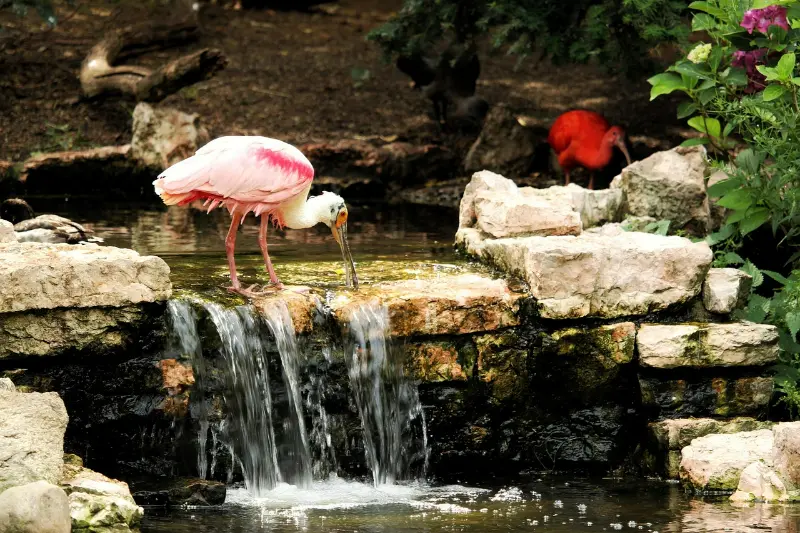
Observe wildlife at the distance animals choose. Never feed, touch, crowd or lure an animal for a photograph. Stay on boardwalks and marked routes, follow nesting closures and keep food packed away in wildlife areas. These rules protect both visitors and the animals people came to see.
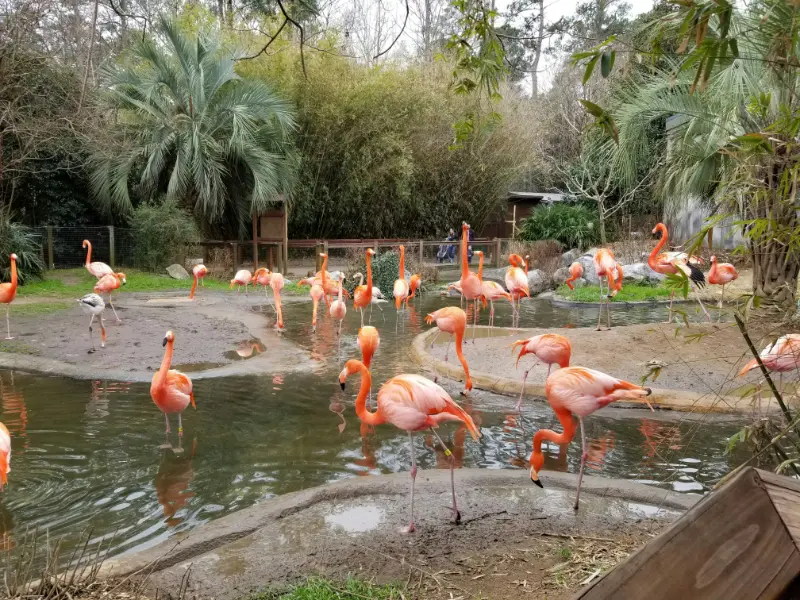
At educational animal facilities, remember that conservation is not a guarantee of constant activity. A resting turtle, hidden bird or inactive animal is still behaving normally. The best visits focus on understanding the habitat or rehabilitation story rather than demanding a performance.
Photography tips
Morning and late-afternoon light usually improves outdoor photography, while gardens and nature centers reward close details as much as wide views. Keep tripods out of narrow boardwalk traffic and never cross barriers for a cleaner composition.
For wildlife, patience and distance are more valuable than physical proximity. Watch behavior, anticipate movement and give other visitors access to the same railing or viewing window. A good photograph should not change the animal’s behavior.
Budget and value
Because general access is free, Daggerwing is easy to pair with a paid museum, garden or lunch in Boca Raton without overloading the day’s budget.
Think of value as the quality of the experience rather than simply hours per dollar. A free wetland can be the highlight of a trip, while a higher-ticket attraction can be worthwhile when it fills most of the day and matches your group’s interests.
Food, water and restroom strategy
Do not assume every nature center, refuge or garden has a full café. Eat before a long outdoor segment if services are uncertain and carry water even when the next town appears close. Use restrooms when you first see them; natural areas can have long gaps between facilities.
For South Florida itineraries, a relaxed lunch often works better than squeezing in another attraction. Use the meal as a reset point, then decide whether weather and energy justify a second major stop.
Where to stay and how to group the area
Boca Raton is the obvious base. Delray Beach works equally well if the itinerary also includes Morikami or Wakodahatchee.
A two- or three-night base is usually more efficient than changing hotels to save a short drive. Build days by theme and geography: one coastal day, one wetland or wildlife day and one cultural or garden day. This also gives you flexibility if a storm forces a swap.
How to combine it with other Wonderful Florida guides
Useful already-published guides for creating contrast include McKee Botanical Garden, Blowing Rocks Preserve, Jonathan Dickinson State Park. Use one as a next-day idea or a secondary half-day stop rather than forcing every nearby attraction into the same schedule.
A realistic three-day mini-itinerary
Day 1
Visit during public exhibit hours, spend time inside first, then walk the boardwalk at a relaxed pace.
Day 2
Pair Daggerwing with a Boca Raton beach or cultural stop, keeping the nature center as the shorter educational component.
Day 3
Use another day for Gumbo Limbo to compare inland wetland education with coastal marine ecology.
Who may want to skip or shorten the visit
Travelers expecting a large zoo or aquarium may find the attraction too small. On days when the indoor center is closed, visitors who are not interested in a boardwalk walk may prefer another stop.
Selective travel is better travel. If this experience duplicates something you already did several times on the same trip, shorten it and use the saved time for a different landscape, story or activity level.
Common mistakes to avoid
- Arriving on a closed exhibit day
- Expecting a full-day attraction
- Bringing pets, food or bikes onto the boardwalk
- Ignoring heat because the boardwalk is short
- Trying to force older teens to spend several hours here
- Ignoring heat, lightning or closure notices because the drive is already underway.
- Scheduling the next reservation so tightly that one traffic delay ruins the day.
Official resource to check before you go
Small details that improve the experience
Photograph your parking location before walking away, save the exact official address rather than only the attraction name, and keep a dry layer in the car. If staff or volunteers are available, ask what has changed recently; local conditions are often more useful than a generic plan made months earlier.
If several generations are traveling together, agree on a meeting point whenever the group splits. One person may want a longer trail, another may prefer a bench, and a child may need a snack. A clear regrouping plan lets everyone use the same place at the right intensity.
A practical decision framework for this stop
First identify the non-negotiable feature, then identify the condition that could prevent it. For a wetland that may be heat or parking; for a garden it may be opening hours; for an animal facility it may be program schedules; for a refuge it may be weather or trail conditions. Check that one condition before spending time driving across the county.
Second, keep one nearby fallback that uses a different environment. An indoor museum can rescue a stormy nature day, a shaded garden can replace an exposed trail and a free waterfront walk can replace a sold-out program. Flexibility is more useful than a minute-by-minute schedule.
Finally, leave unscheduled time. The memorable part may be a volunteer’s explanation, a bird you did not expect, a child becoming fascinated by one exhibit or late light changing the landscape.
Practical questions before you go
Do I need to reserve in advance?
General admission, boardwalks and open trails often do not require reservations, but timed tours, animal encounters, special programs and seasonal events may. Check the official page for the exact experience you want rather than assuming the basic entry rule applies to every activity.

Is this a good rainy-day choice?
That depends on how much of the visit is outdoors. Light rain may be manageable in a garden or covered facility, but lightning changes the plan completely. Keep one indoor backup and avoid exposed water, boardwalks and open fields when thunder is nearby.
Can I combine it with the beach?
Usually yes, but use geography rather than ambition. A coastal stop combines naturally with Juno Beach or Boca Raton, while inland wetlands and gardens may pair better with lunch or another nearby attraction. Do not cross the county twice just to force a beach hour into the plan.
What should photographers know?
Follow tripod, flash and commercial-photography rules. Around wildlife, distance comes before a closer frame. In gardens, morning light and patient composition often add more than extra equipment.
How do I keep the day comfortable in summer?
Start earlier than you think you need to, carry more water than a short map distance suggests, use shade breaks before anyone feels overheated and keep an air-conditioned fallback. Florida heat becomes much harder to manage once the group is already tired.
Final thoughts
Daggerwing Nature Center works best when you arrive with one clear priority and enough flexibility to adapt to the day. Confirm current access, protect outdoor time from heat and storms, and let the pace of your group determine how much you add afterward.
The goal is not to collect attractions. It is to understand each place well enough that it feels different from the stop before it—and useful enough that you would recommend it to the right traveler.