
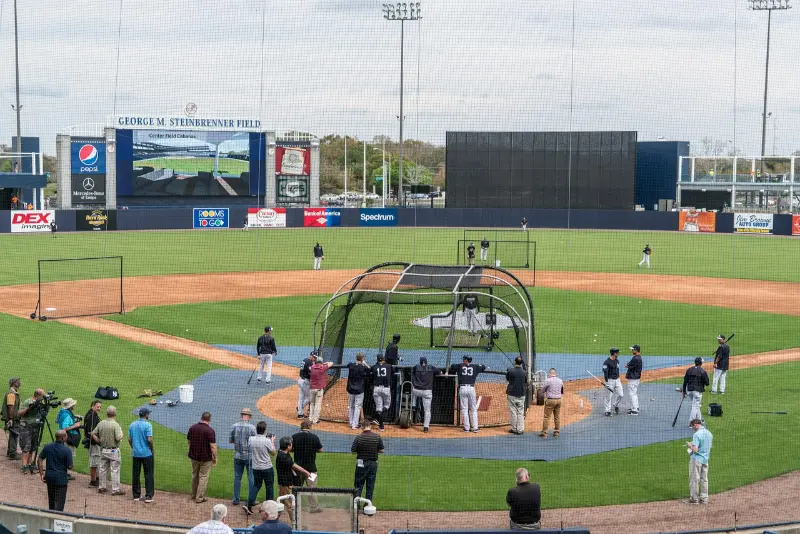
A minor league baseball game can be one of the most approachable sporting experiences on a Florida vacation. Compared with the bustle of a major theme park or a top-level sports arena, many minor league parks are intimate places where the action is easy to follow, families can enjoy local traditions, and the game itself becomes an introduction to American culture. Florida has clubs at several professional development levels, from Single-A teams in the Florida State League to Double-A and Triple-A organizations in Pensacola and Jacksonville. That gives travelers options across the state without pretending that every baseball facility opens to ticketed spectators on the same schedule.
This guide is for visitors who want to choose a game wisely, perhaps as part of a beach or city trip, and for people who have never attended baseball before. The Florida State League’s 2026 season has concluded by October, so a fall traveler should not expect ordinary scheduled league games on arrival. Future season schedules, stadium names, team affiliations, and promotional offers can change. Use MLB and individual clubs’ official ticket pages to confirm a real home game before paying for a hotel, and distinguish regular minor league baseball from Major League spring training and the less traditional Florida Complex League.
Understanding Florida’s baseball map
Florida’s minor league landscape has different levels and different atmospheres. Jacksonville’s Jumbo Shrimp appear in MLB’s Florida ballpark guide as a Triple-A club, which generally means players are close to the majors. Pensacola’s Blue Wahoos play at the Double-A level. The state also has Single-A teams such as the Daytona Tortugas, Clearwater Threshers, Bradenton Marauders, Lakeland Flying Tigers, Jupiter Hammerheads, Palm Beach Cardinals, St. Lucie Mets, Dunedin Blue Jays, Fort Myers Mighty Mussels, and Tampa Tarpons. These are team identities to check against current official lists, not a promise of identical schedules or the same on-field roster next season.
For a first baseball outing, proximity is usually the most important deciding factor. A traveler staying in Daytona Beach could make a Tortugas game a natural evening activity; a family vacationing near Clearwater might look at the Threshers. A person based in Jacksonville could choose the Jumbo Shrimp, while a Gulf Coast trip might line up with a Pensacola Blue Wahoos home date. Attempting to visit every club is a demanding statewide road trip and unnecessary for someone simply hoping to experience a game. Choose one or two compatible parks and let the rest of your vacation continue at a normal pace.

What happens during a minor league game?
Baseball is divided into innings, with each team alternating between batting and fielding. The home team normally bats second in each inning. Instead of trying to understand every tactical decision immediately, concentrate on a few simple elements: three strikes make a strikeout, the batter tries to reach base safely, and runs score when players complete the circuit of bases. Scoreboards can help visitors follow the count, outs, inning, and score. Young children may be more interested in mascots and crowd activities than the action, while teenagers sometimes enjoy learning pitching speeds or keeping a scorecard.
A minor league game usually lasts several hours, but actual duration depends on the competition and events on the field. The ballpark may also offer entertainment between innings, special theme nights, and merchandise or food promotions. These features are schedule-specific, not guaranteed at every game. If you are taking a child to baseball for the first time, explain that the event has quieter moments and does not provide nonstop action like a thrill ride. An expectation of a relaxed evening often leads to a better experience.
A three-stop baseball route without excessive driving
One manageable concept is a central and western Florida route built around the team schedule. For example, a traveler could first explore Tampa Bay, then attend a confirmed Clearwater or Tampa home game, and finally choose a Lakeland or Bradenton game if the dates line up. This works only when different teams are actually at home on different days. Never assume all neighboring clubs are playing locally on consecutive nights. Open each club’s official calendar and check the venue, opponent, first-pitch time, and any unusual doubleheader or promotional event.
Another practical version uses the Atlantic coast. Base yourself in Daytona Beach or the Space Coast, see one Daytona Tortugas game when scheduled, and continue toward the Treasure Coast for a St. Lucie or Jupiter-area game only if it serves the rest of your trip. Palm Beach and Jupiter share the same ballpark complex in Jupiter, which is useful for understanding the local arrangement but does not mean both clubs host home games simultaneously. The route should be built around hotel comfort and driving distances as much as sport; people traveling with babies or older relatives will appreciate a night with no long postgame drive.
A traveler starting in the Panhandle might prefer a single Pensacola Blue Wahoos evening to any statewide baseball circuit. Pensacola’s stadium setting makes it a natural addition to an existing city visit. Likewise, Jacksonville can combine a Jumbo Shrimp game with a downtown or riverfront itinerary. There is no need to rank the teams solely by league level. An enjoyable seat, friendly access, and compatible schedule matter more than whether the players are labeled Single-A, Double-A, or Triple-A.
How to buy tickets and choose seats
Buy through the team’s official ticket seller or a clearly authorized sales channel, and verify that the game date and home venue are correct. Secondary-market tickets can be more expensive and may have extra conditions; if you choose them, understand the transfer and cancellation policies. Do not assume the cheapest listed price is the final cost: service fees, parking, and optional food may be extra. Some promotions are restricted to residents, military personnel, students, or particular purchase methods. Read the fine print rather than including discounts in your holiday budget as guaranteed savings.
Seat selection matters with young children and older adults. A sunny seat may become hot, particularly for day games. Ask about shade, sections near restrooms, accessible seating, companion seats, and any ballpark restrictions. Families with toddlers sometimes find aisle seats convenient, but those seats can also be busy with people moving past. A quieter upper section might feel more comfortable than one directly beside a loud cheering group. Avoid buying seats that require long stair climbs for a person with mobility limitations unless elevators and accessible routes are confirmed.
What to bring and how to handle weather
A small bag, comfortable shoes, sun protection for day games, water according to stadium rules, and a light layer for changing evening weather may be useful. Every ballpark has its own security and bag policy. Some venues restrict backpack dimensions, outside food, umbrellas, or reusable bottles. Confirm those details directly before arriving instead of relying on rules from a different club. Summer thunderstorms can delay or interrupt games. Review each team’s weather and rain-check policy; a postponed game does not always produce a straightforward cash refund.
In Florida, heat can be more exhausting than spectators expect. Arrange a shaded break, eat at normal mealtimes, and watch for signs of discomfort. If traveling with an infant, prioritize a seating area where leaving temporarily is easy. Noise protection may help young children or anyone who is sensitive to amplified music and cheering. Baseballs can enter spectator areas unexpectedly, so remain alert even when the game seems relaxed. A family photo near the field should never involve entering a restricted area or distracting a player during warm-ups.
A baseball experience for children and teens
For children aged six to twelve, explain the scoreboard before the game and choose one player to follow through several innings. A simple question—how does the runner reach second base?—can be more engaging than a long technical lecture. Check whether the club offers a current family area or promotional activity, but do not promise that children will run the bases or meet a mascot unless that event is on the actual date. The goal is enjoyment, not forcing a child to watch every pitch when attention is fading.
Teenagers might appreciate understanding player development and how minor league clubs connect with MLB organizations. They can compare positions, pitching changes, and how teams manage the late innings. If they are interested in photography, check the ballpark’s camera-lens and professional-equipment restrictions before packing gear. Respect players as people doing their jobs rather than treating the stadium as open access to autographs. For a child who dislikes crowds, consider leaving after several innings, especially if the game is running late.
Older visitors, accessible seating, and calmer evenings
Minor league baseball can also be an excellent outing for grandparents and visitors over eighty, but only when seating and travel details match their needs. Ask the club about wheelchair spaces, accessible entrances, parking or drop-off areas, distance to restrooms, and whether assistive listening or captions are available. Some spectators prefer a seat with little stair climbing and a nearby concession area. Others may wish to avoid direct sun or the loudest promotional sections. The same club can feel completely different depending on where you sit.
For a comfortable evening, choose a game close to the hotel and plan how to leave before the postgame rush if necessary. Do not require an older family member to remain for extra innings or postgame entertainment simply because the tickets were expensive. Taking a rideshare can remove driving stress, but pickup locations may be crowded or moved during events. If you need door-to-door assistance, confirm the arrangement beforehand instead of expecting an arbitrary curbside pickup to be available.
Baseball versus spring training
Spring training is associated with MLB clubs preparing for the regular season, generally earlier in the year, while minor league teams have their own regular competitions and schedules. A spring-training ticket, a Single-A game, and a Florida Complex League practice or contest are not interchangeable products. The Florida Complex League has a different spectator environment, and games may be held at training complexes with policies that differ from conventional ticketed ballparks. Even if a game appears on a sports website, verify that public spectators are admitted and that the facility provides the experience you want.
A first-time international visitor may find conventional minor league baseball easier to organize than an unstructured training-complex visit. Ticketing, seating maps, guest services, and published food options are more predictable. That is particularly important when traveling with someone who needs accessible facilities. Spring-training trips have their own charms, but do not build a regular minor league itinerary from a spring-training schedule copied from another month.
Ballpark choices at a glance
| Region | Example club | Plan around |
|---|---|---|
| Northeast Florida | Jacksonville Jumbo Shrimp | A Jacksonville city stay |
| Panhandle | Pensacola Blue Wahoos | A Pensacola waterfront holiday |
| Atlantic coast | Daytona Tortugas or St. Lucie Mets | A confirmed home game near your beach base |
| Tampa Bay/central west | Clearwater, Tampa, Lakeland or Bradenton | One or two games, not every ballpark |
| Southeast Florida | Jupiter Hammerheads or Palm Beach Cardinals | Roger Dean stadium-area schedule |
Common planning errors
Do not drive to an empty stadium expecting that a team will play because the baseball season is “on.” The club may be away, the season may have ended, or a different event may be occupying the grounds. Avoid driving several hours after a night game with overtired children. Do not assume all promotional fireworks, discounted seats, or character appearances occur at every match. Finally, remember that even a relaxed minor league park is a professional sporting venue with security rules and potentially loud crowds. Verify the details and treat the game as one good evening within a broader Florida vacation.
Frequently asked questions
Are minor league games played in Florida in October?
The ordinary 2026 Florida State League schedule had concluded by early September. Check the current league calendars rather than assuming games operate year-round.
Is minor league baseball suitable for children?
Often yes. Choose an appropriate seat, explain the basic rules, watch for foul balls, and be willing to leave early.
Do you need to follow baseball to enjoy a game?
No. The atmosphere, stadium food, local traditions, and simple rhythm of the sport can be enjoyable for newcomers.
Is spring training the same as minor league baseball?
No. They involve different competitions, times, and spectator arrangements. Check the exact event before buying tickets.
How do you find accessible seating?
Contact the individual club or use the official stadium seating information for wheelchair locations, companions, entry routes, and restrooms.