Category: Tallahassee Florida

  • Tallahassee with Kids: Best Things to Do for Toddlers, Children, Teenagers and Families

    Tallahassee with Kids: Best Things to Do for Toddlers, Children, Teenagers and Families

    Tallahassee is a better family destination than many road-trippers expect because it mixes animals, playgrounds, outdoor history, easy museums and short nature excursions without the scale or cost of a theme-park city. The key is choosing attractions by age. A toddler and a teenager can both enjoy Tallahassee, but they usually should not follow the exact same schedule.

    Explore this guide

    For most families, two nights is the sweet spot. That gives you one city day and one nature or museum day without forcing children through long car rides between every stop. Families visiting in summer should build the schedule around morning outdoor time, an indoor or lunch break in the hottest hours and a flexible late-afternoon option.

    Quick planning summary

    • Best stay: 2 nights for most families
    • Best all-ages attraction: Tallahassee Museum
    • Best free reset: Cascades Park
    • Best wildlife half-day: Wakulla Springs boat tour
    • Best rainy-day option: Tallahassee Automobile Museum
    • Best for older children: Mission San Luis, Capitol observation deck and Railroad Square

    Important current-status note

    October 2026 information snapshot: this article is scheduled for 2028. Hours, prices, tour access, construction, parking rules, security procedures, trail conditions and event schedules can change before publication. The details below are a verified planning baseline, not a promise that every 2026 condition will still apply in 2028. Recheck the linked official source shortly before travel.

    Best things to do with toddlers and preschoolers

    Keep the day simple. Cascades Park gives young children room to move, and Tallahassee Museum offers animals and outdoor space without requiring them to understand every historical exhibit. Avoid stacking guided house tours, long government visits and quiet museums back-to-back.

    Best things to do with school-age children

    School-age children can handle more structured history when there is something visual or active to anchor it. Mission San Luis works well because reconstructed buildings and interpreters give context. The Capitol observation deck adds a view and elevator ride that breaks up political history. Wakulla Springs is another strong choice because the boat tour delivers wildlife without requiring paddling experience.

    Best things to do with teenagers

    Teenagers often prefer autonomy and experiences that feel less like a school field trip. Railroad Square can work well for vintage shopping, creative businesses and food. Tallahassee Museum’s adventure activities may appeal to active teens, while the Tallahassee–St. Marks trail is a strong option for families who already cycle together.

    Best multigenerational choices

    Wakulla Springs, the Capitol, Cascades Park and the Automobile Museum are useful because different ages can enjoy them at different intensities. At Wakulla Springs, the river boat reduces walking. At the Automobile Museum, adults can study displays while younger visitors move at a faster pace. At Cascades Park, one adult can rest while children use the play area.

    Food and nap strategy

    Do not make lunch an afterthought. A predictable midday meal prevents many family itineraries from unraveling, especially in summer. Families with toddlers should treat the hotel as a legitimate afternoon stop rather than trying to maximize admission value. A 90-minute rest can make an evening park or art-district visit much more enjoyable.

    How many attractions per day?

    Two major attractions is enough for most families. Add one flexible free stop only if everyone still has energy. The biggest mistake is treating the low admission prices in Tallahassee as a reason to visit more places. Children experience time, heat and transitions more strongly than ticket prices.

    Planning for different ages and travel styles

    Tallahassee works unusually well for multigenerational trips because many of its strongest attractions are compact, shaded or partly indoors. Babies and toddlers need predictable restroom stops and a place to reset. School-age children generally do best with one interactive or outdoor anchor rather than several history stops in a row. Teenagers often respond better to views, art districts, biking, cars and wildlife than to long guided tours. Older travelers benefit from benches, climate-controlled museums and itineraries that avoid repeatedly crossing the city. A successful mixed-age day usually combines one shared anchor with one optional stop rather than forcing everyone through the same checklist.

    Best season, heat and rain

    Late October through April is usually the easiest season for long walks and outdoor history sites. Spring can be beautiful, but pollen is noticeable. Summer brings high humidity, strong sun and frequent afternoon thunderstorms, so outdoor stops are better early in the day. July and August itineraries should include indoor backup options and generous water breaks. The Big Bend can also experience tropical-weather disruptions, prescribed burns, flooding and temporary trail closures. Check official alerts and radar before leaving Tallahassee for remote parks or the coast.

    Budget and value

    Tallahassee can be a good-value Florida city because several major attractions are free or inexpensive. The biggest budget differences usually come from lodging, restaurant choices, special tours and transportation rather than admission fees. Free attractions still have a cost in time, parking and driving. If your trip is budget-focused, group attractions by neighborhood, bring water and snacks, and use one paid experience as the day’s anchor instead of buying admission everywhere simply because you have time.

    Accessibility and low-effort alternatives

    Historic buildings, outdoor trails and older sites vary in accessibility. When mobility is important, verify the accessible entrance, elevator status, restroom access and walking surface before arrival. Tallahassee has many low-effort alternatives: the Capitol observation deck, The Grove tour, Tallahassee Automobile Museum, Cascades Park and selected museum visits can all deliver a meaningful experience without a long hike. For remote state parks, do not assume that a short trail is automatically wheelchair- or stroller-friendly.
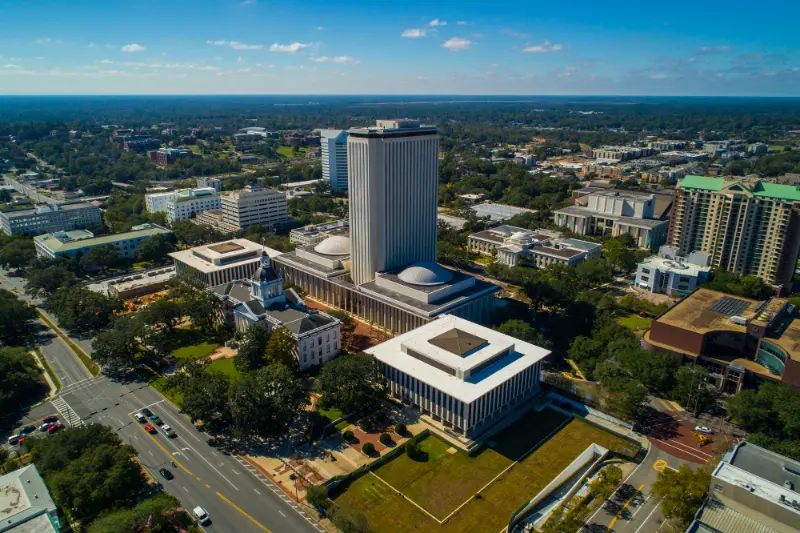
    Florida State Capitol Tallahassee Aerial View

    What to bring

    • Refillable water bottle
    • Sun protection and sunglasses
    • Light rain layer in warm months
    • Comfortable shoes for brick, museum floors, roots or paved trails
    • Insect repellent for wetlands and evening outdoor stops
    • Downloaded map for remote Big Bend sites
    • A light layer for air-conditioned museums
    • Portable charger if you are using your phone for parking, maps and tickets

    How to combine it with nearby places

    A strong family trip can combine Tallahassee Museum, Cascades Park, Mission San Luis and Wakulla Springs across two days. Add the Automobile Museum or Railroad Square only if they match your children’s interests.

    What is worth booking in advance

    Most visits do not require complicated advance planning, but always reserve fixed-time tours, special programs and limited-capacity experiences when they matter to your day.

    Common planning mistakes

    • stacking several museums back-to-back without a food or outdoor break
    • underestimating summer heat because individual walks look short on a map
    • assuming state-government buildings have weekend access
    • driving to a rural historic site without checking current hours or alerts
    • planning around a wildlife sighting as if it were guaranteed
    • forgetting that university events and legislative session can change downtown traffic and hotel prices

    A better daily rhythm

    Start with the stop that is most sensitive to heat, capacity or fixed hours. Put flexible attractions in the middle of the day and leave at least one hour unassigned. That margin absorbs parking, restroom breaks, security screening, a longer lunch or a stop that turns out to be more interesting than expected. For families and senior travelers, the unassigned hour is often what keeps the day enjoyable.

    Final planning advice

    Use this guide to decide whether the experience fits your trip rather than treating it as another box to check. Tallahassee and the Big Bend reward slower travel: one strong history stop, one outdoor experience and a relaxed meal usually creates a better day than racing through four or five attractions.

    Parking, arrival time and local driving

    Tallahassee is easier by car than most large Florida cities, but that does not mean every attraction has effortless parking. Downtown garages, government security, event closures and campus traffic can add 15 to 30 minutes. For rural Big Bend sites, the challenge is different: parking may be simple, but the final drive is longer and services are sparse. Put the exact entrance in your map app, keep fuel above one-quarter tank and avoid scheduling a fixed tour immediately after a long rural drive.
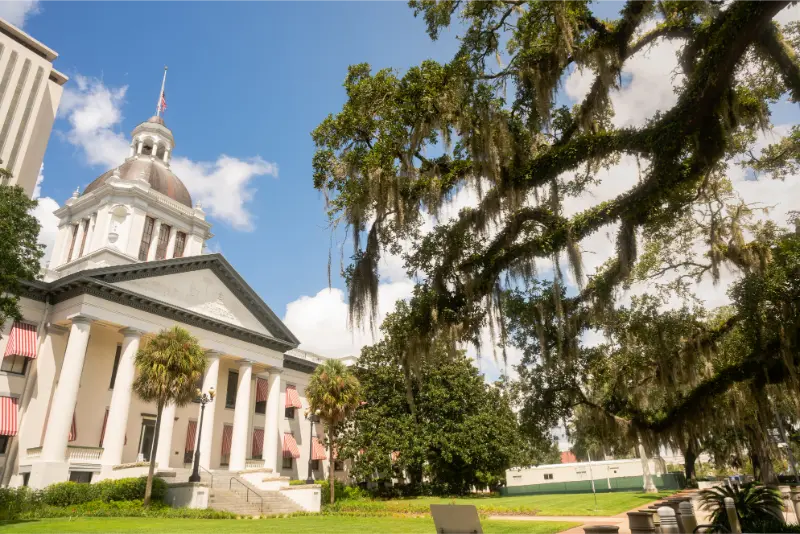
    Florida State Capitol Tallahassee Government Building

    Food, restrooms and practical breaks

    Build food and restroom stops into the itinerary before people are hungry or tired. Historic sites and wildlife areas may have limited concessions, while downtown offers far more choices. Families should carry a basic snack even when they plan to eat at a restaurant. Senior travelers may prefer attractions with predictable seating and restrooms rather than relying on remote trailheads. In summer, an air-conditioned lunch is not wasted sightseeing time; it is part of a sustainable day.

    Photography and phones

    Phone photography is easy at most outdoor sites, but government buildings, private businesses and museums may restrict flash, tripods or commercial equipment. Respect posted rules and never block a doorway or narrow path for a photo. At wildlife sites, use distance rather than approaching an animal for a better image. A small power bank is useful because navigation, tickets, parking apps and photography can drain a phone quickly on a full travel day.

    If weather changes the plan

    A flexible Tallahassee itinerary should always have an indoor substitute. The Automobile Museum, Capitol and selected historic sites can rescue a stormy afternoon, while outdoor parks can be moved to the next morning. Do not wait inside a remote trailhead parking lot during severe weather just because the schedule says you should hike. Thunderstorms, flooding and heat advisories are good reasons to change the order of the day.

    Is it worth adding to your Tallahassee trip?

    Yes when this experience matches the interests of your group and fits naturally with the geography of your day. No attraction is essential simply because it appears on a list of things to do. If visiting it creates a long cross-town drive, conflicts with a fixed tour or pushes children and older travelers past their comfortable pace, save it for another trip. A complete Tallahassee vacation comes from variety and good timing, not from collecting every possible stop.
  • Cascades Park Tallahassee Guide: Fountain, Playground, Walking Paths and Family Tips

    Cascades Park Tallahassee Guide: Fountain, Playground, Walking Paths and Family Tips

    Cascades Park is the easiest green-space break in central Tallahassee and one of the best places to reset between museums, government buildings and meals. The park combines walking paths, lawns, a children’s playscape, the Imagination Fountain, history markers and an amphitheater. It is not a destination that requires half a day; its value comes from being flexible.

    Explore this guide

    For most visitors, 60 to 120 minutes is enough unless you are attending an event. General park hours are sunrise to sunset. The Imagination Fountain currently lists interactive play from 9:00 a.m.–8:00 p.m. daily, but evening fountain shows are not currently operating.

    Quick planning summary

    • Park hours: sunrise to sunset
    • Admission: free for normal park use
    • Time needed: 1–2 hours
    • Best for: families, walkers, picnic breaks and downtown visitors
    • Imagination Fountain: interactive play currently 9:00 a.m.–8:00 p.m.
    • Current show status: no evening fountain shows at the moment

    Important current-status note

    October 2026 information snapshot: this article is scheduled for 2028. Hours, fees, construction zones, exhibit access, boat-tour schedules, trail conditions and wildlife closures can change before publication. Use the practical details below as a verified planning baseline, then check the linked official source shortly before the trip.

    Why Cascades Park is useful for travelers

    The park fills a practical gap in a Tallahassee itinerary. Children can move after a museum, adults can walk without committing to a trail, and mixed-age groups can separate briefly without losing one another. It is also a good place to wait out the time between an afternoon attraction and dinner.

    Discovery playscape and fountain

    The Discovery area uses nature-inspired play features, while the fountain offers water play during current operating hours. Bring a change of clothes for children if water play is part of the plan. Fountain operations can change for maintenance or events, so check current status before promising it as the day’s main kid activity.

    History in the park

    Cascades Park also sits in a historically important part of Tallahassee. Interpretive elements and public art give adults something to explore while children use the play areas. A slower walk is more rewarding than treating it as only a playground.

    Events and amphitheater

    Concerts and permitted gatherings can change parking, pedestrian flow and fountain operations. If your visit is on a weekend evening, check the event calendar before assuming the park will feel quiet.

    Official information

    Check the City of Tallahassee Cascades Park page for fountain status, rules and event impacts.

    Planning the visit for different ages

    For mixed-age groups, the best strategy is to combine one high-interest stop with one low-effort stop. Babies and toddlers usually need shade, reliable restrooms and room to reset. School-age children often respond well to animals, reconstructed history and interactive outdoor spaces. Teenagers may prefer zip lines, scenic drives, photography and less structured time. Older travelers often appreciate museums, gardens and boat tours where the experience does not depend on long walks. Accessibility varies widely, especially at archaeological and refuge sites, so check the official accessibility information when mobility is a major factor.

    Best season, heat and rain

    Late October through April is usually the easiest season for long walks, gardens and wildlife drives. Spring can be especially pleasant, although pollen is noticeable and popular gardens attract more visitors. Summer is hot, humid and storm-prone. Outdoor plans are usually better in the morning, with museums or lunch reserved for the hottest part of the day. The Big Bend coast can also be affected by tropical systems, prescribed burns, flooding and temporary wildlife closures. Check radar and official alerts before driving to a remote site.

    Accessibility and low-effort alternatives

    Tallahassee has several good choices for travelers who want meaningful sightseeing without long walks. The Historic Capitol, Goodwood grounds, short museum visits and a river boat at Wakulla Springs can all work well when heat, mobility or stamina limits a longer outdoor day. At nature preserves and archaeological parks, surface conditions may include roots, grass, sand or uneven ground. Never assume that a short trail is automatically stroller- or wheelchair-friendly.

    Tallahassee Florida Capitol Square and Monument

    What to bring

    • Refillable water bottle
    • Sun protection and sunglasses
    • Light rain layer from late spring through early fall
    • Insect repellent for refuges, wetlands and evening walks
    • Comfortable shoes for brick, grass, roots and museum floors
    • Binoculars for wildlife sites
    • Downloaded map for remote Big Bend locations
    • A light layer for heavily air-conditioned museums and boat rides

    How to combine it with nearby places

    Cascades Park is an easy add-on after the Historic Capitol or before dinner on a Tallahassee city day.

    Common planning mistakes

    • trying to combine downtown Tallahassee and the Gulf coast in a tightly timed half-day
    • assuming every museum is open seven days a week
    • arriving at a state park or refuge without checking current alerts
    • scheduling only outdoor stops during a summer afternoon
    • treating wildlife sightings as guaranteed
    • forgetting that government-area construction can change entrances and parking

    How this stop fits a longer Florida road trip

    Tallahassee works well as a two-night break between North Central Florida and the western Panhandle. Travelers coming from Cedar Key or Ocala should avoid treating the drive as dead time: the landscape changes noticeably as you move into pine forest, rolling terrain and the Big Bend. If you are continuing west, use Tallahassee for history and food, then dedicate a separate half-day to Wakulla Springs or St. Marks rather than squeezing them into departure morning.

    Final planning advice

    Build the day around one anchor experience and leave at least one hour unassigned. Tallahassee rewards curiosity more than speed: an unexpected legislative exhibit, wildlife sighting, garden in bloom or slower lunch often becomes more memorable than the attraction you originally thought would be the highlight.

    A more realistic way to plan the day

    Tallahassee and the surrounding Big Bend are easier to enjoy when you plan by geography rather than by attraction count. Downtown history, north-side gardens, west-side museums and the coastal wildlife corridor south of the city are not all next door to one another. Traffic is usually manageable compared with South Florida, but parking, state-government schedules, heat and afternoon storms can still turn an overpacked day into a rushed one.

    Tallahassee Florida State Capitol Grounds Aerial

    Count transitions as part of the itinerary. Parking, security checks, walking back to the car, changing clothes after water activities and waiting for a tour all consume time. A day with two strong stops and an unhurried meal is usually more satisfying than four attractions connected by constant driving. This is especially true in summer, when heat and thunderstorms make the middle of the day less predictable.

    Budget and value

    Tallahassee can be a relatively affordable Florida destination because several major sites are free or low-cost. Spend where it improves the experience: a guided boat at Wakulla Springs, a timed historic-house tour or a family attraction may be worth more than adding several minor paid stops. Free parks and museums are most valuable when they match your interests, not simply because they cost nothing.

    Photography and wildlife etiquette

    Use a longer lens or binoculars instead of approaching wildlife. At historic and archaeological sites, stay on public routes and do not move objects for photographs. Tripods, commercial shoots and drones may be restricted, especially on government property, in museums and on federal wildlife refuges. When in doubt, ask before setting up equipment.

    Food, water and restroom planning

    Downtown Tallahassee has many food options, but remote parks and refuges do not. Carry water in the car and never assume that a visitor center, cafe or vending area will be open simply because the outdoor site is accessible. Families with young children should identify the last reliable restroom before driving toward a refuge or spring.

    If the weather changes

    Keep one indoor backup in mind. The Historic Capitol, a house museum or another city attraction can replace a stormy outdoor block. After lightning passes, do not immediately resume swimming or exposed-trail activities unless staff or official alerts indicate conditions are safe. A flexible itinerary is a strength, not a failure to plan.

    Parking, arrival time and daily rhythm

    For city attractions, arriving close to opening usually solves more problems than hunting for a perfect parking space later. Government offices, university schedules and weekday commuters can make downtown feel busier between late morning and mid-afternoon. At parks and refuges, early arrival improves wildlife activity and lowers heat exposure. If your group includes a stroller, wheelchair, large cooler or several children, choose parking convenience over saving a few dollars or walking several extra blocks.

    Leave 15 to 30 minutes between major stops even when mapping apps show a short drive. That margin covers walking back to the car, finding the next entrance, restroom breaks and unexpected construction. It also keeps one delayed stop from pushing every meal and reservation later.

    Planning for multigenerational groups

    A multigenerational Tallahassee day works best when everyone shares the first anchor activity and the group has permission to split briefly afterward. Grandparents may prefer a shaded museum or garden bench while teenagers walk a longer trail or explore photography. Parents with toddlers may need an earlier lunch. Rejoining for one meal or one easy final stop keeps the trip social without requiring every traveler to move at the same speed.

    What is worth booking in advance

    Book anything that has a fixed departure, limited tour size or special access. River boats, historic-house tours, adventure courses and special programs are more vulnerable to selling out than open-air parks. Free museums and city parks usually need less advance planning, but event weekends can still change parking and opening patterns. Recheck reservations a day or two before travel if storms or construction are possible.

    When to skip this stop

    Skipping an attraction can be the right decision when the weather, construction status or interests of your group make the experience poor value. A garden outside bloom season, a wildlife refuge during intense midday heat or a history site with a tired toddler may be better saved for another trip. Wonderful Florida itineraries should help travelers choose, not create pressure to complete a checklist.

  • Tallahassee Museum Guide: Hours, Wildlife, History, Zip Lines and Family Tips

    Tallahassee Museum Guide: Hours, Wildlife, History, Zip Lines and Family Tips

    Tallahassee Museum is not a traditional indoor museum. It is a large outdoor site that combines North Florida history, native wildlife, nature trails, reconstructed buildings and optional adventure courses. That mix makes it especially useful for families who want history without asking children to spend several hours reading labels indoors.

    Explore this guide

    Allow 3 to 5 hours for the standard museum experience, longer if adding Tree-to-Tree Adventures. The current museum schedule is 9:00 a.m.–5:00 p.m. Monday through Saturday and 11:00 a.m.–5:00 p.m. Sunday, with closures on major holidays.

    Quick planning summary

    • Current hours: Mon–Sat 9:00–5:00; Sun 11:00–5:00
    • Time needed: 3–5 hours without a long adventure-course session
    • Main experiences: regional history, wildlife, nature trails, historic buildings and optional aerial adventure
    • Best for: families, mixed-age groups, animal lovers and travelers who prefer outdoor museums
    • Heat factor: significant in summer because much of the visit is outside
    • Food: on-site food service can have seasonal or temporary schedule changes

    Important current-status note

    October 2026 information snapshot: this article is scheduled for 2028. Hours, fees, construction zones, exhibit access, boat-tour schedules, trail conditions and wildlife closures can change before publication. Use the practical details below as a verified planning baseline, then check the linked official source shortly before the trip.

    How the museum is organized

    Think of the site as several attractions sharing one landscape. Historic buildings tell the story of North Florida communities, wildlife exhibits focus on native species, and forest trails connect the areas. The experience feels closer to an open-air regional history park than to a single gallery building.

    Wildlife areas

    Animals are a major reason children enjoy the museum. Native species give the stop a stronger Florida identity than a generic zoo. Wildlife activity varies with heat, feeding times and season, so morning visits can be more rewarding in summer.

    Tree-to-Tree Adventures

    The aerial adventure component is a separate decision, not something every visitor should automatically add. Age, height, comfort with heights and available time matter. Families should check current course rules and pricing before promising children a zip-line experience.

    Best pacing for families

    Start with the most important outdoor section while everyone is fresh. Take a shaded or indoor break around midday, then continue with animals or historic structures. Trying to complete every loop in peak summer heat is rarely worth it.

    Official information

    Check Tallahassee Museum for current hours, tickets, food-service status and adventure-course requirements.

    Planning the visit for different ages

    For mixed-age groups, the best strategy is to combine one high-interest stop with one low-effort stop. Babies and toddlers usually need shade, reliable restrooms and room to reset. School-age children often respond well to animals, reconstructed history and interactive outdoor spaces. Teenagers may prefer zip lines, scenic drives, photography and less structured time. Older travelers often appreciate museums, gardens and boat tours where the experience does not depend on long walks. Accessibility varies widely, especially at archaeological and refuge sites, so check the official accessibility information when mobility is a major factor.

    Best season, heat and rain

    Late October through April is usually the easiest season for long walks, gardens and wildlife drives. Spring can be especially pleasant, although pollen is noticeable and popular gardens attract more visitors. Summer is hot, humid and storm-prone. Outdoor plans are usually better in the morning, with museums or lunch reserved for the hottest part of the day. The Big Bend coast can also be affected by tropical systems, prescribed burns, flooding and temporary wildlife closures. Check radar and official alerts before driving to a remote site.

    Accessibility and low-effort alternatives

    Tallahassee has several good choices for travelers who want meaningful sightseeing without long walks. The Historic Capitol, Goodwood grounds, short museum visits and a river boat at Wakulla Springs can all work well when heat, mobility or stamina limits a longer outdoor day. At nature preserves and archaeological parks, surface conditions may include roots, grass, sand or uneven ground. Never assume that a short trail is automatically stroller- or wheelchair-friendly.

    Tallahassee Florida State Capitol Grounds Aerial

    What to bring

    • Refillable water bottle
    • Sun protection and sunglasses
    • Light rain layer from late spring through early fall
    • Insect repellent for refuges, wetlands and evening walks
    • Comfortable shoes for brick, grass, roots and museum floors
    • Binoculars for wildlife sites
    • Downloaded map for remote Big Bend locations
    • A light layer for heavily air-conditioned museums and boat rides

    How to combine it with nearby places

    Use Tallahassee Museum as the anchor for a family day. Pair it with a short downtown or park stop from the main Tallahassee guide rather than another large museum.

    Common planning mistakes

    • trying to combine downtown Tallahassee and the Gulf coast in a tightly timed half-day
    • assuming every museum is open seven days a week
    • arriving at a state park or refuge without checking current alerts
    • scheduling only outdoor stops during a summer afternoon
    • treating wildlife sightings as guaranteed
    • forgetting that government-area construction can change entrances and parking

    How this stop fits a longer Florida road trip

    Tallahassee works well as a two-night break between North Central Florida and the western Panhandle. Travelers coming from Cedar Key or Ocala should avoid treating the drive as dead time: the landscape changes noticeably as you move into pine forest, rolling terrain and the Big Bend. If you are continuing west, use Tallahassee for history and food, then dedicate a separate half-day to Wakulla Springs or St. Marks rather than squeezing them into departure morning.

    Final planning advice

    Build the day around one anchor experience and leave at least one hour unassigned. Tallahassee rewards curiosity more than speed: an unexpected legislative exhibit, wildlife sighting, garden in bloom or slower lunch often becomes more memorable than the attraction you originally thought would be the highlight.

    A more realistic way to plan the day

    Tallahassee and the surrounding Big Bend are easier to enjoy when you plan by geography rather than by attraction count. Downtown history, north-side gardens, west-side museums and the coastal wildlife corridor south of the city are not all next door to one another. Traffic is usually manageable compared with South Florida, but parking, state-government schedules, heat and afternoon storms can still turn an overpacked day into a rushed one.

    Florida State Capitol Tallahassee Government Building

    Count transitions as part of the itinerary. Parking, security checks, walking back to the car, changing clothes after water activities and waiting for a tour all consume time. A day with two strong stops and an unhurried meal is usually more satisfying than four attractions connected by constant driving. This is especially true in summer, when heat and thunderstorms make the middle of the day less predictable.

    Budget and value

    Tallahassee can be a relatively affordable Florida destination because several major sites are free or low-cost. Spend where it improves the experience: a guided boat at Wakulla Springs, a timed historic-house tour or a family attraction may be worth more than adding several minor paid stops. Free parks and museums are most valuable when they match your interests, not simply because they cost nothing.

    Photography and wildlife etiquette

    Use a longer lens or binoculars instead of approaching wildlife. At historic and archaeological sites, stay on public routes and do not move objects for photographs. Tripods, commercial shoots and drones may be restricted, especially on government property, in museums and on federal wildlife refuges. When in doubt, ask before setting up equipment.

    Food, water and restroom planning

    Downtown Tallahassee has many food options, but remote parks and refuges do not. Carry water in the car and never assume that a visitor center, cafe or vending area will be open simply because the outdoor site is accessible. Families with young children should identify the last reliable restroom before driving toward a refuge or spring.

    If the weather changes

    Keep one indoor backup in mind. The Historic Capitol, a house museum or another city attraction can replace a stormy outdoor block. After lightning passes, do not immediately resume swimming or exposed-trail activities unless staff or official alerts indicate conditions are safe. A flexible itinerary is a strength, not a failure to plan.

    Parking, arrival time and daily rhythm

    For city attractions, arriving close to opening usually solves more problems than hunting for a perfect parking space later. Government offices, university schedules and weekday commuters can make downtown feel busier between late morning and mid-afternoon. At parks and refuges, early arrival improves wildlife activity and lowers heat exposure. If your group includes a stroller, wheelchair, large cooler or several children, choose parking convenience over saving a few dollars or walking several extra blocks.

    Leave 15 to 30 minutes between major stops even when mapping apps show a short drive. That margin covers walking back to the car, finding the next entrance, restroom breaks and unexpected construction. It also keeps one delayed stop from pushing every meal and reservation later.

    Planning for multigenerational groups

    A multigenerational Tallahassee day works best when everyone shares the first anchor activity and the group has permission to split briefly afterward. Grandparents may prefer a shaded museum or garden bench while teenagers walk a longer trail or explore photography. Parents with toddlers may need an earlier lunch. Rejoining for one meal or one easy final stop keeps the trip social without requiring every traveler to move at the same speed.

    What is worth booking in advance

    Book anything that has a fixed departure, limited tour size or special access. River boats, historic-house tours, adventure courses and special programs are more vulnerable to selling out than open-air parks. Free museums and city parks usually need less advance planning, but event weekends can still change parking and opening patterns. Recheck reservations a day or two before travel if storms or construction are possible.

    When to skip this stop

    Skipping an attraction can be the right decision when the weather, construction status or interests of your group make the experience poor value. A garden outside bloom season, a wildlife refuge during intense midday heat or a history site with a tired toddler may be better saved for another trip. Wonderful Florida itineraries should help travelers choose, not create pressure to complete a checklist.

  • Mission San Luis Tallahassee Guide: Admission, Hours, Living History and Family Tips

    Mission San Luis Tallahassee Guide: Admission, Hours, Living History and Family Tips

    Mission San Luis is one of Tallahassee’s most valuable historic attractions because it tells a story that predates statehood by centuries. The 64-acre National Historic Landmark interprets the 17th-century community where Apalachee people and Spanish colonists lived together. Reconstructed buildings, archaeology, exhibits and costumed interpreters make the site far more immersive than a conventional museum room.

    Explore this guide

    Plan 2 to 3 hours. The current schedule is Tuesday through Sunday, 10:00 a.m.–4:00 p.m., closed Monday and selected holidays. Admission is currently $5 adults, $3 seniors age 65+, $2 children 6–17, free under 6 and free for active-duty military with ID.

    Quick planning summary

    • Hours: Tue–Sun 10:00–4:00
    • Current admission: $5 adults, $3 seniors, $2 ages 6–17, under 6 free
    • Time needed: 2–3 hours
    • Main experiences: reconstructed Apalachee council house, Spanish buildings, archaeology and living history
    • Best for: families, history travelers, homeschoolers and multigenerational groups
    • Current access note: the Tennessee Street entrance is temporarily closed; the west entrance on Mission Road is in use

    Important current-status note

    October 2026 information snapshot: this article is scheduled for 2028. Hours, fees, construction zones, exhibit access, boat-tour schedules, trail conditions and wildlife closures can change before publication. Use the practical details below as a verified planning baseline, then check the linked official source shortly before the trip.

    Why the Apalachee perspective matters

    A good visit is not simply “Spanish mission history.” The site represents the meeting of two societies with different political, religious and cultural systems. The reconstructed council house is especially important because it helps visitors understand the scale and organization of Apalachee public life rather than presenting Native history as a side note to European settlement.

    Best buildings and demonstrations

    The council house, church complex, Spanish residential area, blacksmith setting and fortified structures provide the clearest sense of how the settlement functioned. Demonstrations vary by staffing and day, so ask at arrival what interpreters are doing rather than walking the property in a fixed order.

    Families and school-age children

    Mission San Luis is one of the strongest Tallahassee stops for children who enjoy stories and hands-on interpretation. Give them a role: look for differences between Apalachee and Spanish spaces, find construction details, or ask an interpreter one question. Younger children usually need shade and snack breaks because much of the visit is outdoors.

    Picnics and pacing

    The site is picnic-friendly, which makes it easier to keep a family visit affordable and flexible. Bring water even on mild days. Do the most exposed outdoor areas first if temperatures are rising, then use exhibits and shaded spaces later.

    Official information

    Check Mission San Luis for current hours, admission, entrance instructions and special programs.

    Planning the visit for different ages

    For mixed-age groups, the best strategy is to combine one high-interest stop with one low-effort stop. Babies and toddlers usually need shade, reliable restrooms and room to reset. School-age children often respond well to animals, reconstructed history and interactive outdoor spaces. Teenagers may prefer zip lines, scenic drives, photography and less structured time. Older travelers often appreciate museums, gardens and boat tours where the experience does not depend on long walks. Accessibility varies widely, especially at archaeological and refuge sites, so check the official accessibility information when mobility is a major factor.

    Best season, heat and rain

    Late October through April is usually the easiest season for long walks, gardens and wildlife drives. Spring can be especially pleasant, although pollen is noticeable and popular gardens attract more visitors. Summer is hot, humid and storm-prone. Outdoor plans are usually better in the morning, with museums or lunch reserved for the hottest part of the day. The Big Bend coast can also be affected by tropical systems, prescribed burns, flooding and temporary wildlife closures. Check radar and official alerts before driving to a remote site.

    Accessibility and low-effort alternatives

    Tallahassee has several good choices for travelers who want meaningful sightseeing without long walks. The Historic Capitol, Goodwood grounds, short museum visits and a river boat at Wakulla Springs can all work well when heat, mobility or stamina limits a longer outdoor day. At nature preserves and archaeological parks, surface conditions may include roots, grass, sand or uneven ground. Never assume that a short trail is automatically stroller- or wheelchair-friendly.

    Florida State Capitol Tallahassee Aerial View

    What to bring

    • Refillable water bottle
    • Sun protection and sunglasses
    • Light rain layer from late spring through early fall
    • Insect repellent for refuges, wetlands and evening walks
    • Comfortable shoes for brick, grass, roots and museum floors
    • Binoculars for wildlife sites
    • Downloaded map for remote Big Bend locations
    • A light layer for heavily air-conditioned museums and boat rides

    How to combine it with nearby places

    Mission San Luis pairs well with the Florida Historic Capitol Museum on a history-focused day. If children need a more active second stop, use a park rather than another indoor museum.

    Common planning mistakes

    • trying to combine downtown Tallahassee and the Gulf coast in a tightly timed half-day
    • assuming every museum is open seven days a week
    • arriving at a state park or refuge without checking current alerts
    • scheduling only outdoor stops during a summer afternoon
    • treating wildlife sightings as guaranteed
    • forgetting that government-area construction can change entrances and parking

    How this stop fits a longer Florida road trip

    Tallahassee works well as a two-night break between North Central Florida and the western Panhandle. Travelers coming from Cedar Key or Ocala should avoid treating the drive as dead time: the landscape changes noticeably as you move into pine forest, rolling terrain and the Big Bend. If you are continuing west, use Tallahassee for history and food, then dedicate a separate half-day to Wakulla Springs or St. Marks rather than squeezing them into departure morning.

    Final planning advice

    Build the day around one anchor experience and leave at least one hour unassigned. Tallahassee rewards curiosity more than speed: an unexpected legislative exhibit, wildlife sighting, garden in bloom or slower lunch often becomes more memorable than the attraction you originally thought would be the highlight.

    A more realistic way to plan the day

    Tallahassee and the surrounding Big Bend are easier to enjoy when you plan by geography rather than by attraction count. Downtown history, north-side gardens, west-side museums and the coastal wildlife corridor south of the city are not all next door to one another. Traffic is usually manageable compared with South Florida, but parking, state-government schedules, heat and afternoon storms can still turn an overpacked day into a rushed one.

    Tallahassee Florida Capitol Square and Monument

    Count transitions as part of the itinerary. Parking, security checks, walking back to the car, changing clothes after water activities and waiting for a tour all consume time. A day with two strong stops and an unhurried meal is usually more satisfying than four attractions connected by constant driving. This is especially true in summer, when heat and thunderstorms make the middle of the day less predictable.

    Budget and value

    Tallahassee can be a relatively affordable Florida destination because several major sites are free or low-cost. Spend where it improves the experience: a guided boat at Wakulla Springs, a timed historic-house tour or a family attraction may be worth more than adding several minor paid stops. Free parks and museums are most valuable when they match your interests, not simply because they cost nothing.

    Photography and wildlife etiquette

    Use a longer lens or binoculars instead of approaching wildlife. At historic and archaeological sites, stay on public routes and do not move objects for photographs. Tripods, commercial shoots and drones may be restricted, especially on government property, in museums and on federal wildlife refuges. When in doubt, ask before setting up equipment.

    Food, water and restroom planning

    Downtown Tallahassee has many food options, but remote parks and refuges do not. Carry water in the car and never assume that a visitor center, cafe or vending area will be open simply because the outdoor site is accessible. Families with young children should identify the last reliable restroom before driving toward a refuge or spring.

    If the weather changes

    Keep one indoor backup in mind. The Historic Capitol, a house museum or another city attraction can replace a stormy outdoor block. After lightning passes, do not immediately resume swimming or exposed-trail activities unless staff or official alerts indicate conditions are safe. A flexible itinerary is a strength, not a failure to plan.

    Parking, arrival time and daily rhythm

    For city attractions, arriving close to opening usually solves more problems than hunting for a perfect parking space later. Government offices, university schedules and weekday commuters can make downtown feel busier between late morning and mid-afternoon. At parks and refuges, early arrival improves wildlife activity and lowers heat exposure. If your group includes a stroller, wheelchair, large cooler or several children, choose parking convenience over saving a few dollars or walking several extra blocks.

    Leave 15 to 30 minutes between major stops even when mapping apps show a short drive. That margin covers walking back to the car, finding the next entrance, restroom breaks and unexpected construction. It also keeps one delayed stop from pushing every meal and reservation later.

    Planning for multigenerational groups

    A multigenerational Tallahassee day works best when everyone shares the first anchor activity and the group has permission to split briefly afterward. Grandparents may prefer a shaded museum or garden bench while teenagers walk a longer trail or explore photography. Parents with toddlers may need an earlier lunch. Rejoining for one meal or one easy final stop keeps the trip social without requiring every traveler to move at the same speed.

    What is worth booking in advance

    Book anything that has a fixed departure, limited tour size or special access. River boats, historic-house tours, adventure courses and special programs are more vulnerable to selling out than open-air parks. Free museums and city parks usually need less advance planning, but event weekends can still change parking and opening patterns. Recheck reservations a day or two before travel if storms or construction are possible.

    When to skip this stop

    Skipping an attraction can be the right decision when the weather, construction status or interests of your group make the experience poor value. A garden outside bloom season, a wildlife refuge during intense midday heat or a history site with a tired toddler may be better saved for another trip. Wonderful Florida itineraries should help travelers choose, not create pressure to complete a checklist.

  • Tallahassee, Wakulla Springs and Monticello: Five Days of North Florida History

    Tallahassee, Wakulla Springs and Monticello: Five Days of North Florida History

    Tallahassee and its surroundings reveal a Florida that beach-focused itineraries often miss. The state capital has museums, government buildings, historic neighborhoods, and a landscape of rolling roads and oak trees. Just south, Wakulla Springs opens a window onto the region’s freshwater wildlife; east, Monticello offers a quieter small-town perspective. With four nights in one base, it is possible to explore all three without racing across the Panhandle.

    This five-day plan suits history-minded adults, families with school-age children, and older visitors who like seated tours and short walks. It deliberately avoids a common error: treating the Museum of Florida History as currently open. The main museum remains closed for construction, according to Florida’s Department of State, so the itinerary relies on cultural sites that can be checked and visited independently.

    The route in five days

    Day Main focus Indoor fallback
    Arrival Downtown orientation Quiet dinner and hotel check-in
    1 Historic Capitol and government district Historic Capitol exhibits
    2 Wakulla Springs and boat tour Lodge dining and a shorter park visit
    3 The Grove and local history A museum or library program
    4 Monticello small-town excursion Relaxed local café and shorter visit
    Departure Breakfast and travel No extra reservation

    Choose a Tallahassee base that matches your plans

    Downtown is practical for the Capitol district and evening meals, while some accommodation farther from the core can offer straightforward parking and easier car access. Compare the true cost of a room, daily parking, breakfasts, and short journeys. If you plan to explore Wakulla Springs and Monticello, a car is generally useful. If you are not driving, look at local guided tour availability and realistic transfers rather than assuming public transportation reaches rural attractions conveniently.

    Consider the group’s walking needs. Some historic districts have sloping streets, old steps, and uneven sidewalks. A hotel described as central may still be more demanding for someone with a walker than a property with a direct entrance and available drop-off. Ask about elevators, room layouts, and a place to rest near the dining area. A comfortable base can make five days of modest sightseeing feel surprisingly varied.

    Day one: the Florida Historic Capitol Museum

    Start at the Florida Historic Capitol Museum, whose restored building introduces the state’s political history and the evolution of the Capitol complex. Review its official visitor information for opening hours and current access routes. In autumn 2026, the museum notes construction affecting its Monroe Street entrance and directs visitors to Capitol Courtyard entrances. This is exactly the kind of detail that matters when navigating with luggage, a stroller, or a mobility aid.

    Take the museum at a comfortable pace, focusing on a few exhibitions that interest you rather than every panel. School-age children can compare photographs of the building with the modern Capitol nearby and ask why a state preserves its old government rooms. Adults may be interested in the workings of legislation and the symbols used in the architecture. Leave time for a simple lunch and avoid scheduling another long museum on the same afternoon.

    Florida State Capitol Tallahassee Government Building

    Understand the Museum of Florida History closure

    Florida’s official Museum of Florida History, located at the R. A. Gray Building, is temporarily closed during construction. Some webpages still show older descriptions, opening hours, or collections as though routine entry were available. Do not book an entire afternoon around a visit without confirming reopening directly. Its collections and educational mission remain important, but they are not the same thing as an open exhibition hall.

    The Knott House Museum is also described by the state as closed for renovations. Travelers interested in the area’s history can instead consider the Historic Capitol, The Grove Museum, or other currently operating sites. If a museum changes its status near your travel date, update the itinerary rather than treating an outdated recommendation as a promise. Museum closures can become an opportunity to spend more time understanding a site that is actually open.

    Day two: Wakulla Springs and a wildlife cruise

    Edward Ball Wakulla Springs State Park makes an excellent day trip from Tallahassee. The main attraction for many visitors is the ranger-led river boat tour, which travels among cypress trees and provides chances to see birds, turtles, alligators, and sometimes manatees. The park’s official tour information explains that wildlife is unpredictable and that tours are subject to weather. Do not promise children a specific animal sighting.

    Boat tour tickets are offered by reservation, and conditions can alter departures. Confirm times and boarding arrangements before leaving town. If a traveler uses a wheelchair, ask about the accessible boat and its availability on the intended departure rather than assuming every boat can accommodate a device. Leave additional time to enjoy the historic lodge setting or a meal. A river cruise can be a comfortable way to see natural Florida without taking on a long trail.

    How to make the springs enjoyable for all ages

    Children often focus on spotting birds and alligators, while adults may appreciate the cypress landscape and the guide’s interpretation. Bring binoculars only if you already have them; the trip does not require specialized equipment. Keep hands inside the vessel as directed, follow all safety guidance, and do not feed wildlife. A light jacket can be useful on cool or windy days even if Tallahassee feels warm when you leave.

    The park’s springs and trails may invite further exploration, but the boat excursion can be enough for one outing. Visitors with limited stamina should prioritize a seated cruise and accessible facilities. Families with toddlers should ask how long the tour lasts, where restrooms are located, and whether children can remain comfortable for the full trip. If storms cancel boats, the historic lodge and a shorter park visit may still provide a pleasant day, depending on conditions.

    Day three: The Grove and the city’s layered history

    The Grove Museum tells stories connected to the Call-Collins House, local families, and the wider history of Florida, including enslavement and civil rights. Florida’s Department of State lists The Grove Museum among its heritage sites and currently indicates free admission on operating days. Check the museum’s own schedule for tours, events, and any temporary limitations. A guided visit can be more revealing than a quick stroll through attractive grounds.

    Florida State Capitol Tallahassee Aerial View

    Approach historic-house museums with curiosity about whose lives are represented. Questions about labor, land ownership, domestic work, and political change are as important as architectural details. Older children can connect historical stories to what they know from school, while adults may enjoy the wider context. Afterward, choose a light afternoon in town rather than driving immediately to another heritage location. A slow lunch leaves time for conversation.

    Optional nearby culture: mission history and public art

    Mission San Luis offers another perspective on early Florida through its interpretation of a seventeenth-century Apalachee-Spanish settlement. Verify current admission, programming, and operating days with the official site before visiting. A mission interpretation involves complex colonial history, so discuss Indigenous lives and agency as well as Spanish institutions. Avoid presenting early Florida as a single uncomplicated cultural story.

    If weather or limited mobility makes an outdoor interpretation challenging, choose an accessible indoor exhibit or shorten the visit. Tallahassee also offers galleries, university-related cultural programming, and public art, but exhibition availability changes. Pick one additional experience only when it fits your interests and the group’s energy. The itinerary works without trying to include every regional museum in a single afternoon.

    Day four: a quiet excursion to Monticello

    Monticello is a small North Florida town east of Tallahassee, with a historic downtown and a different pace from the capital. The day works well for travelers who enjoy storefront architecture, cafés, antique shops, and the pleasure of walking just a few blocks. Check business days before heading out. Small independent shops may close early or on particular weekdays, and an event can change parking or traffic arrangements.

    Plan a short central loop and a relaxed meal. If you are interested in nearby rural roads and landscapes, make that a deliberate scenic drive rather than improvising down poorly maintained routes. Respect private property and active farmland. A child can compare the buildings with those in St. Augustine or Fernandina Beach, while an older traveler may appreciate a quiet atmosphere and places to sit. Rain or heat can make the excursion shorter without diminishing its value.

    What to know about North Florida weather

    Tallahassee does not have exactly the same climate as Miami or the Keys. Winter mornings can be distinctly cool, and occasional cold spells make a lightweight coat useful. Summers bring humidity, high temperatures, and thunderstorms. Natural areas may have mosquitoes or other insects, particularly near water. Bring water, hats, suitable footwear, and insect protection according to conditions.

    For a family, avoid leaving an attraction just as a storm starts and rushing into a long drive. Build a forecast check into breakfast. If lightning is approaching, postpone outdoor and water-based activities. Heavy rain can affect rural driving visibility. The spring boat tour is weather dependent, so reserve Wakulla for an early point in the trip if you want another chance to try after a cancellation.

    Money and timing: what changes the budget

    Expense Expectation Useful precaution
    Historic Capitol Verify current admission and event access Check entrance construction notices
    Wakulla boat tour Separate ticket from state-park entry Reserve before driving
    The Grove Free entry listed by the state Confirm operating date and tour rules
    Mission San Luis Separate attraction schedule Check seasonal hours
    Lodging and parking Vary by event and neighborhood Compare full totals

    A five-day stay need not be expensive, especially with several cultural stops that do not require high admission fees. The greater cost may be accommodation during legislative sessions, university events, or popular weekends. Keep meals flexible and avoid prepaying every attraction. Use one base, pack for mixed indoor and outdoor activities, and include a small contingency fund for schedule changes.

    A flexible version for children, seniors, and solo visitors

    Families with primary-school children may want Wakulla Springs first, then a museum day, so the most exciting wildlife outing does not wait too long. Children interested in history can enjoy the Capitol and Mission San Luis with short, focused explanations. For grandparents or visitors with limited mobility, prioritize the accessible boat at Wakulla, a museum with convenient drop-off, and a car-based scenic excursion to Monticello with only a small amount of walking.

    Solo travelers can spend more time in exhibitions and perhaps join guided interpretation where available, but should keep a realistic return plan for rural trips. Visitors who prefer art over politics may substitute a gallery or university cultural venue for part of day one. The best feature of this region is variety within a fairly compact area, not a requirement to see every attraction.

    Common planning mistakes

    The most consequential mistake is following an old article that says the Museum of Florida History is open for ordinary visits. Another is arriving at Wakulla Springs expecting an immediate boat seat without checking reservations. Also avoid scheduling Monticello for a day when many businesses are closed, booking a hotel far from the sights without considering parking, or treating rural drives like short cross-town errands.

    Five well-paced days can offer a meaningful introduction to North Florida history and landscape. When you return home, the strongest memories may be a conversation with a museum guide, an alligator seen safely from a boat, or the contrast between a modern state capital and the quiet streets of Monticello. None requires a crowded schedule.

    Frequently asked questions

    Is the Museum of Florida History open in 2026?

    The Florida Department of State lists its main museum as temporarily closed for construction. Check the official site before planning a visit and use other active museums in the meantime.

    Do Wakulla Springs boat tours need reservations?

    Yes, the park directs visitors to arrange tour tickets in advance. Weather and available departures can affect service, so confirm the details for your intended day.

    Can I explore Tallahassee, Wakulla Springs, and Monticello without switching hotels?

    Yes. Tallahassee is a practical single base for this itinerary, particularly when you have a car or arrange separate transfers for the surrounding areas.

  • Lake Jackson Mounds Archaeological State Park Guide: Fees, Trails, Mounds and Tallahassee Tips

    Lake Jackson Mounds Archaeological State Park Guide: Fees, Trails, Mounds and Tallahassee Tips

    Lake Jackson Mounds Archaeological State Park is a small site with major historical importance. Just north of central Tallahassee, the park protects part of a pre-Columbian ceremonial center associated with the Fort Walton culture and the broader Mississippian world. It is one of the best stops in the city for travelers who want Native American history presented through the actual landscape rather than only through museum objects.

    Explore this guide

    The park is currently open 8:00 a.m. to sunset daily and charges $3 per vehicle through an honor box. Two mounds are visible to the public, and short trails pass through the archaeological and natural landscape. The boardwalk to the large mound has been listed closed since 2023, so current access should be checked before a 2028 visit.

    Quick planning summary

    • Hours: 8:00 a.m.–sunset daily
    • Current fee: $3 per vehicle; $2 pedestrians/bicyclists
    • Time needed: 1–2 hours for most visitors
    • Main experiences: temple mounds, interpretive material, short trails, birding and picnic area
    • Current closure: boardwalk to the large mound listed closed
    • Best for: archaeology, Native American history, quiet walks and budget travelers

    Important current-status note

    October 2026 information snapshot: this article is scheduled for 2028. Hours, fees, construction zones, exhibit access, boat-tour schedules, trail conditions and wildlife closures can change before publication. Use the practical details below as a verified planning baseline, then check the linked official source shortly before the trip.

    Why the site matters

    The Lake Jackson complex was a major regional political and ceremonial center between roughly A.D. 1200 and 1500. The scale of the surviving earthworks shows that this was not a small village. Archaeological excavations have also revealed complex trade networks, ceremonial art and evidence of elite burials, giving historians a much richer picture of North Florida before European colonization.

    What you can see today

    The park protects six of the seven known mounds, with two available for public viewing. The landscape is subtle compared with a reconstructed fort or living-history village, so interpretation matters. Read the exhibit material before or during the walk; otherwise visitors may see only grassy hills without understanding their significance.

    Trails and nature

    Two short trail systems add value beyond the mounds. An interpretive route passes evidence from Florida’s Territorial and early-statehood period, while the nature trail crosses sandhill habitat. Wildlife can include deer, squirrels, foxes, turtles and birds. Morning is best for cooler temperatures and activity.

    Respecting the archaeological landscape

    Do not climb closed structures, collect material or treat the mounds as picnic hills. These are culturally significant archaeological features. Use designated routes, supervise children closely and leave every object where it is.

    Official information

    Check Florida State Parks for current boardwalk status, fees, trails and ranger programs.

    Planning the visit for different ages

    For mixed-age groups, the best strategy is to combine one high-interest stop with one low-effort stop. Babies and toddlers usually need shade, reliable restrooms and room to reset. School-age children often respond well to animals, reconstructed history and interactive outdoor spaces. Teenagers may prefer zip lines, scenic drives, photography and less structured time. Older travelers often appreciate museums, gardens and boat tours where the experience does not depend on long walks. Accessibility varies widely, especially at archaeological and refuge sites, so check the official accessibility information when mobility is a major factor.

    Best season, heat and rain

    Late October through April is usually the easiest season for long walks, gardens and wildlife drives. Spring can be especially pleasant, although pollen is noticeable and popular gardens attract more visitors. Summer is hot, humid and storm-prone. Outdoor plans are usually better in the morning, with museums or lunch reserved for the hottest part of the day. The Big Bend coast can also be affected by tropical systems, prescribed burns, flooding and temporary wildlife closures. Check radar and official alerts before driving to a remote site.

    Accessibility and low-effort alternatives

    Tallahassee has several good choices for travelers who want meaningful sightseeing without long walks. The Historic Capitol, Goodwood grounds, short museum visits and a river boat at Wakulla Springs can all work well when heat, mobility or stamina limits a longer outdoor day. At nature preserves and archaeological parks, surface conditions may include roots, grass, sand or uneven ground. Never assume that a short trail is automatically stroller- or wheelchair-friendly.

    What to bring

    • Refillable water bottle
    • Sun protection and sunglasses
    • Light rain layer from late spring through early fall
    • Insect repellent for refuges, wetlands and evening walks
    • Comfortable shoes for brick, grass, roots and museum floors
    • Binoculars for wildlife sites
    • Downloaded map for remote Big Bend locations
    • A light layer for heavily air-conditioned museums and boat rides

    How to combine it with nearby places

    Lake Jackson Mounds is a strong short stop on the same day as Tallahassee or Maclay Gardens. For a deeper living-history experience, use Mission San Luis as the main half-day and Lake Jackson as the quieter archaeological complement.

    Common planning mistakes

    • trying to combine downtown Tallahassee and the Gulf coast in a tightly timed half-day
    • assuming every museum is open seven days a week
    • arriving at a state park or refuge without checking current alerts
    • scheduling only outdoor stops during a summer afternoon
    • treating wildlife sightings as guaranteed
    • forgetting that government-area construction can change entrances and parking

    How this stop fits a longer Florida road trip

    Tallahassee works well as a two-night break between North Central Florida and the western Panhandle. Travelers coming from Cedar Key or Ocala should avoid treating the drive as dead time: the landscape changes noticeably as you move into pine forest, rolling terrain and the Big Bend. If you are continuing west, use Tallahassee for history and food, then dedicate a separate half-day to Wakulla Springs or St. Marks rather than squeezing them into departure morning.

    Final planning advice

    Build the day around one anchor experience and leave at least one hour unassigned. Tallahassee rewards curiosity more than speed: an unexpected legislative exhibit, wildlife sighting, garden in bloom or slower lunch often becomes more memorable than the attraction you originally thought would be the highlight.

    A more realistic way to plan the day

    Tallahassee and the surrounding Big Bend are easier to enjoy when you plan by geography rather than by attraction count. Downtown history, north-side gardens, west-side museums and the coastal wildlife corridor south of the city are not all next door to one another. Traffic is usually manageable compared with South Florida, but parking, state-government schedules, heat and afternoon storms can still turn an overpacked day into a rushed one.

    Florida State Capitol Tallahassee Government Building

    Count transitions as part of the itinerary. Parking, security checks, walking back to the car, changing clothes after water activities and waiting for a tour all consume time. A day with two strong stops and an unhurried meal is usually more satisfying than four attractions connected by constant driving. This is especially true in summer, when heat and thunderstorms make the middle of the day less predictable.

    Budget and value

    Tallahassee can be a relatively affordable Florida destination because several major sites are free or low-cost. Spend where it improves the experience: a guided boat at Wakulla Springs, a timed historic-house tour or a family attraction may be worth more than adding several minor paid stops. Free parks and museums are most valuable when they match your interests, not simply because they cost nothing.

    Photography and wildlife etiquette

    Use a longer lens or binoculars instead of approaching wildlife. At historic and archaeological sites, stay on public routes and do not move objects for photographs. Tripods, commercial shoots and drones may be restricted, especially on government property, in museums and on federal wildlife refuges. When in doubt, ask before setting up equipment.

    Food, water and restroom planning

    Downtown Tallahassee has many food options, but remote parks and refuges do not. Carry water in the car and never assume that a visitor center, cafe or vending area will be open simply because the outdoor site is accessible. Families with young children should identify the last reliable restroom before driving toward a refuge or spring.

    If the weather changes

    Keep one indoor backup in mind. The Historic Capitol, a house museum or another city attraction can replace a stormy outdoor block. After lightning passes, do not immediately resume swimming or exposed-trail activities unless staff or official alerts indicate conditions are safe. A flexible itinerary is a strength, not a failure to plan.

    Parking, arrival time and daily rhythm

    For city attractions, arriving close to opening usually solves more problems than hunting for a perfect parking space later. Government offices, university schedules and weekday commuters can make downtown feel busier between late morning and mid-afternoon. At parks and refuges, early arrival improves wildlife activity and lowers heat exposure. If your group includes a stroller, wheelchair, large cooler or several children, choose parking convenience over saving a few dollars or walking several extra blocks.

    Leave 15 to 30 minutes between major stops even when mapping apps show a short drive. That margin covers walking back to the car, finding the next entrance, restroom breaks and unexpected construction. It also keeps one delayed stop from pushing every meal and reservation later.

    Planning for multigenerational groups

    A multigenerational Tallahassee day works best when everyone shares the first anchor activity and the group has permission to split briefly afterward. Grandparents may prefer a shaded museum or garden bench while teenagers walk a longer trail or explore photography. Parents with toddlers may need an earlier lunch. Rejoining for one meal or one easy final stop keeps the trip social without requiring every traveler to move at the same speed.

    What is worth booking in advance

    Book anything that has a fixed departure, limited tour size or special access. River boats, historic-house tours, adventure courses and special programs are more vulnerable to selling out than open-air parks. Free museums and city parks usually need less advance planning, but event weekends can still change parking and opening patterns. Recheck reservations a day or two before travel if storms or construction are possible.

    When to skip this stop

    Skipping an attraction can be the right decision when the weather, construction status or interests of your group make the experience poor value. A garden outside bloom season, a wildlife refuge during intense midday heat or a history site with a tired toddler may be better saved for another trip. Wonderful Florida itineraries should help travelers choose, not create pressure to complete a checklist.

  • Three Days in Tallahassee: Florida’s Capital, Historic Sites and Wakulla Springs

    Three Days in Tallahassee: Florida’s Capital, Historic Sites and Wakulla Springs

    Tallahassee is unlike the Florida of beach advertisements. Its hills, canopy roads, government buildings, university culture and surrounding freshwater landscapes give it a strong local identity. For travelers crossing North Florida, it can be a fuel-and-lunch stop; for curious visitors, three days reveal why it deserves its own place on an itinerary. You can explore the state capital, learn about the region’s layered history, spend time in a park and make a nature-focused outing to Wakulla Springs when conditions allow. This plan favors a measured pace that works for families and older companions as well as solo travelers.

    Make downtown Tallahassee your primary base and use a car for the nature day. Many central sights are relatively close, but hilly streets and Florida heat can make walks less comfortable than a map suggests. State museums, historic sites and park services can change hours or close during construction or storms. In October 2026, Wakulla Springs State Park has posted weather-related operating notices affecting overnight lodging, with status changing as conditions develop. Check the current official alert immediately before setting out; the itinerary provides a city alternative if the park or boat tours cannot operate.

    A balanced three-day route

    DayAreaMain experienceBackup plan
    1Capitol districtHistoric Capitol, state history and downtownOne indoor museum and lunch
    2Tallahassee parks and heritageCascades Park, Mission San Luis or Tallahassee MuseumArts and cafés close to hotel
    3Wakulla CountyWakulla Springs and river interpretationSt. Marks or extra Tallahassee cultural day

    Do not schedule the boat tour for the same afternoon as a fixed departure flight. Changes in weather or park operations deserve a flexible day, not a missed flight.

    Day 1: Understand the capital before sightseeing elsewhere

    Start around Florida’s Capitol complex. The Historic Capitol Museum offers context for state government and historic public life; compare its schedule with any access arrangements for the newer Capitol if you want views or public areas. Security procedures and opening times may vary, so check official visitor instructions before bringing a large bag or building the day around a specific entrance. A visit is most rewarding if you explore an exhibition or historical period that genuinely interests you, rather than treating the building as a quick photo stop.

    The Museum of Florida History can deepen the story, but check its current visitor status and gallery availability rather than relying on a listing from an earlier year. A capital city attracts government visitors and school groups, and crowds may change throughout the week. An indoor museum is useful in heat or rain, while a shorter outdoor circuit around monuments and public spaces can suit people with more limited walking stamina. Families can make the outing interactive by looking at how old and new public buildings differ in architecture and purpose.

    After lunch, choose an easy downtown café and perhaps a nearby local gallery. Do not attempt to add Wakulla Springs this afternoon merely because it looks close on the map. That experience is much better with an early start and freedom from evening commitments. A slow dinner gives you time to evaluate tomorrow’s forecast and look for any public events at Cascades Park. In a city known for university and government schedules, event nights can make restaurants and parking unexpectedly busy.

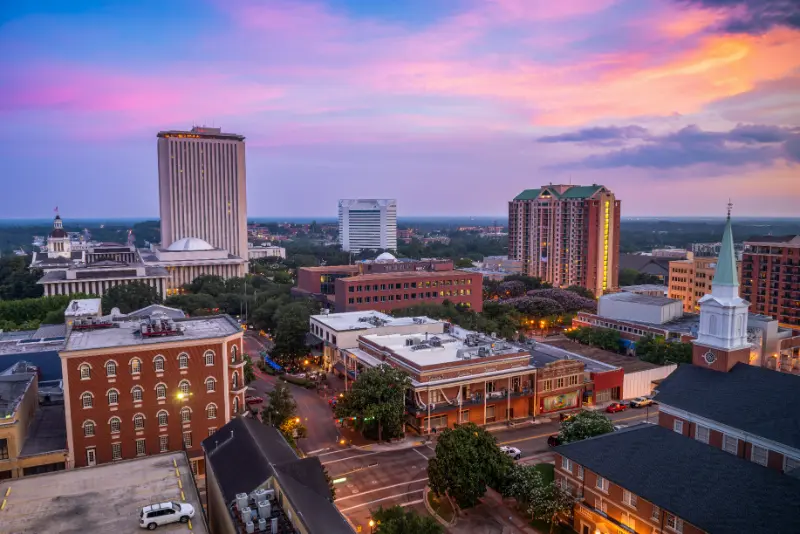
    Downtown Tallahassee Florida at Dusk

    Day 2: Cascades Park and the region's deeper history

    Begin at Cascades Park for an outdoor stroll. This central green space shows another side of Tallahassee, with landscaped areas, paths and opportunities to pause. Choose a short circuit suitable for your group rather than trying to cover the entire park. Summer mornings are generally more comfortable than afternoons, when shade and hydration become essential. Children can enjoy open space before an indoor museum; older visitors might appreciate a bench-based walk that includes frequent places to sit.

    For the afternoon, consider Mission San Luis, which interprets a seventeenth-century Spanish mission and the Apalachee community, or Tallahassee Museum, where natural habitats, regional history and outdoor exhibits are central. These are different attractions and should not be reduced to interchangeable photo stops. Mission San Luis is a cultural-history choice; Tallahassee Museum suits visitors particularly interested in ecology and hands-on local interpretation. Confirm operating days, admissions, any ongoing exhibits and the length of walking routes before choosing. Outdoor trails may become difficult in heat or after heavy rain.

    If you are traveling with elementary-age children, explain the indigenous history respectfully and accurately rather than describing it as a costume display. Teenagers may respond well to questions about land, colonialism and the development of modern Florida. Travelers who want a quieter, art-oriented day can favor local galleries and the gardens around a cultural institution instead. Do not feel obliged to combine both major museums: one thoughtful visit and one shaded outdoor stop make a more humane day.

    Day 3: Wakulla Springs when the park is operating

    Edward Ball Wakulla Springs State Park is one of the region’s most remarkable natural destinations, with deep spring waters, a historic lodge and cypress-bordered river habitat. The popular ranger-led river boat tour can show birds, alligators and sometimes manatees, although wildlife observations are never guaranteed. Florida State Parks describes tours that typically last under an hour, subject to conditions, and requires reservations for the boat program. Check accessibility arrangements in advance if your party uses a wheelchair; the park lists accessible boat options by request.

    Weather is especially important here. Official state-park information in October 2026 has included storm-related closures or restricted overnight accommodations. It would be irresponsible to promise the lodge or boat operation on a particular date. Call or check the state-park website before leaving Tallahassee and make sure your reservation remains valid. Thunderstorms and other safety conditions can stop tours. If the park is open only for day use, adjust the itinerary to what staff confirms rather than assuming that a historical description reflects today’s operating status.

    If access is limited, choose an alternative Tallahassee cultural visit or a carefully planned St. Marks-area stop, using current refuge and historic-site rules. Do not drive to remote wetlands on flooded roads or bypass closure barriers. When you do visit Wakulla, follow all wildlife guidance, avoid approaching alligators and keep small children supervised near water. A seated boat ride may be the perfect centerpiece for a multigenerational trip, whereas keen hikers can choose a signed trail if conditions and stamina permit.

    Where to stay and how to choose a practical base

    Downtown Tallahassee provides the simplest access to the Capitol district and restaurants. Hotels near the universities can be convenient at quieter times, but university sports weekends and major events often increase demand. A highway hotel may reduce the nightly rate but require more driving for every evening meal. Compare parking and breakfast costs as well as room prices. A couple seeking a city break may value walkable dining; a family with small children may prioritize a suite, laundry and easy vehicle access.

    Florida State Capitol Tallahassee Government Building

    If Wakulla is the principal reason for the trip, a rural overnight may seem appealing, but check storm impacts and actual lodging operations first. The official park pages have issued weather-related restrictions, so do not prepay for an affected property without confirmation. Older travelers and wheelchair users should ask hotels directly about elevator access, door clearances and bathroom layouts. Historic-looking accommodations may involve stairs, and booking-site accessibility filters do not replace a direct conversation about equipment requirements.

    Getting around and the real length of the day

    Walking the Capitol area is possible for many visitors, but Tallahassee’s terrain is hillier than much of coastal Florida. Choose garage or surface parking close to the day’s starting point and use brief vehicle transfers when needed. Public transit may work for selected city journeys; the full three-day plan, especially Wakulla, is easiest with a rental car. Arrange a driver if you do not wish to drive. For a traveler who uses a powered mobility device, confirm accessible transit or vehicle arrangements well in advance.

    The drive to Wakulla passes through a different landscape from downtown. Leave time for slower rural roads and for locating the correct park entrance. Do not plan with only the advertised travel time from a mapping app. Heavy rain can cause delays or closures; keep a conservative margin before your reservation. If your party prefers not to drive at dusk, begin the nature day early and finish with dinner back in Tallahassee. A reasonable transport plan is the strongest form of safety preparation.

    Spending priorities and low-cost discoveries

    Tallahassee can be attractive for travelers who want cultural experiences without a daily theme-park admission. Many public areas are inexpensive to enjoy, but ticketed museums, historic sites and boat tours have separate policies. Check the official fee page for every stop and choose one priority paid experience each day. A river boat tour may be the most memorable expense for nature lovers, while a museum may matter more to a history enthusiast. Both choices are sensible; you do not need to do everything.

    Meals near the Capitol and universities cover a range of budgets. An early lunch can reduce waiting and make the afternoon more relaxed. If traveling with children, schedule snacks and a proper sit-down break rather than buying whatever is available after everyone becomes tired. Parking, hotel-event rates and fuel should be included in the overall budget. A low advertised accommodation price on the edge of town can be offset by three days of repeated driving.

    Families, older visitors and accessible alternatives

    Tallahassee works for a broad age range precisely because history and nature can be experienced in different ways. A young child may enjoy Cascades Park and a short museum visit more than hours of state-government interpretation. School-age children can learn about the relationship between the Apalachee people, Spanish colonial institutions and today’s Florida. Teenagers may appreciate a mix of environmental science and modern civic history. Adults in their seventies, eighties or beyond can choose seated boat interpretation and one central museum without tackling strenuous trails.

    Check every site’s current wheelchair access, restroom arrangements and distances between parking and entrance. A boat advertised as accessible may require advance notice and specific equipment preparation. Travelers with hearing or vision needs should ask about captions, assistive interpretation or alternative formats. For those sensitive to crowds, weekday mornings often offer a calmer experience than event weekends. What makes a trip inclusive is not identical physical activity, but meaningful options and adequate time for everyone.

    Weather, storms and why the backup day matters

    The capital’s inland location does not eliminate tropical-weather risk. Florida’s hurricane season can affect roads, trees, accommodations and protected areas far from the immediate coastline. During warmer months, lightning and heavy rain require a conservative approach to outdoor activities. Follow the National Weather Service, local emergency messages and the official park operator. Never assume a green map pin means an attraction has reopened after a storm.

    For this trip, the safest arrangement is to keep two city days relatively flexible and book Wakulla only after confirming the park’s current operations. If a nature day is cancelled, a visit to another operating history museum and a leisurely local meal remain worthwhile. This is not a failure of the itinerary; it is how a sensible Florida trip adapts to real conditions.

    Frequently asked questions

    Can Tallahassee be visited as a day trip?

    You can see the Capitol district in one day, but three days allow the city’s parks and a separate nature excursion. The wider region’s appeal is easily missed during a short highway stop.

    Is Wakulla Springs currently fully open?

    Official notices in October 2026 have reported storm-related changes, including overnight accommodation restrictions. Check the latest park status and your boat reservation directly before traveling.

    Do we need to reserve a Wakulla river boat tour?

    The state park publishes a reservation system for river boat tours. Book through the official channel and reconfirm operations during severe weather or storms.

    Is this trip suitable for visitors who cannot hike?

    Yes. Focus on indoor historic attractions, shorter park visits and a suitable boat tour where available. Verify site-specific access rather than assuming all paths are barrier-free.

    When should we avoid university crowds?

    Check Florida State and Florida A&M event calendars, especially sports weekends and graduations, before selecting hotel dates. Prices and traffic can change significantly.

    Official resources

  • One Week in Tallahassee and Florida’s Big Bend: History, Springs and Wild Coast

    One Week in Tallahassee and Florida’s Big Bend: History, Springs and Wild Coast

    Tallahassee offers a side of Florida that visitors focused exclusively on beaches and theme parks may never encounter. Forested hills, university life, state history, a historic downtown and the quieter coastal landscapes of the Big Bend sit within a varied day-trip region. A full week here is not about making a beach the main event. It is about understanding North Florida through museums, gardens, clear-water springs, rivers and protected wildlife habitats. Because the area is spread out and some coastal roads are remote, careful planning matters. This itinerary keeps Tallahassee as the primary base and uses several separate excursions, with practical alternatives for families, older visitors and anyone who wants to limit walking.

    Where to stay and how much driving to expect

    Downtown Tallahassee is practical for museums, Capitol-area sites and restaurants, while accommodations near Florida State University or other central corridors may be convenient for campus events. Check calendars for football games and university graduations, because hotel availability and traffic can change substantially. A property with parking, breakfast and easy road access is useful if you plan several natural-area days. Coastal lodging in the Big Bend is quieter and more limited; for a first full week, remaining in Tallahassee minimizes packing and gives you more choices for meals. Most of the places in this itinerary require a car. Do not rely on urban rideshare availability for a remote wildlife refuge or spring. If someone in your group needs step-free lodging and predictable dining, confirm those arrangements before prioritizing a picturesque but isolated cottage. In warmer months, a hotel with a pool and laundry facilities can be valuable after muddy trails or boat outings.

    Florida Cypress Swamp near Tallahassee

    Day 1: Florida history in the capital

    Begin around the Capitol and downtown area to understand Tallahassee’s role in the state. Choose an appropriate museum such as the Museum of Florida History, checking current opening status and exhibitions carefully before your visit. The historic Capitol building and nearby civic landmarks provide an overview of Florida’s political history, but access may be affected by events, security procedures or building work. Plan a small loop instead of walking several miles in summer heat. A leisurely lunch nearby gives time to talk about what you have seen. Families can make the day easier by selecting one child-friendly exhibit rather than a complete architectural tour. Older visitors may prefer a guided visit or one museum plus a shaded café. If an attraction is unavailable, use the afternoon for another central historic site or a downtown neighborhood walk. Keeping the first day local makes it easier to settle into the travel routine without a long drive.

    Day 2: Alfred B. Maclay Gardens and nearby green space

    Alfred B. Maclay Gardens State Park is a good way to appreciate the region’s landscapes at a gentle pace. Garden displays vary strongly by season, and the famous camellia and azalea bloom periods should not be expected year-round. Check the state park’s current garden access, trail conditions and any special entrance procedures. Families may enjoy searching for different plants and watching birds; photographers might stay longer among landscaped areas when flowers are at their best. Older adults and visitors with limited mobility should identify accessible paths before committing to garden loops, because some natural areas may not suit wheels. Take water and insect protection, particularly when moving beyond the formal gardens. Instead of adding another distant park that afternoon, choose a quiet lunch and perhaps a short local walk. The changing seasons make this a different experience in January than in late summer, so adjust expectations accordingly and enjoy the place that exists on your date.

    Day 3: Wakulla Springs and a quieter river day

    Edward Ball Wakulla Springs State Park provides an opportunity to experience a large North Florida spring and river environment. The historic lodge is part of the setting, and guided riverboat tours are often a key attraction, although availability can depend on water conditions, weather and operational decisions. Confirm boarding requirements, tour schedules and admission directly with the park. Wildlife such as birds, turtles and manatees may be present, but no trip can guarantee a sighting. A child may enjoy the boat far more than an extended hike, while an older traveler might value comfortable seating and a scenic lunch. If swimming is allowed during your visit, follow current designated-area rules; natural waters are not a substitute for a supervised resort pool. Leave the afternoon free rather than trying to add a long drive to the Gulf. Wakulla is best approached as a central outing with enough time to appreciate river scenery and the history of the lodge.

    Day 4: St. Marks and the national wildlife refuge

    Drive toward St. Marks National Wildlife Refuge for a day focused on salt marshes, birds and quiet coastal landscapes. The refuge is not a conventional beach resort; its appeal is the opportunity to see a protected estuary and, when access is open, the well-known lighthouse area. Check whether the lighthouse road, visitor facilities and any tours are open for your selected date. Bring binoculars if you have them, and never stop unsafely on narrow refuge roads for wildlife photographs. Families can enjoy a few well-chosen viewing points rather than a long exposed walk. Older travelers may prefer driving sections with short stops and one accessible viewpoint. Mosquitoes, heat and sun can be demanding, even when the water looks peaceful. Leave enough daylight to return to Tallahassee and avoid exhausting the driver. A waterfront meal in an appropriate nearby town may be a lovely finish, but restaurant opening patterns are more limited than in major Florida tourist cities.

    Day 5: Railroad history, local art and neighborhood life

    After two natural-area days, return to Tallahassee for a slower cultural day. Explore the Railroad Square Art District if galleries and shops are operating, keeping in mind that tenant openings, redevelopment and event schedules can change. Choose a museum or university cultural venue that complements what you enjoyed earlier in the week. Families might appreciate an interactive exhibit or relaxed lunch, while art lovers can take more time talking to makers and viewing galleries. The point is not to photograph every mural; it is to understand that Tallahassee has a creative community beyond its government identity. In the evening, look for a live performance, theater event or casual restaurant rather than driving to another nature destination. Check venues’ accessible seating and parking if needed. A less physically demanding day gives everyone a chance to recover before the remaining excursions. It also provides a strong rainy-day swap if tomorrow’s outdoor plans need to move.

    Florida State Capitol Tallahassee Aerial View

    Day 6: The wider Big Bend—choose one direction

    For a deeper regional day, select one destination rather than attempting to cover the entire Big Bend. The coastal villages around Panacea and the Ochlockonee Bay area appeal to people interested in estuaries, seafood and small working waterfronts. Another option is a forest or river stop closer to Tallahassee if the weather is too unpredictable for a long coastal drive. Check fishing piers, boat ramps and wildlife viewing access before leaving, because some areas may have restricted hours or hurricane-related changes. Children can learn about marsh ecosystems and the connection between rivers and Gulf fisheries without needing a commercial attraction. If you are interested in boating, choose a licensed operator and review weather, vessel access and cancellation terms. Carry food, water and a full fuel plan for less developed stretches. Travelers who cannot comfortably spend long hours in a car may simply make this a rest day in Tallahassee; that is a legitimate choice, not an incomplete itinerary.

    Day 7: Mission San Luis or a favorite repeat

    Finish with a site that puts the region’s history into a broader perspective. Mission San Luis offers a reconstructed mission setting related to Apalachee and Spanish colonial history; verify its current operating schedule, program availability and accessible routes. Approach Indigenous history respectfully and do not reduce complex cultures to entertainment. If the site is closed or does not suit your party, return to the garden, art district or museum you liked most. Avoid an isolated coastal excursion on the same day as a flight unless the timing is very forgiving. Tallahassee International Airport and highway routes require their own travel buffers, especially during university events or severe storms. A final morning spent quietly can help children and older adults finish the week comfortably. This is also a good moment to appreciate how different the Big Bend feels from Florida’s more intensively developed coast: less beach spectacle, more layered landscape and history.

    Driving, public access and regional distances

    For this itinerary a car is the practical default. Downtown transit will not reliably connect you to Wakulla Springs, St. Marks Refuge and scattered coastal stops within a tourism-friendly schedule. Treat long-looking ‘short’ distances with care: roads may be two-lane, wildlife can cross, services can be sparse and some natural areas have poor reception. Load offline maps but rely on official entrance directions rather than assuming every map pin is a visitor entrance. Keep fuel above an uncomfortable minimum before a remote day. Parking at museums, parks and university venues may have different rules, and event days can alter them. If you do not drive, consider a shorter Tallahassee-focused visit with prearranged guided excursions; it is safer than assuming a last-minute rideshare will return from a rural site. People who use mobility aids should confirm surfaces and accessible drop-off positions at each nature stop.

    Budget, food and flexible reservations

    A Tallahassee week can have fewer luxury-resort expenses than major beachfront destinations, but rental-car costs, fuel and state park admission still matter. Reserve lodging around large university events early or consider different dates if prices spike. Create a list of any paid museum, guided riverboat or boat tour and then add a reasonable food budget for both city and rural days. Picnics can work well in parks where permitted, but bring enough drinking water and do not leave food accessible to wildlife. A downtown lunch might be flexible; a boat tour should be checked for reservations and cancellation rules. Avoid building a schedule in which two paid nature excursions must occur on the same sunny afternoon. If rain prevents an outdoor activity, museum alternatives should be ready. For families, familiar breakfasts and a refrigerator can save money and energy. Spend your available budget on one meaningful guided experience rather than unnecessary daily attractions.

    Traveling comfortably with different generations

    Tallahassee’s mixture of city and nature is adaptable but includes some terrain and climate challenges. Children may enjoy a wildlife boat tour, historic structures or a garden scavenger hunt, but long lectures and drives can wear them out. Teenagers may prefer art districts, photography and a chance to select a restaurant. Older travelers can enjoy the same trip with shorter walks and more scenic drives. Confirm whether boats require steps, whether museums have elevators and whether state parks provide accessible routes. Walking near marshes can mean mud, insects and uneven ground; the best viewpoint for one person may be unsuitable for another. Protect everyone from heat, carry needed medications and build a daily indoor break. If the group separates, make sure no one is left at a site without practical transport. A Big Bend vacation should be flexible enough that a day with only two stops still feels successful.

    Seasons, storms and wildlife respect

    Spring can bring appealing blooms and pleasant weather; summer often brings humidity, insects and afternoon thunderstorms. Winter can offer comfortable walks, though a cold front may affect boat outings. The hurricane season from June through November is especially relevant for coastal visits and may alter refuge roads or launch sites after a storm. Check Florida State Parks, U.S. Fish and Wildlife Service and venue advisories directly as your trip approaches. Wildlife sightings depend on season, water level and luck; never pursue an animal for a better photograph. Use designated paths and obey refuge speed limits. Watch for lightning around lakes and open marshes, even when rain is falling elsewhere. Some museums or gardens may change hours for special events. The week is most enjoyable when its indoor and outdoor elements can trade places without losing its larger purpose: experiencing a less-visited, historically rich part of Florida.

    Frequently asked questions

    Is a car essential in the Big Bend?

    For Wakulla Springs, St. Marks and scattered rural stops, a car is the most practical choice unless you have an organized tour.

    Will I see manatees on the Wakulla Springs boat tour?

    Wildlife sightings are never guaranteed. The official park notes that tours can show varied animals depending on season and conditions.

    Is Tallahassee good for a family vacation?

    Yes for children interested in gardens, history, wildlife and shorter nature visits, provided the daily driving is not excessive.

  • Tallahassee Beyond the Capitol: Four Days of Canopy Roads, Gardens and Apalachee History

    Tallahassee Beyond the Capitol: Four Days of Canopy Roads, Gardens and Apalachee History

    Florida’s capital is often treated as a quick stop on the way to the Gulf, but Tallahassee has enough character for a four-day holiday of its own. The city combines older neighborhoods, rolling terrain, tree-covered roads, museum collections and access to coastal landscapes. It also offers an opportunity to understand Florida as more than beaches and theme parks. A compact trip can connect the Apalachee past, Spanish colonial history, gardens, civic life and the practical pleasures of a university town without requiring a long hike every day.

    Stay in Tallahassee for all four nights. This is a useful arrangement for families with small children, couples who enjoy history and older travelers who prefer a comfortable hotel base. A car gives the most flexibility for gardens and rural roads; if you are visiting only downtown, some activities may be accessible by short rides, but this itinerary deliberately moves beyond the central business district.

    Four-day schedule with easy alternatives

    Day Focus Main visit Lower-energy option
    1 Capital orientation Downtown streets and civic setting Indoor cultural stop
    2 Apalachee and Spanish history Mission San Luis Short interpreted grounds visit
    3 Gardens and trees Maclay Gardens and canopy scenery Small garden walk
    4 Rail and coastal history St. Marks corridor Brief town and trail stop

    Do not assume a museum is open simply because it is on a state-government campus. Institutional renovations, holidays and weekday closures change access. Identify one confirmed anchor stop per day and keep the rest adaptable. Tallahassee can be humid, so a day that contains an outdoor activity and an afternoon rest is often preferable to three consecutive walks.

    Day 1: Discover the capital’s different layers

    Begin around downtown to understand the civic landscape. Architecture, public buildings and the rhythm of government distinguish Tallahassee from a conventional resort destination. Choose an officially open museum or interpretive facility and learn how the state capital developed. Even a modest walking loop can be rewarding when you notice which buildings belong to different periods and how the city’s hills differ from the flat coastal image of Florida.

    Families can give children an observation task: find architectural symbols, identify trees and explain what a capitol building is used for. Older companions may prefer a seated interpretive activity, followed by a short café stop. Do not promise access to a particular floor or government chamber without checking visiting rules. On weekends, some offices will naturally be closed, so concentrate on spaces intended for public visitors rather than normal working buildings.

    Florida State Capitol Tallahassee Government Building

    Day 2: Mission San Luis, where two histories meet

    Mission San Luis is a major reason to spend more than a passing afternoon in Tallahassee. The reconstructed mission site interprets the interaction between Apalachee communities and Spanish colonial life in the seventeenth and early eighteenth centuries. It is a place to approach history through more than one perspective: settlement, power, religion, trade and daily work all matter. Demonstrations and costumed interpretation may be part of the visitor experience, depending on staffing and schedule.

    The mission’s official visitor notice currently directs traffic to the west entrance at 2021 Mission Road because the Tennessee Street entrance is affected by construction. Confirm that arrangement before setting off. Allow a comfortable half day, carry water and ask where shaded seating is available. Some reconstructed spaces may have thresholds or uneven approaches, so visitors with mobility devices should ask about the routes they will actually use rather than relying on a general accessibility description.

    How to help children understand Mission San Luis respectfully

    Instead of portraying the historic site as an adventure village, explain that it represents real people and a complicated meeting of cultures. Ask children what materials buildings were made from, what daily jobs required and whose voices might be missing from a short historical display. This keeps the visit engaging without trivializing colonization or the fate of Indigenous communities. Teenagers studying American history may be interested in how archaeology works alongside written colonial accounts.

    Do not touch demonstration materials without permission, walk into staff areas or interrupt interpreters during a program. Photography may be allowed in some places and restricted in others; follow on-site signage. Leave time for questions, because a thirty-minute conversation with informed staff can be more meaningful than rushing through every reconstructed building. End with a meal and an easy afternoon rather than booking another large history attraction immediately afterward.

    Day 3: Maclay Gardens and Tallahassee’s greener identity

    Alfred B. Maclay Gardens State Park gives the trip a beautiful change of pace. Historic garden features, lake scenery and wooded routes make the park appealing to people who are not long-distance hikers. The official Maclay Gardens park information identifies a seasonal floral peak, but the garden is worth considering outside that window for its design and peaceful setting. Do not guarantee a particular bloom: temperature, rain and garden maintenance affect what is flowering on any given day.

    Tallahassee Florida Capitol Square and Monument

    Choose the shorter garden routes if traveling with someone who uses a walker or tires easily. There are also longer shared-use trails for visitors seeking a more active outing, but these are not essential to the day. Ask at the entrance which areas are smooth, which have slopes and where to find restrooms. A picnic or relaxing lunch can extend the visit without adding strenuous exercise. Families can compare native vegetation with ornamental planting and talk about why gardens need regular care.

    Driving canopy roads without treating them as racetracks

    The tree-lined roads around Tallahassee are part of its identity. They are attractive for a calm scenic drive, but they are still public roads with residents, cyclists, school traffic and narrow shoulders. Use a published driving route or official local visitor guidance instead of following random “scenic” shortcuts onto private lanes. Do not stop in the traffic lane beneath a pretty arch of trees. If there is no legal turnout, keep driving and enjoy the view through the window.

    Driving slowly is sensible; driving unpredictably is not. Leave space for local vehicles, watch for wildlife and respect speed limits. Passengers can take photographs from a safe parking location during another stop rather than leaning out of windows. The aim is to appreciate the landscape responsibly. If you prefer not to drive, spend more time in the gardens, where the canopy can be enjoyed on foot within a managed park.

    Day 4: The St. Marks corridor and old railroad history

    The Tallahassee–St. Marks Historic Railroad State Trail follows a former transportation corridor toward the coast. Visitors do not have to cycle its entire length to appreciate it. Select a trailhead, explore a short suitable section and learn how rail transport connected inland agriculture with coastal trade. The Florida State Parks trail information includes maps, conditions and facilities. Parts of a trail can be open while individual playgrounds or amenities remain closed.

    St. Marks itself offers a compact coastal-river-town perspective if you have time and weather allows. It is a different experience from the white-sand beaches farther west, so do not promise resort facilities or swimming. Check individual parks for access before making a long detour, especially after heavy rain or a storm. When departing the same afternoon, choose either a short trail visit or a town stop rather than trying to include a full wildlife refuge and still reach your flight.

    Where to stay and how to organize the drives

    A central Tallahassee hotel can be convenient for restaurants and an easier first day. Accommodation closer to major roads may simplify departures to the gardens and St. Marks corridor. Compare parking fees and cancellation terms. Travelers with a stroller or wheelchair should check the route from parking to the lift and the bathroom layout, rather than assuming all modern hotels have identical facilities. A small refrigerator is useful for families who keep snacks, milk or temperature-sensitive items in the room.

    The city has traffic linked to working days, university events and football weekends. An inexpensive hotel on an ordinary date may be considerably more expensive during a major event. Check the calendar before committing to a nonrefundable rate. The advantage of keeping one base is that you can swap the outdoor and indoor days when storms threaten, without changing accommodation.

    Food, costs and family-friendly budgeting

    The primary expenses are lodging, fuel and meals. Admission to individual historic sites or state parks may be modest, but do not rely on outdated prices. The Mission San Luis and state-park websites publish their current admission rules, including certain age concessions. Group visits, special workshops and tours may involve separate reservations. Make a four-day budget with a buffer for one unexpected indoor activity if bad weather changes your outdoor plans.

    A restaurant does not need to be historically themed to fit the itinerary. Choose comfortable places with reasonable waits and suitable menus for the people traveling with you. Young children benefit from predictable meals, and older companions may prefer an early dinner to a crowded evening dining scene. Bring water and snacks to outdoor parks, while following rules about where food is permitted near historic objects and gardens.

    Best seasons and weather planning

    Spring can be particularly appealing for gardens, while autumn often offers comfortable conditions for outdoor sightseeing. Summer may be hot and humid with frequent thunderstorms. Winter can be mild compared with northern states but can still include chilly mornings. Pack light layers and do not plan as though every Florida day is warm enough for shorts. Watch for lightning during outdoor activities and move to a safe building or enclosed vehicle when storms approach.

    If anyone in your group has health or mobility limitations, plan two rest breaks each day and avoid extended walks during the hottest hours. A half-day in a museum and a half-day relaxing at the hotel can be a satisfying combination. Children often remember one engaging interpreter or garden experience better than four rushed institutions.

    Accessibility details worth checking

    Every stop has different paths. A museum might be step-free while a reconstructed historic building has uneven surfaces; a garden may have accessible restrooms but unpaved sections. Call ahead to ask about ramps, thresholds, parking-to-entrance distances and benches. For travelers with hearing or visual disabilities, ask about written guides or alternative interpretation rather than relying on improvised assistance on arrival.

    Do not infer that a multiuse trail is flat everywhere merely because portions are paved. Check the exact trailhead and route you intend to use. An accessible trip is made from specific confirmed segments, not broad labels. People of any age can benefit from this more careful planning.

    Responsible visiting and a sensible extension

    Respect Apalachee history by using institution-approved interpretation and recognizing present-day Indigenous communities. Avoid treating historical reconstructions as proof that life was easy or uncomplicated. On canopy roads, do not enter private land. In gardens, stay on designated paths and leave plants untouched. Around St. Marks, watch wildlife from a distance and never feed animals.

    With an additional day, consider a separate nature outing only after verifying current opening notices. In October 2026, Edward Ball Wakulla Springs State Park has reported temporary interruptions affecting boat tours and overnight accommodations, so it would be misleading to promise a boat excursion there without a fresh confirmation. Tallahassee itself has plenty to offer without depending on that activity. A thoughtful four-day visit combines culture, scenery and flexibility rather than treating the capital as a one-hour photo stop.

    Frequently asked questions

    Do we need a car for four days in Tallahassee?

    A car is helpful for Mission San Luis, the gardens, canopy roads and the St. Marks corridor. A downtown-only trip is more feasible without one, but it would be a different itinerary.

    Can we visit Mission San Luis on a Monday?

    The official site currently lists Monday as a closing day. Check its latest schedule and use the correct entrance before traveling.

    Are Maclay Gardens worth visiting outside bloom season?

    Yes, for the designed landscape, trees and peaceful outdoor setting, but flowering displays change with weather and time of year.

    Is the railroad trail only for cyclists?

    No. Walkers can enjoy selected sections. Choose an appropriate trailhead and distance, and follow posted shared-use rules.

  • Florida State Capitol Visitor Guide: 22nd-Floor Observation Deck, Hours, Security and Tallahassee Tips

    Florida State Capitol Visitor Guide: 22nd-Floor Observation Deck, Hours, Security and Tallahassee Tips

    The modern Florida State Capitol is one of the most useful free stops in Tallahassee because it combines state government, public architecture and one of the best panoramic views in North Florida. Many visitors photograph the pink-and-white Historic Capitol and never realize that the 22-story tower directly behind it is also open to the public on weekdays. The strongest reason to enter is the enclosed 22nd-floor observation deck, where you can look across Tallahassee’s tree canopy, downtown, Florida State University and the surrounding Red Hills landscape.

    Explore this guide

    Current official information says the Capitol is generally open to the public Monday through Friday from 8:00 a.m. to 5:00 p.m., excluding state holidays. Self-guided visits are available during those hours, while weekday guided tours are primarily arranged for groups. Visitors should expect security screening and occasional access changes when government business, construction or special events affect public areas.

    Quick planning summary

    • Current public hours: Monday–Friday, 8:00 a.m.–5:00 p.m., excluding state holidays
    • Admission: free
    • Main highlight: enclosed 22nd-floor observation deck and Capitol Gallery
    • Time needed: 60–90 minutes for a self-guided visit
    • Best for: first-time visitors, families with older children, architecture, government and city views
    • Security: allow extra time for screening and possible access restrictions

    Important current-status note

    October 2026 information snapshot: this article is scheduled for 2028. Hours, prices, tour access, construction, parking rules, security procedures, trail conditions and event schedules can change before publication. The details below are a verified planning baseline, not a promise that every 2026 condition will still apply in 2028. Recheck the linked official source shortly before travel.

    What you can see inside

    A self-guided visit can include the public areas of the Capitol, legislative spaces when they are accessible, the Welcome Center and the 22nd-floor observation deck. Public access can change when the Legislature is in session or when rooms are being used for official business. The goal should not be to see every chamber; focus on understanding how the complex works and reaching the observation deck.

    Why the 22nd floor is worth the elevator ride

    The observation deck is enclosed and therefore works even when summer heat or light rain makes an outdoor viewpoint less appealing. Directional kiosks identify landmarks, and the elevated view makes Tallahassee’s rolling terrain much more obvious than it appears from street level. The east side includes the Capitol Gallery, which displays work by Florida artists and changes periodically.

    Capitol vs. Historic Capitol Museum

    These are two different experiences and they complement one another. The modern Capitol is a working government building with the city view; the Florida Historic Capitol Museum is the restored historic building with exhibits on political history. First-time visitors should do both if schedules allow. The walk between them is only a few minutes, so combining them is far more efficient than treating them as separate half-day attractions.

    Tallahassee Florida State Capitol Grounds Aerial

    Security and what not to bring

    Because this is an active government complex, travel light. Large bags, prohibited items and anything that slows screening are poor choices. Families should allow extra time rather than promising children that the elevator ride will happen immediately after arrival. During legislative session, school-group season or special events, public circulation can feel busier.

    Best time of day

    Arrive in the morning if the Capitol is a priority. Morning gives you more flexibility if a chamber or gallery is temporarily unavailable. It also makes it easier to continue to lunch, the Historic Capitol or Cascades Park without hitting the hottest part of a summer afternoon outside.

    Official information

    Check Florida Capitol – Touring the Capitol and Florida Capitol Police visitor FAQs before travel.

    Planning for different ages and travel styles

    Tallahassee works unusually well for multigenerational trips because many of its strongest attractions are compact, shaded or partly indoors. Babies and toddlers need predictable restroom stops and a place to reset. School-age children generally do best with one interactive or outdoor anchor rather than several history stops in a row. Teenagers often respond better to views, art districts, biking, cars and wildlife than to long guided tours. Older travelers benefit from benches, climate-controlled museums and itineraries that avoid repeatedly crossing the city. A successful mixed-age day usually combines one shared anchor with one optional stop rather than forcing everyone through the same checklist.

    Best season, heat and rain

    Late October through April is usually the easiest season for long walks and outdoor history sites. Spring can be beautiful, but pollen is noticeable. Summer brings high humidity, strong sun and frequent afternoon thunderstorms, so outdoor stops are better early in the day. July and August itineraries should include indoor backup options and generous water breaks. The Big Bend can also experience tropical-weather disruptions, prescribed burns, flooding and temporary trail closures. Check official alerts and radar before leaving Tallahassee for remote parks or the coast.

    Budget and value

    Tallahassee can be a good-value Florida city because several major attractions are free or inexpensive. The biggest budget differences usually come from lodging, restaurant choices, special tours and transportation rather than admission fees. Free attractions still have a cost in time, parking and driving. If your trip is budget-focused, group attractions by neighborhood, bring water and snacks, and use one paid experience as the day’s anchor instead of buying admission everywhere simply because you have time.

    Accessibility and low-effort alternatives

    Historic buildings, outdoor trails and older sites vary in accessibility. When mobility is important, verify the accessible entrance, elevator status, restroom access and walking surface before arrival. Tallahassee has many low-effort alternatives: the Capitol observation deck, The Grove tour, Tallahassee Automobile Museum, Cascades Park and selected museum visits can all deliver a meaningful experience without a long hike. For remote state parks, do not assume that a short trail is automatically wheelchair- or stroller-friendly.

    What to bring

    • Refillable water bottle
    • Sun protection and sunglasses
    • Light rain layer in warm months
    • Comfortable shoes for brick, museum floors, roots or paved trails
    • Insect repellent for wetlands and evening outdoor stops
    • Downloaded map for remote Big Bend sites
    • A light layer for air-conditioned museums
    • Portable charger if you are using your phone for parking, maps and tickets

    How to combine it with nearby places

    Pair the modern Capitol with the Historic Capitol Museum and Cascades Park for an easy downtown day. Mission San Luis works better as a separate afternoon anchor because it is west of downtown.

    What is worth booking in advance

    Most visits do not require complicated advance planning, but always reserve fixed-time tours, special programs and limited-capacity experiences when they matter to your day.

    Common planning mistakes

    • stacking several museums back-to-back without a food or outdoor break
    • underestimating summer heat because individual walks look short on a map
    • assuming state-government buildings have weekend access
    • driving to a rural historic site without checking current hours or alerts
    • planning around a wildlife sighting as if it were guaranteed
    • forgetting that university events and legislative session can change downtown traffic and hotel prices

    A better daily rhythm

    Start with the stop that is most sensitive to heat, capacity or fixed hours. Put flexible attractions in the middle of the day and leave at least one hour unassigned. That margin absorbs parking, restroom breaks, security screening, a longer lunch or a stop that turns out to be more interesting than expected. For families and senior travelers, the unassigned hour is often what keeps the day enjoyable.

    Final planning advice

    Use this guide to decide whether the experience fits your trip rather than treating it as another box to check. Tallahassee and the Big Bend reward slower travel: one strong history stop, one outdoor experience and a relaxed meal usually creates a better day than racing through four or five attractions.

    Parking, arrival time and local driving

    Tallahassee is easier by car than most large Florida cities, but that does not mean every attraction has effortless parking. Downtown garages, government security, event closures and campus traffic can add 15 to 30 minutes. For rural Big Bend sites, the challenge is different: parking may be simple, but the final drive is longer and services are sparse. Put the exact entrance in your map app, keep fuel above one-quarter tank and avoid scheduling a fixed tour immediately after a long rural drive.

    Food, restrooms and practical breaks

    Build food and restroom stops into the itinerary before people are hungry or tired. Historic sites and wildlife areas may have limited concessions, while downtown offers far more choices. Families should carry a basic snack even when they plan to eat at a restaurant. Senior travelers may prefer attractions with predictable seating and restrooms rather than relying on remote trailheads. In summer, an air-conditioned lunch is not wasted sightseeing time; it is part of a sustainable day.

    Photography and phones

    Phone photography is easy at most outdoor sites, but government buildings, private businesses and museums may restrict flash, tripods or commercial equipment. Respect posted rules and never block a doorway or narrow path for a photo. At wildlife sites, use distance rather than approaching an animal for a better image. A small power bank is useful because navigation, tickets, parking apps and photography can drain a phone quickly on a full travel day.

    If weather changes the plan

    A flexible Tallahassee itinerary should always have an indoor substitute. The Automobile Museum, Capitol and selected historic sites can rescue a stormy afternoon, while outdoor parks can be moved to the next morning. Do not wait inside a remote trailhead parking lot during severe weather just because the schedule says you should hike. Thunderstorms, flooding and heat advisories are good reasons to change the order of the day.

    Is it worth adding to your Tallahassee trip?

    Yes when this experience matches the interests of your group and fits naturally with the geography of your day. No attraction is essential simply because it appears on a list of things to do. If visiting it creates a long cross-town drive, conflicts with a fixed tour or pushes children and older travelers past their comfortable pace, save it for another trip. A complete Tallahassee vacation comes from variety and good timing, not from collecting every possible stop.