Category: Museums in Florida

  • WonderWorks Panama City Beach Guide: Tickets, Hours, Exhibits, Ropes Course and Family Tips

    WonderWorks Panama City Beach Guide: Tickets, Hours, Exhibits, Ropes Course and Family Tips

    WonderWorks is one of Panama City Beach’s most useful indoor family attractions because it works as both a planned activity and a weather backup. The upside-down building on Front Beach Road contains roughly 29,000 square feet of interactive “edu-tainment,” more than 100 hands-on exhibits and six themed Wonder Zones, plus activities such as an indoor ropes course and laser tag.

    Explore this guide

    The attraction is not a conventional museum where everyone moves quietly from case to case. It is active, noisy and hands-on. That makes it particularly strong for school-age children and teenagers, but it also means visitors with motion or sensory sensitivities should review the warnings before buying tickets.

    Quick planning summary

    • Best for: school-age children, teenagers, rainy days and hot afternoons
    • Current hours: Sun–Thu 10 a.m.–8 p.m.; Fri–Sat 10 a.m.–9 p.m.
    • Last ticket: currently sold one hour before closing
    • Scale: about 29,000 square feet and 100+ hands-on exhibits
    • Location: 9910 Front Beach Road
    • Time needed: about 2–4 hours for most families
    • Important: several attractions have height, health or motion restrictions

    Important 2026 information note

    This article is scheduled for 2028. WonderWorks can change hours, ticket products, included experiences and attraction restrictions before then. Use the official website for the final 2028 check.

    What WonderWorks is

    The attraction uses the fictional story of an upside-down laboratory as the setting for interactive science and challenge exhibits. The experience begins with an inversion tunnel and continues through six Wonder Zones. Rather than trying to “complete” every exhibit, let children spend longer on the experiments they actually enjoy.

    Who enjoys it most

    School-age children are the easiest audience because many exhibits combine movement, competition and simple science concepts. Teenagers often respond well to the ropes course, laser tag and more physical challenges. Adults who enjoy interactive museums can have fun too, especially in a mixed-age group where not everyone wants another beach afternoon.

    Current hours

    The official Panama City Beach page currently lists Sunday through Thursday from 10 a.m. to 8 p.m. and Friday/Saturday from 10 a.m. to 9 p.m. The last ticket is sold and doors are locked one hour before closing. Holiday and special-event schedules can differ, so do not assume those hours apply to every future date.

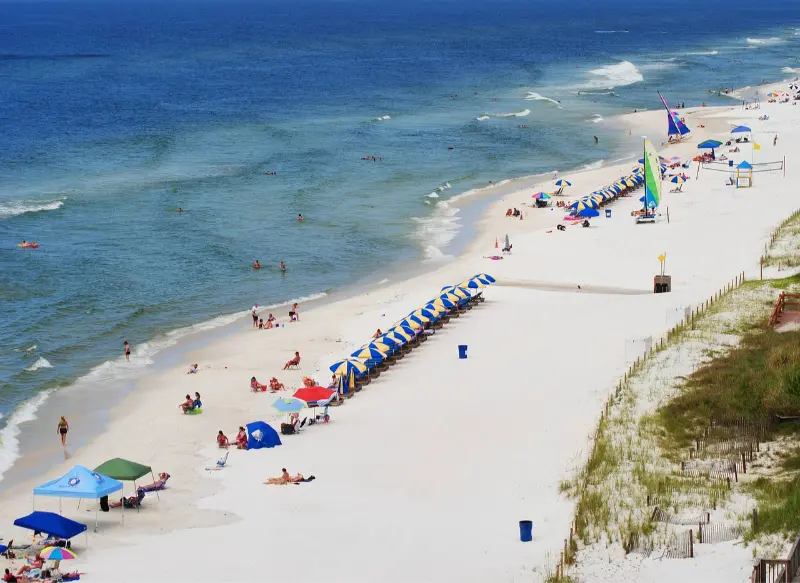
    Panama City Beach Skyline and Shoreline Aerial

    Tickets

    WonderWorks sells different ticket products and age bands, and online pricing can change. Because this article is scheduled well into the future, I would not build a 2028 budget around a single 2026 dollar figure. Check whether your ticket includes the activities your family considers essential and whether taxes or upgrades change the final cost.

    Indoor ropes course

    The glow-in-the-dark ropes course is one of the signature physical activities. Current rules require climbers to be at least 48 inches tall to climb alone or 42 inches to participate with an adult 18 or older. The current maximum height is 80 inches. These restrictions can change and are enforced for safety, so verify them if the ropes course is central to the visit.

    Wonder Coaster and motion experiences

    The current Wonder Coaster rules list a minimum of 48 inches to ride alone or 42 inches with a responsible rider 48 inches or taller, plus a 250-pound individual weight limit. Motion-based attractions may not be suitable for every visitor even when height requirements are met.

    Health and sensory warnings

    The official site warns that some exhibits involve flashing lights and motion and may be unsuitable for visitors with certain heart conditions, diabetes, vertigo, seizures or other light/motion sensitivities. This deserves attention before the day begins, not after a ticket is purchased. Families with sensory-sensitive visitors can contact the attraction for current guidance and decide whether the exhibit environment fits their needs.

    Rainy-day strategy

    WonderWorks is popular precisely when the beach becomes less appealing. That means a rainy forecast can also mean more families choosing the same indoor plan. If the weather is obviously poor, arrive earlier rather than waiting until every beachgoer moves indoors at the same time.

    Do not treat indoor as the same thing as storm-proof travel. Severe weather can still affect roads, power, attraction operations and opening hours. Check official alerts when a major storm system is involved.

    How long to allow

    Two hours can work for a focused visit with older children who move quickly, but three to four hours is more realistic if the group wants to repeat exhibits, use the ropes course and take breaks. Avoid scheduling a fixed dinner reservation too tightly after your entry time.

    Combining WonderWorks with other stops

    The attraction sits along the main resort corridor, so it pairs well with a beach morning or an evening around Pier Park. On a summer day, a strong plan is beach early, indoor attraction during the hottest or stormiest part of the afternoon, then dinner or sunset later.

    Is WonderWorks worth it for toddlers?

    That depends on the child and the ticket cost on your date. Younger children can enjoy visual and hands-on elements, but many signature challenges are designed around older or taller participants. Families with toddlers should compare WonderWorks with a shorter science-center or zoo visit before committing to a full-family ticket.

    Official information

    Check the official WonderWorks Panama City Beach visitor information page for current hours, tickets and ride restrictions.

    Families, teenagers and senior travelers

    Panama City Beach works well for multigenerational groups when the schedule is built around energy level rather than age labels. Families with younger children generally need shade, restroom access and shorter activity blocks. Teenagers often enjoy activities that give them some independence, whether that means fishing, interactive exhibits, water rides or a walk around Pier Park. Senior travelers may prefer the same attractions but benefit from a slower pace, more seated breaks and less time on exposed pavement or soft sand during the hottest hours.

    A practical family rule is to choose one anchor activity and one optional add-on. If everyone is still enjoying the day, add the second stop. If heat, crowds or weather have already used up the group’s energy, stop without treating the change as a failed itinerary.

    Accessibility and comfort

    Accessibility in a Gulf Coast destination is not only about ramps. Heat, glare, long walks from parking, wet surfaces, sand and sudden storms can affect how comfortable a visit feels. Travelers using wheelchairs, walkers or strollers should verify the exact route from parking to the attraction, not just whether the destination describes itself as accessible. When beach access is part of the plan, mobility mats and beach-wheelchair programs can make a major difference, but availability can change.

    Weather and seasonal planning

    Summer brings warm Gulf water, long daylight and the fullest attraction schedule, but also intense sun, high humidity and frequent afternoon thunderstorms. Spring and fall can be easier for walking and outdoor attractions. Winter is quieter and often pleasant for museums, piers and sightseeing, although water temperatures and wind may make a beach day feel very different from summer.

    Lightning is the condition that should change plans immediately. Do not wait on an exposed pier, beach or waterpark deck because a storm still appears distant. Use radar and official attraction updates, and keep one indoor backup available for days when the Gulf weather refuses to cooperate.

    Beach safety still matters

    Even when the attraction itself is the reason for the visit, many travelers combine it with the beach. Check the current Panama City Beach flag system before entering the Gulf. Rip currents are not always obvious from shore, and a calm-looking surface is not proof that conditions are safe. Lifeguard coverage is seasonal and limited to specific areas, so never assume every public access is guarded.

    Panama City Beach Hotels by the Gulf Aerial

    Budget and value

    Compare the complete day rather than only the headline ticket price. Parking, food, drinks, equipment, souvenir photos, lockers and optional upgrades can change the total quickly. A lower-cost day can pair a paid attraction with a beach walk, sunset or public park. Families often get better value by choosing one substantial paid activity instead of stacking several expensive stops simply because they are close together.

    What to bring

    • refillable water bottles
    • sunscreen, sunglasses and a hat
    • comfortable walking shoes
    • a light rain layer during the warm season
    • a portable phone charger
    • any required identification for discounts
    • a small dry bag or waterproof phone pouch when water is involved

    Common planning mistakes

    • using an old social-media post as the source for current prices or hours
    • forgetting that Panama City Beach uses Central Time locally
    • planning a long exposed activity at the hottest point of the afternoon
    • assuming parking is free because beach access itself is public
    • waiting until arrival to check height, health or participation restrictions
    • filling every hour of the day and leaving no room for weather delays

    A better daily rhythm

    Planning tipFor most visitors, the easiest rhythm is an early outdoor activity, a shaded or indoor break around midday, and a flexible late-afternoon or evening plan. This reduces heat stress and gives the schedule room to absorb traffic or a thunderstorm. If sunset matters, choose the final stop geographically before lunch so you are not crossing the entire resort strip at the busiest time of day.

    Driving and parking strategy

    Front Beach Road can move slowly in peak periods. Enter the exact attraction or parking area in navigation before leaving, and allow more time than the mileage suggests. If your group includes someone with limited mobility, use a legal passenger drop-off when possible before the driver searches for a more distant space. Never improvise parking on dunes, grass or private property.

    Continue your Bay County trip

    Use the Panama City Beach travel guide as the broader planning hub. For shopping, dinner or an easy evening, the Pier Park guide is a useful companion once it is already published. Travelers arriving from the east can also compare the resort atmosphere with Mexico Beach.

    Final planning advice

    The best version of a Panama City Beach day is usually simpler than the longest possible checklist. Decide what experience matters most, verify the current official information shortly before travel and leave enough flexibility for weather, traffic and the possibility that your group simply wants to stay longer at one place.

  • Florida Museum Road Trip: Eight Days of Art, Science and History From Orlando to Miami

    Florida Museum Road Trip: Eight Days of Art, Science and History From Orlando to Miami

    A vacation organized around museums can reveal Florida’s identity just as vividly as its beaches and theme parks. Science centers explain landscapes and space exploration; art collections show how artists interpreted their worlds; museums of local history ask visitors to notice the communities beneath famous skylines. Museums also provide welcome indoor hours when summer heat or thunderstorms make outdoor plans uncomfortable. This eight-day route begins in Orlando, continues through Tampa and Sarasota, and finishes with Fort Lauderdale and Miami. It is a driving itinerary rather than a claim that every museum can be reached on foot. Each day recommends one major institution plus optional neighborhood time, so travelers of different ages and interests can adapt the pace.

    First choose the kind of museum traveler you are

    Families with young children often value hands-on exhibits, restrooms and places to eat nearby. Teenagers may prefer science demonstrations, photography or contemporary art; adults interested in history may want time to read archival interpretation. Older travelers might prioritize seating, hearing support and accessible routes. Before booking, ask each person to pick a theme: science, visual arts, local history, natural history or performance culture. This makes choosing between several museums easier when time is limited. A good museum vacation is not a contest to enter the greatest number of buildings, because each institution has its own story and deserves more than a rushed walk-through.

    Research museum hours carefully. Many close on selected weekdays, and special exhibitions, guided visits or planetarium shows may have additional reservation requirements. Never assume an event advertised months ago is still running. Look at the official visitor page for bag rules, stroller access and any restrictions on flash photography. If a traveler uses a mobility device or requires sensory accommodations, confirm the specific facilities rather than relying on a broad accessibility logo. Museums can be noisy during school visits and extremely quiet at other hours; choosing the right time can change the experience substantially.

    Day 1: arrive in Orlando and leave time for recovery

    Arrive at your Orlando accommodation and explore a compact neighborhood only if energy permits. Downtown or the Loch Haven cultural area can work for travelers interested in museums, but check actual parking and lodging locations. Airport arrival, car collection and hotel check-in are sufficient activities for the first day. If traveling internationally, allow for fatigue and avoid buying nonrefundable museum tickets that depend on a punctual flight. Choose an easy local meal and use the evening to review the next day’s exhibition timetable and forecast.

    For families, give each child a notebook or small camera to record one interesting detail per museum. This is more manageable than asking them to read every display. Adults may create a different challenge, such as looking for unexpected connections between Florida’s ecology and its history. Travelers sensitive to crowded galleries can choose an opening-time visit and plan a quiet lunch. Whatever the approach, decide in advance when to stop: two or three attentive hours may be enough, especially on the first full day after travel.

    Day 2: Orlando Science Center and curiosity-led exploration

    Orlando Science Center provides a strong beginning because it combines interactive learning with exhibits for different ages. Its official exhibit directory covers areas devoted to nature, technology, engineering, dinosaurs and younger children’s discovery. Choose two or three halls that interest your group and check live demonstrations or films upon arrival. Children may want to repeat the same experiment several times, which is a legitimate way of learning. Teens can explore engineering and science challenges with less adult direction, while adults may appreciate the links between exhibits and Florida’s natural environments.

    The visitor information explains parking, building access and planning. Review it for current admission and special programming. A planetarium-style film or science presentation may have timed seating; do not promise a show until the day’s timetable is confirmed. After lunch, enjoy a small outdoor break if weather allows, then return to your hotel. Avoid adding a second major museum purely because it is nearby. A hands-on visit can be more tiring than visitors anticipate, especially for young children or people sensitive to lights and sound.

    Day 3: Tampa Museum of Art and a city waterfront

    Drive toward Tampa and devote your main cultural time to the Tampa Museum of Art near Curtis Hixon Waterfront Park. The official visit page provides opening details, exhibitions, admission information and accessibility guidance. Its collections and rotating shows may appeal particularly to adults and teens who enjoy art history or contemporary interpretation. Begin by looking at the exhibitions currently on display; do not assume a work mentioned in an older review remains in the same gallery. Choose a few pieces to discuss rather than trying to absorb every label in one pass.

    Miami Beach Ocean Drive Art Deco Facades

    After the museum, use the adjacent downtown area for a relaxed lunch and waterfront walk. If traveling with younger children, consider replacing part of the art visit with Glazer Children’s Museum, which is nearby but offers a very different hands-on experience. The Glazer visitor page publishes age-oriented practical details and a calendar. These museums are alternatives for many families, not automatically a pair to complete one after another. Stay in Tampa Bay overnight and allow for traffic rather than adding a lengthy late transfer to Sarasota.

    Day 4: The Ringling in Sarasota, where art meets circus history

    Travel south to Sarasota and spend the day at The Ringling estate. Its official venue information distinguishes the Museum of Art, Circus Museum, historic mansion, gardens and other areas of the campus. This variety makes the location particularly good for groups with different interests, but it also creates a planning challenge: admission categories, tour access and opening conditions can differ. Decide whether the art collection or circus history is the main reason for visiting and give that part the most time. Do not expect to see the whole estate comprehensively in a hurried two-hour stop.

    The circus exhibits can provoke interesting conversations about performance, travel, labor and entertainment, while the art museum offers an entirely different encounter. Children may enjoy visual displays; older visitors may prefer a quieter gallery pace. Check accessibility across the extensive grounds, particularly if somebody cannot walk long distances. A garden walk in strong heat may be more demanding than time inside a gallery. Leave the afternoon unscheduled and consider a simple downtown dinner. The aim is to let the museum’s different histories speak rather than reducing it to a photo opportunity at a decorative building.

    Day 5: an unhurried Sarasota day or a second art perspective

    Keep a second Sarasota day for deeper engagement or rest. If a temporary exhibition at The Ringling deserves another visit, consider returning according to ticket conditions; otherwise look at the Sarasota Art Museum’s contemporary programming. The city’s museum scene offers contrasts between historical collections and the work of artists addressing present-day ideas. Check the specific exhibition list and age suitability. Some installations can be immersive, loud or emotionally challenging, so families should read venue descriptions before buying admission.

    A museum-free afternoon is also an excellent choice. Visit a developed public waterfront, have lunch in the shade and consider how the first half of the trip has changed your understanding of Florida. If someone in the party is tired, take advantage of the hotel’s facilities. Planning two consecutive cultural days does not require every moment to be instructional. A relaxed conversation about which museum surprised everyone is a meaningful part of a family vacation. Prepare for the longer drive across to South Florida on the next day, and avoid carrying unsecured artwork or fragile souvenirs in the car.

    Day 6: a transfer toward Fort Lauderdale with one optional stop

    Drive toward Fort Lauderdale without pretending that a statewide transfer leaves room for multiple major attractions. Highways may be affected by congestion, thunderstorms or construction, and the route itself requires rest stops. Choose accommodation near downtown Fort Lauderdale if you intend to visit a central museum or waterfront district. Beachfront accommodation is possible, but it may add travel to the museums you want. Do not confuse the city’s main cultural district with the beaches; each has its own practical parking and access conditions.

    If arrival is early, choose a short visit to a local gallery or a walk along the New River, but keep it optional. The Museum of Discovery and Science is a possible main destination for science-focused families on the following morning; check its current visitor information, exhibits and any theater schedules before making a firm plan. Those primarily interested in art can research different Fort Lauderdale cultural institutions instead. Children often need an activity with hands-on elements after two days of more traditional galleries, but the family’s actual interests should drive the choice.

    Day 7: Fort Lauderdale science and an evening in Miami

    Spend the morning in Fort Lauderdale at one selected museum. For young visitors, interactive science exhibits can make an energetic change from Sarasota’s art collections. Adult travelers may prefer a shorter visit and time exploring local history or an urban waterfront. Do not try to combine two full-sized museums with a beach afternoon and a drive to Miami unless everyone genuinely wants a very busy day. Choose a lunchtime departure to Miami that allows a rest break before evening. The next hotel should be close to the final day’s museum or your departure transport.

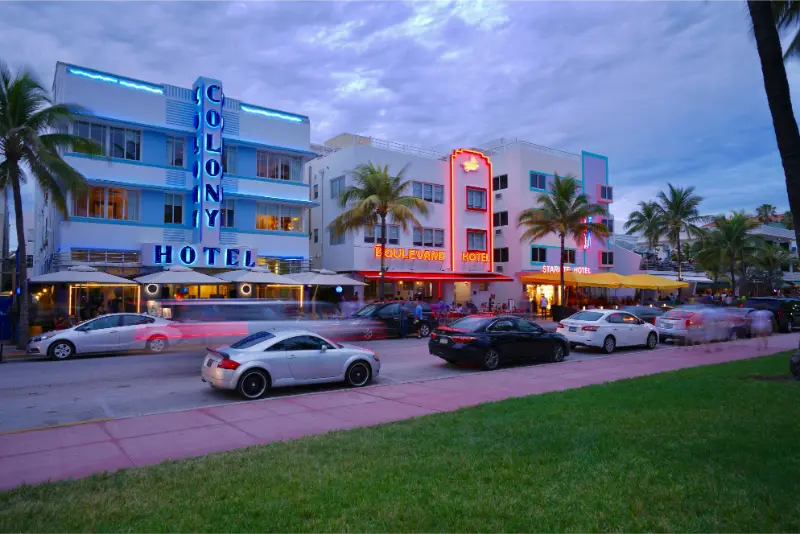
    Ocean Drive Miami Beach Art Deco Hotels at Night

    When selecting a Miami base, remember that downtown Miami, Miami Beach and Coral Gables are not interchangeable. A hotel near the ocean can be excellent for swimming but inconvenient for visiting downtown museums. Public transit serves some central districts, while a rental car adds parking costs; compare actual routes rather than a headline distance. A dinner in the hotel’s neighborhood is sufficient after travel. Take time to review tickets and any timed entry for the following morning, keeping the departure schedule in mind.

    Day 8: Frost Science and the waterfront in downtown Miami

    Finish with the Phillip and Patricia Frost Museum of Science near Miami’s waterfront. The institution combines science learning with major exhibition experiences, and its official visiting tips encourage advance ticket planning and explain how to use the site. If a planetarium show matters to your group, verify its current reservation procedure and availability. Museum tickets and specific programs can have distinct conditions, so do not assume every experience is included automatically. Allocate enough time for the exhibits your group values most rather than trying to cover all of them before an early flight.

    The neighboring waterfront offers a pleasant way to end the trip if conditions permit, but avoid walking exposed areas during thunderstorms. If departing from Miami International Airport, protect time for rental-car return, traffic, security and airline check-in. An international flight on the same afternoon may mean a shorter museum visit or none at all. A satisfying museum-focused Florida vacation does not require the last day to be overfilled. The best ending is leaving with a clearer understanding of the state’s scientific, artistic and social stories—and enthusiasm to return for another region.

    Make a museum trip work for mixed ages

    Toddlers learn through short bursts of exploration and need regular food and restroom breaks. Children in elementary school may enjoy collecting facts or drawing an object they saw. Teenagers can be invited to select an exhibition and lead the conversation. Adults may enjoy deeper reading, but should not insist that everyone shares identical interests. Older travelers often appreciate benches, accessible galleries and the ability to leave early without feeling they have wasted a ticket. If the party’s needs are very different, agree on one shared institution per day and leave other interests for optional time.

    Pay attention to sensory environments. Planetarium shows, immersive art and interactive science centers can involve darkness, loud sound and flashing visual effects. Review event descriptions and ask visitor services about quiet spaces, hearing support or accessible entrances. A traveler using a wheelchair may need to reserve a specific show seat, while a family with a stroller may need to know where it can be stored. Museums are generally indoor attractions, but some campuses include long outdoor distances. Checking the full route from parking to exhibit is more useful than assuming all indoor venues are effortless.

    Tickets, memberships and costs without misleading promises

    Museum prices vary by institution, age and date; special exhibitions can change the total. Some organizations offer membership reciprocity or discounts, but not every program applies to every museum or every traveler. Review the official ticket page for each venue and compare a family’s full cost rather than assuming a multi-attraction pass always saves money. Booking online may be convenient, yet strict timed tickets can be a problem when traveling during severe weather season. Include hotel taxes, parking and meals when calculating daily expenditure.

    Build a food plan around museums that may not allow outside meals in gallery spaces. Check whether there is a café or a suitable picnic area and plan for children with allergies. Carry a power bank because museum tickets and maps are often digital, while some exhibits may restrict photography or device use. Keep one quieter day between long drives and high-stimulation museums. The point of a cultural vacation is not to spend the highest possible amount on admission; it is to create meaningful encounters with ideas, objects and stories.

    Museum road trip table

    DayAreaMain museum themeFlexible option
    1OrlandoArrivalLocal dinner
    2OrlandoScience CenterShorter exhibits
    3TampaArt museumGlazer for young children
    4SarasotaRingling art and circus historySelect one section
    5SarasotaContemporary art or restWaterfront outing
    6Fort LauderdaleTransfer and settle inRiverwalk
    7Fort Lauderdale to MiamiScience or local cultureSingle museum only
    8MiamiFrost ScienceAirport priority

    Frequently asked questions

    Is this itinerary suitable for people who dislike traditional art museums?

    Yes. It includes science centers, circus history and interactive exhibits, with options to focus more on the kind of learning your group enjoys.

    Do museums stay open during Florida thunderstorms?

    Many indoor exhibits can continue operating, but weather can affect access, outdoor areas and travel. Follow the institution’s safety directions and recheck operating notices.

    Can we complete the route without a car?

    It requires changes. Some metro areas offer rail or buses, but transfers between Tampa, Sarasota and South Florida are less convenient than the itinerary suggests for a driver. A shorter two-city museum trip may be better.

    Are all museums equally good for preschoolers?

    No. Orlando Science Center and Glazer Children’s Museum provide dedicated young-child experiences, while other institutions may suit older children better. Assess exhibits and walking distances.

    Should I buy a museum membership for a one-week vacation?

    Possibly if you will revisit a site or qualify for genuine reciprocal benefits. Check the membership’s exact admission privileges and compare against individual tickets before purchasing.

    Official planning resources

    Review Orlando Science Center, Tampa Museum of Art, The Ringling and Frost Science for current exhibitions and accessibility. This guide was prepared with information checked in October 2026; schedules and fees may change.