
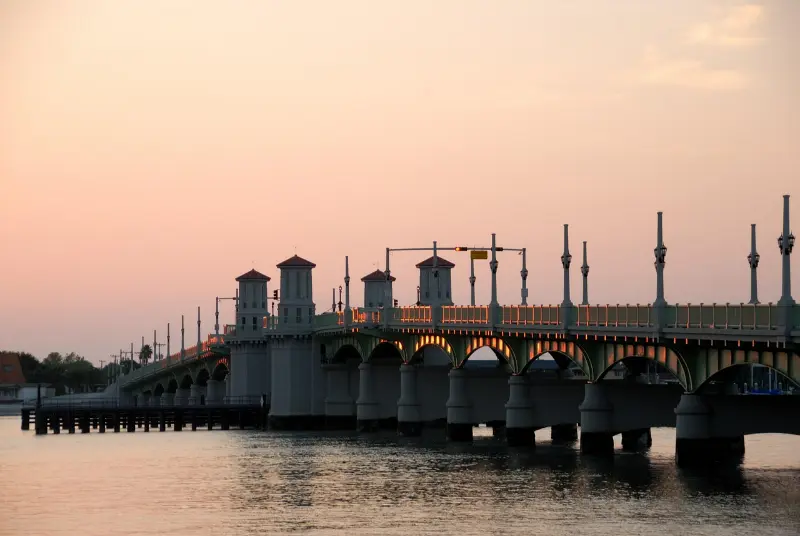
Florida is easier to appreciate when you spend time with its art, science and history—not only its beaches and theme parks. A museum-focused vacation works especially well when summer heat is intense, rain interrupts outdoor plans or different generations want activities with seating and comfortable indoor spaces. It can also reveal stories that a fast road trip misses: Spanish settlement, the railroad era, exploration, technological change and the cultures that shaped modern cities.
This seven-day museum road trip from St. Augustine to Sarasota follows a reasonably connected route through Central and West Florida. It uses five overnight regions rather than encouraging long backtracking drives, and you can shorten it to four days by selecting fewer stops. Check individual museum hours immediately before booking: even major institutions can close for renovations or private events. This guide deliberately avoids promising entry to museums whose normal galleries are temporarily unavailable.
The route at a glance
| Day | Base or transfer | Main cultural stop | Optional quieter experience |
|---|---|---|---|
| 1 | St. Augustine | Lightner Museum | Short historic plaza walk |
| 2 | St. Augustine to Orlando | Historic streets or a small local exhibit | Rest and hotel check-in |
| 3 | Orlando | Orlando Science Center | Loch Haven park area |
| 4 | Orlando to Lakeland | Lake Mirror and local history | Hollis Garden |
| 5 | Lakeland to Tampa | Tampa Bay History Center | Short Riverwalk section |
| 6 | Tampa Bay / St. Petersburg | The Dalí Museum | St. Pete Pier waterfront |
| 7 | Sarasota | The Ringling | Departure or extra night |
Do not treat this as a fixed ticket package. Its strength is the combination of different themes, not seeing every museum in Florida. If you enjoy art more than science, spend less time in Orlando. If traveling with children who love experiments, allow an extra science day instead of another gallery visit. The itinerary also allows one person to explore independently while others rest.
Day 1: St. Augustine and the Lightner Museum
Start in St. Augustine, one of Florida’s most rewarding cities for exploring history in a compact setting. The Lightner Museum occupies the former Hotel Alcazar, a Gilded Age building connected with Henry Flagler’s development of Florida’s East Coast tourism. The exhibits combine art, material culture and architecture, so even visitors who don’t usually choose a museum may find the building itself interesting.
Check exhibitions, admission and accessibility on the Lightner Museum website. The museum describes visitor seating, a family guide and some stroller restrictions in particular galleries. Younger children need active supervision around objects and stairways. Pair the visit with a short walk to the historic plaza or waterfront; there is no need to add three paid attractions to the afternoon. Parking in central St. Augustine can be busy, and uneven paving may make some routes tiring.
Day 2: history at street level, then a gentle drive to Orlando
Use the morning for a small piece of St. Augustine history that you did not have time for on day one. The Castillo de San Marcos offers a direct connection with the city’s colonial past, while the surrounding streets reveal later layers of Florida’s story. Choose whether your priority is a fort, a guided historic experience or simply a slower look at the old-town buildings.
Leave after lunch for Orlando, allowing realistic traffic time and a relaxed check-in. Orlando is not only a theme-park destination, but the cultural attractions are spread across neighborhoods. Choose lodging convenient to tomorrow’s museum rather than automatically booking a resort far from the city center. After checking in, take a short walk or eat near the hotel. A transfer day does not need another entrance ticket to feel worthwhile.
Day 3: Orlando Science Center for all ages
Orlando Science Center in the Loch Haven area is useful for families and adults who enjoy interactive exhibits. It features hands-on learning, demonstrations and immersive programs; visitors can select a few appealing areas instead of trying to complete every activity. Check the official visiting information for opening days, prices, parking and stroller requirements. As of October 2026, its normal schedule generally excludes Wednesdays, except for some school breaks.
A child aged eight may enjoy experiments, while a grandparent might prefer a science demonstration or carefully chosen exhibit. Agree on a meeting point and breaks; large interactive museums can be noisy and physically tiring. The center’s guidance explains that oversized strollers and wagons may be difficult to use in some spaces. Afterward, have a calm lunch and a brief park stroll if weather permits. Keep the evening open rather than driving to a distant attraction.
Day 4: Lakeland, Lake Mirror and artful public spaces
The Orlando-to-Tampa corridor offers a chance to stop in Lakeland, which has attractive lakeside public spaces and a city center that deserves more attention than a highway exit. The Lake Mirror complex includes the Frances Langford Promenade, formal landscaping and nearby public amenities. This is a cultural day in the wider sense: architecture, civic space, public art and the story of a developing inland Florida city.
Visit Lake Mirror Complex and check whether Hollis Garden is open at your intended time. Walk only the length that suits your group. A garden stop can be a welcome break after three museum-heavy days, especially for children or anyone uncomfortable standing in galleries. Lakeland’s downtown restaurants offer a practical lunch option before a relaxed overnight stay or onward transfer.
Day 5: Tampa Bay History Center and the Riverwalk
The Tampa Bay History Center presents regional stories in a setting along the downtown waterfront. Its collections cover a long span of Florida history, including Indigenous communities, trade, settlement, regional growth and popular culture. It is a useful counterbalance to an itinerary focused only on cities and modern attractions. Check the official museum planning page for current hours, gallery admission and any special closures; private events can affect normal access.

The center is near the Tampa Riverwalk, which means you can combine a museum morning with a short waterside walk or a comfortable lunch. Do not commit to the full multi-mile Riverwalk unless everyone enjoys walking that distance. Choose a nearby segment and take time for the view. Travelers with limited stamina should look up parking and walking access in advance; the nearest available space may still involve several blocks outdoors. A short, thoughtful museum day leaves energy for dinner and the next destination.
Day 6: St. Petersburg and a different kind of art
Crossing into St. Petersburg brings a different cultural mood. The Dalí Museum is a major destination for art lovers and offers an opportunity to talk about imagination, interpretation and the role of museums in a city. Check current exhibitions and visitor information before choosing a date, particularly if you want a special gallery or guided program.
After the museum, the St. Pete Pier district provides a waterside change of pace. The district itself has free public access, although individual activities and restaurants may charge. See the official pier FAQ. If rain is forecast for the afternoon, keep the museum for later and enjoy the waterfront first. The idea is to spend one pleasant day in St. Petersburg, not race between every art venue in the city. A couple or senior visitor may appreciate an unrushed lunch as much as a second exhibition.
Day 7: Sarasota and The Ringling
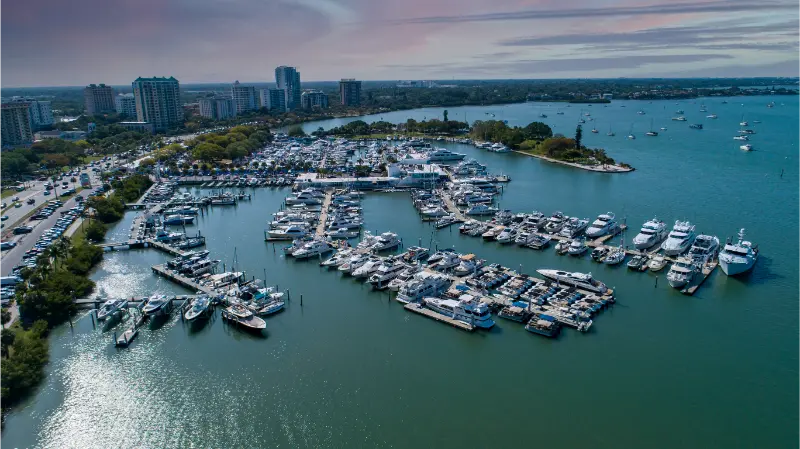
Finish in Sarasota with The Ringling, a museum complex where art, architecture and gardens can easily occupy much of the day. The property includes different spaces, so decide what you most want to see before buying tickets. Its grounds can require substantial walking; look at accessibility information and any current tour availability on the official site.
For an afternoon flight, a full museum visit may not be practical. Add an overnight stay in Sarasota instead of rushing, or use this day as the starting point of a longer Gulf Coast vacation. If traveling with children, consider one major section and time outdoors rather than insisting they appreciate every artwork. The Ringling is a strong conclusion because it connects visual culture with Florida’s history as a destination for wealthy visitors, performers and artists.
How to shorten the trip to four days
With less time, choose two bases instead of five. One option is two nights around St. Augustine and two around Orlando, focusing on the Lightner Museum, city history and Orlando Science Center. Another is a Tampa Bay and Sarasota cultural break, combining the History Center, The Dalí Museum and The Ringling with relaxed waterfront time. Both alternatives avoid long travel days and allow a museum visit to remain the day’s central experience.
Do not cut the route by making every museum a thirty-minute stop. Larger collections are more meaningful when you give them time. If you travel with a mobility aid or children, allow generous pauses between galleries. In a short trip, the quality of the stops is more important than checking off the longest possible list.
What this route costs and how to save
Museum admission is the main variable after hotels and transport. Prices change by institution, exhibition, age and membership. Check discounts directly, including student, senior, military, reciprocal membership or Museums for All options where relevant; never assume an international visitor automatically qualifies for resident discounts. Parking can cost extra, and convenient hotels in historic or waterfront areas may charge more than suburban accommodation.
Save money by selecting one paid museum per day and using free public spaces between them. An afternoon at Lake Mirror or a short Riverwalk segment gives you contrast without a second major ticket. Reserve refundable accommodation if weather or personal circumstances may force changes, and compare total lodging cost including taxes and resort or parking fees. Bring a refillable water bottle and check whether food is allowed in galleries before packing snacks.
Accessibility and traveling with children
Museums are generally easier to navigate than wilderness trails, but that does not make every exhibit fully accessible. Historic buildings can have awkward transitions, and special exhibitions may use different lighting or sound. Check ramps, elevators, accessible restrooms, seating, captioning, sensory programs and wheelchair policies at the specific institution. Families should also look up stroller rules and changing facilities.
For children, choose a simple question to explore rather than trying to cover the collection: What did people use before modern transportation? Why did communities settle near water? How do artists show movement or emotion? Allow the children to choose a favorite object and discuss it over lunch. Adults can choose a different interest. A varied, conversational visit is usually more rewarding than a long lecture.
Weather, closures and good timing
This route is excellent for hot or rainy weather because much of it is indoors, but walking between parking and museum entrances still involves outdoor exposure. Afternoon thunderstorms can disrupt the waterfront portions, so be willing to swap their order. Hurricane-related disruptions can affect museums and roads; always check the weather and attraction alerts before driving. Major holidays, school breaks and private museum events may affect openings.
Do not rely solely on old itineraries for museum availability. For example, Daytona Beach’s Museum of Arts & Sciences announced closure to normal daily visitors during its expansion preparations in 2026, with selected special programs continuing. That is a reminder to verify status rather than treating a museum pin on a map as evidence it is open. The institutions selected for this route still require a final current-hours check before departure.
Frequently asked questions
Can I do this museum route without renting a car?
It would be difficult to follow all seven days efficiently without one because the cities are spread out. A shorter single-city cultural vacation can work better with local transport and rideshares.
Is the itinerary suitable for grandparents and children together?
Yes, with flexible museum time, seating breaks and age-appropriate exhibits. The route is not designed for nonstop sightseeing.
Should I buy all tickets in advance?
Reserve major experiences when advance entry is required or dates are busy, but preserve some flexibility for weather and energy levels. Check cancellation and change rules before paying.