
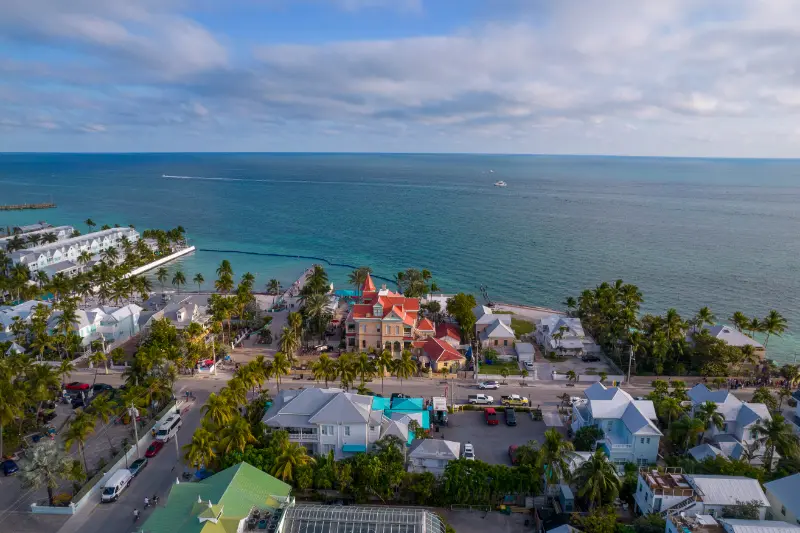
Florida’s relationship with the Bahamas is more than a short stretch of sea between two vacation destinations. Bahamian people, including Black settlers, sailors, builders and craftspeople, helped shape communities in South Florida. Their histories are visible in Coconut Grove, Miami’s early neighborhoods and Key West’s Bahama Village, alongside broader stories of Caribbean migration, maritime labor and changing urban landscapes. This four-day cultural route balances historical context with the realities of visiting living neighborhoods. Some landmarks are public museums or parks; others are residential streets or active churches where public access cannot be assumed. The aim is to learn from reliable interpretation, support appropriate local businesses and leave community life undisturbed.
Why Bahamian history matters to Florida visitors
Travel maps can make the Bahamian islands look close to Florida while hiding the human connections formed through centuries of sailing, trade, migration and work. Bahamian settlers contributed skills in boatbuilding, construction, agriculture, fishing and domestic labor, and their descendants helped create enduring cultural communities. These contributions should not be reduced to cheerful island decorations or a single food tradition. The story also includes racial segregation, uneven access to property and opportunities, and neighborhoods that changed as property values increased. A responsible itinerary asks whose work built a city and who could benefit from its prosperity. Travelers can appreciate a lively street or a historic house while recognizing that contemporary residents have varied identities and interests. This is history to investigate, not a demand that people explain themselves to tourists.
Day 1: Coconut Grove and Miami's earliest layers
Start in Coconut Grove, one of Miami’s oldest neighborhoods, and spend a morning learning the context of early settlement around Biscayne Bay. The Barnacle Historic State Park preserves the home of Ralph Middleton Munroe, an important figure in the area’s maritime past. It does not on its own tell the whole Bahamian story, so treat it as a complement to material from local history institutions rather than an all-purpose answer. The park’s current schedule lists specific opening days and guided house-tour times; verify before visiting. Look closely at how boats and the bay connected people before the modern road system. Then seek reputable local-history interpretation about Bahamian settlement and community formation in the Grove. Do not wander private residential roads photographing houses simply because they appear old. A pre-arranged public history tour can make the day much more informative.
Day 1 afternoon: heritage beyond the waterfront mansions
Coconut Grove’s popular retail and waterfront areas show only part of its identity. Historically Black neighborhoods within the Grove have stories involving Bahamian families, religious institutions, tradespeople and civic organizing. Names such as the West Grove point toward histories that require care and accuracy, not superficial contrasts between poor and wealthy blocks. If visiting an active church or community building, check whether a tour or event is explicitly public. Exterior photography of private homes can still feel intrusive, especially when residents are present. Consider a museum exhibition or a conversation with an established local guide instead. For children, ask what kinds of jobs and skills were needed to build a coastal community before air-conditioning and modern transport. For adults, explore how land ownership and development reshaped the neighborhood over time.
Day 2: Miami history institutions and the citywide perspective
Use the second day for a public history collection that interprets immigration and settlement around Biscayne Bay. HistoryMiami and other established institutions periodically present exhibitions and archival material about South Florida’s communities, but temporary programs change. Confirm the actual subject of the exhibition before buying tickets; a permanent city history gallery may be a good fallback. Explore how Bahamian heritage relates to, but is not identical with, later Cuban, Haitian and other Caribbean immigration. Avoid treating all Caribbean communities as interchangeable. Museum labels and oral histories can help locate individuals and dates, while neighborhood memories may add nuance. Finish the afternoon with a rest rather than starting the drive to Key West late at night. The Overseas Highway deserves daylight, attention and a separate travel day.
Day 3: drive the Overseas Highway with cultural context
The drive from the Miami area to Key West is a substantial journey through a series of islands and bridges. Plan several hours plus food and comfort stops, and never build the day’s schedule around an optimistic navigation estimate alone. This road tells a different part of the maritime story: how islands were connected by boats, rail and later a highway. Discuss changes in travel and economic opportunity without assuming every piece of the route directly represents Bahamian settlement. On the way, choose one safe official viewpoint rather than stopping on an unsafe bridge shoulder for photographs. Heavy traffic, storms and wildlife concerns can make a slow day even slower. Once in Key West, check into lodging and visit a public sunset viewpoint if conditions suit. Do not schedule a major museum and a late-night event after the drive.
Day 4: Bahama Village and Key West's living culture
Bahama Village is a historic Key West neighborhood associated with Bahamian and Black community histories, not an amusement zone. A respectful visit may include public streets, a community-oriented venue, an appropriate historic interpretation stop and a meal at a locally operated business. Avoid assigning a single identity to every restaurant or resident, and do not treat people’s porches as photo sets. Check whether any cultural performance or heritage program is actually scheduled rather than assuming regular entertainment. A local walking guide can explain the neighborhood’s historical context, but ask whether tours are community-led and how they approach sensitive subjects. If traveling with young children, shorten the walk and include a park break. Visitors with mobility limitations should check pavement and crossing conditions and use short rides between separated stops.
Historic houses are not automatic Bahamian landmarks
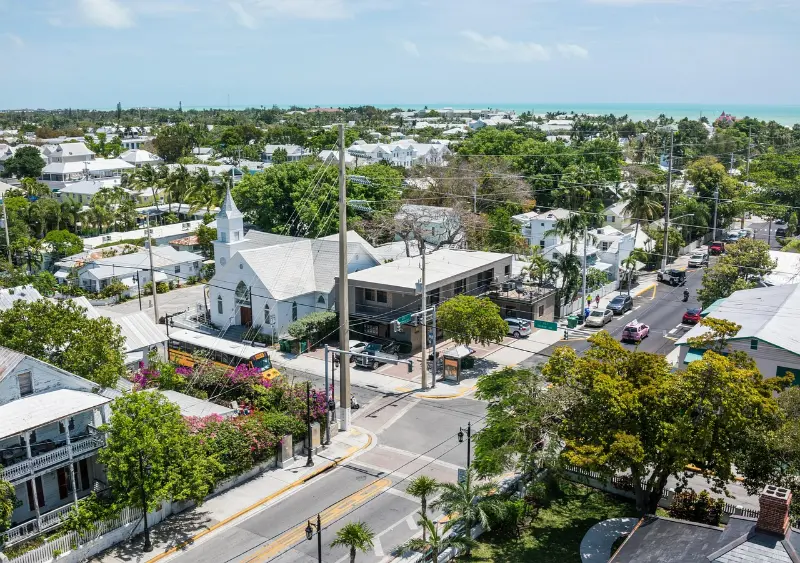
Key West is full of attractive historic homes, and many tourists mistake their architectural age for evidence of a particular migration story. A weatherboard house, shuttered veranda or tropical garden does not by itself prove that Bahamian families built or lived in it. Use named historical records, reliable museum interpretation or curated tours to establish connections. The same principle applies to Coconut Grove. Architectural appreciation is valuable, but genealogical and labor histories require more than aesthetic guesswork. If you find a historic plaque, read its wording carefully and note whether it commemorates a person, a neighborhood or an entire era. Ask guides to distinguish documented evidence from local legend. This makes the experience more respectful and far more educational than a checklist of vaguely Caribbean-looking buildings.
What the route looks like in four days
| Day | Area | Core theme |
|---|---|---|
| 1 | Coconut Grove | Settlement, maritime links and neighborhood change |
| 2 | Miami | Community histories and archives |
| 3 | Overseas Highway | Transport and regional connections |
| 4 | Key West / Bahama Village | Living cultural heritage and public history |
Eating, shopping and supporting heritage respectfully
Food traditions change across households and generations, and menu labels do not establish a person’s ancestry. Seek places that describe their own cooking and avoid insisting that a particular restaurant serve the one dish you read about online. Ask staff about allergens or spice levels without turning a busy lunch service into an interview. Buy locally made crafts or books when possible, and look for the maker’s name and story. Tourist merchandise bearing a Bahamian label is not necessarily locally produced. If you want to support preservation, consider museum admissions, community exhibitions and reputable history organizations. Small choices matter: paying for a thoughtful guided tour may contribute more than another souvenir with no clear origin. Respect private events and religious spaces even if you happen upon music or a celebration.
Distinguish neighborhood visits from genealogy research
Travelers tracing family ties should prepare names, approximate dates and known locations before contacting archives. Public museums may have research rooms or referral services, but they do not necessarily offer immediate genealogy assistance to walk-in visitors. Historic neighborhoods have changed names and boundaries, while family histories may cross national archives. Research work is often better started online, with appointments for specific collections. Do not knock on a private resident’s door because an old directory lists an ancestor at that address. If you hope to interview someone about community memory, obtain informed consent and respect the person’s time. Visitors without family connections can still learn deeply through exhibitions, published oral histories and guided cultural programs.
Where to sleep and how to handle the long drive
Spend two nights in the Miami area and at least one in Key West if the route is to feel like a vacation rather than a highway endurance test. Key West rooms can be expensive and parking scarce, so compare the total lodging and vehicle cost. A rental car is convenient for the intercity journey but may become a burden on the compact streets of Key West; some travelers prefer to park once and explore locally on foot or by approved transport. If flying internationally into Miami, leave a buffer before beginning a long drive. A traveler using a wheelchair should confirm the actual accessibility of accommodations and chosen walking tours, not rely on photographs of ground-floor entrances. During hurricane season, consider weather warnings, evacuation orders and refundable bookings seriously.
Responsible photography in a community setting
Some of the most meaningful places on this route are not attractions at all: a neighborhood corner, a community center, a small street or a commemorative sign. Photograph public markers and architecture thoughtfully but avoid framing strangers as exotic local color. Ask permission before portraits, especially of children, performers or people at worship. Drones have additional flight and privacy restrictions and are an unnecessary intrusion in many residential areas. Avoid blocking doorways and sidewalks while filming. If a community leader or guide explains that a location is sensitive, do not publish its precise address to encourage informal visits. The purpose is to preserve and understand heritage, not to turn ordinary residents into part of a visitor’s content project.
Keeping the schedule comfortable across generations
This itinerary can accommodate children and older adults if it is built around one meaningful heritage stop per day. In Miami, pair an indoor museum with a short neighborhood walk. On the highway day, stop for restrooms and meals before anyone is exhausted. In Key West, begin early and take a shaded afternoon break. Historical discussions about migration and discrimination can be framed at different levels depending on age. A teenager might compare oral-history interviews with archival records; a child might explore why boats were once the main connection between islands. Give companions the option to skip a difficult or crowded part of a tour. Do not schedule two hours of standing in the sun because the brochure promises a picturesque street.
Sources, cautions and final checks
Use The Barnacle Historic State Park for a documented maritime-history stop, HistoryMiami Museum for wider Miami history and relevant exhibitions, and the City of Key West for municipal visitor and public-space information. Supplement with established local historians and community organizations when researching Bahamian settlement. None of these sources should be stretched to imply that every historic home or business has a specific Bahamian origin. Confirm visitor hours, road conditions and any guided-tour booking before travel. The best cultural journey recognizes that these are places where history is still being lived.
Frequently asked questions
Is Bahama Village a theme park or organized attraction?
No. It is a living Key West neighborhood with an important cultural history. Visit public spaces respectfully and use scheduled programs or informed guides.
Can I drive from Miami to Key West and back on one day?
It is possible for some drivers but makes for a very long, tiring excursion. One overnight in Key West provides a more comfortable heritage visit.
Does The Barnacle tell the entire Bahamian story of Coconut Grove?
No. It offers valuable maritime and early Miami context, which should be supplemented by community history and other reliable sources.
Is this itinerary suitable for older travelers?
Yes, with short walks, planned seating breaks and the long Keys drive split from the main sightseeing day.
Can I photograph residents and private houses freely?
No. Respect privacy, private property and community requests. Ask permission for portraits and avoid intrusive photography.