
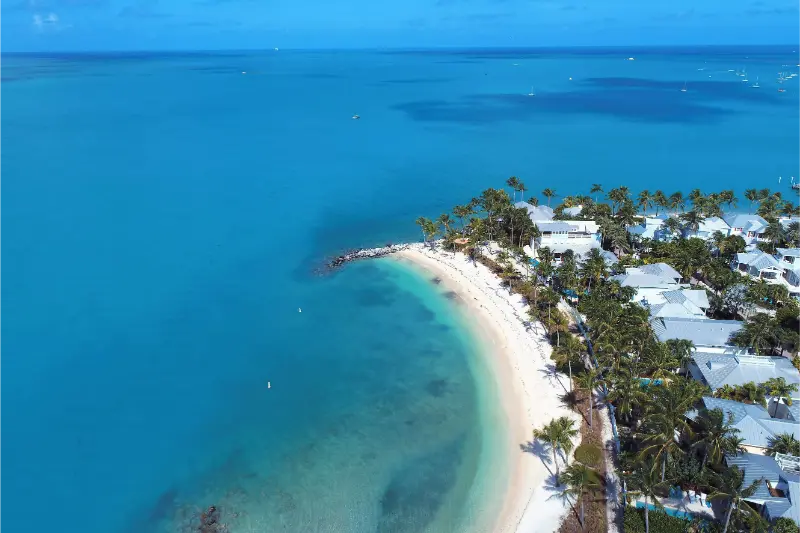
The Middle Florida Keys are an excellent place to slow down rather than spend every day driving toward Key West. Marathon offers everyday services, waterfront accommodations and boat-based activities; Bahia Honda adds a remarkable island landscape; and Big Pine Key shows visitors a quieter, more delicate side of the archipelago. A week here works best when you choose a comfortable base and treat the Overseas Highway as part of the scenery rather than a race. Water conditions, boat schedules and seasonal weather will shape which activities are sensible. This itinerary combines places that can be enjoyed on land with optional reef trips, so families, couples and older travelers can build a satisfying holiday even if not everyone wants to snorkel.
Seven-day overview
| Day | Where to focus |
|---|---|
| 1 | Marathon arrival and harbor |
| 2 | Marine wildlife education |
| 3 | Bahia Honda State Park |
| 4 | Big Pine Key and Key deer habitats |
| 5 | Optional reef or boat experience |
| 6 | Old Seven Mile Bridge and rest |
| 7 | Overseas Highway departure |
Day one: arrive in Marathon and understand your island base
Arrive in Marathon with enough daylight to get oriented. Accommodation listings can describe canal frontage, bay views, ocean views and direct beach access as though they offer similar experiences, yet those are different things. A canal-side rental may be excellent for a family that brings a boat but unsuitable for children expecting to run directly onto sand. Check photos, exact street location, parking, pool rules and whether a property has safe, legal access to the water. Some docks have deep water and no protective barriers, an especially important consideration with toddlers.
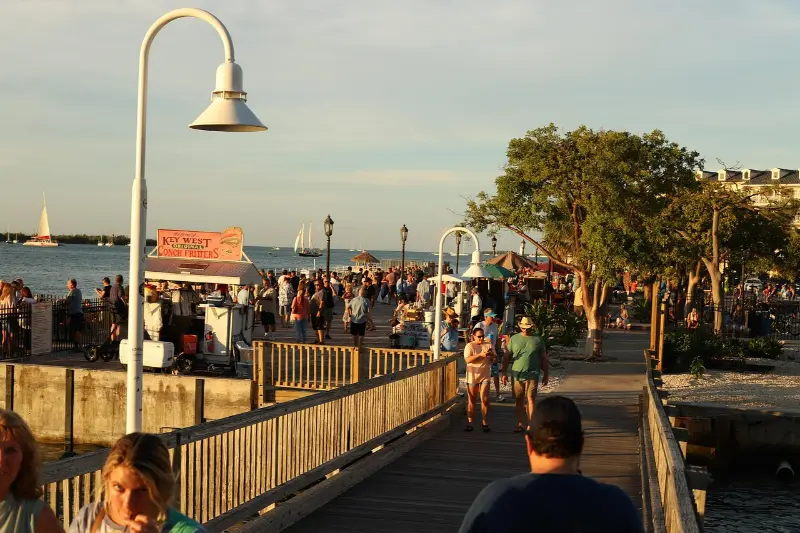
Keep the first day local. A simple harbor-view dinner or a short visit to an authorized waterfront area captures the atmosphere without committing tired passengers to another drive. The Overseas Highway can be slow when incidents or heavy weekend traffic affect the bridges, and alternatives are limited. Stop for groceries if the accommodation includes a useful kitchen, but do not turn arrival into a long shopping expedition. Bring drinking water and be mindful of sun exposure. It is possible to enjoy the Keys in a low-key way from the first afternoon without immediately paying for a fishing charter or sunset cruise.
Day two: learn about marine wildlife before heading offshore
Marathon's Turtle Hospital and other conservation-oriented attractions help visitors understand why the marine environment needs careful treatment. Book an organized educational tour only after checking the actual visiting hours, minimum age rules and accessibility provisions. The goal is to learn about rehabilitation and responsible behavior, not to guarantee close physical contact with animals. If the family has strong interests in marine science, this can be a memorable day that gives later beach visits more meaning.
Leave time for another gentle activity rather than combining multiple guided tours with fixed time slots. A meal near the marina or a short local walking route may be enough. Young children can become tired during detailed talks, while older students may want to ask many questions; neither response is wrong. Avoid feeding fish or handling wildlife at docks, and follow all posted protections. When rain or wind interferes with water activities, a booked indoor or partly sheltered interpretive visit is a useful fallback. The Keys often reward travelers who leave gaps in the schedule instead of filling every hour with a reservation.
Day three: Bahia Honda's beaches and old bridge views
Set aside a day for Bahia Honda State Park, one of the area's best-known coastal landscapes. Check the official state park page for current beach access, facilities, entrance arrangements and any post-storm closures. The park's sandy shoreline, turquoise views and remnants of the old railway route offer more than a quick roadside photograph. Choose a single accessible beach area as your base for the morning, and treat a walk toward bridge viewpoints as optional according to weather and physical comfort.
Children may be tempted to explore every patch of sand, while adults may be satisfied sitting where they can watch the changing light on the water. Bring shade, water and secure footwear; not every natural surface is smooth. Never climb on restricted bridge structures or enter protected areas for a picture. Swimming and snorkeling depend on currents, visibility and the day's advisories. A calm-looking shallow area is not automatically safe, and visitors with limited experience should stay within designated areas. In hot months, leave before exhaustion sets in. A meaningful park visit can be half a day, with the afternoon back at the accommodation pool or in the shade.
Day four: Big Pine Key, Key deer and quieter habitats
Spend the fourth day around Big Pine Key, home to the National Key Deer Refuge. Seeing a Key deer is possible, but no ethical itinerary guarantees an encounter. These small, endangered deer are wild animals; observe them from a safe distance, respect speed limits and never feed them or encourage them to approach vehicles. The most valuable experience may be learning about the habitat and the pressures on island wildlife rather than obtaining a close-up photograph. Use official refuge information to select open public areas and interpretive opportunities.
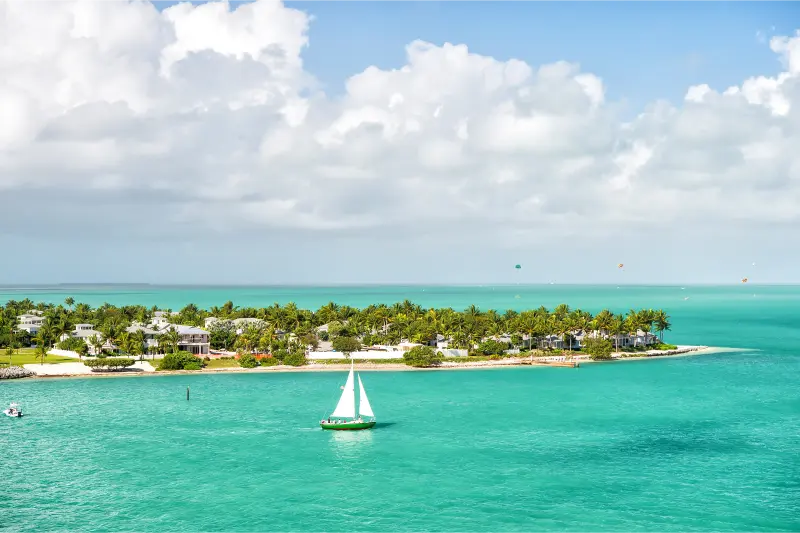
Big Pine and neighboring islands feel less built-up than resort-centered areas of the Keys. Their roadways, shallow waters and mangroves reveal why responsible travel matters. Some routes are narrow or unsuitable for casual walking, so do not treat every roadside shoulder as a trail. For travelers with limited mobility, a short authorized viewpoint may be a better option than a remote nature walk. If the group enjoys kayaking, choose a guided trip suitable for its abilities and pay attention to wind and tides. Otherwise, visit for the landscape and return to Marathon for a simple evening. A good nature day should leave the environment essentially undisturbed.
Day five: choose a reef trip only when conditions fit
A snorkeling or glass-bottom-style boating excursion can be a highlight, but it should not determine whether the entire trip succeeds. The reef areas around Marathon are offshore and require authorized marine transport; they are not reached by wading from an arbitrary shoreline. Select an operator with clear safety briefings, suitable life jackets and a sensible weather-cancellation policy. Ask how long passengers stay at sea, whether there is shade or a restroom aboard and what swimming proficiency is required. Children, non-swimmers and people prone to motion sickness may prefer a wildlife interpretation trip on calmer waters.
On the morning of departure, use the captain's and local authorities' assessment rather than pushing to sail because the charter is paid. Wind and sea conditions can change rapidly. Reef protection rules are essential: do not stand on coral, collect organisms or chase turtles and marine mammals. Travelers who stay on land can enjoy a parallel day visiting a local educational center, browsing Marathon's small businesses or simply relaxing near their accommodation. Rejoin for dinner and share the day's different experiences. Not everyone needs to make the same journey for the holiday to feel shared.
Day six: Old Seven Mile Bridge and a restorative afternoon
The restored pedestrian section of the Old Seven Mile Bridge near Marathon offers impressive water views and a sense of the region's transport history. Access rules and the distance a visitor can comfortably walk should be checked before leaving. You do not need to reach the far end to appreciate the setting. Go at a cooler hour, carry water and turn back whenever the group has had enough. There is very little relief from the sun over open water, and the apparent breeze can disguise dehydration.
Use the remainder of the day for swimming in a safe designated place, reading, shopping for dinner ingredients or revisiting a favorite café. Six days into a holiday, an unscheduled afternoon often feels luxurious. Families can use it for laundry and naps; couples may want a quiet sunset viewpoint. Avoid turning a sunset into a risky roadside stop on a narrow bridge or highway. Plan a safe parking area in advance or watch from a suitable public waterfront place. This slower day helps distinguish the Middle Keys from a rushed road trip where the islands blur into one long stretch of road.
Day seven: leave with enough time for the Overseas Highway
Departure planning is unusually important in the Keys because much of the route depends on the Overseas Highway. Miami International and Key West International are different travel options with very different approaches to Marathon. Allow substantial time for any airport transfer, rental-car return or connection, especially when traveling on a weekend or during holiday periods. A traffic incident can affect a long segment of the only main road. Do not schedule an offshore trip on the morning of an important flight.
Use a calm breakfast and a final short local walk to conclude the week. If you have an extra hour, spend it at a place already close to your route, not at an attraction that involves backtracking across bridges. Check out with wet gear contained, valuables protected and any rented equipment returned. If the family has a child seat or accessibility equipment, build time for its handling. The views on the drive can be part of the farewell, but a driver should concentrate on the road. Choose approved pullouts if you want to stop for a photograph.
Where to sleep, what to spend and what to reserve
Marathon is a practical single base because groceries, restaurants and many services are relatively accessible. A property near the ocean is not necessarily on a swimming beach, and a waterfront cottage may have steps or an exposed dock. Compare actual sleeping arrangements, kitchen equipment, parking and cancellation conditions. Families with children should ask about balcony and waterfront safety; travelers who need accessible accommodations should confirm the exact route from parking to room and any boat boarding arrangements. Staying closer to Bahia Honda or Big Pine makes sense for visitors focused on nature, but can mean fewer nearby dining options.
Budget for accommodation, parking, fuel, food, park entry and one or two planned water experiences. Boat excursions vary in price and are not mandatory for every traveler. Choose a reputable tour that genuinely fits the party rather than buying several activities because discount packages appear attractive. Many outdoor views and slow island moments cost little. A kitchen can save money, but only if you will use it; some travelers prefer simple breakfasts at the property and dinners out. Book the most time-sensitive experiences first, leaving land-based days interchangeable when wind or rain alters the sea schedule.
Weather, wildlife and inclusivity in the islands
Winter and spring can be popular for milder weather; summer and early fall can bring heat, storms, strong sun and the Atlantic hurricane season. Water clarity and sea state vary by day rather than simply by month. Plan flexible alternatives and follow official weather, park and marine notices. Mosquitoes are more noticeable in sheltered habitats than on breezy oceanfronts. Carry water and protect skin, especially during extended walks on bridges or exposed beaches.
The Keys are not entirely step-free, even when the landscape appears flat. Boarding boats, crossing sandy beach entries and negotiating docks require very different mobility skills from strolling around a harbor. Ask precise questions before paying for tours, and do not assume every member of a multigenerational group should snorkel. For young children, safe barriers around private docks matter more than the distance to a picturesque sunset. For older travelers, a shaded seat with a view can be the highlight of the day. Respect Key deer, marine life and protected habitats, and the islands will reward attentive visitors without requiring a packed schedule.
Frequently asked questions
Is Marathon a good base for a one-week Keys trip?
Yes. Marathon has services and access to Middle Keys attractions, but it is important to distinguish ocean beach, bayside and canal-front lodgings.
Do you have to snorkel to enjoy the Middle Keys?
No. State parks, coastal views, rehabilitation education and easy island days make a good holiday without entering the water.
Can you feed the Key deer on Big Pine Key?
No. Key deer are protected wildlife and should never be fed or approached. Drive carefully and observe them from a distance.