Category: Florida Road Trips

  • Florida Gas Stations and Highway Rest Stops: A Visitor’s Guide

    Florida Gas Stations and Highway Rest Stops: A Visitor’s Guide

    Florida road trips are easiest when small details are planned before the fuel gauge is low and the children are asking for the next restroom. Gas stations, highway rest areas, toll plazas and travel centers work differently from one another, and not every stop offers the same food, facilities or payment options. This guide explains how tourists can refuel safely, understand American pump labels, avoid unnecessary fees and choose sensible breaks while driving between Orlando, Miami, Tampa, Jacksonville and the Panhandle. Travelers using electric cars will find notes on charging too. Hours, prices and amenities depend on the specific location, so check current details for every important stop.

    At a glance

    Planning issuePractical action
    Pump paymentInternational cards may require cashier help
    Rest stopsCheck actual fuel and restroom services
    EV chargingVerify connector, network and backup
    Rental returnsSave last receipt and dashboard photo

    Know which fuel your rental car requires

    Most ordinary rental cars use gasoline, but some use diesel and an increasing number are hybrid or fully electric. Confirm the required fuel type on the car, cap or rental paperwork before your first fill-up. In the United States, gasoline is commonly sold with octane numbers displayed as regular, midgrade and premium; these pump ratings should not be directly compared with European RON figures without understanding the different measurement system. Use the fuel grade recommended for that specific vehicle instead of automatically buying the most expensive option. At unfamiliar stations, take a moment to verify the hose and nozzle before dispensing. If you suspect the wrong fuel was added, do not start the engine and contact the rental provider immediately.

    Paying at the pump versus inside the store

    At many stations you pay by card at the pump, but the payment terminal may request a ZIP code or other billing verification. International cards sometimes fail this check even though the card itself is valid. Ask the cashier whether you can prepay a chosen amount inside rather than repeatedly trying codes or letting another customer swipe a card for you. Payment terminals may place a temporary authorization larger than the fuel you actually buy; the difference generally clears after processing, according to the merchant and bank. Keep a receipt for rental-car returns and expense tracking. If the pump does not begin after payment, get help from staff rather than attempting to force a mechanism.

    Prevent card skimming and fuel-pump fraud

    Fuel dispensers can be targeted by criminals who install devices intended to capture payment-card data. Inspect the card reader for obvious damage or unusual attachments and prefer a well-maintained, well-lit station. The Florida Department of Agriculture and Consumer Services advises drivers to be alert for tampering and suspicious equipment, while recognizing that security features vary by pump type. Paying inside or using an accepted contactless method can reduce some exposure, although no method eliminates every risk. Shield your PIN when needed and enable bank transaction alerts. If a pump seems compromised, stop and tell the attendant; report suspected tampering through the official consumer protection channel rather than confronting anyone yourself.

    Where to stop along interstates and toll roads

    Major highways such as I-95, I-75, I-4 and I-10 serve different travel patterns. Interstate rest areas generally provide a place to stop and use basic facilities but are not interchangeable with privately run travel centers, which may offer fuel, restaurants, showers or convenience stores. On Florida’s Turnpike, service plazas have their own layout and access rules. On limited-access roads, leaving an exit can require extra driving to rejoin the correct direction. Do not rely on an old blog list for restroom hours, fuel availability or overnight access. For long drives, mark one preferred stop and one backup, particularly when traveling with an infant, someone with diabetes or a person who cannot comfortably stand for long periods.

    Florida Interstate Highway Interchange Aerial View

    Build realistic fuel and bathroom breaks into the route

    A map’s estimated drive time usually omits family bathroom breaks, charging queues, meal stops and traffic delays. A trip from Orlando toward South Florida may encounter unpredictable congestion, especially around urban areas or on holiday weekends. For a family, a short break every couple of hours can be more manageable than a single long stop, although the right interval depends on the travelers. Never force someone to delay medication, hydration or a necessary toilet break just to meet an arrival estimate. Some smaller roads have long distances between reliable services. Fill up or charge before you enter a quiet nature area, where cell reception and late-night services can be limited.

    Check prices and total cost rather than one sign

    Fuel prices are usually displayed per US gallon rather than per liter. Budgeting tools should therefore match the unit shown, and remember that a gallon is roughly 3.8 liters. Prices can vary by area, brand, highway access and season, and may differ between cash and credit-card payment at the same location. Review the price displayed for the pump and payment method before starting. A small saving per gallon may not justify a long detour, tolls or extra driving, particularly when a tired driver or hungry child is involved. For a rental car, calculate total fuel requirements from expected mileage and the vehicle’s real-world efficiency rather than making the entire itinerary hinge on one advertised pump price.

    Food, restrooms and basic accessibility

    Travel centers often provide a broader selection of food than a simple gas kiosk, but there is no guarantee of healthy meals, allergy-safe preparation or accessible restrooms at every location. Carry water and a suitable snack so that you are not forced to choose the only available option. For wheelchair users, look for safe curb access, a suitable restroom and enough space to transfer in and out of the vehicle. People with sensory sensitivities may prefer a quieter smaller stop to a crowded highway plaza. Baby-changing stations and adult-changing equipment are not universal. Identify larger staffed facilities ahead of time if your group needs them, and allow an additional buffer rather than planning a critical stop at an unknown station.

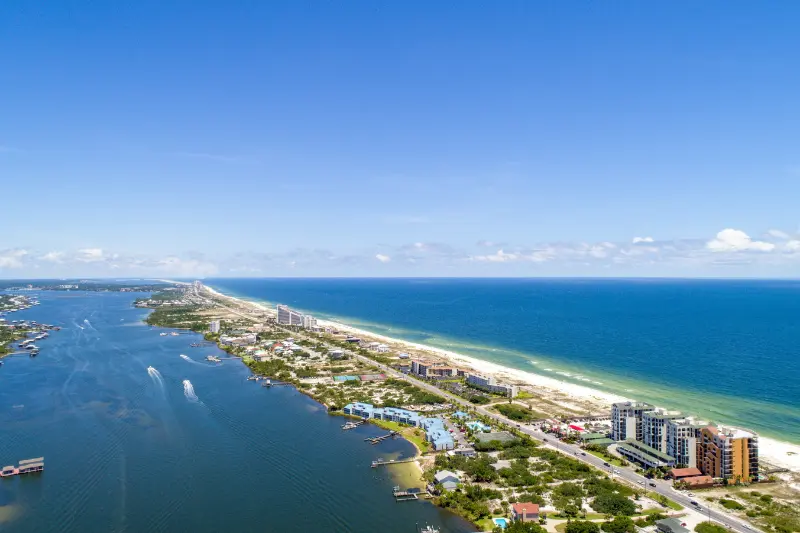
    Florida Suburban Highway Interchange Aerial View

    Electric cars: charging is not the same as refueling

    An EV itinerary requires information about charging-network compatibility, connector type, power level, and whether your rental vehicle is permitted to use a specific fast charger. Charging time depends on battery temperature, charging curve and station performance, not just the power figure on a sign. Some locations require an app or account, which an international phone or payment card may not support without advance setup. Identify more than one compatible charger near your hotel and along longer legs. Confirm the return-state requirement with the rental company, and protect enough battery range to reach an alternative station if the first charger is occupied or unavailable. Never park in a charging bay without following posted use rules.

    Safety when stopping at night

    Choose lit, staffed stations with visible activity when practical, especially if driving after a late arrival. Lock doors, keep valuables out of sight and never leave children unattended in the car. Keep the phone charged, share the rough route with someone trusted and avoid stopping on an unsafe roadside shoulder simply because a navigation app lists a fuel point nearby. If you feel uncomfortable, move to another well-traveled stop rather than staying to save a small amount. For travelers going to isolated parks or camping areas, refuel before the final remote stretch. In the event of a mechanical problem on a high-speed road, prioritize personal safety and the rental company’s approved roadside assistance instructions.

    Weather changes the best stopping strategy

    Florida’s summer storms can bring intense rain, lightning and localized flooding. If visibility deteriorates dramatically, find a proper safe place to stop; parking under an overpass or in a live travel lane creates hazards. During a severe weather alert, follow official instructions about whether to shelter, postpone driving or evacuate. Do not drive through flooded streets to reach a gas station or a charging point. After a hurricane, fuel and electricity supply can be disrupted, and some stations may be closed or operating under restrictions. Travelers should not attempt to compete with local emergency demand or enter evacuated areas. Flexibility and official road information are more valuable than sticking to the original schedule.

    Sample stop plans for different travelers

    A couple driving a short coastal route may only need one coffee stop, but a multigenerational family could benefit from splitting the day into two activities with a proper lunch break in between. A group with a wheelchair should choose a rest facility based on verified access rather than only the distance. With a baby, plan feeding and diaper changes around clean facilities and never rely on leaving a child alone while one adult goes inside. For a long Florida Keys trip, remember that roads can back up and alternatives are limited in some sections; fuel before a remote stretch. On a theme-park day, refuel before or after the busiest entry hours so an already tiring schedule does not become more stressful.

    End-of-rental fuel checklist

    Read the fuel policy on the rental agreement, locate a suitable open station on your return route and leave extra time for queues. Check the correct pump and grade, save the receipt and photograph the full dashboard gauge after fueling. An almost full gauge might still trigger a refueling charge under the contract, and electric rentals often have a specified minimum charge level. At the airport, follow signs for the actual rental return center rather than normal passenger parking, because the roads may diverge. Check the vehicle for belongings before dropping keys and request a return confirmation. Keep the final fuel receipt until the rental invoice and security hold are reconciled.

    Frequently asked questions

    Is gasoline sold by the liter in Florida?

    It is typically priced per US gallon. Check the unit shown on the pump when comparing budgets with another country.

    Why does a Florida pump ask for a ZIP code?

    Some terminals use billing verification. If your international card does not work, ask the attendant about paying inside instead of guessing codes.

    Are highway rest areas the same as gas stations?

    No. Some rest areas provide bathrooms and parking without fuel; private travel centers and turnpike service plazas have different services.

    Can I leave a child in the car while I pay inside?

    Do not leave a child unattended. Organize payment and supervision so a responsible adult stays with them.

    Should I fill the tank immediately before returning a rental?

    Follow the rental contract’s fuel requirement, keep a receipt, and photograph the gauge when you return the vehicle.

    Official resources and final advice

    Use Florida 511 for official traffic conditions, Florida Department of Transportation for roadway information and Florida Department of Agriculture and Consumer Services for pump-safety and consumer guidance. Always check the specific service station before relying on its facilities or operating hours.


  • Three Weeks in Florida: A 21-Day Road Trip With Room to Breathe

    Three Weeks in Florida: A 21-Day Road Trip With Room to Breathe

    A three-week Florida vacation can feel surprisingly rushed if every famous place becomes an overnight stop. The state is long, traffic patterns are unpredictable around Orlando and South Florida, and a beach that looks close on a map may be across a bridge, inside a protected area, or several hours beyond the next worthwhile stop. This 21-day route favors six main bases, rather than 20 hotel check-ins. It combines St. Augustine, Orlando and the Space Coast, Tampa Bay, the southwest Gulf Coast, the Everglades and Miami, with a final Florida Keys stay. It is designed as a road trip, not a promise that every attraction can be seen in a single holiday. Travelers with less stamina can lengthen the rest periods and skip individual side trips without losing the overall route.

    Who this itinerary suits—and who should adapt it

    The plan works particularly well for international first-time visitors, couples who prefer a mixture of scenery and culture, and families whose interests extend beyond theme parks. Children can experience space exploration, wildlife and beaches without riding roller coasters every day. Older adults may appreciate the repeated nights in one hotel and the optional half-day alternatives. The route assumes a rental vehicle for most of the trip, although Miami and the Keys offer limited opportunities to park it and walk. If you depend entirely on public transportation, a different itinerary built around Brightline and major cities is more realistic. If two long flights bracket the holiday, leave the arrival evening and departure day uncommitted.

    The route at a glance: six comfortable bases

    Begin with three nights in St. Augustine, then five nights in the greater Orlando area, including a Space Coast day trip or overnight if launches are a priority. Spend three nights around St. Petersburg or Tampa, three near Sarasota or Naples, three in Miami and three in the Upper or Lower Keys. That allocation can be adjusted around flight schedules and is best understood as a planning framework: 20 nights make 21 calendar days. If you fly into Miami and depart from Orlando, reverse the route and check one-way rental fees. Compared with an itinerary that drives from Key West to Jacksonville in a day, the shorter segments create time to stop for meals and recover from unexpectedly slow traffic.

    Days 1–3: historic St. Augustine and the Atlantic coast

    After arrival, settle in rather than trying to tour a centuries-old downtown with luggage in tow. On the first full day, walk the historic core, visit Castillo de San Marcos National Monument and learn how Spanish, British, Indigenous and later American history intersected here. The fort’s opening and demonstration times are set by the National Park Service; do not plan around a cannon demonstration until you have checked the official schedule. St. George Street is lively but can be uneven underfoot, so anyone using mobility aids should map accessible approaches before setting out. On the third day, choose between the St. Augustine Lighthouse and Maritime Museum, the beaches of Anastasia Island, or a calmer museum-centered morning. Families often enjoy giving children one historical question to answer at each stop rather than rushing through six attractions.

    Days 4–8: Orlando, Winter Park and the Space Coast

    The Orlando segment is intentionally spacious. Select one or two theme-park days only if the group genuinely wants them, and insert a rest day between demanding outings. Orlando can also mean Winter Park’s museums, lakefront neighborhoods, botanical gardens and time around Lake Eola, not only large attractions. One entire day can go to Kennedy Space Center Visitor Complex on the Atlantic coast; it is a substantial visit with exhibits, bus transportation and potential security or launch-related disruptions. Do not confuse the visitor complex with an unrestricted entrance to NASA facilities. Another day could explore a spring or the quieter communities west of Orlando, but reserve decisions about swimming for the current park rules and weather. Keep the fifth Orlando day flexible so a tired teenager, a toddler or a grandparent is not trapped in a rigid sequence.

    Days 9–11: Tampa Bay without racing between beaches

    The westward drive takes you toward a very different set of experiences: Tampa’s Riverwalk and Ybor City, St. Petersburg’s arts scene and the Gulf beaches of Pinellas County. Sleep in one location rather than transfer hotels between Tampa and St. Pete. A downtown St. Petersburg base is convenient for galleries and waterfront walking; a beachfront base better suits people who want sand before breakfast. Choose one major museum or neighborhood excursion per day. Beaches and parks can change after storms, so check county park alerts before promising access to a pier, boat ramp or boardwalk. For dinner, think in terms of a local neighborhood rather than driving across a congested causeway at peak evening traffic. If children are involved, a pool and laundry facilities may matter more than an impressive lobby.

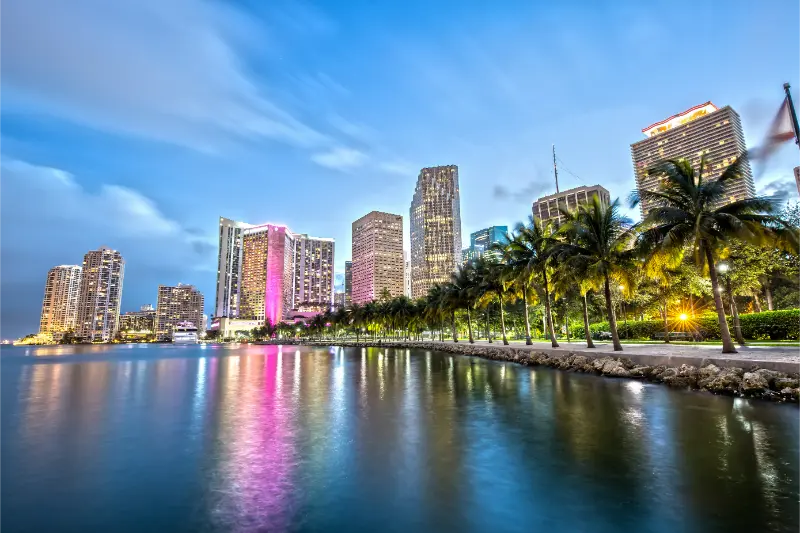
    Illuminated Bridge over Florida Bay at Dusk

    Days 12–14: Sarasota, Naples and the southwest Gulf Coast

    Driving south, you could base yourself around Sarasota for museums and Siesta Key, or continue toward Naples for easy access to the Everglades’ western side. Both are worthwhile, but three days do not require unpacking in both cities. Sarasota favors a mix of the Ringling, tropical gardens and barrier-island beaches. Naples lends itself to quiet mornings, conservation-oriented nature outings and a boat trip around the Ten Thousand Islands if weather permits. The choice should follow your preferred pace. If taking a boat tour, ask about shade, boarding steps, motion sensitivity and restroom access before paying. Dolphins and other wildlife are possible, never guaranteed. Protect shorebirds by respecting signs and do not collect live shells or disturb nesting areas.

    Days 15–17: the Everglades and Miami

    Use the move toward southeastern Florida for a deliberate Everglades visit. Everglades National Park has distinct entrances: Shark Valley, Ernest F. Coe near Homestead and Gulf Coast access do not connect by road inside the park. Choose the entrance that matches your overnight base and the current visitor facilities, rather than attempting all three in one afternoon. From Miami, explore neighborhoods such as Little Havana and the Art Deco district, a museum or garden, and the bayfront. Decide whether to sleep in Miami Beach or on the mainland according to beach priorities, parking and transport. South Florida can be expensive, so compare the total room cost with parking and resort charges. A short boat excursion is optional; a careful walking day can be just as rewarding.

    Days 18–20: a slow journey through the Florida Keys

    The Overseas Highway is beautiful precisely because it is the only principal road linking the Keys; that also means traffic backups can be consequential. Drive first toward Key Largo or Islamorada, using a second day for a snorkeling trip if your group is comfortable in open water and conditions allow. A non-swimming alternative is a land-based state park visit or a marine education center. Marathon and the Seven Mile Bridge deserve unhurried pauses rather than unsafe roadside stops. Continue toward Key West for historic streets, sunset views and a final day spent mostly on foot. Visitors with walking limitations can arrange short taxi rides rather than assume every historic sidewalk is level. Never guarantee a particular snorkeling visibility, fishing catch or sunset cruise departure: wind and sea conditions control the schedule.

    Day 21: the departure decision that changes the entire route

    Key West is a fine ending if you fly out from there or have built a separate return travel day. It is not a sensible location to wake up for a same-day international departure from Orlando. If the outbound flight leaves Miami, spend the final night on the mainland or allow a generous driving buffer, particularly during holiday weekends. If flying from Orlando, reverse the route, finish in Central Florida, or replace the last Keys night with an airport-area overnight. It is better to sacrifice one scenic dinner than miss a long-haul flight after a bridge incident or storm. Check the car return location, fuel policy, toll charges and airport terminal well before leaving the hotel.

    How to divide the budget without inventing a price

    A three-week budget is shaped by lodging, transportation and the number of high-priced attraction days. Theme parks can cost much more than beaches or walking historic districts, but beaches may involve parking, rental equipment or entrance fees. Hotels in the Keys and on Gulf barrier islands may add resort charges and higher weekend rates. Estimate each base separately using actual dates, then budget taxes, toll programs, fuel, tips, insurance and meals. International visitors should also assess medical coverage and rental-car liability arrangements. Shopping for the cheapest nightly room in six cities can produce a more expensive itinerary once long drives and parking fees are added. Accommodation with a kitchen or breakfast option may be a better family value than a poorly located hotel.

    Traveling with infants, school-age children and older relatives

    Avoid a one-size-fits-all daily schedule. Babies need safe sleep arrangements and appropriate car seats, not an ambitious list of attractions. Six- to twelve-year-olds may appreciate a simple choice between a museum, an animal encounter observed responsibly or a pool afternoon. Teenagers can help plan a surf lesson, a space exhibit or photography walk, with independent downtime that is age-appropriate and supervised. Travelers in their seventies, eighties and beyond vary enormously; ask about desired walking distance, stair-free lodging, accessible restrooms and heat tolerance rather than making assumptions based on age. Every third or fourth day can be lighter. Families should designate a flexible meeting point, especially at large parks, and never leave anyone waiting in a hot parked vehicle.

    Weather, hurricane season and the limits of a fixed plan

    Florida changes substantially between cool winter days in North Florida, humid summer afternoons and storm-prone hurricane-season dates. The Atlantic hurricane season officially runs from June 1 through November 30. That does not mean a storm strikes on every day, and it does not make advance forecasts reliable months out. Instead, book cancelable lodging where practical and follow the National Hurricane Center, local emergency management and each venue’s alerts. Lightning is a bigger day-to-day concern than many visitors expect; leave beaches and open water for substantial shelter whenever thunder is audible. A useful itinerary has indoor substitutes and no prepaid chain of impossible same-day transfers. Water conditions, park closures and major launch schedules may change abruptly.

    The booking sequence that prevents common problems

    Book international flights and first- and last-night accommodations first, then verify whether a one-way rental can be returned to the chosen airport. Reserve major theme-park experiences and limited-capacity tours only after dates are stable. Compare the price of moving a hotel reservation against the pleasure of not repacking; a well-positioned base may save an hour each morning. If traveling with a wheelchair, verify the exact bed, bathroom and transfer configuration directly with the property rather than rely on a generic “accessible” listing. Download maps and confirmation numbers before entering rural or protected areas. Set up a shared trip folder containing emergency contacts, medication information, reservations and cancellation rules, without displaying sensitive documents publicly.

    Three-week itinerary table

    DaysSuggested baseCentral experiencesEasier alternative
    1–3St. AugustineFort, old town and Atlantic beachMuseum and short harbor walk
    4–8Greater OrlandoTheme-park choice, Winter Park, Space CoastPool day and lakeside gardens
    9–11Tampa BayTampa, St. Pete art and Gulf beachSingle waterfront neighborhood
    12–14Sarasota or NaplesGardens, shoreline and natureOne beach or guided indoor venue
    15–17Miami areaEverglades entrance, city neighborhoodsMuseums and short transit trips
    18–20Florida KeysKey Largo to Key WestShort Keys base with no boat trip
    21Departure locationReturn vehicle and flyAirport hotel the previous night

    Frequently asked questions

    Is 21 days enough to see all of Florida?

    No trip covers an entire state with this much coastline and regional variety. Three weeks allow a substantial first introduction while leaving the Panhandle, many springs and inland towns for another journey.

    Should we book six different hotels?

    Six bases can work, but fewer are fine. Families who dislike packing may remove one segment, stay longer in Orlando or Southwest Florida and replace it with local outings.

    Can we complete the route by train?

    Not as written. Rail connects some metropolitan areas, but the Everglades, Gulf beaches and much of the Keys do not have the direct public transportation needed for this complete route.

    Which area should we skip if we have only two weeks?

    Choose by interests rather than geography alone. Some travelers can remove Tampa Bay; others will skip Orlando’s theme parks and spend those days on quiet beaches or around the springs.

    Is this safe to plan during hurricane season?

    It can be planned with realistic flexibility, insurance scrutiny and a willingness to change or cancel. Check official forecasts and evacuation notices, never rely solely on a travel article for storm decisions.

    Official planning resources

    The value of a three-week Florida itinerary is its breathing space. Treat these stops as priorities to adapt, not as a checklist that forces a missed meal, an unsafe drive or an exhausted traveler.

  • Florida Road Trip With a Large Family: Seats, Suites, Stops and a Budget That Works

    Florida Road Trip With a Large Family: Seats, Suites, Stops and a Budget That Works

    A Florida road trip with four or more children is not simply an ordinary vacation with extra passengers. The right vehicle, sleeping arrangements, meal planning and realistic drive lengths become essential. A family of six or eight may need two hotel rooms, a large van or a rental home, and the youngest child may need a car seat that changes how every row of the vehicle can be used. Yet Florida still works well for a large-family adventure when the route is organized around a few excellent bases rather than daily long-distance moves.

    On this page

    This guide focuses on practical decisions for parents, grandparents and mixed-age groups. It is especially useful for families whose children range from toddlers to teenagers, with different interests and stamina. The goal is not to spend the least possible amount at any cost. It is to spend deliberately on what reduces stress—safe seating, appropriate accommodation and enough rest—while avoiding unnecessary admission tickets, duplicate hotel charges and rushed drives across the state.

    Start by selecting two regions, not the whole state

    Florida is longer than first-time visitors often expect. Miami, Orlando, the Gulf beaches and the Panhandle should not all be treated as short side trips from one hotel. A large family loses additional time each time bags, strollers, snacks and child seats must be repacked. For a one-week road trip, choose at most two main accommodation bases and perhaps one purposeful stop between them. For longer vacations, add a third base only if the route truly benefits from it.

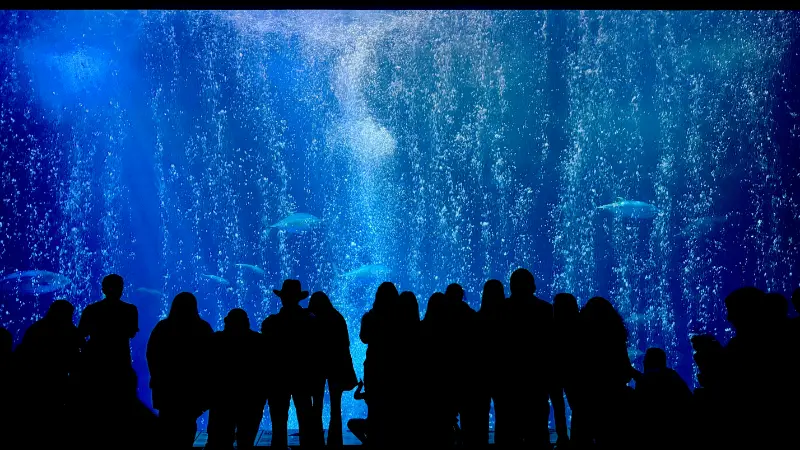
    Visitors Silhouettes at Large Aquarium Tank

    An easy shape is Orlando plus Tampa Bay, combining theme-park days with beaches, museums or nature. Another is Jacksonville or St. Augustine plus the Space Coast, for history and space exploration. A relaxed Gulf-focused trip could pair Sarasota with Naples, though each area’s accommodation and weather conditions require planning. Choose routes that make sense with your arrival airport so the last day does not demand an exhausting cross-state return.

    Assign one highlight to each child during the week, such as a favorite science exhibit, gentle boat ride, skateboard-friendly park or a beach morning. Make other activities shared and inexpensive. A big family does not have to buy everyone admission to several costly attractions to create individual moments of excitement.

    Choose the vehicle by actual seating, not advertised capacity

    A vehicle promoted as “seats eight” may not fit the number and types of child restraints your family needs. Before paying for a rental, count every adult, every child requiring an appropriate restraint, the luggage and any mobility equipment. Ask the rental company for the exact vehicle category and understand that a particular make or model may not be guaranteed. Confirm rear-seat belt arrangements, head restraints and anchor points where relevant.

    The safest seating arrangement should follow each child’s size and the car seat manufacturer’s instructions, not what allows the most luggage to fit. The National Highway Traffic Safety Administration provides guidance on selecting and installing car seats and boosters. Florida law sets minimum requirements, but an appropriate rear-facing or forward-facing restraint may be needed longer than the legal minimum age suggests. Do not improvise by placing multiple people in one belt or allowing a child to ride unrestrained for a short journey.

    Large vans can be difficult to park in some city garages and rental-property driveways. Compare total height, turning space and any restrictions at your accommodation. If renting two smaller vehicles, add a plan for communications and what happens when one car must stop unexpectedly. Two vehicles may create flexibility for split activities but also mean more fuel, parking and toll charges.

    Keep daily driving shorter than adult-only travel plans suggest

    A four-hour navigation estimate is not a promise of a four-hour family journey. Allow time for toilets, feeding, diaper changes, snacks, motion sickness and inevitable stops to search for a missing toy. Plan the day’s longest leg for a time when the children are usually content, not necessarily before sunrise. Some families do better leaving after breakfast; others prefer the youngest child’s usual nap window, provided the child is safely restrained and adults remain attentive.

    Never keep a baby in a car seat for extended periods merely to maintain a timetable. Follow pediatric and manufacturer guidance and build regular opportunities to remove infants from the seat in a safe environment. A stop with clean facilities, shade and a short walk is more useful than a fuel station without a comfortable place for children to stretch. If the driver is becoming tired, stop rather than trying to make up lost time on an unfamiliar interstate.

    In Florida, heat can build quickly inside parked vehicles. Never leave any child alone in a vehicle, even when stepping away for just a moment. Use a headcount every time the family gets out, and designate one adult to check the rear rows before locking the car. This becomes especially important when different adults are managing bags, tickets and children at a busy rest stop.

    Choose lodging that can legally sleep everyone comfortably

    For six, seven or eight travelers, room occupancy rules and bedding configurations can be as important as location. A standard room advertised as “family friendly” may allow only four occupants. Ask properties to confirm the total number of registered guests, sleeping surfaces and permitted extra beds before booking. Connecting rooms can be valuable for families with older children, while a multi-bedroom suite or vacation rental provides shared space and laundry facilities.

    A vacation rental often works best for a longer stay, but add cleaning charges, taxes, parking and the cost of driving to attractions. Ask about pool fencing, stair gates and balcony safety when children are young. Do not assume a property provides a suitable crib, and inspect the pool before the children are allowed outside. Large families may also benefit from two bathrooms far more than from a luxurious living room.

    Hotels with breakfast included can reduce morning decisions, but calculate whether all occupants are included under the booking’s meal policy. Confirm refrigerator space, microwave availability if needed and laundry access. A location close to a supermarket may save hours of restaurant logistics across a week. For an extended family traveling with grandparents, quiet bedrooms and step-free access may justify a different property than the one the teenagers prefer.

    How to plan food without spending the day in restaurants

    The biggest savings often come from balancing groceries, picnics and selected restaurant meals. Keep breakfasts predictable, stock water and fruit, and pack meals only when food can be kept at safe temperatures. Florida heat is unforgiving to refrigerated items left in a hot trunk. Use coolers correctly and do not leave perishable food in the sun for long beach outings.

    Create a small set of dinner options before each new base: a casual restaurant with room for the group, a grocery store for an easy meal and a takeaway option for a tired evening. A large group may have different dietary needs, so confirm allergen procedures with restaurants rather than assuming a generic menu is suitable. Give teenagers a small independent snack budget and decide in advance whether souvenirs come from their allowance or the family budget.

    When dining out, check for service charges or automatic gratuities applied to large parties. Restaurants may have their own definitions of a large group, often based on the number of diners; read the menu or ask rather than adding a full gratuity twice by mistake. Reserve ahead when the group has eight or more people and the destination is busy during school holidays.

    One sensible seven-night route for a big family

    Spend the first four nights in the Orlando area, then the final three around Tampa Bay or Clearwater. On Day 1, arrive, shop for groceries and enjoy the accommodation pool. Day 2 can be the group’s principal theme-park visit or a smaller family attraction. Use Day 3 for a lower-cost park or museum. Day 4 stays flexible: repeat a favorite or rest and do laundry. This schedule keeps everyone from entering the next leg already worn out.

    On Day 5, travel west after breakfast and check into the second base. Allow for traffic on I-4 and do not plan a timed attraction immediately after arrival. Day 6 could be a beach morning with lifeguard and water-condition checks, plus a relaxed afternoon. Day 7 can include a marine education visit, waterfront park or family-selected activity. If departure flights leave from Orlando, make sure the final transfer is workable; flying into one airport and out of another may be worth considering when fares and rental-car terms permit.

    This is a framework rather than a fixed entertainment schedule. A teenager may prefer one active day while younger children need another hotel afternoon. Split the party into adult-led subgroups when appropriate, then come together for a planned shared meal. That balance can prevent a single age group’s needs from dominating every hour.

    Budget the trip per family, not per person

    Prepare a budget table with vehicle rental and insurance, fuel, tolls, accommodation, parking, food, attractions and an emergency reserve. Compare large-family admissions carefully; children may cross different age bands at different venues. Remember that some supposedly free activities still carry parking or equipment charges. Lodging taxes and resort fees can significantly change total costs, as can an upgrade from a regular vehicle to a passenger van.

    A large family may save by buying fewer expensive attraction days and making each one count. Choose one major paid experience, then fill surrounding days with beaches, city parks, nature centers or moderately priced museums. A beach afternoon can be wonderful, but check access, facilities and conditions first. Buying the cheapest admission package is no bargain if the children are too tired to use all the included days.

    Prioritize flexible booking terms when school schedules or children’s health might change plans. Compare the entire refundable rate with the nonrefundable alternative, including deposits. Save confirmation numbers and cancellation deadlines in a shared folder accessible to another adult; relying on one phone for everything is risky when managing a large group.

    Large-family beach and water safety

    Use clear adult assignments around pools, beaches and boats. A large group does not automatically create better supervision: children can be overlooked when everyone assumes another adult is watching. Designate the adult responsible for each child near water, especially for infants and nonswimmers. Select a lifeguard-protected beach when possible, obey flag warnings and keep swim plans flexible. Review NOAA rip-current guidance together before the first beach visit.

    At a vacation rental, inspect pool gates and barriers on arrival. Do not treat a floating toy or automatic door alarm as a replacement for active adult supervision. Check that children have appropriate life jackets for boating. If two families are sharing a house, agree on rules for gates, water access and nighttime doors before anyone starts unpacking.

    The same clarity helps with theme parks and busy markets. Use a simple family meeting point if separated, teach older children how to find uniformed staff and make sure each child knows the name and phone number of a responsible adult as appropriate for age. Keep personal information protected and avoid placing a child’s full name in public view on clothing.

    Heat, storms and other Florida realities

    Summer humidity and thunderstorms can turn an ambitious outdoor day into an uncomfortable experience. Keep flexible indoor alternatives and use early-morning activities when practical. If a weather alert or evacuation instruction applies, follow local authorities rather than trusting a fixed itinerary. Bring enough drinking water for every passenger and protect medication or perishable food from excessive heat.

    When your family includes a baby or a grandparent, consider how close the accommodation is to medical services and whether everyone has suitable travel insurance. Carry prescription information and necessary supplies rather than assuming a particular brand will be available locally. A calm fallback plan is particularly useful in a large group, because even a minor illness can change the schedule for several people.

    What to check two days before departure

    Reconfirm the vehicle collection details, number of installed child restraints and how tolls are charged. Verify every hotel’s occupant count and ask whether cribs, connecting doors or requested accessible features have been assigned. Confirm attraction dates and child admission bands, then save directions and weather information for areas where reception may be weak. Pack one small overnight bag containing essentials so everyone does not need to unpack the entire vehicle during a short stop.

    Finally, ask each child which activity they are looking forward to, but promise only what weather, reservations and safety allow. The success of a large-family trip lies in its flexibility: shared highlights, space to rest, and enough preparation that a missed stop is an inconvenience rather than a disaster.

    Quick planning snapshot

    Planning pointPractical guidance
    Best weekly rhythmTwo accommodation bases rather than daily changes
    Vehicle priorityAll child restraints plus real luggage capacity
    AccommodationLegal occupancy, enough beds and pool safeguards
    Budget prioritiesTransport, two key attractions, food and flexible days

    Frequently asked questions

    Is one eight-seat rental vehicle enough for six children and two adults?

    Not necessarily. You must verify that the exact vehicle safely accommodates all occupants, required child seats and luggage. Advertised seating capacity alone does not establish compatibility with your restraints.

    Should a big family stay in hotels or a vacation rental?

    Hotels can be easier for short stays and split schedules; multi-bedroom rentals may offer more space and kitchen facilities for longer stays. Compare legal occupancy, total fees, pool safeguards and travel costs.

    How many regions of Florida are realistic in a week?

    Usually one or two accommodation bases are more comfortable than trying to cover the whole state. Choose a route that fits the arrival and departure airports and children’s driving tolerance.

    How can we save on attractions without disappointing children?

    Let each child choose a priority, buy fewer major attraction days and balance them with parks, museums, beaches and downtime. Shared choice often matters more than the number of admissions purchased.

  • Florida With Your Dog: A Responsible Seven-Day Gulf Coast Road Trip

    Florida With Your Dog: A Responsible Seven-Day Gulf Coast Road Trip

    Florida can be a satisfying road-trip destination with a dog, but the word “pet-friendly” needs careful examination. A hotel may allow dogs while banning them from its breakfast room; a city park may accept leashed animals while the neighboring state-park beach does not. Heat, hot pavement, alligators, salt water and crowded events complicate even a short outing. This seven-day plan focuses on the Tampa Bay area and Sarasota, where a family can combine waterfront walks with short driving days. It is not a promise that a dog can enter every attraction mentioned. The aim is to build days around places where the human travelers and the animal can both remain comfortable, while explaining when separate care arrangements may be necessary.

    Start with the rules: pets are not service animals

    Florida State Parks generally welcome leashed pets in specified hiking, picnic and camping areas, but prohibit them in many beaches, boardwalks, playgrounds, swimming areas, buildings and other sensitive settings. Exceptions differ by individual park. The official Florida State Parks pet policy is more reliable than a map listing that simply says “dogs allowed.” Never interpret permission to enter a parking area as permission to walk a dog onto nesting beaches or through visitor exhibits. Service animals have different legal protections; this itinerary describes an ordinary companion dog, not a disability-related service animal.

    Local beach rules vary just as much. A city may designate a dog beach, require leashes at certain times or close an access route for habitat protection. Confirm the municipality’s current regulations and the exact access point, not merely the name of the beach. Pack waste bags even if a park advertises dispensers. Choose a short leash rather than retractable equipment in crowded areas, keep dogs away from wildlife and yield to people who are uncomfortable around animals. A friendly dog can still startle nesting birds or small children. The simplest responsible rule is that a closed or unsigned wildlife area is not a place to test whether enforcement is likely.

    Day 1: choose a base near Tampa rather than driving too far

    After arriving in the Tampa Bay region, check into accommodation that clearly accepts your dog’s size and number. Ask about nightly charges, cleaning policies, prohibited areas and whether the animal can ever be left unattended in the room. A pet-friendly hotel may still prohibit an unaccompanied dog, and loud barking can cause complaints. A ground-floor room near a designated relief area may be more useful than a bay view. If you have flown, make the first evening calm: a short shaded walk, water, a familiar meal and adequate sleep. Do not schedule a bustling attraction immediately after hours in an airline carrier.

    Before booking a vacation rental, confirm more than a pet icon. Ask whether the yard is fully fenced, whether pools or canals are accessible, whether there are breed or weight restrictions and what happens to your deposit if muddy paws damage upholstery. Florida canals and ponds may contain alligators, so a grassy waterfront should never be assumed to be a safe dog-play area. Check for escape gaps around gates and do not leave your dog alone outside. Bring the usual food if possible to avoid abrupt diet changes during a period of travel stress.

    Day 2: a gentle Tampa waterfront day

    Use a morning on a legal leashed walking route near your chosen neighborhood. Tampa’s waterfront offers urban scenery, but busy concrete paths become uncomfortable for paws in strong sun. Start early, carry a collapsible bowl and test pavement temperature with the back of your hand; if it is too hot to hold against the surface, choose grass, shade or another time. A midday restaurant outing requires a confirmed pet-permitted outdoor area. Many restaurants offer patios but not every patio allows animals. Call the restaurant rather than assuming a photo of a dog on social media establishes the policy.

    Florida City Waterfront Bridge after Dark

    Build a dog-free alternative into the afternoon if you want to visit a museum. That means another adult who stays with the dog or a properly researched daycare arrangement; it never means leaving the animal in a vehicle. A short evening neighborhood walk and dinner near the hotel may make a better second day than a long cross-bay drive. Keep your dog on leash when other dogs approach, ask before allowing greetings and avoid public fountains used by children. Consider the comfort of other visitors as part of a successful dog-friendly vacation.

    Day 3: Dunedin and Honeymoon Island, with clear boundaries

    Move toward Dunedin for its compact downtown and access to Gulf Coast scenery. The city’s shops, trails and waterfront sections may have differing rules; check signs and follow local leash requirements. Honeymoon Island State Park is worth researching because it has a designated dog-friendly beach area, an exception to the usual Florida State Parks beach restriction. The state park FAQ specifically notes this exception, but parking, storm damage, capacity limits and exact access routes require same-day verification. Do not walk your pet onto a different section of shore simply because sand connects the two areas.

    Treat this as a morning excursion rather than an all-day sunbathing challenge. Bring fresh drinking water and a shade plan, and rinse salt and sand from paws afterward. Do not let a dog drink seawater. Watch for sharp shells, fishing hooks and wildlife, and never let the dog chase shorebirds. If parking access or the authorized dog area is closed, return to shaded city walking paths rather than searching for an unmarked beach. This is a good example of why researching one real pet-friendly activity is more valuable than collecting a dozen broad online recommendations.

    Day 4: St. Petersburg's urban side

    St. Petersburg can offer outdoor strolling, neighborhood coffee stops and public spaces, but pet permission varies within waterfront venues. Select a small area and confirm the rules at your actual stops. The downtown district is not a universal off-leash zone. If you want to explore a museum, arrange pet care in advance or separate the group into two supervised activities. Public outdoor events can be too loud or crowded for some dogs, so plan an easy exit. If your dog becomes stressed by other animals, avoid busy promenades at peak evening hours and enjoy quieter residential walks instead.

    For lunch, ask a café whether its patio admits dogs, whether tables are shaded and whether staff can place you away from the heaviest foot traffic. Carry a portable mat so the animal has a familiar resting place rather than lying on baking pavement. A good dog day is not measured by kilometers walked. Older dogs and small breeds often benefit from several short outings separated by air-conditioned rest. If traveling with children, assign adults—not young children—the responsibility for handling the leash near traffic and other dogs.

    Days 5 and 6: Sarasota, quieter outings and one human-only attraction

    Drive south to Sarasota, stopping for water and a relief break rather than leaving a dog crated for several continuous hours. Two nights in the Sarasota region allow you to enjoy low-key neighborhood walks and a dog-permitted park selected from current municipal listings. Not every beach, garden or preserve accepts pets. Marie Selby Botanical Gardens is a compelling human attraction, but you should check visitor rules before assuming your dog can enter. Plan one adult-only museum or garden period with confirmed pet supervision, then reunite for an evening outdoor meal at an appropriate venue.

    On the next day, choose one modest excursion that suits your dog’s physical condition. A fit dog might enjoy a shaded walking trail where pets are expressly allowed; a senior animal may prefer a morning neighborhood loop and a long rest at the hotel. Keep animals out of freshwater swimming areas and away from canal edges. Alligator warning signs are not decorative. Avoid tying a dog outside a store, and do not assume any pool deck admits companion animals. If you want to rent a boat, contact the operator first about dog acceptance, life jackets, limits and its cancellation policy. A sightseeing boat is not automatically pet-friendly.

    Day 7: a safe departure routine

    Keep departure day simple. Allow a familiar walk and feeding window that suits your dog’s normal routine, then travel to the airport or your onward destination with breaks appropriate to the animal. Pack veterinary records and any travel documents in your carry-on bag, together with medication, waste bags and a spare leash. If flying, confirm the airline’s carrier dimensions, age rules and temperature restrictions. Not all flight itineraries can transport every breed or size, and airline conditions are distinct from US entry regulations. Do not book an itinerary with a tight flight connection and assume an animal can manage the transfer without additional planning.

    If arriving in the United States with a dog from abroad, review the CDC dog import requirements well before departure. Requirements depend on vaccination history and the countries where the dog has been during the preceding six months. A CDC Dog Import Form receipt is generally required, and additional conditions apply to some situations. International travelers must also consider their home country’s return requirements and carrier policies. The necessary preparation cannot safely be reduced to buying a ticket and producing a vaccination booklet at check-in.

    Heat, wildlife and veterinary emergencies

    Florida humidity can limit a dog’s ability to cool itself. Avoid hot pavement and lengthy midday walks, carry more water than you think necessary and monitor for unusual panting, weakness or distress. Seek prompt veterinary help when an animal shows signs of overheating; moving into shade is not always sufficient. Keep dogs well away from retention ponds, lakes and marsh edges where alligators may be present. Mosquitoes, fleas, ticks and heartworm risk also warrant discussion with your veterinarian before travel. Check that your dog’s identification and microchip contact details are current.

    Do not let dogs investigate washed-up fish, unknown substances or dead wildlife on beaches. Some coastal water conditions and algal blooms are hazardous, and a beach that looks inviting is not proof the water is safe for animals. Respect posted notices and wildlife closures. If traveling during hurricane season, know your hotel’s evacuation policy and identify an alternative pet-accepting accommodation before a storm arrives. Evacuation shelters and hotels differ in animal rules, so a backup plan should include the dog rather than assume it can be brought everywhere.

    The real costs of pet-friendly travel

    The pet fee shown on a booking page can be per night, per stay or per animal. Some properties charge refundable deposits separately from nonrefundable cleaning fees. Budget also for supplies, a carrier, emergency veterinary care, pet supervision when humans visit attractions, parking and possibly a room type that costs more than a similar non-pet option. Compare the total for the entire stay, not the advertised nightly rate. For an extended stay, a rental with a practical ground-floor entrance may be worth more than a hotel offering premium amenities you cannot use with a dog.

    Keep documentation of property condition at check-in and check-out, and read the cancellation terms. If a planned outing is no longer possible because of rain or a closed dog area, do not try to recover the money by pushing the animal through unsafe conditions. One flexible free day often makes a dog-inclusive vacation substantially easier. When a resort lists “pets welcome,” request the actual policy in writing, including restrictions for lobbies, dining areas and swimming facilities.

    Pet-friendly trip decision table

    SettingWhat to check firstSafer fallback
    State parkExact pet zones and leash limitShaded city trail
    BeachDesignated dog area and conditionWaterfront walk away from sand
    HotelFees, size rules and unattended-pet policyDifferent pet-approved lodging
    RestaurantOutdoor seating permission and shadeTakeout picnic in permitted area
    BoatOperator permission and pet life jacketLand-based sightseeing
    FlightCarrier rules plus CDC entry requirementsDifferent itinerary

    Frequently asked questions

    Are dogs allowed on Florida beaches?

    Some municipal or designated dog areas allow them, but many beaches and state-park shorelines do not. Always verify the specific public access, current rule and leash requirement.

    Can a dog accompany me into every Florida State Park?

    No. Many parks welcome dogs in particular areas, but some parks exclude pets and most restrict access to beaches, swimming areas and buildings. The official policy and individual park page take precedence.

    Is it safe to leave a dog in the car for ten minutes?

    No. Cars can heat rapidly in Florida, even when parked in shade or with windows partly open. Arrange proper supervision or change your activity instead.

    Do small dogs travel on Brightline trains?

    Brightline allows qualifying pet dogs and cats in carriers under its published rules, with advance reservation details and possible fees. Review the current Brightline animal policy before buying a ticket.

    Do overseas visitors need paperwork for their dog?

    Yes, US import rules can apply even to a short vacation, with additional airline and return-country requirements. Use the CDC’s official dog importation tools and check them before booking.

    Official planning resources

    See the Florida State Parks pet policy, CDC guidance for bringing dogs into the United States and Brightline's animal transport rules. Rules, closures and fees should be reconfirmed for the exact travel dates.

  • Florida Road Trip With a Dog: Beaches, Parks, Hotels and Heat Safety

    Florida Road Trip With a Dog: Beaches, Parks, Hotels and Heat Safety

    Plan a pet-friendly Florida vacation with realistic beach restrictions, hotel policies, heat awareness and practical stopovers. Consider what is genuinely feasible, which details deserve confirmation, and how to make room for different interests, abilities and energy levels. Florida rewards thoughtful pacing: sunshine, long travel distances, seasonal weather, and the specific character of each neighborhood can all influence the outcome. Instead of treating every suggested stop as an obligation, choose the activities that fit your group and preserve time for unplanned discoveries.

    On this page

    Pet-friendly never means everywhere

    Each beach, park, restaurant patio and hotel has its own conditions. Some state parks allow leashed pets in designated day-use spaces but exclude swimming beaches, buildings or sensitive habitats. Confirm rules with the individual destination before arrival; do not rely on a blanket statewide claim. Service animals are governed differently from ordinary pets. Preserve wildlife habitat and always collect pet waste.

    Choose beaches by actual access rules

    A beach described online as dog-friendly may only admit dogs on specific stretches or during certain hours. Local municipalities can alter the boundaries and enforcement. Check leash rules and whether dogs may enter the water. A long sunny beach walk can quickly become unsafe when sand is hot and shade is scarce; a short early outing is often a better choice.

    Choose hotels by the complete pet policy

    Check pet fees, restrictions on size or number of animals, cleaning charges and whether the dog may remain unattended in a room. Also inspect the availability of a nearby relief area. An inexpensive room with a high per-stay pet charge may cost more than another property. Keep vaccination and identification records handy in case the operator requests them.

    Florida Beachfront Hotels and Ocean Aerial View

    Make driving stops part of the itinerary

    A dog-friendly road trip needs short travel legs, water breaks and shaded relief stops. Never leave a pet in a parked vehicle, even for a quick grocery purchase. Bring a familiar harness, leash, food, collapsible bowls and a towel for unexpected rain. For nervous pets, a familiar bed can make a new hotel less stressful.

    Protect wildlife and your pet

    Florida wetlands and coastal areas contain alligators, snakes and other wildlife. Keep dogs away from lake edges, freshwater ponds and unfamiliar vegetation, and never let them chase birds or approach marine animals. Ask a veterinarian about parasite prevention and heat risk before travel. Report a wildlife conflict to the appropriate local agency instead of trying to handle it.

    Build a three-night test route

    A manageable first trip might use one pet-friendly town as a base, with a designated dog beach visit, an urban waterfront walk where permitted and one nature area with a verified pet-access trail. The goal is to observe your dog’s tolerance before committing to a long Keys or Panhandle drive. Include indoor cooling breaks and a weather backup.

    Transport, timing and accessibility

    For Florida road trip with a dog, transport is part of the experience, not a detail to solve at the last minute. Compare driving, walking, public transportation, rail and prebooked transfers using the actual address of each stop. Look at the route between the parking area or drop-off point and the entrance. If a traveler uses a wheelchair, stroller, walker or other mobility aid, ask about surfaces, steps, restrooms and equipment rather than relying on the word “accessible.” Travelers with small children also need to account for car seats, meals and nap times. Avoid placing the longest transfer immediately before an important booked activity. A practical plan is one that still works if somebody needs to leave early.

    Budget and booking checklist

    Price Florida road trip with a dog as a complete day or trip, not as one headline ticket. Make separate allowances for lodging taxes, parking, admission, transportation, food and possible equipment rental. Before paying, check the refund policy, exact cancellation deadline, arrival instructions and what happens in bad weather. Save written confirmation. Florida attractions and operators may use seasonal hours, capacity limits or reservation requirements; those facts must be rechecked close to travel. If a website shows a special offer, compare the final total and verify who will process the payment. A cheaper nonrefundable purchase is only useful when your schedule is genuinely secure.

    How to adapt the plan to your travel style

    For families with babies, keep Florida road trip with a dog simple: one main outing with access to shade, changing facilities, food and an easy route back to accommodation. School-age children often enjoy a tangible goal such as spotting wildlife or finishing a short walking route. Teenagers may appreciate choosing one stop themselves. Adults who want photography or history can spend longer at a single destination rather than moving on just to complete a list. Older visitors and people with limited stamina may prefer early starts, seated experiences, indoor breaks and accommodation closer to activities. None of these approaches is a lesser version of a Florida vacation; the right itinerary should fit the people taking it.

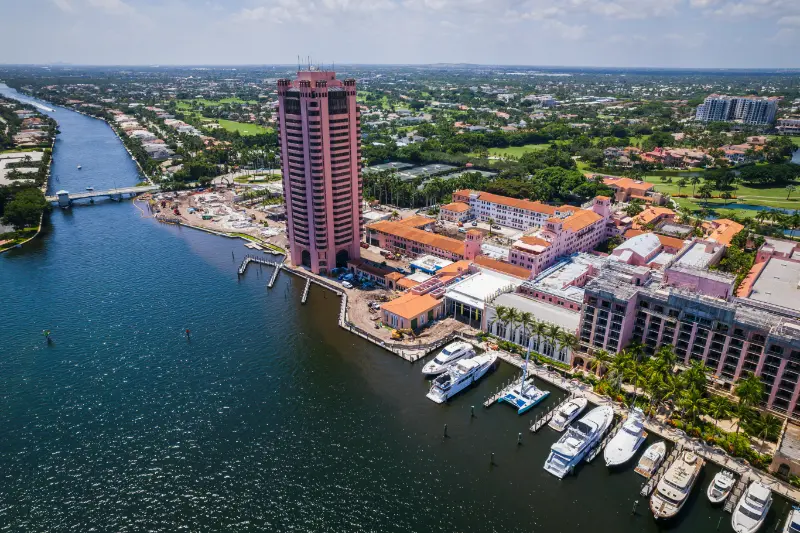
    Florida Marina and Waterfront Hotels

    Packing for sand, rain and paw comfort

    Bring more than the ordinary collar and a leash. A reflective walking accessory improves visibility during early outings, and a towel protects the rental car after sudden rain. Carry drinking water specifically for the dog, since a public fountain may be unavailable or unsuitable. A small mat helps when outdoor restaurant seating is permitted. Verify any product meant for hot pavement with your veterinarian instead of assuming it will solve heat exposure. Keep your dog’s microchip and identification details current, with a reachable mobile number. For an anxious animal, gradually introduce the travel crate or harness well before departure.

    An extra planning perspective

    Plan what happens when dogs cannot enter a planned activity. One adult can remain with the pet, or the group can skip that attraction; do not improvise by leaving a dog in the car. Some attractions sell access in advance without making pet restrictions especially prominent, so checking rules before buying can prevent disappointment. If boarding or daycare becomes necessary, inspect licensing, vaccination requirements and drop-off hours. Travelers arriving from overseas should verify animal-entry documentation requirements from the appropriate federal agencies well before purchasing flights.

    A simple decision worksheet

    Before committing to Florida road trip with a dog, write down the single experience that matters most to each traveler, the maximum amount of time the group wants to spend in transit, and the approximate budget for the day. Then note which details are still unconfirmed: opening hours, accessible bathrooms, parking arrangements, equipment requirements, whether pets are permitted, and weather-dependent activities. Contact the operator about anything essential. If a promised feature turns out to be unavailable, select an alternative instead of hoping the problem will disappear. Keeping this decision worksheet short helps people make informed choices without turning a vacation into an administrative project.

    A useful final check is to read the reservation confirmation as though you had never seen the advertisement. Does it give a precise address and date? Does it explain arrival time, refund conditions and whom to contact? Is there a clear way to get back to the hotel? When children or older relatives are part of the group, is there a realistic place to stop, eat and rest? These small questions prevent more disappointment than adding another attraction. Save the relevant details offline, but check live alerts on the morning of travel. A flexible, well-understood plan is more valuable than a crowded schedule.

    Before you leave: a useful reality check

    Three checks make Florida road trip with a dog substantially easier. First, verify the official opening page or operator notice on the evening before your visit, because weather, maintenance and special events can change access. Second, look at a current weather forecast and have an indoor or lower-effort alternative. Third, share the day’s meeting point and return plan with your group. If you are traveling internationally, keep important contacts and booking references available offline. This approach is especially valuable in Florida, where distances, humidity and afternoon storms can turn a tightly packed schedule into an uncomfortable one.

    Frequently asked questions

    Is this suitable for a first Florida trip?

    Yes, provided you use Florida road trip with a dog as a starting point rather than a fixed checklist. Select a manageable region, confirm transportation and leave time to adjust to weather and travel fatigue.

    Can families and older adults enjoy the same plan?

    Often, but choose activities by accessibility, shade, seating and duration rather than age alone. Break up long days and offer optional stops so nobody has to match somebody else’s pace.

    Do I need to book everything ahead?

    Reserve accommodation and capacity-limited experiences in advance. Keep low-cost outdoor visits flexible and confirm any cancellation, parking or timed-entry rules with the operator.

    What if it rains?

    Keep a nearby indoor alternative, avoid exposed areas during lightning and move the most important outdoor stop to the earliest safe window. Official warnings take priority over an itinerary.

    Where should I check current rules?

    Use official attraction, park, transport or government websites. Opening times, fees, beach access, service schedules and accessibility arrangements can change without notice.

    Official planning resources

    Use official tourism and public land resources to confirm the most recent information before traveling.

  • Florida Panhandle State Parks: Five-Day Nature Road Trip Without Camping

    Florida Panhandle State Parks: Five-Day Nature Road Trip Without Camping

    Florida’s Panhandle has some of the state’s most beautiful protected beaches, but the scenery extends beyond white sand. Coastal dune lakes, marshes, pine forests, inlets and historic coastal settlements make it an excellent place for day trips into nature. You do not need a tent, an RV or a wilderness background to appreciate its state parks. With a comfortable hotel as your base, you can enjoy two or three hours outdoors each morning and still have time for restaurants, museums and family downtime.

    This five-day route moves from the Pensacola area toward South Walton and Panama City Beach. It is not a promise that every park will be open on every future date: Gulf storms, construction and habitat restoration can close entire parks or particular sections. Before traveling, use the official Florida State Parks site to check live notices and substitute a nearby public beach or museum whenever a preferred stop is unavailable.

    Build the trip around two lodging bases

    A practical way to avoid driving the length of the Panhandle repeatedly is to spend two nights around Pensacola or Perdido Key and three nights around Santa Rosa Beach, Destin or Panama City Beach. These are not interchangeable places. Pensacola offers historic attractions and a longer urban setting; South Walton’s 30A communities have smaller coastal centers and access to dune landscapes; Panama City Beach combines visitor services with several notable coastal natural areas.

    Families with small children may prefer a hotel with an easy breakfast and pool rather than switching rentals every night. Couples can choose small inns closer to restaurants, while older visitors should compare elevator access, parking distance and the walking surface between a property and the shore. A “beachfront” hotel is not necessarily an easy beach hotel: dune crossings may involve stairs, sloped paths or soft sand. Ask about the specific access point you will use.

    A car is the most convenient way to follow this itinerary. Research parking and admission procedures at each park, especially on weekends. Travel times along US 98 and coastal corridors can increase during busy periods, so don’t plan two major outings at opposite ends of the region on the same morning.

    Florida River Estuary Nature Reserve Aerial

    Day one: Pensacola Bay and a gentle introduction

    After arriving in the Pensacola area, use the first day to get oriented. Visit a public waterfront or historic district, enjoy a short walk and choose an early dinner. The city has enough cultural interest to justify a full visit, but this route keeps the first day light to make space for the parks ahead. If the weather is poor, historic museums or indoor attractions can replace a beach stroll without undermining the trip.

    A scenic drive toward Perdido Key introduces the contrast between urban bayfront neighborhoods and protected coastal vegetation. Use official access points rather than pulling onto dunes or informal sandy shoulders. Watch for speed limits and pedestrian crossings around beach communities. Children may enjoy noticing the different shades of water and sand, while adults can begin learning how barrier islands and bays shape the coastline.

    Leave time to buy drinking water, snacks, sun protection and simple picnic ingredients. In smaller day-use park areas, food facilities may be absent or operate on a limited schedule. For a group with mobility needs, call the park or read the detailed amenities page before setting out rather than assuming every beach has a paved route to the water.

    Day two: Big Lagoon and Pensacola’s western coast, if open

    Big Lagoon State Park offers marsh, woodland and lagoon scenery rather than the resort feeling of a busy beachfront. Birdwatching and short walks are rewarding here, and the landscapes are particularly interesting for people who enjoy seeing where freshwater and marine environments meet. Choose only the paths your group can comfortably manage. A short boardwalk with time to observe birds can be more enjoyable than a longer trail completed under pressure.

    Check Big Lagoon’s official park notices before leaving the hotel. Storm-related closures have affected the region in 2026, and a normal published schedule does not necessarily mean a particular day-use facility is accessible. If the park is unavailable, consider an open section of Gulf Islands National Seashore or a well-established local waterfront attraction; confirm entrance information and conditions directly with the site. This substitution keeps the day meaningful without attempting to enter a closed park.

    An afternoon at a public beach can round out the day, but swimming is optional. Families can watch shorebirds or build sandcastles well above the surf. Never walk over protected dunes, and check local beach flags before entering the water. Visitors who struggle with uneven ground may have a better experience at a paved bayfront promenade than on a loose-sand beach.

    Day three: coastal dune lakes and the 30A landscape

    Move east toward South Walton, a distinctive stretch of coast where rare coastal dune lakes appear behind the beaches. These lakes may connect intermittently with the sea, creating habitats that differ from a typical inland pond. Grayton Beach State Park is one place where visitors can appreciate this setting, combining beaches, pine forests and Western Lake. Plan for a short nature trail or observation stop, not necessarily a full hike.

    Grayton Beach is popular, and the park can temporarily close to day visitors when it reaches capacity. Arrival early in the day is wise, but always read same-day alerts. The official page explains the park’s trails, beach arrangements and accessible amenities: Grayton Beach State Park. Beach mats and a beach wheelchair may be available according to conditions; contact staff in advance if you need specific assistance.

    For lunch, explore a nearby 30A community rather than driving far inland. The value of this day is the combination of a protected landscape and a human-scale coastal town. If one attraction is closed, a slower drive, a public viewpoint and a relaxed meal can still show the distinctive character of South Walton.

    Day four: Henderson Beach and the resort coast

    Henderson Beach State Park offers dunes and Gulf views close to Destin’s developed visitor areas. It makes a strong contrast with the more secluded sections of yesterday’s route. Importantly, the state introduced mandatory day-use reservations here in 2026. Do not arrive expecting entry simply because you have a state park pass: all day visitors are covered by the reservation requirement. See the official reservation guidance and check for changes before traveling.

    A beach visit here can be as short or long as conditions permit. With children, set up a shaded rest spot and avoid the temptation to walk far along the shoreline at midday. If the surf is rough, enjoy the dune landscape and a picnic rather than taking risks in the water. Travelers with mobility limitations should ask staff which access route and facilities best suit their needs. Remember that sand itself can be a major obstacle even when the boardwalk to it is accessible.

    Use the afternoon for a restaurant, local shopping or a boat-viewing stop around the harbor rather than immediately heading to another state park. A vacation that alternates protected nature with comfortable breaks is more sustainable for mixed-age groups than a series of exhausting outdoor excursions.

    Day five: Panama City Beach, St. Andrews and the departure plan

    If you are staying around Panama City Beach, St. Andrews State Park is a possible final nature stop, subject to any current closures and storm recovery work. The park sits between Gulf and bay environments and is known for shore scenery, trails and access to boat excursions. Check the official St. Andrews page before making it central to your day. A ferry to Shell Island, when operating, requires additional time, weather suitability and careful planning around departure. It is not essential for enjoying the area.

    Camp Helen State Park near Lake Powell can be another interesting day-use choice when open, especially for people fascinated by coastal dune lakes. However, beach access involves walking and soft-sand sections that may be challenging for some groups. Visitors should read the park’s detailed trail information and check current storm notices rather than assuming that a short map distance means an easy path.

    On departure day, a brief park visit only works if you have enough margin for traffic, fuel and the airport. For many families, a relaxed breakfast and one familiar viewpoint are a better ending than a complicated last-minute outing.

    Understand what makes these parks special

    The Panhandle’s natural diversity is easy to overlook when a vacation advertisement shows nothing but turquoise water. Dune lakes, pine flatwoods, salt marshes and the meeting points of bays and the Gulf support plants and wildlife that depend on protection from development and disturbance. Staying on marked paths, avoiding dunes and observing birds at a distance are basic ways to help keep those ecosystems healthy.

    Different parks specialize in different experiences. Grayton is a strong choice for understanding dunes and coastal lakes; Henderson is convenient for protected beach scenery near Destin; Big Lagoon explores marsh and lagoon country; St. Andrews offers varied coastal habitats. Think about what you most want to see before choosing a park, rather than visiting all of them to collect entrance photographs.

    The best season, and what to do when storms intervene

    Late spring and fall may offer pleasant weather, though conditions are never guaranteed. Summer often brings hot, humid afternoons and thunderstorms, so start early and keep an indoor option for later in the day. Cooler months can be excellent for walks and birdwatching, but the Gulf may not feel inviting for swimming. Holiday periods and summer weekends can bring queues for parking and crowded beach access.

    The Gulf Coast also experiences severe weather. Watch weather advisories, park notices and any local evacuation instructions, especially during Atlantic hurricane season. A park closure is not a suggestion to use a back entrance. Respect it and choose a safe alternative. Accommodation cancellation flexibility is valuable when booking far ahead. Travelers should also avoid relying on old social media photographs to infer that a boardwalk, campground or concession is currently operating.

    What to pack for day visits without camping

    A light daypack with water, sunscreen, hat, insect repellent, snacks, basic first aid and a small towel covers many needs. Shoes that tolerate sand and damp paths are often more useful than dressy sandals, and children may need a spare outfit after a beach outing. Bring binoculars for birds and an offline map for unfamiliar roads. Keep a dry bag for electronics if rain is possible, but never continue an exposed beach walk once lightning becomes a concern.

    For people using wheelchairs, ask about beach chairs or mats well ahead of time; equipment availability, staffing and weather can vary. Parents with strollers should recognize that an accessible parking lot does not guarantee stroller-friendly trails. Bring a carrier if appropriate, but only if the adult can use it safely in the heat. Park staff can often suggest the least demanding route without making guarantees that all surfaces will be smooth.

    A realistic budget for five days

    Budget for two lodging bases, car use, fuel, park admission and meals. State park day-use charges are often modest compared with major attractions, but reservation rules and fees vary by location and time. Don’t repeat an old admission price as if it were permanent. Camping fees and reservation windows generally do not matter for this itinerary because you are using hotels or rentals outside the parks.

    Choose one optional boat or paddling experience if it fits your group, not because an advertisement suggests everyone must do it. A family that wants easy nature and comfortable meals can enjoy this region without booking paid water sports at every stop. The Panhandle’s value lies in access to very different landscapes within one coastal vacation, provided the itinerary remains flexible about conditions, closures and the abilities of the people traveling.

    Frequently asked questions

    Do we need camping equipment for this state park route?

    No. The itinerary is designed for day visits with hotels or other accommodation in established towns. You still need water, sun protection, appropriate footwear and a weather backup. Reserve entry where the specific park requires it and check each park for temporary closures.

    Can we visit Henderson Beach without reserving in advance?

    As of October 2026, motor-vehicle day-use entry requires a reservation, including for annual passholders. Official guidance treats some pedestrian and bicycle arrivals differently. Confirm the current rules on the state park website and book the correct entry type before setting out.

    What should we do if Big Lagoon is closed?

    Do not try to bypass a park closure. Substitute a confirmed-open public waterfront, museum or national seashore access point near Pensacola, checking access, beach flags and road conditions. Keep the rest of the route unchanged rather than adding a long drive to compensate.

  • Florida Welcome Centers Explained: Free Maps, Local Advice and Better Road Trip Stops

    Florida Welcome Centers Explained: Free Maps, Local Advice and Better Road Trip Stops

    One of the easiest ways to make a Florida road trip smoother is also one of the most overlooked: use an official visitor information center. If you arrive by car from another state, a Florida Welcome Center may offer printed maps, destination brochures, restrooms and staff who can explain a place more clearly than a search result. Within the state, certified local visitor centers can help you discover museums, family outings and seasonal events. The trick is knowing that a Welcome Center, a highway rest area and a Florida Turnpike service plaza are three different things with different services and hours.

    Quick planning table

    FacilityWhat to expect
    Official Welcome CenterMaps, tourist advice and restrooms
    Highway rest areaBathrooms and short driver breaks
    Turnpike service plazaFood, fuel and travel services
    Local visitor officeRegion-specific recommendations

    Official Welcome Centers versus ordinary rest areas

    VISIT FLORIDA operates official state welcome centers where tourism information is a central service. The recognized highway entrances include Interstate 10 west of Pensacola, Interstate 75 near Jennings, Interstate 95 near Yulee and U.S. Highway 231 in Campbellton. There is also a Capitol Welcome Center in Tallahassee. These locations are not scattered across every Florida highway or found at every county line, and some do not make sense as detours for visitors arriving by airplane.

    The Florida Department of Transportation (FDOT) separately manages rest facilities and service information. A roadside rest area generally provides toilets, parking and a safe place for a short break, not a staffed tourism desk or free visitor maps. A Turnpike service plaza may include fuel and food. Understanding the distinction prevents frustration when a traveler exits the highway expecting a brochure stand and instead finds only restrooms and vending machines.

    Where the four highway Welcome Centers are located

    The official centers serve common routes into the state: westbound-to-eastbound traffic on I-10 near Pensacola, southbound traffic on I-75 near Jennings, traffic entering Florida on I-95 near Yulee, and a U.S. 231 approach in the Panhandle at Campbellton. The centers are tied to roadway directions and interchange access. Never attempt to cross a median or make an illegal U-turn because a center is visible on the opposite side of an interstate.

    Before departure, check the official https://www.visitflorida.com/more/visitor-and-tourism-services/welcome-centers/ listing for exact directions, telephone numbers and current opening details. A map may show a welcome center on a straight line from your route but not the correct approach road. If you are driving a large rental RV, verify the entrance and use the designated parking rather than a lane intended for passenger cars.

    Orlando Florida Giant Welcome Sign

    What the welcome-center staff can help you decide

    A knowledgeable visitor specialist can explain the differences between nearby regions, suggest destinations beyond famous attractions and point out useful information sources. For example, a family arriving on I-10 might ask whether Pensacola or the Forgotten Coast offers a better fit for a quiet seaside stay. Someone entering on I-95 could ask how to combine Jacksonville and Amelia Island without too much driving. Staff may know about regional festivals or museums worth checking, although their suggestions should still be verified with the attraction itself before booking.

    Ask focused questions rather than 'What should I do in Florida?' Include the age range of your companions, your available days, whether you have a car and any mobility requirements. The more specific the question, the more relevant the response can be. For accessibility, ask for the contact details of the attraction or transport operator rather than treating a brochure's accessibility symbol as a guarantee.

    Why printed maps still matter in 2026

    Offline navigation apps are useful, but they can fail when your phone battery runs low, cellular coverage disappears or you need to compare a large area at once. Official Florida transportation maps let passengers understand the shape of the trip and choose realistic overnight stops. They are particularly useful when a driver wants to avoid concentrating all attention on a small screen. A printed map will not show live closures, so it should complement—not replace—current FDOT traffic information.

    VISIT FLORIDA lists official transportation maps among its welcome-center resources. Take one if available and mark the destinations you have actually chosen. A paper map can also help grandparents or children participate in the journey. Give a child responsibility for spotting the next city name, while an adult remains responsible for driving directions and safe stopping decisions.

    Complimentary citrus juice and family facilities

    Florida's official welcome centers are famous for offering a complimentary sample of Florida citrus juice, subject to the operation and availability of the service. It's a small tradition rather than a reason to make a long detour. If someone has a citrus allergy or another dietary restriction, there is no obligation to accept a sample. The centers also describe facilities to help families traveling with young children, including educational play spaces at certain highway locations.

    Not every welcome center offers identical amenities, and a play corner does not replace a safe playground. Check the actual site details before promising a child a long activity break. Toilets, accessible parking, vending machines and spaces to stretch legs can be more important than the brochures after several hours in the car. Treat the stop as a refreshing pause, not a full tourist attraction.

    Visitor information offices inside Florida

    There are many local visitor information offices beyond the official highway centers. VISIT FLORIDA lists certified centers and tourism offices in cities and counties, with examples in places such as Ocala, Tampa, Lake City, Vero Beach and the Panhandle. These may help you find exhibits, walking routes, parks or events that a national travel website overlooks. Their hours and services vary, so verify that the particular office is open and welcomes walk-in visitors.

    Local offices can be especially useful when you want a slower trip or have a limited budget. Ask about free public museums, self-guided historic walks, accessible public gardens and parks with restrooms. They may also clarify whether an event will create street closures or parking restrictions. Do not assume they sell every attraction ticket, make hotel bookings or arrange transportation for free; each organization has its own scope of service.

    The difference between a visitor center and a park ranger station

    A city tourism office can help you understand local culture and logistics. A state park ranger station or national park visitor center is more appropriate for trail surfaces, wildlife closures, entrance rules and water conditions inside that specific park. These services should not be treated as interchangeable. A welcome-center employee may point you toward a park, but only the managing agency can confirm whether a campground, ferry, boardwalk or other specific facility is operating.

    Orlando Florida Welcome Skyline Logo

    For example, if your trip includes a remote nature preserve, ask the tourist office about the region and accommodation options, then call the park about the exact trail or reservation. This extra step is worthwhile for visitors using wheelchairs, walkers or strollers. General tourism literature often has less detail than you need about a specific accessible route.

    FDOT rest areas: safe breaks, not overnight campsites

    FDOT's official rest-area guidance distinguishes short travel stops from overnight accommodation. The department says camping is not permitted at its rest areas, and limits may apply to the duration of a visit. Facilities at interstate rest areas may operate around the clock, but tourist-information desks have separate staffed hours. If you are driving late and need sleep rather than a short toilet break, reserve suitable lodging instead of treating a parking area as a campground.

    Some state-run facilities provide family restrooms and accessible amenities, which can matter greatly for caregivers. However, an accessible restroom is not necessarily an adult changing facility, and equipment availability varies. Use FDOT's current facility map or listing to identify the exact amenities. A parent traveling with toddlers may want an enclosed family restroom; a wheelchair user may need to know door width and transfer arrangement rather than simply seeing an accessibility symbol.

    Planning a long journey with children

    Children are more comfortable when highway breaks are predictable. Before leaving, choose a rest stop or visitor center at a reasonable interval, allowing for traffic and the family's needs. Take a short walk, use the restroom and refill water when possible. A rest stop is not permission to play between parked trucks or across access lanes. Keep children close and stay within designated pedestrian areas.

    A printed map gives older kids a way to track progress. Younger children may enjoy a short break at an appropriate family area if one is offered. Avoid promising every center will have the same amenities. If a particular facility is closed, use the next permitted rest area or a suitable town stop rather than exiting onto an unsafe shoulder. The safety and comfort of the journey matter more than keeping an exact arrival minute.

    Seniors and travelers with limited mobility

    Official welcome centers can offer a calmer place to ask questions face to face, especially for visitors who prefer not to arrange everything through an app. Confirm accessible parking, entrances and restrooms at the location you intend to use. Ask for regional suggestions with short walking distances and reliable seating. Local offices may be able to identify museums with elevators or parks with paved paths, but you should still verify arrangements directly with the attraction.

    Someone traveling with a walker may need more frequent breaks than an online mapping app suggests. Plan stops around comfort rather than a universal two-hour rule. Travelers with medication that needs refrigeration or equipment that must remain powered should keep an appropriate personal supply arrangement; roadside visitor facilities are not medical support centers.

    What to ask when planning a low-cost Florida holiday

    Welcome centers can be a useful starting point for identifying free or inexpensive public experiences. Ask whether the next county has a self-guided historic district, no-cost museum, public nature trail or festival. Then verify admission, parking and event dates directly with the organizer. A 'free' attraction may still have parking, equipment or reservation charges, and many nature areas have separate rules about pets or access hours.

    If the holiday has a strict budget, tell staff how much you can spend per day and whether you prefer driving to walking. A practical list of three realistic stops is more useful than a pile of twenty glossy brochures. Keep room for food, fuel and unexpected changes. Visitor offices provide information, not a guarantee that a commercial offer will remain available at its advertised price.

    Avoid three mistakes when following travel advice

    First, do not treat a brochure printed last season as proof of present opening hours. Second, do not rely on an office's general accessibility description for a particular person's equipment or needs. Third, do not accept every suggestion as an obligation to visit. Staff often describe a region's highlights broadly; your own trip may be better with one meaningful stop than five detours.

    If the forecast changes, recheck your plan with the original managing organizations. Tropical weather, construction, seasonal park rules and special events can all affect access. For live road conditions, FDOT provides Florida 511 information. A paper map and a friendly conversation are valuable, but neither replaces real-time traffic alerts or official emergency instructions.

    A sample stop for each major entry corridor

    Entering on I-95, a traveler could use the Yulee welcome center to decide between a Jacksonville stay and Amelia Island's smaller-town coast. On I-75, the Jennings center is useful for sorting out North Florida stops before a drive farther south. On I-10, the Pensacola-area center can provide an introduction to the western Panhandle. On U.S. 231, Campbellton offers a visitor-information point for travelers approaching from Alabama. These are illustrations of how to use the service, not fixed travel itineraries or guarantees of availability.

    If you arrive at Miami, Orlando, Fort Lauderdale or Tampa airport rather than driving in from another state, it probably makes no sense to travel far north solely to visit one of these highway centers. Instead, seek an airport tourism desk or local visitor-information office appropriate to your destination. Choose a resource that fits your actual route; the goal is less wasted time, not collecting welcome centers.

    Frequently asked questions

    Are Florida Welcome Centers free to visit?

    Official highway welcome centers generally provide free visitor information and maps. Individual paid attractions suggested there are separate services.

    Are Welcome Centers the same as Florida Turnpike service plazas?

    No. Service plazas focus on highway facilities such as fuel and food, while welcome centers provide dedicated tourism information.

    Can I camp overnight at a Florida highway rest area?

    FDOT says overnight camping is not permitted at rest areas. Use authorized lodging or campgrounds instead.

    Official information

    Use VISIT FLORIDA's official Welcome Centers directory, the FDOT rest-area information page and the FDOT facility map to plan verified stops.

  • Florida Road Trip Planning for First-Time Visitors: Routes, Distances and Rest Days

    Florida Road Trip Planning for First-Time Visitors: Routes, Distances and Rest Days

    Planning florida road trip planning for first-time visitors can be surprisingly different depending on the length of your trip, your budget, and the people traveling with you. This guide focuses on concrete decisions rather than a perfect-looking itinerary: how to choose an option, which details to verify, and when a simpler alternative may be more comfortable. Conditions, timetables and prices may change, so always check the relevant official operator before booking.

    Explore this guide

    Decide how far to drive

    Florida looks compact on some maps but the drive from the Panhandle to the Keys can consume a large portion of a vacation. Select one or two regions for short trips and avoid adding distant destinations just because they appear on a checklist.

    Before committing to this part of the trip, compare at least two realistic options using the exact dates, starting point and destination you will use. Record both the quoted price and any practical restrictions. The right choice for a solo visitor traveling light may not be the right choice for a family with a stroller, a group of friends, or someone who needs a slower pace. Keep your plan flexible enough to absorb a delay without spoiling the next activity.

    A simple way to test the plan is to picture the busiest hour of your trip: where will you wait, where are the restrooms, and what will you do if the weather turns? This is particularly important in Florida, where sun, heavy rain and air-conditioned interiors may all feature on the same day. For a more reliable decision, check the latest information directly with the relevant airport, transit company, attraction, hotel or official authority. Pay particular attention to the last step of the journey, because a convenient main connection can still leave an expensive or uncomfortable transfer. If information is unclear, ask the provider a specific question and save the reply alongside your reservation. Avoid assuming that a service described in an older review is unchanged today.

    Use realistic travel times

    Online estimates may not include fuel, meals, construction, heavy holiday traffic or child breaks. Build a buffer, especially for stretches around Orlando, Tampa, Miami or seasonal tourist corridors.

    Before committing to this part of the trip, compare at least two realistic options using the exact dates, starting point and destination you will use. Record both the quoted price and any practical restrictions. The right choice for a solo visitor traveling light may not be the right choice for a family with a stroller, a group of friends, or someone who needs a slower pace. Keep your plan flexible enough to absorb a delay without spoiling the next activity.

    Try writing down the walking distance, expected waiting time and number of changes needed. This reveals costs that a basic fare comparison misses, including a late dinner, a second taxi or an extra day of rental-car parking. For a more reliable decision, check the latest information directly with the relevant airport, transit company, attraction, hotel or official authority. Pay particular attention to the last step of the journey, because a convenient main connection can still leave an expensive or uncomfortable transfer. If information is unclear, ask the provider a specific question and save the reply alongside your reservation. Avoid assuming that a service described in an older review is unchanged today.

    Airport Terminal Exterior and Palm Lined Road

    Choose a route theme

    Possible themes include Gulf Coast beaches, Atlantic Coast history, Orlando and nature, or a South Florida and Keys trip. A coherent route is more comfortable than bouncing between opposite sides of the peninsula.

    Before committing to this part of the trip, compare at least two realistic options using the exact dates, starting point and destination you will use. Record both the quoted price and any practical restrictions. The right choice for a solo visitor traveling light may not be the right choice for a family with a stroller, a group of friends, or someone who needs a slower pace. Keep your plan flexible enough to absorb a delay without spoiling the next activity.

    If several people travel together, give everyone a chance to identify one non-negotiable need. Families may prioritize naps or car seats, older visitors may value shade and seating, and other travelers may want freedom to change plans at short notice. For a more reliable decision, check the latest information directly with the relevant airport, transit company, attraction, hotel or official authority. Pay particular attention to the last step of the journey, because a convenient main connection can still leave an expensive or uncomfortable transfer. If information is unclear, ask the provider a specific question and save the reply alongside your reservation. Avoid assuming that a service described in an older review is unchanged today.

    One-way or circular

    A one-way route can save driving time but may involve different flight costs or rental-car drop-off charges. A loop can be easier for returning flights yet repeats some roads.

    Before committing to this part of the trip, compare at least two realistic options using the exact dates, starting point and destination you will use. Record both the quoted price and any practical restrictions. The right choice for a solo visitor traveling light may not be the right choice for a family with a stroller, a group of friends, or someone who needs a slower pace. Keep your plan flexible enough to absorb a delay without spoiling the next activity.

    Build a fallback that does not rely on a single supplier. Know where to find official service updates, keep your accommodation address offline and retain access to essential documents if mobile data fails. For a more reliable decision, check the latest information directly with the relevant airport, transit company, attraction, hotel or official authority. Pay particular attention to the last step of the journey, because a convenient main connection can still leave an expensive or uncomfortable transfer. If information is unclear, ask the provider a specific question and save the reply alongside your reservation. Avoid assuming that a service described in an older review is unchanged today.

    Overnight stops

    Aim for a relaxing arrival before everyone is exhausted. Choose an overnight town for walkable dinner, safe parking and at least one enjoyable activity, not simply because it lies at the mathematical midpoint.

    Before committing to this part of the trip, compare at least two realistic options using the exact dates, starting point and destination you will use. Record both the quoted price and any practical restrictions. The right choice for a solo visitor traveling light may not be the right choice for a family with a stroller, a group of friends, or someone who needs a slower pace. Keep your plan flexible enough to absorb a delay without spoiling the next activity.

    Florida Interstate Highway Light Trails at Night

    A simple way to test the plan is to picture the busiest hour of your trip: where will you wait, where are the restrooms, and what will you do if the weather turns? This is particularly important in Florida, where sun, heavy rain and air-conditioned interiors may all feature on the same day. For a more reliable decision, check the latest information directly with the relevant airport, transit company, attraction, hotel or official authority. Pay particular attention to the last step of the journey, because a convenient main connection can still leave an expensive or uncomfortable transfer. If information is unclear, ask the provider a specific question and save the reply alongside your reservation. Avoid assuming that a service described in an older review is unchanged today.

    Driving with children

    Plan breaks around playgrounds, visitor centers or short scenic walks where available. Keep essential snacks, medicine, a small change of clothes and sun protection accessible rather than buried under luggage.

    Before committing to this part of the trip, compare at least two realistic options using the exact dates, starting point and destination you will use. Record both the quoted price and any practical restrictions. The right choice for a solo visitor traveling light may not be the right choice for a family with a stroller, a group of friends, or someone who needs a slower pace. Keep your plan flexible enough to absorb a delay without spoiling the next activity.

    Try writing down the walking distance, expected waiting time and number of changes needed. This reveals costs that a basic fare comparison misses, including a late dinner, a second taxi or an extra day of rental-car parking. For a more reliable decision, check the latest information directly with the relevant airport, transit company, attraction, hotel or official authority. Pay particular attention to the last step of the journey, because a convenient main connection can still leave an expensive or uncomfortable transfer. If information is unclear, ask the provider a specific question and save the reply alongside your reservation. Avoid assuming that a service described in an older review is unchanged today.

    Comfort for older travelers

    Shorter driving days, reliable accommodation elevators, restrooms and flexibility matter more than covering a certain number of miles. Avoid scheduling demanding outdoor attractions immediately after a long drive.

    Before committing to this part of the trip, compare at least two realistic options using the exact dates, starting point and destination you will use. Record both the quoted price and any practical restrictions. The right choice for a solo visitor traveling light may not be the right choice for a family with a stroller, a group of friends, or someone who needs a slower pace. Keep your plan flexible enough to absorb a delay without spoiling the next activity.

    If several people travel together, give everyone a chance to identify one non-negotiable need. Families may prioritize naps or car seats, older visitors may value shade and seating, and other travelers may want freedom to change plans at short notice. For a more reliable decision, check the latest information directly with the relevant airport, transit company, attraction, hotel or official authority. Pay particular attention to the last step of the journey, because a convenient main connection can still leave an expensive or uncomfortable transfer. If information is unclear, ask the provider a specific question and save the reply alongside your reservation. Avoid assuming that a service described in an older review is unchanged today.

    Tolls and parking

    Some highways have electronic tolling. Rental-car programs can introduce fees, so check the agreement; also factor in parking at beaches, resorts and city hotels.

    Before committing to this part of the trip, compare at least two realistic options using the exact dates, starting point and destination you will use. Record both the quoted price and any practical restrictions. The right choice for a solo visitor traveling light may not be the right choice for a family with a stroller, a group of friends, or someone who needs a slower pace. Keep your plan flexible enough to absorb a delay without spoiling the next activity.

    Build a fallback that does not rely on a single supplier. Know where to find official service updates, keep your accommodation address offline and retain access to essential documents if mobile data fails. For a more reliable decision, check the latest information directly with the relevant airport, transit company, attraction, hotel or official authority. Pay particular attention to the last step of the journey, because a convenient main connection can still leave an expensive or uncomfortable transfer. If information is unclear, ask the provider a specific question and save the reply alongside your reservation. Avoid assuming that a service described in an older review is unchanged today.

    Seasonal weather

    Thunderstorms and heavy rain can affect visibility, while tropical weather may disrupt longer routes. Review official forecasts and avoid driving through flooded roads.

    Before committing to this part of the trip, compare at least two realistic options using the exact dates, starting point and destination you will use. Record both the quoted price and any practical restrictions. The right choice for a solo visitor traveling light may not be the right choice for a family with a stroller, a group of friends, or someone who needs a slower pace. Keep your plan flexible enough to absorb a delay without spoiling the next activity.

    A simple way to test the plan is to picture the busiest hour of your trip: where will you wait, where are the restrooms, and what will you do if the weather turns? This is particularly important in Florida, where sun, heavy rain and air-conditioned interiors may all feature on the same day. For a more reliable decision, check the latest information directly with the relevant airport, transit company, attraction, hotel or official authority. Pay particular attention to the last step of the journey, because a convenient main connection can still leave an expensive or uncomfortable transfer. If information is unclear, ask the provider a specific question and save the reply alongside your reservation. Avoid assuming that a service described in an older review is unchanged today.

    National and state parks

    Popular springs and protected sites can have entry controls or reach capacity. Check the responsible agency’s reservation and day-use guidance ahead of time.

    Before committing to this part of the trip, compare at least two realistic options using the exact dates, starting point and destination you will use. Record both the quoted price and any practical restrictions. The right choice for a solo visitor traveling light may not be the right choice for a family with a stroller, a group of friends, or someone who needs a slower pace. Keep your plan flexible enough to absorb a delay without spoiling the next activity.

    Try writing down the walking distance, expected waiting time and number of changes needed. This reveals costs that a basic fare comparison misses, including a late dinner, a second taxi or an extra day of rental-car parking. For a more reliable decision, check the latest information directly with the relevant airport, transit company, attraction, hotel or official authority. Pay particular attention to the last step of the journey, because a convenient main connection can still leave an expensive or uncomfortable transfer. If information is unclear, ask the provider a specific question and save the reply alongside your reservation. Avoid assuming that a service described in an older review is unchanged today.

    Budget accurately

    Calculate fuel, tolls, rental fees, parking, insurance, accommodation and optional attractions. A slower route with fewer hotels can sometimes cost less and be more enjoyable.

    Before committing to this part of the trip, compare at least two realistic options using the exact dates, starting point and destination you will use. Record both the quoted price and any practical restrictions. The right choice for a solo visitor traveling light may not be the right choice for a family with a stroller, a group of friends, or someone who needs a slower pace. Keep your plan flexible enough to absorb a delay without spoiling the next activity.

    If several people travel together, give everyone a chance to identify one non-negotiable need. Families may prioritize naps or car seats, older visitors may value shade and seating, and other travelers may want freedom to change plans at short notice. For a more reliable decision, check the latest information directly with the relevant airport, transit company, attraction, hotel or official authority. Pay particular attention to the last step of the journey, because a convenient main connection can still leave an expensive or uncomfortable transfer. If information is unclear, ask the provider a specific question and save the reply alongside your reservation. Avoid assuming that a service described in an older review is unchanged today.

    Example pacing

    For seven days, two bases and one moderate transfer day often work better than seven different hotels. Leave at least one flexible half-day to recover from weather, travel delays or spontaneous discoveries.

    Before committing to this part of the trip, compare at least two realistic options using the exact dates, starting point and destination you will use. Record both the quoted price and any practical restrictions. The right choice for a solo visitor traveling light may not be the right choice for a family with a stroller, a group of friends, or someone who needs a slower pace. Keep your plan flexible enough to absorb a delay without spoiling the next activity.

    Build a fallback that does not rely on a single supplier. Know where to find official service updates, keep your accommodation address offline and retain access to essential documents if mobile data fails. For a more reliable decision, check the latest information directly with the relevant airport, transit company, attraction, hotel or official authority. Pay particular attention to the last step of the journey, because a convenient main connection can still leave an expensive or uncomfortable transfer. If information is unclear, ask the provider a specific question and save the reply alongside your reservation. Avoid assuming that a service described in an older review is unchanged today.

    Frequently asked questions

    How far ahead should I plan?

    Book arrangements with limited capacity as soon as your dates and priorities are firm, but check policies for changes or cancellations. Leave some flexibility for weather and travel delays.

    Is this suitable for children and older visitors?

    It often can be with the right pace, shorter walking distances and reliable transportation. Check accessibility and age restrictions with each service rather than relying on general descriptions.

    What should I double-check just before departure?

    Confirm operating hours, the exact destination address, pickup instructions, prices, any current restrictions and the local weather forecast. Save copies of essential details offline.

  • One Week in the Middle Florida Keys: Marathon, Bahia Honda and Big Pine Key at a Slower Pace

    One Week in the Middle Florida Keys: Marathon, Bahia Honda and Big Pine Key at a Slower Pace

    The Middle Florida Keys are an excellent place to slow down rather than spend every day driving toward Key West. Marathon offers everyday services, waterfront accommodations and boat-based activities; Bahia Honda adds a remarkable island landscape; and Big Pine Key shows visitors a quieter, more delicate side of the archipelago. A week here works best when you choose a comfortable base and treat the Overseas Highway as part of the scenery rather than a race. Water conditions, boat schedules and seasonal weather will shape which activities are sensible. This itinerary combines places that can be enjoyed on land with optional reef trips, so families, couples and older travelers can build a satisfying holiday even if not everyone wants to snorkel.

    Seven-day overview

    DayWhere to focus
    1Marathon arrival and harbor
    2Marine wildlife education
    3Bahia Honda State Park
    4Big Pine Key and Key deer habitats
    5Optional reef or boat experience
    6Old Seven Mile Bridge and rest
    7Overseas Highway departure

    Day one: arrive in Marathon and understand your island base

    Arrive in Marathon with enough daylight to get oriented. Accommodation listings can describe canal frontage, bay views, ocean views and direct beach access as though they offer similar experiences, yet those are different things. A canal-side rental may be excellent for a family that brings a boat but unsuitable for children expecting to run directly onto sand. Check photos, exact street location, parking, pool rules and whether a property has safe, legal access to the water. Some docks have deep water and no protective barriers, an especially important consideration with toddlers.

    Keep the first day local. A simple harbor-view dinner or a short visit to an authorized waterfront area captures the atmosphere without committing tired passengers to another drive. The Overseas Highway can be slow when incidents or heavy weekend traffic affect the bridges, and alternatives are limited. Stop for groceries if the accommodation includes a useful kitchen, but do not turn arrival into a long shopping expedition. Bring drinking water and be mindful of sun exposure. It is possible to enjoy the Keys in a low-key way from the first afternoon without immediately paying for a fishing charter or sunset cruise.

    Key West Sunset Mallory Square Waterfront

    Day two: learn about marine wildlife before heading offshore

    Marathon's Turtle Hospital and other conservation-oriented attractions help visitors understand why the marine environment needs careful treatment. Book an organized educational tour only after checking the actual visiting hours, minimum age rules and accessibility provisions. The goal is to learn about rehabilitation and responsible behavior, not to guarantee close physical contact with animals. If the family has strong interests in marine science, this can be a memorable day that gives later beach visits more meaning.

    Leave time for another gentle activity rather than combining multiple guided tours with fixed time slots. A meal near the marina or a short local walking route may be enough. Young children can become tired during detailed talks, while older students may want to ask many questions; neither response is wrong. Avoid feeding fish or handling wildlife at docks, and follow all posted protections. When rain or wind interferes with water activities, a booked indoor or partly sheltered interpretive visit is a useful fallback. The Keys often reward travelers who leave gaps in the schedule instead of filling every hour with a reservation.

    Day three: Bahia Honda's beaches and old bridge views

    Set aside a day for Bahia Honda State Park, one of the area's best-known coastal landscapes. Check the official state park page for current beach access, facilities, entrance arrangements and any post-storm closures. The park's sandy shoreline, turquoise views and remnants of the old railway route offer more than a quick roadside photograph. Choose a single accessible beach area as your base for the morning, and treat a walk toward bridge viewpoints as optional according to weather and physical comfort.

    Children may be tempted to explore every patch of sand, while adults may be satisfied sitting where they can watch the changing light on the water. Bring shade, water and secure footwear; not every natural surface is smooth. Never climb on restricted bridge structures or enter protected areas for a picture. Swimming and snorkeling depend on currents, visibility and the day's advisories. A calm-looking shallow area is not automatically safe, and visitors with limited experience should stay within designated areas. In hot months, leave before exhaustion sets in. A meaningful park visit can be half a day, with the afternoon back at the accommodation pool or in the shade.

    Day four: Big Pine Key, Key deer and quieter habitats

    Spend the fourth day around Big Pine Key, home to the National Key Deer Refuge. Seeing a Key deer is possible, but no ethical itinerary guarantees an encounter. These small, endangered deer are wild animals; observe them from a safe distance, respect speed limits and never feed them or encourage them to approach vehicles. The most valuable experience may be learning about the habitat and the pressures on island wildlife rather than obtaining a close-up photograph. Use official refuge information to select open public areas and interpretive opportunities.

    Key West Florida Harbor and Sailboat

    Big Pine and neighboring islands feel less built-up than resort-centered areas of the Keys. Their roadways, shallow waters and mangroves reveal why responsible travel matters. Some routes are narrow or unsuitable for casual walking, so do not treat every roadside shoulder as a trail. For travelers with limited mobility, a short authorized viewpoint may be a better option than a remote nature walk. If the group enjoys kayaking, choose a guided trip suitable for its abilities and pay attention to wind and tides. Otherwise, visit for the landscape and return to Marathon for a simple evening. A good nature day should leave the environment essentially undisturbed.

    Day five: choose a reef trip only when conditions fit

    A snorkeling or glass-bottom-style boating excursion can be a highlight, but it should not determine whether the entire trip succeeds. The reef areas around Marathon are offshore and require authorized marine transport; they are not reached by wading from an arbitrary shoreline. Select an operator with clear safety briefings, suitable life jackets and a sensible weather-cancellation policy. Ask how long passengers stay at sea, whether there is shade or a restroom aboard and what swimming proficiency is required. Children, non-swimmers and people prone to motion sickness may prefer a wildlife interpretation trip on calmer waters.

    On the morning of departure, use the captain's and local authorities' assessment rather than pushing to sail because the charter is paid. Wind and sea conditions can change rapidly. Reef protection rules are essential: do not stand on coral, collect organisms or chase turtles and marine mammals. Travelers who stay on land can enjoy a parallel day visiting a local educational center, browsing Marathon's small businesses or simply relaxing near their accommodation. Rejoin for dinner and share the day's different experiences. Not everyone needs to make the same journey for the holiday to feel shared.

    Day six: Old Seven Mile Bridge and a restorative afternoon

    The restored pedestrian section of the Old Seven Mile Bridge near Marathon offers impressive water views and a sense of the region's transport history. Access rules and the distance a visitor can comfortably walk should be checked before leaving. You do not need to reach the far end to appreciate the setting. Go at a cooler hour, carry water and turn back whenever the group has had enough. There is very little relief from the sun over open water, and the apparent breeze can disguise dehydration.

    Use the remainder of the day for swimming in a safe designated place, reading, shopping for dinner ingredients or revisiting a favorite café. Six days into a holiday, an unscheduled afternoon often feels luxurious. Families can use it for laundry and naps; couples may want a quiet sunset viewpoint. Avoid turning a sunset into a risky roadside stop on a narrow bridge or highway. Plan a safe parking area in advance or watch from a suitable public waterfront place. This slower day helps distinguish the Middle Keys from a rushed road trip where the islands blur into one long stretch of road.

    Day seven: leave with enough time for the Overseas Highway

    Departure planning is unusually important in the Keys because much of the route depends on the Overseas Highway. Miami International and Key West International are different travel options with very different approaches to Marathon. Allow substantial time for any airport transfer, rental-car return or connection, especially when traveling on a weekend or during holiday periods. A traffic incident can affect a long segment of the only main road. Do not schedule an offshore trip on the morning of an important flight.

    Use a calm breakfast and a final short local walk to conclude the week. If you have an extra hour, spend it at a place already close to your route, not at an attraction that involves backtracking across bridges. Check out with wet gear contained, valuables protected and any rented equipment returned. If the family has a child seat or accessibility equipment, build time for its handling. The views on the drive can be part of the farewell, but a driver should concentrate on the road. Choose approved pullouts if you want to stop for a photograph.

    Where to sleep, what to spend and what to reserve

    Marathon is a practical single base because groceries, restaurants and many services are relatively accessible. A property near the ocean is not necessarily on a swimming beach, and a waterfront cottage may have steps or an exposed dock. Compare actual sleeping arrangements, kitchen equipment, parking and cancellation conditions. Families with children should ask about balcony and waterfront safety; travelers who need accessible accommodations should confirm the exact route from parking to room and any boat boarding arrangements. Staying closer to Bahia Honda or Big Pine makes sense for visitors focused on nature, but can mean fewer nearby dining options.

    Budget for accommodation, parking, fuel, food, park entry and one or two planned water experiences. Boat excursions vary in price and are not mandatory for every traveler. Choose a reputable tour that genuinely fits the party rather than buying several activities because discount packages appear attractive. Many outdoor views and slow island moments cost little. A kitchen can save money, but only if you will use it; some travelers prefer simple breakfasts at the property and dinners out. Book the most time-sensitive experiences first, leaving land-based days interchangeable when wind or rain alters the sea schedule.

    Weather, wildlife and inclusivity in the islands

    Winter and spring can be popular for milder weather; summer and early fall can bring heat, storms, strong sun and the Atlantic hurricane season. Water clarity and sea state vary by day rather than simply by month. Plan flexible alternatives and follow official weather, park and marine notices. Mosquitoes are more noticeable in sheltered habitats than on breezy oceanfronts. Carry water and protect skin, especially during extended walks on bridges or exposed beaches.

    The Keys are not entirely step-free, even when the landscape appears flat. Boarding boats, crossing sandy beach entries and negotiating docks require very different mobility skills from strolling around a harbor. Ask precise questions before paying for tours, and do not assume every member of a multigenerational group should snorkel. For young children, safe barriers around private docks matter more than the distance to a picturesque sunset. For older travelers, a shaded seat with a view can be the highlight of the day. Respect Key deer, marine life and protected habitats, and the islands will reward attentive visitors without requiring a packed schedule.

    Frequently asked questions

    Is Marathon a good base for a one-week Keys trip?

    Yes. Marathon has services and access to Middle Keys attractions, but it is important to distinguish ocean beach, bayside and canal-front lodgings.

    Do you have to snorkel to enjoy the Middle Keys?

    No. State parks, coastal views, rehabilitation education and easy island days make a good holiday without entering the water.

    Can you feed the Key deer on Big Pine Key?

    No. Key deer are protected wildlife and should never be fed or approached. Drive carefully and observe them from a distance.

    Official information and useful resources

    Explore the area on an interactive map

  • Three Days in the Middle Florida Keys: Marathon, Bahia Honda and Big Pine Key

    Three Days in the Middle Florida Keys: Marathon, Bahia Honda and Big Pine Key

    The Middle and Lower Florida Keys offer a vacation that is very different from Key West's busy historic streets. Around Marathon, bridges cross changing shades of shallow water, boatyards sit beside holiday rentals and mangrove shorelines lead to an extraordinary marine environment. Three days let you learn about turtle conservation, spend unhurried time at a beach and explore the quieter stretch toward Big Pine Key. The distances are manageable by car, but heavy road traffic and limited beach facilities can disrupt an overfilled plan. This itinerary makes room for those realities and for travelers who want to appreciate the Keys without scuba diving or booking a boat every day.

    Three-day summary

    DayMain planEasier alternative
    1Marathon and sea turtle conservationShort beach or shore viewpoint
    2Bahia Honda and Seven Mile Bridge areaApproved scenic viewpoint
    3Big Pine Key and Key deer habitatRefuge nature center and lunch

    Pick a practical base and understand the island chain

    Marathon is a useful base for the Middle Keys because it has groceries, restaurants and a range of accommodation options along the Overseas Highway. In the Keys, “oceanfront,” “bayfront” and “canalfront” are three different experiences, and none guarantees a natural sandy beach outside your door. Ask the host precisely how guests access the water, whether swimming is permitted and whether a dock is private. Some appealing rentals sit beside working channels rather than safe swimming spots. A place with a kitchen and shaded outdoor seating may be ideal for a family planning repeated midday breaks.

    The Overseas Highway is the essential road connection through this region, so allow extra time for holiday traffic, maintenance and accidents. Check maps for property access rather than assuming that every address called Marathon is within a short walk of shops. If anyone has mobility limitations, ask about stairs, bathrooms and parking at the actual property. A lifted Keys house can offer wonderful views but many steps. It may be sensible to pay more for a truly suitable entrance and shower instead of adding complicated daily transfers. This is a coastal landscape where the logistics of each property matter.

    Day one morning: the Turtle Hospital and conservation learning

    Start in Marathon with a conservation-focused attraction such as the Turtle Hospital, which is associated with the rescue and rehabilitation of injured sea turtles. Visitor tours may require reservations, have age or mobility considerations and depend on animal welfare needs. Book through the attraction's official channels and ask what the visit includes. It is not a petting zoo; rescued wildlife deserves calm observation and explanations rooted in veterinary care. Families can use the tour to teach children why boats, fishing gear, pollution and habitat pressures affect marine animals.

    A conservation visit also provides a more meaningful beginning than immediately running from beach to beach. Allow time to absorb the explanations and for a conversation afterwards over lunch. Teenagers may be interested in the science and environmental challenges, while younger children need a realistic expectation that some animals will not be visible. Travelers who are uncomfortable standing should ask whether benches or accessible viewing areas are available. If tours are sold out, choose a different maritime education stop rather than making an unapproved visit to a rescue facility. The purpose is learning, not guaranteed close animal contact.

    Day one afternoon: Sombrero Beach or a calm waterside stop

    For the afternoon, check current conditions at Sombrero Beach, a popular public beach in Marathon. Beach facilities and parking arrangements can change with storms or local maintenance, so consult Marathon's official information before relying on a particular amenity. Bring shade, drinking water and a plan for restrooms. The Keys may feel breezy on the shore but ultraviolet exposure can still be strong. Families should supervise children closely, follow swimming guidance and leave the beach immediately when lightning threatens. A beautiful sheltered setting is not evidence that conditions are always safe.

    Visitors who do not swim can enjoy a short walk, photography or a shaded rest if there are suitable facilities. Avoid disturbing protected shorebird or turtle nesting areas, and never approach animals for photographs. If a park is crowded, arriving earlier tomorrow may be better than circling for parking. Marathon has nearby restaurant and grocery choices, making it easy to end the day with a simple meal. The first afternoon should be an introduction to the area's water, not an endurance test. Avoid pairing a long sunset excursion with a morning tour if your group is already tired.

    Day two morning: Bahia Honda State Park carefully planned

    Drive south for a visit to Bahia Honda State Park, famous for its beaches and views of the old railroad bridge. The park is a major Middle Keys highlight, but popular periods can bring heavy visitor demand and sections of the coast may be affected by environmental or infrastructure work. Verify current hours, admission, facilities and any restricted areas on the Florida State Parks website. Arrive early if practical and identify which part of the park is best for your group. A visitor interested in a historical bridge view may have a different plan from someone who hopes to spend hours swimming.

    Key West Florida Suburban Neighborhood Aerial

    Use only designated routes and viewing areas around old bridge structures. Coastal currents, tidal conditions and depth vary, so observe posted signs and never treat a scenic photograph as swimming advice. For small children or nonswimmers, a picnic and a short shore visit can be rewarding without entering the water. Anyone with difficulty walking over sand should ask staff about accessible parking and possible viewpoints. The beauty of Bahia Honda is that it combines open water, vegetation and history in a compact area; it does not require climbing everything or covering every beach.

    Day two afternoon: stop at the Seven Mile Bridge viewpoints

    On the way to or from Bahia Honda, allow time for a legal viewpoint near the Seven Mile Bridge area. The bridge and surrounding water form one of the defining views of the Florida Keys. Do not stop on highway shoulders or block traffic for photographs. Use approved parking and pedestrian access where available, and check the current status of the old bridge or Pigeon Key tour connections before promising a visit. Walking across exposed causeways is physically demanding in hot weather and can be particularly uncomfortable with children or for anyone who needs regular shade.

    If a tour of Pigeon Key is important to you, check official tickets, transportation arrangements, weather restrictions and how much time it requires. It should be a planned attraction, not an improvised ten-minute stop. Others may prefer to return to Marathon for a quiet afternoon. The day already includes a park outing and a highway excursion, and there is value in ending it early. Choose a dinner with straightforward parking and let everyone rest. Too much time driving back and forth across the same bridge can make a short trip feel unnecessarily rushed.

    Day three morning: Big Pine Key and the Key deer habitat

    Head toward Big Pine Key for the third morning. This lower stretch of the Keys is associated with the endangered Key deer and protected habitats, including the National Key Deer Refuge. The deer are wild animals, not roadside attractions that can be fed or approached. Drive carefully, obey speed restrictions and never stop suddenly in traffic because an animal appears near the road. Photograph from a safe distance using an appropriate public location; do not lure deer with food or move toward them on private property. Wildlife viewing may or may not happen, and that uncertainty is normal.

    Key West Ocean View from Beach

    Choose a short permitted nature route or public viewpoint that suits the weather and your group's stamina. Protected habitats can be fragile, and mosquitoes may be intense depending on season and conditions. Wear appropriate clothing and carry water, but avoid taking pets into restricted wildlife areas. If a path seems inaccessible or muddy, respect the limit and choose an easier location. Big Pine Key can be appreciated for its distinctive landscape even without a deer sighting. Allow time for a simple lunch and a gradual return toward Marathon or the next destination.

    Day three afternoon: leave flexibility for a final easy stop

    After exploring Big Pine Key, avoid automatically adding Key West to this same afternoon. Key West deserves its own time and presents parking and traffic challenges that can turn a relaxed third day into hours on the road. If your holiday continues south, plan it as a separate leg. Otherwise, return toward Marathon, stop at a verified public viewpoint or visit a local heritage site that fits your route. Anyone with a flight from Miami or another mainland airport should calculate the full driving time, including the possibility of congestion on the Overseas Highway.

    If weather is unfavorable for a nature outing, an indoor lunch and a short cultural stop may be preferable. Traveling with grandparents or toddlers, keep a rest break every so often and use restaurants with accessible bathrooms rather than waiting until someone is uncomfortable. This is also the right time to refuel and make sure the vehicle is ready for the trip onward. Island travel rewards patience. Saving energy for the journey home can be far more important than reaching one last location purely to add it to a list.

    Snorkeling, boating and water activities: choosing safely

    Marathon offers snorkeling, paddling, fishing and boat trips, but these activities deserve careful selection rather than being treated as mandatory extras. A reef snorkeling excursion is weather-dependent and requires confidence in the water, a suitable operator and safety equipment. Ask about age minimums, the depth and conditions of the site, how passengers board and what happens when the sea is rough. If someone cannot swim comfortably, choose a glass-bottom or sightseeing alternative when available rather than pressuring them into a water activity. Never assume a guided tour guarantees wildlife sightings or calm seas.

    Reefs and seagrass habitats are sensitive. Avoid touching coral or marine animals, use reef-conscious practices and follow the operator's instructions. Boaters need to comply with sanctuary rules and navigation restrictions. For younger children, a beach or shore-based marine education stop may offer a better balance of fun and safety than a long offshore trip. A visitor with reduced mobility should ask for practical boarding details, not simply whether a company advertises itself as “accessible.” These questions can prevent costly disappointment and make an optional excursion genuinely enjoyable.

    Budget, seasons and a final checklist

    In the Keys, accommodation is often a major cost, and resort fees, cleaning charges, boat tours, restaurant meals and rental cars can increase the total. Price the complete stay rather than the headline room rate. Some rentals require minimum nights and may have strict cancellation rules during weather disruptions. Summer can be hot, humid and stormy; winter is popular and can be windy. Monitor hurricane-season forecasts and learn your accommodation's evacuation procedures. Carry water and basic supplies, but buy what you need in established communities rather than assuming every remote stop has services.

    Before departure, check Turtle Hospital bookings, Bahia Honda State Park alerts, Marathon beach facilities, the current Pigeon Key visitor arrangements and National Key Deer Refuge guidance. Save directions for approved parking and confirm your exact hotel entrance along the highway. Three days in the Middle Keys should feel like a gradual journey through marine conservation, a striking coastline and the distinctive habitat of the Lower Keys. A single excellent beach morning and a respectful wildlife visit can be more rewarding than exhausting everyone with a full day of driving.

    Frequently asked questions

    Is Marathon a good base for the Middle Keys?

    Yes. It provides services and road access, but check the actual beach and water access promised by your accommodation.

    Can I feed Key deer?

    No. Feeding or harassing Key deer is prohibited; observe from a safe distance and drive carefully.

    Does Bahia Honda have a swimming beach?

    It has beaches, but specific access, conditions and facilities must be confirmed for your visit.

    Official information and useful resources

    Explore the area on an interactive map