
Florida’s Panhandle has some of the state’s most beautiful protected beaches, but the scenery extends beyond white sand. Coastal dune lakes, marshes, pine forests, inlets and historic coastal settlements make it an excellent place for day trips into nature. You do not need a tent, an RV or a wilderness background to appreciate its state parks. With a comfortable hotel as your base, you can enjoy two or three hours outdoors each morning and still have time for restaurants, museums and family downtime.
This five-day route moves from the Pensacola area toward South Walton and Panama City Beach. It is not a promise that every park will be open on every future date: Gulf storms, construction and habitat restoration can close entire parks or particular sections. Before traveling, use the official Florida State Parks site to check live notices and substitute a nearby public beach or museum whenever a preferred stop is unavailable.
Build the trip around two lodging bases
A practical way to avoid driving the length of the Panhandle repeatedly is to spend two nights around Pensacola or Perdido Key and three nights around Santa Rosa Beach, Destin or Panama City Beach. These are not interchangeable places. Pensacola offers historic attractions and a longer urban setting; South Walton’s 30A communities have smaller coastal centers and access to dune landscapes; Panama City Beach combines visitor services with several notable coastal natural areas.
Families with small children may prefer a hotel with an easy breakfast and pool rather than switching rentals every night. Couples can choose small inns closer to restaurants, while older visitors should compare elevator access, parking distance and the walking surface between a property and the shore. A “beachfront” hotel is not necessarily an easy beach hotel: dune crossings may involve stairs, sloped paths or soft sand. Ask about the specific access point you will use.
A car is the most convenient way to follow this itinerary. Research parking and admission procedures at each park, especially on weekends. Travel times along US 98 and coastal corridors can increase during busy periods, so don’t plan two major outings at opposite ends of the region on the same morning.
Day one: Pensacola Bay and a gentle introduction
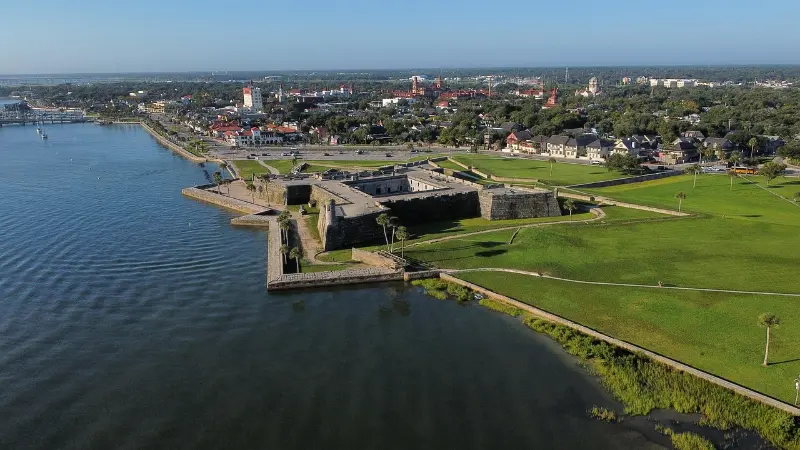
After arriving in the Pensacola area, use the first day to get oriented. Visit a public waterfront or historic district, enjoy a short walk and choose an early dinner. The city has enough cultural interest to justify a full visit, but this route keeps the first day light to make space for the parks ahead. If the weather is poor, historic museums or indoor attractions can replace a beach stroll without undermining the trip.
A scenic drive toward Perdido Key introduces the contrast between urban bayfront neighborhoods and protected coastal vegetation. Use official access points rather than pulling onto dunes or informal sandy shoulders. Watch for speed limits and pedestrian crossings around beach communities. Children may enjoy noticing the different shades of water and sand, while adults can begin learning how barrier islands and bays shape the coastline.
Leave time to buy drinking water, snacks, sun protection and simple picnic ingredients. In smaller day-use park areas, food facilities may be absent or operate on a limited schedule. For a group with mobility needs, call the park or read the detailed amenities page before setting out rather than assuming every beach has a paved route to the water.
Day two: Big Lagoon and Pensacola’s western coast, if open
Big Lagoon State Park offers marsh, woodland and lagoon scenery rather than the resort feeling of a busy beachfront. Birdwatching and short walks are rewarding here, and the landscapes are particularly interesting for people who enjoy seeing where freshwater and marine environments meet. Choose only the paths your group can comfortably manage. A short boardwalk with time to observe birds can be more enjoyable than a longer trail completed under pressure.
Check Big Lagoon’s official park notices before leaving the hotel. Storm-related closures have affected the region in 2026, and a normal published schedule does not necessarily mean a particular day-use facility is accessible. If the park is unavailable, consider an open section of Gulf Islands National Seashore or a well-established local waterfront attraction; confirm entrance information and conditions directly with the site. This substitution keeps the day meaningful without attempting to enter a closed park.
An afternoon at a public beach can round out the day, but swimming is optional. Families can watch shorebirds or build sandcastles well above the surf. Never walk over protected dunes, and check local beach flags before entering the water. Visitors who struggle with uneven ground may have a better experience at a paved bayfront promenade than on a loose-sand beach.
Day three: coastal dune lakes and the 30A landscape
Move east toward South Walton, a distinctive stretch of coast where rare coastal dune lakes appear behind the beaches. These lakes may connect intermittently with the sea, creating habitats that differ from a typical inland pond. Grayton Beach State Park is one place where visitors can appreciate this setting, combining beaches, pine forests and Western Lake. Plan for a short nature trail or observation stop, not necessarily a full hike.
Grayton Beach is popular, and the park can temporarily close to day visitors when it reaches capacity. Arrival early in the day is wise, but always read same-day alerts. The official page explains the park’s trails, beach arrangements and accessible amenities: Grayton Beach State Park. Beach mats and a beach wheelchair may be available according to conditions; contact staff in advance if you need specific assistance.
For lunch, explore a nearby 30A community rather than driving far inland. The value of this day is the combination of a protected landscape and a human-scale coastal town. If one attraction is closed, a slower drive, a public viewpoint and a relaxed meal can still show the distinctive character of South Walton.
Day four: Henderson Beach and the resort coast
Henderson Beach State Park offers dunes and Gulf views close to Destin’s developed visitor areas. It makes a strong contrast with the more secluded sections of yesterday’s route. Importantly, the state introduced mandatory day-use reservations here in 2026. Do not arrive expecting entry simply because you have a state park pass: all day visitors are covered by the reservation requirement. See the official reservation guidance and check for changes before traveling.
A beach visit here can be as short or long as conditions permit. With children, set up a shaded rest spot and avoid the temptation to walk far along the shoreline at midday. If the surf is rough, enjoy the dune landscape and a picnic rather than taking risks in the water. Travelers with mobility limitations should ask staff which access route and facilities best suit their needs. Remember that sand itself can be a major obstacle even when the boardwalk to it is accessible.
Use the afternoon for a restaurant, local shopping or a boat-viewing stop around the harbor rather than immediately heading to another state park. A vacation that alternates protected nature with comfortable breaks is more sustainable for mixed-age groups than a series of exhausting outdoor excursions.
Day five: Panama City Beach, St. Andrews and the departure plan
If you are staying around Panama City Beach, St. Andrews State Park is a possible final nature stop, subject to any current closures and storm recovery work. The park sits between Gulf and bay environments and is known for shore scenery, trails and access to boat excursions. Check the official St. Andrews page before making it central to your day. A ferry to Shell Island, when operating, requires additional time, weather suitability and careful planning around departure. It is not essential for enjoying the area.
Camp Helen State Park near Lake Powell can be another interesting day-use choice when open, especially for people fascinated by coastal dune lakes. However, beach access involves walking and soft-sand sections that may be challenging for some groups. Visitors should read the park’s detailed trail information and check current storm notices rather than assuming that a short map distance means an easy path.
On departure day, a brief park visit only works if you have enough margin for traffic, fuel and the airport. For many families, a relaxed breakfast and one familiar viewpoint are a better ending than a complicated last-minute outing.
Understand what makes these parks special
The Panhandle’s natural diversity is easy to overlook when a vacation advertisement shows nothing but turquoise water. Dune lakes, pine flatwoods, salt marshes and the meeting points of bays and the Gulf support plants and wildlife that depend on protection from development and disturbance. Staying on marked paths, avoiding dunes and observing birds at a distance are basic ways to help keep those ecosystems healthy.
Different parks specialize in different experiences. Grayton is a strong choice for understanding dunes and coastal lakes; Henderson is convenient for protected beach scenery near Destin; Big Lagoon explores marsh and lagoon country; St. Andrews offers varied coastal habitats. Think about what you most want to see before choosing a park, rather than visiting all of them to collect entrance photographs.
The best season, and what to do when storms intervene
Late spring and fall may offer pleasant weather, though conditions are never guaranteed. Summer often brings hot, humid afternoons and thunderstorms, so start early and keep an indoor option for later in the day. Cooler months can be excellent for walks and birdwatching, but the Gulf may not feel inviting for swimming. Holiday periods and summer weekends can bring queues for parking and crowded beach access.
The Gulf Coast also experiences severe weather. Watch weather advisories, park notices and any local evacuation instructions, especially during Atlantic hurricane season. A park closure is not a suggestion to use a back entrance. Respect it and choose a safe alternative. Accommodation cancellation flexibility is valuable when booking far ahead. Travelers should also avoid relying on old social media photographs to infer that a boardwalk, campground or concession is currently operating.
What to pack for day visits without camping
A light daypack with water, sunscreen, hat, insect repellent, snacks, basic first aid and a small towel covers many needs. Shoes that tolerate sand and damp paths are often more useful than dressy sandals, and children may need a spare outfit after a beach outing. Bring binoculars for birds and an offline map for unfamiliar roads. Keep a dry bag for electronics if rain is possible, but never continue an exposed beach walk once lightning becomes a concern.
For people using wheelchairs, ask about beach chairs or mats well ahead of time; equipment availability, staffing and weather can vary. Parents with strollers should recognize that an accessible parking lot does not guarantee stroller-friendly trails. Bring a carrier if appropriate, but only if the adult can use it safely in the heat. Park staff can often suggest the least demanding route without making guarantees that all surfaces will be smooth.
A realistic budget for five days
Budget for two lodging bases, car use, fuel, park admission and meals. State park day-use charges are often modest compared with major attractions, but reservation rules and fees vary by location and time. Don’t repeat an old admission price as if it were permanent. Camping fees and reservation windows generally do not matter for this itinerary because you are using hotels or rentals outside the parks.
Choose one optional boat or paddling experience if it fits your group, not because an advertisement suggests everyone must do it. A family that wants easy nature and comfortable meals can enjoy this region without booking paid water sports at every stop. The Panhandle’s value lies in access to very different landscapes within one coastal vacation, provided the itinerary remains flexible about conditions, closures and the abilities of the people traveling.
Frequently asked questions
Do we need camping equipment for this state park route?
No. The itinerary is designed for day visits with hotels or other accommodation in established towns. You still need water, sun protection, appropriate footwear and a weather backup. Reserve entry where the specific park requires it and check each park for temporary closures.
Can we visit Henderson Beach without reserving in advance?
As of October 2026, motor-vehicle day-use entry requires a reservation, including for annual passholders. Official guidance treats some pedestrian and bicycle arrivals differently. Confirm the current rules on the state park website and book the correct entry type before setting out.
What should we do if Big Lagoon is closed?
Do not try to bypass a park closure. Substitute a confirmed-open public waterfront, museum or national seashore access point near Pensacola, checking access, beach flags and road conditions. Keep the rest of the route unchanged rather than adding a long drive to compensate.