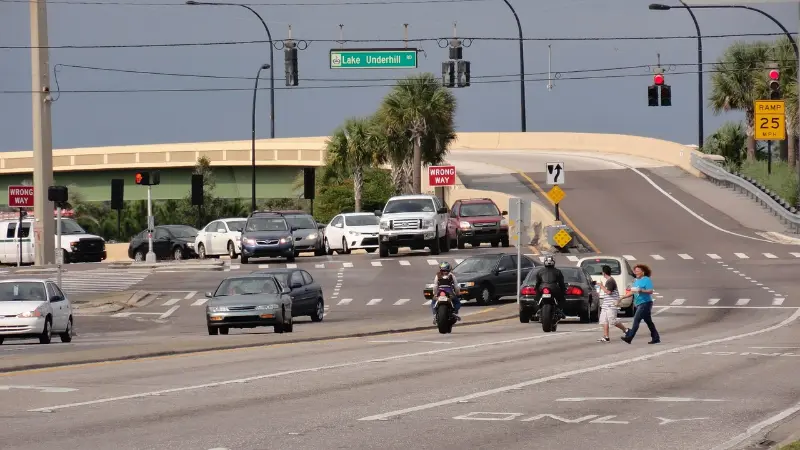
Driving is often the easiest way to connect Florida’s theme parks, beaches, springs, small towns and wildlife areas, but the state is larger than many first-time visitors expect. A route that looks simple on a map can involve several hours of highway driving, toll roads, bridge traffic, parking charges and a sudden afternoon storm. The best driving plan is therefore not about covering the greatest distance. It is about matching the car, route and daily mileage to the kind of vacation you actually want.
For most visitors, a rental car gives the greatest freedom outside compact urban districts and rail corridors. It can be especially useful for families carrying beach gear, travelers combining several regions, and anyone visiting state parks or springs where public transport is limited. At the same time, keeping a car in central Miami Beach, parts of downtown Miami or some resort areas can add parking costs without adding much freedom. This guide explains when a car helps, what to check before collecting one and how to make Florida driving less tiring.
Quick Planning Summary
- Use a car when your itinerary includes several regions, springs, state parks or beaches away from major transit corridors.
- Check the rental company’s toll program before leaving the counter; toll administration fees can matter more than the toll itself.
- Plan by realistic driving time, not mileage alone, and leave buffer time around Orlando, South Florida and major holiday weekends.
- Florida weather can change visibility quickly; slow down in heavy rain and do not build a schedule that depends on perfect traffic.
- Choose hotels with practical parking when the car is essential, and consider car-free stays when it is not.
In this guide
- Do you need a car in Florida?
- Rental car basics
- Road rules and driving style
- Tolls and expressways
- Parking at beaches, cities and attractions
- Fuel, charging and vehicle choice
- Long-distance driving without exhausting the trip
- Rain, thunderstorms and roadside emergencies
- Families, seniors and accessibility
- Budget and booking strategy
- What to check before travel
- Common mistakes to avoid
- Related Wonderful Florida guides
- Official resources
- Final advice
Do you need a car in Florida?
A car is most valuable when the trip moves between regions. Orlando to the Space Coast, Tampa to Gulf beaches, Miami to the Everglades, and a Florida Keys road trip all become easier when you control departure time and luggage. Rural North Florida, the Nature Coast and many springs are also much simpler by road. Travelers staying entirely in one walkable beach town or using Brightline between South Florida and Orlando may need a car only for selected days.
The mistake is assuming that “Florida vacation” automatically means renting a car for every night. Add up hotel parking, resort parking, toll-program charges and the time spent retrieving the vehicle. In some cities, rideshare plus rail can be cheaper for a short stay. For a mixed itinerary, one useful strategy is to spend the urban portion without a car and collect the rental only when the road-trip section begins.
Rental car basics
Compare the total rental, not only the headline daily rate. Airport surcharges, additional-driver rules, fuel options, child seats, one-way drop fees, toll programs and insurance choices can change the final amount significantly. Photograph the exterior and interior at pickup, confirm the fuel policy, and know exactly where the return lane is before your departure day.
Choose the smallest vehicle that comfortably fits people and luggage. Large SUVs can be pleasant on long highway drives but are harder and more expensive to park in historic districts and coastal towns. Families should confirm child-seat requirements before travel and reserve the correct seat if they are not bringing their own. International visitors should also check both Florida requirements and the rental company’s documentation policy rather than assuming every agency handles foreign licenses in the same way.
Road rules and driving style
Florida traffic follows U.S. right-hand driving. Posted speed limits, lane markings and local signs control the road, and visitors should resist copying the speed of surrounding traffic when it conflicts with signage. Right turns on red are generally permitted after a complete stop unless a sign prohibits them, but pedestrian crossings, cyclists and local restrictions still require attention. Seat belts and appropriate child restraints are part of normal trip planning, not optional extras.
The official VISIT FLORIDA visitor-services pages summarize current road rules and should be checked before an international trip. On multilane highways, keep predictable spacing and avoid last-second lane changes around interchanges. Florida’s combination of tourists, commuters, trucks and unfamiliar rental drivers makes calm, early navigation more useful than aggressive driving.
Tolls and expressways
Toll roads are common around Orlando and across parts of South Florida, and many facilities use electronic collection. Before driving away from the rental counter, decide how tolls will be paid. The options may include the rental company’s toll program, an eligible personal transponder, SunPass arrangements or the Visitor Toll Pass program for qualifying Orlando International Airport rental customers.

Do not choose a toll system only by the words “convenient” or “unlimited.” Read the daily or per-use fees and compare them with the actual routes you expect to drive. A traveler using one toll road may have different needs from a family spending two weeks around Orlando. The separate Wonderful Florida toll-road guide goes deeper into these choices.
Parking at beaches, cities and attractions
Parking is one of the easiest Florida costs to underestimate. Theme parks, beach lots, downtown garages and resort hotels can all charge separately. Historic districts may have limited street parking, while beach access points can fill early on sunny weekends. Save the exact garage or lot location in your phone before walking away from the car; large resort and attraction lots are easy to forget after a long day.
At the coast, check whether parking is municipal, county, state-park or private. Apps and payment methods vary by community. Never assume a sandy shoulder is legal parking simply because other vehicles are there. In busy areas, an early arrival can save both money and frustration, especially when the alternative is circling narrow streets with tired children or beach equipment.
Fuel, charging and vehicle choice
Gas stations are plentiful along major corridors, but long rural stretches and barrier islands deserve more planning. Do not wait for the tank to become nearly empty before leaving a populated area. Rental agreements usually require a specific fuel level at return, so identify a convenient station near the airport rather than searching under time pressure.
Electric vehicles can work well in Florida when the route is built around reliable charging, but a spontaneous road trip through rural areas requires more advance planning than a gasoline vehicle. Verify charging compatibility, hotel charging policies and backup locations before committing to a long day. Extreme heat, traffic and air-conditioning use can affect real-world range.
Long-distance driving without exhausting the trip
Florida is long. Driving from the Panhandle to South Florida is not a casual transfer, and even Miami to Key West can consume much of a day when traffic is heavy. Build road trips around regions rather than zigzagging across the state. Two- or three-night bases usually create a better vacation than changing hotels every morning.

On a long driving day, schedule one worthwhile stop rather than five minor ones. A spring, historic district, beach walk or lunch town can turn a transfer into part of the trip without making arrival dangerously late. Avoid pairing a very long drive with a dawn flight, an exhausting theme-park day or a late-night event.
Rain, thunderstorms and roadside emergencies
Heavy rain can reduce visibility very quickly, especially during the warm season. Slow down, increase following distance and avoid driving through water when you cannot judge depth. Lightning and tropical weather can also change plans. If conditions are poor, stopping somewhere safe is more sensible than protecting an itinerary that was too tight.
Keep water, a charged phone and the rental company’s roadside-assistance information available. On long rural routes, download maps for offline use. If a hurricane or tropical storm threatens, follow official local emergency information rather than relying on social media rumors or a navigation app that does not understand closures and evacuation instructions.
Families, seniors and accessibility
Driving with children works best when transfers are treated as part of the day rather than dead time. Plan restroom, food and movement breaks before the child becomes overtired. Keep one small bag accessible with water, wipes, medication, chargers and a change of clothes instead of burying everything in the trunk. Teenagers can help with navigation and parking details, but the driver should remain the only person making final decisions about safe stops and lane changes.
Senior travelers may prefer shorter driving blocks, daylight arrivals and hotels with simple parking. For travelers with mobility needs, verify accessible parking at attractions and beaches before arrival and ask rental agencies about hand controls or other adaptive equipment well in advance. A technically accessible destination can still be difficult if the parking route is long or uneven.
Budget and booking strategy
A rental car can be excellent value when several people are traveling together, but compare the full cost: rental rate, taxes, fuel, tolls, hotel parking, attraction parking and one-way fees. If the car sits in a hotel garage for three days while you walk or use rail, those fixed costs may erase the convenience.
For road trips, pay for flexibility where it matters. A slightly more expensive hotel with free parking near the next morning’s route can be better value than a cheaper room that adds a garage fee and forty minutes of urban traffic. Keep toll and parking receipts until the rental account has fully settled.
What to check before travel
Before travel, recheck the driver-license documentation required by your rental company, the toll program attached to the vehicle, hotel parking charges, major construction or road closures and any hurricane-related advisories. The official Florida Turnpike and SunPass sites provide current toll information, while local transportation departments are better sources for temporary closures.
Also check the return procedure for the exact airport location. Large airports may have several rental-car return entrances, and “follow the airport signs” is less relaxing when a flight is approaching. Save the address, fuel plan and terminal information the night before departure.
Common mistakes to avoid
- Planning daily mileage that leaves no time for traffic, meals or weather.
- Accepting a rental toll program without reading its administrative fees.
- Booking hotels without checking overnight parking charges.
- Changing lanes late because navigation instructions were followed too literally.
- Trying to combine distant regions in one day simply because the mileage looks manageable.
Related Wonderful Florida guides
Getting Around Florida, Florida Airports Guide, Best Scenic Drives in Florida, Florida Road Trip Itinerary, Florida Travel Guide for First-Time Visitors.
Official resources
Rules, prices, access arrangements, reservation systems and operating procedures can change. When a detail is important to the trip, confirm it with the responsible agency, park, attraction, hotel or local authority shortly before travel.
Final advice
A Florida road trip is easier when the car serves the itinerary instead of controlling it. Rent only for the days that benefit from driving, understand tolls and parking before pickup, and reduce the number of long transfer days. The state rewards travelers who leave enough time to stop for a beach, spring or small town without turning every drive into a race.