
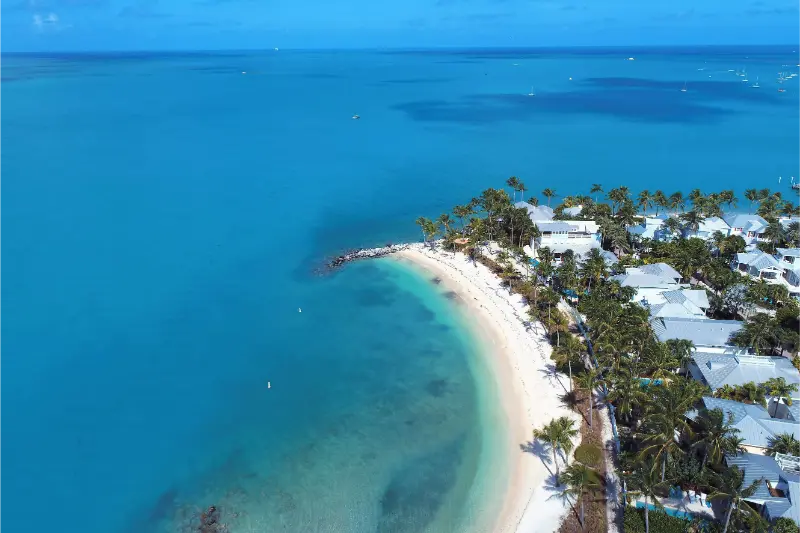
Florida gives snorkelers and divers a rare choice between tropical marine environments and crystal-clear freshwater springs. A single trip can include Keys reefs, Atlantic wrecks, spring basins or protected lagoons, but each environment has different skills and conditions. The best first experience is the one that matches the traveler’s confidence in the water. I would choose the location and operator first, then confirm weather, certification requirements and equipment rather than buying gear before understanding the trip.
Quick planning summary
- Florida offers coral reefs, freshwater springs, artificial reefs, wrecks and shore snorkeling.
- The Keys are a major reef destination, but good snorkeling also exists in springs and other coastal areas.
- Certification, operator requirements and conditions matter for scuba; never treat a vacation dive as an improvised activity.
- Visibility changes with weather, tide, runoff and sea conditions, so keep expectations flexible.
- Use reef-safe behavior: never stand on coral, chase marine life or remove natural objects.
The Florida Keys are the classic reef choice
Key Largo and the Upper Keys are practical bases for reef trips because many operators run short boat excursions to protected or managed reef areas. Farther south, Islamorada, Marathon and Key West offer different combinations of snorkeling, diving and boating. Reef conditions vary daily, and a famous site may not be the best site on your exact morning. A good captain chooses around wind, visibility and guest ability rather than treating one named reef as mandatory.
Freshwater springs are a completely different experience
Springs can offer clear water, fish, limestone features and a calm setting that feels nothing like the ocean. They are excellent for confident snorkelers who want visibility without waves, though water remains cool and park rules vary. Some springs permit snorkeling in specific areas while others restrict diving or access. Check the official park page, capacity system and equipment rules before driving a long distance. Never enter caves or overhead environments without the training required for that activity.
Atlantic diving includes wrecks and artificial reefs
Florida’s Atlantic coast has a long diving culture with wrecks, reefs and deeper offshore sites. These trips are generally more condition-dependent than sheltered snorkeling. Current, depth and boat entries can challenge occasional divers, so be honest about recent experience. A certification card alone does not make every dive appropriate. Reputable operators can recommend shallower or more protected sites when someone is returning to scuba after years away.
Snorkeling from shore can be the simplest option
Some beaches, lagoons and protected areas allow useful snorkeling without a boat, but clarity and marine life are less predictable. Shore snorkeling works best when access is legal, surf is calm and the entry does not cross heavy boat traffic. Wear a visible snorkel vest when appropriate, stay close to shore and use a dive flag where rules require it. Families should pick lifeguarded or protected areas rather than assuming a quiet-looking shoreline is automatically safe.
Beginner scuba should be structured
A first scuba experience should happen through a recognized training or supervised introductory program that clearly explains medical screening, equipment and depth limits. Travelers already certified should choose a dive matching their recent experience. Do not schedule flying, heavy exertion or other activities around diving without understanding current dive-safety guidance. If someone is uncertain or anxious, snorkeling may produce a better vacation memory than pushing into scuba because the destination is famous for reefs.
Visibility and sea conditions can change overnight
Rain, wind, swell, current and algae can change visibility. A tour operator may move to a different site or cancel, and that is a sign of professional judgment rather than a failed trip. Keep one alternate day if snorkeling or diving is a major vacation goal. In the Keys, a windy day can make reef boats uncomfortable for people prone to seasickness even when the trip still operates. Ask about cancellation rules and motion-sickness strategy before boarding.
Marine-life etiquette is part of the experience
Do not touch coral, stand on reefs, chase turtles or feed fish. Keep fins away from the bottom and avoid stirring sediment in springs or fragile seagrass. Give animals an exit route and use a zoom camera rather than closing distance. Take only photographs; shells, coral and artifacts may be protected or illegal to remove depending on location. Responsible behavior makes the site better for the next visitor and usually improves wildlife encounters because animals are less disturbed.
What gear matters most
A well-fitting mask is more important than an expensive action camera. Rental fins and snorkels are fine for many travelers, but a leaking mask can ruin the day. Sun protection should be secure and water-appropriate. For cooler spring water, ask whether a wetsuit is useful. Divers should follow the operator’s equipment policy and avoid unfamiliar technical gear on vacation. If using prescription lenses, arrange them before the trip rather than hoping a boat has the exact correction needed.
How to combine water time with the rest of the trip
Schedule snorkeling or diving early in a multi-day stay so weather allows a second chance. Do not place a long driving transfer immediately after an exhausting boat day. In the Keys, combine a morning reef trip with a relaxed afternoon rather than adding another distant island. At springs, pair the water session with a short trail or nearby town. Water activities are more enjoyable when the itinerary leaves time to shower, dry gear, eat and recover.
Planning for families, seniors and accessibility
Children should snorkel only where their swimming ability matches conditions, with direct adult supervision and properly fitted flotation when appropriate. Older travelers may prefer calm spring or protected-water snorkeling to a rough offshore boat. For accessibility, ask operators about dock ramps, boat steps, ladders, seating, restroom access and in-water assistance; scuba and snorkel vessels vary greatly in physical demands.
Build the day around the traveler with the lowest tolerance for heat, long walks, rough water or late nights. That does not mean the entire group must do the same thing. Split time can make a multigenerational Florida vacation much easier: one person can take a longer activity while another returns to the hotel, pool or a shaded attraction. The best itinerary is the one everyone can recover from, not the one that looks fullest on paper.
Budget, booking and timing
Boat snorkeling is usually less expensive than scuba and may satisfy a mixed group. Compare rental gear, park fees, boat time, taxes and cancellation rules. A cheap trip is poor value if it uses an inconvenient departure point that adds hours of driving. If reef conditions are central to the vacation, staying near the marina and keeping a backup day is often worth more than saving on a distant hotel.
Florida prices can change sharply by school calendar, major event, holiday weekend and weather-sensitive season. Compare the total cost instead of the headline price, and keep the cancellation policy with the booking confirmation. When one experience is the main reason for the trip, reserve that item first and build flexible activities around it. A free afternoon is not wasted time; it is protection against traffic, weather, fatigue and the inevitable delay that appears on a real vacation.
Common mistakes to avoid
- Choosing a famous site without considering conditions.
- Touching or standing on coral.
- Scheduling a boat trip with no backup day when it is a trip priority.
- Overestimating swimming or recent scuba experience.
- Ignoring seasickness on an offshore excursion.
- Entering caves or overhead environments without specialist training.
Useful Wonderful Florida guides to combine with this article
Key Largo and Islamorada guide, Florida Keys and Key West guide, Best natural springs in Florida, Florida wildlife guide, Best beaches in Florida.
Official resources to check before travel
Opening hours, reservation systems, prices, road conditions, access rules, wildlife protections and weather-related operations can change. If a specific feature is essential to the trip, confirm it with the operator or public agency shortly before travel rather than relying on an old screenshot or saved social post.
How to build a realistic day
Start with one anchor activity and place the most weather-sensitive part of the day where conditions are usually best. Leave at least one meal unscheduled when driving between regions, because traffic around beaches, bridges, theme parks and major cities can change quickly. Keep water, sun protection and a light layer in the car, and save the next address offline before leaving reliable mobile coverage. For families, a midday reset can preserve the evening; for older travelers, shorter activity blocks often produce a better trip than one long excursion. If something closes or weather changes, switch to the backup rather than spending an hour trying to rescue the original plan.
When comparing two options, choose the one with simpler logistics unless the harder option is genuinely the reason for the trip. Florida vacations often become expensive because visitors pay to solve preventable transportation and timing problems. A well-located hotel, an early reservation or one fewer destination can be more valuable than adding another ticketed attraction. Keep confirmation numbers together, photograph important parking or meeting-point instructions and verify the next morning’s first activity before going to bed. These small habits reduce friction without turning the vacation into a rigid schedule.
Final planning advice
The strongest Florida trips leave room for conditions and energy levels to change. Choose a clear priority for each day, keep one realistic alternative and avoid making every meal, transfer and attraction dependent on perfect timing. That approach works for first-time visitors, families, solo travelers and older travelers alike, and it makes it much easier to enjoy the part of Florida you actually came to see.