
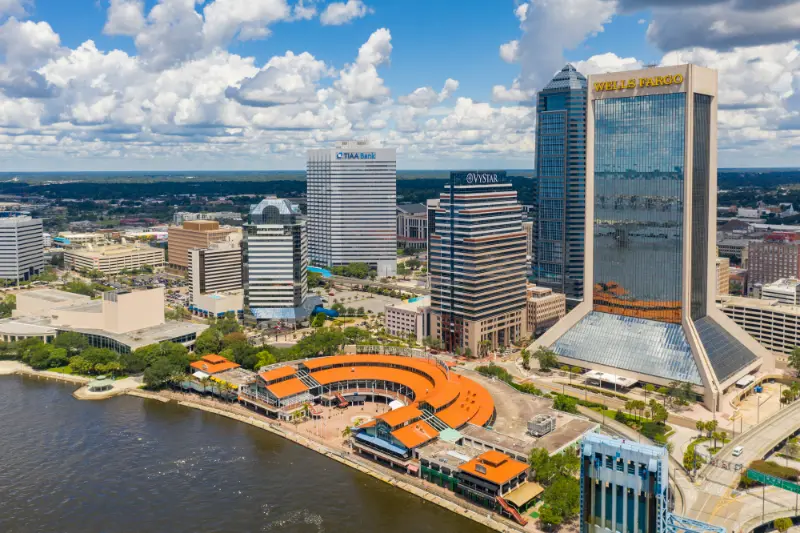
Jacksonville covers a large area, and that is why choosing a hotel here deserves more thought than simply typing the city name into a booking site. Downtown offers riverfront attractions, venues and business hotels. Riverside, Avondale and San Marco have recognizable neighborhood identities built around food and historic streets. To the east, Jacksonville Beach, Neptune Beach and Atlantic Beach form coastal communities where sunrise walks and casual dinners can fill several days. The beaches are not beside the Downtown riverfront, and an airport-area hotel is not automatically a convenient base for ocean outings. This guide compares the areas that work for different vacation styles, with special attention to distances, public access, family travel and the value of having a car. The aim is to choose one comfortable base instead of spending half the holiday crossing a very large city.
At a glance: compare the areas
| Where to stay | Best for | Check before booking |
|---|---|---|
| Downtown Jacksonville | Events and city attractions | Not near ocean |
| Riverside / Avondale | Historic streets and food | Driving to beach |
| San Marco | Dining and neighborhood feel | City-focused base |
| Jacksonville Beaches | Sand and coastal evenings | Drive to downtown venues |
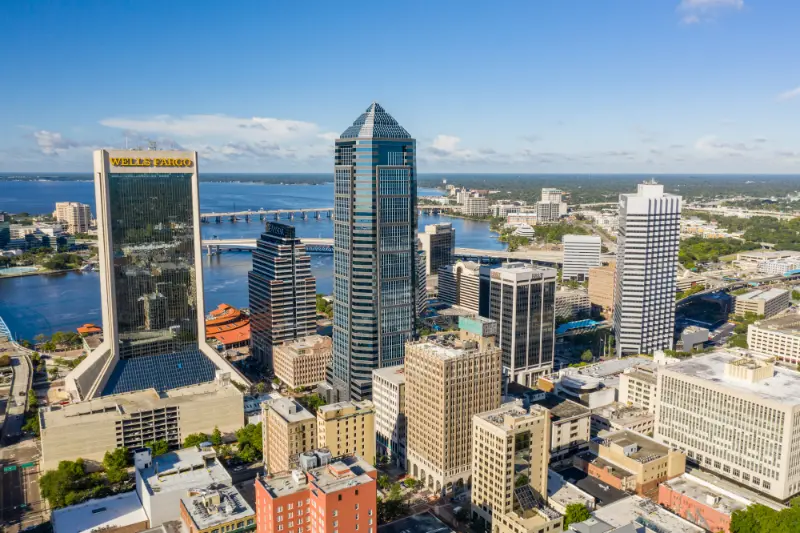
Downtown Jacksonville: concerts, riverfront and urban attractions
Downtown Jacksonville makes sense for visitors attending an event, exploring museums or wanting a central base for business and city activities. The St. Johns River is a defining feature, and the Downtown area includes venues and public spaces on both banks. A hotel near the river can offer attractive views, but it will not place you within an easy stroll of Atlantic beaches. Ask whether your specific property is convenient for the museum, event hall or restaurant you actually plan to visit; the district is large enough for routes to vary. Event schedules can change traffic and hotel pricing, and some streets may be quieter outside business hours. If traveling with children, check food options and whether the route to your preferred attraction is manageable on foot. For a beach-focused family week, Downtown is usually a less obvious choice than the coastal communities, despite its central-sounding name.
Riverside and Avondale: historic streets and a food-oriented stay
Riverside and Avondale offer a different Jacksonville from the Downtown office towers: older houses, tree-lined streets, restaurants, cafés and neighborhood landmarks. Five Points is a recognizable area for an afternoon of dining and browsing, while the Cummer Museum of Art & Gardens draws visitors interested in culture and riverside scenery. Accommodation choices can be smaller or more scattered than in the major hotel districts, so confirm the exact street and amenities. A rental in a historic house can be atmospheric but may have stairs, narrow entrances or limited parking. A couple wanting restaurants and neighborhood walks might enjoy this area, whereas a family spending every day on the oceanfront may prefer to sleep farther east. The district is better understood as a place to explore on its own terms, not a convenient pedestrian route from Downtown to the beach. Plan transport for excursions beyond the immediate neighborhood.
San Marco: a compact dining district south of the river
San Marco is appealing to guests looking for a local neighborhood atmosphere with restaurants and shops around San Marco Square. It can work for a shorter city visit or an extended stay that includes cultural and dining experiences. However, the name covers more than one block, and a property advertised as San Marco may not sit within comfortable walking distance of the square. Check the exact route before assuming that evening meals will not require a car. For a couple who enjoys quiet mornings and local dining, a well-positioned room may be more satisfying than a large hotel beside a major road. Families should verify sleeping arrangements and whether groceries and rest breaks will be easy. If your itinerary consists mainly of coastal activities, the eastward journey becomes an important cost of choosing San Marco. Think of it as a neighborhood destination, not simply a cheap alternative to the beaches.
Jacksonville Beach: surfing, restaurants and a lively coastal center
Jacksonville Beach is a strong choice when you want the Atlantic Ocean to shape your days. The pier area and surrounding streets offer dining and visitor services, and a hotel near the shore can support early walks, beach afternoons and casual evening meals. The atmosphere can become busy during events or weekends, so check noise and parking reviews for your travel dates. “Jacksonville Beach” listings range from genuine oceanfront properties to inland addresses, and a short driving distance does not guarantee easy public parking. Verify the nearest beach entrance, crosswalk and the hotel’s parking arrangements. Travelers who want to swim should follow current lifeguard and ocean-safety guidance; Atlantic surf conditions can change. For families, a suite with breakfast and a simple route to the sand may be more useful than elaborate city attractions. If museums and Downtown restaurants are your main interests, a beachfront stay will add repeated inland journeys.
Neptune Beach and Atlantic Beach: smaller-town coastal routines
Neptune Beach and Atlantic Beach sit north of Jacksonville Beach and offer a somewhat different feel, particularly around Beaches Town Center, the walkable commercial area near the ocean at the boundary between the two communities. Visitors can enjoy independent restaurants, shops and beach time without needing a packed schedule. A property close to this center may appeal to couples or guests who want an uncomplicated coastal weekend. But both beach cities extend beyond that compact dining area, and not every rental is within a practical walk of it. Check whether your accommodation includes parking and how you will access the shoreline. Nearby Kathryn Abbey Hanna Park offers nature-oriented recreation, though admission rules and facilities should be verified for your dates. For travelers with mobility limitations, request details of actual beach-access paths and accommodations. Quiet, walkable beach time is possible here, but it depends on the specific address and season.
Mayport, Hanna Park and the northeastern coastal fringe
The area around Mayport and Hanna Park may interest visitors who enjoy fishing heritage, parks, boating and natural coastal scenery more than conventional hotel districts. It is not generally the first place to search for a car-free city break, because attractions and services are more spread out. If you are traveling with a vehicle and want time in nature, this part of Jacksonville can make a pleasant addition to a beach vacation. Check park access, opening times and any permit or admission requirements before making plans. If you are booking a rental near the water, distinguish riverfront, Intracoastal and oceanfront positions: they are different settings and do not offer the same swimming opportunities. Families can enjoy trails or a simple picnic where facilities are suitable, while older visitors may prefer scenic drives and short, accessible stops. Do not assume every waterfront property has safe boating or beach access.
Southside and the Town Center area: practical for shopping and wider driving
Jacksonville’s Southside, including the broader area around St. Johns Town Center, can be useful for visitors who want shopping, modern hotels and access to regional roads. It might also suit a longer visit involving friends, appointments or a mixture of destinations across the city. However, a shopping district is not the same as a beach town, and many journeys are more comfortable by car. A hotel here may offer a larger room or attractive rate compared with beachfront properties, but you should add the cost of fuel, parking and repeated drives before deciding it is better value. Check whether restaurants can be reached safely on foot; large roads and parking areas can make short map distances misleading. For a couple planning a beach-focused weekend, Southside may create unnecessary logistics. For a road trip with varied inland stops, the convenience can outweigh the lack of coastal atmosphere. Choose it for transport needs, not a generic claim of being central.
Arriving at Jacksonville International Airport and planning transport
Jacksonville International Airport lies north of much of the city, and the transfer to a beach hotel is not the same as the transfer to Downtown. Before booking an arrival-night hotel, check its actual distance from your next day’s destination. An airport hotel can be a relief after a late flight, but moving hotels the following morning may waste time if you are not exhausted. For longer stays, a rental car often simplifies journeys between coastal and inland areas, but overnight parking must be included in the budget. Car-free travelers can still enjoy a carefully chosen Downtown or beach-based trip, provided they build activities around the immediate area and check current public-transport services. Standard rideshare vehicles may not meet every accessibility or child-seat requirement, so arrange suitable transfers when needed. Save the address and check-in details offline. A smooth arrival gives you a much better start than an unexpectedly long drive across the city after midnight.
Families, couples and senior travelers: choosing for real routines
Families who expect to spend most days on the beach may appreciate a property near Jacksonville Beach or the Beaches Town Center, where food and sand can be reached with fewer transfers. A couple interested in art, food and historic neighborhoods might prefer Riverside or San Marco. Senior travelers may value a Downtown hotel for a particular event or a quiet coastal property with elevators and comfortable seating. There is no age at which visitors must follow a separate kind of itinerary; what matters is walking distance, energy level and the practical facilities of the room. Check whether children have their own suitable beds, whether a pool is safely supervised and whether a beach access point meets mobility needs. An accommodation with a kitchen or laundry can improve a week-long stay, but only if those features are real and available to guests. The right location should support the least flexible person in the group without reducing everybody else’s enjoyment.
A three-day Jacksonville itinerary based on the city
From a Downtown, Riverside or San Marco base, spend the first day exploring the immediate neighborhood rather than rushing to the Atlantic. Day two could combine the Cummer Museum or another cultural attraction with a meal in Riverside or San Marco; choose only what genuinely interests your companions. Set aside day three for a dedicated beach trip, perhaps starting early at Jacksonville Beach and exploring Beaches Town Center later. The two coastal stops are related but not necessarily a single easy walking route, so map the journey. If weather is poor, replace beach time with an indoor museum or relaxed restaurant visit. This plan gives the city enough attention to feel different from a generic beach destination. It also prevents repeated trips east and west, which can become tiring in a region where distances are greater than the hotel description suggests.
A three-day Jacksonville beach itinerary with little driving
If you sleep near Jacksonville Beach, Neptune Beach or Atlantic Beach, let the ocean be the main event. On arrival, locate the closest public access, learn where to eat and keep the evening simple. Spend the next morning enjoying the beach under safe conditions, then rest during the hotter part of the afternoon. Day two or three can include Beaches Town Center, a local park or a short nature outing near Hanna Park, depending on the group’s interests. Save Downtown museums for one deliberate day if you want a city experience; do not commute inland after every beach morning. Families can adapt the schedule around naps and meals. Travelers who enjoy walking can linger over a long breakfast and a coastal stroll without checking their watches. The point of staying at the beach is that a full day can feel complete without driving to another neighborhood.
Hotel costs, accessibility and your final location check
Before booking, compare the full price with taxes, parking, breakfast, destination fees and rental cleaning charges. A beachfront room may cost more but eliminate daily beach parking; a modern inland hotel may provide better value for a driving-focused trip. Read recent reviews for room noise, air-conditioning and construction. Ask for precise accessibility details when needed, including step-free entrances, elevator routes and bathrooms. Verify the nearest beach crossing, not just the nearest stretch of coastline, and check current swimming advisories. If your visit overlaps hurricane season, understand cancellation rules and follow official forecasts. Finally, locate your three most important activities on one map. If they cluster near the St. Johns River, a city base is logical. If they cluster around sand and surf, head east to the Beaches. Jacksonville becomes a far more relaxed destination when your hotel is selected for that geography.
Frequently asked questions
Can I walk from Downtown Jacksonville to the beaches?
No. Jacksonville’s Atlantic beach communities are well east of the riverfront urban core. Choose a coastal hotel if beach time dominates your vacation.
Which Jacksonville beach community is good for strolling to dinner?
A property close to Beaches Town Center, near the boundary of Neptune and Atlantic Beaches, can offer a convenient dining-and-ocean routine.
Do I need a rental car for a Jacksonville trip?
Often it helps because the region covers a large area, but a carefully chosen Downtown or beach-based short trip can work with fewer journeys and planned transfers.