

Key Largo and Islamorada are close enough to combine and different enough to justify several days. Key Largo is the first major Keys destination from the mainland and is strongly associated with reef access, diving and John Pennekamp Coral Reef State Park. Islamorada feels more spread out and is deeply tied to fishing, marinas, galleries and sunset-oriented waterfront stops. Together they create an excellent Keys vacation without the long drive all the way to Key West.
I especially like the Upper Keys for travelers who want the water to be the main attraction. The schedule naturally becomes simpler: one boat day, one paddling or wildlife day, one relaxed resort or food day. That simplicity can work beautifully for families and seniors, but only if the hotel is chosen around the activities you actually plan to do. A “waterfront” room miles from the right marina can still create daily driving.
Quick planning summary
- Best for: snorkeling, diving, fishing, paddling, sunsets, couples, families and a shorter Keys trip from South Florida.
- Ideal stay: 4–6 nights split between one base or two nearby bases; 2–3 nights can work for a focused Upper Keys stop.
- Getting around: A car is useful because experiences are spread along the Overseas Highway. Plan by mile-marker zone and avoid unnecessary backtracking.
- Best planning principle: Choose your water priorities before choosing the hotel. Divers, anglers, paddlers and sunset-focused travelers often need very different marina access and daily departure points.
How to think about Key Largo and Islamorada before you book
The Upper Keys are long, narrow islands where the Overseas Highway organizes almost everything. Key Largo places you closest to mainland South Florida and Everglades access; Islamorada sits farther south with a chain of small communities and strong sport-fishing identity. Beaches are not the same as broad mainland Florida beaches, so travelers should come for reefs, bays, boats, mangroves and island atmosphere rather than expecting endless sand.

My practical rule is to choose the experiences that define the destination first, then place the hotel around them. A slightly cheaper room can become poor value if it forces long drives, repeated parking fees or early departures every day. The same applies in reverse: paying more for a central property can make sense when it lets you walk to dinner, return easily for a child’s nap or avoid moving the car during the busiest hours.
Best things to do on a first trip
Use John Pennekamp as an introduction to Key Largo
John Pennekamp Coral Reef State Park gives first-time visitors a clear entry point into the Keys’ marine environment. Depending on conditions and current operations, snorkeling, glass-bottom-boat trips, paddling and shore-based experiences can all be possible. Reserve popular boat experiences in advance when needed, but remain flexible around wind and sea conditions. A canceled reef trip is disappointing, yet it is also a reminder that the ocean sets the schedule here.
Choose diving or snorkeling according to experience, not pressure
The Upper Keys are internationally known for underwater experiences, but not every traveler needs to scuba dive to have a meaningful day. Snorkel trips can be excellent for confident swimmers, while glass-bottom or eco tours may suit non-swimmers and multigenerational groups better. Ask operators about ladder design, shade, ride time and sea conditions. For children, the best trip is the one they can safely enjoy, not the most ambitious reef name.
Let Islamorada be about fishing even if you do not fish
Marinas, bridges and fishing culture shape Islamorada’s identity. Anglers can choose offshore, reef or backcountry styles, while non-anglers can still enjoy waterfront restaurants, history and views tied to that culture. A half-day charter can be more comfortable for families than a full day, especially in warm weather. Confirm licensing arrangements, cancellation policies and what is included before booking.
Protect time for Florida Bay sunsets and paddling
The bay side of the Keys provides some of the most relaxing hours of the trip. Kayaking or paddleboarding through mangrove areas can reveal wildlife and quiet water, while a sunset stop requires almost no planning beyond arriving early. Mosquitoes, heat and wind still matter. I would rather schedule one unrushed sunset dinner than drive between several “best sunset” locations in the same evening.
Use Key Largo for an Everglades connection
Because Key Largo is close to the mainland, it pairs well with an Everglades or Homestead-area stop. The important point is to choose a specific Everglades entrance and activity rather than treating the national park as one roadside attraction. A nature day can also serve as a backup if marine conditions cancel a boat trip, although park weather and water levels create their own seasonal variables.
Where to stay
There is no single best neighborhood for every traveler. I would choose based on what you want to do before 10 a.m. and after 6 p.m., because those are the hours when a convenient base improves the trip most. During the middle of the day you are usually willing to drive for a major attraction; early and late, convenience matters more.
Key Largo
Best for shorter trips from Miami, reef excursions and combining the Keys with the Everglades. Accommodation ranges from small waterfront properties to larger resorts.
Islamorada
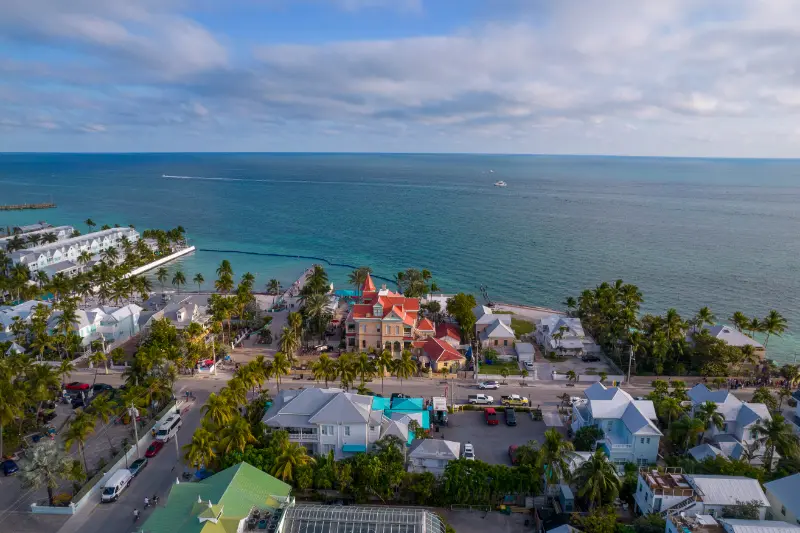
Ideal for fishing, resort stays, dining and a slightly deeper island feel. It can also be a practical midpoint if you plan to continue toward Marathon or Key West.
One base for both
Because the two areas are relatively close compared with the full Keys chain, many travelers can stay in one property and avoid changing rooms. Choose the base closest to your earliest-morning activities.
Getting there and getting around
Most visitors drive from Miami, Fort Lauderdale or elsewhere in South Florida. Weekend and holiday traffic can add significant time, and the Overseas Highway is not a road where aggressive scheduling pays off. If you land late, consider whether sleeping on the mainland is safer and easier than beginning a tired night drive. Once in the Keys, keep fuel, hydration and weather in mind because boat schedules often start early.
For road trips, calculate door-to-door time rather than mileage alone. Florida bridges, beach roads, event traffic and afternoon storms can make a short distance feel much longer. I also avoid scheduling a nonrefundable tour immediately after a flight or a long interstate drive. A flexible first evening gives the trip room to absorb delays without sacrificing something expensive.
Families, teenagers, seniors and accessibility
Toddlers and very young children may get more from pools, short boat rides and shallow-water nature than from a long reef excursion. School-age children can enjoy snorkeling if they are confident swimmers and the operator’s age rules allow it. Teenagers often love fishing, diving and paddling. Senior travelers should ask about boat boarding, ladders, shade and restroom access before paying. Mobility needs are much easier to accommodate when the right vessel and hotel are selected in advance.
For mixed-age groups, it helps to define one shared experience each day and allow the rest of the schedule to split. One person can return to the hotel while others stay for sunset; grandparents can choose a museum while teenagers take a water activity. That is usually more enjoyable than forcing everyone through the same long day. Always verify current accessibility details directly when a specific lift, beach mat, accessible vessel, transfer method or mobility-device policy is essential.
Best time to visit
Winter and spring bring high demand and generally pleasant temperatures. Summer is hot, humid and storm-prone but can still be excellent for water-focused trips when conditions cooperate. Hurricane season runs June through November, making flexible bookings important. Wind is one of the most important daily factors for reef trips, and a sunny sky does not guarantee calm water. Build at least one flexible day into a trip where snorkeling or fishing is essential.
Florida weather is local. A statewide forecast rarely tells you enough about ocean surf, lightning, wind or a passing storm cell at the exact beach you plan to use. I keep one indoor or lower-exposure option available and check conditions again on the morning of any boat, beach or wildlife day. That small habit prevents a weather change from turning into a lost vacation day.
A practical first-time itinerary
- Day 1: Key Largo orientation, John Pennekamp or another marine experience, then a bay-side sunset.
- Day 2: Reef snorkel or dive trip, followed by a slow afternoon at the resort.
- Day 3: Islamorada fishing culture, galleries or history, then waterfront dinner. Add Day 4 for an Everglades side trip or weather backup.
Do not treat the itinerary as a contract. If the beach is perfect, stay longer. If a storm arrives, move the indoor day forward. If children are exhausted, a hotel-pool afternoon may create better memories than another admission ticket. The most successful Florida itineraries have a strong structure and weak rigidity.
Budget and booking strategy
Accommodation, parking and paid water or attraction experiences usually create the biggest differences in the budget. Compare the total nightly hotel cost, not only the room rate: resort fees, parking and breakfast can change the result. Then decide which one or two paid experiences are genuinely central to the trip. Beaches, neighborhood walks, sunsets and many parks can fill the remaining time without making the vacation feel second-rate.
For popular seasons, reserve the hotel first with a flexible rate if possible, then add limited-capacity tours. I avoid paying early for every small activity because weather and energy change. Travel insurance becomes more valuable when the trip falls in hurricane season, depends on an expensive cruise or includes nonrefundable lodging. Read the policy rather than assuming every weather event is covered.
Common mistakes to avoid
- Expecting wide mainland-style beaches to be the center of the vacation.
- Choosing a hotel without checking the marina location for early boat departures.
- Scheduling every day around water activities with no weather backup.
- Trying to drive to Key West and back while also enjoying a full Upper Keys day.
- Ignoring boat boarding and ladder details for children or travelers with limited mobility.
Useful Wonderful Florida guides to read next
Continue planning with Florida Keys and Key West travel guide, Everglades National Park guide, best time to visit Florida, Florida with kids and Florida travel guide for first-time visitors.
Official resources to check before you travel
Opening hours, parking rules, beach access, launch schedules, park conditions, ferry or trolley service and reservation requirements can change. Check the official source again shortly before travel whenever a specific service is essential to your day.
Final thoughts
Key Largo and Islamorada is most rewarding when the schedule reflects the destination instead of fighting it. Choose the right base, group activities geographically, protect the hottest or stormiest part of the day and leave enough open time for the experience that turns out to be better than expected. That approach works for a couple, a family with young children, teenagers traveling with parents or a multigenerational group, and it is the style of planning that makes a Florida trip feel like a vacation rather than a logistics exercise.