Category: Key Largo Islamorada Destination Guide

  • One Week in the Upper Florida Keys: Key Largo, Islamorada and Time on the Water

    One Week in the Upper Florida Keys: Key Largo, Islamorada and Time on the Water

    The Upper Keys offer a different kind of beach vacation from mainland Florida. Their appeal comes largely from reefs, mangroves, marinas, tidal water and wide horizons, rather than mile after mile of sandy shoreline. In a full week you can explore Key Largo and Islamorada without racing down the Overseas Highway to Key West and back. This itinerary gives equal importance to people who love snorkeling and those who would rather stay dry on a glass-bottom boat, walk a nature trail or watch the sunset. The most useful first decision is not which famous restaurant to visit: it is whether your group will be comfortable with a water-centered destination whose public beaches and boat operations have real limitations.

    Key Largo or Islamorada: choosing the right base

    Key Largo is practical for shorter trips from the mainland and for easy access to John Pennekamp Coral Reef State Park. Lodging includes hotels, waterfront resorts and rentals, but the word ‘waterfront’ often means a dock, lagoon or bay rather than a swimming beach. Islamorada is well suited to travelers who like sunset views, restaurants and fishing or marine excursions; its accommodations can be spread along several islands. Staying in one place for seven nights reduces luggage and check-in time. If you split the week, three nights in Key Largo and four in Islamorada is a logical direction for travelers arriving from Miami, but a single well-chosen base is simpler for children or older adults. Examine the precise shoreline, dock access, parking, pool and breakfast facilities before booking. A balcony above a canal may be beautiful without offering a safe place to swim.
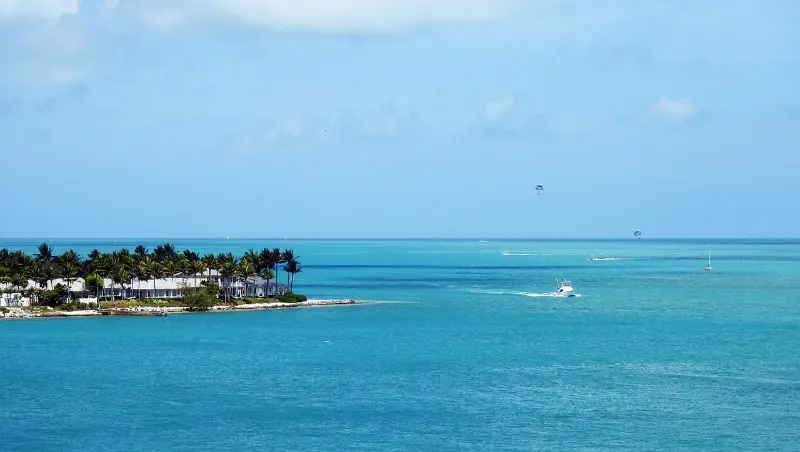
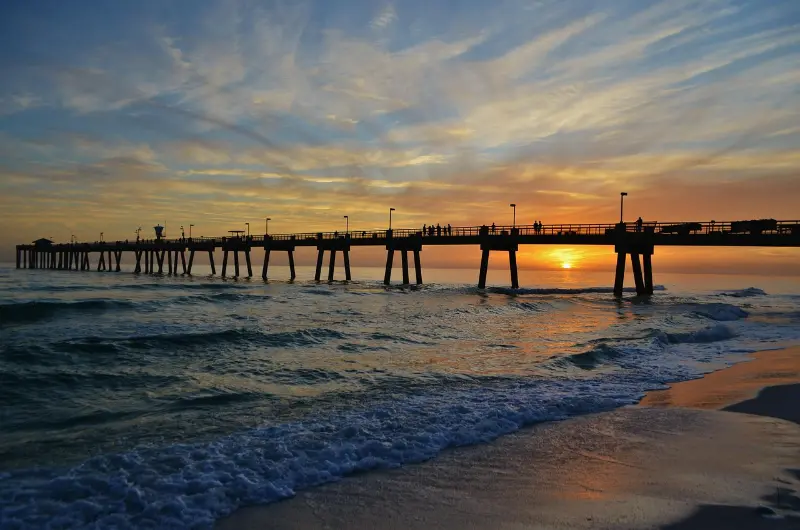
    Key West Ocean View from Beach

    Day 1: Arrive, slow down and find the water

    Drive south from mainland Florida with sufficient daylight to appreciate the change in landscape and find your accommodation without stress. The Overseas Highway is the primary road through the island chain, so a crash or storm may slow everyone. After checking in, explore only the immediate neighborhood. Walk along a marina or waterfront promenade where public access is allowed, then settle into a casual dinner. Do not attempt a long boat excursion on arrival day; weather and transport delays can consume any carefully planned slot. Families should use this afternoon to organize swim gear, life jackets and sun protection, while travelers who prefer slower vacations can simply enjoy a view over Florida Bay. Make a note of grocery stores, pharmacies and the nearest reliable meal options. The Keys feel relaxed when you stop treating them like a city with endless last-minute transport choices. An early night is worthwhile before tomorrow’s reef-focused outing.

    Day 2: John Pennekamp Coral Reef State Park

    John Pennekamp Coral Reef State Park is one of the Upper Keys’ signature experiences, but it is much more than a sign at the entrance. Choose between a reef snorkeling tour, glass-bottom boat or land-based visit according to actual comfort and swimming ability. Snorkel trips go into open marine conditions, where waves, currents and boarding ladders matter; a calm-looking departure dock cannot predict the sea offshore. Glass-bottom trips may suit non-swimmers, although motion sickness is still possible. The park also has limited land-based beach areas and trails, not an enormous stretch of oceanfront sand. Make a reservation for a specific excursion if recommended, and check wind forecasts and cancellation arrangements. The park publishes information on an adapted snorkeling vessel, but guests should confirm the suitability of the boat and boarding arrangements for their own needs. Keep the rest of the afternoon free: boat days often leave people pleasantly tired, especially children who are new to salt water.

    Day 3: The mangrove side of the Keys

    After a reef-oriented day, turn to the calmer-looking, but still dynamic, mangrove environment. An experienced guided kayak or small-boat eco-tour can reveal how tidal channels, seagrass and coastal wildlife connect. For beginners, confirm the route’s distance, paddling time, skill requirement and minimum participant age. Do not assume every shallow channel is safe or that wildlife will appear on demand. Travelers with limited upper-body strength or balance concerns may prefer a powered nature cruise instead of kayaking. Mangroves are fragile habitats, so follow guides’ instructions about where to land or approach wildlife. Back on shore, use the afternoon for a short museum, shopping or shaded restaurant visit. This is a good day to discuss why the Keys do not look like the postcard beaches of the Gulf Coast: the reef, shallow seagrass beds and mangrove margins are central to what makes these islands special. A well-planned week leaves room to learn rather than just swim.

    Day 4: Islamorada’s history and outdoor views

    Explore Islamorada at a slower, more local pace. Choose a cultural stop such as the History of Diving Museum if it appeals to your group, then move toward a waterfront lunch and sunset view. The islands have a layered history of fishing, diving, storms and the Overseas Railroad, and local museums offer context that casual passing traffic misses. The Hurricane Monument, on Upper Matecumbe Key, provides a solemn reminder of the devastating 1935 Labor Day hurricane; visit respectfully and avoid turning the memorial into a casual photo prop. Adults may enjoy independent galleries and restaurants, while families can choose a shorter indoor stop followed by a waterfront break. Some bayside viewpoints are beside busy roads: use designated parking and paths rather than stopping on highway shoulders. If weather improves in the evening, enjoy a sunset from a public or permitted location. Never assume a restaurant dock is open to people who are not customers.
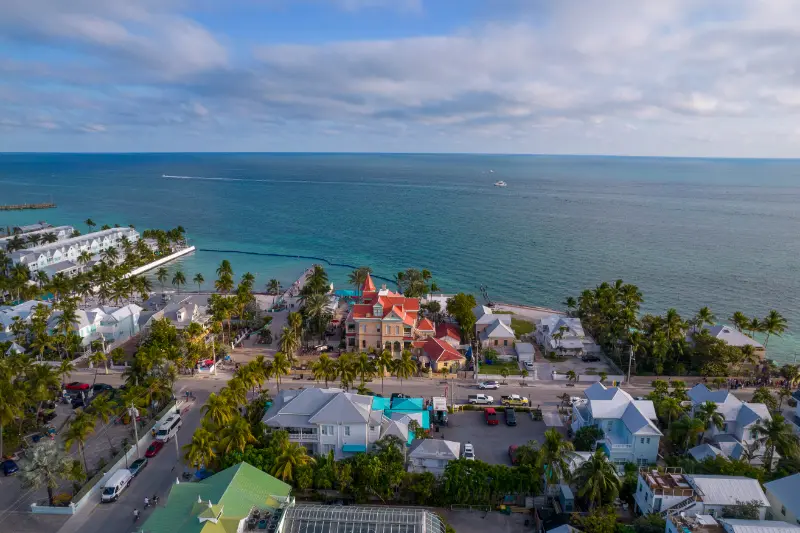
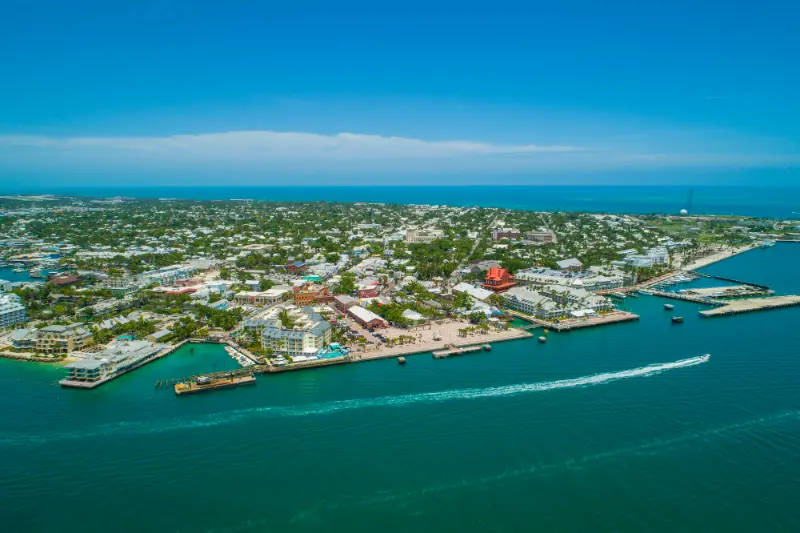
    Key West Waterfront Neighborhood Aerial

    Day 5: A proper boat day, with a non-boating option

    This is the day to book the activity that best matches your party, whether a private eco-cruise, a beginner-friendly fishing charter, an additional snorkeling trip or a glass-bottom outing. Compare the full price and what it covers: equipment, fuel surcharges, gratuity expectations, cancellation terms, and whether small children or guests with mobility needs can board comfortably. If the crew does not permit a particular activity for safety reasons, respect that decision. Fishing may require licensing arrangements; ask the operator what applies rather than assuming the charter always includes everything. A group that does not want a boat day can instead enjoy a pool morning, browse Islamorada’s shops and visit a small museum. This is not a wasted day: travel companions can value the same destination for different reasons. Marine conditions are a major scheduling variable, so consider swapping this with tomorrow if the forecast suggests a calmer day ahead.

    Day 6: The shore, a nature stop and an unhurried meal

    Keep one day intentionally close to the accommodation. If your property has a safe swimming pool, make use of it; for many families the pool is more convenient than searching for a large sandy beach in the Upper Keys. A short nature walk or birdwatching stop can add variety, but trails can be hot and buggy, and facilities may be limited. Bring drinking water, sun protection and sensible shoes. Visitors considering Lignumvitae Key or Indian Key should understand that these are offshore places with access dependent on boats, current park arrangements and weather, not attractions reached by a casual roadside walk. Check official state-park information before building the day around them. Spend the afternoon on a sheltered patio and choose dinner for its actual menu and location rather than an online ranking alone. This is a good opportunity for older travelers and younger children to enjoy a full day without strenuous touring.

    Day 7: A flexible final morning before returning north

    Leave the seventh day open for a favorite revisit or a low-commitment activity. An early waterfront breakfast and a short walk can be more enjoyable than a large tour that ends close to flight time. If returning toward Miami, allow margin for the Overseas Highway and mainland traffic. If you have a late departure, a short stop in Key Largo can break up the drive, but do not schedule an offshore boat tour on the same day as a tight airport connection. Check your accommodation’s checkout time, confirm any toll and rental-car arrangements, and keep travel documents accessible. With children, give everyone time to rinse and pack wet gear. Visitors who loved the marine life may already be thinking about a future trip to the Middle or Lower Keys; resisting the urge to cover all of them in seven days is precisely what makes this version comfortable. End with one last look at the water, not a rushed bridge crossing.

    Roads, boats and what ‘beach access’ really means

    The Overseas Highway is the backbone of the Upper Keys; for independent sightseeing, a car is usually the most practical option. Distances are not enormous but traffic, parking and drawbridges or incidents can reshape a day. Book an excursion near your accommodation when possible and avoid two departure times separated by a long drive. If you are not renting a car, choose lodging that offers a realistic range of dining and book transfers in advance; public transit and taxis are not a simple substitute for urban transit systems. Many ‘private beach’ accommodations have small sandy areas or shallow waterfront platforms rather than open-ocean strands. Ask about the quality of swimming access, safe entry, depth and whether non-guests are permitted. Beachgoers should also recognize that seaweed, water clarity and wind shift with conditions. A boat tour is never guaranteed to reach a specific reef site when marine weather is unsafe.

    Budget and choosing the right experiences

    Accommodation and boat trips usually dominate a week in the Upper Keys. Compare room prices together with taxes, any resort charges, parking, breakfast and access to amenities. A lodging option with a kitchenette can make a difference when restaurants are expensive or family members have different meal schedules. Avoid prepaying several marine tours before you understand cancellation policies: weather delays may force a choice between rescheduling and losing the activity. A glass-bottom boat ticket, kayaking tour and fishing charter provide different experiences, not three versions of the same outing. One major marine experience plus several free or low-cost land-based days may be enough. Grocery snacks and a cooler can help on driving days, provided you respect food storage and environmental regulations. Instead of inventing fixed daily dollar amounts, build a budget with quoted current prices for the exact travel dates.

    Comfortable travel across ages and abilities

    This route can include babies, children, teenagers and people in their eighties or older, but not every water activity suits everyone. A child who cannot swim should never be placed in an open-water snorkeling situation simply because it appears on a family itinerary. Ask operators about flotation, minimum ages, supervision and boarding limitations. Older travelers and people with mobility restrictions should check whether the vessel has stairs, steep gangways or a suitable restroom. Families with naps to protect may prefer one hotel and only morning excursions. Reef visits should respect marine life: do not touch coral, feed fish or approach manatees. Land-based days offer space for people to separate into smaller groups. Remember that wheelchair accessibility on a dock, boat and sandy shore involves three different questions. A scenic cruise and a quiet lunch can be as rewarding as an active day in the water.

    Best seasons and marine-weather alternatives

    The Keys can be pleasant throughout the year, but heat, wind, rain and tropical-weather threats affect the kind of day you can actually enjoy. The June–November hurricane season requires flexible bookings and awareness of official evacuation notices. Winter cold fronts may bring windy seas, making snorkeling unpleasant even when the sun shines. Late spring and summer heat demand careful hydration. Always follow marine warnings and operator guidance rather than insisting on the original schedule. Keep at least two land-based alternatives ready: a museum, café stop, short permitted walk or simply a restful day at your accommodation. The purpose of seven days here is to understand the Upper Keys’ marine landscape without forcing every visitor onto a boat every morning. Check the Florida State Parks and official Keys tourism websites close to departure for changes in opening and excursion arrangements.

    Frequently asked questions

    Are there long sandy beaches in the Upper Keys?

    Not in the same way as some mainland Florida destinations. Many shorelines are mangroves, docks or small sandy areas, so check the property carefully.

    Can non-swimmers enjoy John Pennekamp?

    Yes. Land-based activities and weather-permitting glass-bottom boat tours may be more suitable than open-water snorkeling.

    Do I need a car for seven days in Key Largo and Islamorada?

    A car is usually the simplest way to link accommodations, museums, dining and excursion docks. Without one, arrange transfers before arrival.
  • Where to Stay in Key Largo or Islamorada: Reefs, Fishing, Resorts and Island Road Trips

    Where to Stay in Key Largo or Islamorada: Reefs, Fishing, Resorts and Island Road Trips

    Key Largo and Islamorada are often grouped together as the Upper Florida Keys, but choosing between them changes the feel of a vacation. Key Largo is generally convenient for trips from the mainland and for snorkeling and diving departures. Islamorada is closely associated with fishing charters, island dining and a laid-back waterfront setting. Both places have beautiful water, though neither should be imagined as a continuous strip of wide sandy beaches. A property can be waterfront without offering a swimmable shoreline, and a short mileage on the Overseas Highway may take longer than expected during busy periods. This guide compares the different bases and helps travelers decide which island lifestyle suits a few nights, a family holiday or a longer Keys stay.

    Which base fits your trip?

    Where to stayBest forWatch for
    Key LargoReef excursions and mainland accessNot a continuous sandy-beach coast
    IslamoradaFishing, waterfront dining and slow staysMarinas and islands are spread out
    Atlantic-facing propertiesEarly light and boat-oriented activitiesWaterfront may not mean swim access
    Florida Bay-facing staysSunset atmosphere and sheltered viewsDock and swimming rules vary

    Key Largo: make snorkeling and mainland access your priorities

    Key Largo is a sensible first base for visitors arriving from Miami or Homestead who want to spend several days exploring coral reef experiences and mangrove waterways. Its appeal comes from boat access and marine environments rather than a typical Gulf Coast beach-resort pattern. John Pennekamp Coral Reef State Park provides one well-known starting point for understanding the area's protected marine setting, with current reservations and activity details to be checked at the source. A hotel near the north or central part of Key Largo can be practical for mainland day trips, while a property farther south may reduce a different set of journeys. Open a map and locate the actual dive shop or tour marina; boat trips may depart from independent facilities rather than from your hotel's dock. Families should assess shade, appropriate age restrictions and the possibility of rough water before purchasing snorkeling trips. If boating is not your interest, pick a resort for its actual pool, dining and relaxation options.

    Key West Florida Island and Neighborhood Aerial

    Islamorada: a slower waterfront rhythm with fishing at its center

    Islamorada consists of several islands and is celebrated for its fishing culture and water-focused activities. It can feel more like a place to settle into than a staging point for repeated mainland errands. Travelers who want a fishing charter, a paddling outing or evenings beside the bay may find it especially attractive. Yet the exact island, mile marker and marina location matter: a listing described as Islamorada can sit some distance from the restaurant, boat departure or attraction you have in mind. Check whether the accommodation has an on-site restaurant or whether you will drive most evenings. A bay-facing balcony may offer outstanding sunsets, while an Atlantic-facing position has a different light and weather exposure. Neither orientation automatically provides safe swimming. Couples may appreciate a small waterfront inn; families staying a week may need a rental kitchen. Ask whether dock use is permitted and whether boat-launch or trailer parking is available if those activities matter.

    The beach expectation: beautiful water does not always mean broad sand

    Visitors who have seen Florida's long Gulf beaches are sometimes surprised by the Upper Keys. Much of the coastline consists of mangroves, rock, seawalls, private docks or narrow stretches of sand rather than uninterrupted public beachfront. A 'waterfront resort' might offer a scenic pool and boat access but no traditional walk-in ocean beach. Before booking, ask for photographs of the exact guest shoreline and whether swimming there is permitted. If spending every day stretched out on wide sand is your main goal, make that a deliberate search criterion rather than assuming the address will provide it. There are designated parks and access points, but facilities and permissions differ and can change. Reef excursions also depend on wind and sea conditions, which means they need backup plans. A hotel with shade, dining and a comfortable pool gives you something to enjoy when a boat trip is canceled or the wind makes the coast less inviting.

    Resorts, small inns and vacation rentals: what each really offers

    The Upper Keys have a broad mix of accommodation styles, from full-service resorts to low-key motels and private vacation homes. A resort can simplify a short stay with dining, pools and organized activities, but investigate parking and mandatory charges. An intimate inn may provide a stronger sense of place while having limited reception hours or no restaurant. A vacation home can work beautifully for a family or multigenerational group, especially with laundry and a real kitchen. It can also demand more planning for groceries, boat trips and cleaning fees. Read the exact guest agreement before assuming that a dock, paddleboard, private beach or boat slip is included. For seniors, verify elevator access and bathroom design because smaller waterfront properties sometimes use stairs. For parents of toddlers, inspect pool barriers and waterfront edges. The best hotel is one that supports the pace and activities of your trip, not the one with the most tropical adjectives in its description.

    Boating, reefs and ethical wildlife experiences

    Snorkeling, diving and fishing are leading reasons to visit, but choosing a responsible operator makes a difference. Ask about boat size, shaded space, restrooms, boarding ladders, safety briefings, weather cancellation and the physical demands of the activity. Families should confirm minimum ages and swimming requirements rather than assuming every reef tour welcomes small children. Anyone with limited mobility should discuss boarding assistance directly before paying. Marine habitats are protected in various areas of the Keys; never touch coral or feed wildlife, and follow Florida Keys National Marine Sanctuary guidance. If you want to see the reefs without swimming, consider suitable glass-bottom or sightseeing options where available, again checking the departure point and sea conditions. Booking too many boat-based days is risky: wind or storms can change plans. A balanced itinerary includes land-based attractions and leisurely meals so a postponed excursion does not spoil the trip.

    Choosing between Atlantic-side and Florida Bay views

    An Atlantic-facing room tends to be associated with sunrise and access toward reef-excursion waters, while a Florida Bay-facing room can deliver a different sunset atmosphere. That is a useful starting distinction, but the shoreline itself matters more than compass direction. Mangroves, marinas, boat channels and resort landscapes can all shape what you actually see from a room. A bayfront balcony might overlook working docks rather than open water; an Atlantic address may have trees blocking the view. Ask for the room category and a realistic photo of the sightline. If you plan to spend every afternoon by a pool, its shade and layout may matter more than the horizon. Families should not equate water access with child-safe swimming, and visitors using wheelchairs should investigate the route to a waterfront dining area. Water views can be memorable in the Keys, but they need to be evaluated alongside safety, convenience and comfort.

    Getting around: the Overseas Highway sets the pace

    The Upper Keys are organized around U.S. 1, the Overseas Highway. This makes many journeys straightforward on a map, but road incidents, events and weekend traffic can cause delays with limited alternatives. Choosing a property just a few mile markers closer to an attraction may help, yet repeated driving up and down the islands soon consumes vacation time. Travelers without a car should make airport transfers and day-trip arrangements well before arrival; an isolated waterfront stay may not have restaurants within safe walking distance. Driving after sunset also requires caution on unfamiliar roads, particularly after a long flight. If you want to visit Key West, understand that it is substantially farther south and better treated as a significant excursion or a separate overnight stop. Families should plan bathroom and snack breaks, especially when traveling with small children. For a quiet week, select one comfortable Upper Keys base and explore a manageable radius.

    Sunset Key Island near Key West Florida

    Children, teenagers and travelers who prefer a calm pace

    Key Largo and Islamorada can serve different generations if the day's plans are realistic. Very young children may enjoy supervised pool time and short outings more than a long boat excursion. Older children and teenagers may be excited by snorkeling, paddling or a guided nature trip, provided they meet activity requirements and know how to follow instructions around water. Adults who do not swim can still enjoy scenery, galleries, dockside dining and appropriate boat sightseeing. For grandparents or guests who fatigue easily, the difference between boarding a small vessel and walking to a shaded terrace is substantial. Ask operators detailed questions about step height, sun exposure, seating and return times. A family villa offers flexibility but needs careful attention to pool and dock safety. It is better to plan one marine adventure and a relaxed second day than to expect everyone to manage early departures and full sun for a week.

    Heat, storms and the best approach to seasonal planning

    The tropical climate shapes every Upper Keys trip. Summer brings warmth, humidity and the possibility of afternoon thunderstorms, while winter can be more comfortable for outdoor dining but may include windy days that affect boats. Always check a marine forecast before a reef excursion. Hurricane season runs June through November, making cancellation flexibility and a clear plan for official warnings essential. Do not base the safety of a trip on a hotel's statement that the weather is usually good. Mosquito protection can matter around mangrove or wetland environments, especially near dusk. Water temperature and visibility vary by date and conditions, so avoid promising a particular snorkeling experience months ahead. Consider at least one free day in a longer trip: it allows a postponed boat reservation to move without forcing you to cancel the rest of the itinerary. Enjoy the islands for their broader atmosphere as well as their marine activities.

    The true cost of a Keys holiday

    Lodging rates are only one part of the budget. Boat trips, fishing charters, equipment, parking, resort fees, groceries and dining can add up quickly. A smaller Key Largo hotel may cost less than a full-service Islamorada resort but require more trips for food or activities. An apartment with a kitchen can help a family control meal costs, though cleaning charges and deposits may offset the apparent nightly saving. For a three-night visit, proximity to your chosen marina may be worth paying for. For a longer stay, comfortable common space and laundry become more important. Check taxes, minimum stays and cancellation deadlines before booking. Visitors bringing a boat need explicit confirmation of slips, ramp access and trailer parking rather than treating 'marina nearby' as an included amenity. Compare a full trip budget against the experiences you intend to purchase. A comfortable, well-placed room is often a better use of funds than adding an expensive amenity the group will never use.

    Four days in the Upper Keys without trying to see everything

    Start with an easy arrival afternoon in whichever location you choose. After checking in, identify nearby restaurants, a grocery option and the departure point for any planned excursion. Use the second morning for one main water-based activity when conditions are suitable, keeping the afternoon flexible. Day three can focus on a short nature outing, local arts or a different waterfront restaurant rather than another strenuous boat schedule. On day four, enjoy the property or stop at a confirmed attraction on the return route. Key Largo guests may concentrate on reef and park opportunities; Islamorada guests can place more emphasis on fishing or its island waterfront. If you want to sample the other community, make it a deliberate half-day trip rather than weaving back and forth repeatedly. Leave enough time to appreciate the light, boats and relaxed meals. The best Keys memories often come from a day that is not overloaded.

    Final booking questions for Key Largo and Islamorada

    Identify the actual key, mile marker, shoreline and marina rather than relying solely on a broad destination name. Confirm whether the advertised water access is suitable for swimming or only for boats, and ask what resort facilities and guest privileges are included. Check parking, breakfast, grocery access, kitchen equipment, stairs and the possibility of construction. If the trip revolves around diving or fishing, contact the operator about departure, weather policies and physical requirements before choosing a hotel. Travelers with small children need secure pool and dock arrangements; those requiring accessible facilities should request specific bathroom and path details. Review the cancellation policy with tropical-weather uncertainty in mind and save contact details offline. Choosing between Key Largo and Islamorada then becomes an enjoyable decision about priorities: reef adventures and mainland convenience, or a slower, fishing-oriented island retreat.

    Frequently asked questions

    Is Key Largo better for snorkeling than Islamorada?

    Key Largo is especially convenient for famous reef excursions, but both have marine outings; the operator and weather matter.

    Are Upper Keys resorts all beachfront?

    No. Mangroves, docks and seawalls are common. Ask about the actual shoreline and swimming arrangements.

    Can we stay in Key Largo and visit Key West for one afternoon?

    That is a substantial drive each way. Consider a separate overnight stop if Key West is a major priority.

    Official visitor resources

  • Islamorada Florida Travel Guide: Fishing, Reefs, Arts, History and Where to Stay

    Islamorada Florida Travel Guide: Fishing, Reefs, Arts, History and Where to Stay

    Islamorada is one of the easiest places in the Florida Keys to build a trip around the water without making every day feel the same. Offshore fishing, backcountry flats, reef snorkeling, paddling and sunset dining all fit naturally here, while museums, galleries and historic sites give you useful alternatives when wind or storms change the marine plan.

    I would choose Islamorada for couples, families and anglers who want a polished Keys base with strong dining and water access but less urban energy than Key West. The village stretches across several islands, so it is not one walkable center; where you sleep should match the marina, beach or attraction you expect to use most.

    The easiest way to enjoy Islamorada is to decide what deserves your freshest hours. Put the activity that matters most first, use midday for lunch, shade or an indoor stop, and keep sunset or dinner close to the hotel. This simple rhythm is especially useful for families, senior travelers and anyone who does not want a vacation dominated by driving.

    Quick planning summary

    • Recommended stay: 3–4 nights for a first visit.
    • Best first stop: History of Diving Museum.
    • Best for: travelers who want a mix of local character, outdoor time and realistic day-to-day logistics.
    • Transport: choose lodging by the places you will visit most often, not only by the advertised destination name.
    • Planning rule: one priority activity in the morning, one flexible afternoon option and an easy evening close to the hotel.

    In this guide

    Why visit Islamorada?

    Islamorada is one of the easiest places in the Florida Keys to build a trip around the water without making every day feel the same. Offshore fishing, backcountry flats, reef snorkeling, paddling and sunset dining all fit naturally here, while museums, galleries and historic sites give you useful alternatives when wind or storms change the marine plan.

    I would choose Islamorada for couples, families and anglers who want a polished Keys base with strong dining and water access but less urban energy than Key West. The village stretches across several islands, so it is not one walkable center; where you sleep should match the marina, beach or attraction you expect to use most.

    Islamorada is most rewarding when you give it enough time to change pace during the day. Early morning is often the best window for beaches, gardens, trails, wildlife or water activities; lunch and the hottest hours are better for museums, shaded districts or a real rest; late afternoon can bring a second outdoor window. Staying at least a few nights also gives you a backup day if wind, storms, capacity limits or traffic interfere with the original plan.

    I would not judge the destination only by the number of famous attractions. The quality of the trip usually comes from the combination of a good base, short transfers, one or two signature experiences and unstructured time for a neighborhood, park, café or sunset that was not on the original checklist.

    Where to stay

    Upper Matecumbe Key

    The most convenient base for restaurants, galleries and a stronger village feel. It suits travelers who like to walk to dinner after a day on the water.

    Plantation Key

    Practical for visitors arriving from Miami or Key Largo and useful for longer stays with easy road access. Lodging here can make northern Keys day trips simpler.

    Lower Matecumbe and quieter resort areas

    Best for travelers prioritizing water views, resort time and a slower pace. Confirm exactly what beach or dock access is included because Keys waterfront does not always mean a broad sandy beach.

    Before booking, compare the full trip rather than the nightly rate. Look at parking, resort fees, breakfast, kitchen and laundry facilities, beach or park access, elevator availability and the first drive of the morning. If anyone in the group has limited mobility, confirm the route from the room to the parking area, pool, beach or restaurant instead of relying on a generic accessibility icon.

    Family tipFor families, a slightly larger room with a refrigerator can make mornings much easier. Couples may prefer a smaller but walkable property near dinner. Senior travelers often benefit from avoiding properties where every meal, attraction and sunset requires another car trip. The best area is the one that removes friction from the part of the day your group values most.

    Best things to do

    History of Diving Museum

    A smart first-day or rainy-day stop that explains how diving evolved and why the Keys became such an important underwater destination.

    Windley Key Fossil Reef Geological State Park

    An unusual place to see exposed fossilized coral and old quarry walls. It adds geology and short shaded walks to an itinerary dominated by boats and beaches.

    Morada Way Arts & Cultural District

    A good evening or late-afternoon change of pace, especially when galleries, studios or community events are active.

    Anne’s Beach and shallow-water stops

    Useful for a gentle shoreline break, particularly for travelers who want a low-commitment beach stop rather than a full resort day. Check current access and conditions.

    Reef, fishing and backcountry excursions

    Islamorada’s identity is tied to the water. Choose the trip by the traveler, not by prestige: a shorter family snorkel, backcountry eco-tour or half-day fishing charter can be better than an ambitious all-day outing.

    Dolphin Sculptures at Florida Fishing Pier

    Do not try to fit all of these into one day. Choose the two experiences that define the destination for you, then use the others as weather alternatives or shorter additions. If a boat tour, guided activity or timed attraction is important, reserve that first and keep nearby flexible stops around it rather than creating a chain of nonrefundable bookings.

    Nature, beaches and outdoor time

    Islamorada rewards flexible water planning. Reef conditions depend on wind and sea state, while Florida Bay and mangrove areas may offer calmer alternatives on days when the Atlantic side is rough. For paddling, start early and pay attention to heat, wind direction and boat traffic. Never assume that shallow turquoise water is automatically easy or safe.

    Outdoor planning in Florida works best by conditions rather than by a rigid clock. Check heat, lightning, wind, tides, surf flags and local alerts before leaving the hotel. Carry water and sun protection even when the morning feels comfortable. On beaches and waterways, follow lifeguard or ranger guidance and never assume that calm-looking water means there is no current or marine risk.

    Wildlife should stay wild. Do not feed animals, block their movement, approach nests or turn a close photograph into the goal of the encounter. Ethical viewing usually produces a better experience anyway because animals behave more naturally when people give them space.

    Getting there and around

    A rental car remains the simplest option because Islamorada is linear and spread along the Overseas Highway. Miami International Airport is a common gateway, with Fort Lauderdale another option when airfare is better. Build extra time into the drive south, especially Friday afternoons, holiday periods and days with incidents on U.S. 1.

    For rental cars, add tolls, parking and fuel to the budget before pickup. If part of the stay is meant to be car-free, verify the exact walking route from the hotel rather than only the distance. A mile in humidity, across a multi-lane road or with a stroller can feel very different from a mile on a shaded pedestrian street.

    Arrival day should stay intentionally light. Flights, baggage, rental-car lines and traffic can consume more time than expected, so I would avoid placing the most expensive tour on the first afternoon. Use arrival day to learn the area, buy water or groceries and have an easy dinner near the hotel.

    Best time to visit

    December through April is popular for comfortable temperatures and lower humidity, while late spring can be excellent if you accept warmer afternoons. Summer brings heat, thunderstorms and potential tropical weather but also a different pace. Fishing and diving have seasonal patterns, so if a specific species or water activity is the main reason for the trip, ask local operators about conditions rather than relying only on a monthly weather chart.

    Prices and crowds can be driven by school calendars, festivals, sporting events and holiday weekends as much as by weather. If a specific event is not the reason for the trip, check the calendar before choosing dates. Shoulder periods can provide excellent value, but flexible cancellation terms are worth more than the absolute lowest rate when tropical weather is part of the season.

    Families, teenagers, seniors and accessibility

    For multigenerational groups, do not force everyone through the same pace. Choose one shared morning anchor, then split for a few hours if needed and regroup for dinner. Parents can use nap or pool time, teenagers can add an activity, and older travelers can choose a museum, café or shaded walk without feeling that they are slowing the group down.

    Accessibility should be checked at the exact attraction or beach access you plan to use. A destination may advertise itself as accessible while individual boardwalks, boat docks, sand paths or historic buildings have limitations. Confirm accessible parking, restrooms, ramps, beach mats or wheelchairs, elevator access and boarding procedures when those details are essential.

    Florida Historic Pink Beachfront Hotel

    Heat management matters across every age group. Build shade, indoor time and hydration into the schedule before anyone feels exhausted. A good vacation day does not have to last from breakfast until midnight; one memorable experience plus an easy evening can be more successful than three attractions completed by force.

    A practical 3-day itinerary

    Day 1: orientation and an easy local evening

    Check in, learn the immediate area and choose History of Diving Museum or another short signature stop that does not require a long transfer. Keep dinner close to the hotel. Arrival day is for understanding the destination, not proving how much can fit into six hours.

    Day 2: the signature experience

    Use the coolest part of the morning for Windley Key Fossil Reef Geological State Park or the most weather-sensitive activity on your list. Take a real midday break, then add Morada Way Arts & Cultural District if energy and conditions are good. Finish with a sunset, waterfront walk or neighborhood dinner instead of another long drive.

    Day 3: nature, culture or a selective excursion

    Choose Anne’s Beach and shallow-water stops, spend more time at the beach or park you liked most, or make one of the day trips below. If the weather turns poor, use a museum, shopping district, historic site or long lunch as the backup. Leave enough space at the end of the day to pack and prepare for departure without ruining the final evening.

    If you have 3–4 nights, slow this itinerary down rather than adding more distant places. Repeat a favorite beach, schedule a second water activity, add a rest morning or take one full regional day trip. Repetition is often what turns a checklist vacation into an actual holiday.

    Food and evening planning

    Islamorada is one of the Keys’ strongest dining stops, especially for seafood and sunset views. Reserve the one dinner that matters most, then keep the rest flexible around boat returns and weather. If you catch fish with a charter, ask in advance whether a local restaurant currently offers a cook-your-catch option and what preparation rules apply.

    For mixed-age groups, dinner location matters almost as much as the restaurant. A twenty-minute drive after a full beach or park day can feel much longer than it did on the map. Choose at least half of your evening meals close to the hotel and save the longer drive for one restaurant that is genuinely worth it.

    Florida Marina and High Rise Buildings Aerial View

    Budget and booking strategy

    To control costs, decide which experiences are worth paying for and let parks, beaches, walking districts and scenic drives fill the rest of the schedule. Families can save significantly with a refrigerator or kitchen, while couples may prefer to spend more on one memorable dinner and keep lunches casual.

    The real budget is larger than the room rate. Add parking, resort or destination fees, tolls, equipment rentals, breakfast, beach gear and the cost of getting from the airport. A more expensive hotel can be the better value when it includes parking, a kitchen or a location that eliminates repeated rideshare trips.

    Reserve popular lodging and one must-do experience first. Everything else can be layered around those anchors. Avoid paying in advance for multiple outdoor activities on consecutive days unless cancellation policies are generous; one windy or stormy period can otherwise affect several reservations at once.

    Best day trips

    Key Largo

    Good for John Pennekamp-area reef activities, wildlife centers and an easy change of scenery without a long drive.

    Marathon

    A practical Middle Keys day for the Turtle Hospital, Sombrero Beach and Seven Mile Bridge scenery.

    Everglades National Park

    Possible from the Upper Keys, but choose the entrance carefully because distances around South Florida can be longer than they appear.

    A day trip should add contrast, not simply duplicate what you can do near the hotel. Pick one destination and spend enough time there to understand it. If the round-trip drive is long, an overnight may be a better use of vacation time—especially with young children, senior travelers or anyone who dislikes repeated packing and early starts.

    Mistakes to avoid

    The biggest mistake is trying to use Islamorada only as a sleeping base for distant attractions every day. If most mornings begin with a long drive, the hotel location is working against the trip. Protect enough local time to enjoy the destination you actually booked.

    Another common mistake is planning by map distance instead of real Florida travel time. Bridges, beach traffic, school breaks, thunderstorms, road work and limited parking can turn a short-looking transfer into the most tiring part of the day. Leave buffer time and avoid stacking fixed reservations back to back.

    Do not assume every waterfront hotel has a usable beach, every beach has lifeguards, or every nature attraction operates the same way year-round. Read the current access rules and official alerts shortly before the visit, especially when parking, capacity, weather or wildlife protections can change the plan.

    Finally, do not overbook the final day. Weather delays, traffic and longer-than-expected meals are normal parts of Florida travel. Leaving one open block protects the experiences that came before it and gives you somewhere to move an activity that had to be postponed.

    Use these guides to expand the trip without repeating the same research:

    Official resources to check before you go

    Hours, parking rules, capacity limits, tours and weather-related closures can change. Check the official sources shortly before travel:

    Frequently asked questions

    Is Islamorada worth visiting?

    Yes, if the experiences in this guide match the way you like to travel. Islamorada is strongest when you allow enough time for its local character rather than using it only as a stop between two more famous places.

    How many days should I spend in Islamorada?

    3–4 nights is a useful first-trip range. Shorter stays work when you have one clear goal; longer stays are better for water activities, families, slower travelers and anyone who wants a weather backup day.

    Do I need a car?

    For most itineraries, a car is helpful even when one neighborhood is walkable. The answer depends on the hotel location and whether your plans include parks, beaches, day trips or airports outside the immediate center.

    Is Islamorada good for families and senior travelers?

    Usually yes. The key is matching activity length, heat exposure and accommodation location to the group. Confirm accessibility details directly when ramps, beach access, boat boarding or elevators are essential.

    What should I book first?

    Book the accommodation and the one experience that would be difficult to replace. Then keep enough flexibility for weather, traffic and changes in energy. A vacation with a little empty space is usually easier to enjoy.

    Final advice

    Islamorada works best when the itinerary reflects the place rather than fighting it. Stay close to what matters, use mornings intelligently, respect Florida weather and wildlife, and let one or two excellent experiences carry each day. That approach works just as well for a couple as it does for a family with children or a multigenerational group.

  • Key Largo and Islamorada Travel Guide: Reefs, Fishing, Sunsets and Where to Stay

    Key Largo and Islamorada Travel Guide: Reefs, Fishing, Sunsets and Where to Stay

    Key Largo and Islamorada are close enough to combine and different enough to justify several days. Key Largo is the first major Keys destination from the mainland and is strongly associated with reef access, diving and John Pennekamp Coral Reef State Park. Islamorada feels more spread out and is deeply tied to fishing, marinas, galleries and sunset-oriented waterfront stops. Together they create an excellent Keys vacation without the long drive all the way to Key West.

    Explore this guide

    I especially like the Upper Keys for travelers who want the water to be the main attraction. The schedule naturally becomes simpler: one boat day, one paddling or wildlife day, one relaxed resort or food day. That simplicity can work beautifully for families and seniors, but only if the hotel is chosen around the activities you actually plan to do. A “waterfront” room miles from the right marina can still create daily driving.

    Quick planning summary

    • Best for: snorkeling, diving, fishing, paddling, sunsets, couples, families and a shorter Keys trip from South Florida.
    • Ideal stay: 4–6 nights split between one base or two nearby bases; 2–3 nights can work for a focused Upper Keys stop.
    • Getting around: A car is useful because experiences are spread along the Overseas Highway. Plan by mile-marker zone and avoid unnecessary backtracking.
    • Best planning principle: Choose your water priorities before choosing the hotel. Divers, anglers, paddlers and sunset-focused travelers often need very different marina access and daily departure points.

    How to think about Key Largo and Islamorada before you book

    The Upper Keys are long, narrow islands where the Overseas Highway organizes almost everything. Key Largo places you closest to mainland South Florida and Everglades access; Islamorada sits farther south with a chain of small communities and strong sport-fishing identity. Beaches are not the same as broad mainland Florida beaches, so travelers should come for reefs, bays, boats, mangroves and island atmosphere rather than expecting endless sand.

    Key West Historic Wooden House among Trees

    My practical rule is to choose the experiences that define the destination first, then place the hotel around them. A slightly cheaper room can become poor value if it forces long drives, repeated parking fees or early departures every day. The same applies in reverse: paying more for a central property can make sense when it lets you walk to dinner, return easily for a child’s nap or avoid moving the car during the busiest hours.

    Best things to do on a first trip

    Use John Pennekamp as an introduction to Key Largo

    John Pennekamp Coral Reef State Park gives first-time visitors a clear entry point into the Keys’ marine environment. Depending on conditions and current operations, snorkeling, glass-bottom-boat trips, paddling and shore-based experiences can all be possible. Reserve popular boat experiences in advance when needed, but remain flexible around wind and sea conditions. A canceled reef trip is disappointing, yet it is also a reminder that the ocean sets the schedule here.

    Choose diving or snorkeling according to experience, not pressure

    The Upper Keys are internationally known for underwater experiences, but not every traveler needs to scuba dive to have a meaningful day. Snorkel trips can be excellent for confident swimmers, while glass-bottom or eco tours may suit non-swimmers and multigenerational groups better. Ask operators about ladder design, shade, ride time and sea conditions. For children, the best trip is the one they can safely enjoy, not the most ambitious reef name.

    Let Islamorada be about fishing even if you do not fish

    Marinas, bridges and fishing culture shape Islamorada’s identity. Anglers can choose offshore, reef or backcountry styles, while non-anglers can still enjoy waterfront restaurants, history and views tied to that culture. A half-day charter can be more comfortable for families than a full day, especially in warm weather. Confirm licensing arrangements, cancellation policies and what is included before booking.

    Protect time for Florida Bay sunsets and paddling

    The bay side of the Keys provides some of the most relaxing hours of the trip. Kayaking or paddleboarding through mangrove areas can reveal wildlife and quiet water, while a sunset stop requires almost no planning beyond arriving early. Mosquitoes, heat and wind still matter. I would rather schedule one unrushed sunset dinner than drive between several “best sunset” locations in the same evening.

    Use Key Largo for an Everglades connection

    Because Key Largo is close to the mainland, it pairs well with an Everglades or Homestead-area stop. The important point is to choose a specific Everglades entrance and activity rather than treating the national park as one roadside attraction. A nature day can also serve as a backup if marine conditions cancel a boat trip, although park weather and water levels create their own seasonal variables.

    Where to stay

    There is no single best neighborhood for every traveler. I would choose based on what you want to do before 10 a.m. and after 6 p.m., because those are the hours when a convenient base improves the trip most. During the middle of the day you are usually willing to drive for a major attraction; early and late, convenience matters more.

    Key Largo

    Best for shorter trips from Miami, reef excursions and combining the Keys with the Everglades. Accommodation ranges from small waterfront properties to larger resorts.

    Key West Waterfront Neighborhood Aerial

    Islamorada

    Ideal for fishing, resort stays, dining and a slightly deeper island feel. It can also be a practical midpoint if you plan to continue toward Marathon or Key West.

    One base for both

    Because the two areas are relatively close compared with the full Keys chain, many travelers can stay in one property and avoid changing rooms. Choose the base closest to your earliest-morning activities.

    Getting there and getting around

    Most visitors drive from Miami, Fort Lauderdale or elsewhere in South Florida. Weekend and holiday traffic can add significant time, and the Overseas Highway is not a road where aggressive scheduling pays off. If you land late, consider whether sleeping on the mainland is safer and easier than beginning a tired night drive. Once in the Keys, keep fuel, hydration and weather in mind because boat schedules often start early.

    For road trips, calculate door-to-door time rather than mileage alone. Florida bridges, beach roads, event traffic and afternoon storms can make a short distance feel much longer. I also avoid scheduling a nonrefundable tour immediately after a flight or a long interstate drive. A flexible first evening gives the trip room to absorb delays without sacrificing something expensive.

    Families, teenagers, seniors and accessibility

    Toddlers and very young children may get more from pools, short boat rides and shallow-water nature than from a long reef excursion. School-age children can enjoy snorkeling if they are confident swimmers and the operator’s age rules allow it. Teenagers often love fishing, diving and paddling. Senior travelers should ask about boat boarding, ladders, shade and restroom access before paying. Mobility needs are much easier to accommodate when the right vessel and hotel are selected in advance.

    For mixed-age groups, it helps to define one shared experience each day and allow the rest of the schedule to split. One person can return to the hotel while others stay for sunset; grandparents can choose a museum while teenagers take a water activity. That is usually more enjoyable than forcing everyone through the same long day. Always verify current accessibility details directly when a specific lift, beach mat, accessible vessel, transfer method or mobility-device policy is essential.

    Best time to visit

    Winter and spring bring high demand and generally pleasant temperatures. Summer is hot, humid and storm-prone but can still be excellent for water-focused trips when conditions cooperate. Hurricane season runs June through November, making flexible bookings important. Wind is one of the most important daily factors for reef trips, and a sunny sky does not guarantee calm water. Build at least one flexible day into a trip where snorkeling or fishing is essential.

    Florida weather is local. A statewide forecast rarely tells you enough about ocean surf, lightning, wind or a passing storm cell at the exact beach you plan to use. I keep one indoor or lower-exposure option available and check conditions again on the morning of any boat, beach or wildlife day. That small habit prevents a weather change from turning into a lost vacation day.

    A practical first-time itinerary

    1. Day 1: Key Largo orientation, John Pennekamp or another marine experience, then a bay-side sunset.
    2. Day 2: Reef snorkel or dive trip, followed by a slow afternoon at the resort.
    3. Day 3: Islamorada fishing culture, galleries or history, then waterfront dinner. Add Day 4 for an Everglades side trip or weather backup.

    Do not treat the itinerary as a contract. If the beach is perfect, stay longer. If a storm arrives, move the indoor day forward. If children are exhausted, a hotel-pool afternoon may create better memories than another admission ticket. The most successful Florida itineraries have a strong structure and weak rigidity.

    Budget and booking strategy

    Accommodation, parking and paid water or attraction experiences usually create the biggest differences in the budget. Compare the total nightly hotel cost, not only the room rate: resort fees, parking and breakfast can change the result. Then decide which one or two paid experiences are genuinely central to the trip. Beaches, neighborhood walks, sunsets and many parks can fill the remaining time without making the vacation feel second-rate.

    For popular seasons, reserve the hotel first with a flexible rate if possible, then add limited-capacity tours. I avoid paying early for every small activity because weather and energy change. Travel insurance becomes more valuable when the trip falls in hurricane season, depends on an expensive cruise or includes nonrefundable lodging. Read the policy rather than assuming every weather event is covered.

    Common mistakes to avoid

    • Expecting wide mainland-style beaches to be the center of the vacation.
    • Choosing a hotel without checking the marina location for early boat departures.
    • Scheduling every day around water activities with no weather backup.
    • Trying to drive to Key West and back while also enjoying a full Upper Keys day.
    • Ignoring boat boarding and ladder details for children or travelers with limited mobility.

    Useful Wonderful Florida guides to read next

    Continue planning with Florida Keys and Key West travel guide, Everglades National Park guide, best time to visit Florida, Florida with kids and Florida travel guide for first-time visitors.

    Official resources to check before you travel

    Opening hours, parking rules, beach access, launch schedules, park conditions, ferry or trolley service and reservation requirements can change. Check the official source again shortly before travel whenever a specific service is essential to your day.

    Final thoughts

    Key Largo and Islamorada is most rewarding when the schedule reflects the destination instead of fighting it. Choose the right base, group activities geographically, protect the hottest or stormiest part of the day and leave enough open time for the experience that turns out to be better than expected. That approach works for a couple, a family with young children, teenagers traveling with parents or a multigenerational group, and it is the style of planning that makes a Florida trip feel like a vacation rather than a logistics exercise.