

An oceanfront vacation does not have to revolve around getting into the water. Some visitors cannot swim; some simply dislike waves, jellyfish, saltwater or the feeling of sand sticking to wet clothes. A family with a baby may be happiest watching the surf from a protected boardwalk, while a couple visiting in winter may find the Atlantic too cool for swimming. The coast between St. Augustine and Daytona Beach provides historic sites, quiet overlooks, marine education and cafés close enough together to create a rewarding five-day trip without one planned swim.
This route is particularly useful for travelers who enjoy coastal scenery but prefer their feet dry. It combines St. Augustine, Anastasia Island, Flagler Beach, Ormond Beach and Daytona Beach, with a car recommended for moving between towns. The schedule is deliberately lighter than a typical beach checklist. You will still need sun protection and weather awareness, even if nobody enters the ocean. At every beach, respect tide lines, restricted nesting areas and local warning signs.
Start with lodging that makes the ocean optional
A beachfront hotel sounds convenient, but a rental car, parking fees and restaurant choices can make an inland base more practical. In St. Augustine, staying near the historic center gives easy access to museums and restaurants, while accommodations on Anastasia Island may reduce the effort of reaching the shore. For the southern half, consider Ormond Beach or Daytona Beach depending on the room layout and activities. With a five-day trip, two bases can minimize unnecessary driving; staying in one place is possible but adds repeated coastal transfers.
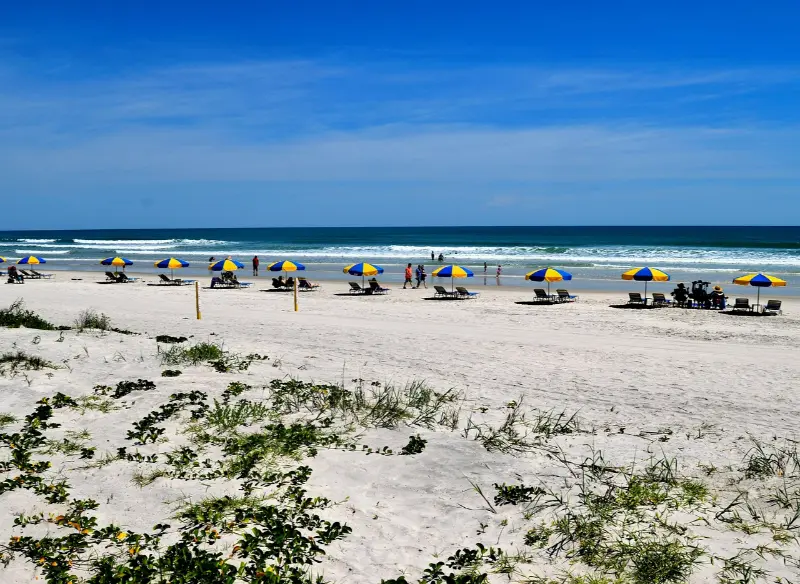
For people with limited mobility, ask about accessible entrances, elevators, the route to breakfast, and whether the promised ‘ocean view’ is usable from a seated position. A balcony may have a threshold or obstructed railing. Families with children should prioritize safe sleeping space and reasonable drives. Compare parking and resort fees in the full quote, not just nightly room rates. You are paying for a coastal setting, not for an obligation to swim.
Day one: St. Augustine’s historic waterfront
Begin with the bayfront and a single historic attraction rather than racing across town. Castillo de San Marcos National Monument is an excellent lesson in coastal defense and the city’s long history. Its stone walls and waterfront position are memorable even for guests who remain on the lower level; the National Park Service notes that the gun deck requires stairs while the lower level is wheelchair accessible. Consult current operating hours and accessible-route details before arrival.
Afterward, choose a café or short guided activity close to the historic core. St. Augustine’s sidewalks can be crowded and uneven, so do not assume a child stroller or mobility scooter will roll effortlessly along every street. If the afternoon is hot, enjoy a quieter museum visit or return to the hotel. The point of this first day is to appreciate the Atlantic environment—sea breeze, historic fortifications, harbor traffic—without scheduling an exhausting walk.
Day two: Anastasia State Park from dry land
Anastasia State Park offers dunes, natural habitats and beach access near St. Augustine. A visit can work entirely on dry land: take photographs from approved walkways, picnic in a designated area and spend time observing shorebirds without pursuing them. The park lists accessible beach features, including elevated boardwalks, Mobi-Mat and beach wheelchairs; their availability may change, so confirm if a specific amenity is essential. Beach wheelchair access does not make surf conditions suitable for swimming.
For families with a toddler, shade and restroom access are more important than the length of the beach. Choose a short outing around the cooler morning, and plan lunch off the beach before children become tired. Avoid walking across dunes or disturbing vegetation, even if doing so appears to offer a better view. A visitor who cannot walk on loose sand should not feel excluded: enjoying the water from a constructed access point is a valid beach experience.
Day three: Flagler Beach and scenic A1A
Drive south along the coast with time for small stops rather than treating A1A as a motorway. Flagler Beach has a different atmosphere from the larger resorts: lower-rise streets in parts of town, local restaurants and long ocean views. The pier area has experienced reconstruction and access changes, so check current municipal updates rather than assuming old photos reflect present conditions. A bench, accessible overlook or café terrace can supply the sense of being at the beach without requiring a barefoot walk.
Take a short detour for a park or nature area if weather and mobility allow. Bring binoculars for shorebirds and look from appropriate distances. If strong wind blows sand across the road, reduce the length of outdoor stops. Travelers seeking a quiet day should skip attempting every public beach access. One comfortable stop with a good view is often much better than three difficult parking searches.
Day four: Ormond Beach and coastal history
Ormond Beach offers a softer change of pace after Flagler. Plan a manageable waterfront or park visit, then choose a museum, gallery or historic site whose opening day matches your schedule. Some attractions have limited weekday hours and paid admission; verify directly. The nearby Halifax River adds another waterfront scene that is not oceanfront, which can be appealing on windy days. A sunset or late-afternoon river view can substitute for any beach activity without making the day feel empty.
If the group includes adults who tire easily, schedule lunch and a comfortable hotel break between outings. Kids can enjoy spotting boats and birds from a supervised viewpoint, but keep them away from unprotected waterfront edges. For a rainy day, have one indoor museum or family activity chosen in advance; thunderstorms should never be treated as a reason to remain under a beach shelter and wait for better light.
Day five: Daytona without the waves
Daytona Beach is best known for driving and racing history as well as a busy shore. For visitors not interested in swimming, the speedway experience or a local museum can anchor the day, with an optional short oceanfront stop. Daytona International Speedway tours and availability vary around events; book based on official information rather than assuming that the entire facility can be toured on any date. For children who like vehicles, this is a vivid alternative to another afternoon digging in sand.

Keep the departure day lighter if you have an onward flight. The coastal roads and town traffic can become congested during major events, racing weekends and spring-break periods. Avoid planning both a distant attraction and a same-day airport departure with no buffer. Whether you end in Daytona or drive back to St. Augustine, give yourself enough time for meals, fuel and the return of the rental car.
Activities that replace swimming instead of imitating it
A good non-swimming coast trip is not just a list of beaches where guests refuse to enter the water. It focuses on things the ocean creates: lighthouses and defensive forts, bird habitats, estuaries, seafood traditions and different styles of coastal town. Guided history tours, visitor centers, short boardwalks, cafés with water views and wildlife-watching stops can create a real sense of place. They also provide variety for people who dislike intense outdoor exercise.
Do not assume a boat tour is a universally good alternative. Someone who avoids swimming because of motion sickness or a fear of open water may not enjoy a cruise. Ask each person what kind of contact with the sea feels comfortable. A sheltered garden, museum or riverfront promenade may be the best fit. Ocean views can be enjoyed without purchasing equipment, renting a boat or collecting a large number of attractions.
A comfortable pace for children and older travelers
With a baby, fit the main outing between feeding and sleep rather than scheduling around a perfect sunset. School-age children often do well when a historic site is paired with a snack or hands-on museum. Teenagers may enjoy selecting the day’s café, photographing a boardwalk or visiting motorsports attractions. Older travelers may prefer a seated viewpoint and a half-day excursion. There is no reason every member of a mixed-age party must follow the same steps on the same day.
For someone using a wheelchair or walker, verify the exact accessible route at each park, not just the presence of designated parking. A beach access ramp can end before loose sand; a restaurant may have an accessible door on another side. Distances on a map can be misleading during hot weather. Choose shorter routes with benches and usable restrooms where possible.
Food, parking and budgeting
Budget for at least one historic attraction, one museum or speedway activity, fuel, parking and dining, while leaving room for free scenic stops. Public beaches and parks can charge vehicle fees or have limited spaces. Dining near a scenic waterfront often costs more than casual meals a few blocks inland. A family can keep costs predictable by choosing one paid experience per day and eating some breakfasts at the hotel.
Check event calendars, especially around Daytona. Busy weekends change hotel prices and traffic patterns significantly. If traveling in February or during spring vacation weeks, reserve refundable accommodation ahead of time. A short walk and a takeout lunch can be just as pleasant as a full-service waterfront restaurant when parking is difficult or children need a break.
Weather and shoreline safety for non-swimmers
Even dry-land visitors need beach safety habits. Waves can surge onto rocks or walkways, and thunderstorms can arrive quickly. Avoid standing near the waterline for photographs when high surf is present. Follow beach erosion closures and stay away from damaged boardwalks. Sea turtle nesting areas and protected dunes require extra respect. No photograph is worth crossing barriers or disturbing animals.
A winter visit can include chilly wind, while summer often brings high humidity and afternoon lightning. Dress in layers when needed and carry drinking water. If a storm approaches, retreat to a substantial building or enclosed vehicle and wait until conditions are safe. Do not assume the beach shelter itself provides lightning protection. These simple choices make a shore-centered vacation enjoyable even without swimming.
Five-day summary
| Day | Base or location | Focus without swimming | Backup |
|---|---|---|---|
| 1 | St. Augustine | Bayfront history and Castillo | Indoor museum or café |
| 2 | Anastasia Island | Park overlooks and beach views | Shaded picnic and visitor information |
| 3 | Flagler Beach | Scenic A1A and quiet shore stops | Town dining and galleries |
| 4 | Ormond Beach | Halifax River and local history | Museum visit |
| 5 | Daytona Beach | Speedway or museum and a final view | Direct departure |
Frequently asked questions
Can I enjoy Florida’s Atlantic coast if I cannot swim?
Absolutely. Historic forts, scenic overlooks, nature centers, galleries, waterfront restaurants and motorsports attractions offer many reasons to visit. Choose accessible dry-land activities that fit the group’s interests.
Are Florida beaches safe to approach when swimming is prohibited?
Not automatically. Closures, large waves and storm conditions can affect the shoreline and boardwalks. Follow signs and local instructions and remain in permitted areas.
Should I book one hotel or two for this route?
Two bases usually shorten drives, but a single base is possible if your group values unpacking only once. Balance the extra driving against moving luggage and the specific activities you have selected.