

Traveling with a walker or rollator should not mean choosing between an exhausting itinerary and staying in the hotel. Sarasota and Bradenton offer a mixture of museums, gardens, waterfront areas and short drives where a traveler can decide how much to do each day. The trick is to plan the entire journey, including hotel doors, parking, curb cuts, toilets and seating, rather than checking only whether an attraction advertises ‘accessibility.’ This five-day example is intended for a family or couple in which one person uses a walking aid and others may have different interests.
A walker does not make all surfaces equally usable. Loose sand, gravel, uneven historic pavement and sloping paths can be difficult, while an indoor museum with elevators may be comfortable. Rollators with seats may help some people but are not always appropriate for every setting. Ask your own healthcare professional about equipment and stamina where necessary; this is a travel-planning guide, not medical advice. Many of the choices here also suit grandparents, pregnant visitors or families pushing strollers.
Book a hotel for the bathroom, not just the beach view
The most useful hotel is often one with a reliable lift or ground-floor room, a short path from accessible parking and a bathroom matching the traveler’s needs. Ask whether the shower is walk-in or has a high threshold, whether grab bars are installed and how far the room is from the elevator. A rollator does not automatically require an ADA-designated room, but some travelers benefit greatly from the features. Confirm exact arrangements in writing rather than relying on the phrase ‘accessible on request.’
For the route below, staying near Sarasota or Bradenton lets you avoid changing hotels. Make sure your parking arrangement allows easy unloading, and ask about luggage carts or assistance. If the group does not drive, investigate accessible rideshare or transportation options before arrival; a regular car may not suit a person who cannot step up comfortably. An expensive beachfront resort can be less convenient than an inland hotel with an elevator and nearby restaurants.
Day one: Settle in and enjoy an easy waterfront stop
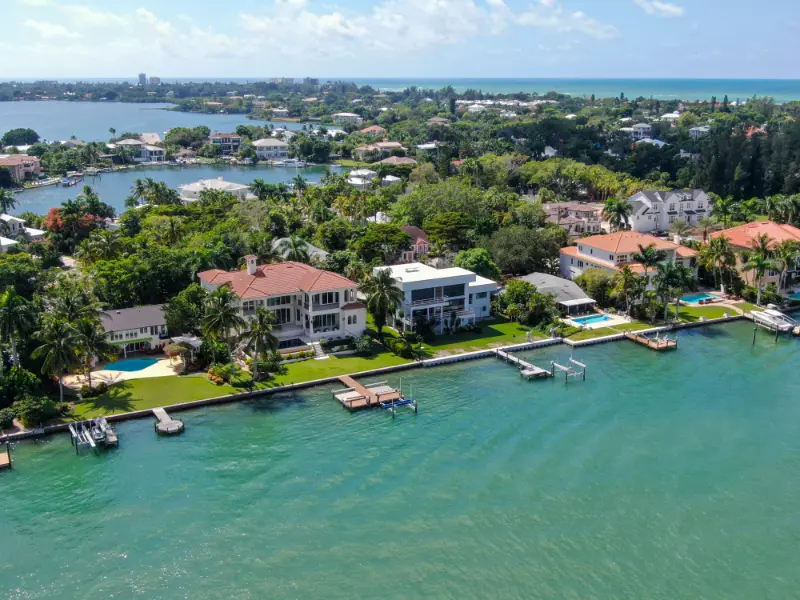
After arrival, do not schedule a lengthy garden or museum visit. Take time to check the hotel route, test the bathroom, unpack medication and find a convenient meal. A short visit to a public waterfront park in Sarasota or Bradenton is enough for the afternoon. Choose an area with nearby legal parking, paved access and toilets, and check whether events or construction affect the route. Sit for a while to enjoy the scenery rather than counting steps.
If traveling with children, let them explore a playground under supervision while the adults remain close by. A quiet dinner is more useful than an elaborate sunset excursion after a long flight. If the walker has removable parts, keep the assembly instructions available. Travelers who use a rollator should check that its brakes operate correctly before heading onto a slope. The first day sets expectations: the group will make choices based on comfort, not on a strict sightseeing scorecard.
Day two: A museum morning at The Ringling
The Ringling in Sarasota combines art, architecture and landscaped grounds. It is a strong option for a museum-oriented morning, but the complex is large and some areas may involve extended walking or historic-building limitations. Review the museum’s accessibility information and select one or two components rather than assuming you will cover the full campus. Ask whether mobility aids or wheelchairs are available to borrow and where to park for your chosen entrance.
A traveler who loves paintings might prefer the art museum, while another visitor is more interested in the mansion or circus history. Split up briefly if all parties agree, then meet for lunch. Historic interiors can have special access rules, so confirm the exact ticketed experience. On a humid day, the museum can be a more comfortable primary outing than an exposed trail. Return to the hotel in the afternoon, allowing time for rest and a quiet evening nearby.
Day three: Gardens with route choices, not obligations
Marie Selby Botanical Gardens or another carefully selected garden can be enjoyable for visitors who like plants and outdoor landscapes. However, garden grounds differ in path surface and distance. Contact the attraction about accessible paths, available benches and the location of toilets before purchasing tickets. An accessible parking space at the entrance does not tell you whether a particular greenhouse or waterside trail suits a rollator.
Begin early in warm weather and choose a compact route with a planned turnaround point. If the main garden loop is too long, visit an exhibition or seated area instead. For school-age children, a short plant-identification activity can make the stop engaging without extra walking. Bring drinking water and insect protection. A rollator seat is not a substitute for guaranteed shaded rest in extreme heat; locate actual benches or indoor spaces. If thunderstorms are expected, save the garden for a clearer day.
Day four: Bradenton heritage and a gentle afternoon
Bradenton’s riverfront and cultural attractions provide a different pace. Select one museum or indoor history stop after checking current hours and accessibility. The South Florida Museum name may appear in outdated guides; use current institutional information when planning a visit to the Bishop Museum of Science and Nature. Short outdoor views of the Manatee River can complement an indoor visit, but make the distance from parking to waterfront seating part of the plan.
Do not stack three attractions simply because they appear close on a map. A walker user may need time to navigate crossings or wait for elevators. A comfortable lunch, a seated museum visit and a short drive can fill a day. If children want more activity, one accompanying adult can take them to a nearby park while the person using the walker rests, provided everybody agrees on a clear meeting point. The goal is an enjoyable shared holiday, not uniform participation in every minute.
Day five: Choose a beach view without committing to sand
A Gulf Coast trip can include the ocean without requiring the traveler to cross deep sand. Choose a public beach access or developed waterfront location based on parking, paved or mat access, available beach wheelchairs and actual restroom distance. The availability of beach mobility equipment varies and may be first-come, first-served. A beach wheelchair is not necessarily self-propelled, so clarify who will assist and whether the user can transfer safely.
A scenic overlook, café or bayfront park can be a good alternative. Travelers should not be pushed to walk on sand merely because others want a beach photograph. If the group does swim, follow posted flags, water-quality warnings and lifeguard guidance. Keep an adult supervising children at the water while the rest of the party enjoys a shaded spot. End the day early if a drive or flight remains; beach access and airport transfers can both involve more walking than expected.
Five-day plan with rest built in
| Day | Main activity | Why it works | Alternative |
|---|---|---|---|
| 1 | Arrival and waterfront stop | Minimal effort after travel | Hotel rest |
| 2 | The Ringling | Art and indoor options | One gallery only |
| 3 | Botanical garden | Plants and scenic paths | Indoor exhibition |
| 4 | Bradenton museum and river views | Flexible seated activity | Lunch and short drive |
| 5 | Developed beach access | Gulf experience without long walk | Bayfront café |
What to ask before buying tickets
Contact each attraction with details about the device: walker or rollator, whether the person needs a seat, and whether steps are manageable. Ask for the shortest route from parking to the main exhibition, the surface type, slopes, elevator availability, restroom location and loan-equipment policy. If the site offers a tram or shuttle, ask whether it accepts mobility aids and whether boarding involves steps. ‘Wheelchair accessible’ can be a useful starting point but does not address every rollator concern.
Request information about reentry if you expect a midday hotel break. At outdoor venues, ask whether the principal route is exposed to sun and whether rain can close paths. The staff may recommend an accessible entrance that is not the one shown in the main ticket photograph. Check any companion discounts or disability programs through official channels, and do not assume eligibility simply because someone uses a walker.
Managing the airport and luggage
Travel fatigue often begins before sightseeing. If someone needs assistance through the airport, arrange the applicable service with the airline in advance and confirm the walker can travel appropriately. Airlines have different procedures for checking, tagging or using mobility aids to the aircraft door. Photograph the device before departure and keep its identifying details and any folding instructions accessible. Do not place medication or essential small items in a checked mobility-device bag.
At the destination, avoid putting heavy bags on a rollator unless the manufacturer permits the load. If luggage retrieval and car-rental paperwork will take time, plan seating breaks. A traveler who is comfortable for a museum hour may still become tired after a long day involving security lines, boarding and standing. The first afternoon should reflect what happened during the journey rather than the ideal schedule written months earlier.
Budgeting comfort rather than spending on every attraction
A slightly more expensive central hotel with reliable parking and an appropriate bathroom may save more stress than a cheap room on the outskirts. Consider the cost of taxis, parking, assistive-equipment rental and refundable admissions. Pay attention to resort fees and taxes. Compare the actual benefits of a sea-view upgrade against improvements that matter more, such as elevator access and breakfast nearby.
Group tickets and premium tours can be poor value if a traveler may need to stop early. Purchase the one experience everyone particularly wants and leave remaining days flexible. A museum membership reciprocal program may help frequent visitors, but check eligibility and blackout rules. A short waterfront outing has value even without an admission ticket. Budget for comfort and recovery time, not just attractions.
Weather and keeping the day comfortable
Florida heat and humidity can make a short walk harder than expected. Schedule outdoor excursions early, carry water and plan indoor rest in the warmest part of the day. Thunderstorms require moving to a substantial building or enclosed vehicle rather than sheltering under a tree. After heavy rain, curb ramps and garden paths may hold water. A rollator’s brakes and wheels should be checked on a wet surface before setting out.
Winter is often pleasant but can bring cool mornings, and coastal breezes may make a light layer useful. Do not assume every public bench is shaded or located close to an accessible restroom. If a person’s energy changes unpredictably, treat the day’s second attraction as optional. The whole party benefits when the slowest comfortable pace sets the rhythm.
Frequently asked questions
Can a person with a walker enjoy a Florida beach?
Often, but loose sand can be difficult. Choose access points with suitable paved approaches, mats, seating or appropriate loan equipment and verify them directly.
Are historic mansions and museums completely step-free?
Not necessarily. Historic buildings may have special limitations even when the broader museum campus offers accessible routes.
Is it better to rent a mobility scooter instead?
That depends on the traveler’s needs, equipment skills and professional advice. Confirm venue policies and transport arrangements before changing devices for the trip.