Category: Accessible Florida

  • Florida in a Wheelchair: Building a Realistic Multi-City Vacation

    Florida in a Wheelchair: Building a Realistic Multi-City Vacation

    A practical approach to accessible Florida trips that begins with measured access details instead of vague accessibility labels. Consider what is genuinely feasible, which details deserve confirmation, and how to make room for different interests, abilities and energy levels. Florida rewards thoughtful pacing: sunshine, long travel distances, seasonal weather, and the specific character of each neighborhood can all influence the outcome. Instead of treating every suggested stop as an obligation, choose the activities that fit your group and preserve time for unplanned discoveries.

    On this page

    Start with the hotel room details

    An “accessible room” label alone is not enough. Ask about bed height, door clearances, roll-in shower dimensions, grab-bar locations, transfer space and elevator access where relevant to your needs. Request written confirmation of essential features and a direct contact at the property. Some advertised amenities describe the hotel generally rather than the specific room offered for booking.

    Map the full transfer chain

    Access starts at the airport curb, not the attraction gate. Review whether airport shuttles accommodate your chair, how to request an appropriate taxi, and whether rental vehicles meet transfer requirements. A destination with an accessible entrance can still be difficult if its parking lot and sidewalk route are unsuitable. Always evaluate the whole journey.

    Prefer clusters of verified attractions

    Florida destinations may offer accessible museum galleries, waterfront paths and certain boardwalks, but details vary. Create two or three attraction clusters and contact each operator about the specific route or equipment you require. Ask about the surfaces, slopes, accessible restrooms, companion policies and whether construction changes access. Do not extrapolate from another traveler’s experience with a different wheelchair.

    Beaches require equipment checks

    A beach mat, accessible walkway and beach wheelchair are different services. Some chairs must be reserved, require an attendant or may not be suitable for water entry. Verify the exact pickup location, transfer method, operating hours and tide or weather limitations. A beach can be accessible to the overlook yet not to the shoreline on a particular day.

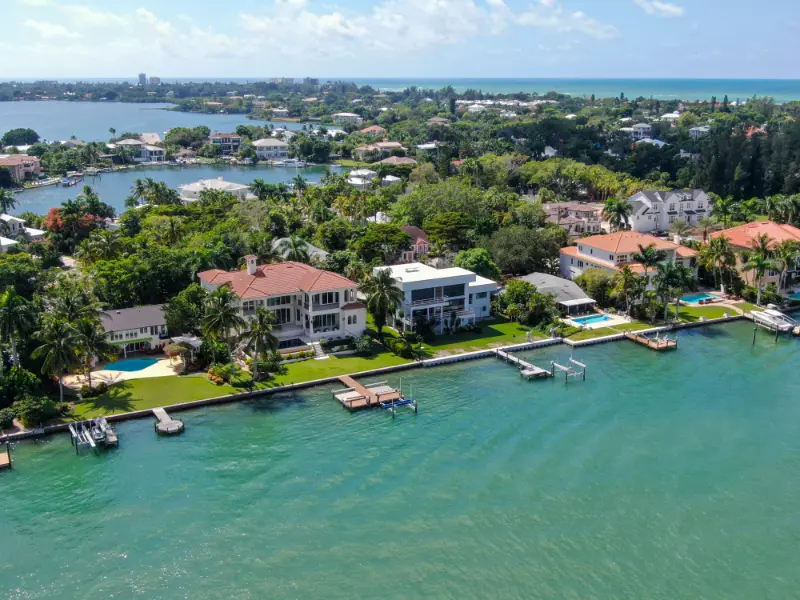
    Florida Suburban Neighborhood Aerial View

    Build a weather-resistant timetable

    High heat and heavy afternoon rain can be exhausting even on a short day. Put the physically demanding transfer first, protect a long rest break and have one nearby indoor alternative. For travelers with complex medical equipment, verify charging options and contingency arrangements. Do not schedule a cross-state transfer immediately after a high-effort excursion.

    A sample four-night structure

    A practical approach is four nights in one well-connected city, two accessible attractions on separate days, one coastal stop and a deliberately open final day. The best city depends on flight options, vehicle access and individual needs. Florida’s official tourism accessibility pages and individual attraction teams are useful starting points, not substitutes for personal verification.

    Transport, timing and accessibility

    For Florida wheelchair travel itinerary, transport is part of the experience, not a detail to solve at the last minute. Compare driving, walking, public transportation, rail and prebooked transfers using the actual address of each stop. Look at the route between the parking area or drop-off point and the entrance. If a traveler uses a wheelchair, stroller, walker or other mobility aid, ask about surfaces, steps, restrooms and equipment rather than relying on the word “accessible.” Travelers with small children also need to account for car seats, meals and nap times. Avoid placing the longest transfer immediately before an important booked activity. A practical plan is one that still works if somebody needs to leave early.

    Budget and booking checklist

    Price Florida wheelchair travel itinerary as a complete day or trip, not as one headline ticket. Make separate allowances for lodging taxes, parking, admission, transportation, food and possible equipment rental. Before paying, check the refund policy, exact cancellation deadline, arrival instructions and what happens in bad weather. Save written confirmation. Florida attractions and operators may use seasonal hours, capacity limits or reservation requirements; those facts must be rechecked close to travel. If a website shows a special offer, compare the final total and verify who will process the payment. A cheaper nonrefundable purchase is only useful when your schedule is genuinely secure.

    How to adapt the plan to your travel style

    For families with babies, keep Florida wheelchair travel itinerary simple: one main outing with access to shade, changing facilities, food and an easy route back to accommodation. School-age children often enjoy a tangible goal such as spotting wildlife or finishing a short walking route. Teenagers may appreciate choosing one stop themselves. Adults who want photography or history can spend longer at a single destination rather than moving on just to complete a list. Older visitors and people with limited stamina may prefer early starts, seated experiences, indoor breaks and accommodation closer to activities. None of these approaches is a lesser version of a Florida vacation; the right itinerary should fit the people taking it.

    Questions to ask an attraction directly

    An efficient accessibility inquiry describes the exact experience you want: “Can I enter from the parking area without steps, use the restroom independently, and reach the waterfront viewpoint?” Ask whether the lift or elevator is currently operating, how staff handle temporary closures, and whether a companion needs a separate ticket. If your mobility equipment is unusually heavy or wide, ask about relevant limits. Some operators can share photographs or dimensions. Record who supplied the information and when, since an older online review may describe an entrance that has since changed.

    An extra planning perspective

    Accessible transportation is frequently the hardest part of a multi-city trip. A single accessible taxi service might not cover both sides of a county boundary. Confirm each pickup, transfer and return leg separately, especially after evening events. Allow time for equipment securing and avoid treating accessible parking as guaranteed just because a facility has designated spaces. If you rely on electrical medical equipment, plan power and accommodation contingencies in consultation with your care team. Convenience and independence should guide the route rather than the number of attractions advertised as accessible.

    A simple decision worksheet

    Before committing to Florida wheelchair travel itinerary, write down the single experience that matters most to each traveler, the maximum amount of time the group wants to spend in transit, and the approximate budget for the day. Then note which details are still unconfirmed: opening hours, accessible bathrooms, parking arrangements, equipment requirements, whether pets are permitted, and weather-dependent activities. Contact the operator about anything essential. If a promised feature turns out to be unavailable, select an alternative instead of hoping the problem will disappear. Keeping this decision worksheet short helps people make informed choices without turning a vacation into an administrative project.

    A useful final check is to read the reservation confirmation as though you had never seen the advertisement. Does it give a precise address and date? Does it explain arrival time, refund conditions and whom to contact? Is there a clear way to get back to the hotel? When children or older relatives are part of the group, is there a realistic place to stop, eat and rest? These small questions prevent more disappointment than adding another attraction. Save the relevant details offline, but check live alerts on the morning of travel. A flexible, well-understood plan is more valuable than a crowded schedule.

    Before you leave: a useful reality check

    Three checks make Florida wheelchair travel itinerary substantially easier. First, verify the official opening page or operator notice on the evening before your visit, because weather, maintenance and special events can change access. Second, look at a current weather forecast and have an indoor or lower-effort alternative. Third, share the day’s meeting point and return plan with your group. If you are traveling internationally, keep important contacts and booking references available offline. This approach is especially valuable in Florida, where distances, humidity and afternoon storms can turn a tightly packed schedule into an uncomfortable one.

    Frequently asked questions

    Is this suitable for a first Florida trip?

    Yes, provided you use Florida wheelchair travel itinerary as a starting point rather than a fixed checklist. Select a manageable region, confirm transportation and leave time to adjust to weather and travel fatigue.

    Can families and older adults enjoy the same plan?

    Often, but choose activities by accessibility, shade, seating and duration rather than age alone. Break up long days and offer optional stops so nobody has to match somebody else’s pace.

    Do I need to book everything ahead?

    Reserve accommodation and capacity-limited experiences in advance. Keep low-cost outdoor visits flexible and confirm any cancellation, parking or timed-entry rules with the operator.

    What if it rains?

    Keep a nearby indoor alternative, avoid exposed areas during lightning and move the most important outdoor stop to the earliest safe window. Official warnings take priority over an itinerary.

    Where should I check current rules?

    Use official attraction, park, transport or government websites. Opening times, fees, beach access, service schedules and accessibility arrangements can change without notice.

    Official planning resources

    Use official tourism and public land resources to confirm the most recent information before traveling.

  • Accessible Space Coast: Three Days of Kennedy Space Center, Wildlife and Ocean Views

    Accessible Space Coast: Three Days of Kennedy Space Center, Wildlife and Ocean Views

    Florida’s Space Coast combines rockets, lagoons and long Atlantic beaches, but these experiences have very different access conditions. Kennedy Space Center Visitor Complex is a developed attraction with organized visitor services; Merritt Island National Wildlife Refuge includes driving routes and a limited number of accessible paths; Canaveral National Seashore provides ramps and some specialized beach access, while loose sand remains a real barrier. This three-day itinerary is designed for wheelchair users, people with mobility limitations, travelers who need frequent seated breaks and accompanying family members. Accessibility is personal: a route described as accessible by a park may still be unsuitable for a particular device or support need. Verify details before paying for tickets or committing to a transfer.

    Choosing the right base and transport

    Titusville provides convenient access to the refuge and Kennedy Space Center, while Cocoa Beach is practical for a resort-style Atlantic vacation. The best location depends on whether you prioritize science exhibits, nature viewing or the beach. Orlando is farther away and introduces a daily highway drive; it can still work if you have an adapted vehicle and want a familiar large hotel, but compare the total energy cost before booking. Ask the accommodation to confirm accessible parking, door widths, the bathroom configuration and whether the room’s bed height suits the traveler.

    Do not rely on a booking site’s accessibility icon alone. Request photographs or a written description of the actual room you will occupy. A step-free lobby does not guarantee a roll-in shower, and a wheelchair-accessible room may have a tub instead. If renting a vehicle, arrange adapted features early, clarify how mobility equipment is secured and check airport handover logistics. Public transit and rideshares can work for selected journeys but do not provide the same flexibility for all dispersed refuge and national-seashore stops. Booking an adapted car or specialized transport may be the most practical solution.

    Day one: Kennedy Space Center at a comfortable pace

    Spend day one at Kennedy Space Center Visitor Complex, allowing most of the day rather than treating it as a short detour from Orlando. The official accessibility guide outlines parking, wheelchair and mobility scooter rentals, bus access, theater seating, and communication support. Equipment availability and rental prices may change; ask about current booking conditions and whether your personal wheelchair can be used for all parts of your chosen route. Give yourself enough time to approach the information desk and discuss your plan before rushing toward the first exhibit.

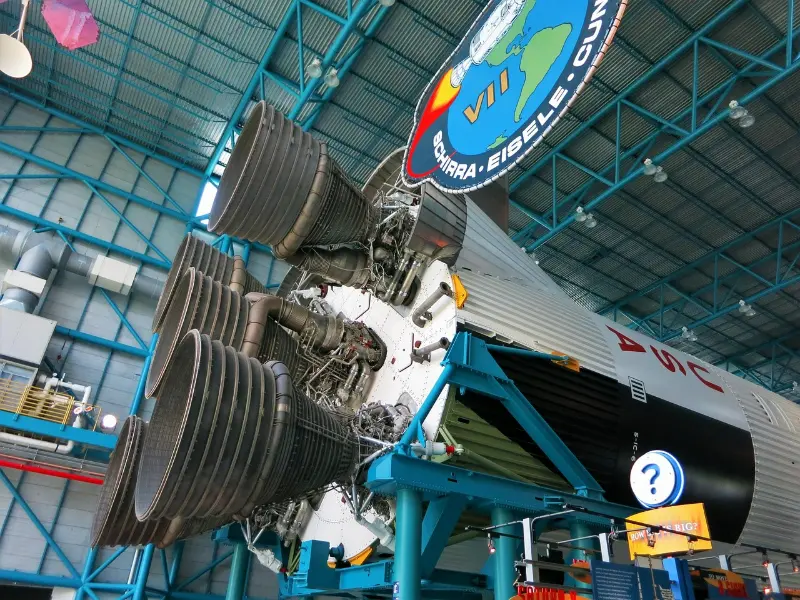
    Space Shuttle at Kennedy Space Center

    A strong first visit might focus on Space Shuttle Atlantis, the Apollo/Saturn V interpretation reached via the visitor bus experience when operating, and one indoor theater. This is already substantial. Some simulator experiences involve transfers, harnesses or sensory effects, and certain guests may choose a separate observation option instead. Check the actual requirements of each attraction, not just the site’s general accessibility claim. If a visitor is sensitive to noise, crowds or flashing imagery, ask staff about quiet areas and alternative ways to experience exhibits. The right day is one that allows everyone to participate meaningfully, not one that completes every attraction on the map.

    Transportation and communication support inside the complex

    The visitor complex’s accessibility page describes buses with wheelchair and scooter lifts and various accessible theater arrangements. It also explains that some vehicles or simulators require a transfer while others offer an alternative observation experience. Visitors with limited mobility should ask where to queue for lifts and what happens at the far end of a bus journey. Do not assume rental equipment automatically travels everywhere; clarify the process for your selected attractions. A family member should be able to stay close enough to assist without needing to negotiate this during a crowded departure.

    For deaf or hard-of-hearing visitors, the official complex provides information about captions, the SmartGuide and advance arrangements for interpretation. Those who need American Sign Language support should check the lead time specified by the operator rather than arriving and expecting same-day availability. A traveler with low vision may benefit from the visitor orientation described on the same page. If your group includes a person using a service animal, review the attraction-specific restrictions as some simulations cannot admit animals even though other areas do. These details materially affect the route through the complex.

    Day two: Merritt Island refuge from the car and selected boardwalks

    Day two is deliberately quieter. Visit Merritt Island National Wildlife Refuge, where Black Point Wildlife Drive provides a way to experience managed wetlands without a long walk. The US Fish and Wildlife Service visitor guide gives fees, hours and an important caveat: NASA launch operations can temporarily restrict visitor access to refuge roads and facilities. A rocket launch date therefore does not guarantee that your planned wildlife drive will be open. Check notices in the morning and keep a coastal museum or café as a fallback.

    The refuge’s walking routes vary widely in surface quality. The official trails page states that the visitor-center boardwalk is the wheelchair-accessible trail among its listed walking paths. Flat mowed-grass dikes are not equivalent to firm, step-free paths. Other viewing structures may be accessible, but parking, ramps and present condition should be confirmed individually. A slow vehicle tour with a few accessible observation stops is a perfectly valid wildlife day. Binoculars can reveal herons, shorebirds and other wetland animals without the need to approach them.

    Wildlife, weather and dignity on a nature outing

    Never feed wildlife, attempt a close selfie with an alligator or leave a safe surface to reach an animal. For a wheelchair user, standing water, sandy shoulders and unprotected edges can make such decisions especially hazardous. Follow posted refuge signs, stay within legal parking spots and use a companion for doors or steep surfaces only if that assistance is welcome. Wildlife experiences should not force a traveler to accept being lifted, pushed or photographed without permission. Plan breaks near known restrooms rather than hoping facilities will appear halfway around a driving loop.

    The Space Coast can feel very hot even when a sea breeze makes the temperature seem moderate. Include sunshade, hydration and consideration for medication storage. In lightning weather, return to a safe building or vehicle instead of remaining on an exposed platform. Seasonal insects can be persistent, and some repellents or protective clothing may be more suitable than others depending on individual needs. Resting after a demanding first day is a feature of the itinerary, not wasted vacation time.

    Day three: Canaveral National Seashore and accessible ocean views

    Choose day three’s beach district carefully. Canaveral National Seashore has separate northern Apollo Beach and southern Playalinda Beach access areas; the road between them does not run along the coast inside the protected seashore. The National Park Service mobility page describes accessible ramps at Apollo Beach access points and an available beach wheelchair associated with the Apollo Visitor Center, subject to availability. It explicitly distinguishes this arrangement from Playalinda, where an equivalent beach wheelchair is not currently offered under the page’s guidance. Phone the park before promising a sand-level visit.

    A ramp to a viewing platform or dune crossing is not the same as a paved path all the way across the beach. Soft sand may remain impossible for a standard chair without specialized equipment or assistance. Plan the day around what the traveler actually wants: feeling the sea breeze from an accessible overlook, watching the ocean from a platform or reaching the shoreline with suitable equipment and support. The Apollo Visitor Center offers an indoor interpretive option and can help orient the visit. Do not ask a companion to pull a heavy chair into soft sand as an improvised accessibility solution.

    Alternatives if the shoreline is too difficult

    A beach is not mandatory for a successful coastal holiday. If ramps are closed, specialized equipment unavailable or conditions windy, enjoy a shorter protected waterfront visit, a museum or an accessible nature observation point instead. The ideal alternative is nearby enough that it does not turn a low-effort day into a tiring drive. A seated meal with Atlantic views may provide the desired experience better than struggling over sand. Travelers with sensory sensitivities may also prefer a less crowded lookout to a popular beach access on a holiday weekend.

    Families can split activities briefly if everybody agrees: one adult may accompany children for a designated beach play period while another enjoys the overlook with a traveler who prefers to remain out of the sand. Do not isolate the person with mobility limitations as the default arrangement. Ask everyone what they want from the day, then build activities around shared time. A pleasant afternoon watching birds from an accessible path can be more memorable than insisting on a particular beach photograph.

    Accessible hotel checks beyond a wheelchair symbol

    Before booking, ask for the exact room category, bathroom configuration, dimensions relevant to your equipment and whether accessible rooms can be guaranteed rather than merely requested. Check parking from the vehicle to the entrance, elevator access and whether there are steps between the hotel and any promoted pool or beach walkway. A hotel may advertise beach access when the final section is soft sand. For a traveler with limited hand strength or balance, the height of furniture and controls can matter more than the room’s size.

    If you need an adjustable bed, a hoist, oxygen arrangements or a medical-equipment delivery, coordinate with an appropriate provider and the accommodation well in advance. Do not assume the hotel can supply specialized medical devices. Families with older adults should check for places to sit throughout the property’s public spaces, not only inside the room. Nighttime lighting, quiet corridors and nearby restaurants are practical comfort factors. A hotel with a slightly less dramatic sea view may be a much better choice if its daily logistics are reliable.

    Costs, tickets and timing

    The Kennedy Space Center visit will probably be the major admission expense; the refuge may require a vehicle entry pass, and the national seashore has its own entrance rules. Compare actual family ticket prices and any disability-related pass eligibility through official sites rather than assuming an overseas visitor qualifies for a US resident program. Extra cost may come from adapted vehicle rental, equipment transport, an accessible hotel room or advance equipment booking. Build those items into the budget before comparing resorts.

    Choose a season based on the traveler’s temperature tolerance rather than assuming warm weather is always an advantage. Summer storms and heat can make long outdoor visits uncomfortable, while winter weekends can bring tourism crowds. The visitor complex’s high-attendance dates may require more time for queues. Schedule one primary activity each day, with the other options genuinely optional. This pacing helps toddlers, wheelchair users, people with chronic fatigue and seniors without suggesting that everybody with a disability needs the same level of assistance.

    Service animals, companions and personal autonomy

    At each site, distinguish service-animal rights from ordinary pet policies and review the detailed attraction-specific rules. A service animal may be allowed in most areas but excluded from particular simulations for safety. If an animal cannot participate in one experience, ask what alternative is provided; never make assumptions based on a generic marketing line. For a traveler requiring a companion’s assistance, confirm companion ticket and seating policies beforehand. Staff may offer accommodations that differ by exhibit or vehicle.

    Ask the traveler directly before touching their wheelchair, moving equipment or changing their route. An accessible itinerary should provide choice and good information, not treat one person as a logistics problem for the rest of the group. This applies to visitors of every age, including older adults and young wheelchair users. A family can share a fulfilling day even when not everyone participates in the exact same simulator or beach activity, as long as the alternatives are planned respectfully.

    Three-day itinerary table

    DayMain areaPrimary activityAccess question
    1Kennedy Space CenterSpace exhibits, buses and theatersEquipment, transfers and sensory alternatives
    2Merritt Island refugeWildlife drive and visitor-center boardwalkLaunch closures and path surfaces
    3Apollo Beach / CanaveralOcean overlook or beach wheelchair optionAvailability and sand-level access

    Frequently asked questions

    Is all of Kennedy Space Center fully accessible without transfers?

    Not every experience is identical. The visitor complex provides many accommodations, but some simulators involve transfers or alternative viewing rooms. Check the specific attraction requirements.

    Can I drive through Merritt Island Refuge on a rocket launch day?

    Not necessarily. NASA operations can restrict access temporarily. Review current refuge notices and have a fallback activity ready.

    Is there a beach wheelchair at Canaveral National Seashore?

    The NPS describes an Apollo Beach visitor-center beach wheelchair that must be checked for availability. Do not assume the same equipment exists at Playalinda Beach.

    Does an accessible beach ramp reach firm sand or the water?

    Not necessarily. Many ramps reach a viewing platform or the edge of loose sand. Ask the park about the exact route and equipment required for shoreline access.

    Can an older visitor enjoy this route without long walks?

    Yes. Prioritize the Kennedy exhibits that matter most, enjoy the refuge from a vehicle and choose an ocean overlook rather than a sand crossing if appropriate.

    Official accessibility sources

    Read Kennedy Space Center's accessibility details, Merritt Island refuge visitor information, the refuge's trail accessibility descriptions, and Canaveral National Seashore mobility guidance. Prepared October 2026; accessibility equipment and route conditions must be verified before travel.

  • Wheelchair and Mobility Scooter Rentals in Orlando: Disney, Universal and Hotels

    Wheelchair and Mobility Scooter Rentals in Orlando: Disney, Universal and Hotels

    Orlando’s theme parks cover enormous distances, so even travelers who normally walk independently may need a wheelchair or electric convenience vehicle, usually called an ECV, during a holiday. The choice is not simply electric versus manual. You must also think about transport, charging, hotel access, queues, turning spaces and whether the device can leave the park where it was rented. This guide helps families and visitors of all ages compare daily park rentals with length-of-stay equipment and prepare a realistic itinerary without assuming that one accessibility service covers every part of the journey.

    At a glance

    Planning issuePractical action
    At parksCheck ECV location restrictions
    At hotelsVerify safe overnight storage
    For transportConfirm device dimensions and lifts
    For ridesCheck queue and transfer requirements

    Match the equipment to the traveler’s needs

    A manual wheelchair, power wheelchair and mobility scooter serve different needs. An ECV generally requires a person who can steer, sit upright and operate it safely; a manual chair may require pushing assistance over long days; a specialized power wheelchair may provide support that a rental scooter cannot replace. If a traveler depends on customized seating or controls, discuss travel equipment with the relevant clinician or mobility specialist before renting. Comfort after several hours matters just as much as getting through the park entrance. Check the user’s height, weight, seat support and transfer ability rather than selecting the cheapest equipment. A mobility device should not be used as a convenient substitute for a stroller or an unattended seat.

    Disney World daily rentals versus off-site providers

    Walt Disney World offers wheelchairs and ECVs at various park locations. Its official ECV rental page explains that rentals are generally first-come, first-served and cannot be reserved in advance. Park-rented devices do not leave their designated location; you return them when exiting. That limitation can be crucial for someone who needs help traveling between the hotel room, transport stop, parking lot and gate. Independent providers may rent equipment for multiple days and arrange deliveries, subject to accommodation rules. Compare not only daily cost but also whether you can use the device during every transfer. Check current Disney rental availability, age requirements and return conditions directly before visiting.

    What changes at Universal Orlando

    Universal provides mobility information for its parks and CityWalk, but queue procedures and vehicle access are attraction-specific. Its official accessibility page explains that many attraction queues can accept wheelchairs while ECVs may need to be parked or replaced by a provided manual chair. A guest who cannot transfer should consult attraction staff rather than assume that an ECV can enter every boarding area. Epic Universe, Universal Studios Florida and Islands of Adventure can differ, and procedures may evolve. Select the park with the experiences the traveler actually wants, then check those attraction details. An expensive rental provides little benefit if the visitor cannot use it where needed.

    Universal Orlando Themed Waterfront at Night

    Can the scooter travel between parks and hotels?

    The answer depends on whether the device belongs to the park or a rental company and whether the chosen transport can accommodate it. A daily park ECV usually must stay within the rental location. Off-site scooters may be used around the resort only where permitted and where the equipment can physically fit. Buses have size, weight and securement limitations, and some services require riders to transfer from scooters to regular seats. Ask the operator about your exact mobility aid, not simply whether its vehicle is “accessible.” For a family using more than one hotel, verify delivery and collection arrangements before committing to a rental. A supplier’s generic promise of free delivery may exclude particular resorts or hours.

    Ask hotels about storage, power and routes

    Before booking accommodation, check the door opening, lift access, accessible route to the room, charging location, outlet availability and storage rules. Do not assume a resort hallway can be used for unattended scooter charging or overnight parking; fire codes and hotel policies may prohibit it. Ask where the device can be stored safely when not in use and how long charging typically takes with the supplied equipment. If the visitor needs an accessible bathroom, confirm that separately, because scooter access does not guarantee suitable bathing facilities. Some off-site rental companies have designated hotel delivery processes, but guest presence or identification requirements vary. Get confirmation in writing and save it for arrival.

    Plan airport and ground transfers from the start

    Airlines treat wheelchairs and mobility equipment differently from ordinary baggage. If bringing a personal device, communicate dimensions, battery type and handling requirements to the carrier well before departure. If renting after arrival, identify how the traveler will move from the aircraft to baggage claim and from the airport to the hotel. A standard rideshare may not accept a large scooter in the boot, and an accessible vehicle may need advance booking. At Orlando International Airport, plan a meeting location that works for the guest’s actual mobility needs. If a rental is delivered to the hotel, make sure the airport transfer is independently accessible rather than assuming the eventual scooter solves the entire arrival journey.

    Understand attraction access and transfers

    Using a wheelchair or ECV does not automatically provide faster access to every ride. Each attraction has safety and boarding requirements, and some require transfer from a mobility device to a ride vehicle. Ask where devices are left, how they are retrieved and whether the guest can remain seated for shows or queue sections. A companion may help, but staff cannot necessarily lift a person or provide personal care. Plan two or three priority experiences rather than attempting every attraction on a busy day. If a guest needs a quiet place to rest or medication at a set time, incorporate that requirement independently of queue arrangements. Access is about enjoying the day safely, not about maximizing ride count.

    Weather, pavement and battery management

    Florida heat, sudden rain and lengthy outdoor waits can be uncomfortable or unsafe, especially for people who are temperature-sensitive or have limited ability to move. Bring water, suitable sun protection and a simple rain cover recommended for the equipment. Avoid covering controls in a way that impairs safe operation. Keep sufficient battery power for the journey back to the room and follow the supplier’s instructions about charging and water exposure. Some routes involve slopes, textured surfaces and crowded pathways; practicing steering in a quiet area can help a first-time user. A scooter must be driven slowly and responsibly around children, visitors with low vision and packed parade crowds.

    Compare the real cost of park rentals and multi-day hire

    A single park day can favor an on-site rental, while several hotel-and-park days may justify a length-of-stay arrangement. Calculate the complete cost: rental days, delivery, deposits, accessories, charging, damage provisions and any late-return fee. A refundable deposit is not the same as a rental charge, but it may temporarily reduce the available card balance. If traveling between properties, check pickup flexibility. Medical insurance, travel insurance and credit-card protection may differ in what they cover; do not assume scooter damage is automatically included. Always review current published prices directly because rates and supplier policies can change before your trip.

    Colorful Universal Orlando Theme Park Street

    Families, seniors and multigenerational groups

    For an older adult who walks short distances, the greatest benefit may be reserving energy for a museum, dining or evening show, rather than trying to visit more attractions. For a family with toddlers, coordinate scooter use with stroller parking and identify quiet meeting points where nobody needs to block a busy pathway. Let the traveler using the mobility aid decide what pace is comfortable rather than treating the scooter as permission for a longer day. If companions have different interests, agree on independent break times and accessible meeting locations. One adult should know rental paperwork and the supplier’s emergency number, but responsibility for navigation and personal care should be arranged respectfully with the traveler.

    A practical two-day Orlando example

    On the first day, use a nearby park as a test of comfortable seating, steering, queue transfers and midday battery performance. Choose an early lunch and return to the hotel before fatigue becomes severe. Review what worked and what was difficult. On day two, add one longer experience only if the visitor feels comfortable and the transport route is confirmed. Allow time for rental collection and return, particularly if using a different supplier. This approach may appear less ambitious than a dawn-to-midnight schedule, but it usually creates more opportunity to enjoy the parks. A well-planned, accessible holiday should leave everyone with energy for the next day.

    Questions to ask before you pay

    Ask who owns the device, where it may be used, weight and age restrictions, battery range under ordinary use, emergency support arrangements, delivery rules, charging requirements and refund conditions. Confirm that the rental fits transport and hotel policies. If the guest cannot transfer from a scooter to a manual wheelchair, identify what that means for chosen attractions. Keep a supplier contact number that works after normal office hours. Finally, obtain a written confirmation with the exact dates, address and equipment type. Do not replace specialized seating or medically necessary equipment with an unfamiliar rental device without appropriate professional advice.

    Frequently asked questions

    Can I reserve a Disney World ECV in advance?

    Disney’s park-operated ECVs are offered on a first-come basis under its published policy. Travelers needing a device for the whole vacation can research outside rental providers and confirm hotel procedures.

    Can a rented scooter go on a Disney or Universal bus?

    It depends on the operator, the actual device dimensions and safe boarding procedures. Confirm size restrictions and whether the guest must transfer to a bus seat.

    Does a scooter automatically let me bypass ride queues?

    No. Accessibility processes and ride safety requirements differ from priority access. Consult the relevant attraction’s official information and staff.

    Can I charge an ECV in the hotel hallway?

    Do not assume so. Charging and storage must comply with the hotel’s instructions and applicable safety rules. Ask for an approved arrangement before arrival.

    Is a wheelchair or a scooter better for an elderly visitor?

    Neither is universally best. Consider steering ability, transfers, posture, stamina, escort assistance and professional guidance where appropriate, then try a suitable option at a manageable pace. Disney wheelchair rentals.

  • Visiting Florida with a Walker: Five Relaxed Days in Sarasota and Bradenton

    Visiting Florida with a Walker: Five Relaxed Days in Sarasota and Bradenton

    Traveling with a walker or rollator should not mean choosing between an exhausting itinerary and staying in the hotel. Sarasota and Bradenton offer a mixture of museums, gardens, waterfront areas and short drives where a traveler can decide how much to do each day. The trick is to plan the entire journey, including hotel doors, parking, curb cuts, toilets and seating, rather than checking only whether an attraction advertises ‘accessibility.’ This five-day example is intended for a family or couple in which one person uses a walking aid and others may have different interests.

    A walker does not make all surfaces equally usable. Loose sand, gravel, uneven historic pavement and sloping paths can be difficult, while an indoor museum with elevators may be comfortable. Rollators with seats may help some people but are not always appropriate for every setting. Ask your own healthcare professional about equipment and stamina where necessary; this is a travel-planning guide, not medical advice. Many of the choices here also suit grandparents, pregnant visitors or families pushing strollers.

    Book a hotel for the bathroom, not just the beach view

    The most useful hotel is often one with a reliable lift or ground-floor room, a short path from accessible parking and a bathroom matching the traveler’s needs. Ask whether the shower is walk-in or has a high threshold, whether grab bars are installed and how far the room is from the elevator. A rollator does not automatically require an ADA-designated room, but some travelers benefit greatly from the features. Confirm exact arrangements in writing rather than relying on the phrase ‘accessible on request.’

    For the route below, staying near Sarasota or Bradenton lets you avoid changing hotels. Make sure your parking arrangement allows easy unloading, and ask about luggage carts or assistance. If the group does not drive, investigate accessible rideshare or transportation options before arrival; a regular car may not suit a person who cannot step up comfortably. An expensive beachfront resort can be less convenient than an inland hotel with an elevator and nearby restaurants.

    Sarasota Florida Canalfront Houses Aerial

    Day one: Settle in and enjoy an easy waterfront stop

    After arrival, do not schedule a lengthy garden or museum visit. Take time to check the hotel route, test the bathroom, unpack medication and find a convenient meal. A short visit to a public waterfront park in Sarasota or Bradenton is enough for the afternoon. Choose an area with nearby legal parking, paved access and toilets, and check whether events or construction affect the route. Sit for a while to enjoy the scenery rather than counting steps.

    If traveling with children, let them explore a playground under supervision while the adults remain close by. A quiet dinner is more useful than an elaborate sunset excursion after a long flight. If the walker has removable parts, keep the assembly instructions available. Travelers who use a rollator should check that its brakes operate correctly before heading onto a slope. The first day sets expectations: the group will make choices based on comfort, not on a strict sightseeing scorecard.

    Day two: A museum morning at The Ringling

    The Ringling in Sarasota combines art, architecture and landscaped grounds. It is a strong option for a museum-oriented morning, but the complex is large and some areas may involve extended walking or historic-building limitations. Review the museum’s accessibility information and select one or two components rather than assuming you will cover the full campus. Ask whether mobility aids or wheelchairs are available to borrow and where to park for your chosen entrance.

    A traveler who loves paintings might prefer the art museum, while another visitor is more interested in the mansion or circus history. Split up briefly if all parties agree, then meet for lunch. Historic interiors can have special access rules, so confirm the exact ticketed experience. On a humid day, the museum can be a more comfortable primary outing than an exposed trail. Return to the hotel in the afternoon, allowing time for rest and a quiet evening nearby.

    Day three: Gardens with route choices, not obligations

    Marie Selby Botanical Gardens or another carefully selected garden can be enjoyable for visitors who like plants and outdoor landscapes. However, garden grounds differ in path surface and distance. Contact the attraction about accessible paths, available benches and the location of toilets before purchasing tickets. An accessible parking space at the entrance does not tell you whether a particular greenhouse or waterside trail suits a rollator.

    Begin early in warm weather and choose a compact route with a planned turnaround point. If the main garden loop is too long, visit an exhibition or seated area instead. For school-age children, a short plant-identification activity can make the stop engaging without extra walking. Bring drinking water and insect protection. A rollator seat is not a substitute for guaranteed shaded rest in extreme heat; locate actual benches or indoor spaces. If thunderstorms are expected, save the garden for a clearer day.

    Day four: Bradenton heritage and a gentle afternoon

    Bradenton’s riverfront and cultural attractions provide a different pace. Select one museum or indoor history stop after checking current hours and accessibility. The South Florida Museum name may appear in outdated guides; use current institutional information when planning a visit to the Bishop Museum of Science and Nature. Short outdoor views of the Manatee River can complement an indoor visit, but make the distance from parking to waterfront seating part of the plan.

    Do not stack three attractions simply because they appear close on a map. A walker user may need time to navigate crossings or wait for elevators. A comfortable lunch, a seated museum visit and a short drive can fill a day. If children want more activity, one accompanying adult can take them to a nearby park while the person using the walker rests, provided everybody agrees on a clear meeting point. The goal is an enjoyable shared holiday, not uniform participation in every minute.

    Day five: Choose a beach view without committing to sand

    A Gulf Coast trip can include the ocean without requiring the traveler to cross deep sand. Choose a public beach access or developed waterfront location based on parking, paved or mat access, available beach wheelchairs and actual restroom distance. The availability of beach mobility equipment varies and may be first-come, first-served. A beach wheelchair is not necessarily self-propelled, so clarify who will assist and whether the user can transfer safely.

    A scenic overlook, café or bayfront park can be a good alternative. Travelers should not be pushed to walk on sand merely because others want a beach photograph. If the group does swim, follow posted flags, water-quality warnings and lifeguard guidance. Keep an adult supervising children at the water while the rest of the party enjoys a shaded spot. End the day early if a drive or flight remains; beach access and airport transfers can both involve more walking than expected.

    Five-day plan with rest built in

    Day Main activity Why it works Alternative
    1 Arrival and waterfront stop Minimal effort after travel Hotel rest
    2 The Ringling Art and indoor options One gallery only
    3 Botanical garden Plants and scenic paths Indoor exhibition
    4 Bradenton museum and river views Flexible seated activity Lunch and short drive
    5 Developed beach access Gulf experience without long walk Bayfront café

    What to ask before buying tickets

    Contact each attraction with details about the device: walker or rollator, whether the person needs a seat, and whether steps are manageable. Ask for the shortest route from parking to the main exhibition, the surface type, slopes, elevator availability, restroom location and loan-equipment policy. If the site offers a tram or shuttle, ask whether it accepts mobility aids and whether boarding involves steps. ‘Wheelchair accessible’ can be a useful starting point but does not address every rollator concern.

    Request information about reentry if you expect a midday hotel break. At outdoor venues, ask whether the principal route is exposed to sun and whether rain can close paths. The staff may recommend an accessible entrance that is not the one shown in the main ticket photograph. Check any companion discounts or disability programs through official channels, and do not assume eligibility simply because someone uses a walker.

    Managing the airport and luggage

    Travel fatigue often begins before sightseeing. If someone needs assistance through the airport, arrange the applicable service with the airline in advance and confirm the walker can travel appropriately. Airlines have different procedures for checking, tagging or using mobility aids to the aircraft door. Photograph the device before departure and keep its identifying details and any folding instructions accessible. Do not place medication or essential small items in a checked mobility-device bag.

    At the destination, avoid putting heavy bags on a rollator unless the manufacturer permits the load. If luggage retrieval and car-rental paperwork will take time, plan seating breaks. A traveler who is comfortable for a museum hour may still become tired after a long day involving security lines, boarding and standing. The first afternoon should reflect what happened during the journey rather than the ideal schedule written months earlier.

    Budgeting comfort rather than spending on every attraction

    A slightly more expensive central hotel with reliable parking and an appropriate bathroom may save more stress than a cheap room on the outskirts. Consider the cost of taxis, parking, assistive-equipment rental and refundable admissions. Pay attention to resort fees and taxes. Compare the actual benefits of a sea-view upgrade against improvements that matter more, such as elevator access and breakfast nearby.

    Group tickets and premium tours can be poor value if a traveler may need to stop early. Purchase the one experience everyone particularly wants and leave remaining days flexible. A museum membership reciprocal program may help frequent visitors, but check eligibility and blackout rules. A short waterfront outing has value even without an admission ticket. Budget for comfort and recovery time, not just attractions.

    Weather and keeping the day comfortable

    Florida heat and humidity can make a short walk harder than expected. Schedule outdoor excursions early, carry water and plan indoor rest in the warmest part of the day. Thunderstorms require moving to a substantial building or enclosed vehicle rather than sheltering under a tree. After heavy rain, curb ramps and garden paths may hold water. A rollator’s brakes and wheels should be checked on a wet surface before setting out.

    Winter is often pleasant but can bring cool mornings, and coastal breezes may make a light layer useful. Do not assume every public bench is shaded or located close to an accessible restroom. If a person’s energy changes unpredictably, treat the day’s second attraction as optional. The whole party benefits when the slowest comfortable pace sets the rhythm.

    Frequently asked questions

    Can a person with a walker enjoy a Florida beach?

    Often, but loose sand can be difficult. Choose access points with suitable paved approaches, mats, seating or appropriate loan equipment and verify them directly.

    Are historic mansions and museums completely step-free?

    Not necessarily. Historic buildings may have special limitations even when the broader museum campus offers accessible routes.

    Is it better to rent a mobility scooter instead?

    That depends on the traveler’s needs, equipment skills and professional advice. Confirm venue policies and transport arrangements before changing devices for the trip.

    Official planning resources

  • St. Augustine Without Long Stair Climbs: Two Days of History, Waterfront Views, and Comfortable Stops

    St. Augustine Without Long Stair Climbs: Two Days of History, Waterfront Views, and Comfortable Stops

    St. Augustine is one of Florida's most rewarding historic destinations, but its age creates a challenge that polished travel photographs often conceal. Cobblestones, uneven paving, older interiors, narrow doorways, and staircases can make a seemingly short outing difficult for wheelchair users, visitors with walkers, parents pushing strollers, or anyone who prefers not to climb. A good trip is still possible. The key is to build the visit around verified accessible attractions and attractive ground-level alternatives, rather than assuming that every famous viewpoint can be reached by all visitors.

    Quick planning table

    DayMain experience
    1Visitor Information Center and accessible Castillo lower level
    2One verified museum, waterfront and relaxed meals

    This two-day plan begins with the city's official Visitor Information Center, then uses the Castillo de San Marcos and the historic waterfront as central anchors. It deliberately excludes promises of step-free access to every historic property. Even when a particular museum has an accessible entrance, a restroom, upper gallery, or route from parking may differ. Contact the venue with the exact features you require and treat current on-site advice as more reliable than a generic 'accessible' label online.

    Start at the Visitor Information Center

    The City of St. Augustine's Visitor Information Center is a useful first stop rather than a place to collect brochures at the end. It is next to the Historic Downtown Parking Facility and provides maps, restrooms, event information, and advice about attractions. The center's staff can help orient visitors before they enter the busier old streets. It is especially worthwhile when a wheelchair user needs to identify a practical route or a family wants to know which areas have the least uneven walking.

    Ask for the best way to reach the Castillo and waterfront from your arrival point and whether construction or events have altered pedestrian routes. If using a stroller, ask about curb ramps and streets that become particularly crowded. The center is a place to confirm information, not a guarantee that all historic paths will be easy. On a warm day, getting these answers before carrying equipment into a crowd can save considerable frustration.

    Where to park without an unnecessary long walk

    The city's Historic Downtown Parking Facility provides a large centralized parking option near the Visitor Information Center. Its published rates differ by time of day, and special events may change peak periods; verify the current fee before leaving the hotel. A garage can be convenient, but an available space might still be far from the elevator or pedestrian exit. If someone has a recognized accessible parking permit, follow posted space restrictions and ask the garage about the appropriate accessible access routes.

    For a traveler who cannot comfortably walk several blocks, central parking is not automatically the ideal solution. A prearranged drop-off near a destination, where lawful and safe, may reduce the walking distance. Do not stop in a travel lane or at a blocked curb ramp while unloading. Keep a clear plan for the return journey, especially if afternoon heat or fatigue will make the same route harder later. A few minutes spent organizing arrivals can determine whether the history outing is enjoyable.

    Day one: Castillo de San Marcos, with realistic expectations

    Castillo de San Marcos National Monument is the city's best-known historic fort and a compelling place to learn about Spanish colonial Florida, changing military control, and the people who lived in the region. The National Park Service states that the parking lot, lower level, theater, bookstore, and restrooms are wheelchair accessible. This is significant: a visitor who cannot climb can still see major interior portions of the fort and explore interpretation of its history. The monument is not simply a staircase with an inaccessible attraction waiting at the top.

    The distinction is the upper gun deck, which can only be reached by stairs. NPS offers virtual interpretation for that level; use it rather than expecting a staff member to provide an alternative physical route where none exists. Some outside pathways in the moat and covered way have sand or crushed-shell surfaces. Before arrival, ask about the condition of the precise path your group wants to use. For a visitor with low vision or hearing needs, NPS also describes audio descriptions, captioned video, braille resources, and the park app's offline content.

    Making the fort interesting for children and adults

    Children do not need to memorize every change of military control to appreciate the Castillo. Invite them to notice the shape of the fort, the material used in its walls, and the difference between defensive design and a modern building. Teenagers may be interested in how strategic location shaped trade and conflict. Older visitors could enjoy a slower look at the interpretive rooms and the waterfront position of the structure. Family members can explore at different paces and meet at a prearranged ground-level point, subject to park rules.

    If demonstrations are scheduled, ask about sound levels and viewing positions. Cannon-related activities can be startling for someone with sensory sensitivity or hearing equipment. The NPS sensory guidance acknowledges that sound and vibration may be noticeable from different areas. Do not make a demonstration the unavoidable centerpiece for every traveler. A quieter self-guided visit can offer better historical understanding for someone who dislikes crowds or loud events.

    An afternoon by the historic waterfront

    After the fort, choose a manageable waterfront stroll on the side of the city where the route is practical for your group. Look toward Matanzas Bay and consider how waterways influenced St. Augustine's growth. Keep the outing short enough to allow a seated drink or early lunch. Paving, curb ramps, and street crossings differ from block to block, so select a route with the help of current local information instead of assuming a continuous smooth promenade exists everywhere.

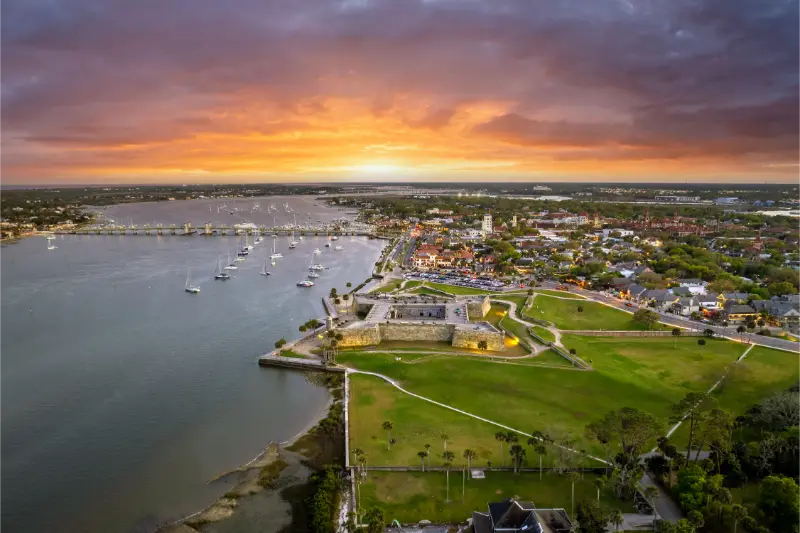
    Saint Augustine Florida Historic Waterfront at Night

    St. George Street is famous for historic shopping, but its pedestrian crowds and older building entrances can be difficult for someone using a mobility aid. It can still be appreciated from appropriate sections without visiting every shop. If a storefront requires steps, skip it and use the group's energy for a more accessible experience elsewhere. Restaurants in historic buildings also vary: ask specifically whether there is an accessible entrance and restroom, and whether table access is possible without navigating a tight corridor.

    Day two: choose one museum, not five

    St. Augustine has many historical attractions, but trying to visit them all in a day quickly becomes tiring. Decide on one cultural venue based on its actual accessibility and your interests. A history museum with accessible exhibits may work well in wet weather; a historic house may be less convenient if it includes stairs or narrow rooms. Do not buy a bundle of attractions before verifying that each one is usable for the member of your group with the greatest access needs.

    A good second morning may begin with a museum visit and continue with a relaxed lunch. If the group wants another outdoor activity, choose an accessible waterside or garden route only after confirming its condition. People traveling with very young children may prefer another short waterfront stop and hotel rest instead. The historic city is still enjoyable when you leave out some famous ticketed attractions; depth of experience matters more than the number of entries stamped.

    Alternatives for travelers who prefer a quiet day

    Historic destinations can be noisy and crowded, particularly on weekends, during school visits, and at festivals. If a family member is sensitive to sensory overload, visiting the Castillo early on a weekday may help, although demonstrations and special events have their own schedules. The city's Visitor Information Center has staff training relevant to autistic visitors and can be a useful place to discuss a low-stimulation approach. Pack headphones or comfort items if they are part of the traveler's usual routine.

    Sometimes the best alternative is a long seated break rather than another attraction. Choose a shaded cafe or hotel lounge, review the next day, and see whether the traveler feels like going out again. A short visit to a waterfront overlook can replace an ambitious walking tour without turning the day into a disappointment. Do not assume that age, disability, or diagnosis alone tells you which activities someone will enjoy; ask the individual and remain flexible.

    How to choose lodging in the historic area

    A charming historic inn may have lovely photographs and an awkward staircase. A modern hotel farther from the oldest streets may provide elevators, accessible bathrooms, and predictable parking, but it can add a transfer to each day. Compare the two honestly. If step-free access is essential, ask the property about the exact reserved room, entry threshold, bathroom doorway, shower layout, grab bars, elevator, and parking route. General accessibility icons are not a substitute for these details.

    For families with a stroller or baby, a ground-floor or elevator-served room and a refrigerator can make outings simpler. For older travelers, a comfortable sitting area and short distance to meals may outweigh an impressive historical address. Avoid changing hotels during a two-day stay. A return drive after a calm morning may be less tiring than several cobblestone walks between attractions chosen only because they are geographically close.

    Transport and seasonal crowd planning

    Driving and parking conditions vary with special events, and the city sometimes offers event-specific park-and-ride shuttles. The official municipal page describes accessible shuttle service for selected high-traffic occasions, but that does not mean a free shuttle runs every day. Check the exact event date, pickup point, hours, and wheelchair accommodation before relying on it. An ordinary weekday visit may require a different transport plan.

    The city can become hot and humid, and afternoon storms can interrupt a walking itinerary quickly. Plan the most important outdoor stop early, then keep lunch and indoor interpretation later. During large festivals, expect busier crossings and longer wait times. A traveler who needs room to maneuver a wheelchair may be better served by a quieter day than by a crowded event even when the event is advertised as accessible.

    Costs and admissions without paying for unusable activities

    The principal costs are accommodation, parking, any fort admission, other museum tickets, food, and local transfers. Check current National Park Service entrance fees and pass acceptance before visiting the Castillo. Pass eligibility can differ by residency or visitor category, so don't assume every U.S. disability or senior discount applies to an international tourist. Some attractions sell combination tickets, but those are only good value if your group can and wants to access all the included venues.

    Set aside a small contingency amount for an accessible taxi or unplanned parking change. If an old building advertises a tour, ask whether the entire tour is step-free or whether an alternative program exists. Paying less for a tour you cannot attend is not a bargain. If the accessibility answer is vague, choose an attraction with clearly described routes and a better match to your group's needs.

    The easy two-day plan at a glance

    On day one, arrive at the Visitor Information Center, clarify the route, and visit the accessible lower level of the Castillo. Eat lunch nearby and take a short waterfront walk only if conditions are comfortable. On day two, book one verified museum or cultural venue, leave time for a relaxed meal, and use the afternoon for rest or an optional outdoor view. The itinerary is intentionally flexible because parking, paving, weather, and individual energy vary.

    This is also a useful structure for a traveler aged ninety or more who enjoys history but dislikes standing in lines, or a family pushing a stroller. It does not promise that the entire city is step-free; it identifies an achievable core visit and shows how to replace unsuitable sections. St. Augustine deserves to be experienced at a pace where visitors can appreciate what they see rather than spend the day confronting unexpected barriers.

    Frequently asked questions

    Can a wheelchair user visit Castillo de San Marcos?

    Yes, important lower-level areas and restrooms are accessible, according to NPS. The upper gun deck is accessible only by stairs; check the official virtual interpretation for that part.

    Is the historic downtown parking garage available every day?

    The city lists a central garage operating 24 hours, but fees, events, and space availability vary. Confirm the current rules and the accessible pedestrian route.

    Does the city offer a free accessible shuttle?

    For selected events, yes. It is not necessarily a daily service. Verify event dates, routes, and hours before planning around it.

    Official resources

    Start with the St. Augustine Visitor Information Center, the municipal parking garage, the event shuttle guidance, and the NPS Castillo accessibility information.

  • Disney DAS vs Universal AAP: Accessibility and Queue Accommodations

    Disney DAS vs Universal AAP: Accessibility and Queue Accommodations

    A disability or access need can change how a family experiences a Florida theme park, but the two largest Orlando resort operators do not use identical procedures. Walt Disney World’s Disability Access Service (DAS) and Universal Orlando’s Attractions Assistance Pass (AAP) are separate accommodation systems, and neither should be confused with an ordinary paid skip-the-line product. Eligibility can depend on an individual’s functional needs and a conversation with the park operator. This guide explains what the programs are designed to do, how the processes differ, and why planning a comfortable day is about much more than obtaining a particular pass.

    At a glance

    Planning pointBest action
    Disney DASDevelopmental-disability related queue accommodation
    Universal AAPDistinct assessment and program
    Wheelchair accessCheck queues and ride transfers separately
    RegistrationAlways use the operators’ official process

    Start with the needs, not a desired pass

    A visitor may struggle with a conventional queue because of sensory overload, disability-related difficulty tolerating the environment, fatigue, mobility limitations or other factors. Different needs may be addressed by different accommodations. It is important not to imply that a diagnosis automatically grants any particular program or that every disability is handled through the same queue procedure. Before requesting assistance, describe what actually happens when the guest waits and what would help them participate safely. Is the difficulty the crowded environment, standing, unpredictable time, accessible ride vehicle, transfer process or communication? This distinction allows Guest Relations to discuss the relevant services and gives the travel party alternatives if a requested accommodation is not approved.

    Disney’s DAS: the stated purpose

    Disney currently describes DAS as a program intended for guests who, because of a developmental disability such as autism or a similar condition, cannot wait in a conventional queue for an extended period. The program is not a general queue-skipping pass for people who dislike lines or need to avoid standing. When provided, DAS allows a comparable wait through a return-time system rather than immediate boarding. Disney’s official guidance should be read closely because definitions and procedures have changed over time. Avoid social media claims that guarantee approval based on a diagnosis, doctor’s note or disability identification card. Staff make an individual determination under the current rules. Other accommodations may be more suitable for guests whose primary limitation is mobility or fatigue.

    Registering for DAS at Walt Disney World

    Disney explains that DAS eligibility discussions take place through a live video chat. The current published process allows guests to speak with a Cast Member as early as 60 days before the park visit. Disney says there is not an in-person registration option, although someone who has not applied ahead of time can participate in the video process on the day of the visit. The person requesting DAS must participate as the policy requires, with a parent or guardian involved where appropriate. Disney may discuss other available access options even when DAS itself is not provided. Leave time to arrange video communication before a busy travel day. Check time-zone and language considerations, and consult Disney directly about communication access needs rather than relying on unofficial shortcuts.

    Disney Theme Park Character Float Parade

    How Disney DAS return times work

    A registered party generally requests a return time for an eligible attraction and waits until it is due, but does not bypass the comparable standby wait. Disney’s app is one published method for choosing return times once inside a park; the official information also discusses alternatives for guests without a suitable mobile device. The DAS-registered guest must be present and experience the attraction when redeeming a return time. A party can hold only the permitted number of active return times under the current policy, and size limits apply to the registered group. Because operations and attractions change, verify the exact current limits before visiting. Do not buy Lightning Lane access assuming it is automatically included with DAS; they are distinct services.

    Universal Orlando: AAP and the accessibility process

    Universal Orlando uses a different process for queue-related accommodations. Its official accessibility guidance explains the Attractions Assistance Pass (AAP) and the role of the Individual Accessibility Card (IAC), issued by the third-party IBCCES program. The IAC is not itself a guarantee that Universal will issue a particular accommodation. Universal evaluates the guest’s requirements and may offer AAP or another suitable arrangement. Current guidance describes account-based digital AAP use through Universal’s app, with Guest Services alternatives for guests without an appropriate device. Ask the resort how the procedure applies at Universal Studios Florida, Islands of Adventure, Epic Universe and Volcano Bay, because water-park processes and event access can differ. Read the resort’s accessibility materials well before tickets become nonrefundable.

    Understand IBCCES without misunderstanding the documentation

    IBCCES handles the IAC process used within Universal’s accessibility system. Travelers should review that organization’s official documentation and lead-time requirements rather than waiting until they reach the front gate. An IAC reflects registration for consideration of accommodations; it does not force a park to issue an AAP or waive ride restrictions. Protect private health information: do not share medical documents in a public travel group or with an unverified intermediary selling “special access.” Parents of minors should supervise submissions and follow official privacy procedures. If required documentation is difficult to obtain, contact Universal’s Guest Services early and ask what practical alternatives exist. Avoid basing the entire holiday on a single anticipated approval.

    Mobility devices, accessible queues and transfers

    A wheelchair or electric conveyance vehicle may be appropriate for someone who cannot walk or stand for extended periods, but mobility equipment alone does not mean an automatic DAS or AAP approval. At many attractions, a wheelchair-accessible queue or a designated transfer procedure may be the first accommodation. Ride vehicles have varying restraint, posture and transfer requirements; some attractions cannot accept a guest who does not meet particular safety criteria. Check official access guides for each attraction, especially when traveling with a large power chair or when the rider cannot transfer independently. Bring essential mobility accessories, charge electric devices and ask about wheelchair rental locations. If someone uses a stroller as a mobility device, enquire about Disney’s separate stroller-as-wheelchair tag requirements rather than assuming every stroller may remain in queues.

    Sensory planning for neurodivergent travelers

    A carefully planned day can reduce the burden of sensory triggers even when a queue accommodation is granted. Study park maps before departure, identify quieter pathways, seek out lower-intensity experiences and schedule rest around busy arrival and afternoon periods. Headphones or ear protection may be useful in some spaces but are not permitted on every attraction. Lights, special effects, sudden sound and enclosed environments can be more significant triggers than the wait itself. Adults can agree on a simple signal for “leave now” rather than insisting that a child finish an experience. For teenagers and adults, ask directly what adjustments they prefer and preserve their agency. An accommodation may facilitate access, but it cannot guarantee an environment free of crowds or stimulation.

    Travel with relatives without making the entire group wait together

    A mixed-age group can benefit from splitting into smaller teams for an hour or two. One adult may accompany a guest who wants a quieter exhibit while others enjoy a thrill attraction. Establish a meeting place with shade, bathrooms and a recognizable landmark. For a large group, check the current group-size limits of any accommodation rather than assuming every extended family member can join. Children should know whom to contact and how to ask a staff member for help if separated. Keep care supplies, medications and contact details with the person who will need them. Consider whether an accompanying adult could also use a calm break; access planning is sustainable only if caregivers have a realistic day too.

    What to ask Guest Services before the trip

    A useful email or call explains the number of guests, dates, specific difficulties with the conventional queue, mobility-device dimensions if relevant, communication requirements and concerns about particular attractions. Ask which website explains the current policy, how far ahead any application should begin, what happens without a smartphone and how to request assistance at the park. Also ask about quiet spaces, companion restrooms, ride transfer protocols and emergency evacuation support. Keep responses and confirmation numbers together, but remember that decisions may still need to be made on site. Never pay a private “access broker” who promises guaranteed eligibility. Use only official operator and authorized registration channels, and be wary of advice that encourages exaggerating a guest’s symptoms.

    A realistic accessible park day

    Imagine a family with one person who needs predictable transitions and another who uses a wheelchair. Before arriving, the group studies attractions they can enjoy together, records accessible transportation options and plans a morning visit followed by a long hotel break. The family may choose a quieter breakfast and reserve one possible show instead of trying to complete every famous ride. If DAS or AAP is applicable, it can help with eligible queue-related obstacles, but they still check each attraction’s transfer rules and sensory effects. The afternoon schedule includes a fallback such as an accessible indoor exhibit or return to the hotel. A successful day is measured in comfortable participation, not in the number of attractions conquered.

    Common mistakes and respectful expectations

    Do not equate disability with one program. Do not assume that a letter from a professional automatically entitles a person to a pass, that two parks share an application, or that an accommodation removes all waiting. Do not film another guest’s registration conversation or question why someone does or does not receive assistance. Never use another person’s registration to enter an attraction without the guest who is entitled to it. For access difficulties during the day, seek a trained employee rather than confronting guests in the queue. Finally, check policies close to departure; the exact procedures may change, and written advice from an older vacation may be obsolete.

    Frequently asked questions

    Is Disney DAS a free Lightning Lane pass?

    No. Disney describes DAS as a queue accommodation based on a comparable return-time wait and specific eligibility considerations, not an unlimited immediate-access ticket.

    Toy Story Pizza Planet at Disney Theme Park

    Can I request DAS in person at the front desk?

    Disney currently states that DAS registration is through live video chat, including an option to connect on the day of the visit. Verify the current process before travel.

    Does an IBCCES IAC guarantee Universal AAP?

    No. The IAC is part of the documentation or registration process; Universal determines the appropriate park accommodation.

    Can a guest using a wheelchair request other help?

    Yes. Attraction accessibility, transfer assistance, accessible queues and other services should be discussed according to the person’s needs; a wheelchair alone does not determine DAS or AAP eligibility.

    What if an accommodation is not approved?

    Ask Guest Services which alternate services or adjustments may help, and use a flexible itinerary that does not depend on one outcome.

    Official sources and current regulations

  • Orlando Theme Park Accessibility: Wheelchairs, ECVs, Queues, Sensory Needs and Rest Breaks

    Orlando Theme Park Accessibility: Wheelchairs, ECVs, Queues, Sensory Needs and Rest Breaks

    A theme park visit should not require every guest to walk at the same speed, stand in conventional queues or tolerate the same level of noise. Orlando’s major parks offer accessibility resources, but the details differ by operator and attraction. A wheelchair-accessible entrance does not automatically mean a guest can remain seated in a wheelchair during a ride. Likewise, a program designed to support a particular queue-related disability is not a general fast-pass substitute. This guide helps visitors ask the right questions about transport, mobility devices, queues, sensory environments and realistic itineraries before committing to a costly park day.

    At-a-glance comparison

    NeedWhat to verifyDo not assume
    Mobility deviceRoute, loading, transfer and rental optionsEvery ride accepts the same device
    Queue accommodationCurrent operator-specific procedureDAS or Express is automatic
    Sensory needsNoise, darkness, lighting and calm areasAll gentle rides are sensory-neutral
    Medical planningBreaks, water and accessible facilitiesA full-day pace suits everyone

    Begin with individual needs, not a generic accessibility icon

    Create a list of practical requirements without assuming they are all the same. Can the traveler transfer independently from a wheelchair to a ride seat? Can they stand for a short interval? Do they require step-free routes, a companion, captions, hearing support, space for a service animal, or a quieter place to recover? Are there medical devices or temperature-sensitive medications involved? The answer may change which attractions, hotels and transport methods are suitable. Contact the park’s accessibility team in advance for current policies and relevant guide maps.

    For some visitors, avoiding prolonged standing is the biggest concern. For others, loud sounds, flashing lights or unpredictable changes are more challenging. A visitor with reduced stamina may be fine on a gentle ride but unable to manage the long approach to its entrance. Accessibility planning should include security, parking, transport stops, restaurant seating and the return to the hotel, not just the ride itself.

    Disney’s services are not one universal pass

    Walt Disney World publishes guides covering mobility access, accessible transport, rental wheelchairs and ECVs, attraction transfer procedures, and other guest services. Its Disability Access Service, often called DAS, has specific eligibility related to guests who cannot wait in a conventional queue for an extended period because of certain developmental disabilities such as autism or similar conditions. It should not be presented as an entitlement for everyone who uses a wheelchair or needs an accessible route. Disney provides other strategies for accessing queues depending on the individual need and attraction.

    Before traveling, study the current Disney accessibility pages and registration procedures. Staff may recommend an approach other than DAS, including standard accessible queues, queue re-entry options or Rider Switch in appropriate situations. Do not use old online stories as a promise that a particular accommodation will be granted. Eligibility, registration methods and service conditions can change, and each visitor should explain their own functional needs honestly.

    Universal Orlando has different processes

    Universal operates its own accessibility programs and guide materials, so a Disney accommodation does not automatically transfer to Universal Studios Florida, Islands of Adventure or Epic Universe. Review the current Accessibility Information and attraction-specific requirements directly with Universal. Some rides may require transfers, particular seating positions, secure storage of a device or assistance from the guest’s own party. A guest who can remain in a wheelchair for one attraction might need to transfer for another.

    Likewise, standard Express Pass is a paid queue product rather than a guarantee of accessibility accommodations. A shorter line may help with certain needs, but it cannot substitute for a ride’s physical requirements or the operator’s procedures for accessing attractions. Speak to park representatives about your circumstances before buying nonrefundable extras. Guests with cognitive or sensory needs may benefit from official sensory details and quieter break areas rather than relying only on queue products.

    Orlando Theme Park Ride and Palm Trees

    Wheelchairs, scooters and the amount of walking involved

    Park distances are substantial. Renting a wheelchair or ECV can allow some visitors to remain comfortable for more of the day, but equipment availability and fees differ by location. Park rentals may have limitations on whether equipment can be taken beyond a gate or onto transport. An ECV bought or rented off-site may be more useful for a multi-day holiday, but storage, hotel charging, transport fit and battery range become essential considerations. Check the manufacturer’s size and weight specifications and the park’s current rules.

    A wheelchair is not automatically the same as an ECV for access purposes. Some attraction queues or loading areas accommodate one type differently from another. If a person cannot transfer, find that information before making a ride a central family promise. Plan extra time for slopes, ramps, elevators and restrooms. Keep the traveler involved in deciding the pace; it is possible to spend the whole day trying to ‘optimize’ access while leaving the actual guest exhausted.

    From parking space to entrance security

    Accessible parking may require a valid parking permit and may still involve normal parking fees. Visitors from another state or country should check the applicable recognition or temporary-permit rules rather than assuming any foreign disability badge is accepted without question. Disney and Universal have different parking facilities and accessible routes; the closest space on a map may not solve the final approach to the gate. If traveling with a wheelchair-accessible vehicle, confirm clearance and unloading space at the actual car park.

    The transition through security can also be tiring for people who cannot stand long or who become distressed in crowded environments. Arrive with needed documents and know which bag items must be examined. Ask staff where accessible entry and assistance points are located. A later but calmer arrival can be a smarter choice than joining a dense pre-opening crowd, especially for guests who are sensitive to sudden sounds or have limited standing tolerance.

    Accessible transport around the resorts

    Disney says most of its resort transportation is accessible, with specific requirements for wheelchairs and mobility scooters on buses, the Skyliner, monorail and watercraft. Actual watercraft access can depend on boat type and conditions. Universal and local transport providers operate different systems. Check accessible shuttle availability from your hotel, the pickup point, advance reservation procedures and the dimensions of the traveler’s device. The hotel description ‘free shuttle’ does not guarantee that the service can accommodate a particular wheelchair.

    If your day includes ride-hailing, check whether a wheelchair-accessible vehicle can be reserved where needed and allow extra time for demand. Families bringing a child with a specialized restraint must verify that the vehicle can safely carry both equipment and passengers. A transfer that looks easy on a route map can become the most difficult part of the day if accessible transport is not confirmed in advance.

    Sensory planning: the invisible side of accessibility

    Many attractions use loud music, darkness, sudden motion, flashing effects, crowds and unanticipated announcements. A person may be able to walk all day yet struggle with a specific queue or pre-show. Consult sensory descriptions and guide maps before the visit, and plan quieter areas with shade or indoor seating. Pack familiar hearing protection or calming aids within the park’s permitted-item policy. Explain changes to children in simple terms and give them some control over whether to participate in intense experiences.

    A sensory break is not a failure to enjoy the park. It may be what allows the family to have a successful afternoon. Set a meeting location outside high-noise areas, agree on signals to take a break and ensure everybody has the information they need. A companion should not override a person’s expressed discomfort merely because a famous ride has a short wait.

    Restrooms, medications, food and temperature

    Accessible restrooms and companion-care facilities can vary in layout and location. Download the current park map, identify relevant facilities and ask if changing or adult care facilities are available for the visitor’s specific needs. For medication that requires temperature control, plan how to transport and store it according to the medication’s instructions and the park’s policies. Bring drinking water and follow personal medical advice, particularly during summer heat. A limited appetite, dietary restriction or need to eat at regular intervals may affect the timing of a ride schedule.

    Air-conditioned shows, long indoor meals and hotel breaks are useful itinerary tools. Florida humidity can affect people with reduced stamina much more than the advertised temperature suggests. Do not assume an ECV protects someone from sunburn or dehydration. A person remaining seated in a sunny queue may need even more deliberate shade planning because they are exposed for long periods.

    Attraction transfers and honest expectations

    Before boarding a ride, check restraint systems, steps, ride vehicle dimensions, evacuation requirements and whether guests may need to transfer from a wheelchair. An accessible queue does not remove an attraction’s inherent motion or physical limits. Some guests can transfer with a companion’s help; others cannot or should not attempt it. Do not attempt unsafe lifting, and do not pressure a visitor to demonstrate independence when they have expressed uncertainty. The park’s official attraction accessibility information is the correct place to begin.

    For visitors using prosthetics or other assistive equipment, certain attractions may have detailed restrictions for safety. The rules can differ between rides and change after safety reviews. Verify the actual attraction, not a broad claim that a park is accessible. There is still plenty to experience through shows, themed spaces, wildlife, dining and accessible attractions even when some high-intensity rides are unsuitable.

    A sustainable one-day park plan

    Start with two priority attractions that the guest wants and can comfortably access. Add a seated show or calm experience, a planned early lunch and an afternoon decision point. Instead of booking an expensive evening commitment automatically, choose a flexible exit time. The family might return to the hotel for rest, then come back later if everyone feels able. Some visitors will have a full day; others may have a much better experience visiting for four or five hours. Both are successful outcomes.

    Orlando Theme Park Entrance Plaza

    Consider choosing a smaller selection of experiences on consecutive days rather than exhausting every possibility on one day. An older guest might enjoy a scenic boat ride, a garden and a meal more than thrill attractions. A child who finds queues hard may prefer repeat visits to a favorite calm space. Ask the traveler what they genuinely want to remember from the day rather than creating a plan solely around popular social-media advice.

    FAQ: does using a wheelchair automatically qualify me for Disney DAS?

    No. Disney distinguishes mobility accommodations from DAS and lists particular eligibility criteria for the latter. Consult the official Disability Access Service page and the broader accessibility guidance for the appropriate support.

    FAQ: can I rent an ECV at the park and take it to my hotel?

    Do not assume so. Rules depend on the operator and rental arrangement. A separate off-site rental may be needed if the device must be used across the hotel, transport and multiple park days.

    FAQ: is a paid Express or Lightning Lane pass necessary for accessibility?

    Not necessarily. Paid queue products and disability-related accommodations are different. Contact the park directly to understand available accessibility options before deciding whether an optional paid product is useful.

    Official resources

    Begin with Disney’s current accessibility hub at https://disneyworld.disney.go.com/guest-services/guests-with-disabilities/ and consult Universal Orlando’s current accessibility services and official guide. Recheck details before travel because program conditions, attraction availability and transfer requirements are not fixed permanently.

    For additional official details, consult Disney mobility needs services.

  • Easy Greenways Around Orlando: Four Days of Paved Walks for Strollers and Wheelchairs

    Easy Greenways Around Orlando: Four Days of Paved Walks for Strollers and Wheelchairs

    Orlando is often treated as a place where every vacation day requires a theme-park ticket. In reality, its urban trail network and neighborhood parks offer shorter, lower-cost breaks that can be especially enjoyable for families traveling with strollers, wheelchair users and older relatives. A paved path can also provide a useful change of pace after a crowded attraction. The difficulty is knowing which trail entrance has convenient parking, which section is actually level and how far you will need to travel before finding shade or a restroom. This four-day plan focuses on practical, short out-and-back visits rather than challenging everyone to complete a long route.

    At-a-glance travel plan

    PlanWhere or whatImportant note
    Day 1Lake Baldwin park networkChoose a short shaded section
    Day 2Cady Way TrailCheck crossings and route notices
    Days 3–4West Orange and favorite trailBegin at verified trailheads

    A paved trail is not automatically effortless

    Smooth pavement helps with wheels, but accessibility depends on more than surface. Crosswalks, curb cuts, grade changes, distance, heat, crowding, loose gravel at trailheads and the location of toilets can all affect a visit. A path marketed as family-friendly may still contain long exposed stretches without shade. Before leaving your accommodation, check the exact starting point on the operator’s official map and decide how far your group intends to go. Turn around halfway through the comfortable distance; remember that an out-and-back walk doubles the effort required. Older visitors should be able to choose a seat or exit point without feeling that they have let the group down.

    Where to stay for four low-stress days

    Winter Park, Baldwin Park and the northwest Orlando area can serve as convenient bases for several of the visits described below. Choose a hotel based on the actual access point you plan to use, not simply its straight-line distance from a trail on a map. Families with a stroller may value a quiet ground-floor room and refrigerator, while wheelchair users should confirm door widths, bathroom layout and parking. If you will use buses or rideshare, investigate how safely each vehicle can accommodate your equipment, since not all trailheads are practical drop-off points. Having a rental car simplifies this itinerary, but each individual outing can remain short.

    Orlando Theme Park Observation Wheel at Night

    Day one: Lake Baldwin and a comfortable neighborhood loop

    The Lake Baldwin area has connected paved paths and nearby neighborhood amenities. The City of Orlando describes Orlando Veterans’ Memorial Park as a shaded waterfront park with a paved walking path and connections to other parks in the Lake Baldwin network. It is a good place to begin without deciding to complete the entire lake loop. Choose a meeting point, assess the heat and enjoy a short stretch before returning. Some group members may prefer a bench and lakeside view, while others explore farther. Confirm where the accessible parking and toilets are for your chosen section, since nearby parks do not necessarily share facilities.

    Why an urban park may be better than a remote preserve

    Urban greenways can provide predictable road access, cafés and nearby indoor alternatives. That makes them useful when traveling with a toddler who suddenly needs a diaper change or a grandparent who needs to rest. They also allow families to split temporarily without creating a complicated retrieval plan. The tradeoff is sharing space with cyclists, runners and dog walkers, who may travel at very different speeds. Teach children to remain to the proper side of the path and to stop off the main travel line when looking at wildlife. Dogs should follow posted leash rules. A greenway is a shared transportation and recreation corridor, not a private playground.

    Day two: a selected section of the Cady Way Trail

    The Cady Way Trail is part of Orlando’s paved trail network and connects to local neighborhoods and other paths. Do not approach it as a route you must complete end to end. Select one parking area and a short segment with a clear turnaround landmark. Families can count bridges, look for urban birds and discuss how old transportation corridors become public routes. A wheelchair user should check crossing conditions and whether any temporary work affects the exact section. Plan a café break afterward instead of scheduling another long outdoor activity in the afternoon, particularly during the hot season.

    Path etiquette with children and mobility devices

    Shared-use paths work best when visitors signal their intentions and leave room for others. Walk or roll predictably, move aside safely before stopping for a photograph and keep children away from blind corners. Bicycles can approach quickly from behind, so use extra care with a stroller that extends into the trail. A person using a mobility scooter should maintain a speed suitable for pedestrians and follow site-specific rules. Avoid assuming that a painted center line divides the trail into separate bicycle-only and pedestrian-only areas; read the signs at the actual location. If a child wants to practice riding a bike for the first time, choose a permitted beginner-friendly area with low traffic rather than a busy commuter segment.

    Day three: sample the West Orange Trail from one trailhead

    The West Orange Trail stretches through western Orange County and includes access points near communities such as Winter Garden. For a family-oriented visit, identify a single publicly marked trailhead with the parking and facilities you require. Do not attempt a multi-mile outing unless everyone has the energy and equipment for it. A historic downtown stop before or after the walk can provide food, seating and a change of scene. Respect the fact that some trail sections cross active streets and may be busier at weekends. Confirm current trail connections and any construction; projects linking existing paths have been under development and map apps can show incomplete connections as if they were open.

    Turn a short walk into a learning activity

    A short trail can be more engaging than a long one when children have something specific to notice. Ask them to identify three kinds of shade, compare the sounds near a road crossing with the sounds farther along a greenway, or record the birds seen from a safe distance. A teenager might photograph signs showing trail rules and explain why different users need predictable behavior. Someone with reduced stamina can participate in a seated observation activity at a legal rest area. If your group includes a person with low vision, announce upcoming crossings and surface changes rather than assuming the pavement is obstacle-free. The point is shared exploration, not a competition for steps.

    Day four: revisit the most comfortable location

    The fourth morning should be reserved for whichever trail or park proved most enjoyable, or a new short stretch chosen on the basis of the group’s experience. If the first three days were hot, pick a shadier urban waterfront path and shorten the walk. If someone discovered they enjoy cycling, arrange an appropriate rental only if the route, equipment and comfort level are suitable. A quiet breakfast followed by a thirty-minute greenway visit can be a satisfying final day before a flight. Avoid making an unfamiliar trail a required stop on a tight departure schedule; cross-town traffic can be unpredictable even outside theme-park areas.

    Orlando Theme Park Themed Building

    Accessibility questions to ask before you go

    Contact the city or county operator about the trailhead you want to use. Ask whether an accessible parking bay is available, whether the pavement is interrupted by construction, how steep the approach is and how far the nearest accessible restroom is from the starting point. Families should also ask about drinking water, shade and whether the path becomes crowded during organized events. A trail described as paved does not necessarily have a sheltered place to turn around or a safe crossing for every visitor. A personal mobility aid that works well inside a hotel may behave differently on sun-softened asphalt, steep ramps or irregular seams.

    Heat, storms and Florida's fast-changing afternoons

    Even a short urban greenway can be uncomfortable in direct sun. Begin early, carry drinking water, use sun protection and choose shade breaks before anyone feels ill. A child in a stroller may have less airflow than the adult pushing it, so check their comfort often and never drape a blanket in a way that traps heat. Thunder is a reason to leave an exposed path and seek a safe enclosed building or vehicle. Trails near trees may also contain branches or debris after storms. Check city trail notices following severe weather rather than assuming the route is clear because the map shows it as open year-round.

    Costs, transportation and choosing the right extras

    Public trails themselves may have no separate admission fee, but parking rules and nearby activities vary. Budget for accommodation, rental-car costs or accessible ground transport, meals, equipment and an indoor alternative if afternoon rain arrives. Consider bringing a small picnic rather than expecting a concession stand at every trailhead. If renting bicycles, confirm the provider’s policies for children, helmets and adaptive equipment ahead of time. Avoid prepaying for several outdoor activities on the same day when weather could cancel them all. For some families the most valuable expense is staying close to the chosen paths, reducing driving time and keeping the schedule flexible.

    Official maps make the difference

    Use the City of Orlando’s Cady Way information and its local park directory, along with current Orange County trail maps and notices. A screenshot of the exact trailhead and a saved address are more useful than a generic pin labeled ‘Orlando trails.’ Check whether construction, temporary maintenance or special events affect the route. With four unhurried days you can discover a side of the city where families of different ages and mobility levels move at their own speed. There is no prize for finishing the entire greenway; the best visit is the one everyone can comfortably enjoy.

    Restrooms, drinking water and emergency turning points

    Before starting each walk, identify a reliable restroom rather than assuming one exists at every point on a mapped trail. Use an official map to mark the closest street crossing or public exit at which your group could stop if someone becomes uncomfortable. People using wheelchairs or pushing large strollers benefit from knowing the next safe turning point; an apparently simple path can feel much longer when shade disappears. Carry water for everyone, and consider an insulated bottle in summer. If a restroom or parking lot is closed, switch trailheads instead of extending the outing in hopes of finding another facility. This small amount of preparation protects a relaxed afternoon from becoming a stressful one.

    Frequently asked questions

    Are all Orlando greenways wheelchair-accessible?

    No. Many have paved segments, but crossings, grades, construction and facility access vary. Verify the exact section and trailhead before traveling.

    Can children cycle on these paths?

    Often yes on shared-use routes, subject to posted rules. Select a quiet section and supervise children around pedestrians, road crossings and faster cyclists.

    Do I need a rental car to reach every trail?

    Not necessarily, but transport options vary significantly by trailhead. A rental car can simplify a four-day itinerary, while carefully chosen individual outings may work by other means.

  • Jacksonville With Limited Walking: A Relaxed Four-Day City and Coast Trip

    Jacksonville With Limited Walking: A Relaxed Four-Day City and Coast Trip

    A city break can be enjoyable even when you cannot comfortably walk several miles a day. Jacksonville, in Northeast Florida, has museums, river views, beach communities and historic neighborhoods, but it is geographically spread out. The key is not to label the entire city “walkable.” It is to choose one practical hotel, drive or arrange transport between selected stops, and design outings where the most interesting parts are close to the entrance.

    This four-day itinerary is written for people who prefer limited walking, including older travelers, visitors recovering their stamina and families traveling with someone who has mobility limitations. It is not a claim that every attraction is wheelchair accessible. Wheelchairs, walkers and other mobility equipment involve individual requirements that should be confirmed directly with each venue. The itinerary makes those questions part of the plan instead of an afterthought.

    Start with a hotel that removes unnecessary effort

    Jacksonville’s downtown, Riverside area, Southbank and beach communities offer different experiences. A hotel downtown may simplify riverfront meals and some museums, but the beaches require a drive. Staying by Jacksonville Beach may be pleasant for ocean views but can add travel time to cultural stops. Compare the distance from the hotel entrance to the parking or rideshare drop-off, not only the distance from the hotel to an attraction pin.

    Before booking, ask whether the property has a step-free route from parking to room, elevators that reach every guest floor, and a bathroom configuration appropriate for the travelers. For someone with limited stamina, an elevator may be more helpful than a beautifully described rooftop amenity. If using a wheelchair, request specific doorway, roll-in shower, transfer space and bed details in writing. An “accessible room” label without measurements is not enough.

    Look for simple meals nearby and a place to sit outdoors without climbing stairs. Jacksonville can be hot and humid, with thunderstorms disrupting long outdoor visits. Staying somewhere that feels comfortable during a rest period is part of the vacation, not merely an overnight necessity.

    Day one: a single riverfront neighborhood and a calm evening

    After arrival, keep the program light. Jacksonville’s St. Johns River creates attractive viewpoints in the downtown area, but walking routes differ between the Northbank and Southbank and may be affected by construction or special events. Check the city’s current waterfront information and choose one short section that is open and comfortable. You do not need to walk an entire riverwalk to enjoy the view.

    Downtown Jacksonville Waterfront with Tour Boat

    If you arrive by car, choose parking near your intended stop instead of using a distant bargain lot. If a family member uses mobility equipment, confirm whether accessible parking and curb cuts connect to the actual entrance. For some visitors, taking photographs near a waterfront seating area and having an early dinner is the ideal first-day activity. It also leaves time to identify a pharmacy or grocery store if something was forgotten.

    Don’t make your first night an experiment with several rideshare pickups. Keep the evening near the hotel and allow time to rest. The next morning‘s museum visit will be more enjoyable when no one feels they have to recover from arrival day.

    Day two: the Cummer Museum of Art & Gardens

    The Cummer Museum in Riverside is an excellent cultural focus for a day that doesn’t need a long walking itinerary. The collection, riverfront gardens and indoor facilities let travelers decide how much they want to see. The official visitor page lists current admission, operating hours, parking information and accommodations. Important for visitors in late 2026: the museum introduced self-paid parking in its lots from September 1, so do not rely on older articles describing it as universally free.

    Choose your main interest before arrival. Someone who enjoys painting can prioritize a few galleries; another person might prefer part of the garden or a museum café break. Outdoor garden access can change with storms or evening closing times. If you are using a walker or chair, look at the accessibility information and request assistance with the route between the entrance, galleries, restrooms and gardens. The fact that a museum is accessible does not mean everyone will want to cover the entire site.

    After the visit, plan an easy lunch nearby and return to your accommodation. Resist the temptation to add a long walk through another neighborhood simply because it appears close on the map. Jacksonville neighborhoods can have wide roads and variable shade, which changes the experience for people who tire easily.

    Day three: a beach viewpoint without requiring a beach hike

    The beaches east of Jacksonville are worth considering even for visitors who do not want to swim or walk across soft sand. Jacksonville Beach, Neptune Beach and Atlantic Beach are neighboring coastal communities with different streets and public access arrangements. Choose a small section where your hotel or parking location makes an ocean view practical. Public parking can fill during busy periods, and accessible routes vary by specific access point.

    Call the local beach authority or consult its current accessibility information if your group needs a beach mat, beach wheelchair or specific accessible restroom. Do not assume that a beach wheelchair can be reserved without advance notice, or that it is suitable for independent use. Ocean surf and weather still require caution, even when you only plan to sit near the shoreline. If a visitor prefers to remain on a paved public area, arrange the outing around that rather than treating the sand as an obligation.

    A comfortable day may consist of breakfast, a short oceanfront stop, a seafood or café lunch, and rest. If the group wants more, choose a second nearby coastal point that does not require a long transfer. Avoid committing to beach driving or strenuous boardwalks without checking the exact location and conditions.

    Day four: easy nature from the car or a short public park visit

    For the last day, choose between a green area close to the city and a quieter scenic drive northeast toward the Atlantic coast. The Jacksonville Arboretum & Botanical Gardens, for example, provides natural landscapes but may have trails that are uneven or longer than they appear on a visitor map. Check the organization’s current route descriptions before deciding it is appropriate for your group. If a very short paved outing is the priority, another urban park or waterfront viewpoint may work better.

    Alternatively, drive toward the Timucuan area and enjoy the scenery from permitted roads and planned short stops. Historic and natural sites can involve bridges, sand, steps or unpaved surfaces, so an online map is not proof of access. If visiting a National Park Service unit, use its official accessibility information to check services and current facility status. The drive itself can be enjoyable, but it should never substitute for an accessible restroom plan.

    The last day can also be a simple return to a favorite spot. With limited walking, a repeat visit at the right time of day may be more comfortable than a new destination that requires uncertain transfers. Allow enough time for airport travel or the onward journey.

    How to plan for a walker, wheelchair or limited stamina

    The most useful questions are specific. Is the parking area level? How far is it from the drop-off to the first place to sit? Are the restrooms on the same level as the exhibits? Does the outdoor part have a firm surface or loose gravel? Can a museum lend a wheelchair, and can one be reserved? Is an accessible taxi or van available at the time you need it? Different travelers will have different priorities.

    For someone who can walk short distances but cannot stand in queues, a lightweight seat where allowed, planned café breaks and avoiding peak hours may help. For a wheelchair user, door clearance, slope and transportation can be decisive. For people with chronic pain or fatigue, do not fill each day with stops that require repeated transfers in and out of a vehicle. A single excellent attraction is often enough.

    If you rely on rideshare, do not assume a standard vehicle will accommodate a powered wheelchair or other equipment. Confirm actual accessible transport availability ahead of time and have a backup plan. Medical or mobility needs should be discussed with the relevant professional rather than inferred from travel advice.

    Jacksonville’s size: why geography matters

    Jacksonville is spread across a large area, so staying “in Jacksonville” does not mean two attractions are necessarily close. Downtown, the beaches, the airport and parks to the northeast can require separate drives. When planning the day, examine the actual journey during the expected travel period, and account for bridges, traffic and parking. Florida’s official FL511 service can be useful before a highway journey.

    Jacksonville Downtown Riverfront at Night

    Keep each day to one geographic cluster. Combine the Cummer with Riverside lunch, not an afternoon beach trip if the group is tired. Pair a beach view with lunch in the same beach community, not a faraway historic fort. Arrange a northern nature drive with only a few confirmed stops. This simple rule reduces the physical toll of getting in and out of the car several times.

    A map also helps identify a hospital, urgent care or pharmacy if your travel party needs regular medical supplies. There is no need to fill the itinerary with health concerns, but knowing where everyday services are located can make a trip more relaxing.

    When to visit and what to avoid

    Spring and fall can offer comfortable outdoor conditions, although weather always varies. Summer brings higher heat and humidity with the possibility of afternoon storms. Winter may be pleasant for cultural and nature outings but is not guaranteed to deliver warm ocean swimming weather. For any season, check the National Weather Service rather than assuming a monthly average is today’s reality.

    Avoid long outdoor waits during severe heat, and never remain at an exposed waterfront or beach when lightning threatens. Bring water, a hat, sun protection and a light layer for strongly air-conditioned interiors. For visitors who need regular seating or accessible toilets, choose venues where facilities are confirmed instead of hoping to find them on arrival.

    Special events can change parking and museum schedules. Consult the official pages a day or two in advance. Jacksonville rewards careful choices; it is not a city where you need to see everything to understand its combination of river, ocean and neighborhoods.

    Four-day plan at a glance

    Day Main outing Short alternative
    1 One downtown river viewpoint Early dinner near hotel
    2 Cummer Museum of Art & Gardens Galleries only, skip outdoor grounds
    3 Jacksonville Beaches oceanfront Paved view and café instead of sand
    4 Brief urban nature visit or Timucuan-area scenic drive Repeat favorite nearby waterfront

    Allow at least one free afternoon and choose a hotel with easy dining. If your group includes a person who enjoys longer walks, you can divide briefly and meet for lunch rather than making everyone follow the same pace. The best accessible-minded itinerary supports a good shared vacation without treating different physical abilities as a problem to overcome.

    Frequently asked questions

    Is downtown Jacksonville easy to explore entirely on foot?

    Not for every visitor. Attractions and waterfront areas are spread out, and route conditions vary. Choose one short cluster and arrange transport between others.

    Can travelers in wheelchairs follow this itinerary?

    Some locations offer accommodations, but the exact route and equipment requirements must be confirmed with each venue and transport provider. This guide is a framework, not an accessibility certification.

    How many museums should we plan per day?

    For limited walking, one substantial museum is usually enough. Add a nearby meal or short river view only if energy and weather allow.

  • South Florida Museums with Accessible Visits: Five Days from Miami to West Palm Beach

    South Florida Museums with Accessible Visits: Five Days from Miami to West Palm Beach

    South Florida’s galleries, science exhibitions and cultural institutions can make a deeply enjoyable vacation for travelers who use wheelchairs, walkers or other mobility aids. The main obstacle is often not what happens inside a museum. It is the journey from hotel room to car or train, the route from parking to the entrance, the distance between exhibits and the availability of a comfortable place to rest. This five-day itinerary focuses on Miami, Fort Lauderdale and West Palm Beach while offering choices for adults, children and older companions.

    This guide does not claim that every gallery or temporary exhibition will suit every disability. Accessible facilities, borrowed wheelchairs and sensory supports vary, and a description on a website may not answer an individual traveler’s requirements. Before reserving nonrefundable tickets, contact the museums that matter most and explain the features you need. The reward is a cultural trip with fewer logistical surprises and more time to appreciate art, architecture, science and the people traveling with you.

    Choose transport and rooms before attractions

    If traveling from Miami to West Palm Beach, consider a combination of a rail journey, local accessible transportation and occasional car service, or use a rental vehicle appropriate for the passenger’s mobility equipment. Rail services may have assistance procedures, limitations around mobility-device dimensions and station-specific boarding arrangements. Check your exact station and train rather than assuming that any reference to accessible travel guarantees a completely step-free door-to-door trip.

    For lodging, confirm an actual accessible room rather than a request attached to a standard reservation. Ask about bed height, door clearance, roll-in shower versus tub, grab-bar location, toilet transfer side, elevator dimensions and accessible parking or drop-off. Photographs are useful but insufficient. If you use an electric wheelchair or scooter, discuss safe charging and storage. A centrally placed hotel may cost more but reduce tiring transfers and help the group return for midday rest.

    Day one: Pérez Art Museum Miami by the bay

    Pérez Art Museum Miami, often called PAMM, makes a strong introduction to the region because the art and Biscayne Bay setting can be enjoyed at a gentle pace. The museum publishes an accessibility guide describing wheelchair access to galleries, accessible entrances, elevators, courtesy wheelchairs and procedures for some garden access. Travelers who need a mobility device should ask whether loan equipment is available on the day, whether identification is required and which entry point is best from the garage or transit station.

    Miami Beach South Beach Coastal Buildings Aerial

    Choose a limited number of galleries rather than attempting to see the entire museum. Spend time with one exhibition, pause for a seated conversation and enjoy the waterfront view when conditions permit. Children can choose one artwork each and describe what they notice. A grandparent who tires easily may appreciate a shorter visit and a calm lunch more than an ambitious afternoon walk. If you plan to use the adjacent public park or outdoor areas, check the route separately; indoor accessibility does not mean every exterior surface is equally comfortable.

    Day two: Frost Science, a different kind of museum day

    The Phillip and Patricia Frost Museum of Science is well suited to a second Miami day because its exhibits appeal to several ages. The museum publishes information about accessible parking, elevators, seating, tactile experiences and assistive listening at the planetarium. These are useful starting points, but a family with an autistic child or someone with low vision should ask about the specific exhibition or show they plan to attend. Noise, darkness and crowds can be very different in a planetarium from those in a conventional gallery.

    Decide which two or three experiences matter most. A child who loves aquariums and marine science may need longer in those areas, while another visitor may prefer the planetarium. Leave unstructured time between floors so that equipment, restrooms and snacks do not turn into an emergency. If the museum is crowded, pause in a quieter space rather than pressing onward. The organization publishes accessibility information, but temporary exhibits may create different routing; check current maps when you arrive.

    Day three: Fort Lauderdale and the art of choosing one good stop

    Travel north toward Fort Lauderdale. NSU Art Museum Fort Lauderdale is one possible art-focused stop near the city’s cultural district, with the details of its current exhibitions and accessibility to be verified directly. Pair it with a comfortable lunch rather than trying to cover the beach, downtown and multiple museums in one day. Even when attractions seem close on a map, busy intersections, curb cuts and parking arrangements may change the effort required.

    For families with children, give everybody a simple museum mission: find a portrait, identify an unusual material or compare two artists’ approaches to color. For adults who prefer quiet, avoid building the day around a late evening event. If a visitor uses a wheelchair, discuss restroom access and elevator status before purchasing tickets. If the group is tired after the transfer, replace the museum with a café and a shorter downtown visit. Cultural travel should be adaptable to the day people actually have.

    Day four: West Palm Beach and the Norton Museum of Art

    The Norton Museum of Art in West Palm Beach provides an excellent anchor for a cultural day. Its visitor guidelines describe wheelchair-accessible public entrances, elevators and restrooms, plus wheelchairs and walkers that may be borrowed on a first-come, first-served basis. The museum also identifies accessible parking options. If a particular aid is essential, bring your own or confirm availability before travel; a limited loan supply should not be treated as a guaranteed reservation.

    South Pointe Park Miami Beach Palm Lined Promenade

    Allow time for a thoughtful visit rather than measuring success by the number of rooms entered. Choose exhibitions based on current programming and the group’s interests. A teenager may enjoy photography or contemporary work, while another traveler gravitates toward painting or sculpture. A museum café or nearby restaurant can become part of the day’s pleasure. Before planning a stroll in the surrounding neighborhood, check the forecast and whether the route provides shade and smooth crossings.

    Day five: Gardens, a smaller exhibit or a rest day

    The last day works best as an open choice. A garden near West Palm Beach can offer a contrasting outdoor experience, but garden accessibility deserves the same attention as a museum: path material, slopes, shade, wheelchair turning space and accessible toilets. Mounts Botanical Garden is one possible candidate; check its current accessibility description and weather conditions. An indoor alternative might be a smaller gallery or a return to an exhibit you especially enjoyed.

    Do not fill the last morning if you must drive back to Miami or catch an afternoon flight. Accessibility logistics take time: elevators, baggage handling, boarding assistance and transportation can extend a transfer. A quiet breakfast and reliable departure may be worth more than a final admission ticket. Travelers interested in a longer holiday can divide this itinerary into two bases and spend extra nights in Fort Lauderdale or West Palm Beach.

    Five-day itinerary and choices

    Day Main location Focus Flexible option
    1 Miami PAMM art and bay views Shorter gallery visit
    2 Miami Frost Science One major exhibition only
    3 Fort Lauderdale NSU Art Museum area Downtown café and rest
    4 West Palm Beach Norton Museum of Art Seated tour or select galleries
    5 Palm Beach County Garden or smaller exhibit Rest and airport transfer

    How to ask the right accessibility questions

    An inquiry such as ‘Is the museum accessible?’ often produces an answer that is too broad. A better question is, ‘Can someone using a power wheelchair enter from your visitor drop-off point, reach the current exhibition, use a restroom and return without stairs?’ Mention any required transfer space or assistance. For visitors who are deaf or hard of hearing, ask whether talks have captions, transcripts or assistive listening. For low-vision visitors, ask about audio description, tactile resources and staff orientation rather than assuming audio tours are always available.

    Families with sensory-sensitive members can ask about quiet rooms, busy periods, dimly lit exhibits and reentry rules. Parents of babies should ask about changing tables and stroller storage. Travelers with fatigue may want a list of benches and seating areas. It is useful to request a contact email and keep the reply. Needs differ, and an honest response from the museum is more valuable than a generic accessibility symbol on a ticket page.

    Admission, parking and the real budget

    Museum admissions vary with special exhibitions, age, membership and temporary programs. Some institutions have discounted or free periods; however, these should be checked for the exact visit date rather than repeated as permanent promises. Budget for parking, rideshares, train tickets, meals and any mobility-equipment transportation. A room near transit can reduce total costs if you are not driving, but only when the final connection from the station is workable.

    If using a car, confirm accessible garage clearance and whether the marked spaces suit your vehicle. Some garages have low ceilings that restrict taller accessible vans. A less central hotel may offer easier parking but create longer drives. If using public transit, plan a transfer buffer and check service disruption notices. Keep printed tickets and emergency contact information available in case a phone battery fails. For visitors who need medication or medical equipment, arrange storage and transport in consultation with their usual care providers before departure.

    Pacing a museum holiday for several generations

    An adult may want to read every wall label, while a child has finished after an hour. Rather than treating this as a conflict, agree on a small shared core and allow optional time. A museum with a café can be a comfortable place for one companion to wait while others explore. Take photographs where permitted, but avoid flash or tripods if prohibited. Museums are shared spaces, so keep children close around fragile exhibits without discouraging their questions.

    For an older traveler, ask about the distance from the car to the entrance before setting off. Standing in a ticket line may be harder than walking through a gallery, so look for timed admission or assistance options when relevant. Make lunch reservations only when the group’s energy is predictable. The itinerary can be completed in five days, but three meaningful museums across five relaxed days may be a better experience than seven museums approached as an endurance challenge.

    Weather, heat and indoor comfort

    The museum-centered route is particularly useful when rain or heat makes outdoor sightseeing uncomfortable. Nevertheless, the walk between a transit stop, parking garage and entrance can expose visitors to heavy rain or sun. Carry a small umbrella, breathable clothing, water and a light layer for air-conditioned rooms. During thunderstorms, postpone outdoor waterfront walks and use safe enclosed routes. A gallery may be calm, but getting there still requires weather planning.

    If traveling with someone whose mobility changes from day to day, put the most important museum early in the itinerary and leave an open day at the end. Confirm whether tickets are refundable or transferable before paying. Do not ask a person to continue simply because the group purchased entry. The purpose of an accessible vacation is that everybody can participate comfortably in experiences that matter to them.

    Frequently asked questions

    Are all the museums on this route wheelchair accessible?

    The larger institutions publish accessibility information, but routes and services vary. Confirm your equipment dimensions and the current exhibition’s access directly with each museum.

    Is it possible to visit without renting a car?

    Potentially, by combining intercity rail, local transit and accessible ground transfers. The journey between stations and museum doors must be checked individually.

    Which museum is best for children?

    Frost Science is especially relevant to science-curious families, while PAMM and the Norton can work well with short, engaging art-focused visits.

    Official visitor information