
Florida’s freshwater springs are often shown with people floating in clear water, but swimming is only one way to enjoy these landscapes. Some travelers are non-swimmers, some prefer to stay dry, and others cannot tolerate cold water or difficult entry points. Springs can still offer boardwalks, guided boats, gardens, wildlife observation and a chance to understand how Florida’s groundwater supports rivers and habitats. Planning matters because each park has different rules, some sites reach capacity, and several popular state parks introduced new day-use reservation requirements in 2026. This guide concentrates on comfortable land-based experiences and visitor etiquette rather than promoting every spring as a swimming hole.
On this page
- Why Florida springs deserve a slower visit
- Silver Springs: the clearest choice for a stay-dry outing
- Blue Spring: manatee watching and a changing reservation system
- Rainbow Springs: gardens and waterfalls without getting wet
- Wakulla Springs: riverboat and old Florida landscape
- Wekiwa Springs near Orlando: nature beyond the swimming area
- Be realistic about accessibility
- Manatees, birds and other wildlife from a respectful distance
- Timing and seasonal decisions
- Suggested trips from different bases
- What to pack for a visit without swimming
- Quick comparison
- Frequently asked questions
- Official sources
Why Florida springs deserve a slower visit
A spring is a place where groundwater reaches the surface. Clear water can reveal aquatic plants, fish and the movement of the river, but clarity varies with conditions and human impacts. The landscape around a spring includes much more than the head pool: hardwood forests, floodplains, wetland birds, turtles and sometimes manatees. You can experience these habitats from a viewing platform or boat without entering the water. Observing from land also reduces pressure on sensitive plants and wildlife when busy swimming areas are crowded.
Do not assume that all spring water looks turquoise every day. Rainfall, sediment, light, seasonal conditions and management work can change what visitors see. Choose destinations for their interpretive value as well as photographs. If you are especially interested in manatees, remember that seasonal presence is influenced by water temperatures and park rules. Wildlife is unpredictable and never guaranteed. Even on a short visit, stay behind barriers and follow posted instructions.

Silver Springs: the clearest choice for a stay-dry outing
Silver Springs State Park near Ocala is famous for glass-bottom boat tours. These allow visitors to look beneath the water’s surface while remaining in the boat. The experience suits many travelers who are not interested in kayaking or swimming, and it pairs naturally with the park’s gardens and paths. Check the park’s current ticketing arrangements, duration options and operating conditions before setting out. Booking ahead can be useful on busy dates when boat departures fill.
The state park says an accessible glass-bottom boat is offered on specified dates. Guests who need to remain in a wheelchair should select the appropriate departure and confirm the procedure rather than showing up expecting every vessel to work. Boats are still moving platforms, and some travelers may experience motion discomfort. Weather can also affect operations. Give yourself time to enjoy the riverside atmosphere after the tour instead of building a rushed day with several faraway stops.
Blue Spring: manatee watching and a changing reservation system
Blue Spring State Park near Orange City is associated with winter manatee observation. During the colder months, manatees may seek the more stable temperature of spring water, and the park has viewing areas that visitors can use without swimming. Check current wildlife-viewing information and avoid guaranteeing sightings to children. Respect protective closures designed to limit disturbance when animals are present. Getting close for a photograph, approaching animals in the water or trying to feed them is not acceptable.
There is an important logistical change for travelers: Blue Spring began requiring day-use entry reservations on July 15, 2026, including for passholders and visitors on foot or bicycle. The official park page also describes seasonal swimming arrangements, but these are not necessary for a stay-dry trip. Reserve through the state park’s authorized system, then check for any further changes before travel. A reservation is not proof that wildlife will be present on a given day, and extreme weather or operational events can still affect access.
Rainbow Springs: gardens and waterfalls without getting wet
Rainbow Springs State Park near Dunnellon offers a headsprings area with landscaped features and walking opportunities. It is a useful option for travelers more interested in scenery and photographs than tubing. However, the park has capacity limits and introduced a day-use reservation system in April 2026. The official page also reports parking lot renovation work from September 2026 into early 2027, so travelers planning around that period should account for limited parking and check for updates.
Choose this park only after confirming the correct entrance and what you expect to do. Tubing uses separate access arrangements and operates seasonally; it should not be confused with the headsprings visit. Some garden pathways include slopes or uneven terrain, so visitors with limited mobility should ask about the route before arriving. A pleasant garden outing is not dependent on reaching every viewpoint. A short walk, a bench and time to observe the water may be the ideal visit.
Wakulla Springs: riverboat and old Florida landscape
Edward Ball Wakulla Springs State Park south of Tallahassee has a historic lodge setting and guided riverboat tours through a landscape rich in wildlife. It can be particularly attractive to visitors who do not want to swim or paddle. The park lists wheelchair-friendly river boats and accessible amenities; contact staff about the specific boarding needs of the traveler. A narrated tour can give context to birds, vegetation and the spring environment, but animal sightings vary with the season and conditions.
This is a good outing for a slow North Florida holiday. A lodge meal or a peaceful stop can complement the boat trip, subject to current service hours. Do not turn it into a frantic same-day round trip from Central or South Florida. Tallahassee is the more logical base, and a spring visit can be combined on a different day with the area’s museums or historic neighborhoods. Check the park’s individual page for trail conditions and closures if you plan to explore beyond the main visitor facilities.
Wekiwa Springs near Orlando: nature beyond the swimming area
Wekiwa Springs State Park provides a relatively accessible natural escape for people staying around Orlando, but it is also popular and has its own entry requirements. The park includes trails, picnic facilities and spring scenery. A traveler who does not swim can choose a short interpretive outing or a shaded rest rather than entering the main swimming basin. However, not all trails are short, smooth or appropriate for a person who tires easily. Ask which land-based facilities best match the group.
Wekiwa is one of the parks identified in the Florida State Parks’ reservation guidance. Confirm current day-use procedures and never rely on arriving early as a substitute for a booking that is required. A busy weekend can be less relaxing than a midweek visit. Families should keep children close to water even if swimming is not planned, and everyone should remain alert to wildlife, heat and storm warnings. An hour enjoying a quiet area is a legitimate reason to visit.
Be realistic about accessibility
‘Accessible’ is not a single feature. A park may have an accessible restroom but an uneven path to a distant spring overlook, or a boat may accommodate mobility devices only on selected departures. Ask specific questions: Is the route from parking to the viewpoint step-free? Is there a seating area? Is the surface firm? Can a person remain in a wheelchair on the tour? Are restrooms near the activity rather than a long distance away? Some park websites publish separate amenities lists that are worth reviewing before departure.
For visitors with low stamina, choose one centerpiece and leave time to sit. A short shaded path is often better than attempting a full nature trail. Visitors with visual or hearing needs may benefit from ranger interpretation or advance information about tour narration. A guide is not a substitute for personal accessibility arrangements; contact the operator to clarify how the experience can work safely.
Manatees, birds and other wildlife from a respectful distance
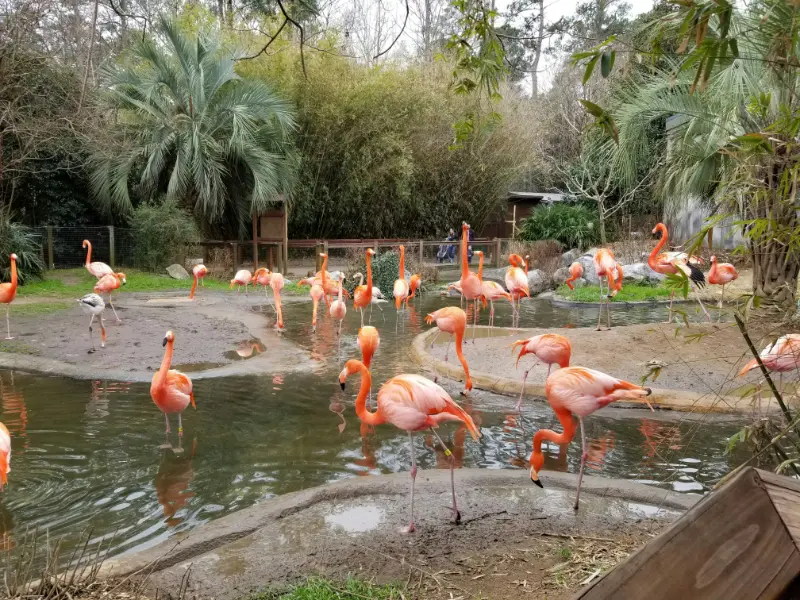
Many spring environments host birds, fish, turtles and other animals, and some are known for manatees during parts of the year. Wildlife observation should always occur from authorized areas. Feeding animals changes their behavior and can harm them. Give nesting birds space, keep food secured and never touch a manatee even if it approaches. The presence of an alligator near freshwater is possible in Florida; observe from a safe distance and do not allow children or pets to approach the shoreline unsupervised.
For photography, a zoom lens is better than taking steps into a restricted or fragile habitat. Respect signs marking restoration areas and avoid walking through vegetation to reach a view that appears more picturesque. The appeal of clear springs depends on healthy ecosystems, and visitor behavior affects those conditions. If a particular viewing platform is closed, accept the closure rather than finding an unofficial way around it.
Timing and seasonal decisions
Summer brings hotter weather, stronger demand for swimming areas and a higher chance of afternoon thunderstorms. For non-swimmers, an early morning visit can be more comfortable and may avoid some crowds. Winter offers a different experience, particularly for manatee observation at appropriate sites. North Florida mornings can be cool, and a light jacket may be welcome even when the destination is known for spring water. Holidays and weekends can be busy regardless of the season.
Always check the weather for the actual park area. Hearing thunder means it is time to seek substantial indoor shelter; a picnic shelter or open canopy is not sufficient. Boat trips can be canceled or delayed by weather and operational reasons. Keep a second nearby attraction on your list, but do not drive into hazardous conditions to reach it. If a high-demand park requires advance reservations, arrange them through the official source and verify whether cancellations or changes are permitted.
Suggested trips from different bases
From Orlando, a day at Blue Spring or Wekiwa can provide a nature contrast to a theme-park holiday, assuming reservations are secured when required. From Ocala, Silver Springs is a logical centerpiece and can be paired with an unhurried town meal. From Dunnellon, Rainbow Springs makes a good land-based destination after checking renovations and entry arrangements. From Tallahassee, Wakulla Springs offers an easy way to experience a North Florida water landscape without planning an extensive drive.
Avoid visiting all these parks in two days. They sit in different parts of the state, and repeated travel would defeat the purpose of a slower nature holiday. A seven-night Central Florida stay might include only one or two springs, leaving other days for museums, local neighborhoods and rest. A longer road trip could link Ocala with Tallahassee, but give each area proper time instead of turning every stop into a quick photo break.
What to pack for a visit without swimming
Bring drinking water, a sun hat, comfortable closed-toe walking shoes, insect protection appropriate for you and a light layer for a breezy boat tour. A small pair of binoculars is useful for bird watching, and a phone with offline directions helps in areas with patchy coverage. You do not need bulky swimming gear when your plan is entirely land-based. If traveling with young children, carry snacks and be prepared to supervise closely near boardwalk rails and water edges.
Check rules before bringing pets, scooters, drones or fishing equipment; allowances vary by park and area. Consider the cost of admission plus tour tickets separately. Some visitors may need to book transport back to their base, particularly when using specialized accessible services. A calm, well-organized visit is more rewarding than arriving at a spring and discovering that the entrance, tour or viewpoint you expected cannot be used.
Quick comparison
| Option | Good for | Check before you go |
|---|---|---|
| Silver Springs | Glass-bottom boats and gardens | Accessible boat on selected departures |
| Blue Spring | Winter manatee observation | Day-use reservation required |
| Rainbow Springs | Headspring gardens | Reservation and parking works |
| Wakulla Springs | Narrated wildlife boat | Confirm accessibility and conditions |
| Wekiwa Springs | Near-Orlando nature | Check current day-use booking |
Frequently asked questions
Can I see Florida springs without swimming?
Yes. Several sites offer viewpoints, gardens and guided boats, although the available activities differ by park.
Does Blue Spring require a reservation?
As of October 2026, the park’s day-use reservation program requires bookings for entry. Verify the latest official instructions before visiting.
Which spring is best for a glass-bottom boat?
Silver Springs State Park is particularly known for this experience. Check tour times and accessibility arrangements in advance.
Will I definitely see manatees?
No. Manatees are wild animals, and presence varies with season and conditions. Follow the park’s current wildlife-protection rules.
Official sources
Official sources and planning details reviewed in October 2026. Confirm current admission rules, accessibility, opening hours and conditions before visiting.