
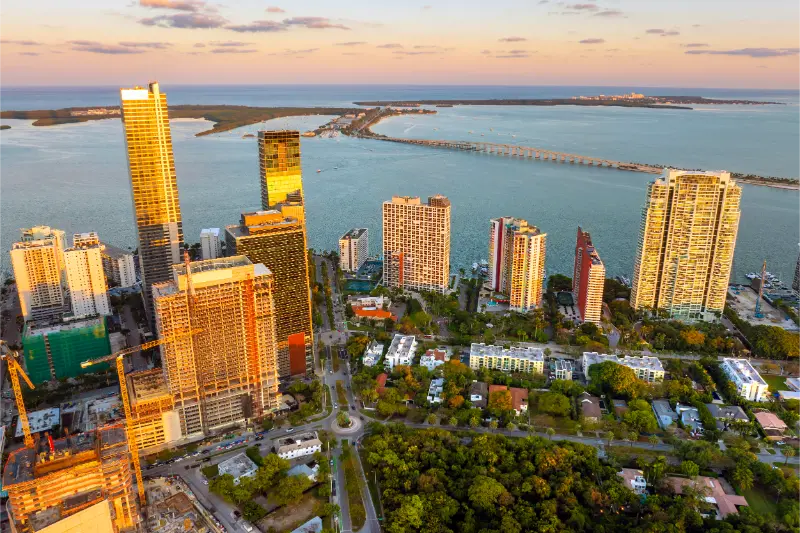
Choosing a hotel in Miami can feel like choosing between several different cities. Brickell is glass towers, late dinners and a useful transit network. Coconut Grove has leafy streets, waterfront parks and a slower pace. Coral Gables offers elegant avenues and restaurants around Miracle Mile, while Downtown puts museums and event venues near your door. None of these areas is the same as Miami Beach, which sits across Biscayne Bay on a barrier island. The most useful decision is not whether an address says “Miami,” but what you want to reach on an ordinary vacation day. This guide concentrates on mainland bases and explains when each is convenient, where it introduces extra transport costs, and how to check a hotel before committing.
At a glance: compare the areas
| Where to stay | Best for | Check before booking |
|---|---|---|
| Brickell | Urban dining and transit | Busy blocks and parking |
| Downtown Miami | Museums and events | Not an ocean beach |
| Coconut Grove | Quiet leafy routines | Longer beach transfers |
| Coral Gables | Architecture and restaurants | Car useful for some sights |
Brickell: a lively base with dining and urban transport
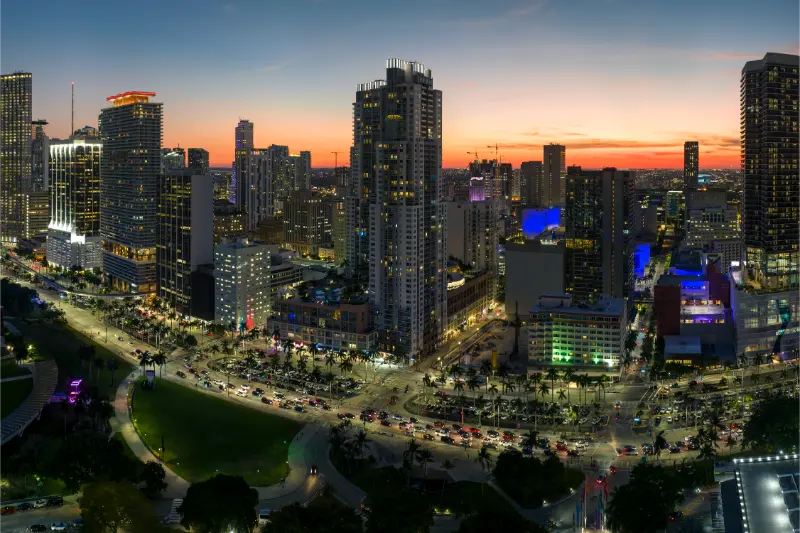
Brickell works for travelers who like being able to leave the hotel after dinner and still find activity nearby. Around Brickell City Centre and the surrounding streets, restaurants, cafés and shopping are clustered among high-rise towers. It is a good starting point for a first Miami city break, especially if you do not want to drive every evening. Metromover provides free circulation around much of Brickell and Downtown, and Metrorail connects selected areas farther south and west. That does not make Brickell a beach neighborhood: reaching South Beach or other Atlantic beaches still requires a deliberate trip across the bay. Some blocks can feel intensely busy, with construction or traffic noise at certain times. Compare an actual room’s position and window insulation, particularly when traveling with young children or when uninterrupted sleep is more important than nightlife. A balcony view is not a substitute for a restful bedroom.
Downtown Miami: museums, events and a practical connection point
Downtown is a smart choice when your schedule includes the Pérez Art Museum Miami, Frost Science, Kaseya Center events, waterfront walks or onward rail travel. The neighborhood combines daytime offices, high-rise hotels and major attractions rather than a traditional beach-town atmosphere. Being near Bayfront Park is different from being closer to MiamiCentral or the river, so do not treat every downtown address as equivalent. For travelers arriving without a car, the combination of the Metromover, nearby rail and rideshare can be useful, although you will still need to plan the last stretch to some sights. Look at whether the hotel provides food options late in the evening and whether nearby streets feel comfortable for your intended walks. Event nights can change traffic and noise patterns. Someone taking an early flight may prefer straightforward airport access over the cheapest downtown rate, especially when traveling with multiple bags.
Coconut Grove: slower mornings and greener surroundings
Coconut Grove suits travelers who picture a morning coffee, shade from mature trees and dinner without an exhausting schedule. The Grove’s waterfront parks, village streets and historic character feel quite different from the towers of Brickell. It can be particularly appealing for couples, extended stays and families who want a calmer home base between excursions. You may enjoy spending a half day nearby rather than heading across the city every morning; Vizcaya Museum & Gardens and neighborhood waterfront spaces can fit into that rhythm. However, the neighborhood is not one compact hotel district. A listing described as “Coconut Grove” may sit beyond the walkable village core, and distance to the Metrorail station may be significant on a hot day. Check walking routes carefully, including sidewalks and intersections, before promising older relatives or stroller users an easy car-free holiday. If you plan daily beach visits, factor in the additional eastward travel.
Coral Gables: restaurants, architecture and a quieter setting
Coral Gables is a strong option for people who enjoy an evening stroll around Miracle Mile, attractive streets and cultural outings without expecting a beachfront hotel. It often suits guests meeting friends locally, attending a celebration or exploring gardens and historic sites. The Venetian Pool and Fairchild Tropical Botanic Garden are regional attractions worth considering, but neither is automatically a short walk from every Coral Gables property. This is an area where a map is essential: a hotel close to Miracle Mile has different daily logistics from one on the edge of the city. Driving may be practical for a varied itinerary, while transit and rideshare can work for selected journeys. Do not assume a quiet-looking avenue has easy, free parking. Ask the accommodation about overnight parking, accessibility from the street and any charges that only appear at checkout. The right base should support your intended pace, not merely look attractive in photographs.
Wynwood and the Design District: worth visiting, but check the sleeping location
Wynwood is memorable for large-scale street art, galleries, restaurants and a busy social scene. The neighboring Design District offers architecture, art installations and upscale shopping. Both can make an excellent afternoon or evening, but choosing to sleep there requires more research than visiting for a few hours. Hotel supply and street atmosphere change from one block to another, and some streets are geared toward nightlife or commercial activities rather than quiet residential routines. Consider noise, pedestrian routes after dark and how you will travel to the beach, airport or a family-friendly daytime attraction. If you mainly want museums and murals, a Brickell or Downtown hotel may offer easier connections while still allowing a dedicated Wynwood outing. If the creative energy is central to your trip, select a specific property after reading recent comments about the immediate location—not just reviews of the wider district.
Miami Beach versus mainland Miami: decide what kind of mornings you want
If your ideal first hour involves swimming or sitting beside the Atlantic Ocean, staying in Miami Beach may be worth the higher total price or smaller room. On the mainland, even a waterfront hotel on Biscayne Bay is not necessarily beside a sandy ocean beach. South Beach places the Art Deco District and a lively restaurant scene nearby; Mid-Beach and North Beach can offer different rhythms, but individual blocks matter. Mainland Miami, by contrast, often makes city museums, urban transport and wider regional excursions easier. Both choices have trade-offs in parking, traffic, and resort or amenity fees. A useful test is to write down your first three mornings: “beach before breakfast” points toward the barrier island, while “museum, neighborhood café, transit to a concert” may favor the mainland. Avoid paying a premium for a beach address when you only expect to visit the shore once.
Arriving from Miami International Airport without surprises
Miami International Airport is connected to the broader public-transport network, but the easiest final transfer depends on the hotel’s actual address, arrival time and luggage. For some Downtown and Brickell hotels, rail and Metromover can form a reasonable route; elsewhere a direct taxi or prearranged transfer will be more comfortable. Do not confuse the free Metromover with a train that runs all the way into airport terminals. Travelers with strollers, wheelchairs or large suitcases should check elevators and the final walk rather than relying on a journey planner’s optimistic timing. On a late arrival, a staffed check-in desk can be more valuable than a fashionable address. Confirm whether your booking includes the full night when your flight lands after midnight, and keep the hotel phone number offline. Families should arrange suitable child restraints for road transfers and not assume every rideshare vehicle will provide one.
How much walking is realistic in Miami heat?
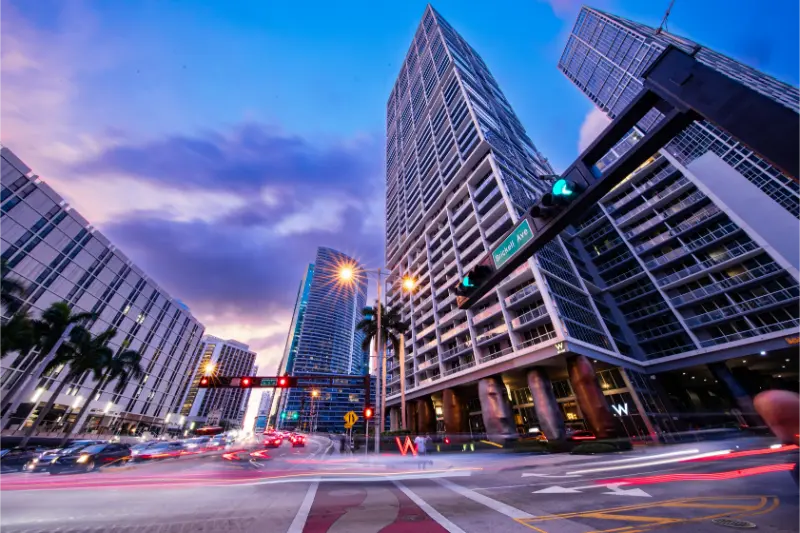
Miami looks walkable in photographs, but the combination of humidity, strong sun and sudden rain can make even modest distances tiring. The compact dining core of Brickell may be manageable on foot; a day linking separate neighborhoods usually needs a transport plan. Think especially carefully if a companion uses a mobility aid, requires regular sitting breaks or has a stroller. Ask hotels for details of step-free access, entrance slopes, elevators and bathroom features. A vague “accessible room” label does not confirm the layout you need. For seniors or multigenerational groups, choosing an area with a dependable café and restaurant near the entrance can be more valuable than one extra attraction. Plan indoor periods around the hottest part of the day and check for severe-weather warnings before walking long stretches. Florida thunderstorms are not an invitation to shelter beneath trees or open beach structures.
Parking, resort fees and the real cost of a Miami hotel
A hotel that appears economical may change rank once overnight parking, destination fees, taxes, breakfast and rideshare journeys are included. Mainland high-rise hotels can charge for valet parking, and entering a garage may involve a separate operator. Some properties offer only limited self-parking, while others permit vehicle access only through valet service. Compare two realistic scenarios rather than only nightly rates: one with a rental car and daily parking, one without a car and a handful of planned transfers. For a city-centered break, the second may be both cheaper and simpler. For visits to the Everglades, multiple beaches or remote coastal neighborhoods, a car can become useful. Read the current hotel fee disclosure and cancellation terms, especially if you are traveling during hurricane season. Keep a small flexibility margin because weather may change your plans.
Families, couples and solo travelers: three different home-base decisions
A family with small children may value a suite, microwave, predictable breakfast and room for naps more than a rooftop bar. Coconut Grove and selected Coral Gables properties can suit relaxed evenings, but a family near Brickell’s transport and dining may do just as well. Couples interested in restaurants and nightlife may enjoy Brickell, while art-focused visitors may gravitate toward Downtown and short rides to Wynwood. Solo travelers should prioritize a convenient location, arrival arrangements and the ability to return comfortably after an evening activity. Do not let “best neighborhood” rankings overrule individual needs. Ask whether the hotel offers quiet rooms, luggage storage, an elevator and convenient access to food. A well-positioned midrange room can create a better holiday than a luxurious property that forces long journeys after every activity.
A three-day mainland-based itinerary that avoids unnecessary crossings
On day one, explore the area around your hotel and make one neighborhood the focus. From Brickell, that might mean a late breakfast, a relaxed afternoon along the waterfront and dinner within walking distance. Day two can center on Downtown museums, with time for both PAMM and Frost Science only if your group genuinely enjoys a full museum day; otherwise choose one and leave the afternoon open. For day three, visit Coconut Grove and perhaps Vizcaya, or make a separate beach trip rather than combining everything into one rushed circuit. This framework keeps most movements within related areas. If the beach is the highlight, reverse the emphasis and consider whether sleeping on the beach side would be easier. Reserve essential attractions and restaurants when needed, but avoid scheduling every meal. The freedom to stop for a long coffee is part of a comfortable city trip.
Booking checklist: what to verify before choosing an address
Check the actual neighborhood and the route to the places you intend to visit, then look at the final price for identical dates and occupancy. Confirm parking rules, breakfast, additional fees, bedding, elevator access, check-in hours and cancellation conditions. Read recent reviews for noise, building works, cleanliness and the accuracy of the listing. If a room faces a busy street, ask whether a quieter position is available rather than assuming all rooms are identical. Save the property’s exact address, not only its marketing name. For international visitors, verify passport and U.S. entry requirements separately from hotel reservations. Finally, choose the neighborhood in which you would happily spend an unscheduled morning. That is often the strongest clue that the location fits you rather than simply looking good on a map.
Frequently asked questions
Is Miami Beach the same as Downtown Miami?
No. Miami Beach is on a barrier island across Biscayne Bay. Downtown is a mainland urban area near museums and event venues. Choose by how often you want the Atlantic shore at your doorstep.
Can I stay in Brickell without renting a car?
Yes for many city-centered plans. Metromover and Metrorail serve relevant corridors, while reaching beaches and more distant sites usually requires additional transport.
Which area is best for a quieter evening?
Coconut Grove or parts of Coral Gables may suit a calmer routine, but room location, nearby businesses and recent noise reviews are more reliable than a neighborhood-wide promise.