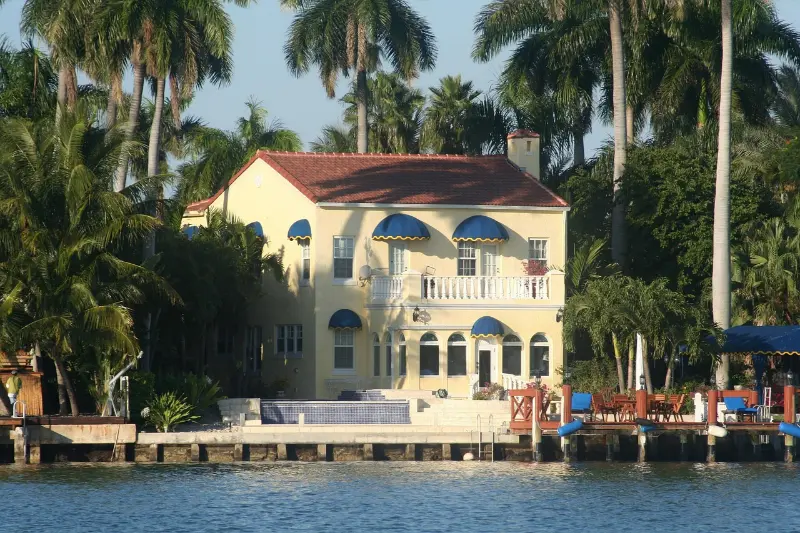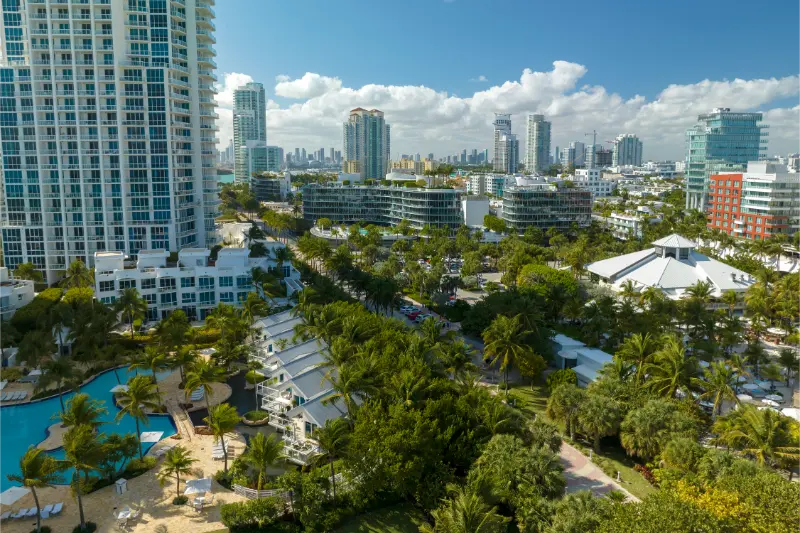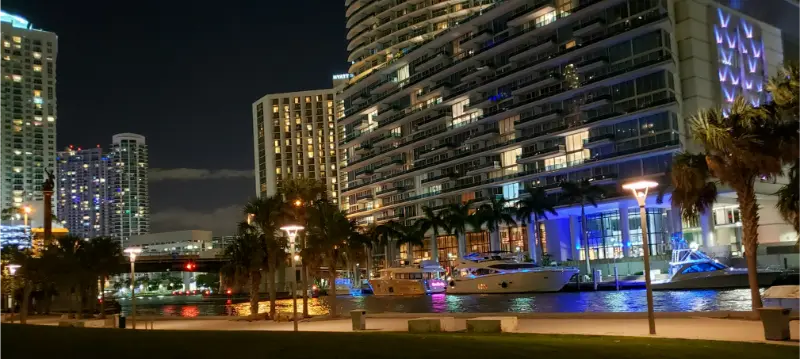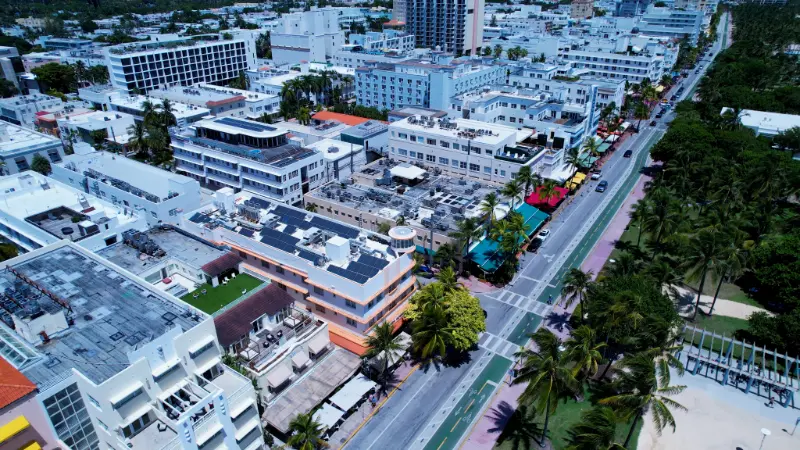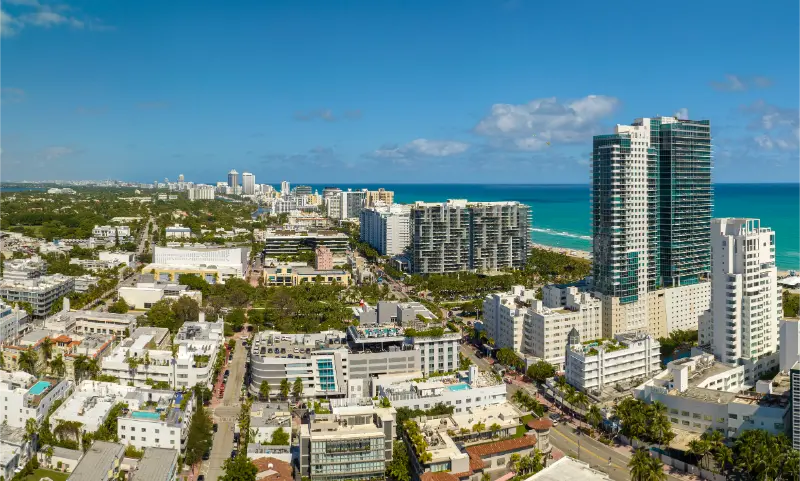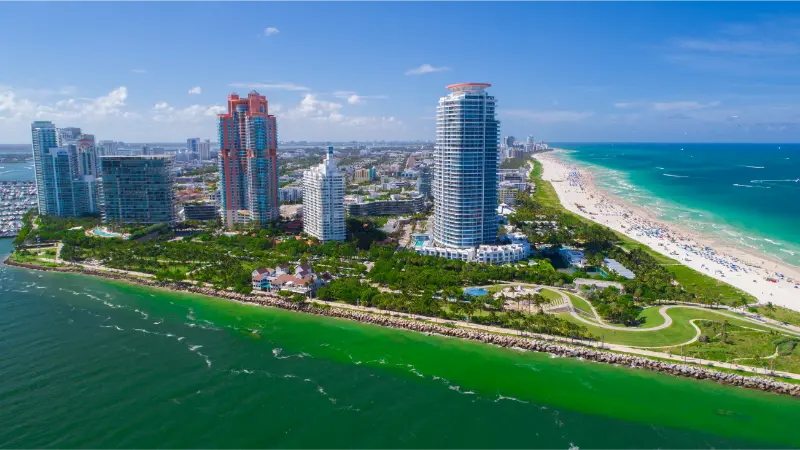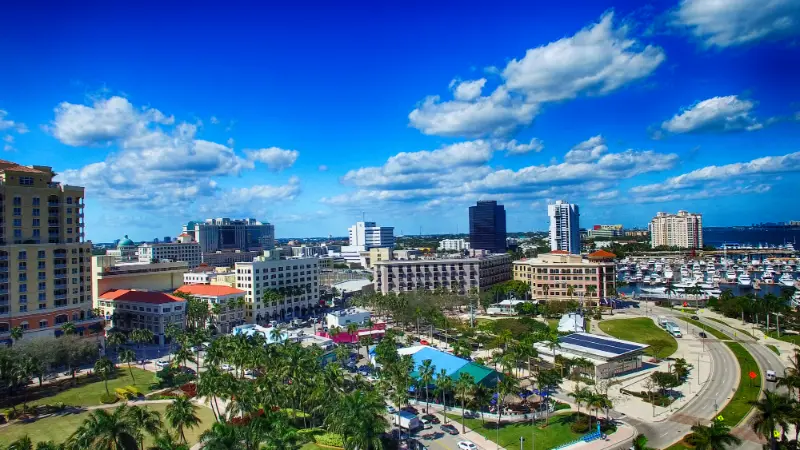
Florida's creative neighborhoods reward travelers who look beyond ticketed museum walls. Murals, sculptures, artist-led projects and temporary installations can reveal neighborhood history, political questions and the identities of people who live nearby. Yet public art is not simply a collection of colorful backdrops. The work may be commissioned, contested, repainted or removed, and its meaning can be tied to a community that residents do not want reduced to a social-media set. This seven-day itinerary explores St. Petersburg, Gainesville, Jacksonville and Miami as separate creative clusters, with travel days treated honestly rather than as free time. You can shorten the route to any two cities. The best experience combines public artwork with artist information, locally owned food stops and at least one indoor cultural visit. It is suitable for adults and teenagers, and adaptable for younger children or travelers who need short walks and frequent seats.
On this page
- Public art changes, so plan by neighborhood
- Day 1: St. Petersburg and the Central Arts District
- How to look at a mural without flattening its meaning
- Day 2: Museums, galleries and a quieter arts day
- Day 3: Transfer through Central Florida
- Day 4: Gainesville's creative streets
- Day 5: Jacksonville neighborhoods and public space
- Day 6: Travel toward Miami without chasing every wall
- Day 7: Miami's Wynwood and beyond
- Photography etiquette and publishing rights
- Costs and accessibility for a mixed-age group
- Planning at a glance
- Frequently asked questions
Public art changes, so plan by neighborhood
A photograph on a travel site does not guarantee that a mural remains in place. Walls are renovated, ownership changes and outdoor pieces weather. Use municipal arts maps or current local organizations to check locations just before visiting. Record the artist's name and the title if a plaque or official guide provides them. Never assume a wall is legal to enter simply because it appears in a popular photograph. Some murals are visible only from the sidewalk or from private commercial property. If a location has security, gates or restricted hours, follow those rules. Refrain from climbing fences or entering alleys that feel unsafe to obtain a clear shot. A good route groups works within a few walkable blocks rather than attempting to trace ten scattered pictures across a busy city.
Day 1: St. Petersburg and the Central Arts District
Start with a daytime walk in the central St. Petersburg arts area, choosing a route based on current maps. Large-scale murals and gallery spaces have helped make the city known for outdoor art, but individual works change from one year to the next. Stop at one independent gallery or arts organization if open, then spend time in a café where you can read about artists instead of immediately rushing onward. Heat and rain make timing important: morning photography tends to be less exhausting, and afternoon indoor venues provide shelter. The downtown grid is more manageable than an entire metropolitan mural hunt, although curb cuts, construction and uneven surfaces still require attention for wheelchair users. Overnight in St. Petersburg or nearby if you want a second day without a parking scramble.
How to look at a mural without flattening its meaning
Begin with what you can actually see: figures, shapes, colors, text and references to the neighborhood. Next look for the artist's statement or the organization that commissioned the piece. A vivid portrait may honor a community member, commemorate loss or challenge a local issue rather than exist as a cheerful background. Avoid presenting your speculative interpretation as the artist's intention. Children can choose one detail and ask what it might represent, while adults can discuss funding, permission and the public role of art. Do not touch paint, lean against walls for portraits or obstruct the entrance of an active business. If the artwork is tied to a marginalized community, spend some time learning about that community rather than using its imagery purely as decoration.
Day 2: Museums, galleries and a quieter arts day
A second St. Petersburg day can connect outdoor murals with a formal exhibition or a smaller neighborhood. Museum collections offer useful contrast: indoor works may have labels explaining materials and provenance, while a mural may be temporary and deeply site-specific. Select an indoor museum suited to the group rather than stacking multiple entry fees. Ask whether large bags, tripods or flash photography are prohibited. For a family, consider a short museum visit followed by a waterfront park where children can move. Travelers with hearing or vision differences should check available interpretation services before purchasing admission. Keep your notes on artworks simple and accurate; a short caption with an artist and date is more useful than an invented symbolic explanation.
Day 3: Transfer through Central Florida
Drive or use a combination of available transport toward Gainesville, allowing time for meals and rest. This day is an opportunity to see changes in landscape as you leave the Gulf Coast's urban core. Do not try to squeeze a full St. Petersburg morning and Gainesville evening art tour into a drive that becomes difficult in heavy rain. If staying in a hotel, check parking fees and proximity to the area you intend to explore. Gainesville's public art can be approached through documented local initiatives, university-adjacent exhibitions and downtown streets, depending on what is currently accessible. An outdoor work near a campus may require attention to parking rules or pedestrian-only spaces. Reserve the longest walk for the cooler part of the next day.
Day 4: Gainesville's creative streets
Choose a current public art route in Gainesville, favoring legal sidewalks and a small, coherent district. A mural may have appeared as part of an arts festival, a city initiative or a private commission; these origins matter when you write about it. Pair the walk with an independent bookstore, an exhibition or a public cultural venue if hours allow. Gainesville is a university town, and academic schedules can affect how busy neighborhoods feel. Respect bicycles and scooters in shared spaces and avoid stopping for photographs in cycle lanes. If a street is under construction or a work has been painted over, do not regard the day as ruined. The point is to encounter a living city and the people making art now, not to validate an outdated list of ten exact walls.
Day 5: Jacksonville neighborhoods and public space
Jacksonville's geography requires a more selective approach than a city-center walking map might imply. Choose one arts district or area with verified public installations and check the practical route, parking and safety conditions. Riverside and downtown districts have different identities, and major roads can separate places that look adjacent on an online map. Use daylight hours for murals and reserve an indoor gallery or museum as a second anchor. Avoid presenting Jacksonville solely through its largest or most widely circulated murals. Smaller neighborhood projects may speak more directly to local stories, although they also deserve careful interpretation and respect for residents. If traveling with a stroller or mobility aid, choose routes with confirmed curb access and do not assume a continuous accessible sidewalk.
Day 6: Travel toward Miami without chasing every wall
The Jacksonville-to-Miami transfer is long enough to justify its own day. Travelers who want a gentler schedule can add an overnight in the Palm Beaches or take rail transport where the timetable and luggage rules fit. Driving through storms or evening commuter congestion is not a good time to add spontaneous downtown mural detours. Book a Miami neighborhood base according to parking and transit access. A visitor who wants to photograph Wynwood at sunrise should also consider whether the area is active and comfortable at that hour. Daytime exploration is easier for most first-time visitors, with more cafés and galleries open. Use the evening to read current venue notices and choose a compact itinerary for the next morning.
Day 7: Miami's Wynwood and beyond
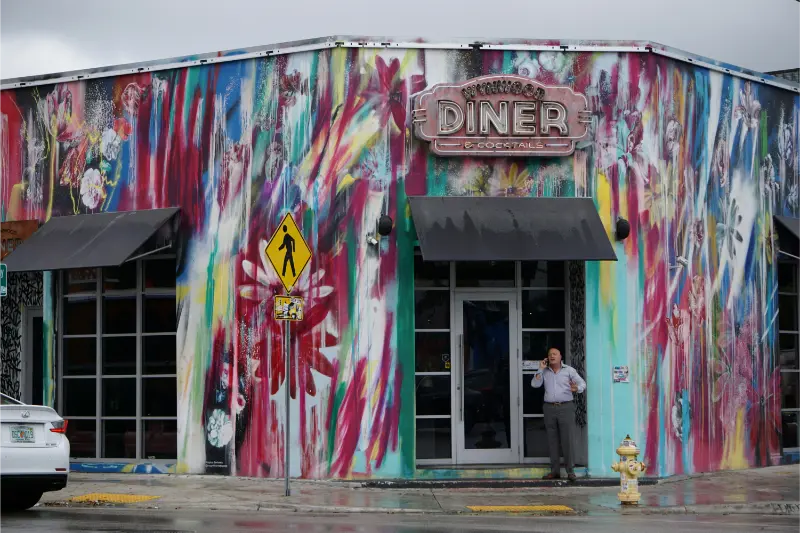
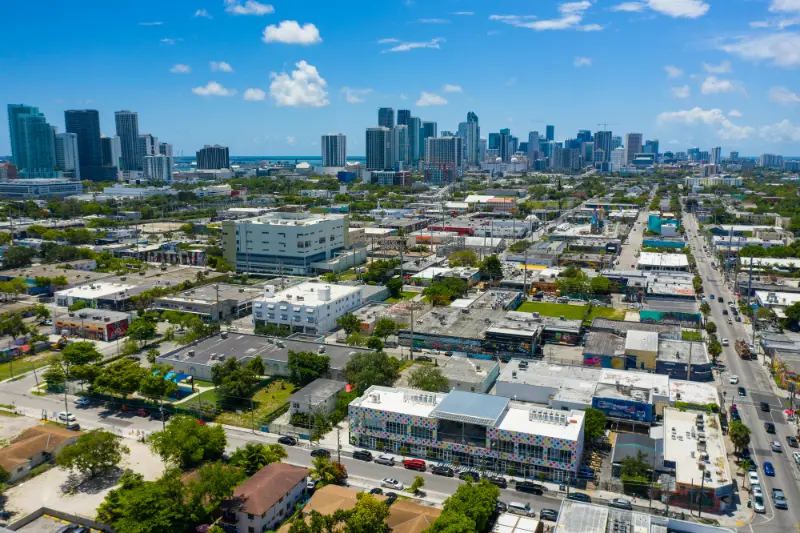
Wynwood is widely associated with large murals and art-related businesses, but private art attractions and ordinary public walls are not the same thing. Check current admission arrangements for formal venues and do not confuse a ticketed exhibition with a free neighborhood walk. Spend time learning about artists and the area's transformation, including debates about redevelopment and who benefits from rising rents. Independent galleries and small businesses are part of the broader story. Avoid driving from wall to wall when a compact walking loop is possible. Street traffic, cycling, heat and crowds make awareness important. Those needing accessible routes should check individual venue entrances and sidewalks. End with a thoughtful meal rather than a frantic attempt to capture every mural before the evening flight.
Photography etiquette and publishing rights
Outdoor public visibility does not automatically grant unrestricted commercial rights to every artwork or photograph. Respect any posted venue rules and consider copyright, artist attribution and permission when reusing images in a commercial blog. Do not assume that identifying the artist is a substitute for every form of permission. Avoid flying drones without checking airspace and local restrictions, especially around airports and densely populated neighborhoods. For portraits that show recognizable residents, seek consent rather than treating people as part of the scenery. A travel writer can choose a few carefully contextualized photographs rather than publish an uncredited gallery. Artists and communities deserve attribution, accurate captions and sensitivity to what a work communicates. The goal is to appreciate the scene, not extract imagery without context.
Costs and accessibility for a mixed-age group
Public streets may be free to walk, but parking, museums, guided tours and transport create real costs. Set one paid cultural anchor per day and leave room for meals or an unexpected downpour. People who cannot stand for prolonged periods can use shorter loops, taxi transfers and indoor galleries with seating. Families with very young children should not expect six hours of uninterrupted art viewing; turn the route into a game of finding colors or patterns without touching walls. Teenagers may enjoy researching one artist and presenting the story to the group. A traveler over eighty may prefer a neighborhood driving overview followed by one compact accessible block. No age group needs to see every site to understand how Florida's cities express themselves through art.
Planning at a glance
| Planning item | Recommendation |
|---|---|
| Typical pace | One substantive activity each day; avoid stacking distant stops |
| Getting around | Check regional distances and accessible transport before committing |
| Reservations | Verify actual tours, rentals, gate times and cancellation rules |
| Weather backup | Keep one indoor alternative for lightning, heat or heavy rain |
| Before travel | Reconfirm official operating notices, local rules and access needs |
Frequently asked questions
Are Florida murals free to see?
Many murals are visible from public sidewalks, but some curated venues or private spaces charge admission.
Will every mural on a published map still exist?
No. Repainting, development and weather can change artworks; verify recent local maps.
Is this route possible without a car?
Individual city districts may work by transit or rideshare, but the full multi-city trip needs careful transfers.
Can I photograph murals for my travel blog?
Check venue rules and intellectual-property considerations, especially for commercial publishing and recognizable people.
Which city should I choose for a shorter trip?
St. Petersburg and Miami each support a dedicated public-art visit without the full seven-day drive.
Reliable sources and further reading
- Visit Florida official culture overview
- City of St. Petersburg municipal information
- City of Miami arts and culture
Travel planning note: opening hours, fees, access rules and local conditions may change. Recheck official sources before making reservations. This guide does not claim firsthand experience.