
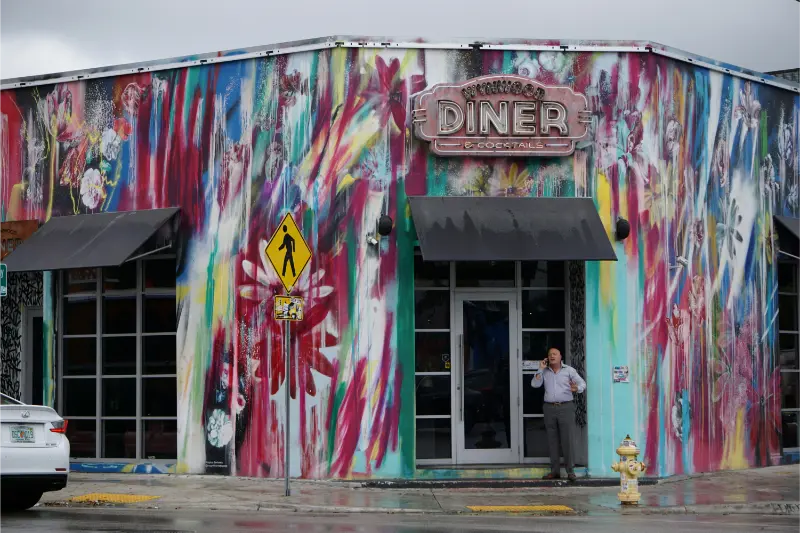
Little Haiti is a living Miami neighborhood, not an outdoor museum arranged for visitors. Its identity emerges from Haitian and wider Caribbean migration, churches, small businesses, visual arts, literature, music and daily language. A good visit begins by recognizing that this is a place where people work, worship and raise families. This three-day plan centers on the city-run Little Haiti Cultural Complex and the surrounding commercial streets, with time for Haitian-owned businesses and public performances when scheduled. It deliberately avoids turning a neighborhood’s identity into a single dish or a colorful mural. Stay flexible: cultural programs change, local businesses may close or move, and Miami traffic can make short distances feel slow.
Understand the neighborhood before photographing it
Haiti has a rich, independent history that reaches far beyond tourism slogans. Migration from Haiti to South Florida occurred over generations and under very different economic and political circumstances. Miami’s Haitian communities have preserved Kreyòl language, literature, traditions, religion, music, commerce and political organizing while also reshaping the city around them. A neighborhood visit should therefore celebrate creativity without overlooking the realities of housing affordability, development pressure and changing commercial streets. Many residents also identify with other Caribbean or African diasporic communities, so avoid assuming everyone’s origins from an accent or a shop sign. If you want deeper context, choose local institutions’ written materials and public talks. Asking strangers to explain their ancestry while they are working is not a substitute for learning.
Day 1: start at the Little Haiti Cultural Complex
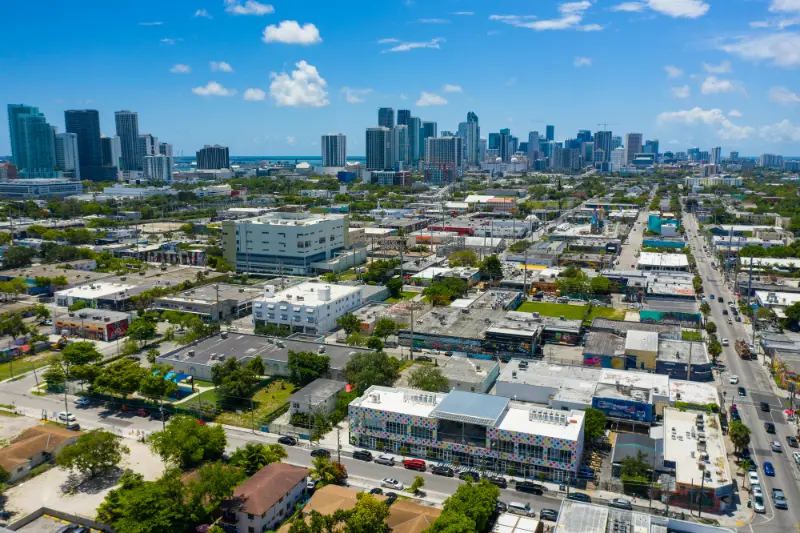
Begin at the Little Haiti Cultural Complex, a City of Miami cultural facility near NE 59th Terrace and NE Second Avenue. Its spaces include galleries, a theater and the Caribbean Marketplace. Current public hours on the official city pages differ by component, and programming schedules can override routine access. Do not arrive assuming a concert, vendor market or exhibition is happening simply because the facility is open. Contact the complex or check its calendar for that particular date. The cultural center’s mission emphasizes preserving Afro-Caribbean cultures and supporting creativity. Spend time with explanatory labels or staff-led public programming when available. With children, select one artwork and consider its materials, colors and story; with teenagers, explore the relationship between art, language and migration.
Day 1 afternoon: Caribbean Marketplace and neighborhood commerce
The Caribbean Marketplace, also known as Mache Ayisyen, draws inspiration from markets in Port-au-Prince. It is a worthwhile place to look for art, craft, food and music when vendors are operating, but a building’s posted public hours should not be treated as a guarantee of a busy market every afternoon. Ask before taking close-up pictures of makers or their goods. Buy directly from vendors when possible rather than using their work only as a background for social media. Afterward, choose a short walk on main streets with active storefronts. Notice Haitian Creole lettering and bilingual commerce without treating unfamiliar words as decorative props. Travelers with children or mobility limitations will be more comfortable with a small loop and a planned indoor rest than an improvised multi-mile walk in midday heat.
Day 2 morning: literature, memory and local voices
Haitian storytelling extends from oral traditions to poetry, novels, theater and community journalism. Make day two a cultural-learning day by checking the calendars of the Little Haiti Cultural Complex, Miami Book Fair and other reputable local institutions. The Little Haiti Book Festival, for example, is event-based, not an attraction that can be visited every day of the year. If nothing is scheduled, a bookshop with a relevant selection or a public library can provide a quieter introduction. Avoid reducing Haitian literature to tragedy or migration alone. Explore humor, imagination, family relationships and contemporary urban life as well. Younger visitors might choose a children’s story; adults can look for bilingual writing and translations. Allow room for voices that disagree: a community is not a single public-relations message.
Day 2 afternoon: food with a little knowledge
Haitian cooking reflects regional ingredients, history and family practices. Dishes visitors may encounter include griot, diri kole, pikliz and various soups, but menus differ and not every restaurant serves every dish. Pikliz is often spicy; ask about heat levels before ordering for young children. A food allergy or dietary restriction requires direct confirmation about ingredients, sauces, frying oil and cross-contact. Do not label a restaurant authentic merely because of its location or demand that cooks explain a traditional recipe during a rush. Choose a locally operated restaurant, order one or two items you genuinely want to learn about, and tip appropriately. Ask whether portions are suitable for sharing. For visitors unaccustomed to South Florida heat, a long seated lunch in air conditioning can make the rest of the afternoon more enjoyable.
Day 3: wider Afro-Caribbean Miami without losing the focus
Use the third day to connect the neighborhood to the wider city through a pre-booked exhibition, guided arts program or a complementary Miami history museum. Many neighborhoods have overlapping migration stories, and they should not be presented as interchangeable. Little Haiti is not Little Havana; Haitian Kreyòl is not Spanish; and Haitian cultural institutions have their own histories and priorities. A broader Miami museum can offer context about settlement and urban development, while a scheduled talk at the cultural complex keeps Haitian voices central. If you prefer a relaxed final morning, return to a gallery you did not finish and spend the afternoon elsewhere in Miami. The value of a cultural itinerary is not measured by crossing as many neighborhoods as possible on the same day.
Choosing a respectful guided experience
A good guide should know the neighborhood, distinguish historical claims from anecdotes and be transparent about where the fee goes. Community-led walking tours can provide more depth than a quick bus stop, but do not book an experience solely because it uses a neighborhood name. Ask about the route’s length, indoor breaks, accessibility and whether businesses will be visited with their consent. Guides should not promise interaction with residents or access to worship spaces without arrangements. Private homes, schools and religious ceremonies are not casual tourism attractions. If the guide asks you to refrain from photographs, follow that request. For travelers who do not want a structured tour, the official cultural complex offers a clear starting point for a self-directed visit grounded in publicly available information.
Where to stay and how to reach Little Haiti
Visitors may find a broader choice of hotels in Downtown Miami, Brickell, Miami Beach or other established lodging districts. Little Haiti itself has different accommodation options, but proximity to an attraction is only one concern: prioritize a property with dependable transport, clear check-in arrangements and verified accessibility features. Driving offers flexibility, though parking locations and rules must be checked on site. Rideshares are often simpler for a short cultural trip; confirm pickup addresses before leaving an evening event. Transit can be practical on some routes but service patterns, transfers and midday heat affect the experience. Use Miami-Dade’s current transit planner rather than assuming a map published years ago still reflects bus routes or fares.
A three-day itinerary that leaves room for people
| Day | Main focus | Plan B if an event is not running |
|---|---|---|
| 1 | Little Haiti Cultural Complex, gallery and Marketplace | Visitor information and nearby lunch |
| 2 | Literature, public programming and Haitian cuisine | Library reading and locally owned restaurant |
| 3 | Guided heritage experience or related city museum | Return to a favorite exhibition and enjoy a slower morning |
Best time of day, weather and event uncertainty
South Florida’s humid months can be exhausting for long outdoor walks, particularly with babies, older visitors or anyone who struggles with heat. Start outside in the morning, reserve the warmest hours for galleries and lunch, and carry water even on short walks. Lightning is a more immediate reason to abandon an outdoor itinerary than light rain. Use a simple two-part plan: one confirmed indoor anchor and one flexible neighborhood walk. Festivals and concerts can be rewarding but also loud and crowded; a child who is sensitive to sound may prefer daytime gallery hours. Check date-specific accessibility details before attending, especially for temporary stages or markets. Do not assume all vendors accept the same payment methods; a small amount of cash may help but is never a reason to carry valuables openly.
Supporting local businesses without treating people as attractions
A worthwhile visit can support neighborhood commerce in modest, practical ways. Buy a book by a Haitian author, pay for admission to a local event, choose a locally operated meal or purchase artwork you genuinely like. Read the artist’s name rather than describing every object as generic island art. Do not request pictures with people in traditional clothing or take photos through shop windows without regard for privacy. Ask for permission politely and accept a no. It is also fine to simply observe a public performance without documenting every moment. Visitors should respect places of worship even if the exterior architecture is interesting. None of these customs prevents enjoyment; they make the visit more rewarding and less extractive.
Families, older visitors and access needs
Little Haiti is possible with mixed-age travelers if the schedule is modest. Children may enjoy art activities or music, but only when appropriate public events are actually offered. Teenagers can learn about bilingual publishing and how neighborhoods change over time. Older adults may appreciate seated performances, short gallery visits and a quiet restaurant rather than long sidewalk walks. Ask the Cultural Complex about accessible seating, restroom locations and the specific spaces used by an event. Wheelchair availability, interpreter requests and sensory conditions vary between gallery, theater and marketplace. Build a rest stop into the day, and confirm a return ride before any evening show. Travelers with infants should check changing facilities rather than assuming a historic venue has all family amenities.
What not to assume about safety and neighborhood change
No travel article can promise that every block is equally safe or that conditions stay the same. Check current local advice and use normal city precautions: keep belongings secure, avoid distracted street crossings and choose well-lit, active routes after dark. Do not conflate cultural difference with danger. At the same time, it is not respectful to romanticize displacement or pretend rising costs and development pressures do not affect local residents. Reading a neighborhood history can help explain why an artist-run space or family business matters. The best response is to visit thoughtfully and spend money with organizations whose work you value. For visitors on a tight schedule, one meaningful morning is better than trying to cover a rapidly changing neighborhood by checklist.
Official contacts and final planning checklist
Check the City of Miami Little Haiti Cultural Complex for the venue and events calendar, the official Caribbean Marketplace venue page for market-specific arrangements, and Miami-Dade transportation information before choosing a hotel or route. The city itself states that operating hours can change. Confirm your anchor exhibition, restaurant location and return transport the day before visiting. If a marketplace is quiet, use that time to look at architecture and public art rather than treating it as a failed trip. A neighborhood’s importance does not depend on being a constant festival for visitors.
Frequently asked questions
Is Little Haiti a single museum or attraction?
No. It is a living Miami neighborhood. The Little Haiti Cultural Complex is a useful public starting point, but it does not represent every resident or business.
Is the Caribbean Marketplace open with vendors every day?
Do not assume that. Building access, individual vendor activity and special events have separate schedules; verify current information directly.
Is this suitable for families with children?
Yes, particularly for a short gallery visit and age-appropriate workshops when scheduled. Avoid unplanned outdoor walks during the hottest hours.
Can I explore without a guided tour?
Yes. Use the official cultural center and publicly accessible spaces, respect private property and ask permission before close-up photography.
Where should I stay for this itinerary?
Choose accommodation based on transport reliability and your wider Miami plans, not only the distance to Little Haiti. Downtown and other central districts can be practical bases.