Category: South Florida

  • Palmetto Bay, Florida: Deering Estate, Biscayne Bay and Quiet South Miami Parks

    Palmetto Bay, Florida: Deering Estate, Biscayne Bay and Quiet South Miami Parks

    Palmetto Bay, south of central Miami, provides a very different South Florida day from South Beach. Historic homes, coastal views, native habitats and residential parks define the experience here. Deering Estate is the strongest reason to visit, while Thalatta Estate and Coral Reef Park allow a quieter look at the Biscayne Bay edge and the local community. This is not a traditional oceanfront resort: Biscayne Bay is not the same as a lifeguarded Atlantic swimming beach. Many visitors arrive by car and spend a half or full day; a second day is suitable for those who want a museum tour and a gentle cycling or nature excursion. Plan around official access rules, because both historic properties have event schedules, and Deering's Stone House remains closed to visitors during restoration. Palmetto Bay works especially well for cultural travelers and groups who prefer shorter strolls rather than large amusement-park crowds.

    Deering Estate is the anchor attraction

    Deering Estate at 16701 Southwest 72nd Avenue occupies a coastal landscape with historic houses, gardens, mangroves and protected natural areas. The operator currently lists general visiting hours from 10 a.m. to 5 p.m., with the last admission earlier in the afternoon; hours and ticket categories should be checked before booking. The historic site reflects Charles Deering's early twentieth-century residence, but interpretation also considers much older Indigenous history and South Florida ecosystems. Give the estate a substantial block of time rather than treating it as a thirty-minute photo stop. Families can explore the grounds and the museum program, while architecture enthusiasts can study the relationship between buildings and their waterfront setting. Rules differ for public visits, photography sessions, organized tours and special events. General admission does not authorize commercial portrait photography, private event use or independent access to restricted conservation areas.

    Know what is closed at the historic houses

    The Stone House at Deering Estate has been closed to public interior access since April 2025 for a restoration project. This fact matters because older photos and reviews often describe tours through rooms now unavailable. The operator's guided museum tour currently focuses on the exterior of the Stone House and the interior of Richmond Cottage, with a scheduled start subject to capacity and change. Before traveling, consult the latest restoration and tour pages, especially if architecture is your main interest. Children can learn about preservation by discussing why historic materials require careful repair rather than treating a closure as simply an inconvenience. Visitors with mobility limitations should ask about the exact tour route, seating and accessible entry to Richmond Cottage. Do not promise admission to every room or assume a special-event tour includes areas off-limits during daytime visitation. The open gardens and bay views remain worthwhile even when restoration continues.

    Thalatta Estate: another historic perspective

    Thalatta Estate Park at 17301 Old Cutler Road is a separate Palmetto Bay property, known for its 1920s Mediterranean Revival residence, landscaped grounds and direct views across Biscayne Bay. The village identifies walking connections and the area's Old Cutler bicycle corridor. It is also an events venue, so public access can be affected by weddings or private reservations. Check the park's day- and season-specific visiting hours rather than treating a lawn photographed for an event as open all evening. Stop briefly for the architecture and coastal scenery, and respect any areas closed for preparations. The waterfront is for viewing, not for unauthorized swimming, diving or fishing wherever a path meets the bay. For older visitors, a short garden visit can be a pleasant contrast to the larger Deering Estate. Families should keep children away from the mangrove edge and avoid disturbing birds nesting along the shore.

    Coral Reef Park for a family interval

    Coral Reef Park is one of the community green spaces highlighted by the Village of Palmetto Bay. Its open lawn areas, walking paths and playground facilities make a useful pause if children need activity after a museum visit. The park has more of a neighborhood character than a tourist attraction, and that is part of its appeal. Choose a suitable short loop and let children move while adults rest, rather than adding a second paid museum automatically. Confirm any field closures or events with the village, because public parks can have sports schedules that affect parking and noise. Some areas are more exposed to sun than others; carry water and consider a visit before the late-afternoon heat. A park with a canal or natural landscape requires normal water-edge supervision. Visitors with wheelchairs should verify entrances and restrooms rather than assuming all grass or recreational areas are navigable. Do not market this park as a supervised beach or a wildlife encounter.

    Understanding the ecology of southern Biscayne Bay

    Palmetto Bay's mangroves, coastal margins and rare upland habitats are central to its identity. The village describes floodplain and conservation functions at Thalatta Estate, Coral Reef Park and Ludlam Pineland Reserve. These places are not interchangeable: a landscaped historical estate may have developed paths, while a protected pineland can have limited access designed to preserve vulnerable habitat. Observe birds and native plants from designated areas and resist stepping into mangroves or pine rockland for a photograph. Interpretive material helps explain how coastal vegetation protects shorelines and gives fish, birds and other animals habitat. If you want an organized ecology experience at Deering Estate, confirm its guided natural-area schedule; a general ticket does not always grant unescorted entry to sensitive lands. Families can turn a short nature walk into a lesson about tides, stormwater and the difference between Biscayne Bay and the open Atlantic Ocean.
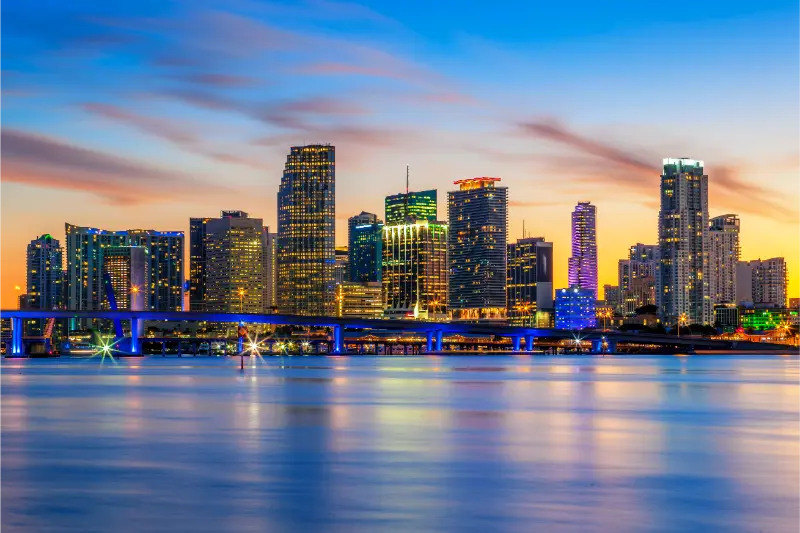
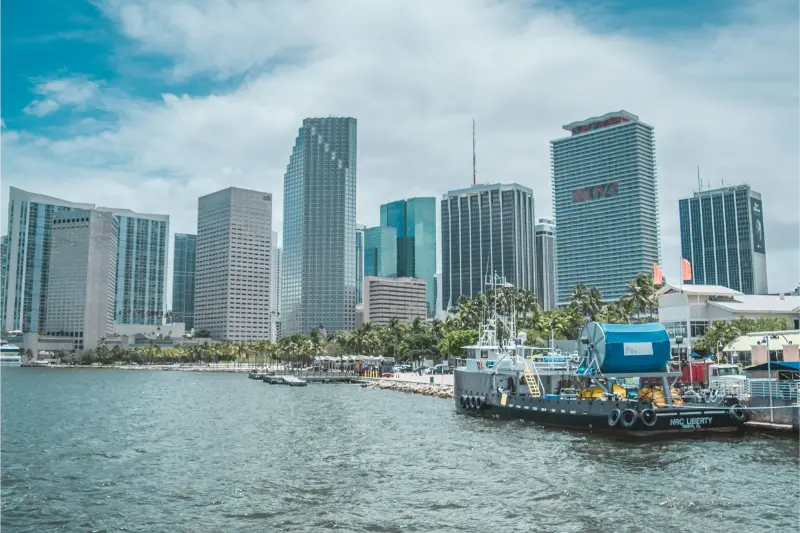
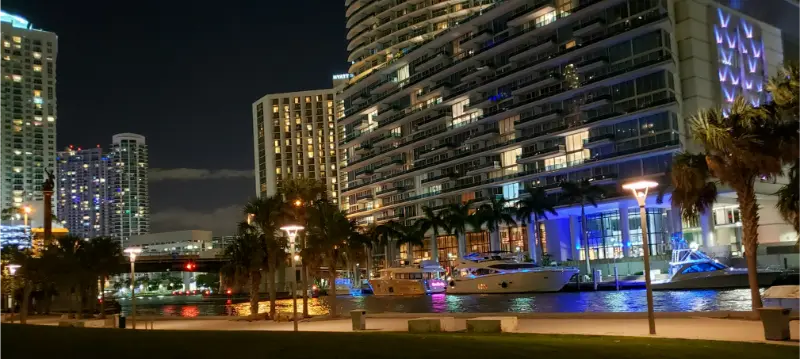
    Miami City Skyline Reflected on Biscayne Bay at Sunset

    Follow Old Cutler Road thoughtfully

    Old Cutler Road connects distinctive South Miami-Dade neighborhoods and historical landscapes, but it is not a traffic-free heritage promenade. If you drive between Deering Estate and Thalatta, watch for cyclists, local traffic and crossings rather than trying to stop on narrow shoulders. A bicycle outing is possible on sections of the corridor, but families should check a current route map and select a segment appropriate to their riding confidence. The roadway's mature vegetation and historic properties make the trip scenic without requiring entrance to private homes. Photographers should work from legal public stopping points and avoid blocking residential driveways. Visitors without a car may need carefully planned local transit and a taxi or rideshare for the final connection. Be precise about which stop you are traveling to: the main Deering visitor entrance, Deering Point and Thalatta have different addresses and visitor rules. An incorrect map pin can turn a short morning into an avoidable detour.

    One day: history, bay views and a restful park

    Begin at Deering Estate after confirming the opening time and, if desired, the guided museum tour. Explore the Richmond Cottage and designated grounds, then pause near the water before midday. Have lunch at a verified restaurant or bring food according to the estate's current rules rather than assuming full-service dining is on site. In the afternoon, drive to Thalatta Estate for a shorter landscape and architecture stop if it is publicly open. Finish with an optional family break at Coral Reef Park. This schedule is best for a group that likes history and short walks; nature enthusiasts may prefer to dedicate the whole day to Deering and a guided ecological program. Babies may need an earlier departure for naps, and older guests may skip the final park to conserve energy. Resist the temptation to add South Beach after a full day: it is a separate destination across an urban region and deserves its own time.

    Two days with Biscayne-focused exploration

    For a two-day stay, let the first day focus on historical Palmetto Bay. On the second, choose one nature activity according to current availability: a guided Deering program, a walk at a permitted local reserve or a longer south Miami-Dade excursion to a distinct site. Biscayne National Park access is not simply a drive-up beach with trails everywhere; much of the park is water, and boat activities require separate logistics. If that national park interests you, research its visitor center, authorized tours and departure locations as a standalone day. For a less demanding option, spend the second day in Coral Reef Park and on the Old Cutler corridor, with time for a relaxed meal. This approach gives children and seniors space to enjoy the region instead of sitting in traffic between disconnected tourist attractions. No itinerary should imply that a private marina or residential shore is public access.

    Staying here versus elsewhere in Miami

    Palmetto Bay appeals to travelers who prioritize a quieter residential base, Deering Estate or south Miami-Dade connections. It may be inconvenient for nightlife in Miami Beach or repeated trips to northern attractions; compare travel times in traffic, not just straight-line distance. Hotels may be scarcer within the village itself than in nearby suburban hubs, and vacation rentals require careful checks of actual location and legal access. If your stay revolves around the bay, staying nearby can reduce daily driving, but it does not ensure walkability between parks. Families may appreciate a kitchen, laundry and parking. A traveler with accessibility requirements should ask for precise doorway measurements, bathroom details and step-free routes, not just rely on property filters. Look at cancellation conditions during hurricane season, and avoid booking an exposed coastal event space on the assumption that fine weather is guaranteed. If using public transportation, confirm evening service back to the accommodation before planning dinner.

    Weather, cost and accessibility

    Budget for Deering Estate admission, any guided activity or event surcharge, transport, meals and accommodations. Thalatta or public green spaces may have different free-access arrangements, but weddings and private events can override ordinary access. Prices and parking arrangements should be checked on each operator's website. Tropical rain and strong sun influence this trip throughout the year; in summer, carry water, plan shade and move outdoor walks earlier. Hurricane season is a reason to monitor forecasts and cancellation terms, not a guarantee that every day will have bad weather. People who use wheelchairs may find some developed lawns or paths manageable, but the natural preserve trails can be substantially different. Ask Deering Estate about requested accommodations in advance, especially for museum tours, interpreters or mobility needs. A good South Florida day need not include swimming: bay views, history and gardens already offer plenty.

    Protect the place you came to see

    Palmetto Bay's historic buildings and habitats are sensitive to visitor behavior. Remain on designated paths, keep an appropriate distance from wildlife, do not handle artifacts and follow event-area barriers. Mangrove shorelines are productive nurseries, not waste ground where someone can launch a boat anywhere. Respect the privacy of nearby residents when photographing streets and older houses. The village and Deering Estate publish separate rules, so a permission granted at one property should never be assumed at the next. Children can participate by identifying native trees, drawing architectural features or noting how shade changes along the water. For seniors, choosing a small number of comfortable viewing points can be more satisfying than trying every trail. Before leaving, verify the Deering Stone House restoration status, Thalatta public hours and any park alerts. With those checks, this corner of Miami-Dade becomes a thoughtful cultural and natural addition to a larger Florida journey.

    At-a-glance visit plan

    TimeRecommended stop
    MorningDeering Estate and permitted museum tour
    MiddayMidday break or picnic under venue rules
    AfternoonThalatta Estate if open; Coral Reef Park as alternative

    Frequently asked questions

    Can I tour the Stone House at Deering Estate?

    Its interior has been closed for restoration since April 2025; guided visits currently focus on other permitted spaces and the exterior.

    Are Thalatta Estate and Deering Estate one site?

    No. They are separate properties with different addresses, visiting hours and event restrictions.

    Is Palmetto Bay an Atlantic beach resort?

    No. The shoreline faces Biscayne Bay, not an ordinary lifeguarded surf beach.

    Can I visit Thalatta during a wedding?

    Access may be limited during private events; confirm public hours before traveling.

    Is this area suitable for a relaxed family visit?

    Yes, with a manageable garden and park itinerary, though paths, heat and accessible facilities must be checked individually.
    Official information and visitor updates

  • Three Days in Miami Without a Car: A Practical Plan for Neighborhoods, Art and the Beach

    Three Days in Miami Without a Car: A Practical Plan for Neighborhoods, Art and the Beach

    Miami can be a surprisingly enjoyable three-day break without a rental car, provided you resist one common mistake: trying to visit every famous neighborhood in a single afternoon. The city is spread across mainland districts, islands and beach communities, and the distances that look small on a map may involve bridges or slow roads. This itinerary uses one downtown day, one Miami Beach day and one cultural-neighborhood day. You can trade a museum for a garden, build in breaks for small children or older companions, and keep transportation costs more predictable. It is a genuine city-and-coast plan, not a promise that every attraction is walkable.

    Three-day summary

    DayMain planEasier alternative
    1Downtown, Biscayne Bay and a museumShort park walk and indoor gallery
    2South Beach architecture and oceanShort beach access and shaded lunch
    3Little Havana or WynwoodMuseum instead of outdoor walking

    Choose a base that makes the route work

    For a car-free stay, Downtown Miami and Brickell are useful bases because they put you near Metromover stations, Metrorail connections and downtown attractions. They are different in mood: Brickell offers a busy modern restaurant-and-hotel district, while the downtown core has varied blocks, cultural venues and transportation links. Check exactly how far your hotel entrance is from the station; a property advertised as “near transit” may still require a long, exposed walk with bags. Miami Beach is better if waking up near the ocean matters more than reaching mainland museums quickly. In that case, expect a bus or paid ride across the causeway.

    Look beyond the nightly room rate. A downtown hotel may charge resort or destination fees, and some beach hotels add beach-service charges that do not necessarily include every umbrella or chair. A family might prefer a kitchenette and laundry over a fashionable address. Travelers with limited mobility should ask about the route from sidewalk to lobby, elevators, roll-in showers and accessible transportation stops. Never assume a beach hotel has a simple, step-free entrance to the sand. Compare full costs and the time needed for the activities you care about.

    Day one morning: start with Biscayne Bay and downtown

    Begin the first morning near Biscayne Bay, using a short waterfront walk as an introduction to Miami rather than walking miles in tropical sun. Bayfront Park and nearby public spaces offer views toward the water, downtown towers and passing boats. Some paths are exposed, so choose an early start, wear a hat and pause frequently. If a cruise ship or boat tour catches your eye, check the actual departure location and duration before booking; the boat may depart from a marina that is less convenient than it appears. A land-based waterfront morning works perfectly well if nobody wants to board a vessel.

    From there, choose one downtown cultural stop rather than moving between three museums. The Pérez Art Museum Miami and the Phillip and Patricia Frost Museum of Science both sit in the Museum Park area, but they offer different experiences. Art lovers may appreciate a relaxed visit with time for lunch, while families with curious children might prefer science exhibits and the aquarium, subject to current programming. Check admission prices, timed tickets and accessible facilities on the attraction's own website. Decide which one is your priority before buying a pass; a short trip does not automatically benefit from an expensive bundle.

    Day one afternoon: use the free Metromover wisely

    Metromover is particularly useful in the central downtown and Brickell area and is generally free to ride, making it appealing for a visitor who wants to avoid continuous walking. It is not a citywide rail system and it does not reach Miami Beach, Little Havana or the airport. Look up current station operations and service advisories on Miami-Dade Transit before leaving. At a busy station, step back from the platform edge with children and allow extra time for elevators if you are using a stroller or wheelchair. The best transit tool is the one that saves your own group effort, not the one that looks impressive on a map.

    Spend the afternoon in Brickell or return to your hotel's neighborhood for a meal and a rest. A few blocks may offer striking contrasts between waterfront buildings, traffic and compact restaurants. If the weather turns stormy, go indoors rather than treating a thunderstorm as ordinary sightseeing rain. In Miami, lightning can become the main danger long before streets look flooded. Families can schedule an afternoon break, while couples might prefer an early dinner and a view across the bay. The purpose of day one is to understand the city's scale without exhausting yourself immediately.

    Day two morning: South Beach beyond the postcards

    Set aside the second day for Miami Beach, taking a direct bus or arranged ride from the mainland. Start in South Beach, where the Art Deco Historic District offers an unusually recognizable streetscape. Rather than photographing a few facades and moving on, look at the relationship between older pastel-colored buildings, hotel entrances and the history of seaside tourism. Ocean Drive can be lively, loud and crowded at certain hours. Walk a few parallel blocks if you prefer a calmer atmosphere, and respect hotel or restaurant property even when the exterior is attractive.

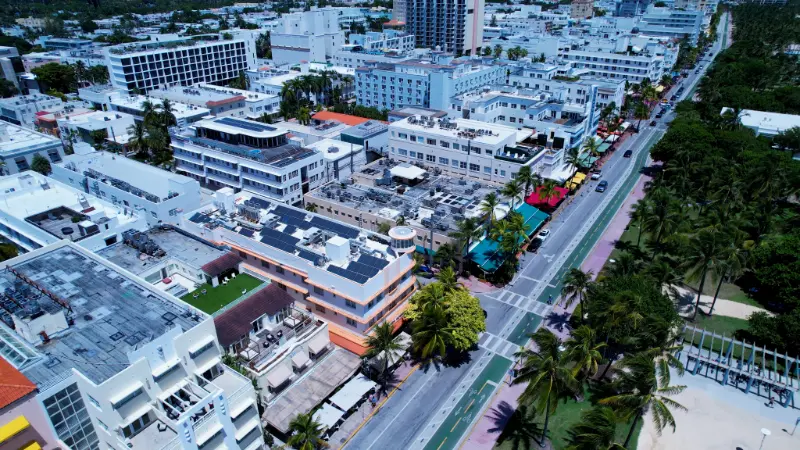
    Ocean Drive Miami Beach Art Deco Street Aerial

    The Atlantic shore is close, but the sand itself can be tiring, especially for visitors with walking difficulties. Select a legal public beach access with services that match your needs. Look for restrooms, shade options and current beach-condition notices; do not assume calm-looking ocean water is risk-free. Rip currents and thunderstorms require attention. A family may enjoy building sandcastles for an hour more than arranging a full-day swim. Those who do not swim can enjoy the lifeguard towers, ocean views and an accessible promenade section instead. Bring water and protect electronics from sand and salt air.

    Day two afternoon: a gentler Miami Beach loop

    After lunch, choose between a modest walk along the beachside paths and a visit to a quieter cultural or green space. South Pointe Park offers views of the channel and ocean, but reaching it on foot from an upper South Beach hotel may feel long in summer heat. Check the route and use a local ride if that keeps the afternoon pleasant. A beach-focused traveler can stay closer to the hotel and return for the late-day light, while someone interested in architecture may prefer a guided walking tour with scheduled stops. Verify its accessibility, route length and cancellation policy.

    Do not assume that Miami Beach is the same as the mainland city of Miami for transit or accommodation planning. The causeway crossing may slow around events and at peak traffic times. When choosing dinner, consider whether your group will want to cross back after dark. Eating near the beach is convenient, but menus and service charges deserve scrutiny, particularly in high-traffic tourist blocks. Check the itemized bill for automatic gratuities. A relaxed evening on the island may be a better memory than adding another attraction simply because it is famous.

    Day three: Little Havana or a second museum, not both

    Use day three for one neighborhood with a distinct identity. Little Havana, especially the Calle Ocho corridor, provides a window into Cuban American food, public art, social life and the city's migration history. A daytime visit can include a café, a small shop and a respectful look at public spaces where neighbors gather. Remember that this is a living community, not an outdoor performance created for tourists. Ask permission before photographing individuals or private business interiors. Do not rely on a single “must-eat” restaurant that may have changed opening hours; compare current menus and reviews shortly before leaving.

    If you prefer art or are traveling during very hot weather, make the final day an indoor museum visit instead. Wynwood's street art is another option, but large portions of the district are exposed to sun and there are many privately operated galleries and venues with separate admission rules. It is not necessary to force Little Havana and Wynwood into one rushed circuit. Pick the experience that suits the group and allow time to return to the hotel, collect baggage and travel to the airport. Miami traffic can lengthen a final transfer even when distance seems modest.

    Practical transportation choices and airport transfers

    Miami's public transport network includes Metrorail, Metromover and buses, but each serves different areas. For arriving at Miami International Airport, follow official airport signage to approved transport connections or taxi and rideshare areas. Determine in advance whether your hotel is within a convenient rail-plus-walk route. Large suitcases, stairs, peak-hour crowds and late arrivals may make a direct ride more sensible than saving a small fare. For a short trip, paying for two strategic transfers may still be less costly than renting, fueling and parking a car for three days.

    Plan transit by actual stop and direction rather than a loose neighborhood name. Service frequency, construction, event detours and accessible features can change. A train trip suitable for an adult with a backpack might not be ideal for grandparents after a long flight. Keep a backup plan, sufficient phone battery and a little money for a ride when rain disrupts walking. Avoid promising yourself that every street is comfortable after dark: choose well-used routes and standard city precautions. The no-car strategy works best when the daily activities are geographically grouped.

    How to adapt the itinerary for different ages

    With a baby or toddler, make the morning your principal activity block and reserve the afternoon for a nap or indoor pause. A lightweight stroller can help on paved paths but not across deep sand; confirm elevator access at transit stations and museums. For school-age children, choose the science museum or a short bay cruise as the day's major paid attraction, then keep beach time flexible. Teenagers may appreciate design, street art and food neighborhoods if they have some influence over the schedule. Avoid dragging everyone through multiple ticketed museums when only one person is enthusiastic.

    For visitors with limited stamina, shorter downtown loops and taxis between larger districts make more sense than a strict step count. Ask about benches, accessible beach routes and restroom locations in advance. Anyone sensitive to heat should consider the milder months and schedule midday indoor time. A couple looking for a quieter vacation can leave South Beach's busiest blocks behind and focus on galleries, a waterfront meal and small neighborhood discoveries. One useful measure of a good itinerary is whether everyone still has energy to enjoy dinner.

    Costs, safety and what to verify before leaving

    Prepare a simple budget with four lines: accommodation including mandatory fees, transport, paid attractions and food. Add a fifth for contingency rides or storm-related plan changes. Museums and tours can quickly outweigh the amount saved by using transit, so book selectively. Free waterfront walks and a beach morning are valuable precisely because they require little beyond a safe route and practical supplies. Beach equipment, luggage storage and cancellation terms should be checked before payment. For international visitors, health coverage and travel documents deserve attention as well.

    Before departure, review official Miami-Dade Transit information, the weather forecast and any beach hazard warnings. Check whether special events affect downtown roads or South Beach access; a festival or sporting event can change both prices and travel times. Save addresses rather than screenshots alone, and leave adequate time for your flight. Three days without a car will not reveal every part of Miami, but it can combine the city's waterfront, architecture and communities in an enjoyable sequence. Staying selective is what makes the plan practical.

    Frequently asked questions

    Can I visit Miami in three days without renting a car?

    Yes, by staying near central transport and grouping downtown, Miami Beach and one further neighborhood on separate days.

    Does Metromover go to Miami Beach?

    No. The free system covers downtown, Omni and Brickell areas; cross to Miami Beach using a suitable bus or hired ride.

    Where should families stay for this trip?

    A downtown or Brickell property near useful transit can work well, but confirm elevator access, mandatory fees and your room arrangement.

    Official information and useful resources

    Explore the area on an interactive map

  • South Florida Museums with Accessible Visits: Five Days from Miami to West Palm Beach

    South Florida Museums with Accessible Visits: Five Days from Miami to West Palm Beach

    South Florida’s galleries, science exhibitions and cultural institutions can make a deeply enjoyable vacation for travelers who use wheelchairs, walkers or other mobility aids. The main obstacle is often not what happens inside a museum. It is the journey from hotel room to car or train, the route from parking to the entrance, the distance between exhibits and the availability of a comfortable place to rest. This five-day itinerary focuses on Miami, Fort Lauderdale and West Palm Beach while offering choices for adults, children and older companions.

    This guide does not claim that every gallery or temporary exhibition will suit every disability. Accessible facilities, borrowed wheelchairs and sensory supports vary, and a description on a website may not answer an individual traveler’s requirements. Before reserving nonrefundable tickets, contact the museums that matter most and explain the features you need. The reward is a cultural trip with fewer logistical surprises and more time to appreciate art, architecture, science and the people traveling with you.

    Choose transport and rooms before attractions

    If traveling from Miami to West Palm Beach, consider a combination of a rail journey, local accessible transportation and occasional car service, or use a rental vehicle appropriate for the passenger’s mobility equipment. Rail services may have assistance procedures, limitations around mobility-device dimensions and station-specific boarding arrangements. Check your exact station and train rather than assuming that any reference to accessible travel guarantees a completely step-free door-to-door trip.

    For lodging, confirm an actual accessible room rather than a request attached to a standard reservation. Ask about bed height, door clearance, roll-in shower versus tub, grab-bar location, toilet transfer side, elevator dimensions and accessible parking or drop-off. Photographs are useful but insufficient. If you use an electric wheelchair or scooter, discuss safe charging and storage. A centrally placed hotel may cost more but reduce tiring transfers and help the group return for midday rest.

    Day one: Pérez Art Museum Miami by the bay

    Pérez Art Museum Miami, often called PAMM, makes a strong introduction to the region because the art and Biscayne Bay setting can be enjoyed at a gentle pace. The museum publishes an accessibility guide describing wheelchair access to galleries, accessible entrances, elevators, courtesy wheelchairs and procedures for some garden access. Travelers who need a mobility device should ask whether loan equipment is available on the day, whether identification is required and which entry point is best from the garage or transit station.

    Miami Beach South Beach Coastal Buildings Aerial

    Choose a limited number of galleries rather than attempting to see the entire museum. Spend time with one exhibition, pause for a seated conversation and enjoy the waterfront view when conditions permit. Children can choose one artwork each and describe what they notice. A grandparent who tires easily may appreciate a shorter visit and a calm lunch more than an ambitious afternoon walk. If you plan to use the adjacent public park or outdoor areas, check the route separately; indoor accessibility does not mean every exterior surface is equally comfortable.

    Day two: Frost Science, a different kind of museum day

    The Phillip and Patricia Frost Museum of Science is well suited to a second Miami day because its exhibits appeal to several ages. The museum publishes information about accessible parking, elevators, seating, tactile experiences and assistive listening at the planetarium. These are useful starting points, but a family with an autistic child or someone with low vision should ask about the specific exhibition or show they plan to attend. Noise, darkness and crowds can be very different in a planetarium from those in a conventional gallery.

    Decide which two or three experiences matter most. A child who loves aquariums and marine science may need longer in those areas, while another visitor may prefer the planetarium. Leave unstructured time between floors so that equipment, restrooms and snacks do not turn into an emergency. If the museum is crowded, pause in a quieter space rather than pressing onward. The organization publishes accessibility information, but temporary exhibits may create different routing; check current maps when you arrive.

    Day three: Fort Lauderdale and the art of choosing one good stop

    Travel north toward Fort Lauderdale. NSU Art Museum Fort Lauderdale is one possible art-focused stop near the city’s cultural district, with the details of its current exhibitions and accessibility to be verified directly. Pair it with a comfortable lunch rather than trying to cover the beach, downtown and multiple museums in one day. Even when attractions seem close on a map, busy intersections, curb cuts and parking arrangements may change the effort required.

    For families with children, give everybody a simple museum mission: find a portrait, identify an unusual material or compare two artists’ approaches to color. For adults who prefer quiet, avoid building the day around a late evening event. If a visitor uses a wheelchair, discuss restroom access and elevator status before purchasing tickets. If the group is tired after the transfer, replace the museum with a café and a shorter downtown visit. Cultural travel should be adaptable to the day people actually have.

    Day four: West Palm Beach and the Norton Museum of Art

    The Norton Museum of Art in West Palm Beach provides an excellent anchor for a cultural day. Its visitor guidelines describe wheelchair-accessible public entrances, elevators and restrooms, plus wheelchairs and walkers that may be borrowed on a first-come, first-served basis. The museum also identifies accessible parking options. If a particular aid is essential, bring your own or confirm availability before travel; a limited loan supply should not be treated as a guaranteed reservation.

    South Pointe Park Miami Beach Palm Lined Promenade

    Allow time for a thoughtful visit rather than measuring success by the number of rooms entered. Choose exhibitions based on current programming and the group’s interests. A teenager may enjoy photography or contemporary work, while another traveler gravitates toward painting or sculpture. A museum café or nearby restaurant can become part of the day’s pleasure. Before planning a stroll in the surrounding neighborhood, check the forecast and whether the route provides shade and smooth crossings.

    Day five: Gardens, a smaller exhibit or a rest day

    The last day works best as an open choice. A garden near West Palm Beach can offer a contrasting outdoor experience, but garden accessibility deserves the same attention as a museum: path material, slopes, shade, wheelchair turning space and accessible toilets. Mounts Botanical Garden is one possible candidate; check its current accessibility description and weather conditions. An indoor alternative might be a smaller gallery or a return to an exhibit you especially enjoyed.

    Do not fill the last morning if you must drive back to Miami or catch an afternoon flight. Accessibility logistics take time: elevators, baggage handling, boarding assistance and transportation can extend a transfer. A quiet breakfast and reliable departure may be worth more than a final admission ticket. Travelers interested in a longer holiday can divide this itinerary into two bases and spend extra nights in Fort Lauderdale or West Palm Beach.

    Five-day itinerary and choices

    Day Main location Focus Flexible option
    1 Miami PAMM art and bay views Shorter gallery visit
    2 Miami Frost Science One major exhibition only
    3 Fort Lauderdale NSU Art Museum area Downtown café and rest
    4 West Palm Beach Norton Museum of Art Seated tour or select galleries
    5 Palm Beach County Garden or smaller exhibit Rest and airport transfer

    How to ask the right accessibility questions

    An inquiry such as ‘Is the museum accessible?’ often produces an answer that is too broad. A better question is, ‘Can someone using a power wheelchair enter from your visitor drop-off point, reach the current exhibition, use a restroom and return without stairs?’ Mention any required transfer space or assistance. For visitors who are deaf or hard of hearing, ask whether talks have captions, transcripts or assistive listening. For low-vision visitors, ask about audio description, tactile resources and staff orientation rather than assuming audio tours are always available.

    Families with sensory-sensitive members can ask about quiet rooms, busy periods, dimly lit exhibits and reentry rules. Parents of babies should ask about changing tables and stroller storage. Travelers with fatigue may want a list of benches and seating areas. It is useful to request a contact email and keep the reply. Needs differ, and an honest response from the museum is more valuable than a generic accessibility symbol on a ticket page.

    Admission, parking and the real budget

    Museum admissions vary with special exhibitions, age, membership and temporary programs. Some institutions have discounted or free periods; however, these should be checked for the exact visit date rather than repeated as permanent promises. Budget for parking, rideshares, train tickets, meals and any mobility-equipment transportation. A room near transit can reduce total costs if you are not driving, but only when the final connection from the station is workable.

    If using a car, confirm accessible garage clearance and whether the marked spaces suit your vehicle. Some garages have low ceilings that restrict taller accessible vans. A less central hotel may offer easier parking but create longer drives. If using public transit, plan a transfer buffer and check service disruption notices. Keep printed tickets and emergency contact information available in case a phone battery fails. For visitors who need medication or medical equipment, arrange storage and transport in consultation with their usual care providers before departure.

    Pacing a museum holiday for several generations

    An adult may want to read every wall label, while a child has finished after an hour. Rather than treating this as a conflict, agree on a small shared core and allow optional time. A museum with a café can be a comfortable place for one companion to wait while others explore. Take photographs where permitted, but avoid flash or tripods if prohibited. Museums are shared spaces, so keep children close around fragile exhibits without discouraging their questions.

    For an older traveler, ask about the distance from the car to the entrance before setting off. Standing in a ticket line may be harder than walking through a gallery, so look for timed admission or assistance options when relevant. Make lunch reservations only when the group’s energy is predictable. The itinerary can be completed in five days, but three meaningful museums across five relaxed days may be a better experience than seven museums approached as an endurance challenge.

    Weather, heat and indoor comfort

    The museum-centered route is particularly useful when rain or heat makes outdoor sightseeing uncomfortable. Nevertheless, the walk between a transit stop, parking garage and entrance can expose visitors to heavy rain or sun. Carry a small umbrella, breathable clothing, water and a light layer for air-conditioned rooms. During thunderstorms, postpone outdoor waterfront walks and use safe enclosed routes. A gallery may be calm, but getting there still requires weather planning.

    If traveling with someone whose mobility changes from day to day, put the most important museum early in the itinerary and leave an open day at the end. Confirm whether tickets are refundable or transferable before paying. Do not ask a person to continue simply because the group purchased entry. The purpose of an accessible vacation is that everybody can participate comfortably in experiences that matter to them.

    Frequently asked questions

    Are all the museums on this route wheelchair accessible?

    The larger institutions publish accessibility information, but routes and services vary. Confirm your equipment dimensions and the current exhibition’s access directly with each museum.

    Is it possible to visit without renting a car?

    Potentially, by combining intercity rail, local transit and accessible ground transfers. The journey between stations and museum doors must be checked individually.
    Which museum is best for children?

    Frost Science is especially relevant to science-curious families, while PAMM and the Norton can work well with short, engaging art-focused visits.

    Official visitor information

  • Three Days in Miami and Miami Beach: A First-Timer’s Neighborhood-by-Neighborhood Plan

    Three Days in Miami and Miami Beach: A First-Timer’s Neighborhood-by-Neighborhood Plan

    Miami rewards travelers who stop thinking of it as a single beach resort. South Beach’s Art Deco streets, the working city around Downtown and Brickell, Little Havana’s cultural landmarks, and the creative blocks of Wynwood are different places with different rhythms. Three days is enough for a persuasive introduction, but only if you group stops geographically. A day that jumps repeatedly between the beach and the mainland will feel like a sequence of rideshares. A day spent in one or two adjoining districts leaves room to taste the city, see its architecture and sit down when the heat builds.

    This itinerary assumes you sleep either in South Beach, for walkable beach access, or in Downtown/Brickell, for urban transport and rail links. You do not need a rental car for these three days if you are comfortable mixing walking, public transportation and the occasional paid transfer. You should still check exact distances: the mainland city and Miami Beach are connected by bridges, not by a five-minute stroll. For children, older travelers and anyone with limited mobility, the central rule is the same: schedule one demanding block each day and reserve the rest for shorter, adjustable experiences.

    Choose your hotel base before you choose attractions

    Where you stayBest forTrade-off
    South BeachOcean walks, Art Deco buildings, lively eveningsParking and some dining can be expensive
    Downtown MiamiMuseums, waterfront, Metromover connectionsNot a beach hotel location
    BrickellRestaurants, modern high-rises, Metrorail and MetromoverBusiness-district atmosphere
    Mid-BeachA quieter resort-style beach stayMore transfers for mainland sightseeing

    Check the hotel’s exact entrance on a map and compare its mandatory fees before reserving. “Ocean view,” “near the beach,” and “Miami” can describe very different experiences. Also ask whether the beach chairs or umbrella pictured in the advertisement are included or billed separately. If relying on transit, choosing a room near the line you will actually use is worth more than an attractive room fifteen blocks farther away.

    Day 1 morning: South Beach and the Art Deco District

    Start early on Ocean Drive, when the pastel façades and palms are easier to admire before the strongest heat and busiest crowds. The Art Deco Historic District is best understood on foot rather than as a drive-by sight: look at the rounded corners, nautical motifs and geometric decorations, then turn inland toward Collins Avenue and Washington Avenue to see how different buildings relate to one another. A professionally led architecture walk can add context if that interests you; otherwise a self-guided circuit works well as long as you cross at marked intersections.

    Miami Beach Ocean Drive Art Deco Buildings

    Follow the architecture walk with a short beach visit. South Beach can have strong surf or changing conditions even when the water looks inviting. Choose designated swimming areas with lifeguards if available, check beach warning flags, and protect young children from heat and sun. A day in Miami does not require spending four continuous hours in the sand. A thirty-minute swim or shoreline walk followed by a café stop can be a better fit when you also want to see the city.

    Day 1 afternoon and evening: Lincoln Road or South Pointe

    As the day warms up, move to an air-conditioned restaurant or a quieter indoor stop. Lincoln Road offers a pedestrian-oriented shopping and dining stretch, though specific shops change and there is no need to build the itinerary around a single store. After a break, choose one evening walk: return to the Art Deco streets when they are illuminated, or explore the area around South Pointe Park for an open coastal feeling and views of passing vessels. Sunset timing changes through the year; checking the forecast and local event calendar helps more than following a fixed clock time.

    A helpful first-day rule is not to chase nightlife if you are jet-lagged. Miami has late-night energy, but families and morning-oriented travelers will find plenty to enjoy before dark. Arrange transport back to your accommodation if you are not walking. Keep phones and valuables secured in crowded places and do not leave anything visible in a parked car. The point of the evening is an easy impression of the waterfront, not one more long cross-city commute.

    Day 2 morning: Little Havana with cultural context

    Head inland to Little Havana and make Calle Ocho the spine of the morning. The area tells stories of Cuban migration, food, language and political history; reducing it to a single coffee and photo misses most of the interest. Look at Domino Park from the public side and observe posted rules rather than interrupting games. Explore locally owned bakeries and cafés, and consider a guided walk to understand the neighborhood’s development. Asking a shopkeeper a question with genuine curiosity works better than treating everyday residents as tourist props.

    This is a practical place to eat lunch, but decide whether you want a sit-down meal before queues build. Some pavements have uneven stretches and shade varies, so a member of the group who needs a predictable walking surface may benefit from a short planned route instead of wandering for hours. If street festivals or road closures are scheduled, plan drop-off points and use current transit information. Leave time for one more mainland neighborhood, but do not overpack the rest of the afternoon.

    Day 2 afternoon: Wynwood art or Coconut Grove greenery

    Pick Wynwood if murals and contemporary galleries excite you. Public street art is visible on many blocks; curated venues have their own tickets and visiting rules. Outdoor mural walks can get very hot, so a compact two- or three-block circuit with breaks is more comfortable than an open-ended wandering route. Photograph art respectfully, stay aware of traffic and avoid entering private lots for a better angle. Galleries rotate programming, meaning the best visit is one based on the current exhibition list rather than a years-old recommendation.

    Prefer a calmer alternative? Choose Coconut Grove and spend the afternoon amid shaded streets, waterfront views and a garden or cultural stop. It has a different mood, particularly attractive to travelers who have had enough noise for one day. Wynwood and Coconut Grove are alternatives in a three-day trip, not mandatory consecutive assignments. A family with young children may favor greenery and a playground; an art-focused couple may choose the mural district.

    Day 3: Downtown museums and Biscayne Bay

    Use the third day for Downtown Miami and adjacent waterfront attractions. Pérez Art Museum Miami and the Frost Museum of Science stand near each other in the Museum Park area, but both deserve proper time. With children who love aquariums and hands-on science, prioritize Frost Science and keep art as optional. With art enthusiasts, do the opposite. Check exhibit accessibility, timed admission and any special presentation reservations before leaving the hotel. Two museums in one day are feasible only if visitors enjoy a full museum day.

    For a lighter afternoon, take in the waterfront at Bayfront Park or admire the city from the free Metromover. Miami’s tourism agency confirms that Metromover connects Downtown and Brickell; it does not take you to South Beach. Use real-time agency information for station works and service changes. A boat outing is another possibility, but compare boarding access, weather cancellation policies and whether the itinerary spends time in open sun. The scenic bay is not a reason to ignore thunderstorms.

    Getting between Miami, Miami Beach and the airport

    From Miami International Airport, the MIA Mover connects travelers to the intermodal center, where Metrorail and other ground transport are available. Metrorail serves selected mainland corridors, not every hotel. Metromover is useful for Downtown and Brickell, and local buses connect areas including Miami Beach. For the last stretch, walking or an authorized taxi or rideshare may be simpler than trying to force one transit solution to do everything. Check the official timetable the morning you travel, especially for a very early flight.

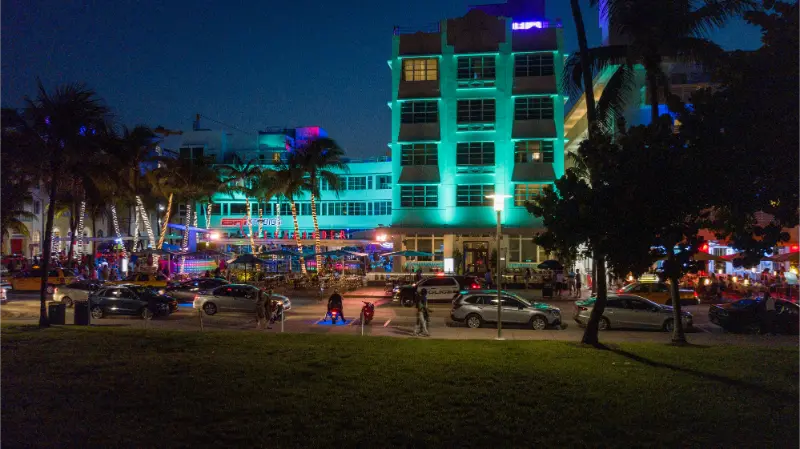
    Miami Beach Art Deco Hotels at Night

    Rideshare fares can increase around events, rain and peak traffic. If you are staying at the beach but going to Downtown museums, compare one direct ride against public transit for each traveler rather than automatically assuming a rental car saves money. Parking charges can erase any advantage quickly. If you have an accessible mobility device, verify step-free entry at your chosen hotel and each exact station; “public transportation available” is not a sufficient accessibility plan.

    Eating well without turning meals into tourist traps

    Miami is a superb place to look beyond familiar chain restaurants. A Cuban breakfast or lunch in Little Havana, a neighborhood restaurant in Downtown or Brickell, and a relaxed evening meal near the beach give three different experiences without requiring a food tour every day. Read the menu before ordering and check whether gratuity or a service charge is already included. For families, carry water and a portable snack; lunch delays are much easier to handle when a child is not already exhausted.

    Food halls and cafés are useful for groups with different diets, but confirm current vendors and hours. Ask about allergens when necessary rather than judging ingredients from menu photographs. Travelers on a tighter budget can make breakfast simple, choose one memorable restaurant meal per day and look for lunch specials. This strategy preserves room in the budget for a museum ticket or taxi at a time when fatigue makes public transport less appealing.

    Optional swaps: Everglades, Vizcaya or Key Biscayne

    If you have a fourth day, the Everglades are a strong option, but not a casual hour-long detour. The Shark Valley entrance west of Miami, the Homestead/Royal Palm entrance and Everglades City are separate access points without connecting interior roads. Choose one based on your hotel location and the activity you want. Reserve enough time for transport, ranger information, wildlife stops and a possible wait at the gate. Never feed wildlife or approach alligators for photographs.

    Vizcaya Museum and Gardens and Key Biscayne are two other excellent substitutions within greater Miami. Vizcaya offers a heritage and garden-focused half day; Key Biscayne works for a scenic coastal outing, with park and bridge travel conditions checked in advance. Neither belongs automatically on top of the existing three-day schedule. Decide which experience matters more to you, then trade it for Wynwood or a museum visit so you still have time to appreciate it.

    Miami with children, older visitors or reduced mobility

    Miami can be made gentler by shifting outdoor time into the morning and leaving a generous midday interval for shade or air-conditioning. Families with strollers will want to examine the exact route across streets and beaches; travelers using wheelchairs should verify accessible entrances, restrooms and boardwalk-to-sand access at the particular beach. Some public beach access programs offer equipment or mats, but availability differs, so call the responsible agency rather than relying on general citywide claims.

    Older adults do not all want the same pace: some are keen walkers, while others prefer a museum plus a seated bayfront view. Build the trip around actual preferences, not age-based assumptions. Give every traveler a choice to skip a long mural walk and rejoin the group for lunch. A three-day holiday feels fuller when no one has to spend the fourth day recovering from it.

    Frequently asked questions

    Do we need a car in Miami for three days?

    Not for this route if your hotel is well located and you accept occasional transfers. A car can be convenient for outlying sights but creates parking costs.

    Is Downtown Miami the same as Miami Beach?

    No. They are separate areas divided by Biscayne Bay, with bridges and transport connections between them.

    Can we visit the Everglades in half a day?

    Sometimes a carefully chosen short visit is possible, but transport and park activities often justify most of a day. Choose the entrance deliberately.

    Which day is best for the beach?

    Day one includes a beach break, but move it to a calmer-weather day if surf or lightning conditions are unfavorable.

    Is the itinerary suitable for a cruise stop?

    Only partially. For one day, select a single neighborhood near your port transfer and return with a substantial embarkation buffer.

    Official planning sources

  • Miami’s Redland Fruit Country: Four Days of Tropical Farms, Gardens and Local Flavor

    Miami’s Redland Fruit Country: Four Days of Tropical Farms, Gardens and Local Flavor

    There is a different Miami just southwest of the crowded beaches and high-rise hotels. Around Homestead and the Redland agricultural district, roads pass fruit orchards, plant nurseries and fields where seasonal produce matters more than waterfront nightlife. A four-day stay lets travelers appreciate this working landscape without mistaking every farm for a tourist attraction. It is especially good for families with curious children, couples who enjoy food and gardens, and older travelers who want a flexible schedule with limited driving each day.

    The essential rule is never assume a fruit stand, farm or roadside stall is open. Harvest seasons shift with weather, small businesses change hours, and a place that welcomes visitors for retail may not permit walking into its fields. Build the trip around one confirmed reservation or public attraction per day. Leave everything else optional, so a sold-out tour or afternoon downpour does not ruin the holiday.

    Four-day outline and practical choices

    Day Main theme Anchor stop Flexible alternative
    1 Orientation Homestead and Redland farm roads Downtown walk and café
    2 Tropical plants Fruit & Spice Park Short garden tram visit
    3 Local food Verified farm stand and produce tasting Shaded lunch and nursery shop
    4 Rural-to-coastal contrast Biscayne-area scenery from public locations Indoor history stop

    Renting a car is the easiest approach. The district is spread out and sidewalks are not continuous along many agricultural roads. Even if you are based in Miami, several stops do not make sense by public transit without substantial transfers and walking on exposed roads. Stay in Homestead if early farm visits are your priority, or in southern Miami-Dade if you want more evening dining choices.

    Day 1: Understand Redland before picking an attraction

    Start in Homestead, a practical hub with groceries, accommodation and familiar services. Look at the regional map before driving west through the Redland area. You will see roads bordered by farms, orchards and residential properties rather than a theme-park-style visitor complex. Respect driveways and fences, do not stop on narrow shoulders for photographs and use only customer parking at businesses open to the public. Farming operations involve tractors, delivery vehicles and working land.

    Build a comfortable first afternoon around a confirmed café, a short historical walk or a relaxed shopping stop. This is particularly important if you have traveled from another time zone: long airport days and hot sun are not a good combination. Take a cooler bag for purchased produce, because leaving delicate fruit in a hot rental car can spoil it before dinner. Children can make a list of fruits they recognize and another list of unfamiliar varieties to ask about during the rest of the trip.

    Day 2: Fruit & Spice Park, the essential visit

    Miami-Dade County Fruit & Spice Park, at 24801 SW 187th Avenue in Homestead, is the most useful structured introduction to tropical horticulture. It offers a defined visitor experience rather than relying on a spontaneous farm invitation. Official visitor information lists garden tram tours and separate tasting tours, but their schedules and availability need checking before arrival. A tram can make the day much easier for someone with limited stamina, although uneven garden terrain still exists.

    Miami Bayfront Park Skyscrapers and Trees

    Allow more time than you would for a small urban garden. Shade varies and Florida rain can interrupt outdoor activities. Carry water and ask staff where fruit tasting is permitted. The park has specific rules about which fruit can be sampled; do not simply pick anything that looks ripe. A printed plant map can turn the day into an enjoyable family lesson about how fruit grows, how climates differ and why tropical crops require special growing conditions.

    Understanding the difference between garden admission and tasting

    A common budgeting error is assuming that every program is included in an ordinary entrance ticket. According to the county’s published information, certain tram visits are included with admission while organized tasting experiences may carry separate fees. Before paying, ask the front desk which tours are running, the length of each activity, seating availability and what happens if lightning interrupts the tour. Visitors with allergies should identify ingredients before sampling unfamiliar fruit or prepared products.

    An adult accompanying a young child may prefer the tram and a leisurely garden walk to a long tasting session. Visitors with mobility aids should call about the accessible tram, which stops have level boarding and where paved surfaces end. The park lists accessibility across most of the site but acknowledges that naturally uneven areas remain. A thoughtful half-day that everyone can enjoy beats an exhausting attempt to cover every acre.

    Day 3: Choose a farm stand without treating it as a petting zoo

    Choose one or two operating farm stands using recent information from their own websites or a local visitor center. Ask whether the stop sells whole fruit, prepared smoothies, baked items, seasonal vegetables or plants. Not all vendors offer tours or public restroom facilities. Buy the amount you can eat during the remaining stay, and check whether purchased fruit is ripe now or needs several days at room temperature. Hotel rooms rarely have the counter space or refrigeration of a kitchen.

    Taste deliberately rather than ordering everything at once. You may encounter tropical varieties with unfamiliar names; ask about texture, seeds and whether the fruit is meant to be eaten raw. Anyone with food allergies should avoid unlabelled mixtures and cross-contact risks. Even familiar-looking tropical fruit can stain clothing or produce a large amount of juice, so carry tissues and a washable bag. Small-business purchases support the area more directly than photographing fields without permission.

    Seasonality matters more than a fixed “best fruit month”

    South Florida’s growing season is not a single harvest event. Mangoes and many tropical fruits are often associated with warmer months, while some vegetables and other products are important during the cooler growing season. Varieties, weather and storms make a month-by-month guarantee unreliable. A February visit might excel at gardens, local produce and comfortable walking even if your imagined summer fruit is not ripe. A July visit can be rewarding for certain fruits but considerably hotter and stormier.

    Ask what is actually available that week. It is a better question than whether a district is “in season.” If your travel dates are fixed, design the article’s suggested route around gardens and agricultural culture first, with the harvest as a bonus. Markets can be excellent even when a particular fruit is not in its peak window. Avoid handling unripe produce or tasting something straight from trees without permission.

    Day 4: Finish with a nature or history contrast

    On the last day, leave the farm roads and choose a public landscape stop near southern Miami-Dade. Coastal perspectives toward Biscayne Bay are a useful contrast: the same geography that supports tropical agriculture also contains wetlands, mangrove habitats and protected waters. Do not assume access to a national-park island, boat tour or waterfront trail without checking the official site. If a coastal activity requires a boat, allow for weather cancellations and never book a departure too close to a flight.

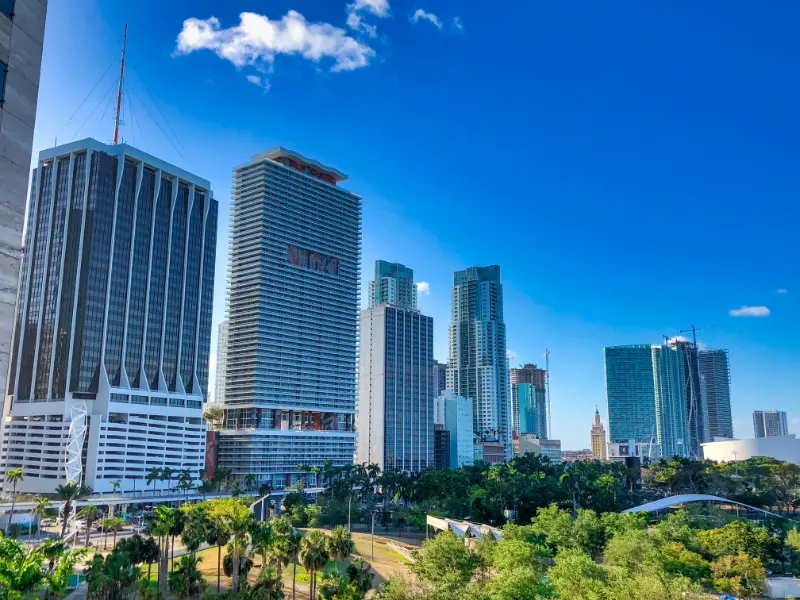
    Miami Downtown High Rise Buildings and Bay

    An alternative is a short indoor heritage visit closer to Homestead, followed by an early lunch and departure. Tourists with very young children or travelers sensitive to midday heat will usually prefer this version. The aim is to understand how agricultural and natural systems exist side by side, not to add an unrelated attraction simply to fill the day. Keep the last afternoon open for packing fruit, returning a rental car and avoiding rush-hour surprises.

    Where to stay and how to plan meals

    Homestead provides a practical base for the garden and agricultural district. Southern Miami neighborhoods can offer a larger restaurant selection but bring longer drives and more traffic. Families should prioritize a refrigerator, adequate parking and a room layout that allows early sleepers to rest. A vacation rental with a full kitchen may make sense for a larger group, but verify cleaning fees and rules before assuming it costs less than two hotel rooms.

    Do not plan every meal around farm food. Some stands have no seating, and many close earlier than restaurants. Have a conventional lunch option and carry snacks for young children. Visitors over seventy or anyone managing a medical condition may appreciate a predictable meal schedule more than spontaneous farm-to-farm grazing. Check whether your lodging provides breakfast so that your first morning does not depend on an attraction opening early.

    Driving, parking and heat management

    Agricultural roads can be narrow, and a scenic-looking side lane may be private. Park only where permitted and never block field entrances. Because many attractions are outdoors, put the longest visit early in the day and plan an indoor break when the heat becomes intense. Lightning is not just an inconvenience; Florida thunderstorms can close garden tours and make exposed areas unsafe. Move inside or into a hard-topped vehicle when thunder is nearby, following official guidance.

    Carry drinking water even for short visits, a hat, insect protection and a backup phone charger. Download map directions before entering rural sections rather than relying on a continuous signal. After buying fresh produce, keep food shaded and do not leave it in a hot car while visiting another attraction. Refrigerate perishables promptly and follow any vendor handling instructions.

    Traveling with children and older family members

    A fruit-focused itinerary makes a good multigenerational holiday because everyone can take part in tasting, gardening and learning without riding a thrill attraction. However, a stroller may struggle on loose or uneven paths, and not every small farm stand has a restroom or shaded seat. Put these practical questions above social-media appeal when selecting stops. Children should be told clearly not to touch plants, eat fallen fruit or run into working areas.

    For older companions, arrange an easy drop-off where permitted, ask about benches and make visits shorter if the sun is strong. Do not assume every member of the family wants the same tasting menu. Separate groups can reunite for lunch, one after a short tram excursion and the other after a longer walk. A good day offers choice without leaving anyone isolated or excluded.

    Cost and common booking mistakes

    Set aside money for garden admission, optional tours, parking when applicable, meals and shopping. The county publishes current Fruit & Spice Park prices on its official page; recheck shortly before traveling because event prices can differ from general admission. Farm stand purchases can be modest or surprisingly expensive depending on produce, size and packaging. Build a budget for what you genuinely want to take home rather than counting every stop as free entertainment.

    Avoid booking a “tropical fruit tour” without knowing whether it visits a working farm, a demonstration garden or simply a shop. Ask whether sampling is included, how long guests remain outdoors, minimum ages and cancellation terms. Do not advertise permission to pick fruit on private property. The district rewards respectful visitors who appreciate agriculture as a working industry and not just a backdrop.

    Before you go: useful official checks

    The strongest starting point is the county’s Fruit & Spice Park visitor information, including current tours, admission and accessibility details. Check individual farm-stand websites for seasonal hours and call ahead for special experiences. For national-park or coastal excursions, rely on the corresponding federal or county park notices. Keep an alternative indoor plan for any thunderstorm day.

    A satisfying Redland holiday can consist of one excellent garden, a few purchases from legitimate growers and enough unstructured time to enjoy the countryside. You do not need exclusive orchard access or an invented personal farm tour to make this a distinctive Florida experience.

    Frequently asked questions

    Is the Redland district within walking distance of central Homestead?

    Not as a coherent visitor district. Attractions and stands are spread out on rural roads, so a vehicle is the practical way to follow this itinerary.

    Can visitors pick their own fruit at every farm?

    No. Most farms are private working properties. Only pick fruit if a specific business advertises a visitor picking experience and grants permission.

    Is the route enjoyable outside mango season?

    Yes. Gardens, agricultural heritage, selected produce stands and coastal scenery remain worthwhile. Specific harvests and tasting opportunities depend on the date.

    Can the trip work for a wheelchair user?

    Potentially, with advance planning. Ask Fruit & Spice Park about accessible tour vehicles and terrain, and verify the individual entrances and restrooms at every additional stop.

  • South Florida Without a Car: Seven Days from Miami to West Palm Beach by Train

    South Florida Without a Car: Seven Days from Miami to West Palm Beach by Train

    The stretch from Miami to West Palm Beach is one of Florida’s more realistic places to plan a multi-city vacation without driving. Trains connect major downtown stations, local transit covers selected neighborhoods and a few well-chosen hotel locations can remove much of the need for parking. But a rail station is not the same as a beach hotel, and Florida sidewalks, summer thunderstorms and luggage transfers can complicate an itinerary that looks simple on a map. This seven-day route keeps travel days modest and focuses on exploring three urban areas rather than pretending that every attraction in South Florida is easily reachable by public transport.

    On this page

    Understand the train network before booking

    Brightline links downtown Miami, Aventura, Fort Lauderdale, Boca Raton, West Palm Beach and Orlando. For this week, the important segment is Miami–Fort Lauderdale–West Palm Beach. Check the operator’s schedule and baggage policy, including the first and last departures for your dates. Brightline is not a local subway: trains run between stations, and you must still arrange the connection to your hotel or chosen attraction. Prices are dynamic, so do not build a budget from a single example fare seen online.

    Tri-Rail is another South Florida rail system, with a different network and different stations. It may help with some airport and regional journeys, but the station location and connecting bus can determine whether it is practical for a tourist. Miami-Dade Transit runs Metrorail and buses, while the downtown Metromover is a separate, fare-free system. Broward and Palm Beach counties have their own transit agencies. Do not confuse the different tickets, timetables or station names. Plan each day from hotel door to attraction entrance, not merely from one rail logo to another.

    Choose two hotel bases, not three or four

    A straightforward week can use Miami for three nights and Fort Lauderdale for four, with West Palm Beach as a day trip. Alternatively, stay in Miami for three nights and West Palm Beach for four if gardens, culture and a slower second half are more important than beach nightlife. The central question is whether your hotel sits near a usable rail, trolley or bus connection and whether the final short transfer is safe and comfortable with luggage.

    Downtown Miami offers good access to Metromover and regional transport, but it is not the same as sleeping beside the Atlantic Ocean. Miami Beach hotels can be pleasant for a beach-focused vacation, yet the transfer to downtown rail services takes additional planning. In Fort Lauderdale, a hotel around downtown or Las Olas may be practical for dining and waterways, whereas many oceanfront properties are farther from Brightline. Compare nightly rates plus rideshare costs; the cheapest hotel is not always the cheapest car-free base.

    South Beach Miami Luxury Hotels and Coastal Avenue Aerial

    Day 1: Arrive in Miami and explore close to the hotel

    Keep the first day intentionally compact. From Miami International Airport, review the current official Metrorail and airport transfer options, and compare those with a direct taxi or rideshare if traveling with substantial luggage. Miami Beach is not directly served by Metrorail. If staying downtown, explore a comfortable block or two, get groceries and identify the nearest transport stop before committing to a longer excursion. International visitors should set up mobile data and keep the hotel address accessible offline.

    An afternoon around Biscayne Bay, Bayfront Park or a downtown museum can be enjoyable without crossing the region. The free Metromover serves downtown and Brickell areas; its presence does not mean that every attraction is within a short walk of a stop. Check service alerts and the exact direction of travel. For dinner, choose somewhere easy to reach after dark. If the flight arrives late, skip sightseeing entirely. Sleeping well on the first night can make the remaining six days much more rewarding.

    Day 2: A focused Miami culture day

    Use the second day to explore one connected cluster. Downtown and the Pérez Art Museum Miami area can be combined with waterfront walking and a meal, subject to museum hours and admission. Another choice is Little Havana, where food, neighborhood history and cultural experiences reward time, but the transport from the hotel may require a bus or rideshare. Do not attempt Little Havana, Wynwood, Miami Beach and Coral Gables all in one day simply because they appear near one another in a search result.

    Pick a morning attraction and plan lunch nearby. In humid weather, build in an indoor option and a place to refill water. A guided food or walking tour can be useful for someone who wants context without managing every turn, but check its meeting point and walking distance. If traveling with children or an older relative, choose shorter segments and a backup plan. Miami is better enjoyed as a collection of distinct neighborhoods than as a checklist of landmarks photographed from a moving car.

    Day 3: Miami Beach with no unrealistic expectations

    A day on Miami Beach is worth organizing properly, even if it requires an extra transfer from downtown. Choose a particular stretch of beach, such as the South Beach area, based on restrooms, shade, food options and the kind of atmosphere you enjoy. Public transportation can work, but travel times and stops vary. If a traveler has mobility limitations, confirm the location of an accessible beach entrance or beach-mobility service with local officials rather than assuming every sandy pathway is easy to use.

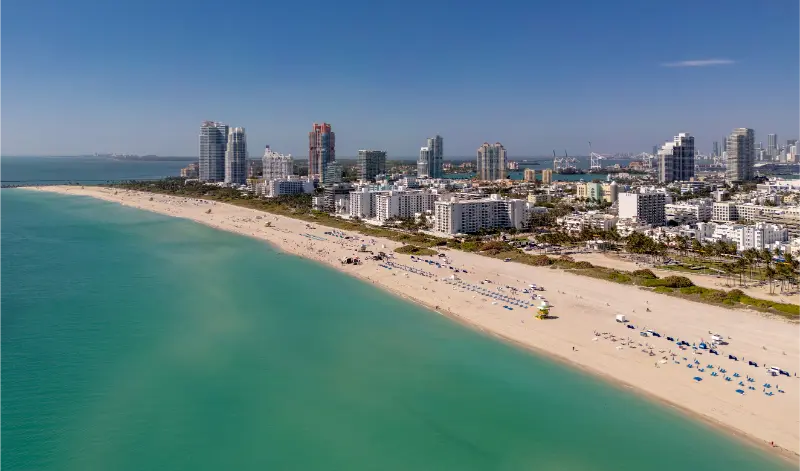
    South Beach Miami Coastline and Turquoise Water Aerial

    Spend the morning on the beach or looking at Art Deco architecture, then select one nearby attraction or café. Follow beach-warning flags and leave exposed areas when lightning threatens. Keep electronics and valuables secure rather than leaving them unattended while swimming. Restaurants near popular waterfront blocks can be expensive, so read menus and check whether an automatic service charge has already been added. Return to your accommodation before the last convenient connection, especially if you have an early train the next morning.

    Day 4: Train to Fort Lauderdale and enjoy the waterways

    Check out, allow time for the station transfer and take the train to Fort Lauderdale. A rail journey is short compared with driving through regional traffic, but the total door-to-door time will include waiting, luggage and another transfer to the hotel. Store bags only through the hotel’s confirmed luggage service. Once settled, focus on Las Olas Boulevard or the nearby riverfront. A Water Taxi outing can provide a pleasant view of the canals; confirm operating routes, fares, boarding access and service hours directly with the operator.

    A common mistake is to treat Fort Lauderdale Beach, downtown, the cruise port and the rail station as one walkable district. They are separate locations, and sunshine or a convenient-looking map can disguise uncomfortable distances. Decide whether the afternoon should be a downtown stroll or a beach visit, not both by default. Enjoy a relaxed dinner close to your base. This transfer day should feel like the start of the second half of the holiday, not a logistical race.

    Day 5: Choose a Fort Lauderdale beach or museum day

    If the ocean is the priority, spend most of the day around an accessible stretch of Fort Lauderdale Beach and select a nearby lunch spot. Verify lifeguard coverage and current surf conditions. Early starts help with heat and allow more freedom to leave when a storm arrives. For travelers who want a different experience, consider the Museum of Discovery and Science or historic attractions subject to current schedules. The chosen activity should connect sensibly to your hotel by a known route.

    This can also be the most flexible day of the week. If somebody feels tired, stay nearer the hotel and explore shops or cafés around Las Olas. Do not build the itinerary around a tour whose last departure leaves you without an easy ride back. Check any vessel’s access conditions in advance. For a group with different interests, splitting for a few hours is perfectly reasonable. Car-free travel works best when each day includes one main location, not when every free minute becomes another transit connection.

    Day 6: West Palm Beach by train

    West Palm Beach makes a good regional day trip for culture, dining and a waterfront change of scene. Travel by train to the downtown station, then check the walking route or local transfer to your chosen attraction. The Norton Museum of Art and downtown Clematis Street area are possible anchors, but they should be checked for opening times and special-event closures. Palm Beach island, Worth Avenue and beaches require additional transport from the downtown station; do not describe them as being immediately beside the train.

    A visitor who prefers easy days might spend the morning in one museum and the afternoon by the waterfront, with lunch between. Travelers seeking gardens or wildlife attractions farther inland may find that a dedicated rideshare or guided transfer is needed. Set an unhurried return train time and remember that evening service patterns can change. If this looks too demanding, remain in Fort Lauderdale for a rest day and save West Palm Beach for another trip. A day trip is an option, not an obligation.

    Day 7: Plan the airport connection backward

    Before the final day, confirm which airport the return flight uses. A journey from Fort Lauderdale to Miami International Airport is not equivalent to walking from a hotel to FLL, even though both airports serve South Florida. Work backward from check-in time and add a reasonable cushion for traffic, transfers, luggage and security. When using public transit, verify whether the first or last segment requires a shuttle, and have a paid alternative in case of disrupted service.

    Keep the final morning free of prepaid distant attractions. A short breakfast, a familiar waterfront walk or an easy local museum is enough if time permits. Pack chargers, travel documents and medications where they remain accessible. If a train is delayed, official operator updates are more useful than a screenshot saved weeks earlier. The success of a car-free trip depends as much on its final connection as on the fun in the middle. Leave the region with time to spare rather than a final sprint.

    Budget, accessibility and who should adjust this route

    Account for rail tickets, local transit, luggage arrangements, occasional rideshare, hotel parking only if it applies, and attraction fees. A no-car trip can save substantially on rental and parking costs but still be expensive if the hotel is poorly located. For accessibility, contact rail and transit operators about wheelchair spaces, boarding assistance, audio and visual announcements and station elevators. Train access does not guarantee the sidewalk route to a particular restaurant will be suitable; check the entire trip.

    This itinerary suits travelers who enjoy cities, museums, waterfronts and manageable regional transfers. It is less useful if the main goal is isolated state parks, the Everglades backcountry, remote springs or a quiet beach cottage far from transit. In that case, a different base with an organized excursion or a vehicle may be wiser. A traveler does not need to avoid cars at all costs to have a successful car-free vacation; an occasional direct transfer is often the practical choice.

    Quick planning snapshot

    Planning pointWhat to know
    RouteMiami → Fort Lauderdale → West Palm Beach day trip
    Main transportBrightline and local transit, occasional direct transfer
    AccommodationTwo carefully chosen urban bases
    Main cautionStations are not beachfront hotels

    Frequently asked questions

    Can I explore all of Miami without a rental car? Some central and well-connected neighborhoods are accessible by transit, but not every attraction. Choose a suitable base and budget for occasional transfers.

    Does Brightline stop on the beach? No. Its stations are urban transportation hubs; the beach usually requires another journey.

    Should I use Brightline or Tri-Rail? Compare the exact stations, schedule, total fare and last-mile connections. They serve different travel needs, and one is not automatically better for every route.

    Is a car-free plan suitable with a wheelchair? It can be, but verify each operator’s accessibility provisions, hotel placement and the sidewalks or vehicles used between stations and attractions.

    Official planning resources

    Check Brightline departures, Brightline accessibility information, Miami-Dade Transit and the regional transit providers’ current route maps. Service, fares and station access can change, so confirm details shortly before travel.

  • Little Haiti, Miami: Three Days of Art, Food, Language and Community Heritage

    Little Haiti, Miami: Three Days of Art, Food, Language and Community Heritage

    Little Haiti is a living Miami neighborhood, not an outdoor museum arranged for visitors. Its identity emerges from Haitian and wider Caribbean migration, churches, small businesses, visual arts, literature, music and daily language. A good visit begins by recognizing that this is a place where people work, worship and raise families. This three-day plan centers on the city-run Little Haiti Cultural Complex and the surrounding commercial streets, with time for Haitian-owned businesses and public performances when scheduled. It deliberately avoids turning a neighborhood’s identity into a single dish or a colorful mural. Stay flexible: cultural programs change, local businesses may close or move, and Miami traffic can make short distances feel slow.

    Understand the neighborhood before photographing it

    Haiti has a rich, independent history that reaches far beyond tourism slogans. Migration from Haiti to South Florida occurred over generations and under very different economic and political circumstances. Miami’s Haitian communities have preserved Kreyòl language, literature, traditions, religion, music, commerce and political organizing while also reshaping the city around them. A neighborhood visit should therefore celebrate creativity without overlooking the realities of housing affordability, development pressure and changing commercial streets. Many residents also identify with other Caribbean or African diasporic communities, so avoid assuming everyone’s origins from an accent or a shop sign. If you want deeper context, choose local institutions’ written materials and public talks. Asking strangers to explain their ancestry while they are working is not a substitute for learning.

    Wynwood Miami Neighborhood Street Art Aerial

    Day 1: start at the Little Haiti Cultural Complex

    Begin at the Little Haiti Cultural Complex, a City of Miami cultural facility near NE 59th Terrace and NE Second Avenue. Its spaces include galleries, a theater and the Caribbean Marketplace. Current public hours on the official city pages differ by component, and programming schedules can override routine access. Do not arrive assuming a concert, vendor market or exhibition is happening simply because the facility is open. Contact the complex or check its calendar for that particular date. The cultural center’s mission emphasizes preserving Afro-Caribbean cultures and supporting creativity. Spend time with explanatory labels or staff-led public programming when available. With children, select one artwork and consider its materials, colors and story; with teenagers, explore the relationship between art, language and migration.

    Day 1 afternoon: Caribbean Marketplace and neighborhood commerce

    The Caribbean Marketplace, also known as Mache Ayisyen, draws inspiration from markets in Port-au-Prince. It is a worthwhile place to look for art, craft, food and music when vendors are operating, but a building’s posted public hours should not be treated as a guarantee of a busy market every afternoon. Ask before taking close-up pictures of makers or their goods. Buy directly from vendors when possible rather than using their work only as a background for social media. Afterward, choose a short walk on main streets with active storefronts. Notice Haitian Creole lettering and bilingual commerce without treating unfamiliar words as decorative props. Travelers with children or mobility limitations will be more comfortable with a small loop and a planned indoor rest than an improvised multi-mile walk in midday heat.

    Day 2 morning: literature, memory and local voices

    Haitian storytelling extends from oral traditions to poetry, novels, theater and community journalism. Make day two a cultural-learning day by checking the calendars of the Little Haiti Cultural Complex, Miami Book Fair and other reputable local institutions. The Little Haiti Book Festival, for example, is event-based, not an attraction that can be visited every day of the year. If nothing is scheduled, a bookshop with a relevant selection or a public library can provide a quieter introduction. Avoid reducing Haitian literature to tragedy or migration alone. Explore humor, imagination, family relationships and contemporary urban life as well. Younger visitors might choose a children’s story; adults can look for bilingual writing and translations. Allow room for voices that disagree: a community is not a single public-relations message.

    Day 2 afternoon: food with a little knowledge

    Haitian cooking reflects regional ingredients, history and family practices. Dishes visitors may encounter include griot, diri kole, pikliz and various soups, but menus differ and not every restaurant serves every dish. Pikliz is often spicy; ask about heat levels before ordering for young children. A food allergy or dietary restriction requires direct confirmation about ingredients, sauces, frying oil and cross-contact. Do not label a restaurant authentic merely because of its location or demand that cooks explain a traditional recipe during a rush. Choose a locally operated restaurant, order one or two items you genuinely want to learn about, and tip appropriately. Ask whether portions are suitable for sharing. For visitors unaccustomed to South Florida heat, a long seated lunch in air conditioning can make the rest of the afternoon more enjoyable.

    Day 3: wider Afro-Caribbean Miami without losing the focus

    Use the third day to connect the neighborhood to the wider city through a pre-booked exhibition, guided arts program or a complementary Miami history museum. Many neighborhoods have overlapping migration stories, and they should not be presented as interchangeable. Little Haiti is not Little Havana; Haitian Kreyòl is not Spanish; and Haitian cultural institutions have their own histories and priorities. A broader Miami museum can offer context about settlement and urban development, while a scheduled talk at the cultural complex keeps Haitian voices central. If you prefer a relaxed final morning, return to a gallery you did not finish and spend the afternoon elsewhere in Miami. The value of a cultural itinerary is not measured by crossing as many neighborhoods as possible on the same day.

    Wendys Restaurant at Miami Roadside

    Choosing a respectful guided experience

    A good guide should know the neighborhood, distinguish historical claims from anecdotes and be transparent about where the fee goes. Community-led walking tours can provide more depth than a quick bus stop, but do not book an experience solely because it uses a neighborhood name. Ask about the route’s length, indoor breaks, accessibility and whether businesses will be visited with their consent. Guides should not promise interaction with residents or access to worship spaces without arrangements. Private homes, schools and religious ceremonies are not casual tourism attractions. If the guide asks you to refrain from photographs, follow that request. For travelers who do not want a structured tour, the official cultural complex offers a clear starting point for a self-directed visit grounded in publicly available information.

    Where to stay and how to reach Little Haiti

    Visitors may find a broader choice of hotels in Downtown Miami, Brickell, Miami Beach or other established lodging districts. Little Haiti itself has different accommodation options, but proximity to an attraction is only one concern: prioritize a property with dependable transport, clear check-in arrangements and verified accessibility features. Driving offers flexibility, though parking locations and rules must be checked on site. Rideshares are often simpler for a short cultural trip; confirm pickup addresses before leaving an evening event. Transit can be practical on some routes but service patterns, transfers and midday heat affect the experience. Use Miami-Dade’s current transit planner rather than assuming a map published years ago still reflects bus routes or fares.

    A three-day itinerary that leaves room for people

    DayMain focusPlan B if an event is not running
    1Little Haiti Cultural Complex, gallery and MarketplaceVisitor information and nearby lunch
    2Literature, public programming and Haitian cuisineLibrary reading and locally owned restaurant
    3Guided heritage experience or related city museumReturn to a favorite exhibition and enjoy a slower morning

    Best time of day, weather and event uncertainty

    South Florida’s humid months can be exhausting for long outdoor walks, particularly with babies, older visitors or anyone who struggles with heat. Start outside in the morning, reserve the warmest hours for galleries and lunch, and carry water even on short walks. Lightning is a more immediate reason to abandon an outdoor itinerary than light rain. Use a simple two-part plan: one confirmed indoor anchor and one flexible neighborhood walk. Festivals and concerts can be rewarding but also loud and crowded; a child who is sensitive to sound may prefer daytime gallery hours. Check date-specific accessibility details before attending, especially for temporary stages or markets. Do not assume all vendors accept the same payment methods; a small amount of cash may help but is never a reason to carry valuables openly.

    Supporting local businesses without treating people as attractions

    A worthwhile visit can support neighborhood commerce in modest, practical ways. Buy a book by a Haitian author, pay for admission to a local event, choose a locally operated meal or purchase artwork you genuinely like. Read the artist’s name rather than describing every object as generic island art. Do not request pictures with people in traditional clothing or take photos through shop windows without regard for privacy. Ask for permission politely and accept a no. It is also fine to simply observe a public performance without documenting every moment. Visitors should respect places of worship even if the exterior architecture is interesting. None of these customs prevents enjoyment; they make the visit more rewarding and less extractive.

    Families, older visitors and access needs

    Little Haiti is possible with mixed-age travelers if the schedule is modest. Children may enjoy art activities or music, but only when appropriate public events are actually offered. Teenagers can learn about bilingual publishing and how neighborhoods change over time. Older adults may appreciate seated performances, short gallery visits and a quiet restaurant rather than long sidewalk walks. Ask the Cultural Complex about accessible seating, restroom locations and the specific spaces used by an event. Wheelchair availability, interpreter requests and sensory conditions vary between gallery, theater and marketplace. Build a rest stop into the day, and confirm a return ride before any evening show. Travelers with infants should check changing facilities rather than assuming a historic venue has all family amenities.

    What not to assume about safety and neighborhood change

    No travel article can promise that every block is equally safe or that conditions stay the same. Check current local advice and use normal city precautions: keep belongings secure, avoid distracted street crossings and choose well-lit, active routes after dark. Do not conflate cultural difference with danger. At the same time, it is not respectful to romanticize displacement or pretend rising costs and development pressures do not affect local residents. Reading a neighborhood history can help explain why an artist-run space or family business matters. The best response is to visit thoughtfully and spend money with organizations whose work you value. For visitors on a tight schedule, one meaningful morning is better than trying to cover a rapidly changing neighborhood by checklist.

    Official contacts and final planning checklist

    Check the City of Miami Little Haiti Cultural Complex for the venue and events calendar, the official Caribbean Marketplace venue page for market-specific arrangements, and Miami-Dade transportation information before choosing a hotel or route. The city itself states that operating hours can change. Confirm your anchor exhibition, restaurant location and return transport the day before visiting. If a marketplace is quiet, use that time to look at architecture and public art rather than treating it as a failed trip. A neighborhood’s importance does not depend on being a constant festival for visitors.

    Frequently asked questions

    Is Little Haiti a single museum or attraction?

    No. It is a living Miami neighborhood. The Little Haiti Cultural Complex is a useful public starting point, but it does not represent every resident or business.

    Is the Caribbean Marketplace open with vendors every day?

    Do not assume that. Building access, individual vendor activity and special events have separate schedules; verify current information directly.

    Is this suitable for families with children?

    Yes, particularly for a short gallery visit and age-appropriate workshops when scheduled. Avoid unplanned outdoor walks during the hottest hours.

    Can I explore without a guided tour?

    Yes. Use the official cultural center and publicly accessible spaces, respect private property and ask permission before close-up photography.

    Where should I stay for this itinerary?

    Choose accommodation based on transport reliability and your wider Miami plans, not only the distance to Little Haiti. Downtown and other central districts can be practical bases.

  • Miami Beach vs Hollywood Beach: Which South Florida Beach Base Is Better?

    Miami Beach vs Hollywood Beach: Which South Florida Beach Base Is Better?

    Miami Beach and Hollywood Beach can both deliver oceanfront vacations in southeast Florida, but their pace, street layouts, and nearby attractions differ considerably. Miami Beach offers several beach districts tied to international dining, architecture, and extensive urban activity. Hollywood Beach, farther north in Broward County, is known for its Broadwalk, an oceanfront pedestrian environment where a simpler routine of walking, cycling, and eating near the water appeals to many visitors. The cheapest room or shortest distance from the airport is rarely the only factor worth weighing. Your ideal base depends on whether you want a major city on your doorstep or a beach-focused stay with occasional excursions.

    Quick decision table

    CompareOption AOption B / planning note
    Best atmosphereMiami Beach: urban arts and diverse diningHollywood: oceanfront Broadwalk routine
    NightlifeMore extensive districtsSmaller beachfront focus
    No-car potentialChoose near useful trolley or transit routeChoose lodging near the Broadwalk

    Why the name Miami Beach can mislead first-time visitors

    Miami Beach is a separate municipality from the City of Miami and contains several distinct areas. South Beach, Mid-Beach, and North Beach are not the same in crowd levels, lodging choices, or access to nightlife. A hotel marketed with the word Miami might be across the bay rather than close to the sand, while another could be on the barrier island but several miles from the attractions you plan to visit. Hollywood Beach also needs precise map checking: downtown Hollywood and the beach district are not identical destinations. Compare addresses using walking directions to the exact access point, not a vague claim that the property is ‘minutes from the ocean.’ For people with limited mobility, those last few blocks matter as much as the flight time.

    Miami Beach South Beach Aerial and Skyline

    The character of a Miami Beach day

    In South Beach, a day can combine sand with architectural walks, galleries, restaurants, and lively evening streets. Visitors interested in Art Deco buildings and diverse food may enjoy spending part of the afternoon away from the ocean. Other districts can provide a quieter base while retaining some urban variety, depending on location and season. Miami Beach is especially attractive for people who want the beach without isolating themselves from a major metropolitan cultural environment. Yet congestion, parking costs, busy entertainment areas, and long walks between activities can make it tiring for visitors expecting a tranquil resort. A thoughtful base away from the busiest strip can balance convenience and rest more successfully than simply booking the best-known neighborhood.

    Hollywood's Broadwalk is the daily attraction

    The Hollywood Beach Broadwalk provides a recognizable oceanfront route for walking, cycling where permitted, and moving between places to eat. It gives a beach vacation a clear center without requiring a major attraction ticket each day. Visitors can enjoy an early seaside walk, return to the accommodation, and revisit the waterfront after sunset with limited transport if they stay close enough. The Broadwalk can still be crowded during popular hours, and different segments vary in noise and services. Families with young children should check local rules concerning bicycles and wheeled devices instead of assuming all parts of a pedestrian promenade are suitable for every activity. The main appeal is everyday convenience, not an endless list of sights.

    Which has the more convenient public beach?

    Both offer Atlantic Ocean beaches and must be evaluated according to the weather and specific access route. Miami Beach has long strands of sand, but the distance from hotel door to water can be substantial at certain locations. Hollywood Beach offers a relatively direct transition between the Broadwalk and sand in many areas, though facilities and accessibility vary. Neither can guarantee gentle water, and rip currents are a concern along the Atlantic. Choose areas with lifeguard coverage when possible and pay attention to flags, storm forecasts, and water-quality notices. For families with babies or for travelers using mobility aids, determine whether beach matting, accessible restrooms, and shaded rest areas exist at the access you actually plan to use.

    Getting around without a rental car

    Miami Beach provides trolley and other local transportation possibilities, while the wider Miami metropolitan area has buses and rail connections that may be relevant to particular activities. The City of Miami Beach also publishes information about a free on-demand service operating within specified areas; its zone and operating times must be checked for your trip. Hollywood Beach has its own local services and the Sun Shuttle, but these should be researched by exact zone, fares, and hours rather than treated as a universal island-wide free ride. The City of Hollywood’s visitor parking and mobility map is a useful planning reference, although individual fares and maps should be confirmed shortly before use. A car-free holiday succeeds when restaurants and the beach are within comfortable reach of the hotel.

    Parking and rental-car decisions

    A car can help with wider Miami-Dade or Broward excursions but can become an expensive object to store when you stay at a walkable oceanfront property. Compare garage charges, hotel valet fees, and the time required to retrieve the vehicle before reserving one for the entire stay. Hollywood has public parking facilities serving beach visitors, but spaces and payment conditions vary. Miami Beach parking regulations differ by area and can be stringent. If the family intends to visit the sand in the morning and stay within a compact restaurant district until bedtime, arriving by taxi or booked transfer may be simpler than renting a car. If you plan several suburban attractions, a car or an organized excursion may still be worth the total cost.

    How the food and nightlife choices differ

    Miami Beach offers international cuisine, popular dining districts, and more extensive nightlife options, but the best restaurants for your budget are not always the ones beside the busiest tourist streets. Hollywood Beach has a more compact oceanfront eating scene, with casual choices along the Broadwalk and additional options in the broader city. Families who prefer early dinners may appreciate being able to walk a short distance back to the room after eating. Couples looking for elaborate evenings or different cultural neighborhoods every night may favor Miami Beach, though that preference is highly personal. Always check restaurant prices and mandatory service charges before ordering; a view of the ocean does not tell you what the final bill will include.

    A three-day Miami Beach stay

    Use arrival day to identify your nearest beach access, a good grocery or pharmacy, and a place to eat without a long trip. Spend the first morning on the sand before conditions grow hotter and reserve the afternoon for an architectural walk or a selected museum. A second full day can include a short excursion into mainland Miami, but treat the journey across the bay as real travel time. If you are interested in art, food, or neighborhoods, choose one coherent area rather than trying to cover the entire city in a day. Leave evenings flexible and avoid planning every night around loud entertainment districts, particularly when traveling with children or people who need early rest.

    Miami Beach South Beach Coastal Buildings Aerial

    A three-day Hollywood Beach stay

    Arrive and become familiar with the Broadwalk section near your hotel, paying attention to pedestrian routes and where bikes or other wheeled devices are permitted. On the first full day, make the beach your principal activity and use the promenade for easy food stops. On the second day, consider an excursion into downtown Hollywood or a nearby attraction if the group wants variety. Otherwise, enjoy a slower pattern of beach walks, meals, and rest without treating the lack of major sightseeing as a problem. The holiday can feel particularly refreshing for visitors who have already toured busy Florida cities and want a less complicated final stop before flying home.

    Families and teenagers: think beyond a beach ranking

    Young children need safe places to rest, easy restroom access, and transport that does not require repeated stressful transfers. Hollywood’s concentrated beachfront routine may appeal to families who simply want sand, snacks, and a pool. Miami Beach may work better for teens interested in architecture, varied food, and a wider urban setting, especially when adults can supervise plans realistically. Neither destination is suitable for unsupervised ocean swimming. Parents should inspect balcony safety, pool gates, elevator access, and nighttime noise before reserving an apartment. For mixed-age groups, a quiet hotel with an appealing local walking area can matter more than the number of restaurants in the wider city.

    Senior travelers and accessible planning

    Travelers who enjoy city walking and diverse cultural outings may love Miami Beach, while people who prefer a simpler beachfront daily pattern may find Hollywood easier. However, accessibility must be assessed at property and route level. Check step-free entry, elevator reliability, grab bars, wheelchair-friendly bathrooms, the distance to public transit stops, and access to an appropriate beach entrance. A walk described as ten minutes on a listing can be considerably longer for someone using a walker. If a member of the group is sensitive to noise, compare the hotel building and room position, not just the neighborhood reputation. Mobility needs should be confirmed with the operator in writing whenever a particular facility is essential.

    Which airport is more convenient?

    Fort Lauderdale–Hollywood International Airport is commonly considered for a Hollywood Beach stay, while Miami International Airport often suits southern Miami-area plans. But the airport with the shortest drive may not have the best flight or accessible transfer for your origin. Compare landing and departure times, international connection requirements, baggage rules, and the complete door-to-door transfer cost. Arriving late at night with children or a mobility aid makes prearranged ground transportation more important than saving a small amount on airfare. If you plan to split time between both cities, consider whether your arrival airport and departure airport can reduce backtracking. Do not assume every shuttle serves every neighborhood or hotel.

    Real trip cost: include transportation and fees

    Compare the same dates and similar accommodation standards, not the headline claim that Hollywood is always cheaper or Miami Beach always more expensive. Add resort fees, taxes, parking, meals, and paid transport to any off-beach activities. A Miami Beach room within walking distance of all your priorities may save daily transport costs, while a Hollywood property directly on the Broadwalk may reduce the need for taxi rides altogether. Self-catering facilities can help families, but cleaning fees and limited cancellation policies sometimes erode savings. An elegant room overlooking the ocean is not good value when its noise level or access requirements are unsuitable for someone in your group.

    Weather and what to do when the sea is rough

    Both cities experience a warm climate, frequent summer thunderstorms, and tropical-storm risk during the Atlantic hurricane season. Conditions at the beach can change rapidly, and the presence of sunshine does not eliminate rip currents or lightning risk. Build a rain plan that includes at least one indoor activity reachable without expensive transport. Check official weather warnings and local beach conditions before swimming. If a storm threatens the region, follow local emergency guidance and read your booking’s cancellation policy rather than relying on informal social media predictions. Families traveling in summer may prefer outdoor time early in the day and a shaded or indoor break during the hottest hours.

    A sensible choice for four or five nights

    Choose Miami Beach when experiencing a major urban destination with beach time attached is the core purpose of the trip. Choose Hollywood Beach when you want to stay close to the ocean, walk the same pleasant waterfront route each day, and minimize decisions about transport and activities. A five-night trip does not require moving between both hotels, although visiting the other city for a day can be reasonable when the journey suits the group. Before paying a deposit, examine a map of the precise hotel, transit links, beach access, and dining options. The best trip is the one in which your daily routine works without needing a car or paid ride every time someone wants food, rest, or shade.

    Frequently asked questions

    Is Hollywood Beach the same as downtown Hollywood?

    No. The beach district and downtown are different parts of the city, so check your accommodation’s actual location.

    Can I visit Miami Beach without a rental car?

    Yes, with suitable hotel placement and local transit, but verify the routes, operating times, and cost of any wider excursions.

    Does Hollywood Beach have an oceanfront walking route?

    Yes. The Broadwalk is one of its principal attractions, although local use rules and access conditions should be checked.

  • PortMiami vs Port Everglades: Which Florida Cruise Departure Is Easier?

    PortMiami vs Port Everglades: Which Florida Cruise Departure Is Easier?

    PortMiami and Port Everglades are two major cruise gateways in South Florida. Travelers sometimes treat them as interchangeable because both connect to Caribbean itineraries and the airports are in the same broad metropolitan region. They are not the same port, and a small booking mistake can lead to a costly transfer or even a missed sailing. Miami offers a downtown-and-bay setting; Port Everglades lies in the Fort Lauderdale area and is especially convenient for travelers flying into FLL. The practical choice depends first on ship and itinerary, then on flights, hotel location, embarkation timing, parking, and the needs of everyone in your party.

    Let the cruise ship and itinerary decide first

    The most important difference between two cruises is often the actual ship, sailing dates, cabin configuration, ports of call, and total price. Do not choose PortMiami or Port Everglades because one sounds easier without checking what you would give up. A ship from the less convenient port may have a better itinerary, more suitable accessible cabins, or a schedule that matches school holidays. On the other hand, two similar cruises from the different ports can present a meaningful opportunity to reduce ground travel or book a more comfortable pre-cruise stay.

    Check the departure location on the cruise line’s official confirmation rather than relying on an agency headline that says ‘Miami area.’ Port Everglades and PortMiami have different terminal arrangements, road entrances, and parking systems. Terminal assignments can be updated as ships or operational needs change. Save the exact port address and any updated terminal instructions, then check again during the week before sailing. The port choice is not a sightseeing preference; it is a transportation decision that must align with the ship reservation.

    What departing from PortMiami feels like

    PortMiami is close to Downtown Miami and the city’s waterfront skyline. This can make it attractive for travelers who want a day in Brickell, the waterfront museums, Little Havana, or Miami Beach before their cruise. A pre-cruise hotel in a downtown district may allow time for an evening meal and a relatively straightforward transfer the next morning. Yet hotel location matters: a property in South Beach is not the same as being directly across from a cruise terminal, and the trip may depend on causeway traffic.

    Miami can also be crowded on busy cruise turnaround days. Roads and terminal approaches may have security controls and queues, especially when multiple large ships are embarking. Do not rely on a taxi driver’s ability to find the right ship without a terminal number. Prepare the boarding documentation, bag tags, and transport booking before leaving the hotel. Choose a sensible departure time that follows the cruise line’s check-in instructions. Arriving excessively early does not always accelerate boarding and may leave a family waiting with luggage in uncomfortable conditions.

    What departing from Port Everglades feels like

    Port Everglades is located near Fort Lauderdale, Hollywood, and Dania Beach. Fort Lauderdale-Hollywood International Airport is geographically close, so a traveler with a suitable flight and a nearby hotel may find the ground transfer particularly easy. The airport’s proximity is not a license to arrive at the last possible minute, however. Airlines and cruise operators have separate schedules and security procedures, and traffic at terminal checkpoints can add time. Choose a hotel with a clear transfer plan and allow for normal delays.

    Sunset over Everglades National Park Landscape

    Fort Lauderdale can be a pleasant pre-cruise base for visitors who enjoy a beach promenade, Las Olas Boulevard, waterways, or a relaxed dinner near their lodging. Some hotels advertise cruise packages or shuttle services; these should be checked for price, departure window, accessibility, and whether transport is included or paid separately. A short distance on the map is not proof that a hotel offers a walkable cruise transfer, especially with bulky baggage or children. Most families should arrange a proper vehicle to the confirmed terminal.

    Miami International or Fort Lauderdale Airport?

    PortMiami is commonly paired with Miami International Airport, while Port Everglades is commonly paired with FLL. This is a useful starting point, not a universal rule. Travelers coming from overseas may have a much better nonstop flight to one airport, and a direct long-haul service can be worth a longer ground transfer. Compare overall travel time, fare conditions, baggage, and the need for an overnight hotel. A cheaper indirect flight with an uncomfortable connection may be less reliable than a nonstop arrival the previous afternoon.

    Avoid assuming that either airport supplies a direct free port shuttle. Ground transportation arrangements vary, and the cruise line’s transfer package, when offered, may have eligibility and flight-time restrictions. If arriving at one airport and sailing from the other city’s port, price a reliable private or shared transfer before booking the airfare. The same applies after disembarkation. Families should request appropriate child seats, and travelers with mobility devices should confirm vehicle compatibility before paying any nonrefundable fee.

    At a glance: practical differences

    What mattersFirst optionSecond option
    LocationMiamiFort Lauderdale area
    Usually paired airportMiami InternationalFort Lauderdale-Hollywood
    Pre-cruise dayMiami neighborhoods and waterfrontFort Lauderdale beach and Las Olas
    TerminalConfirm ship and terminalConfirm ship and terminal
    Main decision factorShip, itinerary and total transfer costShip, itinerary and total transfer cost

    Why the night before matters

    For visitors flying a long distance, especially internationally, arriving one day before departure usually provides a more resilient plan than flying in on cruise morning. Weather, missed connections, baggage delays, and airline schedule changes are outside the passenger’s control. The cost of an overnight hotel can be small compared with the risk of missing an entire voyage. Choose accommodation near an area you would genuinely enjoy visiting, but avoid making the evening so ambitious that everyone starts the cruise exhausted.

    For a PortMiami sailing, a downtown hotel may be convenient for waterfront dining and the next day’s transfer. For Port Everglades, a Fort Lauderdale hotel can work well. Check cancellation terms, early arrival or luggage-storage options, breakfast availability, and whether the hotel can arrange the port transfer at the time you need. If grandparents or small children are traveling, a large hotel room with enough beds and a quiet night may be more valuable than a fashionable location several miles farther away.

    Parking if you drive to the ship

    Travelers driving from elsewhere in Florida should compare official parking at the actual cruise terminal with reputable off-site facilities. Official parking may be convenient for luggage and walking, but the price and accepted payment methods can vary by port, vehicle size, and facility. Do not use a parking price copied from an old review to plan a seven-night expense. Visit the official port website for current rates and instructions, confirm any reservation requirements, and check whether you need to pay on entry or exit.

    Off-site parking can reduce cost but may introduce a shuttle ride, waiting time, a restriction on oversized vehicles, and uncertainty after returning from the cruise. For a group traveling with a wheelchair, stroller, or several heavy suitcases, a slightly more expensive facility near the terminal may be more comfortable. If you are using a rented car, ask whether returning it near the port and taking a short transfer is cheaper than paying the rental and parking throughout the voyage. Include one-way drop-off charges where relevant.

    Traveling with babies, children, and teenagers

    Families should build the embarkation plan around documentation, luggage, and rest. Keep passports, boarding documents, prescribed medicines, snacks, and essential baby supplies in a hand-carried bag. Cruise luggage delivery to the cabin can take time; pack anything needed during the first afternoon separately. Ask the cruise line about required travel documents for minors and any rules for a child traveling with only one parent or another relative. A domestic-sounding Caribbean itinerary can still involve international border requirements that differ according to citizenship.

    Teenagers may enjoy spending a night near the Miami waterfront or Fort Lauderdale Beach before boarding, but do not plan a long sightseeing day after a tiring flight. A short walk, early dinner, and predictable bedtime can make embarkation more enjoyable. Parents should discuss where and when the family will meet after boarding if the ship’s layout is unfamiliar. Keep the party together during port security and check-in. Both ports can work for children of any age; the best choice is usually whichever minimizes rushed transfers while matching the ship and cabin the family wants.

    Accessible cabins and boarding arrangements

    For travelers who use wheelchairs or mobility aids, the accessible cabin inventory on a particular ship is often more important than the departure port. Ask the cruise line about cabins, door widths, shower arrangement, mobility-device storage, and embarkation support before confirming the booking. Do not assume every cabin sold as ‘accessible’ serves every type of equipment or traveler. Some itineraries also involve tender ports where getting ashore can depend on sea conditions and transfer capability. Research these aspects while choosing the ship, not after selecting the cheapest sailing.

    Both PortMiami and Port Everglades have terminal and transport arrangements intended to serve varied passengers, but exact procedures depend on the ship and terminal. Contact the cruise line about assistance at check-in and boarding and verify any special transport requirements with your hotel or provider. Travelers with limited standing tolerance should not be expected to wait in a general queue without a plan. If an older relative requires an accessible vehicle, arrange this beforehand and allow an extra margin for boarding and luggage transfer.

    How much time after the cruise for a flight?

    A cruise’s advertised arrival time is not the same as the moment passengers can enter a taxi. The ship must complete arrival procedures, disembarkation runs in groups, immigration or customs requirements may apply, and guests must collect luggage. Roads can be busy when several vessels disembark simultaneously. Leave time for airport check-in, security, and any flight-specific international departure requirements. Avoid buying a very early departure merely because FLL or MIA looks close to the port on a map.

    If your flight options are awkward, consider spending another night in South Florida. That can turn a stressful departure into a pleasant final day. For families, the additional hotel may be useful if children are tired after a busy cruise. Travelers using mobility assistance should factor in the boarding or disembarkation procedure and the availability of their arranged transfer. The cruise line and airline can provide guidance for the actual itinerary; do not treat a generic two-hour rule found online as a guarantee.

    Comparing cruise totals instead of headline fares

    A cruise advertised at a lower per-person fare can become more expensive after taxes, port fees, gratuities, onboard extras, and ground arrangements. Compare equivalent cabins on similar dates, then add flights, baggage, pre-cruise hotel, two transfers, parking if relevant, and any necessary additional night. A family may decide that a closer departure port is worth a slightly higher fare, particularly if it avoids a connection or expensive vehicle transfer. Conversely, a much better itinerary can justify extra transport when arranged comfortably.

    Be particularly careful with nonrefundable bookings. An airport hotel package may be paid in advance, while a cruise transfer can have fixed departure times or cancellation restrictions. Calculate the whole vacation for each option and do not mix a flexible rate in one column with a restrictive rate in the other. If the price difference is small, prioritize the itinerary and cabin that fit your travelers. Everyone will spend far more time aboard the ship than in the cruise terminal, but a smooth start and finish still matter.

    A pre-cruise day in Miami

    For PortMiami, choose a manageable hotel and spend the afternoon on one part of the city instead of racing between South Beach, Wynwood, Little Havana, and Brickell. A waterfront walk and a relaxed meal may be sufficient after an international flight. If sightseeing matters, book an arrival that gives genuine daylight and leave luggage at the hotel before beginning. Check restaurant distances, transport, and any accessibility needs. At night, confirm the next day’s terminal number and pickup time so the morning does not begin with frantic phone calls.

    On embarkation morning, eat breakfast, check the sailing instructions, and travel with a reasonable time buffer. Keep documents with one responsible adult but ensure the whole family knows where they are. Do not hand passports to a driver or leave them in checked luggage. A simple start reduces the chance of lost items. If the family wants a skyline photograph, do it when time allows, not by making an unplanned stop that risks the boarding window. Once aboard, the vacation can begin on a calmer note.

    A pre-cruise day in Fort Lauderdale

    For Port Everglades, a short walk along the beach or an outing near Las Olas can make a pleasant afternoon without committing to a lengthy drive. Families with preschoolers may prefer the hotel pool and an early dinner. Confirm whether a hotel shuttle is offered and whether all guests and bags can ride together. A package that limits departures to one fixed hour may not match your check-in window. Keep an alternative taxi or accessible transport arrangement available in case a shuttle is full or delayed.

    The morning should follow the same principle as in Miami: verify the correct ship, terminal, documentation, and departure time. Even a port located close to the airport can experience traffic and security queues on a busy sailing day. Allow older relatives enough time to board transport and reach the terminal without rushing. Do not treat proximity as permission to gamble on an exact arrival minute. A low-stress cruise day begins with accepting that the port is part of the journey, not an obstacle to race through.

    The best port for your trip

    Choose PortMiami when the desired ship or itinerary leaves there, you have a convenient flight to MIA, or you want a pre-cruise stay centered on Miami’s urban attractions. Choose Port Everglades when it matches your preferred cruise and FLL flights or a Fort Lauderdale hotel provide an easier transfer. If two otherwise similar ships are available from each port, compare the entire household total and the departure timetable rather than assuming one city is inherently cheaper or more convenient.

    Confirm the port and terminal in writing, plan the prior night when flying from afar, arrange ground transport for the actual number of passengers and bags, and keep documents in cabin luggage. Every age group benefits from these simple decisions. A well-chosen cruise should fit the whole party on board, and a practical port arrangement ensures that the vacation begins with anticipation rather than last-minute stress.

    Frequently asked questions

    Is Port Everglades the same as PortMiami?

    No. Port Everglades is in the Fort Lauderdale area; PortMiami is in Miami. Verify the ship’s actual departure terminal.

    Is it safe to fly in the same morning as a cruise?

    It can be risky, particularly with international flights or tight connections. Arriving a day earlier often provides more protection against delays.

    Which airport is nearest to Port Everglades?

    Fort Lauderdale-Hollywood International Airport is geographically nearby, but transfers and flight schedules should still be checked for the specific sailing.

    Official information to check before your trip

  • Miami vs Fort Lauderdale: Where Should You Stay for Your First South Florida Vacation?

    Miami vs Fort Lauderdale: Where Should You Stay for Your First South Florida Vacation?

    Miami and Fort Lauderdale share warm Atlantic water and international visitors, but they do not offer the same holiday. Miami is a collection of very different neighborhoods with major museums, Cuban and other Caribbean influences, energetic urban life and high-profile beaches. Fort Lauderdale is shaped by waterways, coastal hotels, a walkable beachfront zone and access to quieter nearby communities. Either can suit families, couples or older travelers. What matters is whether you prefer cultural exploration, beach-centered relaxation, evenings out, or a combination. Compare the exact neighborhood and hotel instead of judging an entire metropolitan area by one postcard image.

    Quick decision table

    CompareOption AOption B / planning note
    CultureMiami: broader neighborhood varietyFort Lauderdale: waterfront and arts
    Beach settingMiami Beach districts vary greatlyFort Lauderdale Beach promenade
    AirportsMIA often suits MiamiFLL often suits northern Broward

    Understand what 'Miami' means on a hotel booking

    Miami Beach is a separate city from Miami, across Biscayne Bay. A stay in South Beach is not the same as staying in downtown Miami, Brickell, Coconut Grove or near the airport. They have different walking environments, dining styles and transport links. Travelers attracted by Art Deco buildings and beach access often prefer a convenient portion of Miami Beach, while those interested in museums, transit and downtown events may favor central Miami. A cheap hotel near Miami International Airport can be poor value if most days involve costly transfers to the ocean. Always pin the hotel address and map the actual outings you want to make, particularly when a listing advertises ‘near Miami Beach’ without giving a realistic journey.

    Fort Lauderdale is more than one beachfront strip

    The city has a recognizable beach promenade, the Las Olas area and a network of waterways. Staying directly by Fort Lauderdale Beach is different from staying inland in a suburban hotel or in a neighboring municipality. Families may like being able to alternate a morning on the sand with lunch and an easy afternoon. Couples may enjoy restaurants and waterfront views. Yet waterfront views do not guarantee a quiet night or a low parking bill. Check whether your hotel is across a busy road from the beach, whether beach chairs cost extra and how far you must walk to a public access. Neighborhood selection matters as much as the city name.

    Fort Lauderdale Intracoastal Waterfront Aerial View

    Cultural days: Miami has the broader range

    Miami makes a compelling base for travelers whose trip revolves around neighborhoods and cultural experiences. Little Havana offers Cuban-American foodways and cultural businesses; Wynwood features art and design, though specific murals and galleries change; and Downtown and the museum district connect well to a wider metropolitan itinerary. Respect neighborhoods as places where people live and work, not simply outdoor entertainment districts. Choose a few meaningful stops and learn what they represent rather than arranging a rushed photograph circuit. Fort Lauderdale also has museums, arts venues and historic districts, but someone looking for three or four substantially different urban days may find Miami’s scale and variety better suited to that goal.

    Beach holidays: the answer is more nuanced

    Miami Beach offers well-known oceanfront districts, but its busy nightlife areas do not suit every family. Mid-Beach or northern stretches can feel different from the livelier portions of South Beach, depending on the exact address and season. Fort Lauderdale Beach has broad visitor facilities and hotels, yet parking, traffic and events can make it crowded, especially on desirable weekends. Families should choose a section with practical restroom access, safe crossing points and a manageable route back to accommodation. Neither city’s beach guarantees calm water; Atlantic rip currents and changing conditions require attention to lifeguards and flags. The best beach hotel is often one that minimizes daily logistics rather than one with the most spectacular marketing photographs.

    Airports: MIA and FLL are not interchangeable

    Miami International Airport (MIA) is convenient to many Miami neighborhoods, while Fort Lauderdale–Hollywood International Airport (FLL) may fit a Fort Lauderdale or northern Broward stay more naturally. Some itineraries can use either airport, but transfer prices, traffic and luggage arrangements change the calculation. If a cheap flight lands at FLL and your hotel is in southern Miami Beach, add realistic ground transport before deciding you saved money. Conversely, a Miami arrival can be an awkward match for a northern beach stay. Travelers taking a cruise should verify the actual port—PortMiami and Port Everglades are separate facilities—and plan the transfer to the correct terminal instead of searching only for a city’s name.

    What can you do without renting a car?

    Downtown Miami has the free Metromover system, and the City of Miami operates free trolley routes, but those trolleys do not automatically take you to Miami Beach. Other paid transit connections are needed for parts of the wider metro area. Fort Lauderdale has options including local buses and water-based sightseeing or transportation services, but routes, operating schedules and fares differ. Staying in a walkable hotel district can reduce driving in both cities, while visiting widely dispersed sites without a car may involve rideshares. Download current official transit maps before arriving. A route with one change in daylight can feel easy; the same journey late at night with a stroller, luggage or mobility aid may not.

    A family with toddlers will need a different plan

    Both destinations can work with young children, but a toddler’s schedule should influence the hotel more than the city’s nightlife reputation. Look for a quiet room, refrigerator, a convenient meal option and a beach or park within a short journey. Miami’s museums and protected indoor attractions make strong heat backups, while Fort Lauderdale can support a relaxed beach-centered routine. Do not assume a public trolley supplies a child seat or that a rideshare driver will have one. Confirm lawful and age-appropriate vehicle seating in advance. A family can spend more on an unsuitable hotel through extra transport and rushed meals than it saves in nightly room rates. Plan one major stop and one flexible activity per day.

    Which works for teenagers or a group of friends?

    Older children and teenagers may appreciate Miami’s art districts, sporting events, cultural venues and lively street settings. Fort Lauderdale offers waterway views, beachfront recreation and a slightly different urban rhythm. Neither needs to be reduced to parties or shopping. Ask what the teenagers actually enjoy—architecture, marine life, photography, music, food or active recreation—and place those interests on a map. If younger teens are traveling, supervise beach and evening activities according to their maturity and local conditions. If you are booking water sports, verify operator requirements and weather cancellations. A city that seems exciting in a video may be frustrating if all the experiences a teen wants are spread beyond the hotel’s transport reach.

    Couples and mature travelers: comfort beats stereotypes

    A couple looking for late dinners, neighborhoods and cultural institutions might love Miami. A traveler seeking unhurried ocean walks and waterfront lunches might lean toward Fort Lauderdale. But Miami also has calm hotel areas, and Fort Lauderdale also has busy entertainment districts. Senior visitors should evaluate elevator access, distances to restaurants, shaded walking routes and room noise. Accessibility requirements vary from one attraction or water-taxi vessel to another; contact providers rather than treating an entire service as universally step-free. Avoid booking a room primarily for a balcony view if the walk from the elevator, steep shower entry or inconvenient parking would make daily life difficult. The best fit can be surprisingly specific to a single block.

    Accommodation costs and hidden charges

    South Florida accommodation can change dramatically with conferences, holiday weekends, major events and winter demand. Compare two real quotes for your travel dates, including resort or destination fees, taxes, parking, mandatory housekeeping and cancellation rules. A beach hotel may charge separately for loungers or umbrellas, and a downtown property can add significant vehicle costs. For someone staying one week, a kitchen or laundry may offset part of the rate difference. Look at the cost of airport transfer, too: an apparently inexpensive room far from the things you want can become expensive after repeated rideshares. Do not base the budget on a single nightly headline rate or an out-of-season average.

    Plan three days in Miami without overreaching

    On the arrival day, explore the neighborhood around the hotel and avoid committing to a long-ticketed activity after travel. Use day two for a concentrated urban experience such as Little Havana and one downtown cultural venue, factoring in traffic or transit transfers. Day three can be the beach day or a different neighborhood, not a rushed combination of all distant landmarks. Guests staying on Miami Beach may choose to reverse this order to prioritize easy early beach access. Leave room for afternoon storms and for a return to the hotel before evening. If you cannot realistically visit multiple neighborhoods, choosing one thoughtfully will result in more pleasant travel than constantly changing buses or rideshares.

    Plan three days in Fort Lauderdale without overreaching

    Spend arrival evening enjoying an easy meal near your accommodation. Devote the next morning to the beach with an early start and attention to conditions, then use the afternoon for a short Las Olas visit or museum. For the third day, choose between another shoreline day, a waterway experience with a verified operator, or a nearby nature outing that fits your transport plans. Avoid assuming every canal cruise is accessible to every guest or appropriate during thunderstorms. Families may prefer to stay close to the hotel and take a longer pool break; couples can add an evening restaurant reservation. An intentionally narrow itinerary is particularly useful during busy weekends when parking and bridges slow travel.

    Fort Lauderdale Florida Canal and Waterfront Neighborhood

    Weather and what 'best time' really means

    South Florida has a warm climate, but summer humidity and thunderstorms can make midday sightseeing tiring. Winter often brings attractive walking weather, along with heightened demand and higher accommodation prices at many properties. The Atlantic is never a swimming guarantee: rip currents, marine-life advisories and storm-related warnings must be evaluated locally. Hurricane season also affects flexibility between June and November. Purchase travel products with cancellation terms you understand and monitor official alerts rather than relying on long-range promises about beach conditions. Museums and indoor cultural venues provide useful alternatives on wet days. Packing a light rain layer and making one alternate plan is more sensible than overloading each day.

    Should you split a week between both places?

    Because the cities are connected by regional roads and rail options, visitors with seven or more nights can see both without changing hotels every two days. Whether to split lodging depends on the priorities and group size. If you plan four days around Miami neighborhoods and three beach-centered days in Fort Lauderdale, two bases could make sense. If you primarily want one beach vacation plus one cultural day trip, choose a single base and travel once. Consider hotel check-in times, luggage management, parking and children who dislike frequent moves. A one-day trip can be rewarding when you choose one district, but trying to ‘do Miami’ from Fort Lauderdale or vice versa in six hours will usually be superficial.

    Choose with a neighborhood-first checklist

    Start by ranking beach access, food, culture, transit and sleep quality. Look up one accommodation address in each city and measure three actual journeys: airport to hotel, hotel to primary daytime attraction and hotel to dinner. Add all obligatory fees. Confirm the beach crossing or transit station route if mobility is a concern. Then choose the location that gives you two good days with minimal friction. Pick Miami for a culture-heavy stay and Fort Lauderdale for many convenient beach-and-waterfront plans, while recognizing that these are tendencies rather than rigid rules. Florida is more enjoyable when you choose a practical neighborhood, not merely a city whose name appears most often in travel photographs.

    Trusted resources for current planning

    Use Miami-Dade County transportation for Metromover service and the City of Miami trolley information for route changes. Check Visit Lauderdale and Greater Miami and Miami Beach for local events and visitor information. Always verify the details of your actual hotel and beach access.

    Frequently asked questions

    Is Fort Lauderdale quieter than Miami?

    It can be for a beach-centered vacation, but both destinations include lively and quiet districts. Select the hotel neighborhood and room location carefully.

    Can I visit Miami from Fort Lauderdale by train?

    Regional rail options serve parts of both metropolitan areas. Verify stations, transfers, fares and first/last services; your final destination may still require a taxi or local transit.

    Which airport is better if I want to go on a cruise?

    Choose based on the actual cruise terminal, flight options and transfer plan. PortMiami and Port Everglades are different ports.