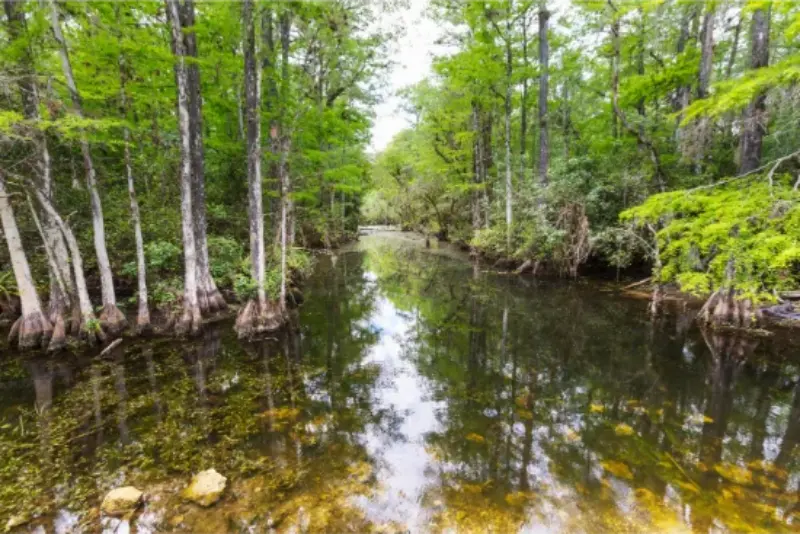
Everglades National Park is one of Florida’s most important landscapes and one of the easiest major attractions to misunderstand. It is not a single visitor center surrounded by a compact loop road. The park has separate major entrances and districts, and those entrances do not connect to each other by road inside the park. A day planned for Shark Valley is a different experience from a day driving from Homestead to Flamingo, while the Gulf Coast district near Everglades City is primarily a gateway to mangrove waterways and the Ten Thousand Islands.
That geography is the first planning lesson. The second is seasonal: the dry season and wet season can feel like two different parks. Wildlife visibility, mosquitoes, heat, water levels and ranger programs change through the year. This guide helps first-time visitors choose the right entrance, understand the major experiences, plan realistic time and travel safely with children, senior travelers or mobility needs.
Quick planning summary
- Best for: Wildlife watchers, photographers, families, paddlers, road-trippers, birders and travelers who want to experience Florida beyond beaches and theme parks.
- Ideal stay: One full day for one park district; 2–3 days to experience Shark Valley, the Homestead–Flamingo corridor and the Gulf Coast more fully.
- Getting around: A car is the practical choice for most first-time visitors. Park entrances do not connect internally by road.
- Best planning principle: Choose the entrance before choosing the itinerary. “Visiting the Everglades” is too broad until you know which district fits your route and interests.
Choose the right Everglades entrance
The Homestead entrance leads to the Ernest F. Coe Visitor Center, Royal Palm, the Anhinga Trail and the long road to Flamingo on Florida Bay. This is the strongest first choice for travelers staying in Homestead, Florida City or the southern Miami area who want short boardwalks, varied habitats and the possibility of continuing all the way to Flamingo. The road itself is part of the experience, with stops showing how the landscape changes from pinelands and sawgrass to mangroves and coastal environments.
Shark Valley lies along the Tamiami Trail west of Miami and is known for its long paved loop, observation tower, tram tours, cycling and abundant wildlife viewing. The Gulf Coast entrance at Everglades City opens toward the Ten Thousand Islands and is more boat- and paddle-oriented. These areas are not connected by an internal road, so a visitor cannot simply drive from Shark Valley to Flamingo through the park. Planning each as a separate geographic day prevents hours of unnecessary backtracking.
The Homestead to Flamingo route
For a classic first day, enter near Homestead and begin with orientation at the visitor center. Royal Palm and the Anhinga Trail are among the most approachable places to see wetland wildlife from a boardwalk. Continue through pineland and prairie landscapes, stopping selectively rather than trying to walk every trail. The road eventually reaches Flamingo, where Florida Bay, marina activities and boat-oriented experiences create a completely different atmosphere from the sawgrass closer to the entrance.
The distance to Flamingo is substantial enough that you should treat it as a real destination, not an extra stop added late in the afternoon. Fuel, food and mobile reception can be limited compared with Miami, so carry water and basic supplies. If your group includes young children or older adults, decide in advance whether the full drive is worthwhile or whether a shorter Royal Palm-focused day would be more comfortable.
Shark Valley: wildlife and the famous loop
Shark Valley is one of the easiest places for first-time visitors to understand the scale of the Everglades. The long paved loop can be experienced by tram, bicycle or on foot in shorter sections, with an observation tower providing broad views across the wetland. Wildlife often appears close to the route, but distance and behavior rules are essential. Alligators and other animals are wild; a photograph is never worth approaching, blocking or feeding them.
The tram can be an excellent choice for families, senior travelers and visitors who want interpretation without cycling in heat. Cyclists need sun protection, water and realistic expectations about exposure. The loop is long, and South Florida conditions can make it more demanding than the flat terrain suggests. Reservations and operating procedures can change, so check current information before building a day around a specific departure.
Gulf Coast and the Ten Thousand Islands
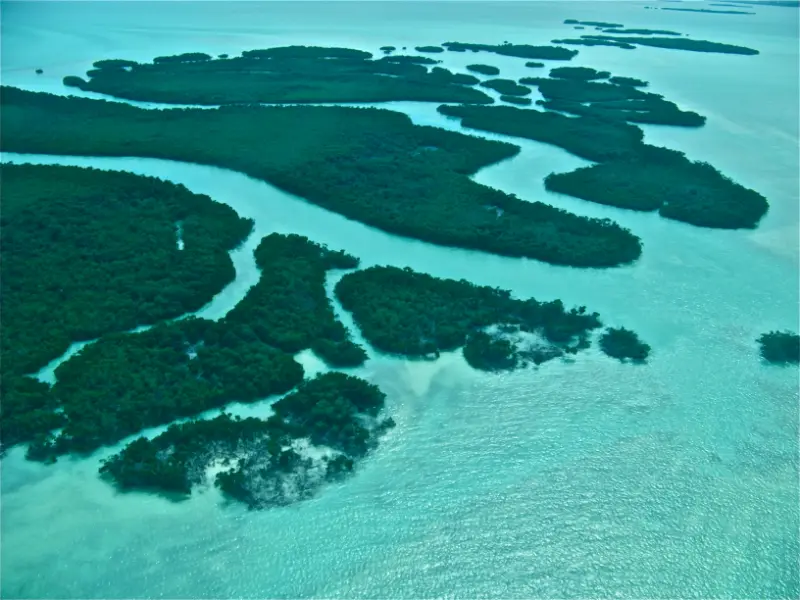
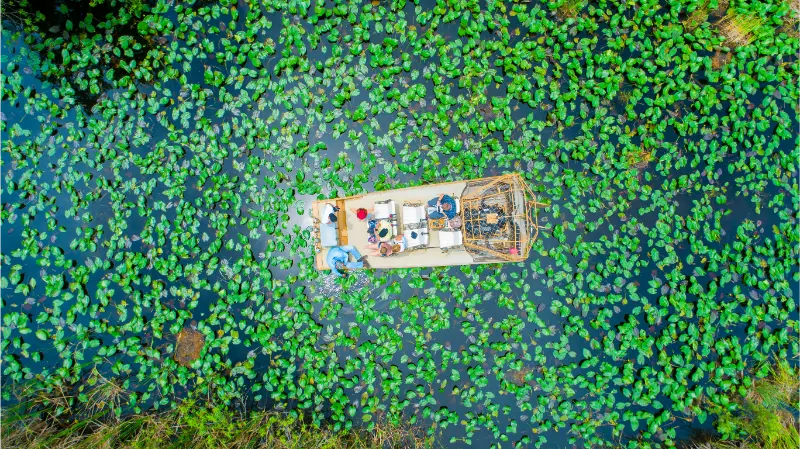
The Everglades City side of the park is the gateway to a water-based landscape of mangroves, islands and estuaries. Boat tours and paddling reveal a part of the park that cannot be appreciated from a roadside overlook. This district pairs naturally with Everglades City, Chokoloskee and Big Cypress, making it a strong choice for travelers approaching from Naples or Florida’s Gulf Coast.
Water activities require more planning than a short boardwalk. Weather, tides, wind, navigation and paddling skill all matter. First-time visitors should favor guided outings unless they have appropriate experience. Senior travelers and anyone with limited mobility should ask about dock access, boat boarding, shade and restroom availability. A shorter narrated boat trip can provide a meaningful Everglades experience without the physical demands of a long paddle.
Dry season versus wet season
The Everglades dry season generally runs through the cooler part of the year and is popular because temperatures are more comfortable, mosquitoes are often less intense and wildlife can concentrate around remaining water. The wet season brings higher heat, humidity, frequent thunderstorms and more insects, while water spreads across the landscape and changes how the ecosystem looks and functions. Neither season is “wrong,” but the visitor experience differs dramatically.
Dry-season popularity means more visitors, while summer demands stronger heat and storm planning. Start early, carry more water than you think you need and use insect repellent appropriately. Lightning is a serious hazard in open landscapes. If thunder is nearby, return to a vehicle or substantial shelter rather than trying to finish a trail. Check park alerts because high water, storms, wildlife and maintenance can affect trails and facilities.
Wildlife safety and responsible viewing
Alligators, crocodiles, snakes, birds, manatees and many smaller species live in the greater Everglades ecosystem. The correct approach is observation from a respectful distance. Never feed wildlife, never place children closer for photographs and never step off designated routes to approach an animal. Feeding alligators changes their behavior and creates risk for both people and wildlife.
Pets have significant restrictions on park trails, and their presence can create safety issues around wildlife. Check current rules before bringing one. Around water, assume that wildlife may be present even when you cannot see it. Swimming is not a normal recreational activity in the park. On boardwalks and viewing areas, follow posted instructions and give animals space to move rather than surrounding them.
Families, seniors and accessibility
Everglades National Park can work very well for multigenerational travel because many iconic experiences do not require long hikes. Boardwalks, scenic drives, visitor centers, tram tours and boat tours can create a full day. Families with young children should focus on short walks and wildlife observation rather than distance. Teenagers may enjoy cycling, paddling or photography when conditions are appropriate.
The National Park Service provides accessibility information for facilities and programs, and the NPS app can be useful for current details. Conditions still vary by location, so confirm the exact trail, dock, restroom or tour that matters to your group. Senior travelers should protect the coolest morning hours for walking and use the middle of the day for driving, visitor centers or a meal. Benches and shade are not available everywhere.
Where to stay for an Everglades trip
Homestead and Florida City are practical for the main park road and for combining the Everglades with the Florida Keys. Miami works for Shark Valley and for visitors who want an urban base, but driving time becomes part of the day. Everglades City is the natural base for the Gulf Coast district and Ten Thousand Islands. Naples can also work, especially for travelers combining the park with southwest Florida beaches.
A one-night transitional stay can be more efficient than returning to Miami after every outing. For example, travelers heading from Miami to the Keys can spend a night in Homestead after an Everglades day, then continue south the next morning. This reduces driving and turns the park into part of the route rather than a rushed detour.
Fees, reservations and what to check before arrival
Everglades National Park charges entrance fees, and separate charges may apply for tours, rentals or camping. Fee structures and pass rules can change, so use the official NPS page rather than relying on an old blog screenshot. The park is generally open daily, but visitor-center hours and services vary by district and season. Some tours or activities require reservations, particularly in popular periods.
Download maps before leaving reliable service and save reservation confirmations offline. Do not depend on rideshare for remote locations such as Flamingo without a confirmed return plan. The park is large enough that small logistical mistakes can become major delays. A cooler with water and simple food, sun protection, insect repellent and a fully charged phone are basic equipment rather than optional extras.
Common Everglades mistakes to avoid
Most first-time problems come from misunderstanding scale, season or wildlife. A successful visit starts with one district, one realistic activity level and enough time to respond to heat or storms.
- Assuming all park entrances connect internally.
- Trying to combine Shark Valley and Flamingo in a short half-day.
- Approaching alligators for photographs.
- Arriving without water, sun protection or insect repellent.
- Relying on mobile service or rideshare in remote areas.
- Treating the wet season exactly like the dry season.
Useful Wonderful Florida guides to read next
Continue planning with Miami and Miami Beach, Florida Keys and Key West, Chokoloskee and Ochopee and Big Cypress.
Official resources to check before you travel
- Everglades National Park — Plan Your Visit
- Everglades entrances and visitor centers
- Everglades accessibility information
Opening hours, road conditions, park rules, transportation services, weather alerts and reservation requirements can change. Check the official source again shortly before the trip whenever a specific attraction, route or service is essential to your plans.
Final thoughts
The Everglades become much easier to appreciate when you stop thinking of the park as one attraction. Choose the district that fits your route, give wildlife space, respect the season and leave enough time for the landscape to feel large. Even a single well-planned day can reveal a side of Florida that beaches and theme parks cannot replace.