
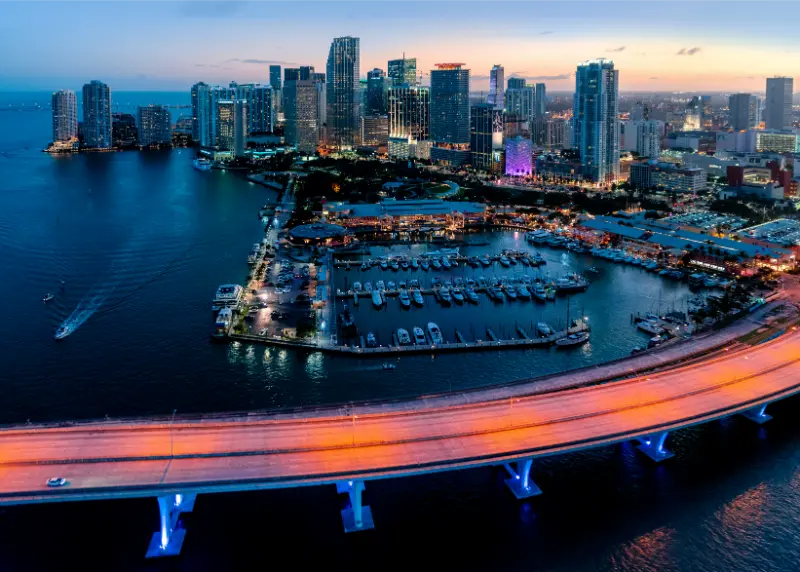
Miami is often introduced through beaches, skyline views and nightlife. Southwest of the city, the Redland agricultural district offers a very different way to spend a few days: tropical fruit collections, nurseries, rural roads, local food and the history of farming on land that has changed dramatically over time. A visit here is not a promise that every roadside stand will be open or that visitors may walk through any grove. Agriculture is a working business, and access depends on owners, seasons and public facilities. The rewards come from slowing down and learning how South Florida produces food.
This three-day itinerary uses Homestead as a practical base, with a focus on Miami-Dade County’s Fruit & Spice Park and selected visitor-facing farms or markets that can be checked before travel. Families can turn a garden visit into a lesson about climate and crops, while people traveling with older relatives can choose shorter shaded walks and a leisurely meal. You will need a vehicle or a prearranged driver for most of the route; the district is not a compact pedestrian quarter with reliable public buses stopping at every interesting farm gate.
Why Redland is not the same as downtown Homestead
Redland is an agricultural area associated with tropical farming and historic settlement southwest of central Miami. Homestead is the nearest familiar city name for many travelers, but simply searching for ‘Homestead attractions’ can mix farms with national park gateways, large commercial roads and unrelated activities. For a successful visit, identify exact destinations and the roads between them. Rural blocks may be long, shade and sidewalks inconsistent, and roadside ditches common. Never stop in a travel lane for a mango-tree photograph or turn into a drive marked private.
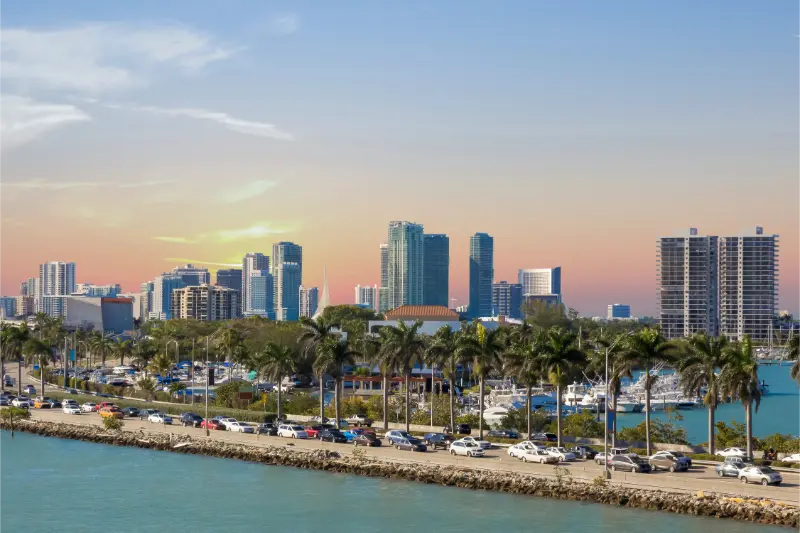
The landscape is also seasonal. Mangoes, lychees, avocados and other tropical crops do not all ripen simultaneously, and a fruit-stand menu changes with harvesting and weather. A grove may be a commercial operation without public admission. Some attractions use reservations for demonstrations or tours. Plan a flexible day built around one confirmed anchor and one optional local stop, not an impossible checklist of every fruit or a promise to sample varieties that may not be available.
Day 1: Fruit & Spice Park as your introduction
Begin at the county-operated Fruit & Spice Park, 24801 SW 187th Avenue in Homestead. Miami-Dade County describes it as a large public collection of tropical fruit, spices and other edible plants in the historic Redland community. The official visitor page currently lists daily daytime opening, but consult its operating notice before your trip, especially around holidays and thunderstorms. The grounds may involve extended outdoor walking, and staff can adjust tram tours when lightning is near. A morning visit usually makes more sense than an afternoon walk in the hottest part of the year.
The experience should be educational rather than extractive. The park’s official history explains that visitors may sample fruit that has fallen naturally under park rules, but harvesting fruit from trees is not permitted. Do not shake branches, take cuttings or climb trees. Children can compare leaf shapes, seeds and fruit sizes, while adults may enjoy the origins of crops that feel familiar only from the supermarket. Take a notebook and ask staff which plants are in season rather than assuming the printed guide reflects that day’s offerings.
Fruit, spice and the stories behind the plants
A botanical collection is a good place to think about how plants travel. Different crops have moved among tropical regions through trade, migration and agricultural experimentation. In South Florida the weather allows many plants to grow, but frost risk, soil, rainfall and pests still matter. The Redland’s agricultural story involves generations of workers and business owners, not simply postcard orchards. A good guide should acknowledge that labor, irrigation and changing land use shape the landscape people enjoy visiting.
If you see an unfamiliar fruit, ask its name and whether it is edible rather than sampling it casually. Even an edible fruit may be unsuitable for someone with an allergy or medication concern. The park is a place to observe, not an invitation to treat every plant as food. Photographers should stay on paths and check rules for tripods or professional shoots. A visitor with limited stamina may prefer to ask about tram service or a shorter route; the county states that weather can delay or cancel regular tram operations.
Day 2: Markets, local produce and farm visits
Use the second day to visit one or two verified businesses open to the public. The right choice depends on the season: a produce stand may have outstanding fruit at one time of year and a limited selection at another. Check the business’s current hours directly, and distinguish a permanent retail location from a seasonal pop-up. Ask before entering growing areas, taking photographs of employees or sampling produce. A good farm visit is respectful of the landowner’s time and biosecurity requirements.
Make a food-focused stop meaningful by comparing local products rather than just buying a souvenir. Look for produce labeled by grower and origin, and ask how it should be stored in Florida heat. Many tropical fruits bruise easily, so purchasing a large quantity at the start of a hot road trip may be wasteful. If you are flying internationally afterward, check agricultural import restrictions; buying something legally in Florida does not guarantee permission to carry it into another country. Locally consumed fruit, a meal or a small approved packaged product may be the simplest memory.
Day 3: Agricultural heritage and the national-park crossroads
On the third day, decide whether to remain in Redland or use Homestead as a jumping-off point to a nearby park gateway. Everglades National Park’s entrance toward Royal Palm and Flamingo lies southwest of Homestead, while Biscayne National Park’s visitor facilities are a different drive toward the coast. The parks are not interchangeable and most of Biscayne is water. A Redland farm itinerary should not pretend that you can properly explore both national parks in a casual leftover afternoon. Choose one interpretive visit or keep the day rooted in local communities.
If you stay in the agricultural district, visit an additional confirmed garden, a museum or a small-town public space instead of driving aimlessly from farm to farm. The quiet roads themselves can reveal differences between nurseries, tree crops and residential landscapes, but attention belongs on the road. Avoid stopping where there is no safe parking. Families may like a half-day split between plants and an indoor lunch; an older traveler may appreciate a single strong morning activity and no second destination at all.
Where to stay and what to expect from the roads
Homestead and Florida City provide practical hotel bases for travelers who want to combine Redland with national park visits. Miami or Miami Beach offers more city options but adds time in traffic, making an early farm outing more complicated. Pick a hotel with reliable parking, air conditioning, nearby food choices and the amenities your party genuinely needs. Some vacation rentals are farther from restaurants than their advertising implies, and not every rural road is pleasant for nighttime driving.

Carry an offline map or a saved list of exact addresses. Fruit & Spice Park’s published address is straightforward, but small farms may have driveways that are easy to miss. Check whether an entrance allows a turnaround for a large rental car or van; never pull onto unpaved private tracks without permission. A tour advertised as ‘Miami countryside’ might operate at quite a distance from the actual Redland. Confirm the provider’s address, not just the nearest town label.
Budget, food safety and avoiding unrealistic expectations
The main budget decisions are transport, lodging, park admission, meals and optional private tours. A day of observing crops can be inexpensive compared with an amusement park, but independent transport may be essential. Do not quote a universal mango price or farm-entry fee because produce prices and visitor programs change. If you hire a driver, clarify whether waiting time is included, especially when taking a tram or attending a scheduled demonstration. Bring drinking water and a cooler if you intend to buy perishables.
Wash produce before eating it, follow staff instructions about tasting, and be cautious with unfamiliar fruit. Travelers with food allergies should not assume that a natural or local ingredient is safe. Keep young children from picking unknown berries or plants. Afternoon thunderstorms can interrupt field activities; the county park says lightning may delay or cancel tram rides. For a mixed-age family, place the main outdoor visit first, an air-conditioned lunch second and any additional stop only if everyone remains comfortable.
Accessibility and responsible agricultural tourism
The main challenge is not always the distance but the surface: lawns, gravel, uneven rural paths and soft ground can be difficult for a stroller, walker or wheelchair. Ask staff about accessible routes and whether a particular tour uses a vehicle that can accommodate the equipment your party needs. Do not promise step-free access to a private farm without confirmation. A leisurely stop at a public garden is better than pressuring an older traveler to cross a muddy grove.
Agricultural landscapes are private workplaces. Treat fences, signs and closed gates seriously. Never pick from a tree simply because fruit overhangs a lane, and do not fly drones over workers or farms without permission. Choose visitor experiences that explain farming honestly, pay attention to crop seasons and compensate operators fairly. Seeing only two good places, and coming away understanding what grows here and why, is a stronger trip than photographing ten unverified roadside pins.
Three-day outline
| Day | Base plan | Alternative |
|---|---|---|
| 1 | Fruit & Spice Park | Short garden visit and tram if running |
| 2 | Two verified farm or market stops | One market and long local lunch |
| 3 | Agricultural heritage or one park gateway | Rest day in Homestead |
Frequently asked questions
Can I pick mangoes from trees in Fruit & Spice Park?
No. Miami-Dade County’s park guidance does not permit picking from trees; its published history describes limited sampling of naturally fallen fruit under park rules.
Are Redland farms open every day?
No. Individual growers and seasonal stands set their own business hours, and crop availability changes through the year. Confirm before driving.
Can I visit both Everglades and Biscayne National Parks in one afternoon?
That would be rushed and incomplete. They have different entry points and visitor experiences, and much of Biscayne is accessible by water.
Is the district accessible without a rental car?
Not conveniently as a multi-stop itinerary. Prebooked driving arrangements are preferable to depending on sporadic rideshare availability in rural areas.
Is the trip suitable for children and older adults?
Yes with morning outdoor stops, scheduled breaks and confirmed access arrangements. Avoid long exposed walks in peak heat.