
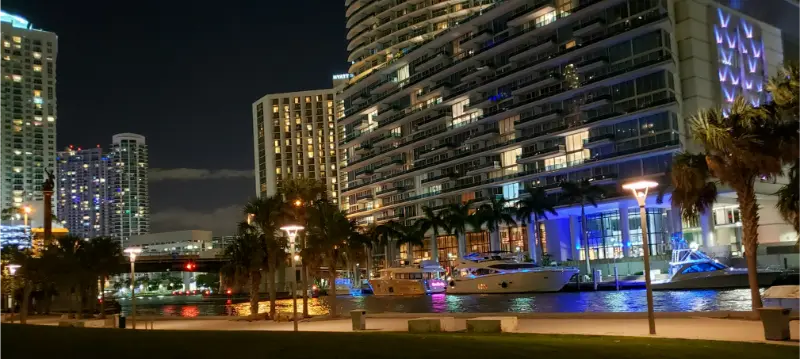
Miami can be a surprisingly enjoyable three-day break without a rental car, provided you resist one common mistake: trying to visit every famous neighborhood in a single afternoon. The city is spread across mainland districts, islands and beach communities, and the distances that look small on a map may involve bridges or slow roads. This itinerary uses one downtown day, one Miami Beach day and one cultural-neighborhood day. You can trade a museum for a garden, build in breaks for small children or older companions, and keep transportation costs more predictable. It is a genuine city-and-coast plan, not a promise that every attraction is walkable.
Three-day summary
| Day | Main plan | Easier alternative |
|---|---|---|
| 1 | Downtown, Biscayne Bay and a museum | Short park walk and indoor gallery |
| 2 | South Beach architecture and ocean | Short beach access and shaded lunch |
| 3 | Little Havana or Wynwood | Museum instead of outdoor walking |
Choose a base that makes the route work
For a car-free stay, Downtown Miami and Brickell are useful bases because they put you near Metromover stations, Metrorail connections and downtown attractions. They are different in mood: Brickell offers a busy modern restaurant-and-hotel district, while the downtown core has varied blocks, cultural venues and transportation links. Check exactly how far your hotel entrance is from the station; a property advertised as “near transit” may still require a long, exposed walk with bags. Miami Beach is better if waking up near the ocean matters more than reaching mainland museums quickly. In that case, expect a bus or paid ride across the causeway.
Look beyond the nightly room rate. A downtown hotel may charge resort or destination fees, and some beach hotels add beach-service charges that do not necessarily include every umbrella or chair. A family might prefer a kitchenette and laundry over a fashionable address. Travelers with limited mobility should ask about the route from sidewalk to lobby, elevators, roll-in showers and accessible transportation stops. Never assume a beach hotel has a simple, step-free entrance to the sand. Compare full costs and the time needed for the activities you care about.
Day one morning: start with Biscayne Bay and downtown
Begin the first morning near Biscayne Bay, using a short waterfront walk as an introduction to Miami rather than walking miles in tropical sun. Bayfront Park and nearby public spaces offer views toward the water, downtown towers and passing boats. Some paths are exposed, so choose an early start, wear a hat and pause frequently. If a cruise ship or boat tour catches your eye, check the actual departure location and duration before booking; the boat may depart from a marina that is less convenient than it appears. A land-based waterfront morning works perfectly well if nobody wants to board a vessel.
From there, choose one downtown cultural stop rather than moving between three museums. The Pérez Art Museum Miami and the Phillip and Patricia Frost Museum of Science both sit in the Museum Park area, but they offer different experiences. Art lovers may appreciate a relaxed visit with time for lunch, while families with curious children might prefer science exhibits and the aquarium, subject to current programming. Check admission prices, timed tickets and accessible facilities on the attraction's own website. Decide which one is your priority before buying a pass; a short trip does not automatically benefit from an expensive bundle.
Day one afternoon: use the free Metromover wisely
Metromover is particularly useful in the central downtown and Brickell area and is generally free to ride, making it appealing for a visitor who wants to avoid continuous walking. It is not a citywide rail system and it does not reach Miami Beach, Little Havana or the airport. Look up current station operations and service advisories on Miami-Dade Transit before leaving. At a busy station, step back from the platform edge with children and allow extra time for elevators if you are using a stroller or wheelchair. The best transit tool is the one that saves your own group effort, not the one that looks impressive on a map.
Spend the afternoon in Brickell or return to your hotel's neighborhood for a meal and a rest. A few blocks may offer striking contrasts between waterfront buildings, traffic and compact restaurants. If the weather turns stormy, go indoors rather than treating a thunderstorm as ordinary sightseeing rain. In Miami, lightning can become the main danger long before streets look flooded. Families can schedule an afternoon break, while couples might prefer an early dinner and a view across the bay. The purpose of day one is to understand the city's scale without exhausting yourself immediately.
Day two morning: South Beach beyond the postcards
Set aside the second day for Miami Beach, taking a direct bus or arranged ride from the mainland. Start in South Beach, where the Art Deco Historic District offers an unusually recognizable streetscape. Rather than photographing a few facades and moving on, look at the relationship between older pastel-colored buildings, hotel entrances and the history of seaside tourism. Ocean Drive can be lively, loud and crowded at certain hours. Walk a few parallel blocks if you prefer a calmer atmosphere, and respect hotel or restaurant property even when the exterior is attractive.
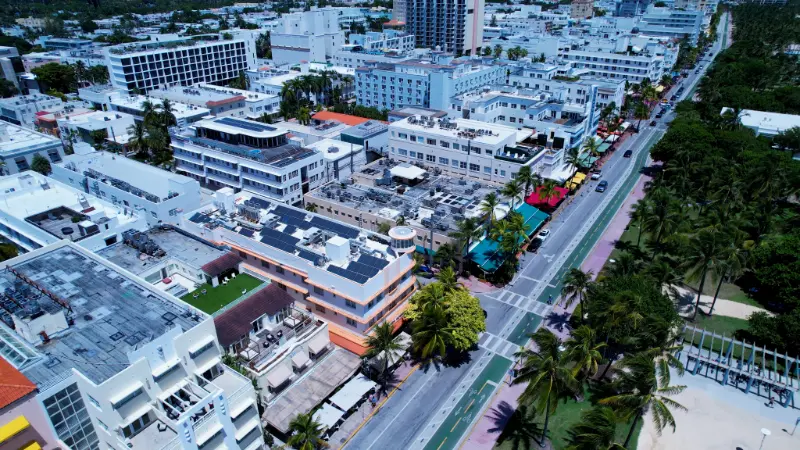
The Atlantic shore is close, but the sand itself can be tiring, especially for visitors with walking difficulties. Select a legal public beach access with services that match your needs. Look for restrooms, shade options and current beach-condition notices; do not assume calm-looking ocean water is risk-free. Rip currents and thunderstorms require attention. A family may enjoy building sandcastles for an hour more than arranging a full-day swim. Those who do not swim can enjoy the lifeguard towers, ocean views and an accessible promenade section instead. Bring water and protect electronics from sand and salt air.
Day two afternoon: a gentler Miami Beach loop
After lunch, choose between a modest walk along the beachside paths and a visit to a quieter cultural or green space. South Pointe Park offers views of the channel and ocean, but reaching it on foot from an upper South Beach hotel may feel long in summer heat. Check the route and use a local ride if that keeps the afternoon pleasant. A beach-focused traveler can stay closer to the hotel and return for the late-day light, while someone interested in architecture may prefer a guided walking tour with scheduled stops. Verify its accessibility, route length and cancellation policy.
Do not assume that Miami Beach is the same as the mainland city of Miami for transit or accommodation planning. The causeway crossing may slow around events and at peak traffic times. When choosing dinner, consider whether your group will want to cross back after dark. Eating near the beach is convenient, but menus and service charges deserve scrutiny, particularly in high-traffic tourist blocks. Check the itemized bill for automatic gratuities. A relaxed evening on the island may be a better memory than adding another attraction simply because it is famous.
Day three: Little Havana or a second museum, not both
Use day three for one neighborhood with a distinct identity. Little Havana, especially the Calle Ocho corridor, provides a window into Cuban American food, public art, social life and the city's migration history. A daytime visit can include a café, a small shop and a respectful look at public spaces where neighbors gather. Remember that this is a living community, not an outdoor performance created for tourists. Ask permission before photographing individuals or private business interiors. Do not rely on a single “must-eat” restaurant that may have changed opening hours; compare current menus and reviews shortly before leaving.
If you prefer art or are traveling during very hot weather, make the final day an indoor museum visit instead. Wynwood's street art is another option, but large portions of the district are exposed to sun and there are many privately operated galleries and venues with separate admission rules. It is not necessary to force Little Havana and Wynwood into one rushed circuit. Pick the experience that suits the group and allow time to return to the hotel, collect baggage and travel to the airport. Miami traffic can lengthen a final transfer even when distance seems modest.
Practical transportation choices and airport transfers
Miami's public transport network includes Metrorail, Metromover and buses, but each serves different areas. For arriving at Miami International Airport, follow official airport signage to approved transport connections or taxi and rideshare areas. Determine in advance whether your hotel is within a convenient rail-plus-walk route. Large suitcases, stairs, peak-hour crowds and late arrivals may make a direct ride more sensible than saving a small fare. For a short trip, paying for two strategic transfers may still be less costly than renting, fueling and parking a car for three days.
Plan transit by actual stop and direction rather than a loose neighborhood name. Service frequency, construction, event detours and accessible features can change. A train trip suitable for an adult with a backpack might not be ideal for grandparents after a long flight. Keep a backup plan, sufficient phone battery and a little money for a ride when rain disrupts walking. Avoid promising yourself that every street is comfortable after dark: choose well-used routes and standard city precautions. The no-car strategy works best when the daily activities are geographically grouped.
How to adapt the itinerary for different ages
With a baby or toddler, make the morning your principal activity block and reserve the afternoon for a nap or indoor pause. A lightweight stroller can help on paved paths but not across deep sand; confirm elevator access at transit stations and museums. For school-age children, choose the science museum or a short bay cruise as the day's major paid attraction, then keep beach time flexible. Teenagers may appreciate design, street art and food neighborhoods if they have some influence over the schedule. Avoid dragging everyone through multiple ticketed museums when only one person is enthusiastic.
For visitors with limited stamina, shorter downtown loops and taxis between larger districts make more sense than a strict step count. Ask about benches, accessible beach routes and restroom locations in advance. Anyone sensitive to heat should consider the milder months and schedule midday indoor time. A couple looking for a quieter vacation can leave South Beach's busiest blocks behind and focus on galleries, a waterfront meal and small neighborhood discoveries. One useful measure of a good itinerary is whether everyone still has energy to enjoy dinner.
Costs, safety and what to verify before leaving
Prepare a simple budget with four lines: accommodation including mandatory fees, transport, paid attractions and food. Add a fifth for contingency rides or storm-related plan changes. Museums and tours can quickly outweigh the amount saved by using transit, so book selectively. Free waterfront walks and a beach morning are valuable precisely because they require little beyond a safe route and practical supplies. Beach equipment, luggage storage and cancellation terms should be checked before payment. For international visitors, health coverage and travel documents deserve attention as well.
Before departure, review official Miami-Dade Transit information, the weather forecast and any beach hazard warnings. Check whether special events affect downtown roads or South Beach access; a festival or sporting event can change both prices and travel times. Save addresses rather than screenshots alone, and leave adequate time for your flight. Three days without a car will not reveal every part of Miami, but it can combine the city's waterfront, architecture and communities in an enjoyable sequence. Staying selective is what makes the plan practical.
Frequently asked questions
Can I visit Miami in three days without renting a car?
Yes, by staying near central transport and grouping downtown, Miami Beach and one further neighborhood on separate days.
Does Metromover go to Miami Beach?
No. The free system covers downtown, Omni and Brickell areas; cross to Miami Beach using a suitable bus or hired ride.
Where should families stay for this trip?
A downtown or Brickell property near useful transit can work well, but confirm elevator access, mandatory fees and your room arrangement.