
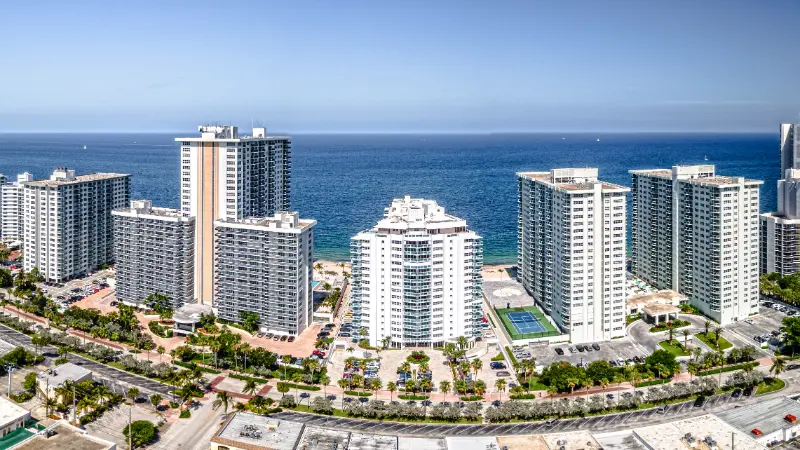
Miami and Fort Lauderdale share warm Atlantic water and international visitors, but they do not offer the same holiday. Miami is a collection of very different neighborhoods with major museums, Cuban and other Caribbean influences, energetic urban life and high-profile beaches. Fort Lauderdale is shaped by waterways, coastal hotels, a walkable beachfront zone and access to quieter nearby communities. Either can suit families, couples or older travelers. What matters is whether you prefer cultural exploration, beach-centered relaxation, evenings out, or a combination. Compare the exact neighborhood and hotel instead of judging an entire metropolitan area by one postcard image.
In this guide
- Understand what 'Miami' means on a hotel booking
- Fort Lauderdale is more than one beachfront strip
- Cultural days: Miami has the broader range
- Beach holidays: the answer is more nuanced
- Airports: MIA and FLL are not interchangeable
- What can you do without renting a car?
- A family with toddlers will need a different plan
- Which works for teenagers or a group of friends?
- Couples and mature travelers: comfort beats stereotypes
- Accommodation costs and hidden charges
- Plan three days in Miami without overreaching
- Plan three days in Fort Lauderdale without overreaching
- Weather and what 'best time' really means
- Should you split a week between both places?
- Choose with a neighborhood-first checklist
- Trusted resources for current planning
Quick decision table
| Compare | Option A | Option B / planning note |
|---|---|---|
| Culture | Miami: broader neighborhood variety | Fort Lauderdale: waterfront and arts |
| Beach setting | Miami Beach districts vary greatly | Fort Lauderdale Beach promenade |
| Airports | MIA often suits Miami | FLL often suits northern Broward |
Understand what 'Miami' means on a hotel booking
Miami Beach is a separate city from Miami, across Biscayne Bay. A stay in South Beach is not the same as staying in downtown Miami, Brickell, Coconut Grove or near the airport. They have different walking environments, dining styles and transport links. Travelers attracted by Art Deco buildings and beach access often prefer a convenient portion of Miami Beach, while those interested in museums, transit and downtown events may favor central Miami. A cheap hotel near Miami International Airport can be poor value if most days involve costly transfers to the ocean. Always pin the hotel address and map the actual outings you want to make, particularly when a listing advertises ‘near Miami Beach’ without giving a realistic journey.
Fort Lauderdale is more than one beachfront strip
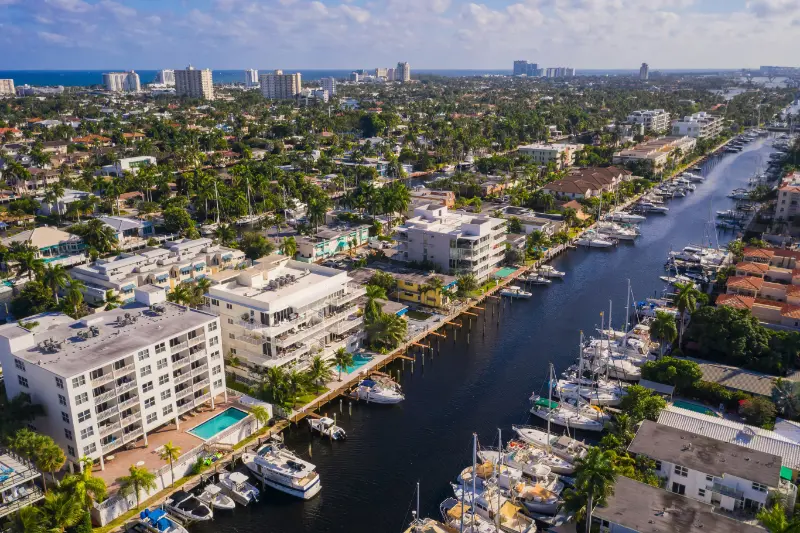
The city has a recognizable beach promenade, the Las Olas area and a network of waterways. Staying directly by Fort Lauderdale Beach is different from staying inland in a suburban hotel or in a neighboring municipality. Families may like being able to alternate a morning on the sand with lunch and an easy afternoon. Couples may enjoy restaurants and waterfront views. Yet waterfront views do not guarantee a quiet night or a low parking bill. Check whether your hotel is across a busy road from the beach, whether beach chairs cost extra and how far you must walk to a public access. Neighborhood selection matters as much as the city name.

Cultural days: Miami has the broader range
Miami makes a compelling base for travelers whose trip revolves around neighborhoods and cultural experiences. Little Havana offers Cuban-American foodways and cultural businesses; Wynwood features art and design, though specific murals and galleries change; and Downtown and the museum district connect well to a wider metropolitan itinerary. Respect neighborhoods as places where people live and work, not simply outdoor entertainment districts. Choose a few meaningful stops and learn what they represent rather than arranging a rushed photograph circuit. Fort Lauderdale also has museums, arts venues and historic districts, but someone looking for three or four substantially different urban days may find Miami’s scale and variety better suited to that goal.
Beach holidays: the answer is more nuanced
Miami Beach offers well-known oceanfront districts, but its busy nightlife areas do not suit every family. Mid-Beach or northern stretches can feel different from the livelier portions of South Beach, depending on the exact address and season. Fort Lauderdale Beach has broad visitor facilities and hotels, yet parking, traffic and events can make it crowded, especially on desirable weekends. Families should choose a section with practical restroom access, safe crossing points and a manageable route back to accommodation. Neither city’s beach guarantees calm water; Atlantic rip currents and changing conditions require attention to lifeguards and flags. The best beach hotel is often one that minimizes daily logistics rather than one with the most spectacular marketing photographs.
Airports: MIA and FLL are not interchangeable
Miami International Airport (MIA) is convenient to many Miami neighborhoods, while Fort Lauderdale–Hollywood International Airport (FLL) may fit a Fort Lauderdale or northern Broward stay more naturally. Some itineraries can use either airport, but transfer prices, traffic and luggage arrangements change the calculation. If a cheap flight lands at FLL and your hotel is in southern Miami Beach, add realistic ground transport before deciding you saved money. Conversely, a Miami arrival can be an awkward match for a northern beach stay. Travelers taking a cruise should verify the actual port—PortMiami and Port Everglades are separate facilities—and plan the transfer to the correct terminal instead of searching only for a city’s name.
What can you do without renting a car?
Downtown Miami has the free Metromover system, and the City of Miami operates free trolley routes, but those trolleys do not automatically take you to Miami Beach. Other paid transit connections are needed for parts of the wider metro area. Fort Lauderdale has options including local buses and water-based sightseeing or transportation services, but routes, operating schedules and fares differ. Staying in a walkable hotel district can reduce driving in both cities, while visiting widely dispersed sites without a car may involve rideshares. Download current official transit maps before arriving. A route with one change in daylight can feel easy; the same journey late at night with a stroller, luggage or mobility aid may not.
A family with toddlers will need a different plan
Both destinations can work with young children, but a toddler’s schedule should influence the hotel more than the city’s nightlife reputation. Look for a quiet room, refrigerator, a convenient meal option and a beach or park within a short journey. Miami’s museums and protected indoor attractions make strong heat backups, while Fort Lauderdale can support a relaxed beach-centered routine. Do not assume a public trolley supplies a child seat or that a rideshare driver will have one. Confirm lawful and age-appropriate vehicle seating in advance. A family can spend more on an unsuitable hotel through extra transport and rushed meals than it saves in nightly room rates. Plan one major stop and one flexible activity per day.
Which works for teenagers or a group of friends?
Older children and teenagers may appreciate Miami’s art districts, sporting events, cultural venues and lively street settings. Fort Lauderdale offers waterway views, beachfront recreation and a slightly different urban rhythm. Neither needs to be reduced to parties or shopping. Ask what the teenagers actually enjoy—architecture, marine life, photography, music, food or active recreation—and place those interests on a map. If younger teens are traveling, supervise beach and evening activities according to their maturity and local conditions. If you are booking water sports, verify operator requirements and weather cancellations. A city that seems exciting in a video may be frustrating if all the experiences a teen wants are spread beyond the hotel’s transport reach.
Couples and mature travelers: comfort beats stereotypes
A couple looking for late dinners, neighborhoods and cultural institutions might love Miami. A traveler seeking unhurried ocean walks and waterfront lunches might lean toward Fort Lauderdale. But Miami also has calm hotel areas, and Fort Lauderdale also has busy entertainment districts. Senior visitors should evaluate elevator access, distances to restaurants, shaded walking routes and room noise. Accessibility requirements vary from one attraction or water-taxi vessel to another; contact providers rather than treating an entire service as universally step-free. Avoid booking a room primarily for a balcony view if the walk from the elevator, steep shower entry or inconvenient parking would make daily life difficult. The best fit can be surprisingly specific to a single block.
Accommodation costs and hidden charges
South Florida accommodation can change dramatically with conferences, holiday weekends, major events and winter demand. Compare two real quotes for your travel dates, including resort or destination fees, taxes, parking, mandatory housekeeping and cancellation rules. A beach hotel may charge separately for loungers or umbrellas, and a downtown property can add significant vehicle costs. For someone staying one week, a kitchen or laundry may offset part of the rate difference. Look at the cost of airport transfer, too: an apparently inexpensive room far from the things you want can become expensive after repeated rideshares. Do not base the budget on a single nightly headline rate or an out-of-season average.
Plan three days in Miami without overreaching
On the arrival day, explore the neighborhood around the hotel and avoid committing to a long-ticketed activity after travel. Use day two for a concentrated urban experience such as Little Havana and one downtown cultural venue, factoring in traffic or transit transfers. Day three can be the beach day or a different neighborhood, not a rushed combination of all distant landmarks. Guests staying on Miami Beach may choose to reverse this order to prioritize easy early beach access. Leave room for afternoon storms and for a return to the hotel before evening. If you cannot realistically visit multiple neighborhoods, choosing one thoughtfully will result in more pleasant travel than constantly changing buses or rideshares.
Plan three days in Fort Lauderdale without overreaching
Spend arrival evening enjoying an easy meal near your accommodation. Devote the next morning to the beach with an early start and attention to conditions, then use the afternoon for a short Las Olas visit or museum. For the third day, choose between another shoreline day, a waterway experience with a verified operator, or a nearby nature outing that fits your transport plans. Avoid assuming every canal cruise is accessible to every guest or appropriate during thunderstorms. Families may prefer to stay close to the hotel and take a longer pool break; couples can add an evening restaurant reservation. An intentionally narrow itinerary is particularly useful during busy weekends when parking and bridges slow travel.
Weather and what 'best time' really means
South Florida has a warm climate, but summer humidity and thunderstorms can make midday sightseeing tiring. Winter often brings attractive walking weather, along with heightened demand and higher accommodation prices at many properties. The Atlantic is never a swimming guarantee: rip currents, marine-life advisories and storm-related warnings must be evaluated locally. Hurricane season also affects flexibility between June and November. Purchase travel products with cancellation terms you understand and monitor official alerts rather than relying on long-range promises about beach conditions. Museums and indoor cultural venues provide useful alternatives on wet days. Packing a light rain layer and making one alternate plan is more sensible than overloading each day.
Should you split a week between both places?
Because the cities are connected by regional roads and rail options, visitors with seven or more nights can see both without changing hotels every two days. Whether to split lodging depends on the priorities and group size. If you plan four days around Miami neighborhoods and three beach-centered days in Fort Lauderdale, two bases could make sense. If you primarily want one beach vacation plus one cultural day trip, choose a single base and travel once. Consider hotel check-in times, luggage management, parking and children who dislike frequent moves. A one-day trip can be rewarding when you choose one district, but trying to ‘do Miami’ from Fort Lauderdale or vice versa in six hours will usually be superficial.
Choose with a neighborhood-first checklist
Start by ranking beach access, food, culture, transit and sleep quality. Look up one accommodation address in each city and measure three actual journeys: airport to hotel, hotel to primary daytime attraction and hotel to dinner. Add all obligatory fees. Confirm the beach crossing or transit station route if mobility is a concern. Then choose the location that gives you two good days with minimal friction. Pick Miami for a culture-heavy stay and Fort Lauderdale for many convenient beach-and-waterfront plans, while recognizing that these are tendencies rather than rigid rules. Florida is more enjoyable when you choose a practical neighborhood, not merely a city whose name appears most often in travel photographs.
Trusted resources for current planning
Use Miami-Dade County transportation for Metromover service and the City of Miami trolley information for route changes. Check Visit Lauderdale and Greater Miami and Miami Beach for local events and visitor information. Always verify the details of your actual hotel and beach access.
Frequently asked questions
Is Fort Lauderdale quieter than Miami?
It can be for a beach-centered vacation, but both destinations include lively and quiet districts. Select the hotel neighborhood and room location carefully.
Can I visit Miami from Fort Lauderdale by train?
Regional rail options serve parts of both metropolitan areas. Verify stations, transfers, fares and first/last services; your final destination may still require a taxi or local transit.
Which airport is better if I want to go on a cruise?
Choose based on the actual cruise terminal, flight options and transfer plan. PortMiami and Port Everglades are different ports.