
Miami has a reputation for luxury hotels and expensive nightlife, but some of its most interesting cultural experiences cost little or nothing. Public art, neighborhood architecture, free galleries, and a memorable ride on the downtown Metromover can fill several days without buying a premium attraction pass. The trick is knowing what is genuinely free, what requires a timed reservation, and which low-cost experience becomes expensive when you add parking or a long taxi trip.
This five-day plan is for travelers who want to understand Miami’s character beyond its beaches. It combines downtown public art, the Design District, Miami Beach architecture, and neighborhood exploration. You can use it as a complete culture-first holiday or borrow individual days between other sightseeing. It is especially useful for students, couples, solo visitors, and families with children old enough to enjoy architecture or art.
Five days of low-cost culture
| Day | Area | Anchor experience | Keep costs under control |
|---|---|---|---|
| 1 | Downtown Miami | Free Metromover public-art ride | Use one central transport network |
| 2 | Design District | Free ICA Miami galleries | Reserve free admission in advance |
| 3 | Miami Beach | Art Deco buildings and public art | Choose a self-guided walk |
| 4 | Little Havana | Cultural neighborhood and local food | Avoid packaged sightseeing extras |
| 5 | Flexible | Wynwood murals or free-event day | Research any ticketed areas first |
Where to stay when the budget matters
A hotel in downtown Miami or nearby may help if several planned activities are connected to Metromover or Metrorail. However, a location that looks close on a map could still require a rideshare across a complicated road network. Miami Beach has a different transport pattern, and a cheap inland room may create large daily transfer bills. Compare total costs for your actual itinerary, not only the first hotel price shown in a booking search.
Look for lodging with access to affordable meals, late-evening transport, and a straightforward route back after dark. For families, a refrigerator and simple breakfast arrangement can make a noticeable difference. Check taxes, resort fees, deposits, and any parking charge. The cheapest accommodation can become a poor value if visiting museums requires repeated long trips. Choosing one neighborhood carefully is the first money-saving decision.
Day one: public art via Miami’s free Metromover
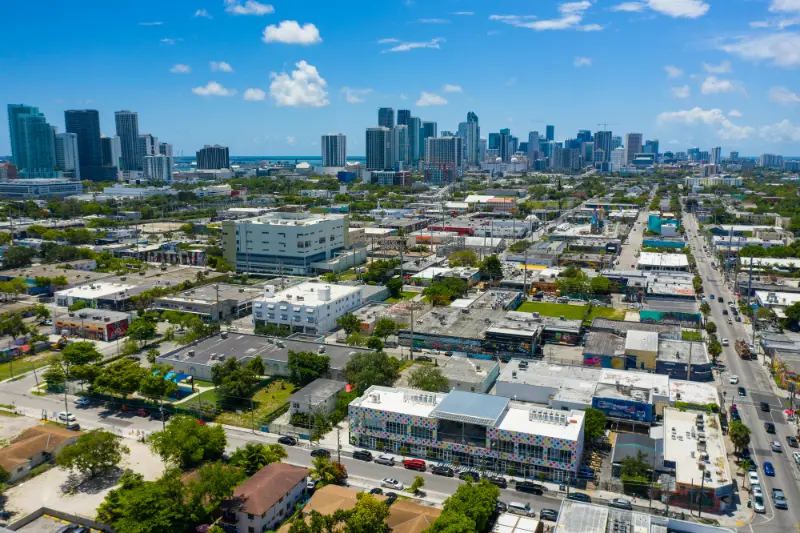
Miami’s elevated Metromover offers a distinctive view of the central city and connects to several public-art locations. The Greater Miami tourism organization published a Metromover public-art itinerary in 2026, noting that the system is free to ride and has different loops. Use its recommendations to pick a few stops, but verify service and elevator access with the transit operator before travel.
The best approach is not to ride every loop solely for the sake of completion. Choose two or three stops where you want to spend time, such as a public plaza, an art display, or an area overlooking the bay. Large roads and intersections can still make the walk between a station and a destination uncomfortable. Bring water, take time to understand the station signage, and remember that a free train ride does not make every museum along the route free.
How to turn a simple train ride into a cultural outing
Invite children or friends to look for murals, sculpture, distinctive building shapes, and the contrast between modern towers and older streets. Avoid blocking station doors to take photographs. If you use a mobility aid, check elevators and service notices for each station; an otherwise short trip may become difficult when a lift is unavailable. Time the visit for comfortable temperatures rather than attempting a long unsheltered walk at midday.
A free experience can still have a generous rhythm: start with the view from the train, stop for a small exhibition, enjoy a café, and return to the hotel before exhaustion. This is particularly appealing to solo travelers who prefer freedom to change direction. For visitors interested in the city’s growth, the Metromover also offers a chance to observe how transport shapes the urban landscape.
Day two: Institute of Contemporary Art in the Design District
The Institute of Contemporary Art, Miami is one of the area’s standout free cultural destinations. Its official visit page confirms free admission and strongly recommends reserving a ticket because unreserved visitors may not be accommodated when the galleries are full. Current listed museum days are Wednesday through Sunday, so do not automatically schedule it for a Monday or Tuesday.
Plan an hour or two with contemporary art, allowing time for the outdoor sculpture area when open. Exhibitions change, so focus on what is currently on view instead of promising to see an artwork you saw in an old blog photograph. Some installations may be unsettling or challenging for young children. Parents can preview descriptions and allow a child to skip a room. Adults may enjoy a free tour if offered on their chosen day.
Exploring the Design District without a shopping budget
The Design District’s architecture, art, and streetscape can be interesting even if you are not buying designer products. Walk a few blocks, admire public installations where permitted, and enjoy the area’s creative energy. Public art is not a license to enter private courtyards or use commercial spaces without following posted rules. If you plan to photograph people, ask permission rather than treating the whole neighborhood as a backdrop.
Food and beverages here can be costly. Decide whether lunch in the district is a meaningful treat or whether a café elsewhere better suits your budget. Avoid stacking a museum visit with several distant neighborhoods in one afternoon. A relaxed art day can be as satisfying as an expensive guided shopping excursion, especially if you leave time to discuss what you saw.
Day three: Miami Beach’s Art Deco district
Miami Beach is often portrayed as a nightlife destination, yet its architecture tells a fascinating twentieth-century story. The Art Deco Historic District contains buildings with curved corners, geometric ornament, pastel façades, and nautical motifs. The local tourism organization highlights self-guided Miami Beach cultural walks, including public art and architectural routes. These allow you to explore without purchasing a formal guided tour.
Start early to avoid the hottest part of the day and choose a manageable stretch around Ocean Drive and neighboring streets. Public sidewalks are free, but tours, museums, parking, and food are separate costs. Look beyond colorful buildings to learn how conservation, tourism, and urban change shaped the area. If someone in the group finds walking difficult, focus on a small central section and plan a shaded stop instead of trying to cover the entire district.
Add public art without forcing a long walk
The outdoor sculptures around South Pointe Park and along parts of Miami Beach can make a playful introduction to contemporary art for children. However, the distance between installations can be substantial, especially in heat. Choose two or three pieces from a self-guided route and decide how to travel between them. An attractive promenade is not automatically shaded, and finding toilets or water may require detours.
Visitors interested in photography should avoid stepping into traffic, blocking pedestrian routes, or climbing on artworks. Public art can invite participation without needing to be touched. For a family, give children a simple theme to notice, such as shapes, colors, or materials. A half-day architecture walk followed by a beach picnic often makes more sense than adding another formal museum immediately afterward.
Day four: Little Havana with curiosity and respect
Little Havana is a living neighborhood with restaurants, music, social spaces, and layers of Cuban-American history. Calle Ocho is the best-known corridor, but it should be approached as a community rather than a street built to perform for tourists. Visit public spaces, support local businesses if you can, and learn the context of landmarks before taking photographs. Do not assume that everyone living or working in the area has the same story.
You can spend modestly by choosing a snack and a simple lunch rather than a full tasting package. If traveling with children, select one short walk and a place to sit. Be courteous around social games and conversations, and never interrupt residents for an uninvited photograph. A local cultural center, event, or performance may enrich the day, but programs are not guaranteed to be free or available every weekday.
Day five: murals in Wynwood or a scheduled free event
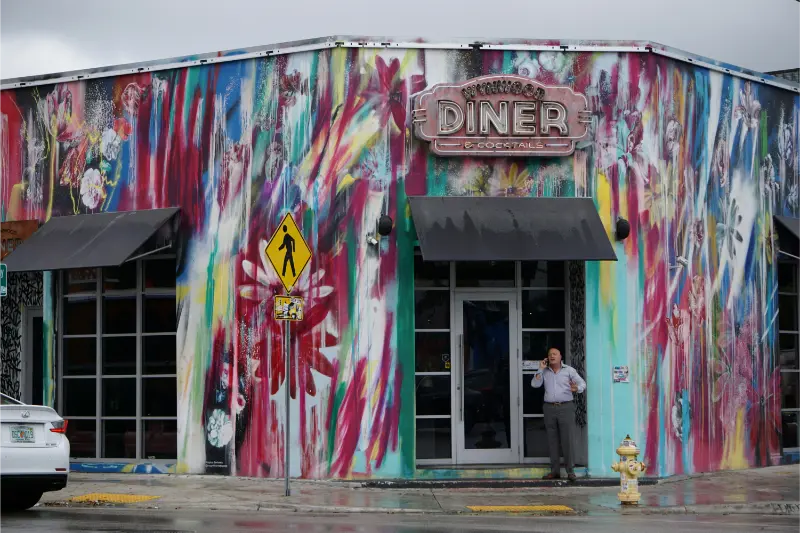
Wynwood’s street art has helped turn the neighborhood into an international destination. Much outdoor art can be seen from public streets, but the well-known Wynwood Walls attraction is ticketed, and not every visible artwork is on public property. A self-guided walk may suit visitors who enjoy murals and photography; choose daylight hours and stay aware of traffic and changing conditions. The official tourism free-activities guide can help identify public art ideas.
An alternative is to plan your fifth day around a free museum program, performance, or community event on your actual travel dates. For example, Pérez Art Museum Miami has periodically offered free second-Saturday admission, but check its current calendar and reservation details before promising that to the family. A schedule that works on one weekend may not be available the next month.
What ‘free’ really costs in Miami
| Expense | Can it be free? | What still costs money? |
|---|---|---|
| Metromover | Normally yes | Getting to its service area |
| ICA Miami general admission | Yes, with reservation recommended | Transport, food, special purchases |
| Art Deco public-street walk | Yes | Paid tours or museums |
| Little Havana public streets | Yes | Food, shopping, transport |
| Wynwood outdoor murals | Many are free to view | Ticketed art attractions |
If you are staying in Miami Beach, the transfer to the Design District or downtown is a real expense and takes time. With several travelers, one short rideshare may be economical compared with multiple transit tickets, but check the current fare and demand. With one traveler, the reverse may be true. Keep a daily spending envelope for food, water, and transport rather than treating an itinerary as costless because museum admission is waived.
Accessibility, safety, and group comfort
Miami’s cultural districts differ in pedestrian infrastructure. Ask venues about accessible entry, restrooms, sensory accommodation, and any large-print or audio interpretation. Check whether sidewalks on the chosen route are practical for a stroller, wheelchair, or walker. Miami’s tropical sun can be intense; public art walking tours are best organized with water and opportunities to cool down. If rain threatens, use a museum’s indoor opening hours instead of sheltering outside near tall structures during lightning.
For younger children, an hour in a gallery followed by a playground or snack is often more effective than a full day of exhibitions. Teenagers may enjoy street photography and cultural discussion, while older adults might prefer a compact museum tour and a seated meal. Everyone should feel able to finish early. You do not need to see all the neighborhoods together every day to share a rewarding vacation.
How to avoid tourist traps and disappointment
Verify whether an attraction is public or privately ticketed before arriving. Watch for outdated claims about museum free-entry days and special exhibitions. Do not assume a ‘free guided tour’ runs daily. Read the official admission policy and reserve a time where required. Avoid buying a city pass without comparing its price with the attractions you genuinely plan to enter; a free-culture itinerary may make a pass poor value.
Consider creating a shortlist of two options per day—one outdoors and one indoors. If an exhibition is sold out, you can enjoy nearby public art without turning the whole day into a long detour. This practical flexibility is what makes low-cost cultural travel enjoyable rather than frustrating.
A meaningful way to experience Miami for less
Miami’s neighborhoods reflect Cuban, Caribbean, Latin American, Jewish, African American, and many other histories. A culture-first visit should make room for these communities without reducing them to food and decorative façades. Read museum labels, listen to local perspectives, choose independent businesses where appropriate, and acknowledge the complexity of the city’s growth. A few thoughtful conversations are more memorable than a collection of hurried selfies.
With the right neighborhood base, public transport planning, and current museum information, five days can offer a substantial view of Miami without an expensive admission schedule. Spend where it adds value, keep the free experiences genuinely relaxed, and let the city reveal more than its glossy postcard image.
Frequently asked questions
Is the Institute of Contemporary Art Miami really free?
Yes, general admission is free. Advance reservation is strongly recommended, and current museum days and exhibitions should be checked before visiting.
Is Miami’s Metromover free for tourists?
Yes, it is a free local people-mover in central Miami. It does not cover Miami Beach or every neighborhood, so other transportation may be needed.
Can I see Wynwood street art without paying for Wynwood Walls?
You can view many murals from public streets, but some specific venues and attractions charge admission. Respect private property and posted rules.