Category: Free Things to Do Florida

  • Florida State Capitol Visitor Guide: 22nd-Floor Observation Deck, Hours, Security and Tallahassee Tips

    Florida State Capitol Visitor Guide: 22nd-Floor Observation Deck, Hours, Security and Tallahassee Tips

    The modern Florida State Capitol is one of the most useful free stops in Tallahassee because it combines state government, public architecture and one of the best panoramic views in North Florida. Many visitors photograph the pink-and-white Historic Capitol and never realize that the 22-story tower directly behind it is also open to the public on weekdays. The strongest reason to enter is the enclosed 22nd-floor observation deck, where you can look across Tallahassee’s tree canopy, downtown, Florida State University and the surrounding Red Hills landscape.

    Explore this guide

    Current official information says the Capitol is generally open to the public Monday through Friday from 8:00 a.m. to 5:00 p.m., excluding state holidays. Self-guided visits are available during those hours, while weekday guided tours are primarily arranged for groups. Visitors should expect security screening and occasional access changes when government business, construction or special events affect public areas.

    Quick planning summary

    • Current public hours: Monday–Friday, 8:00 a.m.–5:00 p.m., excluding state holidays
    • Admission: free
    • Main highlight: enclosed 22nd-floor observation deck and Capitol Gallery
    • Time needed: 60–90 minutes for a self-guided visit
    • Best for: first-time visitors, families with older children, architecture, government and city views
    • Security: allow extra time for screening and possible access restrictions

    Important current-status note

    October 2026 information snapshot: this article is scheduled for 2028. Hours, prices, tour access, construction, parking rules, security procedures, trail conditions and event schedules can change before publication. The details below are a verified planning baseline, not a promise that every 2026 condition will still apply in 2028. Recheck the linked official source shortly before travel.

    What you can see inside

    A self-guided visit can include the public areas of the Capitol, legislative spaces when they are accessible, the Welcome Center and the 22nd-floor observation deck. Public access can change when the Legislature is in session or when rooms are being used for official business. The goal should not be to see every chamber; focus on understanding how the complex works and reaching the observation deck.

    Why the 22nd floor is worth the elevator ride

    The observation deck is enclosed and therefore works even when summer heat or light rain makes an outdoor viewpoint less appealing. Directional kiosks identify landmarks, and the elevated view makes Tallahassee’s rolling terrain much more obvious than it appears from street level. The east side includes the Capitol Gallery, which displays work by Florida artists and changes periodically.

    Capitol vs. Historic Capitol Museum

    These are two different experiences and they complement one another. The modern Capitol is a working government building with the city view; the Florida Historic Capitol Museum is the restored historic building with exhibits on political history. First-time visitors should do both if schedules allow. The walk between them is only a few minutes, so combining them is far more efficient than treating them as separate half-day attractions.

    Tallahassee Florida State Capitol Grounds Aerial

    Security and what not to bring

    Because this is an active government complex, travel light. Large bags, prohibited items and anything that slows screening are poor choices. Families should allow extra time rather than promising children that the elevator ride will happen immediately after arrival. During legislative session, school-group season or special events, public circulation can feel busier.

    Best time of day

    Arrive in the morning if the Capitol is a priority. Morning gives you more flexibility if a chamber or gallery is temporarily unavailable. It also makes it easier to continue to lunch, the Historic Capitol or Cascades Park without hitting the hottest part of a summer afternoon outside.

    Official information

    Check Florida Capitol – Touring the Capitol and Florida Capitol Police visitor FAQs before travel.

    Planning for different ages and travel styles

    Tallahassee works unusually well for multigenerational trips because many of its strongest attractions are compact, shaded or partly indoors. Babies and toddlers need predictable restroom stops and a place to reset. School-age children generally do best with one interactive or outdoor anchor rather than several history stops in a row. Teenagers often respond better to views, art districts, biking, cars and wildlife than to long guided tours. Older travelers benefit from benches, climate-controlled museums and itineraries that avoid repeatedly crossing the city. A successful mixed-age day usually combines one shared anchor with one optional stop rather than forcing everyone through the same checklist.

    Best season, heat and rain

    Late October through April is usually the easiest season for long walks and outdoor history sites. Spring can be beautiful, but pollen is noticeable. Summer brings high humidity, strong sun and frequent afternoon thunderstorms, so outdoor stops are better early in the day. July and August itineraries should include indoor backup options and generous water breaks. The Big Bend can also experience tropical-weather disruptions, prescribed burns, flooding and temporary trail closures. Check official alerts and radar before leaving Tallahassee for remote parks or the coast.

    Budget and value

    Tallahassee can be a good-value Florida city because several major attractions are free or inexpensive. The biggest budget differences usually come from lodging, restaurant choices, special tours and transportation rather than admission fees. Free attractions still have a cost in time, parking and driving. If your trip is budget-focused, group attractions by neighborhood, bring water and snacks, and use one paid experience as the day’s anchor instead of buying admission everywhere simply because you have time.

    Accessibility and low-effort alternatives

    Historic buildings, outdoor trails and older sites vary in accessibility. When mobility is important, verify the accessible entrance, elevator status, restroom access and walking surface before arrival. Tallahassee has many low-effort alternatives: the Capitol observation deck, The Grove tour, Tallahassee Automobile Museum, Cascades Park and selected museum visits can all deliver a meaningful experience without a long hike. For remote state parks, do not assume that a short trail is automatically wheelchair- or stroller-friendly.

    What to bring

    • Refillable water bottle
    • Sun protection and sunglasses
    • Light rain layer in warm months
    • Comfortable shoes for brick, museum floors, roots or paved trails
    • Insect repellent for wetlands and evening outdoor stops
    • Downloaded map for remote Big Bend sites
    • A light layer for air-conditioned museums
    • Portable charger if you are using your phone for parking, maps and tickets

    How to combine it with nearby places

    Pair the modern Capitol with the Historic Capitol Museum and Cascades Park for an easy downtown day. Mission San Luis works better as a separate afternoon anchor because it is west of downtown.

    What is worth booking in advance

    Most visits do not require complicated advance planning, but always reserve fixed-time tours, special programs and limited-capacity experiences when they matter to your day.

    Common planning mistakes

    • stacking several museums back-to-back without a food or outdoor break
    • underestimating summer heat because individual walks look short on a map
    • assuming state-government buildings have weekend access
    • driving to a rural historic site without checking current hours or alerts
    • planning around a wildlife sighting as if it were guaranteed
    • forgetting that university events and legislative session can change downtown traffic and hotel prices

    A better daily rhythm

    Start with the stop that is most sensitive to heat, capacity or fixed hours. Put flexible attractions in the middle of the day and leave at least one hour unassigned. That margin absorbs parking, restroom breaks, security screening, a longer lunch or a stop that turns out to be more interesting than expected. For families and senior travelers, the unassigned hour is often what keeps the day enjoyable.

    Final planning advice

    Use this guide to decide whether the experience fits your trip rather than treating it as another box to check. Tallahassee and the Big Bend reward slower travel: one strong history stop, one outdoor experience and a relaxed meal usually creates a better day than racing through four or five attractions.

    Parking, arrival time and local driving

    Tallahassee is easier by car than most large Florida cities, but that does not mean every attraction has effortless parking. Downtown garages, government security, event closures and campus traffic can add 15 to 30 minutes. For rural Big Bend sites, the challenge is different: parking may be simple, but the final drive is longer and services are sparse. Put the exact entrance in your map app, keep fuel above one-quarter tank and avoid scheduling a fixed tour immediately after a long rural drive.

    Food, restrooms and practical breaks

    Build food and restroom stops into the itinerary before people are hungry or tired. Historic sites and wildlife areas may have limited concessions, while downtown offers far more choices. Families should carry a basic snack even when they plan to eat at a restaurant. Senior travelers may prefer attractions with predictable seating and restrooms rather than relying on remote trailheads. In summer, an air-conditioned lunch is not wasted sightseeing time; it is part of a sustainable day.

    Photography and phones

    Phone photography is easy at most outdoor sites, but government buildings, private businesses and museums may restrict flash, tripods or commercial equipment. Respect posted rules and never block a doorway or narrow path for a photo. At wildlife sites, use distance rather than approaching an animal for a better image. A small power bank is useful because navigation, tickets, parking apps and photography can drain a phone quickly on a full travel day.

    If weather changes the plan

    A flexible Tallahassee itinerary should always have an indoor substitute. The Automobile Museum, Capitol and selected historic sites can rescue a stormy afternoon, while outdoor parks can be moved to the next morning. Do not wait inside a remote trailhead parking lot during severe weather just because the schedule says you should hike. Thunderstorms, flooding and heat advisories are good reasons to change the order of the day.

    Is it worth adding to your Tallahassee trip?

    Yes when this experience matches the interests of your group and fits naturally with the geography of your day. No attraction is essential simply because it appears on a list of things to do. If visiting it creates a long cross-town drive, conflicts with a fixed tour or pushes children and older travelers past their comfortable pace, save it for another trip. A complete Tallahassee vacation comes from variety and good timing, not from collecting every possible stop.
  • Florida Junior Ranger Programs: National Park Badges, Wildlife Learning and Family Visits

    Florida Junior Ranger Programs: National Park Badges, Wildlife Learning and Family Visits

    A Junior Ranger activity can turn a quick stop at a Florida national park into an enjoyable learning experience for the whole family. Instead of racing between viewpoints, children look closely at plants, animal tracks, historical objects or conservation clues and record what they discover. The National Park Service describes Junior Ranger programs as activities designed for children and families, while welcoming participants of different ages and abilities. In South Florida, Everglades National Park, Biscayne National Park and Big Cypress National Preserve share an especially appealing learning opportunity. The details are different at each site, so a family should confirm booklet availability, visitor-center hours, fees and accessible activities before setting off. A badge is a keepsake, not an entitlement to ignore park rules.

    At a glance

    Planning stepPractical action
    LearningCollect a booklet and follow the park instructions
    ParksCheck Everglades, Biscayne and Big Cypress programs
    AccessConfirm visitor-center hours and accessible activities
    WildlifeObserve respectfully without feeding animals

    How the Junior Ranger idea works

    A child or other interested visitor picks up an activity booklet where offered, completes the relevant exercises and usually discusses the work with park staff or follows the park’s instructions for earning recognition. Activities may involve observing birds, noticing evidence of past human communities, matching habitat descriptions or writing about protecting natural resources. Younger children often need an adult to read instructions; older children may prefer independent challenges. The National Park Service’s general information explains that sites vary in how programs are administered and how badges are distributed. Many programs emphasize learning and respect rather than a formal examination. Do not promise that every child will receive a badge instantly, especially at an unstaffed location or during an unexpected visitor-center closure.

    Start with the three South Florida park sites

    Everglades National Park, Biscayne National Park and Big Cypress National Preserve provide a useful group of learning opportunities because their natural environments differ. Everglades includes freshwater wetlands, mangroves, coastal habitats and a wide array of birds and reptiles. Biscayne emphasizes marine and coastal ecosystems, while Big Cypress allows families to discuss wetland forests, water flow and wildlife conservation. The National Park Service publishes information about a shared South Florida Junior Ranger booklet; ask a visitor center about current language options and where participants can complete or submit it. Avoid presenting three badge sites as a simple walking route. The destinations are spread out and travel times matter, particularly for young children, older adults and people who need frequent rest stops.

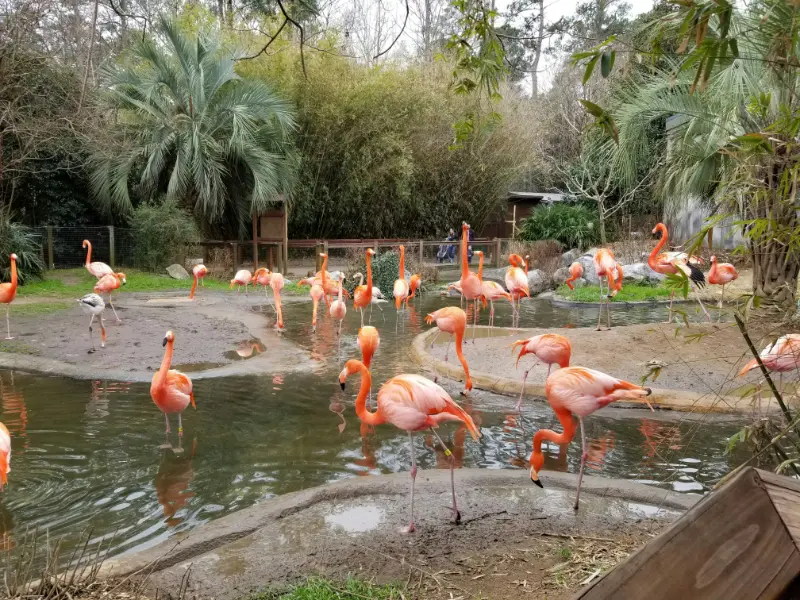
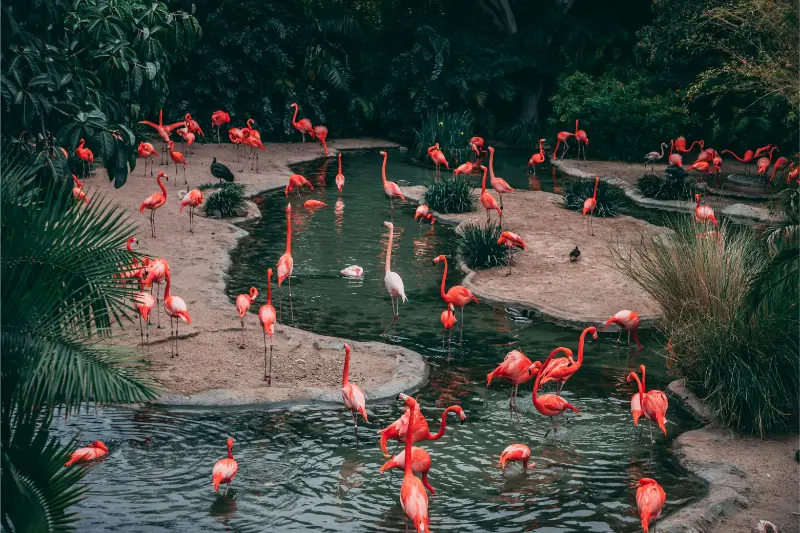
    Flock of Flamingos at Florida Wildlife Park

    Plan a first Junior Ranger morning in the Everglades

    Choose one entrance or visitor center rather than trying to cover the whole park in a few hours. Ask staff which short trails, exhibits and observation areas match your child’s age and the conditions that day. Some trails are exposed to intense sun, while others may be temporarily affected by flooding, maintenance or wildlife management. Bring water, hats, insect protection appropriate to the visitor and a pencil. Encourage children to sketch a bird or explain the difference between a mangrove and a freshwater plant, without approaching wildlife to get a better answer. Never feed alligators or other animals. A shorter outing in which everyone learns something is more valuable than a long march undertaken only to complete a booklet.

    Biscayne National Park without assuming a boat trip

    Biscayne is widely known for marine environments, but a family learning activity does not necessarily require expensive snorkeling or a charter. The visitor center, nearby shoreline and interpretive resources can introduce reef conservation and the importance of water quality. Much of the park is water, so families must distinguish land-accessible experiences from boat-only excursions. Check the site’s current visitor-center hours and whether the booklet can be obtained without a boat reservation. If you book an on-water activity, pay attention to weather and age restrictions, and never assume a Junior Ranger badge qualifies someone to snorkel safely. A parent can use the workbook to discuss why fragile coral should not be touched and why boating rules protect seagrass and marine animals.

    Big Cypress and a slower wildlife day

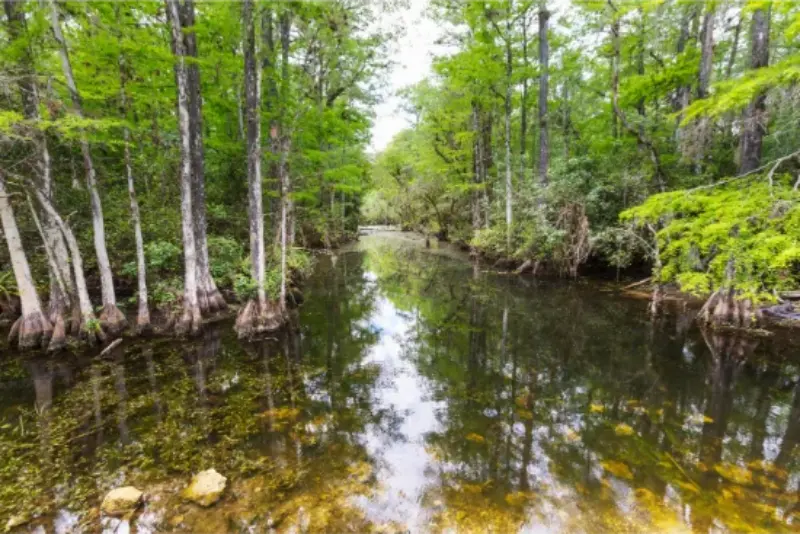
    Big Cypress National Preserve offers a different perspective on South Florida’s water-based landscapes. Visitors can learn about cypress habitat, seasonal water levels and the relationship between roads, wildlife movement and conservation. Stop only at official pullouts and boardwalks, respecting traffic and roadway shoulders. Wildlife may appear near roads, but stopping abruptly in a travel lane is dangerous. A family with someone using a wheelchair or a stroller should confirm surface conditions and accessible facilities for the specific visitor center or boardwalk. Bring enough drinking water for the outing and use insect precautions without harming the surrounding environment. When a program is temporarily unavailable, self-directed observation can still provide a worthwhile education day without inventing an unofficial badge requirement.

    Programs at other Florida National Park Service sites

    Florida’s National Park Service system includes national seashores, historic sites, memorials and preserves as well as the three famous South Florida landscapes. Canaveral National Seashore publishes ranger programs that may satisfy Junior Ranger requirements, but events can be canceled or rescheduled because of staffing, weather or other factors. Some guided activities require a reservation or entry fee. Before planning around Fort Matanzas, Castillo de San Marcos or another historic location, confirm whether that specific site currently offers a Junior Ranger booklet and where it can be submitted. Avoid copying information from a different park simply because both are federal sites. At a historic fort, learning might focus on architecture, communities and historical choices rather than identifying wildlife in the field.

    Pink Flamingos Standing in Florida Wildlife Park

    Making the activities age-appropriate

    Toddlers may enjoy naming colors, watching birds from a safe distance or finding shapes in a picture book while an adult completes more complicated writing. A child learning to read can identify signs and draw a favorite plant. Teenagers may enjoy questions about conservation dilemmas, water management or the many people connected to Florida’s history. Adults can participate too; the National Park Service states that people of varied ages and abilities are welcome. Do not turn the booklet into a competition between siblings. Let each visitor set a comfortable pace and avoid offering rewards that encourage running off trail or touching animals. For multi-generational groups, ask a grandparent to share an observation or memory while ensuring nobody feels pressured to walk beyond their comfort level.

    Accessibility and sensory-friendly planning

    A booklet itself is flexible, but a trail, visitor-center film or ranger presentation may present barriers. Ask in advance about accessible parking, restrooms, paved or boardwalk routes, large-print materials and assistance for visitors with hearing or vision impairments. A child with sensory needs may be more comfortable with a quiet observation area rather than a crowded group program. People who communicate nonverbally may use drawings, pointing or assisted communication; discuss reasonable adaptations directly with park staff. Do not assume an accessible entrance guarantees that every path in the park can be used independently. Hot weather, insects and sudden rain also affect comfort. An accessible, short activity completed thoughtfully is a genuine accomplishment.

    Booklets, badges, costs and reservation questions

    Many Junior Ranger materials are free, but park entry, transport, boat excursions or special ranger-led programs may have separate costs. The site’s website should identify relevant reservations, permitted group sizes and whether a visitor center is staffed. Downloading an activity booklet at home can help children become excited, but a printable copy is not a guarantee that a badge can be shipped internationally. If a badge is important to the child, call the park and ask about current fulfillment procedures. Never buy an unofficial ‘Junior Ranger badge’ from a reseller assuming it represents a park award. Keep completed booklets and certificates dry in a reusable envelope rather than leaving them in a stroller pocket during an afternoon thunderstorm.

    Teach respect for nature and Florida history

    A strong Junior Ranger day is not merely a scavenger hunt. Ask children why ranger rules protect habitats, why some areas close during nesting season and how pollution can move from a city street into a coastal ecosystem. At historical sites, recognize that different communities experienced events differently; official interpretive programs can help explain complex histories with context. Avoid collecting rocks, plants or shells unless park rules explicitly permit it, and never disturb archaeological objects. Photograph signs and sketches rather than taking natural souvenirs. Families can practice leaving a trail cleaner than they found it, but should not handle sharp debris or hazardous waste. Conservation begins with small, safe decisions repeated throughout the visit.

    Combining a badge stop with a realistic itinerary

    A family staying in Miami might plan one South Florida park outing and avoid trying to visit Everglades, Biscayne and Big Cypress in the same afternoon. Group the drive with meals, restrooms and a sheltered backup activity; choose an early start when weather makes that sensible. If staying near Orlando, consider whether a closer historic or natural National Park Service site better fits the schedule. Cruise passengers should avoid distant drives just to collect an additional badge before embarkation. Keep a route map offline because reception can be inconsistent in rural wetlands. Make the return drive while the driver is rested, and never extend a wildlife walk after dark just to complete an unfinished page.

    Turning a Junior Ranger day into lasting memories

    After the outing, invite each traveler to share one surprising thing they learned. A young child might remember a mangrove root, a teenager an explanation of freshwater flow, and an older adult a ranger’s story about local history. Add notes or drawings to a travel journal instead of posting precise locations of sensitive wildlife. If weather cancels the planned program, explore official virtual ranger resources together or try the next available session, understanding that physical badges have their own rules. The real aim is curiosity, public-land stewardship and confidence enjoying natural places safely. Florida has enough different landscapes that one successful program can inspire several later visits without repeating the same experience.

    Frequently asked questions

    Are Junior Ranger activities only for small children?

    No. They are designed for children and families, but NPS states that people of different ages and abilities can participate.

    Is a Junior Ranger badge always free?

    Activities and booklets are often free; park entrance, special tours or related transportation may still cost money. Verify details at each site.

    Can we earn badges at Everglades and Biscayne?

    Both publish Junior Ranger information, including a shared South Florida booklet. Confirm the current completion and badge procedures with visitor centers.

    Do we need to book a ranger program?

    Some events require reservations and others are self-directed. Check the specific site’s current ranger calendar and staffing conditions.

    Can an adult help a child complete the booklet?

    Yes, age-appropriate help makes learning more enjoyable. Let the child do as much as is comfortable while following park rules.

    Official sources and further reading

    Start with National Park Service Junior Ranger guidance, Everglades Junior Ranger details, Biscayne Junior Ranger details, and Big Cypress Junior Ranger information. Check visitor-center hours and accessibility before setting out.

  • Orlando Beyond Theme Parks: Free and Low-Cost Family Activities

    Orlando Beyond Theme Parks: Free and Low-Cost Family Activities

    Orlando can be a wonderful place even on the days when you do not enter a theme park. In fact, a quiet day may help a family appreciate its expensive admission days more: children play without queue pressure, grandparents find time to relax, and everyone has room for a spontaneous meal. Free and low-cost activities are useful for students, solo travelers, families with babies and older visitors, but they still need planning around transport, heat and hidden spending. This guide focuses on places and experiences beyond the ticket gates, with honest distinctions between free entry, paid attractions and transport costs.

    Quick comparison

    PlaceFree or paid?Best for
    Lake Eola ParkPublic park free; boat rental paidMorning walk and picnic
    Winter ParkTown stroll free; museums and food paidCulture and quiet shopping
    Disney SpringsNo theme-park ticket; purchases paidEvening dining and window-shopping
    Local public parksMany have free public entryPlaygrounds and rest days

    Lake Eola Park: an easy central Orlando morning

    Lake Eola Park in downtown Orlando offers a picturesque lake, walking routes and places to sit, providing a completely different atmosphere from the resort corridor. Strolling the park and enjoying the public space is generally free; special events and individual activities can have charges. The city also operates pedal-powered swan boat rentals, which are paid, weather dependent and subject to availability. If you are staying far from downtown, add parking or ride-share costs to the decision. A relaxed morning with a drink, a picnic and photos may be more satisfying than trying to squeeze in a museum and three shopping centers. Keep children back from the water’s edge and avoid feeding wildlife inappropriate food.

    Winter Park: a walkable change of scene

    Winter Park, north of central Orlando, offers a refined small-town atmosphere around Park Avenue, shaded streets, cafés and landscaped public areas. Window-shopping and admiring streetscapes cost little, while boat tours, museums and dining have their own admission or menu prices. It is a strong choice for couples, grandparents and families who want an unhurried afternoon away from the noise of the resort zones. Think about arrival logistics: Winter Park has a rail station, but convenient train service depends on your departure point and operating day. If you drive, use lawful parking and consider how long young children will enjoy walking past stores. Combining a short town stroll with a single cultural attraction is often enough.

    Disney Springs: no theme-park ticket needed

    Disney Springs offers shopping, dining and entertainment without requiring a Walt Disney World theme-park admission ticket. Standard self-parking is currently complimentary, but plenty of activities are decidedly not free: restaurants, cinema, merchandise, speciality entertainment and some experiences can add up quickly. It works well for a low-pressure evening with younger children who want to see themed shops or enjoy an early meal, but a strict-budget family should set expectations about souvenirs before arriving. The shopping area is large and can be crowded after dark, so choose a meeting point and manage fatigue. Remember that Disney Springs is not a free back entrance to the theme parks or a guaranteed transit interchange for every resort.

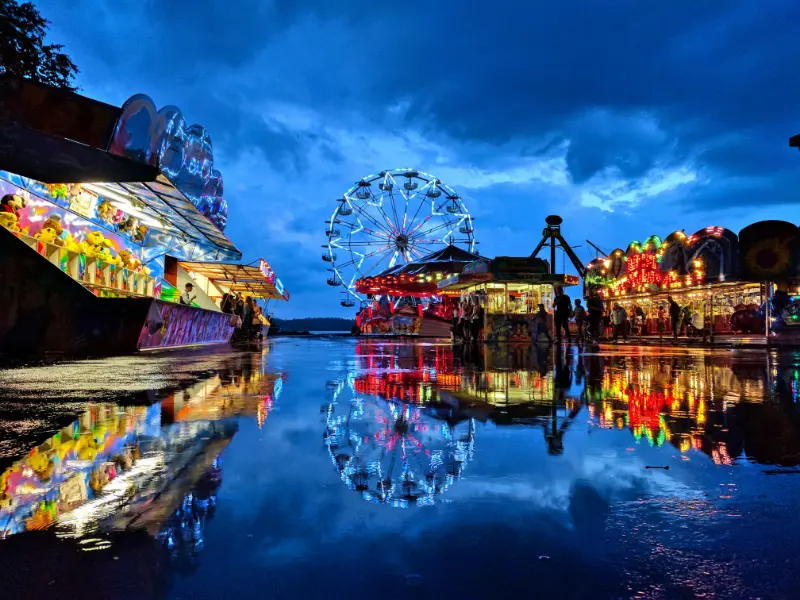
    Orlando Theme Park Observation Wheel at Night

    Resort-area walking districts and Celebration

    The community of Celebration, near the Disney area, has a town-center setting with pleasant streets and places to stop for food. A visit can feel very different from a full theme-park day, provided you treat it as a real neighborhood rather than a public amusement park. Respect residents, posted parking rules and any privately managed spaces. Some visitors enjoy window-shopping, photography or simply sitting near the waterfront, with spending limited to a coffee. Families should not assume that every sidewalk, play space or event is designed for tourists. Nearby Kissimmee also has parks and local activities that vary by neighborhood, so check the exact address rather than relying on a general location name.

    Public parks, playgrounds and outdoor spaces

    Orlando’s municipal park network includes numerous green spaces and recreation areas, and many offer free access during posted hours. A neighborhood playground may be the best possible attraction for a child after two days of standing in ride queues. Choose a park with toilets, shade and a safe place for a picnic when possible. Check whether an advertised “park” refers to public open space or a paid private activity; names can be confusing. For older travelers, a short landscaped trail with benches is often preferable to a long excursion. Avoid midday exposure during hot months, bring water and insect protection, and remember that summer rain can arrive rapidly. Simple outdoor time is most enjoyable when it is intentionally short enough to remain comfortable.

    Museums and libraries: research the free-admission details

    Some cultural institutions, community galleries and libraries offer free exhibitions, special admission days or programs. These schemes are not necessarily available every day or to out-of-state visitors; many require registration or proof of residency. Check the individual institution’s current calendar before building your plan around it. A paid museum may still be a good low-cost choice when it provides hours of indoor entertainment, accessible seating and educational activities for children. For a group of mixed ages, divide into interests if necessary and agree on a meeting point rather than dragging everyone through the same exhibits. The value of a quiet, air-conditioned afternoon is easy to overlook until the third hot vacation day.

    An inexpensive nature break near the tourist corridor

    Central Florida offers boardwalks, lakeside walks and green areas, though many natural springs and state parks charge modest admission or require advance reservations. Look carefully at the difference between free entry, vehicle entry fees, per-person charges, equipment rentals and guided-tour prices. For a family on a budget, paying a reasonable park fee can be far better value than another commercial attraction if the location is suitable for the group’s swimming ability and mobility needs. Do not assume that every picturesque spring allows swimming or that all wildlife areas provide safe unrestricted water access. Local public parks and protected landscapes need responsible visitors: carry out trash, respect wildlife and follow closures.

    When a car-free cheap day becomes expensive

    A “free activity” forty minutes from your hotel may require a costly two-way ride share, especially if transport prices rise in the evening. Compare total journey cost, not just admission. Visitors staying on International Drive may find a nearby low-cost attraction more practical than driving across town to a famous public park. Families with strollers should consider elevators, sidewalks, bus timetables and where they will take a break. If you already have a rental car, account for fuel, parking and tolls instead of treating driving as free. A genuinely affordable Orlando day may consist of one local public space, a grocery-store picnic and a hotel swim, with very little time spent in traffic.

    Orlando Theme Park Themed Building

    Free-day planning for ages zero to one hundred

    Babies often need reliable shade, feeding facilities and a short outing more than a big landmark. Preschoolers value play, ducks viewed from a safe distance and a predictable snack. School-age children may enjoy a scavenger hunt around public art, while teenagers might prefer a photo walk or a café with a different atmosphere from the hotel. Adults can use the break for quiet shopping or a museum, and older relatives may appreciate a bench-lined park or town-center lunch. If a family has different mobility levels, choose a place where people can reunite easily without requiring everybody to complete the same circuit. The best inexpensive day is inclusive, not merely cheap.

    Rainy-day backups and a two-day mini-plan

    On a sunny low-cost day, begin at Lake Eola Park, have lunch near downtown and enjoy the hotel pool or a quiet evening. On another day, explore Winter Park in the morning and finish with a stroll at Disney Springs, limiting optional spending. For a rainy day, swap outdoor plans for an indoor cultural site, a library event or low-key dining near your accommodation. Check weather alerts rather than walking in a thunderstorm simply because the activity itself costs nothing. Prepare a small list of nearby alternatives in advance. An economical holiday should still feel generous in time, comfort and discovery; that is far more important than maximizing the number of stops.

    A low-cost day should include room for spontaneous discovery

    The cheapest possible day is not always the most enjoyable, especially when travelers are dehydrated, hungry or stuck in traffic. A useful budget allocates a small amount to practical comfort: a cold drink, a paid public-garden admission, parking close to an accessible path or a taxi if rain arrives. Plan one highlight rather than five, and choose a flexible meal stop where children and older adults can sit. Bring sunscreen and reusable water bottles, but confirm refill availability and local park rules. If you are staying at a hotel with a pool, take advantage of a facility you have already paid for; a long swimming break may be the best part of the day. Finally, support local independent businesses when you can without turning a supposedly free outing into mandatory shopping. The goal is to reduce pressure and spend selectively, not to eliminate every small pleasure.

    Frequently asked questions

    Do I need a Disney ticket to visit Disney Springs?

    No. Disney Springs is a separate shopping, dining and entertainment area, although individual activities and purchases have costs.

    Is Lake Eola Park free?

    Walking and enjoying the public park is generally free, but pedal swan boats and some special activities have charges.

    Can I enjoy Orlando without going to any theme park?

    Yes. Downtown parks, Winter Park, museums, dining and nearby nature provide varied alternatives, although transport needs vary widely.

    Is every free attraction easy to reach without a car?

    No. Orlando is spread out. Compare bus routes, parking and ride-share totals before declaring an excursion truly low cost.

    Official sources for checking current details

  • Free Culture in Miami: Five Days of Museums, Art and Neighborhood Walks

    Free Culture in Miami: Five Days of Museums, Art and Neighborhood Walks

    Miami has a reputation for luxury hotels and expensive nightlife, but some of its most interesting cultural experiences cost little or nothing. Public art, neighborhood architecture, free galleries, and a memorable ride on the downtown Metromover can fill several days without buying a premium attraction pass. The trick is knowing what is genuinely free, what requires a timed reservation, and which low-cost experience becomes expensive when you add parking or a long taxi trip.

    This five-day plan is for travelers who want to understand Miami’s character beyond its beaches. It combines downtown public art, the Design District, Miami Beach architecture, and neighborhood exploration. You can use it as a complete culture-first holiday or borrow individual days between other sightseeing. It is especially useful for students, couples, solo visitors, and families with children old enough to enjoy architecture or art.

    Five days of low-cost culture

    Day Area Anchor experience Keep costs under control
    1 Downtown Miami Free Metromover public-art ride Use one central transport network
    2 Design District Free ICA Miami galleries Reserve free admission in advance
    3 Miami Beach Art Deco buildings and public art Choose a self-guided walk
    4 Little Havana Cultural neighborhood and local food Avoid packaged sightseeing extras
    5 Flexible Wynwood murals or free-event day Research any ticketed areas first

    Where to stay when the budget matters

    A hotel in downtown Miami or nearby may help if several planned activities are connected to Metromover or Metrorail. However, a location that looks close on a map could still require a rideshare across a complicated road network. Miami Beach has a different transport pattern, and a cheap inland room may create large daily transfer bills. Compare total costs for your actual itinerary, not only the first hotel price shown in a booking search.

    Look for lodging with access to affordable meals, late-evening transport, and a straightforward route back after dark. For families, a refrigerator and simple breakfast arrangement can make a noticeable difference. Check taxes, resort fees, deposits, and any parking charge. The cheapest accommodation can become a poor value if visiting museums requires repeated long trips. Choosing one neighborhood carefully is the first money-saving decision.

    Day one: public art via Miami’s free Metromover

    Miami’s elevated Metromover offers a distinctive view of the central city and connects to several public-art locations. The Greater Miami tourism organization published a Metromover public-art itinerary in 2026, noting that the system is free to ride and has different loops. Use its recommendations to pick a few stops, but verify service and elevator access with the transit operator before travel.

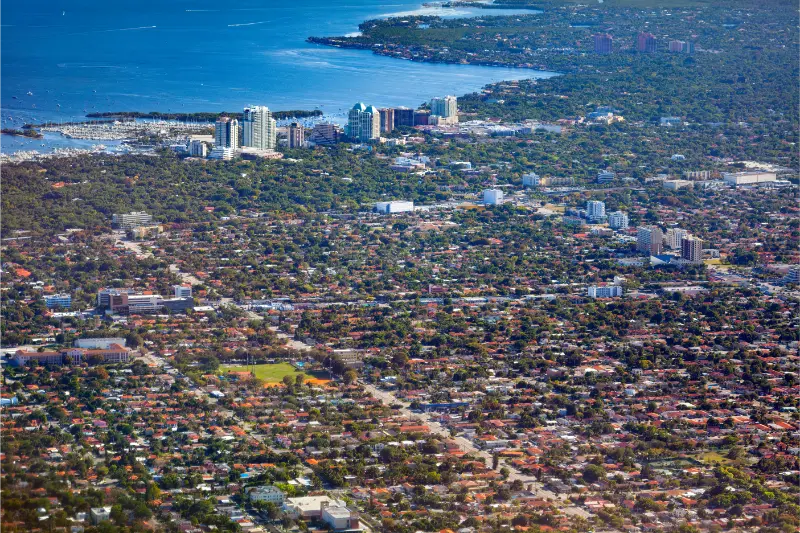
    Miami Suburban Neighborhood Aerial View

    The best approach is not to ride every loop solely for the sake of completion. Choose two or three stops where you want to spend time, such as a public plaza, an art display, or an area overlooking the bay. Large roads and intersections can still make the walk between a station and a destination uncomfortable. Bring water, take time to understand the station signage, and remember that a free train ride does not make every museum along the route free.

    How to turn a simple train ride into a cultural outing

    Invite children or friends to look for murals, sculpture, distinctive building shapes, and the contrast between modern towers and older streets. Avoid blocking station doors to take photographs. If you use a mobility aid, check elevators and service notices for each station; an otherwise short trip may become difficult when a lift is unavailable. Time the visit for comfortable temperatures rather than attempting a long unsheltered walk at midday.

    A free experience can still have a generous rhythm: start with the view from the train, stop for a small exhibition, enjoy a café, and return to the hotel before exhaustion. This is particularly appealing to solo travelers who prefer freedom to change direction. For visitors interested in the city’s growth, the Metromover also offers a chance to observe how transport shapes the urban landscape.

    Day two: Institute of Contemporary Art in the Design District

    The Institute of Contemporary Art, Miami is one of the area’s standout free cultural destinations. Its official visit page confirms free admission and strongly recommends reserving a ticket because unreserved visitors may not be accommodated when the galleries are full. Current listed museum days are Wednesday through Sunday, so do not automatically schedule it for a Monday or Tuesday.

    Plan an hour or two with contemporary art, allowing time for the outdoor sculpture area when open. Exhibitions change, so focus on what is currently on view instead of promising to see an artwork you saw in an old blog photograph. Some installations may be unsettling or challenging for young children. Parents can preview descriptions and allow a child to skip a room. Adults may enjoy a free tour if offered on their chosen day.

    Exploring the Design District without a shopping budget

    The Design District’s architecture, art, and streetscape can be interesting even if you are not buying designer products. Walk a few blocks, admire public installations where permitted, and enjoy the area’s creative energy. Public art is not a license to enter private courtyards or use commercial spaces without following posted rules. If you plan to photograph people, ask permission rather than treating the whole neighborhood as a backdrop.

    Food and beverages here can be costly. Decide whether lunch in the district is a meaningful treat or whether a café elsewhere better suits your budget. Avoid stacking a museum visit with several distant neighborhoods in one afternoon. A relaxed art day can be as satisfying as an expensive guided shopping excursion, especially if you leave time to discuss what you saw.

    Day three: Miami Beach’s Art Deco district

    Miami Beach is often portrayed as a nightlife destination, yet its architecture tells a fascinating twentieth-century story. The Art Deco Historic District contains buildings with curved corners, geometric ornament, pastel façades, and nautical motifs. The local tourism organization highlights self-guided Miami Beach cultural walks, including public art and architectural routes. These allow you to explore without purchasing a formal guided tour.

    Wynwood Miami Street Art Cafe Exterior

    Start early to avoid the hottest part of the day and choose a manageable stretch around Ocean Drive and neighboring streets. Public sidewalks are free, but tours, museums, parking, and food are separate costs. Look beyond colorful buildings to learn how conservation, tourism, and urban change shaped the area. If someone in the group finds walking difficult, focus on a small central section and plan a shaded stop instead of trying to cover the entire district.

    Add public art without forcing a long walk

    The outdoor sculptures around South Pointe Park and along parts of Miami Beach can make a playful introduction to contemporary art for children. However, the distance between installations can be substantial, especially in heat. Choose two or three pieces from a self-guided route and decide how to travel between them. An attractive promenade is not automatically shaded, and finding toilets or water may require detours.

    Visitors interested in photography should avoid stepping into traffic, blocking pedestrian routes, or climbing on artworks. Public art can invite participation without needing to be touched. For a family, give children a simple theme to notice, such as shapes, colors, or materials. A half-day architecture walk followed by a beach picnic often makes more sense than adding another formal museum immediately afterward.

    Day four: Little Havana with curiosity and respect

    Little Havana is a living neighborhood with restaurants, music, social spaces, and layers of Cuban-American history. Calle Ocho is the best-known corridor, but it should be approached as a community rather than a street built to perform for tourists. Visit public spaces, support local businesses if you can, and learn the context of landmarks before taking photographs. Do not assume that everyone living or working in the area has the same story.

    You can spend modestly by choosing a snack and a simple lunch rather than a full tasting package. If traveling with children, select one short walk and a place to sit. Be courteous around social games and conversations, and never interrupt residents for an uninvited photograph. A local cultural center, event, or performance may enrich the day, but programs are not guaranteed to be free or available every weekday.

    Day five: murals in Wynwood or a scheduled free event

    Wynwood’s street art has helped turn the neighborhood into an international destination. Much outdoor art can be seen from public streets, but the well-known Wynwood Walls attraction is ticketed, and not every visible artwork is on public property. A self-guided walk may suit visitors who enjoy murals and photography; choose daylight hours and stay aware of traffic and changing conditions. The official tourism free-activities guide can help identify public art ideas.

    An alternative is to plan your fifth day around a free museum program, performance, or community event on your actual travel dates. For example, Pérez Art Museum Miami has periodically offered free second-Saturday admission, but check its current calendar and reservation details before promising that to the family. A schedule that works on one weekend may not be available the next month.

    What ‘free’ really costs in Miami

    Expense Can it be free? What still costs money?
    Metromover Normally yes Getting to its service area
    ICA Miami general admission Yes, with reservation recommended Transport, food, special purchases
    Art Deco public-street walk Yes Paid tours or museums
    Little Havana public streets Yes Food, shopping, transport
    Wynwood outdoor murals Many are free to view Ticketed art attractions

    If you are staying in Miami Beach, the transfer to the Design District or downtown is a real expense and takes time. With several travelers, one short rideshare may be economical compared with multiple transit tickets, but check the current fare and demand. With one traveler, the reverse may be true. Keep a daily spending envelope for food, water, and transport rather than treating an itinerary as costless because museum admission is waived.

    Accessibility, safety, and group comfort

    Miami’s cultural districts differ in pedestrian infrastructure. Ask venues about accessible entry, restrooms, sensory accommodation, and any large-print or audio interpretation. Check whether sidewalks on the chosen route are practical for a stroller, wheelchair, or walker. Miami’s tropical sun can be intense; public art walking tours are best organized with water and opportunities to cool down. If rain threatens, use a museum’s indoor opening hours instead of sheltering outside near tall structures during lightning.

    For younger children, an hour in a gallery followed by a playground or snack is often more effective than a full day of exhibitions. Teenagers may enjoy street photography and cultural discussion, while older adults might prefer a compact museum tour and a seated meal. Everyone should feel able to finish early. You do not need to see all the neighborhoods together every day to share a rewarding vacation.

    How to avoid tourist traps and disappointment

    Verify whether an attraction is public or privately ticketed before arriving. Watch for outdated claims about museum free-entry days and special exhibitions. Do not assume a ‘free guided tour’ runs daily. Read the official admission policy and reserve a time where required. Avoid buying a city pass without comparing its price with the attractions you genuinely plan to enter; a free-culture itinerary may make a pass poor value.

    Consider creating a shortlist of two options per day—one outdoors and one indoors. If an exhibition is sold out, you can enjoy nearby public art without turning the whole day into a long detour. This practical flexibility is what makes low-cost cultural travel enjoyable rather than frustrating.

    A meaningful way to experience Miami for less

    Miami’s neighborhoods reflect Cuban, Caribbean, Latin American, Jewish, African American, and many other histories. A culture-first visit should make room for these communities without reducing them to food and decorative façades. Read museum labels, listen to local perspectives, choose independent businesses where appropriate, and acknowledge the complexity of the city’s growth. A few thoughtful conversations are more memorable than a collection of hurried selfies.

    With the right neighborhood base, public transport planning, and current museum information, five days can offer a substantial view of Miami without an expensive admission schedule. Spend where it adds value, keep the free experiences genuinely relaxed, and let the city reveal more than its glossy postcard image.

    Frequently asked questions

    Is the Institute of Contemporary Art Miami really free?

    Yes, general admission is free. Advance reservation is strongly recommended, and current museum days and exhibitions should be checked before visiting.

    Is Miami’s Metromover free for tourists?

    Yes, it is a free local people-mover in central Miami. It does not cover Miami Beach or every neighborhood, so other transportation may be needed.

    Can I see Wynwood street art without paying for Wynwood Walls?

    You can view many murals from public streets, but some specific venues and attractions charge admission. Respect private property and posted rules.