
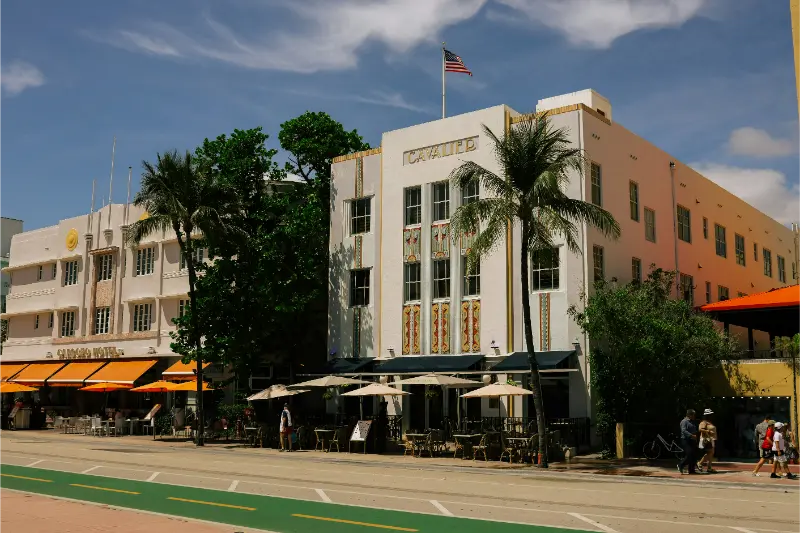
Miami Beach is often described through Art Deco hotels and sand, yet its Jewish heritage is inseparable from the city’s modern history. Jewish migrants, business owners, religious communities, artists and activists helped shape neighborhoods, institutions and public life. This three-day cultural itinerary begins in South of Fifth, where a former synagogue houses the Jewish Museum of Florida, and continues through Miami Beach’s memorial landscape and the changing communities of the mainland. It is a visit built around learning rather than photographing religious sites. Because active congregations are places of worship, not guaranteed sightseeing attractions, the route prioritizes museums and public spaces and leaves services to people who have checked visitor policies in advance.
Why this history belongs on a Florida itinerary
Miami Beach’s growth depended on newcomers from many backgrounds. Jewish residents encountered exclusion and discrimination in housing and hotels even while participating in the development of South Florida; those histories are important to the story, not a footnote beside glamorous architecture. Over time Jewish communities established synagogues, businesses, social networks and cultural institutions across Miami Beach and the greater metropolitan area. The history includes Holocaust survivors, migrants from Latin America and other regions, and generations born locally. Avoid treating the city’s Jewish experience as one uniform identity. Families differ in religious practice, language, immigration experience, political views and food traditions. A museum visit is a good starting point precisely because it explains this complexity. Travelers visiting with children can approach the route through the ideas of belonging, neighborhoods and how a community preserves its stories.
Day 1 morning: begin at the Jewish Museum of Florida
Start at the Jewish Museum of Florida, at 301 Washington Avenue in the South of Fifth area. Its historic buildings were once synagogues, making the architecture part of the exhibits. Set aside at least two hours, more if a temporary exhibition aligns with your interests. The institution documents more than 250 years of Jewish experience in Florida, not only twentieth-century Miami. Read object captions rather than racing through galleries: personal photographs, documents and oral histories often communicate as much as grand timelines. The museum’s current published schedule lists Wednesday through Sunday, 10 a.m. to 4 p.m., with Monday and Tuesday closures, but special events may change this. Check the official visit page before committing to your first morning. Those with limited stamina can arrange one focused gallery visit followed by a seated lunch rather than multiple museums.
Day 1 afternoon: look beyond the postcard Art Deco district
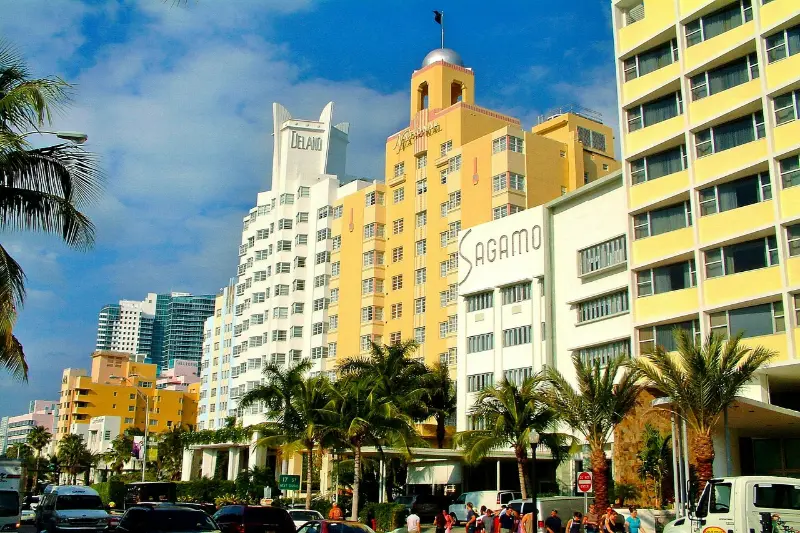
Walk north slowly through southern Miami Beach, comparing the scale of former community buildings with the commercial streets around them. Architecture is a record of changing uses: buildings may have housed synagogues, schools or social organizations before new tenants arrived. Do not assume a building’s present occupants or purpose from an old walking-tour map. The Art Deco Historic District is nearby, but the point here is not to claim that every streamlined façade represents Jewish heritage. Instead, notice the urban conditions that shaped daily life: compact blocks, neighborhood shops, access to the ocean and changes in land use. Stop for lunch at a place with clearly displayed menus, avoiding assumptions that a Jewish-inspired menu is kosher. Strictly kosher certification is a specific, independently verifiable matter, and visitors who observe dietary rules should ask the establishment directly.
Day 2 morning: the Holocaust Memorial in Miami Beach
Set aside a contemplative visit to the Holocaust Memorial on Meridian Avenue. Unlike a conventional entertainment attraction, the memorial asks visitors to confront persecution, loss and memory. Read its interpretive material and approach the sculptures respectfully. Do not climb installations, interrupt ceremonies or stage celebratory photographs against the memorial setting. For young children, prepare a short explanation that people were harmed because of who they were and that memorials help society remember; graphic details need not be the focus of a first visit. Teenagers can discuss the difference between commemoration and historical evidence, and why both matter. Verify access arrangements and any commemorative events through the memorial’s own calendar; remembrance programs may temporarily affect ordinary visitor circulation. Allow time afterward for a quiet garden or shaded break rather than scheduling another emotionally demanding stop immediately.
Day 2 afternoon: public memory, books and neighborhood conversation
Spend the afternoon with a small number of cultural stops rather than an exhaustive checklist. A publicly accessible library exhibition, a museum program or a bookstore event can provide contemporary voices that complement the historic displays. Check the organizing institution’s calendar and reserve places when required. Respect the distinction between a public lecture and a religious service: a synagogue may welcome organized tours at certain times and restrict photography or access at others. Visitors interested in architecture should contact congregations about tours rather than turning up unannounced. A useful alternative is an independent stroll through pedestrian-friendly sections of Miami Beach followed by time to reflect in a journal. Families might ask each member to choose one artifact or story from the museum that changed their understanding of the city.
Day 3: connect Miami Beach to the wider metropolitan story
Dedicate the third day to context. Jewish life in South Florida extends well beyond the beach, including mainland Miami, North Miami Beach and communities farther north. Distances and traffic can make several distant appointments unrealistic; choose one institution with a confirmed public exhibition or program and make that the center of the day. If none is scheduled, use the day for broader Miami history at a recognized local museum, which helps place immigration and neighborhood change in perspective. A rideshare or rental car may be practical depending on your destination, but driving across the causeways during rush hour often consumes more time than expected. Confirm visitor parking, security protocols and the exact entrance before setting off. A thoughtful day with one appointment is more valuable than knocking on closed doors.
Consider observances, holidays and security etiquette
Jewish institutions have different calendars from many tourist attractions. The weekly Sabbath begins Friday evening and ends Saturday night, and observance varies between communities. Some museums operate on Saturdays; synagogues, shops and restaurants may have very different arrangements. Major Jewish holidays can alter hours, security, programming and transportation patterns. Look up the exact dates for your travel year instead of assuming they fall on the same Gregorian day. Security staff may ask visitors to check in or show identification, and some institutions limit bags and photography. These measures are not invitations to debate entry rules at the door. If you want to attend a service or special event, ask in advance whether guests are welcome and what attire or behavior is expected. Be attentive without treating worshippers as exhibits.
How to discuss difficult history with different ages
This route can work for a multigenerational group, but the depth of interpretation should change by age and emotional readiness. For children under seven, focus on family, community buildings and the idea of fairness, and consider a shortened or substituted memorial visit. School-age children can consider how museums preserve family stories, while teenagers may engage with segregation, discrimination and immigration policy. Adults interested in genealogy should distinguish public museum collections from private family records; curators cannot be expected to trace a lineage during an ordinary admission visit. Older travelers may appreciate guided talks and places to sit. Anyone who finds the material distressing may take a break or leave an exhibition. Respect for the subject includes respecting the needs of your companions.
Where to stay and how to get between stops
South Beach is the most convenient overnight base for the first two days because the museum, memorial and historical streets are within a relatively compact area. A hotel farther north may be quieter, but account for transit time. Check the exact location of accessible entrances, elevators and step-free routes: historic sidewalks sometimes have uneven surfaces. Miami Beach trolley services can be helpful but route patterns and service hours change, so verify them with the city rather than relying on a blog map. For mainland appointments, compare rideshare costs with a full-day car rental; hotel parking can erase apparent savings. If someone uses a wheelchair, check vehicle accessibility instead of assuming a standard rideshare will work. Heat and short afternoon storms make a generous daily schedule more comfortable.
Food, shopping and contributing respectfully
Food can enrich the journey without becoming a performance of someone else’s identity. Delis, bakeries and markets have histories shaped by migration and adaptation, but menus alone do not authenticate a restaurant’s religious standards. People keeping kosher should check supervision details directly; those with food allergies should clarify preparation and cross-contact separately. Purchase books, exhibition catalogs or work by local artisans from established institutions when possible. Avoid photographing strangers inside religious spaces, even when a phone camera is convenient. Ask permission before photographing people at commemorations and remember that a public sidewalk does not make every private moment appropriate to share online. A responsible cultural visit leaves revenue and attention with institutions and people who care for the history.
A realistic three-day planning table
| Day | Main experience | Lower-energy alternative |
|---|---|---|
| 1 | Jewish Museum of Florida and South Beach history | Museum plus one café stop |
| 2 | Holocaust Memorial and public cultural programming | Memorial and garden reflection only |
| 3 | Wider Miami Jewish history or related exhibition | One pre-booked talk or a broader history museum |
What the trip might cost
The museum’s published admission schedule offers different rates for adults, seniors, students and young children, and free Saturday entry at the time of writing; use its current page before quoting an exact budget. The memorial may involve different arrangements for ordinary visits and special programs. The largest variable is likely lodging and transportation rather than museum admission. Miami Beach hotel taxes, parking, resort fees and peak-season prices can add substantially to an advertised nightly rate. Build your budget around the full hotel price, two or three modest restaurant meals, one paid museum day, local transportation and a weather reserve. Avoid scheduling a ticketed afternoon immediately after an uncertain flight arrival. As always, obtain a clear refund policy for any timed tour or group booking.
Accessibility and quieter choices
Ask each venue what accessible features apply to the specific exhibition you plan to visit. A building can have an accessible main entrance while a particular older room or event format has limitations. Large print, seating, hearing accommodations and service-animal policies should be confirmed individually rather than inferred from general statements. If you are sensitive to sound or crowds, choose a weekday museum morning and avoid peak event periods. Visitors who cannot walk far can take a direct ride between the museum and memorial, allowing time for rest. The route deliberately avoids demanding long tours on three consecutive days. For a family traveling with an infant, a stroller and flexible feeding breaks may matter more than one additional gallery.
Official sources to check before departure
Use the Jewish Museum of Florida visitor information for admission, operating days and exhibitions; consult the Holocaust Memorial Miami Beach for commemorative programming and visitor expectations; and check City of Miami Beach for local transportation and public-space updates. Event dates and public-tour availability are perishable information, not permanent promises. If researching a synagogue, use that congregation’s own current visitor contact rather than outdated third-party listings. Plan this trip with humility: the reward is not counting sacred or historic buildings but gaining a fuller understanding of the people whose communities helped create modern South Florida.
Frequently asked questions
Is this itinerary appropriate for children?
Yes, with age-sensitive preparation. A short museum visit and conversation about belonging can work well; the Holocaust Memorial may require parental judgment and a gentler explanation.
Do I need to be Jewish to visit the museum?
No. The museum is a public cultural institution. Participation in religious events is a separate question governed by each congregation or organizer.
Is the Jewish Museum of Florida open every day?
No. Its published schedule lists Wednesday through Sunday at present. Check holidays and any special closures on the official page.
Can I take photographs inside religious buildings?
Do not assume so. Request explicit permission and respect worship, memorial services and posted restrictions. Museum photography policies may also vary by exhibition.
Can I complete the three days without renting a car?
The first two days are practical from a Miami Beach base. A mainland appointment on day three may require transit planning or a rideshare depending on its location.