
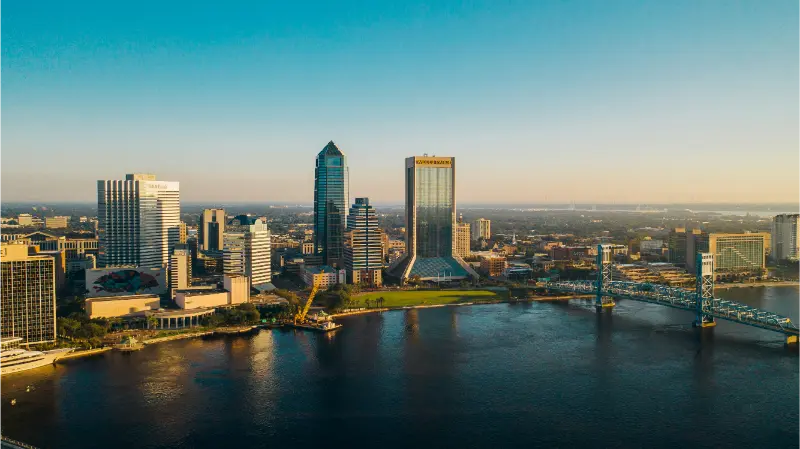
Florida’s history is often told through explorers, developers and military campaigns, but women helped shape its schools, journalism, literature, environmental movements, neighborhoods and public institutions. Their stories are visible in museums, historic houses, libraries, college campuses and landscapes where preservation became a civic cause. This seven-day route links Jacksonville, St. Augustine, Daytona Beach, Eatonville, central Florida and Miami. It is an interpretive itinerary, not a list of buildings where every interior is guaranteed open. Some historically significant homes have limited tour schedules, and some stories are best encountered through a museum exhibition or a public archive. Check current access and be willing to change a stop while keeping the historical theme intact.
Begin with the right approach to women's history
A meaningful historical trip asks whose work was recognized at the time, whose work was ignored and what sources survive. Florida’s women were never one group with one story. Enslaved women, Indigenous women, wealthy settlers, migrant workers, educators and environmental advocates faced very different opportunities and constraints. Avoid presenting every historic house as an inspiring success story while ignoring labor and inequality. When visiting a museum, read about the cooks, seamstresses, teachers and organizers as well as prominent owners. For children, focus on a concrete question: who was allowed to attend school, vote, own property or publish a book, and when did those possibilities change? The route includes nationally known figures but encourages attention to the local women whose stories appear on plaques and in community collections.
Day 1: Jacksonville and the world of Harriet Beecher Stowe
Begin in Jacksonville with the broader historical context of the St. Johns River and the Mandarin area, which became associated with writer Harriet Beecher Stowe during winters in Florida. She is best known for her antislavery novel Uncle Tom’s Cabin, but her Florida experiences also included observing and writing about landscapes and local life. Be cautious about turning her story into proof that one person’s activism resolved the injustices of slavery and segregation. Look for public historical interpretation and libraries rather than assuming an old private address admits visitors. Use the rest of the day for a waterfront walk or a local history collection that situates Stowe in the Reconstruction era. From Jacksonville, an overnight in St. Augustine can shorten the next morning‘s drive. Travelers with limited mobility can emphasize museums and riverfront viewpoints instead of uneven walking trails.
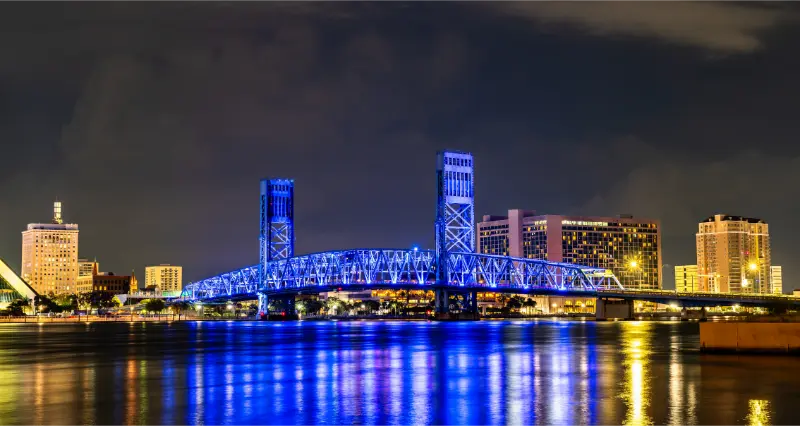
Day 2: St. Augustine and women in historic households
St. Augustine offers a different entry to women’s history: boardinghouses, household work, commerce and the everyday labor behind the oldest European-established city in the continental United States. The Ximenez-Fatio House Museum presents the history of a nineteenth-century boardinghouse managed by women at different times. Its exhibits can make the invisible work of maintaining lodging tangible: supplies, meals, hospitality and the economic choices of women operating within the restrictions of their period. Verify the museum’s tour schedule, admission and step-free access before traveling; a historic property can have stairs and narrow spaces. Pair this visit with a short waterfront walk rather than an exhausting afternoon of unrelated attractions. Ask children to compare the work of running a boardinghouse in the 1800s with a modern hotel. Finish with a discussion of who cleaned, cooked and served, not only who owned the rooms.
Day 3: Daytona Beach and Mary McLeod Bethune
The most important anchor of day three is the legacy of educator and civil-rights leader Mary McLeod Bethune. She founded a school for African American girls in Daytona Beach in 1904 that eventually developed into Bethune-Cookman University. Her home on the university campus is a National Historic Landmark; access should be checked through the university or managing institution rather than assumed from its listing on a historic register. Bethune’s work combined education, organizing and national public service. Present her as a sophisticated political and educational leader, not simply as a comforting story about one remarkable teacher. A campus visit may require advance arrangements, identification or restrictions during university events. If the home is unavailable, an exterior or institutional history stop supplemented by National Park Service interpretive material can still anchor the day. Overnight near Daytona or Orlando depending on your next morning‘s plans.
Day 4: Eatonville and Zora Neale Hurston's literary legacy
Travel toward Eatonville, a historically significant Black municipality associated with writer, anthropologist and folklorist Zora Neale Hurston. Her fiction and collections of oral traditions illuminate Black life, language and culture without requiring the people she documented to serve as stereotypes. Eatonville’s historic identity deserves more attention than a brief author photograph. Seek current information about the Zora Neale Hurston National Museum of Fine Arts and any public cultural programming, because exhibitions and seasonal festivals do not run on the same schedule every week. This is an ideal day for a teenager interested in writing: compare a historic building or street with a literary description, then ask how a storyteller decides whose voice is heard. If you visit during a festival, allow extra time for traffic and crowd management. The town remains a community, not just a literary landmark.
Day 5: Sarasota and Mable Ringling's role in a cultural estate
Travel from Eatonville toward Sarasota, giving this day a clear purpose at The Ringling estate. Mable Ringling’s interests are visible in the design of Ca’ d’Zan and the gardens, not merely in the museum’s famous surname. The institution’s education materials explain that she influenced the Venetian-inspired home’s design and loved cultivating roses; the estate preserves a named rose garden associated with her. Visit the public grounds and a tour of the house if currently offered, checking the particular access level beforehand. A ticket for the grounds or art museum does not necessarily include every interior. The surviving evidence of Mable’s personal life is comparatively limited, which is itself a useful historical lesson: wealth and public visibility did not guarantee equal documentation of women and men. Ask who made decisions, who performed maintenance and which records historians can actually use. Sarasota also offers a restful waterfront evening before the trip continues south.
Day 6: South Florida and Marjory Stoneman Douglas
Continue toward South Florida, where journalist and environmental advocate Marjory Stoneman Douglas is closely associated with modern understanding of the Everglades. Her book The Everglades: River of Grass helped recast the region as an interconnected ecological system rather than disposable swamp. A visit to the Everglades or a museum with environmental-history material provides a way to explore that influence in the landscape itself. Select a visitor-center stop instead of undertaking a risky or strenuous hike merely to be close to the wetlands. The ecological story should include Indigenous stewardship, scientists, farmers and communities affected by changing water management; Douglas was influential but not the sole voice. At a boardwalk, study how the water surface, vegetation and birds demonstrate the connected system described in the literature. Avoid approaching wildlife or leaving paved paths for a photograph.
Day 7: Miami and Julia Tuttle's part in the city's founding
End with the story of Julia Tuttle, whose landownership and involvement in efforts to bring the railroad were important to Miami’s development. This is a good place to challenge the traditional idea that cities were created by one founder. Rail connections, labor, land promotion, environmental changes and the decisions of many groups shaped modern Miami. Choose a history museum or public interpretation that covers early settlement rather than searching for a privately owned building associated with her name. Compare a map of nineteenth-century Biscayne Bay with today’s dense street network and discuss what urban growth gained and what it displaced. Families may prefer an hour indoors followed by a waterfront stop. Travelers arriving directly in Miami can reverse the route, though the long drives still need to be planned realistically.
The seven-day route at a glance
| Day | Base or region | Woman or theme |
|---|---|---|
| 1 | Jacksonville / Mandarin | Harriet Beecher Stowe and Reconstruction-era writing |
| 2 | St. Augustine | Women in lodging, work and commerce |
| 3 | Daytona Beach | Mary McLeod Bethune and education |
| 4 | Eatonville | Zora Neale Hurston and cultural storytelling |
| 5 | Sarasota | Mable Ringling, gardens and estate history |
| 6 | Everglades / South Florida | Marjory Stoneman Douglas and conservation |
| 7 | Miami | Julia Tuttle, railroads and city formation |
Driving distances and sensible overnight bases
This is a north-to-south road trip, not seven days of strolling around one neighborhood. Jacksonville to St. Augustine is manageable, and St. Augustine to Daytona is a logical next segment, but the move south toward Miami is substantial. Overnight near the actual next day’s stop rather than continually returning to one central hotel. Build in extra time for I-95 traffic, breaks, parking, hurricane-season detours and fatigue. Avoid making day six a full Everglades excursion after a late-night intercity drive. A rental car is the easiest way to link the destinations, though visitors could adapt parts using intercity trains and local transport. A mixed-age group benefits from one museum, one short outdoor activity and one rest period per day, not three major attractions and a long drive.
What to verify before making reservations
Historic-place listings establish significance but do not guarantee normal visitor access. The Bethune home is connected with a working university; the Eatonville museum may have exhibition-specific schedules; and old houses can close for preservation projects. Confirm the day and time of each intended tour directly with the venue. Read descriptions of historical content so a sensitive visitor can prepare for discussions of slavery, racism and violence. Check current admission charges and whether children require advance tickets. A venue’s accessibility page may apply to modern galleries but not upper floors of a preserved building. International visitors should allow extra time for identification requirements at institutional campuses. Make reservations refundable where possible and avoid promises that a particular interpreter or docent will be available on arrival.
How to make the stories useful for children and teens
Give younger children an age-appropriate question each day: what did people learn at school, how did a boardinghouse feed guests, or what does a writer collect from a community? Ask teenagers to build a timeline with education, voting rights, publishing and environmental protection milestones. The aim is to recognize agency while understanding structural barriers, not to turn history into a competition of famous names. A teen might compare Bethune’s organizing with Douglas’s environmental campaigning and ask what tools each used to influence policy. For grandparents, let personal memories and experiences contribute if they wish, but do not demand emotional disclosure. After an especially demanding museum, choose a quiet café or park, not another site with heavy historical content. Learning requires space to think.
Accessibility, weather and costs
As with any statewide trip, hotel and transport costs are more predictable if you compare entire itineraries, not just advertised nightly prices. Museum admissions are a smaller share of the budget than rental cars, parking and multi-city accommodation. In warm months, put outdoor interpretation early and schedule air-conditioned museums at midday. Before booking, request details about accessible paths, seating, captions and restrooms at the exact venue. Many older buildings have constraints that cannot be inferred from a generic accessible-site symbol. If someone cannot manage the driving, reduce the itinerary to a three-day cluster such as St. Augustine–Daytona–Eatonville, or Sarasota–Everglades. A shorter, thoughtful visit is not a lesser version of history.
Primary sources for deeper reading
Start with the National Park Service Mary McLeod Bethune Home profile, the Ringling estate and museum visitor information, and the National Park Service Everglades planning pages. Supplement these with the actual operating institution’s current calendar, especially before requesting tours. For a broader context, a public library catalog can identify writings by Hurston, Bethune and Douglas, allowing their own words to accompany the trip. Treat secondary tourist summaries as starting points, not as evidence of specific opening hours or access. The itinerary succeeds when visitors leave with a richer sense of who shaped Florida and why many achievements took collective effort.
Frequently asked questions
Are all historic homes on this route open daily?
No. Some require pre-booked tours, are managed by universities or have limited exhibition access. Verify each operating institution’s calendar.
Can I do the itinerary by public transportation alone?
Not easily in seven days. Intercity links exist but several heritage sites require local transfers and advance coordination.
Is the itinerary suitable for teenagers?
Yes. Literature, civil rights, education and environmental history offer strong discussion topics, especially if each day has one focused question.
How do I shorten the journey to three days?
Choose one regional cluster: St. Augustine, Daytona and Eatonville in Central/Northeast Florida, or a Miami and Everglades focus in the south.
Does this route cover every important woman in Florida history?
No. It introduces selected figures and themes. Indigenous women, migrant workers and many community leaders deserve further research and representation.