
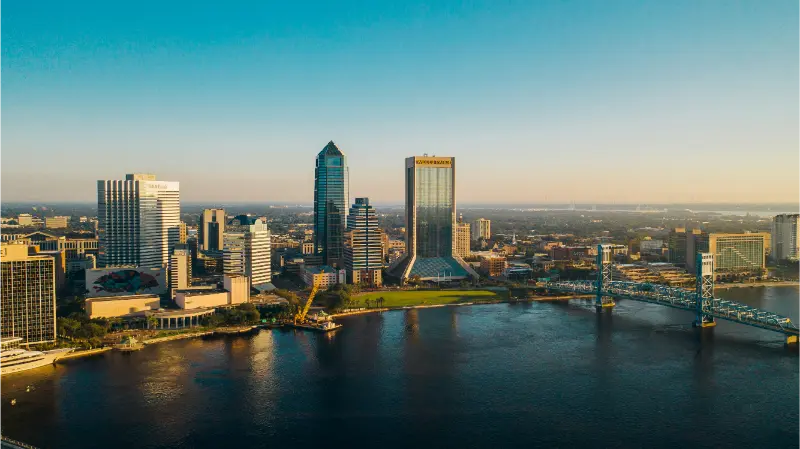
Most travelers imagine Florida as a choice between Orlando rides and warm southern beaches. The northern part of the state tells another story: river towns, longleaf-pine forests, natural springs, state parks, old downtown streets and a Gulf Coast with deep maritime history. This nine-day route travels from Jacksonville to Pensacola, crossing the state at a pace that allows time for places many visitors pass without stopping.
It is a road trip for people who like mixing outdoor scenery with small-town culture. Families can focus on nature centers and easy parks; couples can enjoy local restaurants and historical streets; senior travelers can choose scenic drives and shorter walks. The route is not intended to include every Panhandle beach or national forest. Rather, it links a handful of distinctive locations and leaves enough room for afternoon storms and unplanned discoveries.
Essential route choices before booking
Begin in Jacksonville and finish in Pensacola. With flights into Jacksonville International Airport and out of Pensacola International Airport, check potential one-way rental fees before finalizing. If airfares make that impractical, arrange a return leg using a separate driving day; do not pretend the distance back to Jacksonville is a quick detour. A car is essential for this route, as rural public transport is limited and park entrances are spread apart.
For a comfortable balance, stay two nights near Jacksonville or Amelia Island, two around Gainesville or High Springs, two around Tallahassee or Monticello, and two around Pensacola. The ninth day is departure. This avoids changing hotels every night and gives the trip a clear shape. Driving across Florida’s north often involves two-lane highways and small communities; look at actual road conditions rather than using straight-line distances.
Day 1: Jacksonville’s river setting and an easy arrival
Jacksonville is a large city with neighborhoods spread along the St. Johns River and the Atlantic coast. Arriving here gives you access to a major airport without immediately plunging into resort traffic. Once you collect the car, choose one manageable area for the afternoon. Riverside and the downtown riverfront offer different views of the city, but you do not need to drive between them repeatedly on your first evening.
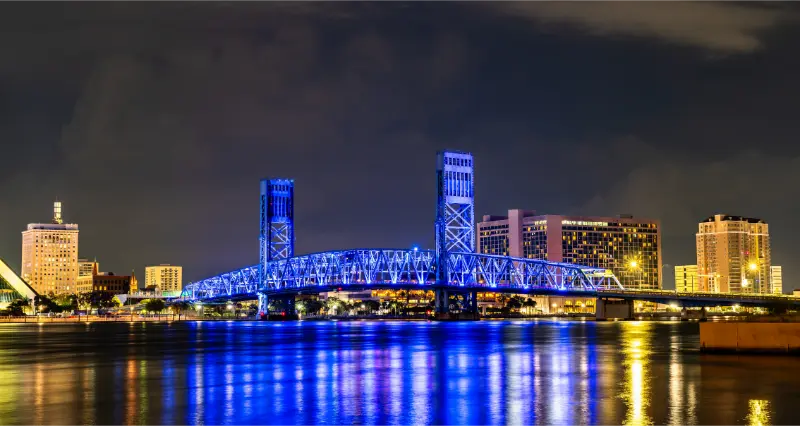
If your group likes museums, consider a visit to the Cummer Museum of Art & Gardens when it fits current opening hours. Its combination of artwork and gardens makes an approachable introduction for adults and older children. Families arriving after a long flight may prefer a simple riverfront stroll and an early dinner. Jacksonville’s distances can be deceptive; an attraction that appears ‘in town’ may still be a lengthy drive from your chosen hotel.
Pack a small day bag with water, sunscreen, medicines and snacks before setting off. This routine is especially useful for later rural days when facilities may be widely spaced. Do not leave luggage exposed in the car while exploring a busy urban area.
Day 2: Amelia Island, Fernandina Beach and Fort Clinch
Travel north toward Amelia Island, where Fernandina Beach has a walkable historic core and nearby Fort Clinch State Park offers a different perspective on the Atlantic coast. Choose between a full historic fort visit and a combination of short town and beach stops. A family with younger children can make a game of spotting old buildings and learning why the island’s port history mattered, while adults interested in military history may want more time at the fort.
Fort Clinch is a state park, so review current park hours, entrance fees, fort access and any event programs before driving. Some historic sections contain uneven surfaces or stairs. Travelers with limited mobility should ask which portions of the site can be visited comfortably and plan a shorter route. Beach activities also depend on weather and surf; a beautiful shoreline is not an invitation to swim in unsafe conditions.
Return to your Jacksonville-area hotel or stay near Amelia Island if your budget permits. Avoid packing an ambitious evening into the same day. Between beach traffic, parking and museum time, this can easily become a full outing even with relatively short geographic distances.
Day 3: inland through Micanopy and Gainesville
Head west and south toward Gainesville, using Micanopy as an optional historic-town stop. Its small-scale streets, old storefronts and antiques make a pleasant change from Jacksonville’s broader urban landscape. A short visit is enough to appreciate the atmosphere; there is no need to invent a full day of attractions in a village. Opening hours for local shops vary, so arrive with the understanding that some may be closed.
Gainesville provides a convenient base with restaurants, hotels and access to nature attractions. Depending on your timing, visit the Florida Museum of Natural History or enjoy a short walk around a designated green space. Check current museum galleries and any ticketed exhibits before arrival. If the children have been sitting for a long drive, allow some time outside rather than taking them straight into another building.
Stay in Gainesville or nearby High Springs for the next two nights. This base makes the following day’s springs visit much less stressful. A hotel pool can be a welcome amenity, but compare the rate after parking charges and local taxes rather than choosing accommodation on pictures alone.
Day 4: North Florida springs with safety and environmental respect
This is your freshwater day. Consider a managed spring park such as Ichetucknee Springs State Park or another appropriate site near High Springs, depending on seasonal access and what your group wants to do. Tubing, swimming and paddling are not interchangeable activities, and some parks control capacity or require reservations for particular experiences. Read official state park information and choose the simplest option for the youngest, oldest or least confident person in the group.
Non-swimmers should not be pressured into a river or spring run. Instead, enjoy visitor facilities, scenic viewing and approved short walks where available. Clear water can appear deceptively shallow, currents can be strong and water temperatures may feel cold even in summer. Wear suitable footwear, follow designated access points and never feed wildlife. Tubing is not a substitute for swimming ability or proper supervision.
Arrive early on busy weekends, since popular springs can reach capacity. Pack a change of clothes, waterproof storage and snacks while observing park rules. If a thunderstorm develops, leave the water and follow staff instructions. A quiet dinner after a nature day is often more enjoyable than another long drive to a distant attraction.
Day 5: Suwannee country and the road toward Tallahassee
Drive west through Suwannee River country, choosing a route that suits your interest in state parks, river overlooks or small historic communities. The landscape becomes a major part of the day’s appeal: oak-shaded roads, agricultural fields and stretches of forest reveal a side of Florida that feels far from the coast. Stop only where there is lawful parking and a designated viewpoint; a narrow rural shoulder is not a safe place for photographs.
One optional stop is a state park near the Suwannee River where trails or river viewpoints are currently open. Check which facilities suit your group; an easy picnic area may be more useful than a long hike. Rural food options are less frequent than around Orlando, so know where you intend to eat and carry basic supplies. Mobile service may also be patchy in some forest areas. Download directions rather than depending solely on live navigation.
Continue to Tallahassee or Monticello for the night. Tallahassee is the state capital and has the most extensive hotel and dining choices in this portion of the route. Monticello offers a smaller-town atmosphere but requires more attention to restaurant hours and services. Both can work well; choose the base that best meets everyone’s practical needs.
Day 6: Tallahassee history or Wakulla Springs nature
Make a deliberate choice today rather than trying to do every site in the region. For history-minded visitors, the Florida Historic Capitol Museum and selected downtown landmarks help explain state government and the region’s past. For nature lovers, Edward Ball Wakulla Springs State Park offers a dramatic spring setting and, when operating, guided boat tours. Tours depend on conditions and capacity; never promise a specific manatee or alligator sighting.
Wakulla’s natural setting is appealing for children and grandparents because the experience can be structured around a boat trip rather than a strenuous hike. However, boat boarding, seating and accessibility should be confirmed before booking. Swimming rules and wildlife conditions are separate from sightseeing access. A guided tour can be canceled due to water level, weather or other operational factors, so keep a local museum or short Tallahassee activity as backup.
If you choose the city day, consider a quiet lunch and shaded walking route. Historic sites may have limited weekend hours or special-event closures. The point is to enjoy either history or nature properly, with enough time to absorb what you see.
Day 7: toward the Gulf through Apalachicola and the Forgotten Coast
The coastal option from Tallahassee toward Pensacola can be scenic but considerably longer than a direct interstate transfer, especially with stops. If you have energy and time, travel south through the St. Marks or Apalachicola region before working west. Apalachicola’s working waterfront and historic character reward an unhurried meal and stroll. Conditions affecting coastal roads, bridges or public beaches should be checked before traveling, particularly after major storms.
Do not treat seafood stops as guaranteed bargains. Prices, availability and restaurant opening days change. Visitors with food allergies should ask detailed questions about ingredients and shared cooking equipment; traditional fried seafood places may not meet every dietary need. Families traveling with toddlers may be happiest with a shorter waterfront break and a picnic rather than a long restaurant wait.
If your group dislikes extra driving, take the more direct route to Pensacola and reserve the afternoon for a beach or a hotel rest. That is a perfectly legitimate alternative. North Florida is too large to explore well in a single week, and the best route is the one that leaves everyone able to enjoy the destination.
Day 8: Pensacola history, beaches and Fort Pickens
Pensacola makes a satisfying final stop because it combines historic downtown streets, a naval and maritime story, and nearby Gulf beaches. Choose between a museum-based city day and a visit to the Fort Pickens area of Gulf Islands National Seashore. The fort and surrounding landscape are fascinating, but do not assume all structures are accessible or safe to enter. Check the National Park Service’s current Gulf Islands planning information, including operating hours, weather alerts and entrance fees.
For a family beach afternoon, choose a designated access point with appropriate facilities and observe warning flags. Gulf water can look calm while dangerous currents remain present. Do not enter closed areas or leave children unsupervised near surf. Bring shade, water and a realistic plan for rest. If the weather is poor, Pensacola has enough historical and cultural options to create a worthwhile indoor-focused day.
This last full day should not end with another exhausting drive. Enjoy dinner near your hotel and pack calmly. A traveler’s satisfaction with a road trip depends as much on comfortable transfers as on scenic highlights.
Day 9: departure and optional extras
If you fly from Pensacola, leave time for hotel checkout, rental-car return and airport procedures. If returning to Jacksonville, do not underestimate the journey: it is a lengthy transfer that deserves its own driving day and appropriate rest stops. For travelers extending their vacation, nearby Gulf beach communities can provide a few relaxing nights without disrupting the route’s logic.
You could also add a stop around Marianna or the Florida Caverns region on a longer trip, but check tour availability and weather-sensitive access beforehand. The best optional extension is not necessarily another famous attraction. It may be two nights in one comfortable hotel near the water, particularly for families with very young children or older travelers who prefer fewer packed days.
Planning costs, timing and comfort across ages
Accommodation rates vary considerably between inland towns and beach areas. Compare parking, breakfast, taxes and any resort fees, and consider weekday stays near popular Gulf beaches. State parks may charge entrance and separate activity fees. A rental car with enough luggage space is important when multiple generations travel together; verify child-seat requirements and who is allowed to drive before collecting the keys.
Late fall and spring often provide comfortable sightseeing weather, but specific spring operations and park activities vary seasonally. Summer offers long days with significant heat, storms and strong demand at popular freshwater springs. Pack layers for variable inland winter temperatures and expect fewer services in rural areas outside peak periods. For medical needs, carry essential supplies and plan breaks before fatigue becomes a problem.
Frequently asked questions
Is this road trip good for families? Yes, provided you choose modest daily activities and treat water safety seriously. Spring activities and historic forts should be matched to each child’s ability.
Can we drive directly from Jacksonville to Pensacola? Yes, but this guide is intended to reveal the places between them, not just transport you across the state.
Will every state park have swimming? No. Parks have different facilities, rules and seasonal closures. Check the individual park page before arrival.
Where should we spend an extra night? Gainesville/High Springs works for spring lovers; Tallahassee for history and nature; Pensacola for beaches and a gentler finale.
Do we need cash everywhere? Cards are widely used, but payment arrangements and cell reception vary. Carry an alternative payment method and check park-specific requirements.
Reliable trip resources
Use Florida State Parks, Gulf Islands National Seashore, the Florida Museum of Natural History and official city or attraction websites for current openings, fees and access conditions.
Leave a Reply