A few miles south of Tallahassee, North Florida changes character. Traffic thins, pine woods give way to marshes and rivers, and the Gulf Coast appears not as a line of large beaches but as creeks, tidal flats and working-waterfront communities. A five-day visit around Wakulla Springs, St. Marks and nearby towns is an appealing alternative for people who want wildlife and local history without a tightly scheduled resort vacation. It can work for couples, curious school-age children and older travelers who prefer scenic stops to long hikes.
This itinerary is built around Tallahassee or the Crawfordville area as a convenient lodging base. Having a car is important: public transportation does not connect the refuge, parks and small settlements in a way that supports this schedule. Days are deliberately shorter than they look on a map because wildlife viewing is best when there is time to stop quietly. Swimming, boat trips and longer nature walks are optional. The biggest planning rule is to respect protected habitats and confirm access after storms, prescribed burns or seasonal changes.
How to choose a base in this part of Florida
Tallahassee offers the widest choice of hotels, restaurants and medical services and can make airport arrival easier. Crawfordville is closer to some southern stops but has fewer lodging and evening dining choices. A family with a baby or a traveler who needs an elevator may find a familiar hotel format in Tallahassee simpler than a picturesque remote cottage. Compare the actual daily drives, not the impression that all destinations south of the capital must be close together.
If the goal is a peaceful weekend, spend at least three nights rather than commuting from a distant Gulf beach. A single base reduces packing and gives everyone a predictable rest routine. Ask about parking, accessible rooms, quietness and check-in times. For early wildlife outings, verify whether breakfast will be available or pack food the previous evening. Local cafés can open later than dawn, when birding is often at its best.
Day one: arrive and discover Tallahassee at a gentle pace
Treat the first day as an introduction rather than heading directly to a remote refuge after a flight. Walk a comfortable portion of a Tallahassee park or choose a local museum, depending on weather. The city has layers of state government, university and regional history that make it more than a place to sleep before an outdoor trip. One museum and an unhurried meal are sufficient for an arrival afternoon. If you intend to spend most of the week outdoors, this is also the time to buy water, snacks and insect repellent.
Use the evening to check National Weather Service information and the park and refuge websites. Rural facilities can have shorter hours or temporary access changes; saving the official contact details is practical when cellular data is unreliable. A simple plan for each day—one principal site, one meal stop and one optional extra—works particularly well for multiple generations. Wildlife does not operate on a timetable, and your plan should not pretend otherwise.
Day two: Wakulla Springs State Park
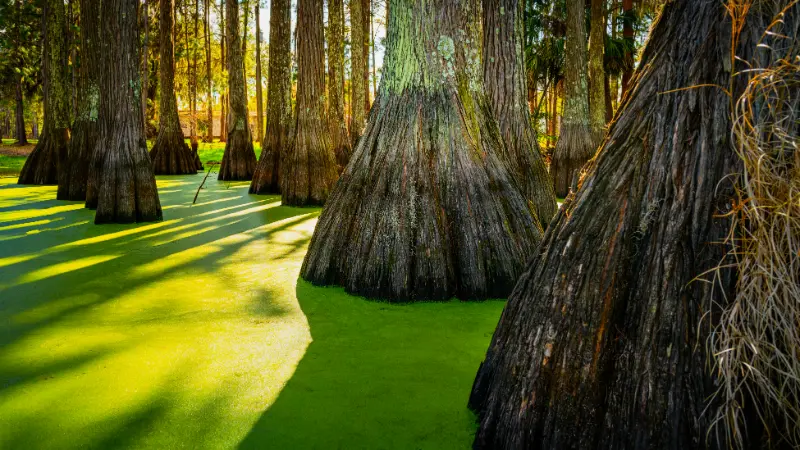
Edward Ball Wakulla Springs State Park is famous for its spring basin, river scenery and historic lodge. Many visitors choose a guided riverboat excursion when operating conditions allow, but availability and the route can change with weather or park management decisions. Do not promise a boat ride to children until the operator has confirmed it. Ask about boarding, steps, seating, shade and restrooms if anyone has limited mobility. The river trip is a chance to observe natural habitats, not a guarantee of manatees, alligators or any specific animal.
Stay for lunch or a leisurely visit to developed areas rather than immediately driving to another park. Swimming, when allowed, needs separate consideration: posted conditions and the group’s swimming ability are decisive. Travelers who avoid the water can still enjoy the springs setting. The historic lodge provides a sense of old Florida, but services and dining arrangements should be checked ahead, particularly for larger groups. An afternoon rest back at the hotel is a sensible part of this day.
Day three: St. Marks National Wildlife Refuge
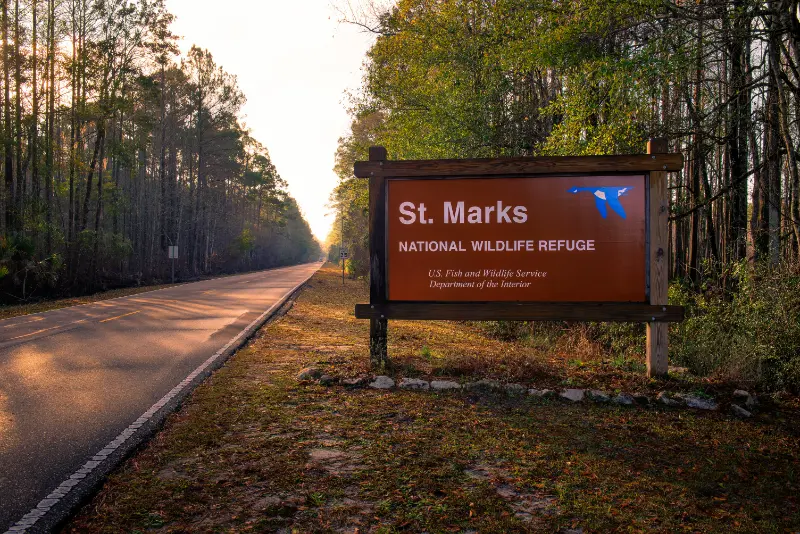
St. Marks National Wildlife Refuge protects a remarkable coastal landscape where freshwater marsh, saltwater and upland habitats meet. The refuge’s official visitor information provides access details and cautions that certain roads or levees may close during prescribed burns or for wildlife protection. Check the current notice before driving toward the lighthouse road. The lighthouse itself should be treated first as a historic visual landmark: interior access depends on particular openings and is not available at all times.

Drive slowly where allowed, stop in designated areas and watch birds from a respectful distance. Binoculars are more useful here than a plan to walk long distances. Early mornings and cooler months often make viewing more comfortable, but wildlife encounters are never guaranteed. Bring drinking water and insect protection. The refuge prohibits swimming and has rules governing pets, collecting natural material and access to certain pools. Follow them closely; an empty-looking marsh is still habitat.
Day four: the town of St. Marks and a coastal perspective
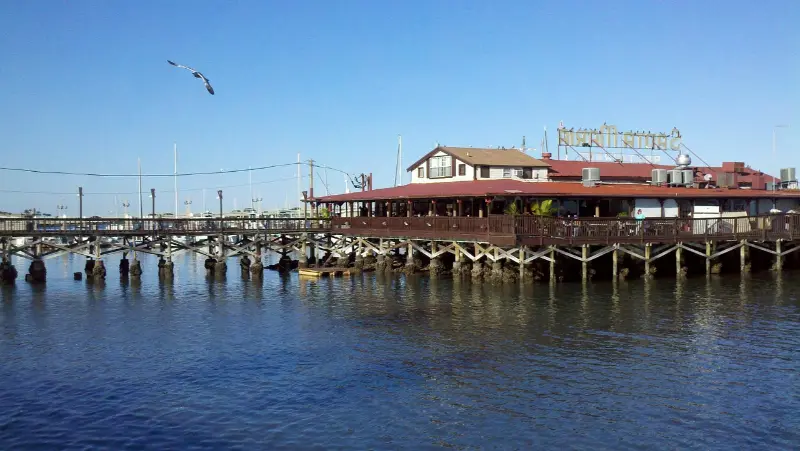
Spend part of this day in St. Marks itself, a small community near the confluence of rivers and Gulf-influenced waters. It is a good place to observe a working waterfront and learn how tides, fishing and storms shape settlement along the northern Gulf. Rather than expecting a continuous sandy tourist beach, enjoy water views, a modest meal and perhaps a short historic or nature stop if operating hours align. Public access can change after coastal storms, so follow local information and avoid closed structures.
This is a day for conversation and short outings. Children can compare a tidal waterfront with the inland spring from day two. Older visitors may enjoy a seated view and lunch more than a trail. A wildlife photograph should never require stepping into marsh vegetation, approaching animals or crossing a barrier. If the sun is intense, choose a shaded lunchtime break rather than pushing through to one more stop. The quiet atmosphere is the attraction.
Day five: choose history or a final nature stop
On your departure day, choose either a short Tallahassee cultural visit or a nearby green space that fits the return route. Do not plan an early refuge drive if you have a flight in the afternoon and a car to return. Travelers heading east or west by road can stop at a public park along the route, but check whether that adds a significant detour. A flexible last day also gives you the chance to revisit Wakulla Springs if your original boat or park plan was affected by weather.
Take time to sort photographs and notes. Birdwatchers may wish to record species only when the identification is reliable, using a trusted guide rather than guessing. Families can ask children to describe the difference between a spring, a river and a tidal marsh. The best memory of this region is often the landscape as a whole, not the name of a single attraction. Leave with a realistic sense of how much of northern Florida remains to explore.
Wildlife that is rewarding without guarantees
Wading birds, raptors, turtles and other animals use different habitats and are influenced by seasons, tides, temperature and water levels. A birding guide helps identify broad groups, but do not claim a rare sighting based on color alone. Alligators can inhabit freshwater areas; maintain distance, supervise children and never feed wildlife. No animal should be approached for a selfie, and drones are prohibited in the refuge. Photographs made with a zoom lens are both safer and kinder to the animals.
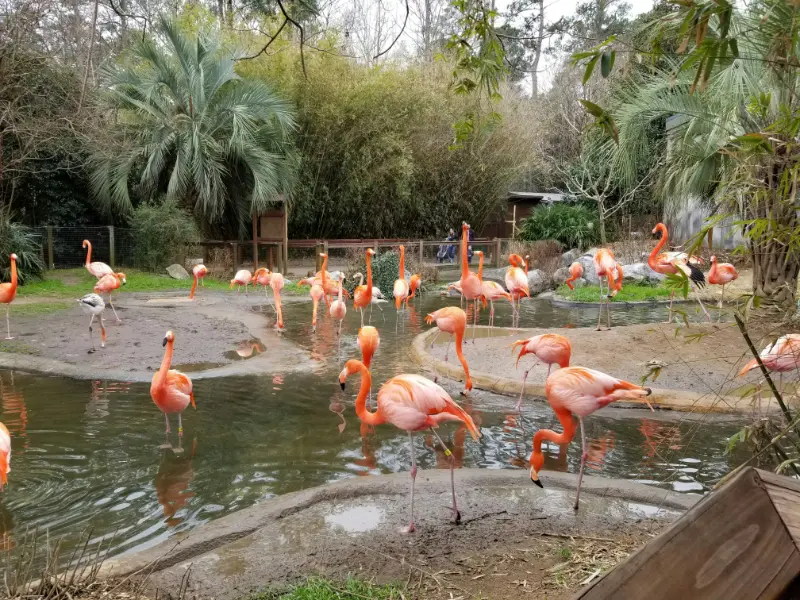
Wildlife viewing from a vehicle can be an excellent choice for visitors who have difficulty walking. Yet not every pull-off has a flat surface or restroom. Plan bathroom stops in developed areas before starting long drives and avoid getting out in unsafe traffic positions. The quietest moments often occur when the group sits still for ten minutes rather than moving constantly. This is a good lesson for younger visitors: watching carefully matters more than checking off a species list.
Families, seniors and travelers with accessibility needs
Families with toddlers should plan around short outdoor windows and nap times. A riverboat can be enjoyable for some children but difficult for those who cannot sit comfortably or handle engine noise; assess the actual activity and age rules before purchasing. Teenagers who enjoy ecology may appreciate the changes from spring to estuary. For senior travelers, combine sightseeing drives, bench stops and one major activity per day. A good itinerary has permission to finish early.
At refuges and parks, ask about the exact accessible route and facilities, not only a general statement that a site welcomes visitors. The historic character of lodges or vessels may create steps or narrow passages. A wheelchair user may need a specific boat configuration or might choose an alternate overlook. Confirm whether the visitor center, restroom and parking space will actually be open on your visit date. One phone call can prevent an unnecessarily frustrating day.
Food, supplies and lodging costs
Main expenses include a rental car, lodging, meals, park and refuge entrance fees and optional boat tickets. There is no reason to quote a fixed total without dates and a party size. This region can be economical when you limit paid attractions and enjoy public scenery, but remote accommodations or last-minute weekend rooms may cost more than expected. Keep extra fuel and meal stops in the plan: restaurants are less densely distributed than around the major resort cities.
Pack practical items—binoculars, refillable water, sun protection, insect repellent, light rainwear and comfortable shoes. Carry a basic paper map or downloaded offline directions. Mosquitoes and biting insects can be significant in warm weather; check current local guidance and use repellent according to the label. Protect food from heat, and keep medications in a temperature-appropriate container if required. Some remote spots may have few services, so do not count on buying everything at the last minute.
Best time and weather contingencies
Fall through early spring can offer cooler outdoor conditions, while summer is often hot, humid and storm-prone. However, no season guarantees a comfortable day or active wildlife. Tropical weather can affect the northern Gulf, and local river levels can influence access to parks. Always check severe-weather notices and any evacuation instruction before traveling. If thunderstorms approach, return to a substantial building or enclosed vehicle; an exposed boardwalk or isolated tree is not safe lightning shelter.
Keep a rainy-day alternative in Tallahassee, where museums and indoor spaces provide choices, and treat coastal outdoor plans as flexible. A refuge road closure should be respected without searching for an unofficial route around it. A slow vacation is easiest to enjoy when changing the plan feels normal. If storms spoil the main attraction, a local lunch and museum can still make the day worthwhile.
Five-day itinerary at a glance
| Day | Location | Main idea | Easier backup |
|---|---|---|---|
| 1 | Tallahassee | Arrival and cultural orientation | Hotel rest and meal |
| 2 | Wakulla Springs | Park and optional guided riverboat | Historic lodge or developed areas |
| 3 | St. Marks refuge | Marsh birding and lighthouse views | Visitor center if open |
| 4 | St. Marks town | Working waterfront and slow lunch | Indoor café and short drive |
| 5 | Tallahassee / return | Flexible history or nature stop | Direct departure |
Frequently asked questions
Can I visit St. Marks National Wildlife Refuge without long walks?
Yes. Some visitors focus on designated scenic drives and overlooks. Verify current road and facility access, and do not assume every stop has an accessible restroom.
Will I definitely see manatees or alligators at Wakulla Springs?
No wildlife sighting can be guaranteed. Guides and rangers can explain habitat and recent conditions, but animals appear on their own terms.
Is this a beach vacation?
Not in the usual resort sense. Expect springs, rivers, marshes, historical places and a scenic northern Gulf waterfront rather than a week of ocean swimming.