

Gainesville is often reduced to the University of Florida, but a leisure trip quickly reveals a broader North Central Florida destination built around museums, wetlands, springs, trails, food and college-town energy. The university gives the city cultural depth and events; Paynes Prairie and nearby springs give it an outdoor identity that feels completely different from Orlando or the beaches. I would choose Gainesville for travelers who like learning and nature in equal measure.
It works particularly well for families and multigenerational groups because the day can be divided into manageable pieces. A museum morning, a shaded lunch, an easy park and a wildlife drive can satisfy people with very different energy levels. The main planning challenge is timing: football weekends, university events, summer heat and spring capacity can all change the experience more than the distance on a map suggests.
Quick planning summary
- Best for: museums, university culture, nature, springs, birding, families, road trips and travelers looking for a lively North Central Florida base.
- Ideal stay: 2–3 nights for Gainesville itself; 4–5 nights if you plan multiple springs, Paynes Prairie and side trips around Alachua County.
- Best base: Downtown for restaurants and evenings; near the University of Florida for campus and museums; southwest Gainesville for newer hotels and easier road access.
- Getting around: A car is useful for most leisure itineraries, especially for Paynes Prairie and springs. Downtown and campus can be explored in smaller walkable segments.
- Planning principle: Use Gainesville as an indoor-outdoor pair: one museum, campus or food block and one nature block each day.
Why Gainesville deserves a place in a Florida itinerary
The city has an unusual concentration of high-quality cultural attractions for its size. The Florida Museum of Natural History, Butterfly Rainforest, Harn Museum of Art and university campus can fill a rainy or hot day without feeling like a fallback. Downtown adds restaurants and nightlife, while Depot Park gives families an easier public-space experience.
The surrounding landscape is equally important. Paynes Prairie is known for broad views and wildlife, Sweetwater Wetlands brings birding close to town, and Ichetucknee, Gilchrist Blue and other springs are reachable as day trips. That means you can build a Florida vacation around ecology and water without giving up city conveniences.
Best things to do on a first trip
Make the Florida Museum of Natural History a core stop
The museum is one of Gainesville’s strongest family attractions because it combines Florida ecology, fossils and changing exhibitions in a university setting. Some components may have separate admission or changing availability, so check the current visitor information before promising a particular exhibit to children.
Add the Butterfly Rainforest if it fits your group
The Butterfly Rainforest creates a very different experience from the main museum and is especially memorable for younger children, photographers and visitors who prefer a gentle attraction. It can be warm and humid, so it works best when the group is dressed for the indoor-outdoor transition.
See Paynes Prairie Preserve State Park
Paynes Prairie is the landscape that most clearly reminds visitors that Gainesville is not only a college town. Trails, overlooks and wildlife can include bison, wild horses and large numbers of birds, but sightings are never guaranteed. Start early, bring water and insect repellent, and treat animals as wild rather than approaching for photos.
Walk Downtown Gainesville and Depot Park
Downtown is best for food, murals, small businesses and evening energy, while Depot Park is easier with younger children and anyone who wants open space. Pairing the two gives a relaxed city day without the long walking distances of a major tourist district.
Visit Sweetwater Wetlands Park
Sweetwater Wetlands offers excellent birding and alligator-viewing possibilities close to town. The boardwalks and trails are exposed, so the first hours after opening are usually more comfortable. Wildlife etiquette matters: keep distance, do not feed animals and follow posted guidance.
Plan one spring day
Ichetucknee Springs is the famous tubing and paddling choice, while Gilchrist Blue and other nearby springs appeal to swimmers and paddlers. Access rules, reservations and seasonal operations can differ, so choose the exact spring before departure rather than driving around looking for whichever entrance has space.
Use the university calendar strategically
University of Florida games, graduations and major events can create atmosphere or create traffic, depending on why you are visiting. If you love sports, build around the event. If you want museums and nature, check the calendar and avoid paying event-weekend hotel rates unintentionally.
Where to stay: choose the area before the hotel
Gainesville is easier than many Florida cities, but hotel location still shapes the day. A downtown property supports evenings on foot; a campus-area stay helps with museums and university events; southwest Gainesville works better for interstate access and some newer hotels.
Downtown Gainesville
Best for restaurants, nightlife and a more local city feel. Useful for couples, solo travelers and visitors who do not want to drive to dinner every night.
University of Florida and museum area
Best for campus events, museums and travelers whose main purpose is connected to the university. Event traffic can be significant.
Southwest Gainesville
Practical for families, road trips and quick I-75 access. It can reduce highway time but usually means driving for downtown evenings.

Getting there and getting around
Gainesville sits just off I-75 and is a natural stop between North Florida and Central Florida. Gainesville Regional Airport serves the city, while Jacksonville, Orlando and Tampa can be alternatives depending on airfare and the rest of the itinerary. A rental car is valuable if springs and state parks are part of the trip.
Around campus and downtown, parking rules and event restrictions can change, so do not assume a normal weekday pattern applies during football weekends or major university dates. For a nature day, save maps and directions in advance because some spring and trail areas are outside the dense urban network.
Families, teenagers, seniors and accessibility
Young children usually do best with a museum or butterfly experience plus Depot Park rather than a full day of long trails. School-age children can handle a more ambitious museum-and-wetland combination. Teenagers may enjoy campus culture, food and tubing if they have some say in the itinerary.
For seniors, Gainesville can be pleasantly flexible because many major museums and cultural stops are climate-controlled. Outdoor accessibility varies by trail and viewing area. Verify surfaces, restroom availability and distances at Paynes Prairie or spring parks if mobility is limited, and schedule nature walks before midday heat.
Best time to visit
Fall has university energy but can be busy on football weekends. Winter and spring are excellent for walking and birding, although cool fronts can make spring swimming feel different from the postcard image. Summer suits water activities but requires a realistic plan for heat and thunderstorms.
Spring capacity and river conditions matter more than the calendar alone. For a tubing or paddling day, check the specific park’s current access and reservation system. If weather is unstable, Gainesville’s museums make it easier to swap morning and afternoon plans without wasting the day.
A realistic 3-day itinerary
Day 1 — Museums and downtown
Start with the Florida Museum of Natural History and the Butterfly Rainforest, add the Harn or campus if energy allows, then move downtown for dinner.
Day 2 — Prairie and wetlands
Visit Paynes Prairie early, take a long midday break, then use Sweetwater Wetlands or Depot Park for a shorter late-afternoon outing.
Day 3 — Springs
Choose Ichetucknee, Gilchrist Blue or another spring based on the activity you want. Do not plan a second distant spring unless the first is only a short stop.
Budget: where the money actually goes
Gainesville can be one of Florida’s easier cities to plan on a moderate budget because public spaces and university museums reduce the need for expensive admissions every day. Lodging is the variable: football, graduation and event weekends can change prices dramatically.
For spring days, bring food, water and dry clothes so you are not dependent on limited concessions. If you are flying, compare Gainesville Regional Airport with larger gateways using total ground-transport cost; a cheaper flight two hours away is not automatically a cheaper trip.
Common mistakes to avoid
- Booking a university-event weekend without realizing how much hotel demand and traffic change.
- Visiting exposed wetlands in the hottest part of a summer day.
- Assuming every spring accepts walk-up visitors or offers the same activity.
- Trying to combine several distant springs in one day.
- Treating Gainesville only as a college stop and missing its parks and museums.
How to combine this stop with the rest of Florida
Gainesville connects naturally with Ocala, the Suwannee River region and Northeast Florida. A strong nature route can run Gainesville → Ocala → Crystal River, while a North Florida road trip can continue toward Jacksonville or St. Augustine.
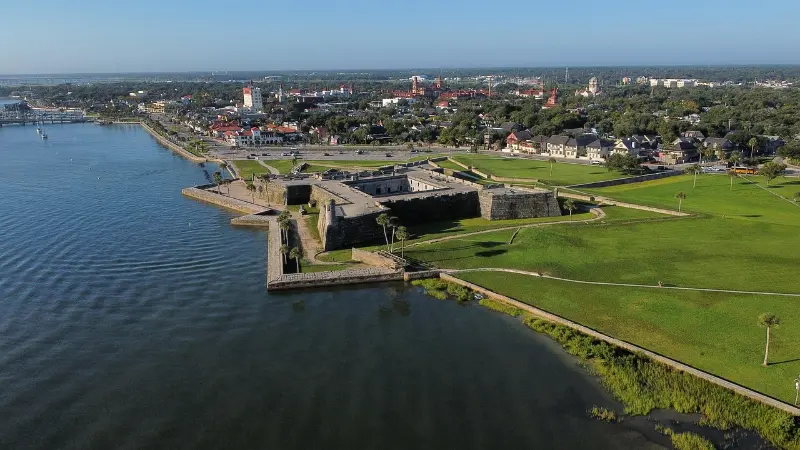
If you are traveling with children, alternating Gainesville’s museums with Ocala’s springs creates good variety. Travelers who want more small-town character can also use Gainesville as the service base for day trips to High Springs or other communities without moving luggage every night.
Useful internal guides for planning
- Paynes Prairie guide
- Florida Museum guide
- Depot Park guide
- Downtown Gainesville guide
- Ichetucknee Springs guide
Official resources to check before you go
Hours, admission policies, event calendars, construction work and accessibility details can change. Check official sources shortly before travel, especially when one attraction is the main reason for the trip.
Final thoughts
Gainesville is a strong reminder that a Florida trip does not have to choose between culture and nature. Use the city’s museums and food as one half of the itinerary and the prairie, wetlands or springs as the other. With a realistic event calendar and early starts for outdoor days, it becomes one of the most balanced bases in North Central Florida.