
A different way to encounter Miami
Miami Springs is often glimpsed through the airport window or passed on the way to a rental-car counter, yet it has a distinct identity. The planned streets, older homes and connections to aviation pioneer Glenn Curtiss make it a worthwhile stop for visitors interested in the development of South Florida. It should not be sold as a substitute for an Ocean Drive evening or Everglades adventure. Its value is a slower walk, some architectural observation and perhaps lunch before a flight. The history becomes much easier to understand once you recognize the role of aviation in the area’s early growth. Compared with central Miami, the pace and streetscape feel domestic rather than monumental. That makes the town suitable for travelers wanting one manageable cultural activity without crossing the metropolitan area. A two- to four-hour visit is often sufficient, particularly when paired with an airport hotel stay.
Understand the Curtiss Mansion before arriving
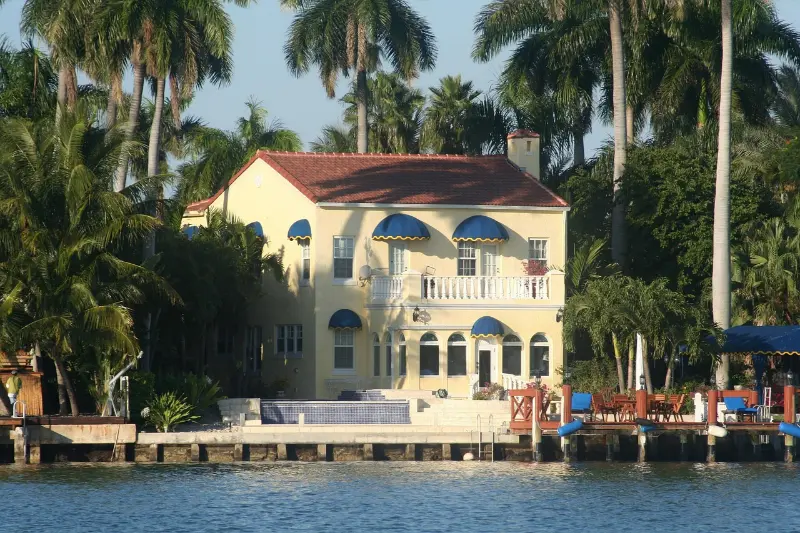
The Glenn H. Curtiss Mansion at 500 Deer Run is the best historical anchor for a visit. Miami Springs’ official city description identifies the Pueblo Revival-style house as Curtiss’s family home beginning in 1925 and documents the substantial restoration following later damage. Its architectural style looks strikingly different from the coastal resort imagery commonly associated with Miami. The grounds and exterior have interpretive appeal even when an interior tour is not scheduled, but visitors should not assume a private event venue can be entered freely. Verify whether a public guided tour, lecture or organized event is actually available on your date. If the building is closed to independent visitors, observe from lawful public areas and make the exterior a shorter stop. Do not cross gates, enter event areas or photograph private gatherings. Readers interested in early Florida aviation can connect the visit with a separate airport-area museum day, but should check those institutions independently.
Notice the city’s planned neighborhood character
The historic settlement developed around a very different idea from the straight grids of many South Florida subdivisions. Circular and curved street patterns, landscaped residential blocks and modest commercial areas create a walk that rewards observation rather than rushing between ticketed stops. Begin near the civic and commercial center, choose two or three blocks that appeal to you, and look for shade before walking farther. Respect that most intriguing historic-looking buildings are private homes, not museums. A useful activity for older children is to compare the layout of this planned community with the faster-changing airport corridors nearby. This is an everyday residential environment, so voices, parking behavior and photography should reflect that. The architecture gives context to the city, but the visit is still about public streets and exterior views rather than access to private interiors.
Make an airport layover work only when time permits
Miami Springs is close enough to Miami International Airport to tempt a traveler with several hours between flights, but proximity can be deceptive. Immigration, baggage collection, ground transport, airport security and possible airline schedule changes all consume time. Never treat a short connection as a sightseeing opportunity. A sensible excursion requires a genuine cushion after accounting for every stage of airport processing and luggage storage. A passenger changing between international and domestic flights may need more time than someone already checked in for a domestic departure. If you have only a few free hours, lunch near an airport hotel or a comfortable rest might be wiser than chasing the mansion. Visitors starting a road trip can make Miami Springs their first short stop after picking up a car, provided they are rested and confident driving. Avoid complicated plans immediately after an overnight flight.
A practical half-day for architecture and lunch
Start by checking the Curtiss Mansion’s public availability and any road closures. If a tour exists, place it at the center of the schedule. Otherwise, use a brief exterior stop and spend the larger share of time exploring the historic streets and having a sit-down lunch near the town center. Finish with a park or quiet coffee break rather than adding another distant Miami neighborhood. Photographers will find softer light early in the morning or toward late afternoon, but should not obstruct residential driveways for a photograph. A second half day could be added only if you have a specific meeting or interest in the surrounding airport history. Families traveling with children should prioritize one indoor respite during the hot part of the day. This plan is intentionally modest: the best version of Miami Springs is short, clear and unrushed.
Where to stay in relation to the rest of the trip
Miami Springs can be practical when an early flight or late arrival dominates the schedule, particularly if a hotel offers airport transfers. That does not mean every property supplies a shuttle or that service runs at every hour. Check pickup locations, frequency, luggage rules, parking charges and the final shuttle departure directly. If the vacation’s focus is beach time, an airport-area hotel is generally a less convenient long-term base than a hotel near the chosen coast. Families might value a larger room and predictable breakfast over a glamorous lobby; travelers with hearing or mobility needs should verify specific accommodations. For a one-night stay, the true cost includes parking, meals and transfers. Pick lodging for the airport logistics first and fit the historical walk around them, not the other way around.
Aviation history in its proper geographical context
Glenn Curtiss matters to this part of South Florida because aviation and real-estate development became intertwined as the region changed. His former mansion is a tangible starting point, but an exterior photograph cannot tell the whole story. Read the city’s historical account before arriving and consider how early flights, changing transport and residential planning influenced growth around what is now a major international airport. The historic city center is best explored on foot in small doses; residents should not have to navigate visitors parked across driveways or peering into private windows. Anyone traveling with elderly relatives can keep this an architectural drive with one short walk, provided roadside stopping is legal and safe. Build the visit around the available mansion programming rather than assuming the property runs public tours every afternoon. If a flight schedule changes, abandon the cultural plan without regret; making a connection matters more than ticking off an attraction. Travelers arriving internationally should also remember that a rental-car pickup may take longer than predicted, particularly with additional insurance or child-seat arrangements. A full afternoon dedicated to a gentle neighborhood visit is often an excellent way to recover from travel, but never turn it into a race with departure time. The place rewards curiosity and restraint rather than ambitious mileage.
Getting around without needless driving
The shortest-looking route is not always the fastest around Miami International Airport. Road configurations, terminal access and rush-hour congestion can complicate a simple cross-town plan. Use navigation for the actual date and time and leave a return margin; do not infer traffic from the distance alone. Once in the residential core, walking a few shaded blocks is often more enjoyable than driving from one corner to the next. However, not every sidewalk or crossing suits a stroller, wheelchair or someone sensitive to heat. Evaluate crossings before committing to a loop and be ready to shorten it. Public transit can connect to the wider metropolitan area but is not a guaranteed door-to-door airport shuttle. If you arrive with luggage, confirm storage arrangements before sightseeing; rolling large suitcases along residential sidewalks is rarely comfortable.
A visit for children, history enthusiasts and older adults
Older children who have flown into Miami may enjoy learning who Glenn Curtiss was and how early aviation shaped this city. Make a short observation exercise out of contrasting the Pueblo Revival mansion with more familiar Florida architectural styles. Very young children are more likely to value a shaded park pause than a long architectural explanation. Teenagers who love aircraft can use the mansion as the beginning of a broader discussion of aviation history, while still respecting that it may not offer a walk-in museum experience. For older adults, one accessible parking stop and lunch can be satisfying. Contact the venue about steps and tour seating before booking, particularly if a mobility device is involved. Avoid scheduling outdoor walks around midday in hot months. There is no obligation to fill every hour: the town’s appeal is its small scale.
Weather, costs and visitor etiquette
Miami Springs experiences South Florida’s humid season and frequent summer thunderstorms. Thunder and lightning call for indoor shelter rather than waiting beneath a large tree, and heavy rain can make walking surfaces slippery. Carry water even for short neighborhood excursions and plan indoor alternatives in nearby commercial areas. The primary costs may be a meal, parking or a booked tour, rather than a string of admission tickets. Do not assume every historic property is publicly funded or free to enter. Where visitor programs require registration, book through the organizer’s official page. Treat private lawns and historic residential facades with consideration; people live and work here. If photography is important, travel light and prioritize lawful, unobtrusive exterior photographs. The most common planning mistake is allocating a full day to a destination that is better appreciated as an authentic short stop.
When Miami Springs makes sense on a Florida itinerary
Choose Miami Springs when the flight schedule already brings you to the airport area, when early aviation history interests you, or when you want a relaxed architectural stop before entering the city. It is less useful as a major detour from a Keys-focused route or as the sole reason to cross Greater Miami in peak traffic. Travelers with only one day in Miami may reasonably prioritize the waterfront and established cultural districts; those staying several nights can add this town for a different perspective. The key logistical question is not whether the stop is famous, but whether it fits the route you are already taking. Reserve any interior mansion access first, choose a meal afterward, and allow a generous drive back to the airport. That produces a memorable, manageable visit without treating a residential community as a theme park.
Practical planning table
| Part of visit | Focus | Reminder |
|---|---|---|
| First stop | Understand the Curtiss Mansion before arriving | Check opening, tickets and weather |
| Second option | Notice the city’s planned neighborhood character | Allow rest and transport time |
| Flexible alternative | Make an airport layover work only when time permits | Keep optional if conditions change |
| Before departure | Official updates and return plan | Confirm parking, access and facility rules |
Frequently asked questions
Can I tour the Curtiss Mansion any day?
No; check the event or tour schedule and do not assume unscheduled interior access.
Is the town near Miami airport?
Yes, but security, traffic and transfers make short layovers unsuitable for sightseeing.
How many hours do I need?
Most travelers can enjoy a short architectural walk and lunch in two to four hours.
Is it a good Miami beach base?
It is better suited to airport logistics than regular beach days.
Can I visit with children?
Yes; keep the historic walk short and provide breaks in shade or air conditioning.