

A solo Florida vacation after 70 does not have to revolve around a cruise, a large organized tour, or someone else’s timetable. Sarasota makes an appealing base for travelers who want time for art, sea air, gardens, and comfortable meals without packing up every morning. The important question is not whether you can fit six attractions into a day. It is whether you can enjoy one or two places, get back easily, and still feel enthusiastic about tomorrow.
This six-night plan works best for an independent traveler who is comfortable arranging ordinary transportation but prefers shorter outings and reliable indoor alternatives. It can also help a companion planning for a parent. Individual mobility, hearing, stamina, and health differ enormously among people of the same age, so the plan offers choices rather than assuming that everyone over 70 wants the same pace.
Six nights at a glance
| Day | Main idea | Keep it comfortable |
|---|---|---|
| Arrival | Settle into one Sarasota base | No prepaid attraction after traveling |
| One | Bayfront, downtown, and an easy meal | Pick a short waterfront section |
| Two | The Ringling’s art and grounds | Museum first, grounds if energy allows |
| Three | Siesta Key beach or a shaded park | Verify beach mat and transport access |
| Four | Selby Gardens or a quiet cultural stop | Book a timed entry if offered |
| Five | Venice waterfront or an extra Sarasota day | A day trip is optional, not mandatory |
| Departure | Breakfast and a calm transfer | Keep a buffer for traffic and luggage |
Choose the right neighborhood before choosing a hotel
Downtown Sarasota is helpful if you enjoy restaurants, cultural venues, and a bayfront setting with some walkable blocks. A property close to Main Street may reduce evening driving, but distances on a map do not tell you whether crossings, sun exposure, or construction will make a walk pleasant. Ask the accommodation for the distance from the actual room entrance to a suitable restaurant and whether a ground-floor room or reliable elevator is available. Request a shower arrangement that matches your needs instead of relying on the broad word accessible.
Staying on or near Siesta Key can be lovely if the beach is your priority, but it may mean more transport to museums or downtown. An inland hotel with uncomplicated parking may suit someone driving a rental car. Compare the total cost of lodging, parking, resort fees, and taxis rather than treating the cheapest nightly rate as the best value. If you do not plan to drive, centrality and a realistic transfer plan are worth paying for.
Arrival: make your first evening deliberately easy
Travel is tiring even when nothing goes wrong. Arriving at an airport, collecting luggage, finding a rideshare pickup, and checking in can take longer than expected. Reserve the first evening for groceries or a simple meal near the hotel. Identify a pharmacy, a place to get drinking water, and the best route back to your room after dark. Save the hotel’s address and telephone number offline. If you use medication requiring refrigeration, confirm a usable refrigerator before paying and bring a backup plan for delays.
Sarasota Bradenton International Airport can be convenient for the area, while flights into Tampa or other larger airports may require a substantially longer transfer. A prebooked car service can be worthwhile after a long flight, especially when you prefer clear pickup instructions or assistance with luggage. Ask about the full charge, waiting time, and cancellation terms. Do not assume the rental desk will still be open if your flight lands late.
Day one: Sarasota’s bayfront and downtown at your own pace
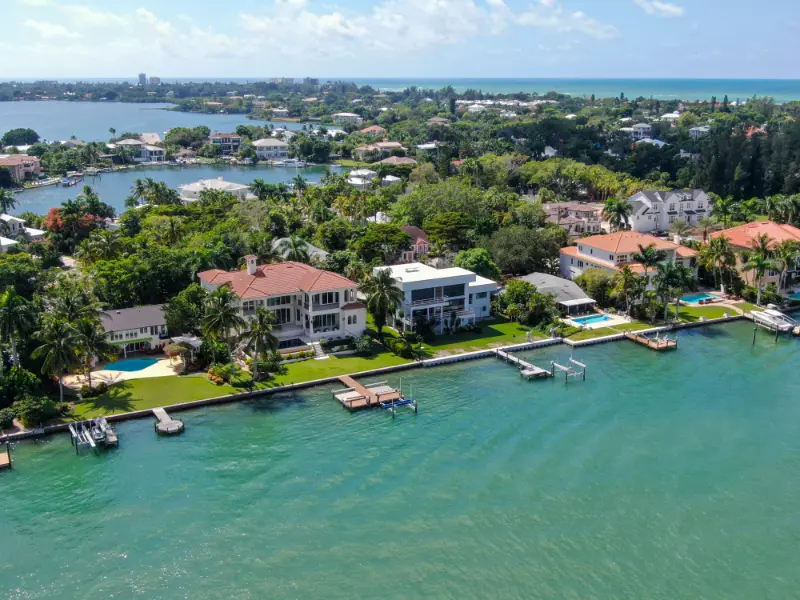
Begin with breakfast, then visit a manageable part of the bayfront rather than committing to a long uninterrupted waterfront walk. The Bay and other public waterfront spaces offer opportunities to sit and enjoy the scene, but check current path and event information before setting out. Choose a route with benches and nearby restrooms, and turn around while you still feel comfortable. Morning is often kinder than midafternoon in warmer months.
After lunch, explore a couple of downtown blocks, a bookstore, or a café. This is not a day to test your endurance. If the weather changes, switch to a gallery or a relaxed indoor meal. Traveling alone offers a genuine advantage here: you can stop because something catches your interest and return whenever you want. Keep a small card with your accommodation address and an emergency contact even if you normally rely on a smartphone.
Day two: spend time with art at The Ringling
The Ringling’s collections and grounds can easily occupy more than one visit. Study the official museum visit information to decide which buildings, exhibitions, and gardens matter most. Prioritize the Museum of Art if indoor comfort or weather is the deciding factor, then consider the other experiences only if you have energy and the appropriate admission. On a large campus, the distance between attractions is part of the outing, not an afterthought.
Plan a seated break after an hour or two, and check accessibility details directly with the museum if you use a cane, walker, wheelchair, or hearing assistance. Do not assume every historic building has exactly the same access arrangements. Photography rules and special exhibition times can change. You will get more out of three galleries you can enjoy slowly than a rushed circuit of everything with no chance to absorb the art.
Day three: enjoy Siesta Beach without needing a long beach walk
A beach day can mean watching the ocean, reading beside the pavilion, or sharing lunch under cover. You do not have to swim or walk far along the sand to enjoy Sarasota’s coast. Siesta Beach has accessibility features, including a beach access mat described by the local tourism organization; check its current location and the availability of other equipment before traveling. The Sarasota County accessibility guide provides a useful starting point, not a substitute for confirming your particular needs.
Choose a day with suitable weather and a calm return journey. Sand can be harder to navigate than expected, and a comfortable morning can turn hot quickly. Sunscreen, water, footwear, a shaded resting option, and a planned restroom are more important than a perfect photograph. If the coast is windy or crowded, exchange the outing for a local garden or an indoor venue without treating the change as a failure.
Day four: a garden day with time to sit and notice details
Marie Selby Botanical Gardens offers a different mood from the beach. Verify the particular campus, exhibition, parking arrangements, opening hours, and ticket requirements on the official Selby Gardens website. Paths, temporary displays, and special-event access can affect the visit. If the weather is hot, arrive early and prioritize a short selection of the grounds. Plant displays reward attention; the value is in looking closely rather than covering a particular distance.
Some travelers prefer a café visit or a quiet afternoon after a garden. Others may enjoy another gallery or a small downtown concert. Check the actual performance duration, seating and transport home before booking. If you are sensitive to noise, ask about amplified music and venue layout. A relaxed cultural night can be memorable without demanding a late return or an unfamiliar drive.
Day five: decide between Venice and a second Sarasota day
Venice is a possible excursion for travelers who enjoy another coastal downtown and a change of scenery. Before committing, compare the driving and parking effort with the actual time you want to spend there. You might prefer a short downtown stroll, lunch, and a visit to a beach viewpoint rather than several separate attractions. Conditions at individual beach accesses, including storm repairs and facilities, can change. Look at municipal updates on the morning of departure.
If you would rather remain in Sarasota, repeat a favorite place. Return to a museum room you rushed, spend another morning on the bayfront, or simply take a leisurely breakfast. A trip becomes more personal when it leaves space for preferences discovered along the way. The extra day is also valuable if rain affected an earlier plan. There is no obligation to turn a six-night stay into a regional road trip.
Getting around safely without making the itinerary rigid
A solo traveler can mix short taxi or rideshare journeys with carefully chosen walks. Before relying on any local bus route, check its current schedule, stop location, and accessibility on the Sarasota County transportation website. Demand-responsive services and ordinary fixed-route buses have different eligibility and booking procedures. Never assume a vehicle will be waiting at a tourist attraction when it is time to return. For an evening outing, decide how you will get home while you are still at the hotel.
Driving yourself provides freedom but introduces parking, traffic, and unfamiliar junctions. Avoid making your first Florida driving experience a late-night journey immediately after a transatlantic flight. If you use a mobility aid, confirm the trunk can accommodate it. When booking an accessible ride, explain the equipment and assistance you require rather than assuming every car can handle it. A short, predictable outing is often worth more than a complicated connection.
Meals, hydration, and an achievable daily budget
You do not need a fine-dining reservation every evening. Look for restaurants with comfortable seating, manageable noise, and clear opening times. Lunch can be the main restaurant meal, with a lighter dinner close to the hotel. Ask about portion sizes, service charges, and whether a restaurant can accommodate dietary needs. Florida tipping practices may be different from those at home, so examine the bill before adding an amount that has already been included for a group.
Build a budget with separate lines for accommodation, airport transfer, daily local transport, meals, museum admission, and a contingency fund. A conveniently located hotel may eliminate several taxi journeys, but the saving varies by itinerary. Compare full totals rather than promotional nightly rates. Set aside money for an unexpected additional hotel night or urgent transport; being prepared makes solo travel more comfortable, not less adventurous.
Comfortable travel when you use medication or mobility support
Carry prescription medicine in properly identified packaging and keep essentials in hand luggage when flying. Bring a written medication list and the name of your travel insurer, and know how to reach emergency assistance. US medical care can be costly for visitors without suitable coverage, so review emergency and preexisting-condition terms before departure. If you have significant health concerns, discuss the trip with your clinician. This article is about practical travel planning, not individualized medical advice.
Let your accommodation know about any essential mobility or hearing accommodations before arrival, and request written confirmation. If you prefer a room near an elevator, specify it. If a step-free shower is necessary, distinguish that from a room that simply has grab bars. Ask for a quiet room if sleeping well is a priority. Keep afternoons adaptable, take breaks before fatigue becomes severe, and remember that wanting comfort does not mean wanting an uninteresting vacation.
Staying confident and connected while traveling alone
Share your basic itinerary with a trusted person, including the hotel and intended day-trip areas, without feeling compelled to report every minute. Charge your phone each evening, carry a small backup battery, and save maps offline. In restaurants or crowded venues, keep your bag in view. If a stranger offers unsolicited help with tickets, transport, or luggage, politely direct them to official staff. Use an established provider for airport transfers and review cancellation policies in advance.
At the same time, do not let safety planning crowd out spontaneity. Chat with museum volunteers, ask a bookseller for a local recommendation, or enjoy a waterfront bench without a phone in hand. Sarasota offers enough variety that a thoughtful six-night trip can feel rich without daily long drives. Solo travel at 70, 80, or beyond is not defined by a number: choose what works for your interests and abilities today.
Frequently asked questions
Is Sarasota a good Florida destination for someone traveling alone after 70?
Yes, especially if you enjoy museums, gardens, coastal scenery, and a slower pace. Choose accommodation and transport around your own walking comfort and interests rather than an age-based formula.
Do I need a rental car for six nights?
Not necessarily. A well-located hotel with taxis or prearranged transfers may work, although beach and garden visits need more transport planning. Compare the full cost with parking and rental charges.
Can I enjoy Siesta Beach if I do not want to walk on the sand?
Yes. Focus on the beach pavilion, nearby seating, and designated accessible routes where available. Confirm current mats, equipment, parking, and restroom arrangements before your visit.