
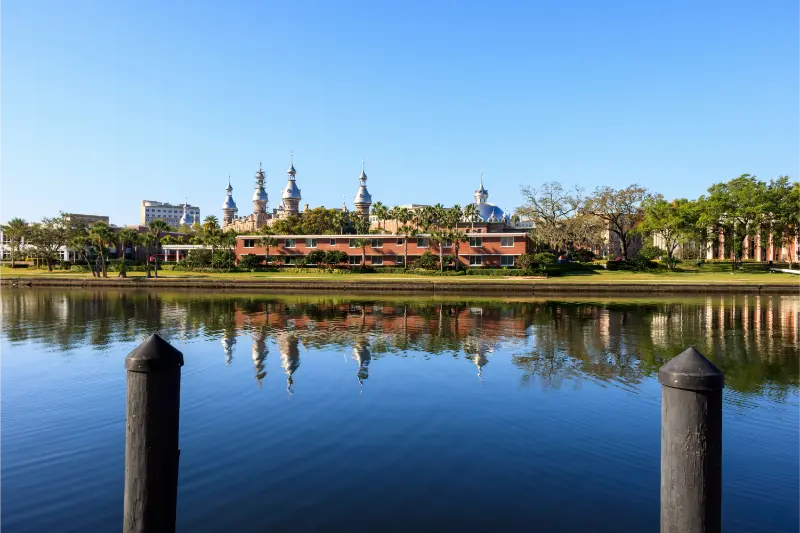
Florida’s food is often reduced to key lime pie, seafood and colorful cocktails. A more rewarding trip explores why different dishes became important, who prepared them, and how working communities continue to shape the table. Around Tampa Bay, a short drive can lead from Ybor City’s cigar-worker history to Greek-influenced sponge-dock restaurants, seasonal strawberry growing in Plant City and the fishing traditions of Cortez. This is a food-history itinerary, not a ranking of restaurants or a promise that one shop serves the definitive version of a dish.
Six days allow time to learn, taste and rest without visiting five cities in a single afternoon. Base yourself near Tampa or St. Petersburg, choose restaurants with current operating information, and combine each food-focused stop with something that does not require purchasing a meal. For families, this helps avoid a trip made entirely of waiting for tables. For travelers with food allergies, it also leaves enough time to ask questions and select places that can explain ingredients and preparation.
Understand Tampa Bay’s food story before ordering
Tampa’s culinary history is closely connected to migration, labor and trade. The cigar industry helped make Ybor City a multicultural neighborhood where Cuban, Spanish, Italian and other communities shared streets, businesses and dining traditions. The local Cuban sandwich is often associated with roast pork, ham, salami, Swiss cheese, pickles and mustard on Cuban bread, although individual shops and families may have variations. Asking why a recipe developed is more interesting than arguing over a single ‘authentic’ version.
Tarpon Springs’ sponge industry brought Greek immigrants and their descendants into the area’s cultural story, while Cortez reflects generations of commercial fishing. Plant City’s strawberry production has shaped the area’s seasonal identity. These histories are not frozen museum exhibits; they are communities that continue to change. Treat restaurants as working businesses, not stages for tourists, and avoid assuming that every dish or person represents an entire ethnic community.
Day one: settle in and visit a local market
Choose a hotel with easy access to the neighborhoods you intend to visit. Downtown Tampa can reduce driving for Ybor City and museum outings, while a St. Petersburg base may make the Cortez and Gulf Coast days more convenient. Compare parking fees, the cost of crossing the bay and the time you are prepared to spend in traffic. Stay in one hotel if moving every night would turn a pleasant food vacation into constant packing and checkout.
Use the first afternoon for a farmers market or a reputable food shop with current opening days. Rather than buying large quantities, select one locally grown seasonal fruit or a small treat you can keep safely. Check origin labels instead of assuming ‘Florida-style’ means locally produced. Florida’s climate supports varied crops, but availability changes with growing seasons and weather. End the day with a simple dinner and make tomorrow’s museum visit the first substantial cultural outing.
Day two: Ybor City beyond the sandwich
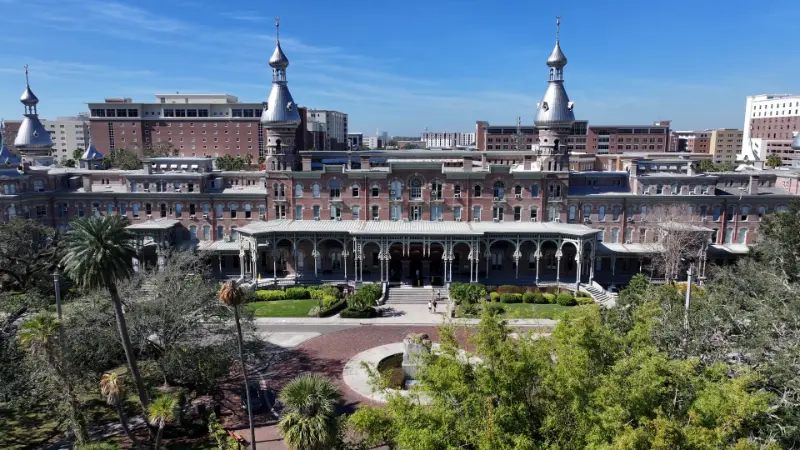
Begin at Ybor City Museum State Park, checking the current admission and weekly opening days. The museum provides context about immigrant communities and the city’s cigar-making past. A guided walk or independently planned heritage stroll can then connect the neighborhood’s architecture, former industrial buildings and public spaces with the food you will try later. Keep walks manageable in summer heat and respect private property and active businesses.
For lunch, sample a Cuban sandwich or another dish associated with the neighborhood. Pay attention to bread texture, fillings and preparation rather than treating a meal as a competition between restaurants. People with pork restrictions or gluten allergies should not assume a sandwich can simply be modified; ask about ingredients, shared surfaces and safe alternatives. In the afternoon, choose a cafe, heritage site or short rest. Ybor’s nightlife atmosphere differs from its daytime heritage experience, so families and early sleepers may prefer to return before late evening.
A cigar heritage lesson without romanticizing working conditions
Cigar manufacturing was an important economic engine in Ybor City, but the story includes working conditions, labor organizing and the lives of families whose livelihoods depended on factories. Learning about the readers known as lectors, workers’ social clubs and immigration patterns can help visitors understand why the neighborhood developed its particular character. Check local museum and heritage resources for current exhibits rather than repeating simplified stories from souvenir menus.
If traveling with children, compare the neighborhood’s past and present: what happened in its factories, where workers lived, and how food businesses served people who worked long hours. There is no need to visit a smoking venue to understand the history of tobacco manufacturing. Choose family-appropriate interpretation and avoid buying products that conflict with your health or values merely because they are presented as heritage.
Day three: Plant City and seasonal strawberries
Plant City is strongly associated with strawberry agriculture. Timing matters: fresh local berries and strawberry-themed events are not year-round guarantees. Before traveling, consult farm websites or Florida’s official agritourism resources for current public access and seasonal picking conditions. Many farms are working agricultural businesses and may allow visitors only during specified hours or by reservation. Do not turn down a private farm road simply because a map labels the surrounding area as strawberry country.
If a permitted farm tour or picking session is available, ask about footwear, sun exposure, restroom access and rules for young children. A family can learn about how berries grow, why harvest timing matters and what happens to produce after picking. If farms are not open, visit a public market or explore Plant City’s historic downtown instead. A seasonally closed farm does not make the day a failure; understanding the relationship between food, weather and workers is part of the lesson.
How to buy berries without wasting them
Strawberries are fragile in Florida heat. Keep purchases cool and eat them promptly rather than leaving boxes in a parked car while you visit another attraction. If you are staying in a hotel without refrigeration, buy only what your group will eat soon. Ask vendors where fruit was grown rather than relying on picturesque packaging. Prepared desserts may contain ingredients important to travelers with allergies, so request specific information before ordering.
Children may love a berry dessert but tire of standing in a hot line for an hour. Keep the day short and have water and a shaded alternative. A quiet stop on the way back to Tampa can prevent a snack-focused excursion from becoming an exhausting drive. During the summer rainy season, use the morning for any farm activity and leave a weather-flexible afternoon.

Day four: Tarpon Springs and Greek food traditions
Tarpon Springs is closely associated with the sponge industry and Greek American heritage. Around the sponge docks, restaurants, shops and cultural sites tell overlapping but not identical stories. Start by learning how sponge diving affected the town and how communities developed around maritime work. Avoid assuming that every tourist-oriented sponge display explains the risks, regulation and economic changes involved in the industry. Museums and local historical organizations can provide broader context.
Lunch might feature Greek-style baked dishes, seafood, salads or pastries, depending on your preferences and dietary needs. Compare menus carefully because fish preparations, cheese, wheat, nuts and other allergens can be common in various dishes. For families, a short waterfront stroll and one museum stop may be enough. The sponge docks can be busy, so choose a parking area before arrival and avoid standing in roadways for photographs. A boat tour is optional, not necessary to enjoy the district.
Distinguish cultural exchange from stereotypes
Greek heritage is important in Tarpon Springs, but the town contains people with many backgrounds and contemporary lives. Ask thoughtful questions and listen to local historians, residents or guides rather than treating the area as an open-air replica of Greece. Shopping for a sponge or a pastry can be pleasant, but you can learn just as much by reading a museum exhibit or noticing the working waterfront. Check whether an item described as natural or local is actually sourced nearby before purchasing it as a souvenir.
This approach matters for children. Explain that communities carry food traditions across generations, adapting ingredients and techniques to new places. Encourage curiosity without asking strangers to perform their identity for visitors. Keep a small travel notebook in which everyone records one detail they learned rather than rating every restaurant out of ten.
Day five: Cortez and the working fishing waterfront
Cortez, near Bradenton and Anna Maria Island, preserves an important part of Gulf Coast fishing heritage. Research the Florida Maritime Museum and local public heritage resources for current exhibits and opening arrangements. The goal is to understand fishing boats, net-making, seafood distribution and the people who have worked in the industry, not to wander across active docks where visitors may create hazards. Respect signs, private work spaces and fishermen who are completing demanding jobs.
A local seafood meal can connect history to the present, but check what is in season and ask whether a fish is local rather than assuming. Commercial fishing seasons, catch rules and availability change. Families who prefer not to eat seafood can still enjoy a museum and waterfront outing. People sensitive to seafood allergens should take cross-contact seriously in restaurants that handle fish and shellfish extensively. When in doubt, select a venue where staff can clearly explain safe options.
Day six: choose a favorite and leave room for the journey home
Return to whichever place most interested the group. Some visitors may enjoy a second Ybor City museum or architectural walk; others may prefer a quiet breakfast in St. Petersburg or a market near the airport. Do not schedule a long restaurant tasting menu just before a flight. Transport, luggage and airport security leave little room for a leisurely final meal. If buying packaged sweets or food gifts, check customs restrictions for your destination country and airline rules for carrying liquids or perishables.
A useful souvenir might be a locally published cookbook, a small crafted item or a product with clearly identified local origins. Fresh produce may not travel well, especially internationally. End the trip with a stronger sense of how immigration, agriculture and working waterfronts shaped Florida rather than a long list of dishes purchased under pressure.
Six-day route summary
| Day | Area | History focus | Flexible food experience |
|---|---|---|---|
| 1 | Tampa Bay base | Seasonal agriculture and local markets | Small market purchase |
| 2 | Ybor City | Cigar workers and migration | Cuban sandwich and cafe |
| 3 | Plant City | Strawberry growing and seasonal labor | Seasonal berries or market |
| 4 | Tarpon Springs | Greek heritage and sponge diving | Greek-influenced meal |
| 5 | Cortez | Commercial fishing and maritime culture | Seafood or museum visit |
| 6 | Chosen base | Revisit favorite story | Simple breakfast before departure |
The route is manageable with a car, but exact drive times depend on traffic, bridge conditions and where you stay. Do not assume that a public bus serves every farm or heritage site. If traveling without a car, focus on Tampa and Ybor City or another walkable cluster rather than attempting all four communities.
Budget, accessibility and dietary planning
Budget for hotel nights, parking, fuel or tolls, museums, meals and optional classes. A food-history trip need not involve expensive restaurant reservations every night; an inexpensive lunch and a meaningful museum visit can be more rewarding than a high-priced dinner. Some attractions offer senior, student or local-resident rates with eligibility restrictions. Verify them directly. Many working waterfront areas have uneven pavement, sun-exposed paths and limited seating, so ask about accessible routes and drop-off points.
People with severe food allergies should contact restaurants about ingredients and preparation practices, not rely on generic ‘allergy-friendly’ labels. A food tour may combine dishes from several kitchens, making cross-contact assessment difficult. Travelers who have dietary restrictions can focus on the history and choose food independently; no one needs to eat something unsafe to participate in cultural tourism.
Travel respectfully through living communities
Food tourism is more meaningful when it supports businesses and respects the people who work there. Ask before photographing kitchen staff or customers, avoid blocking market aisles and do not enter agricultural fields without permission. Tip according to local service practices, but verify whether large-party gratuity has already been added. If you buy a local product, look for a reliable origin description instead of trusting a nostalgic label.
Children can learn the distinction between a working fishing village and a themed waterfront attraction. Older visitors may appreciate historical interpretation and opportunities to sit rather than rushing from shop to shop. A good travel day balances the taste of a place with the time needed to understand how it became what it is.
Frequently asked questions
Is the best time to visit Plant City the same as beach season?
Not necessarily. Strawberry growing and public farm experiences are seasonal; check individual farms and event calendars before choosing travel dates.
Must we rent a car for this itinerary?
A car makes travel between the four communities far easier. Without one, focus on fewer places with reliable transport rather than trying to replicate the whole route.
Is this trip worthwhile for people who do not eat seafood or pork?
Yes. Museums, neighborhood walks, markets and historical interpretation remain valuable, with alternative meals selected according to individual needs.
Official resources
Consult Ybor City Museum State Park, the Florida Maritime Museum, the City of Tarpon Springs and Visit Florida for public information and updates.
Leave a Reply